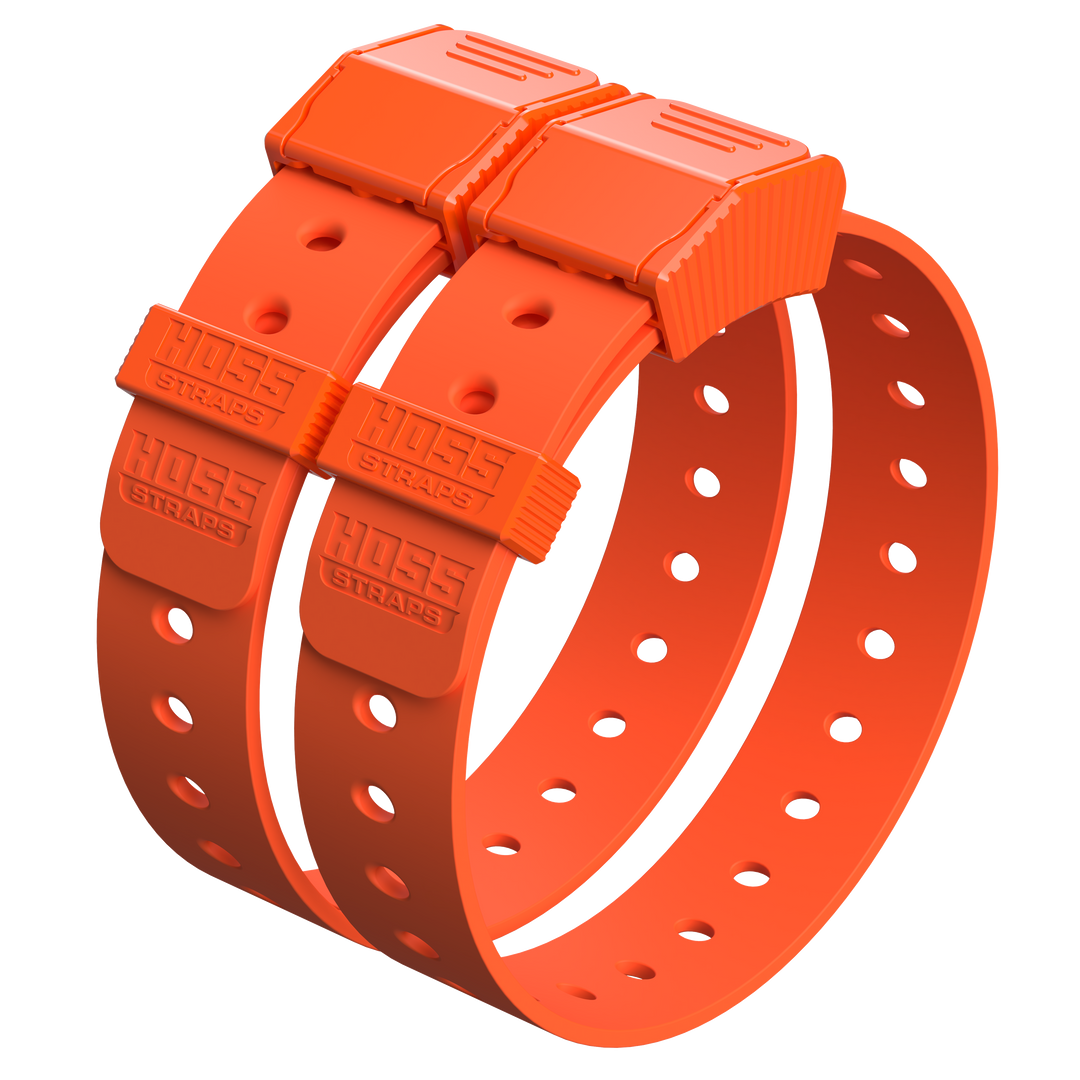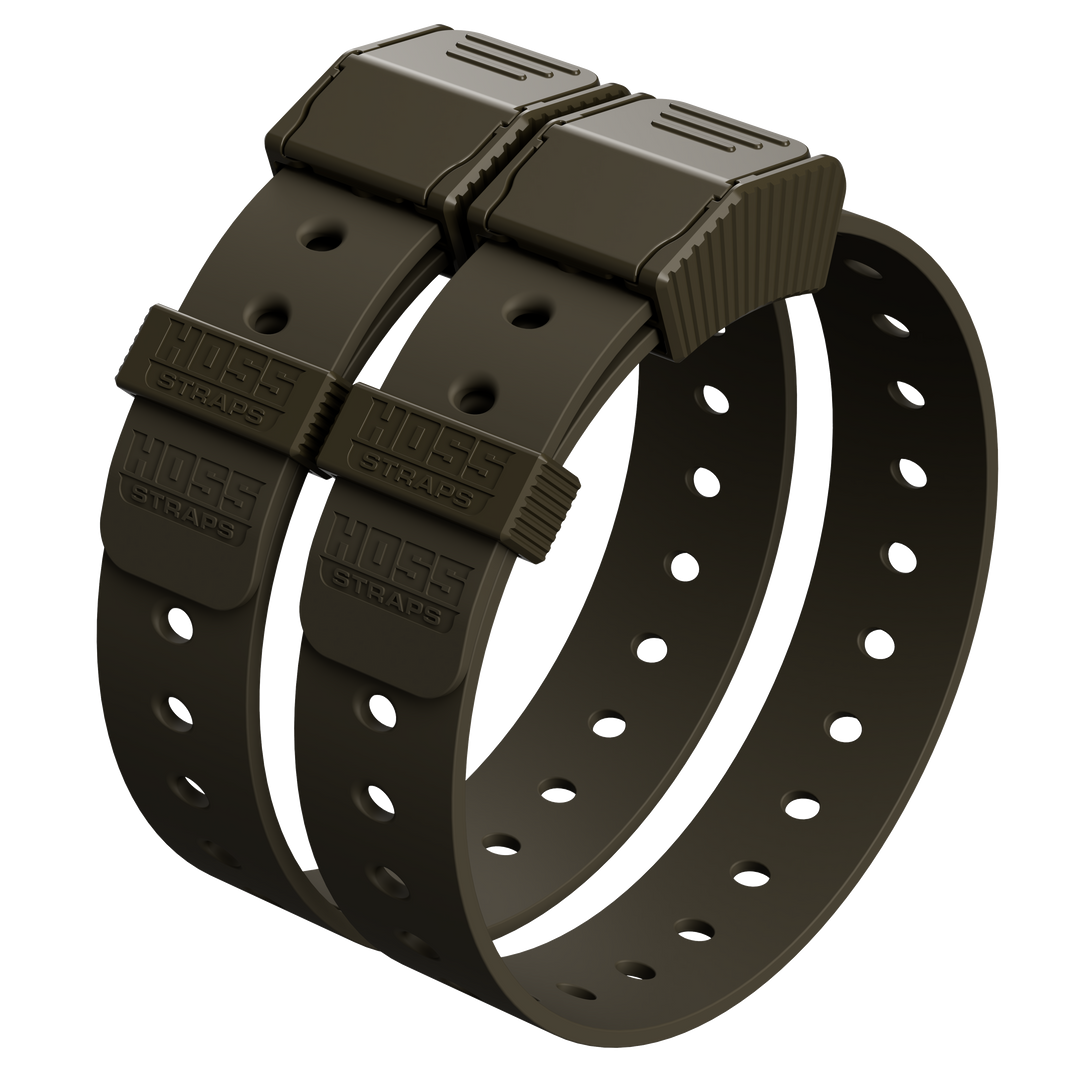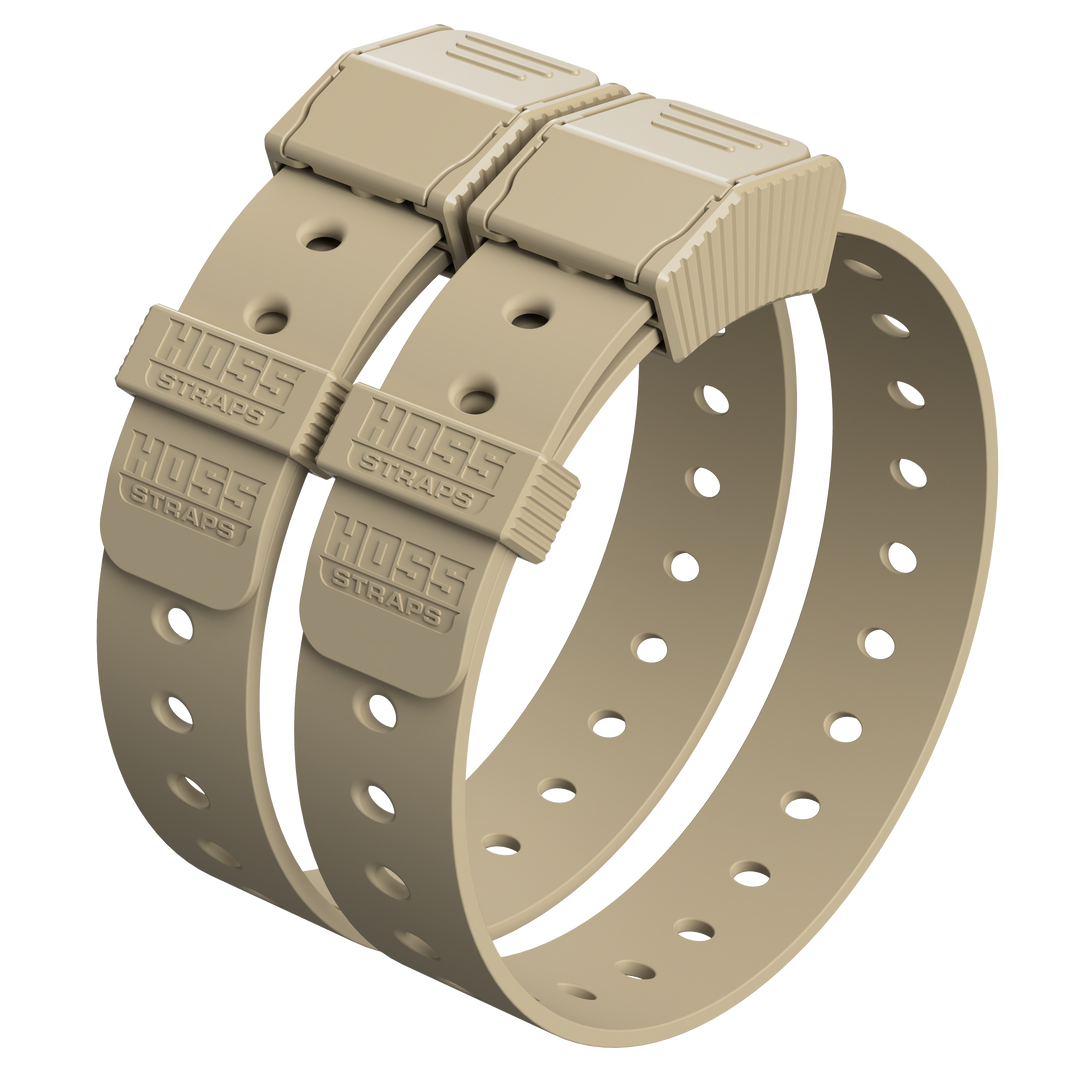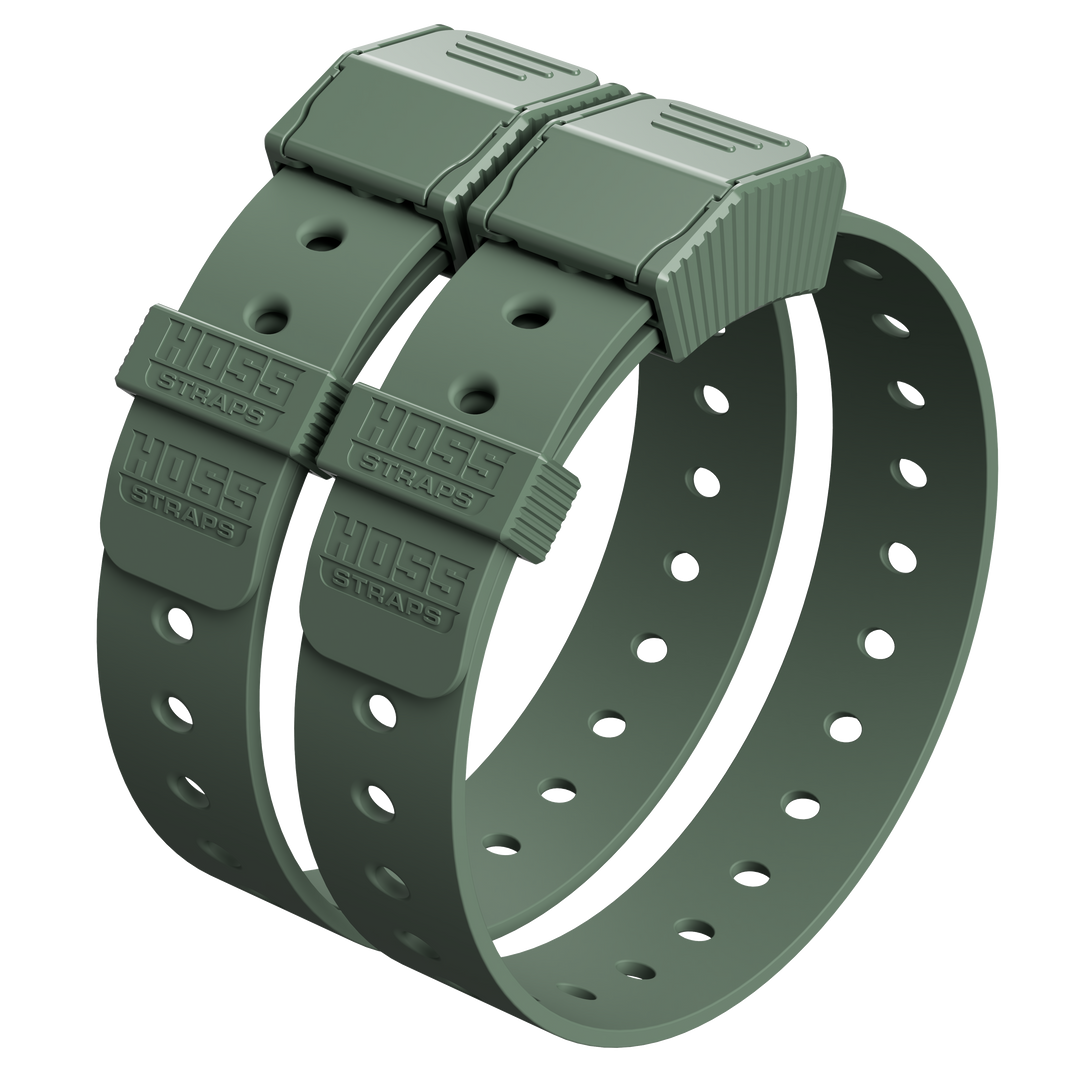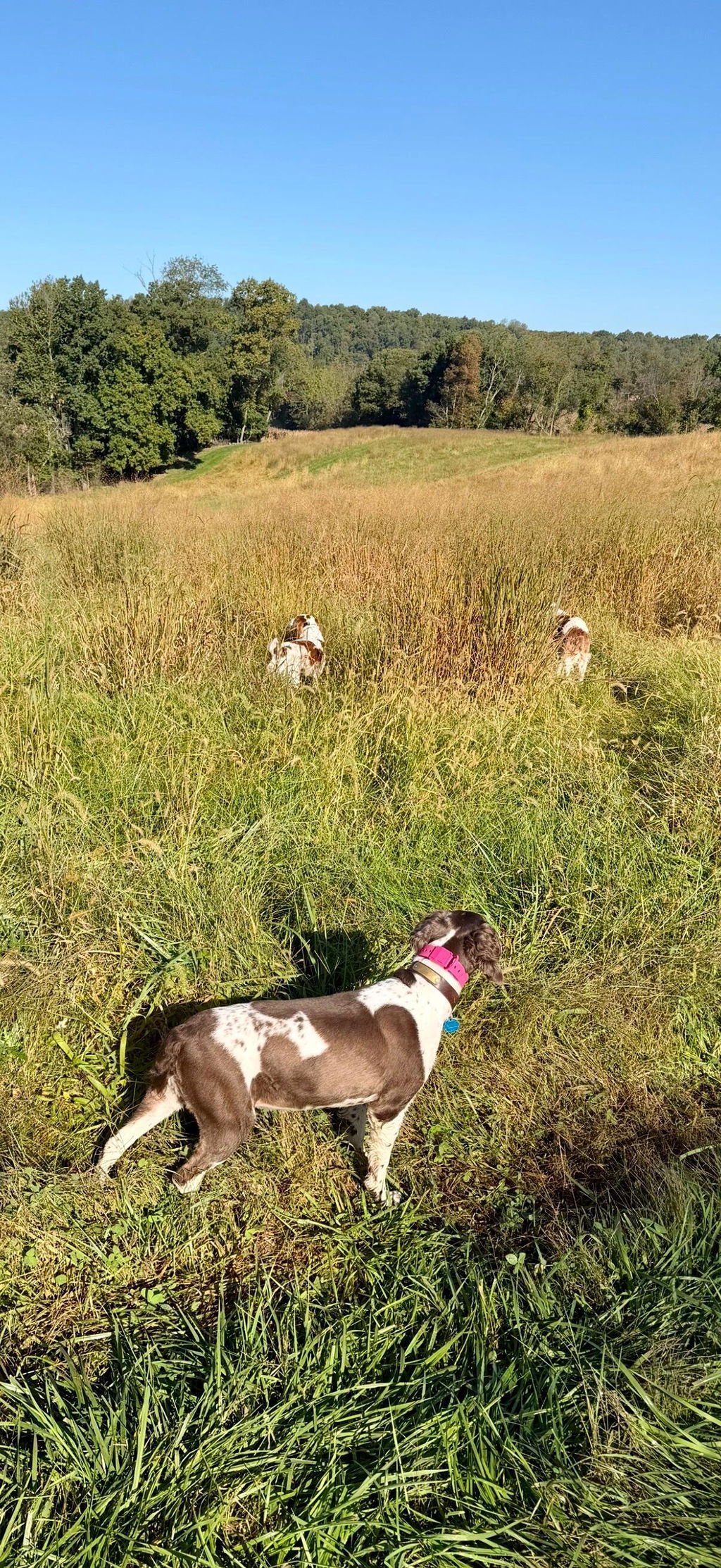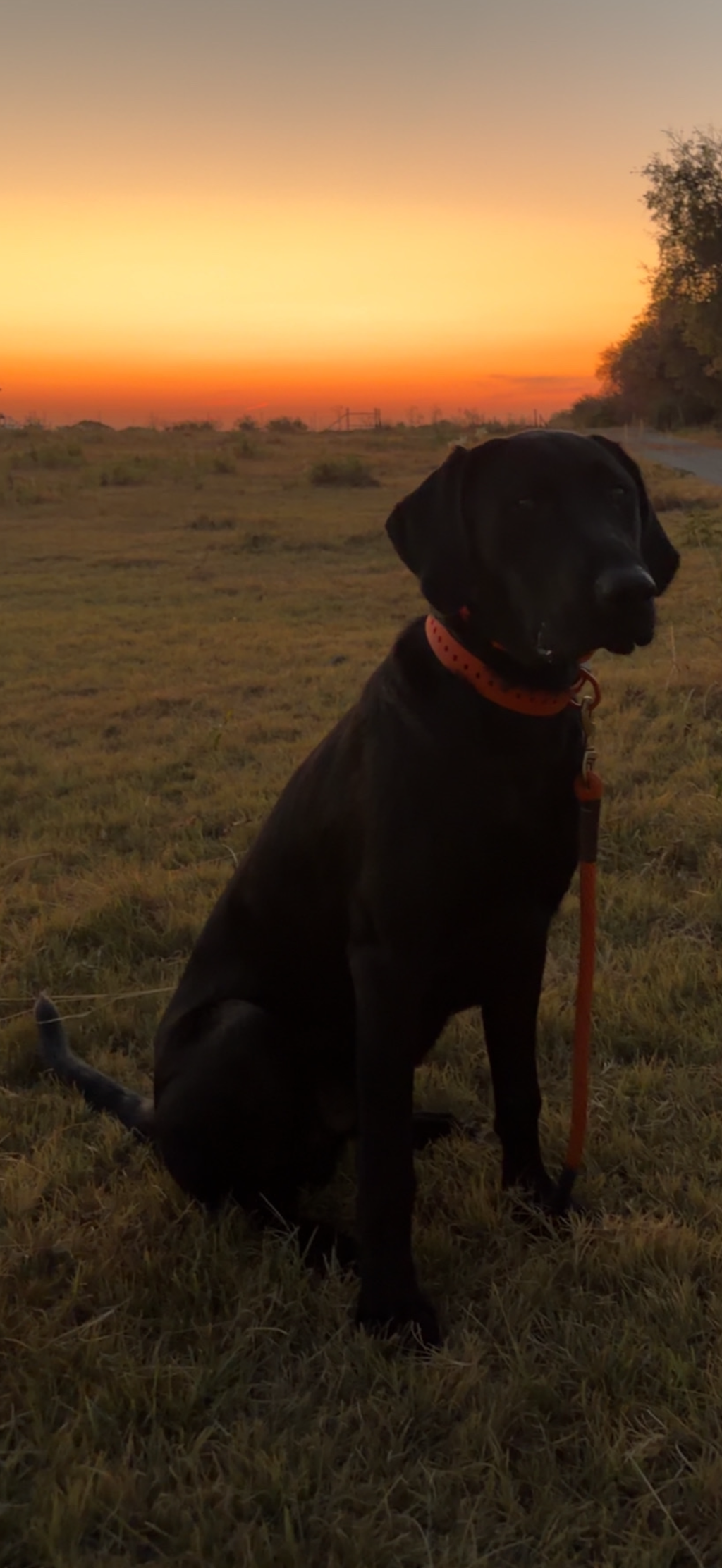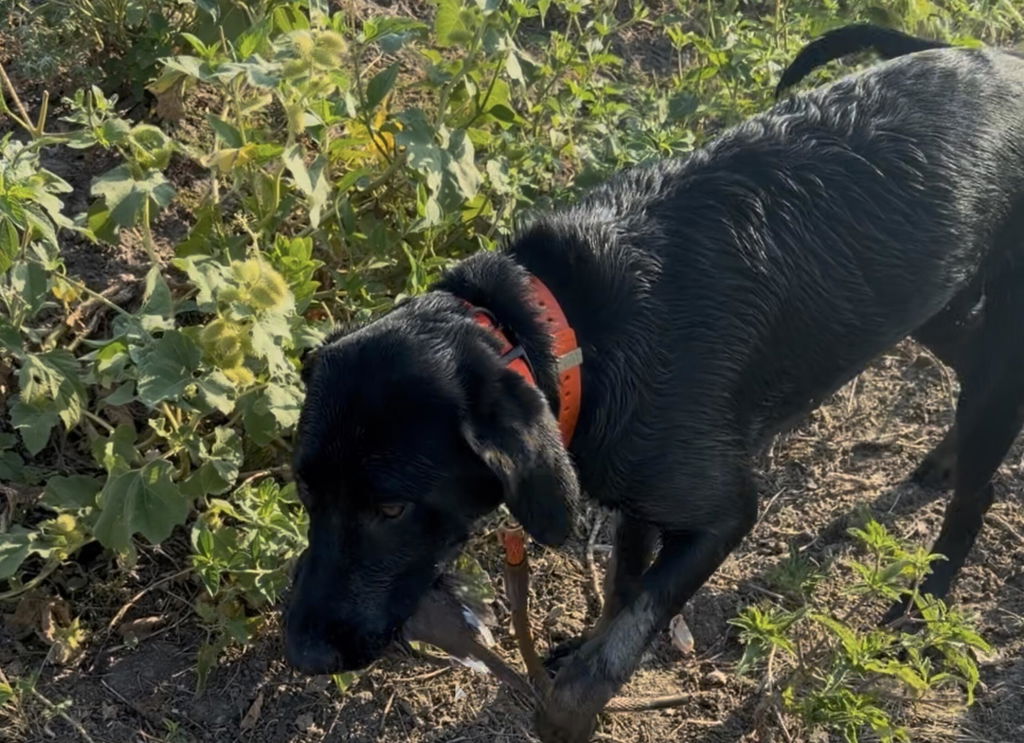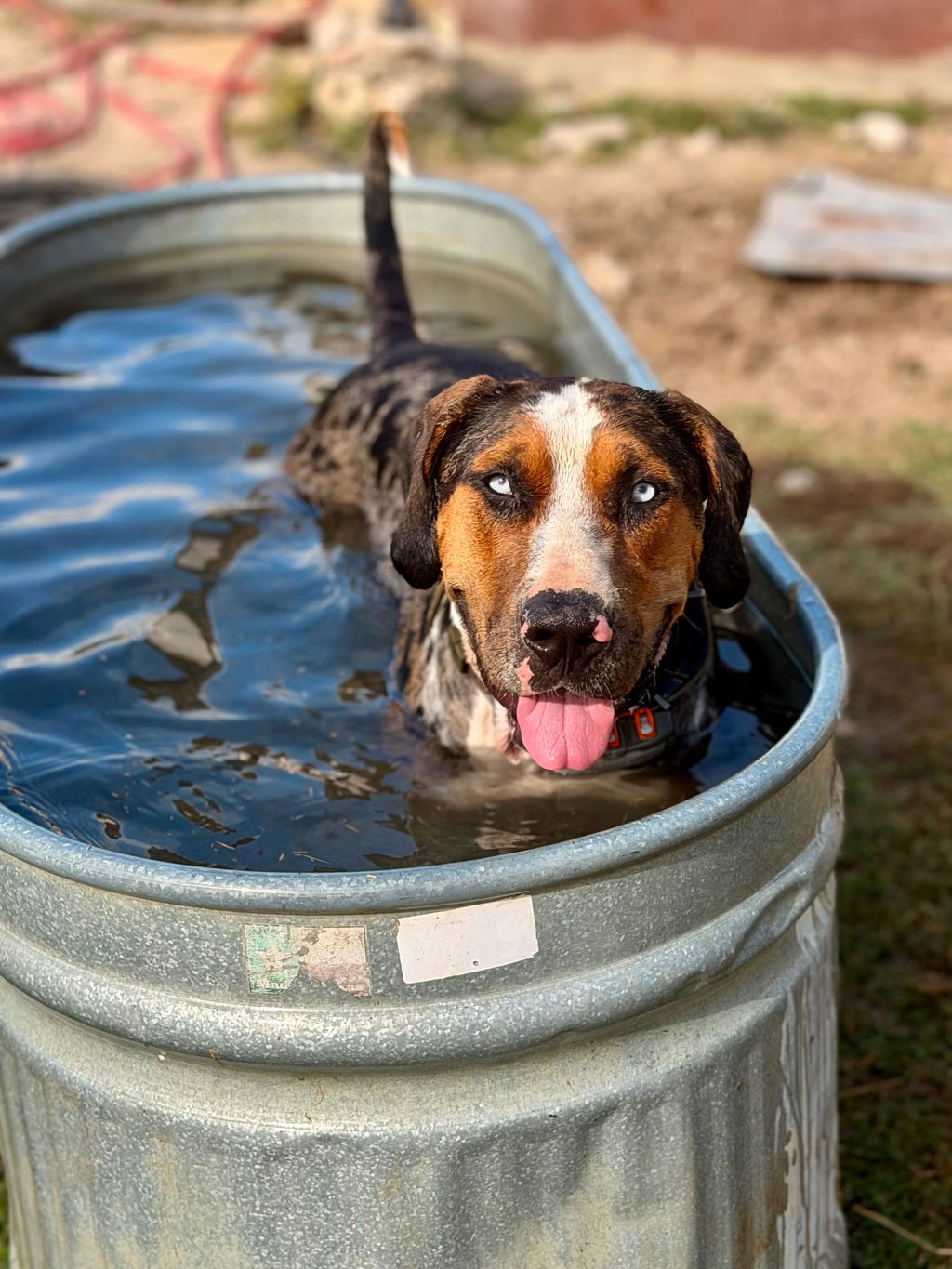



New Arrivals Dog Collars: What’s New at Hoss Straps

Check out our training collar setup, D-ring dog collar, dog collars, and more.
New collars should do two jobs. They should feel good on your dog, and they should hold up in real life.
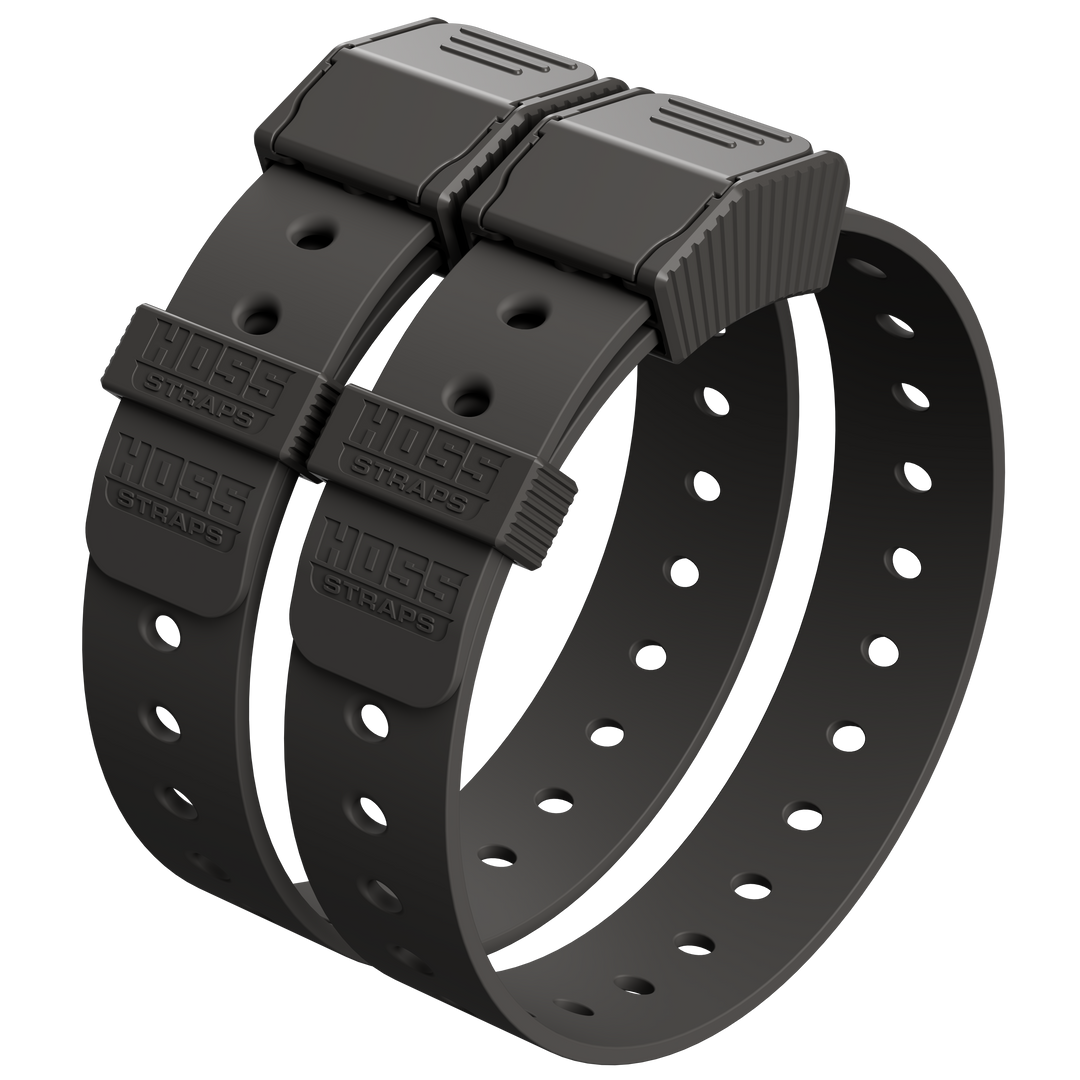
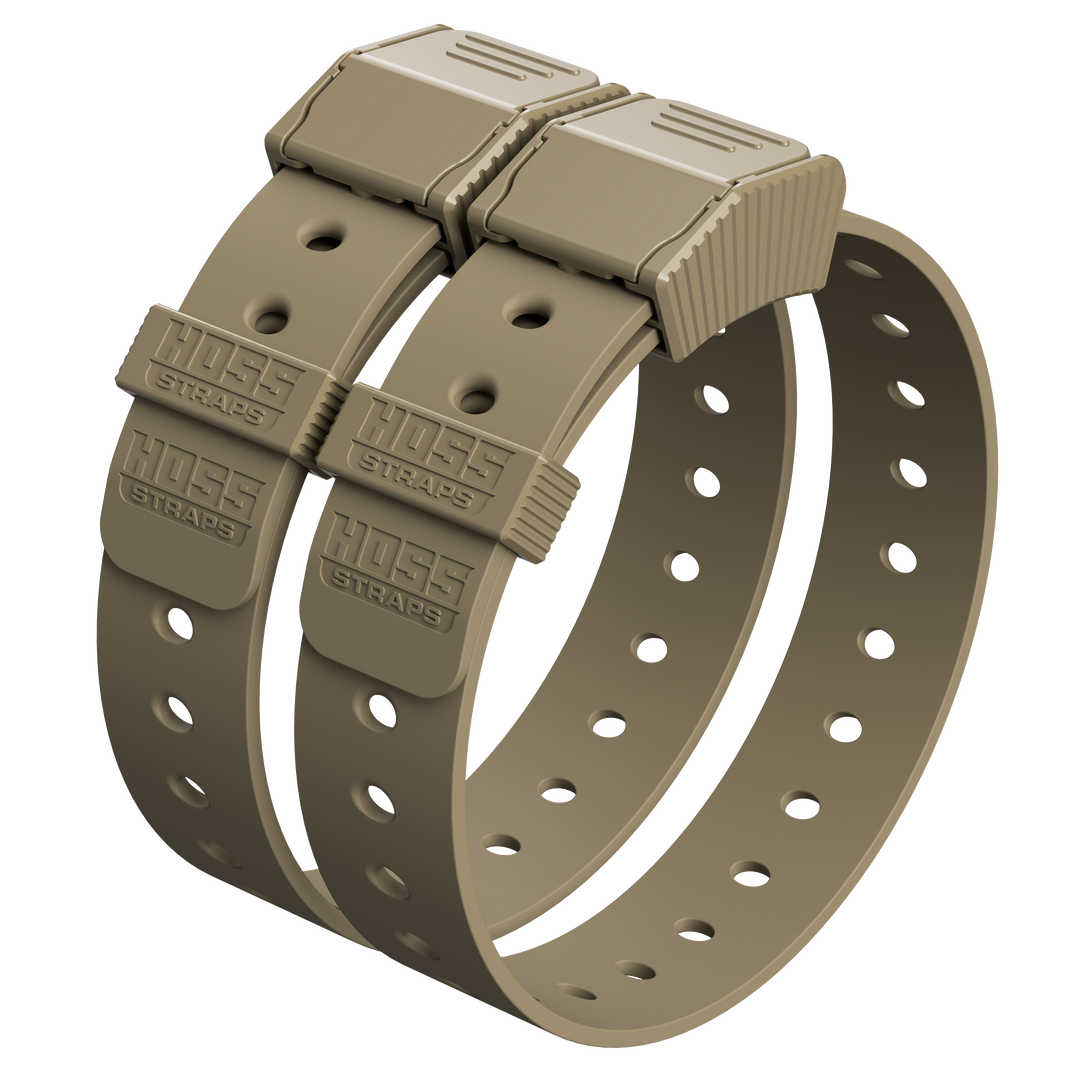
This guide walks you through the current Hoss Straps dog collar lineup, including weatherproof collars, D-ring collars, training collar setup options, and easy everyday collars. Use it to choose the right setup for your dog’s routine.
Table of Contents
- What’s New in Our Dog Collar Lineup
- Quick Comparison: Which Collar Fits Your Dog?
- 60-Second Buyer Checklist
- Get the Fit Right First
- Choose a Collar Based on How Your Dog Walks
- Training Collar Setup, Used the Safe Way
- Care Tips for Weatherproof Collars
- Ready for the New Drop
- FAQ
What’s New in Our Dog Collar Lineup
Hoss Straps dog collars focus on simple, hard-wearing builds that match how most dogs actually live: wet weather, dirt, daily walks, training sessions, and the occasional hard pull.
Weatherproof dog collars
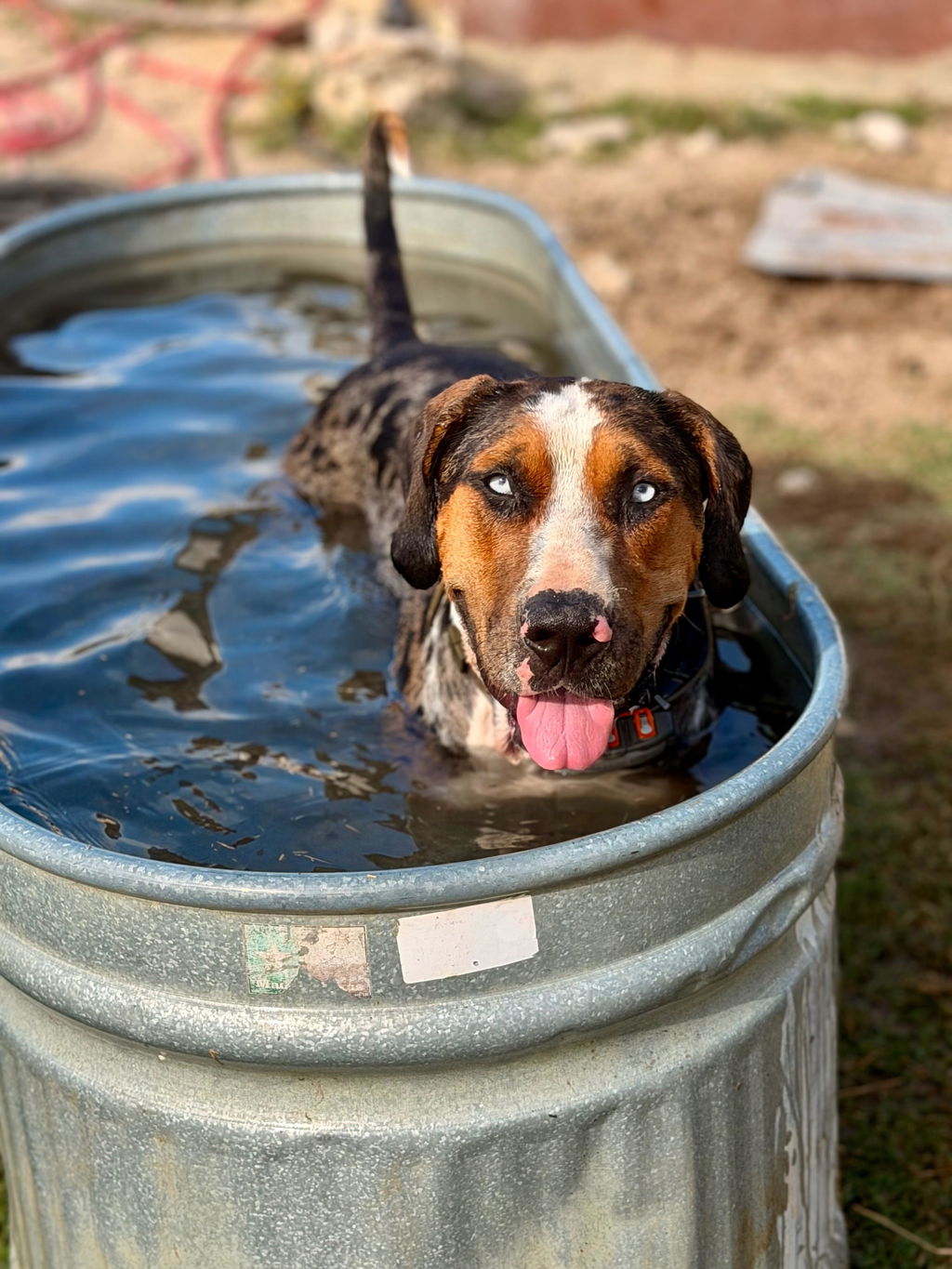
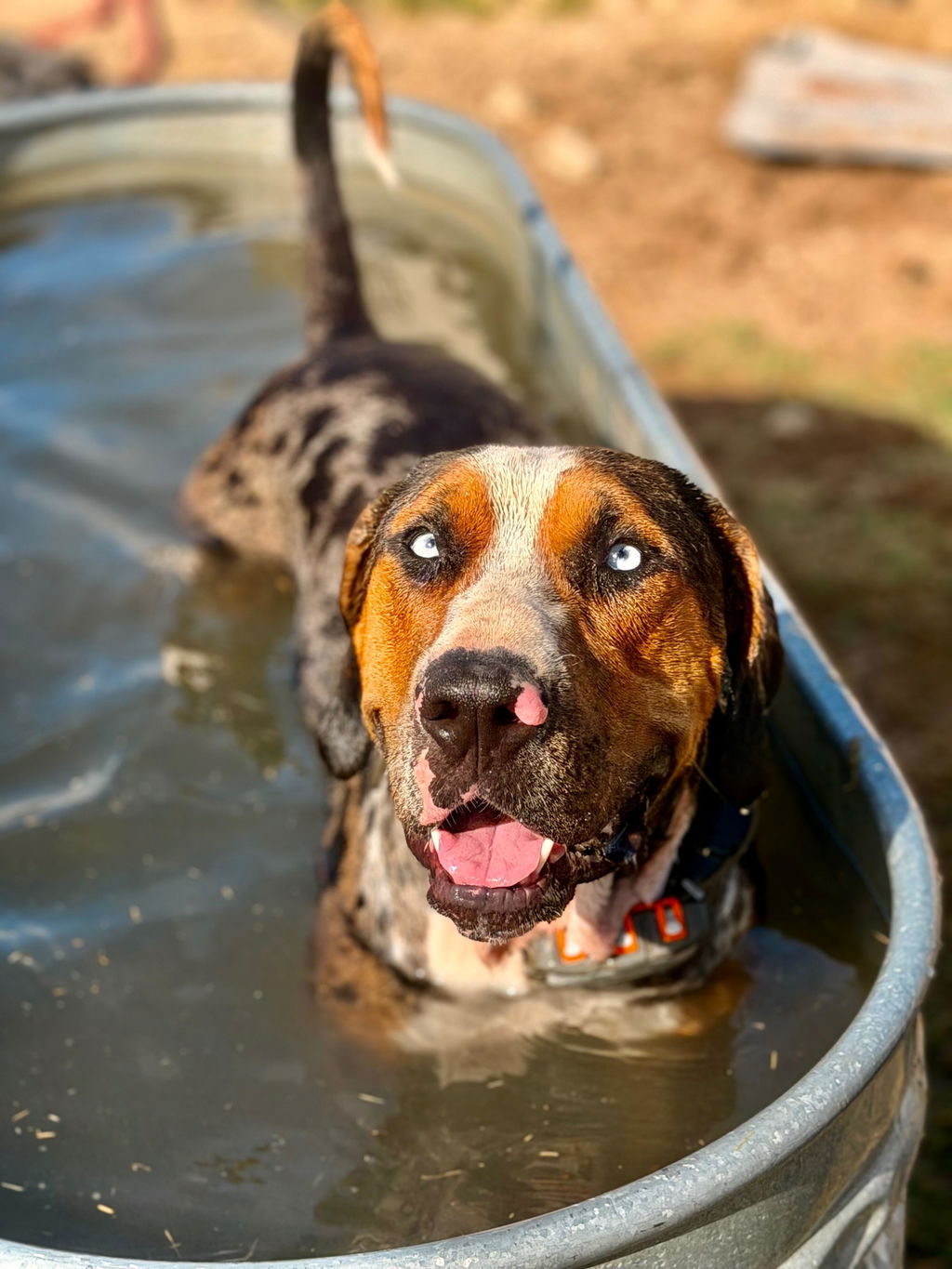
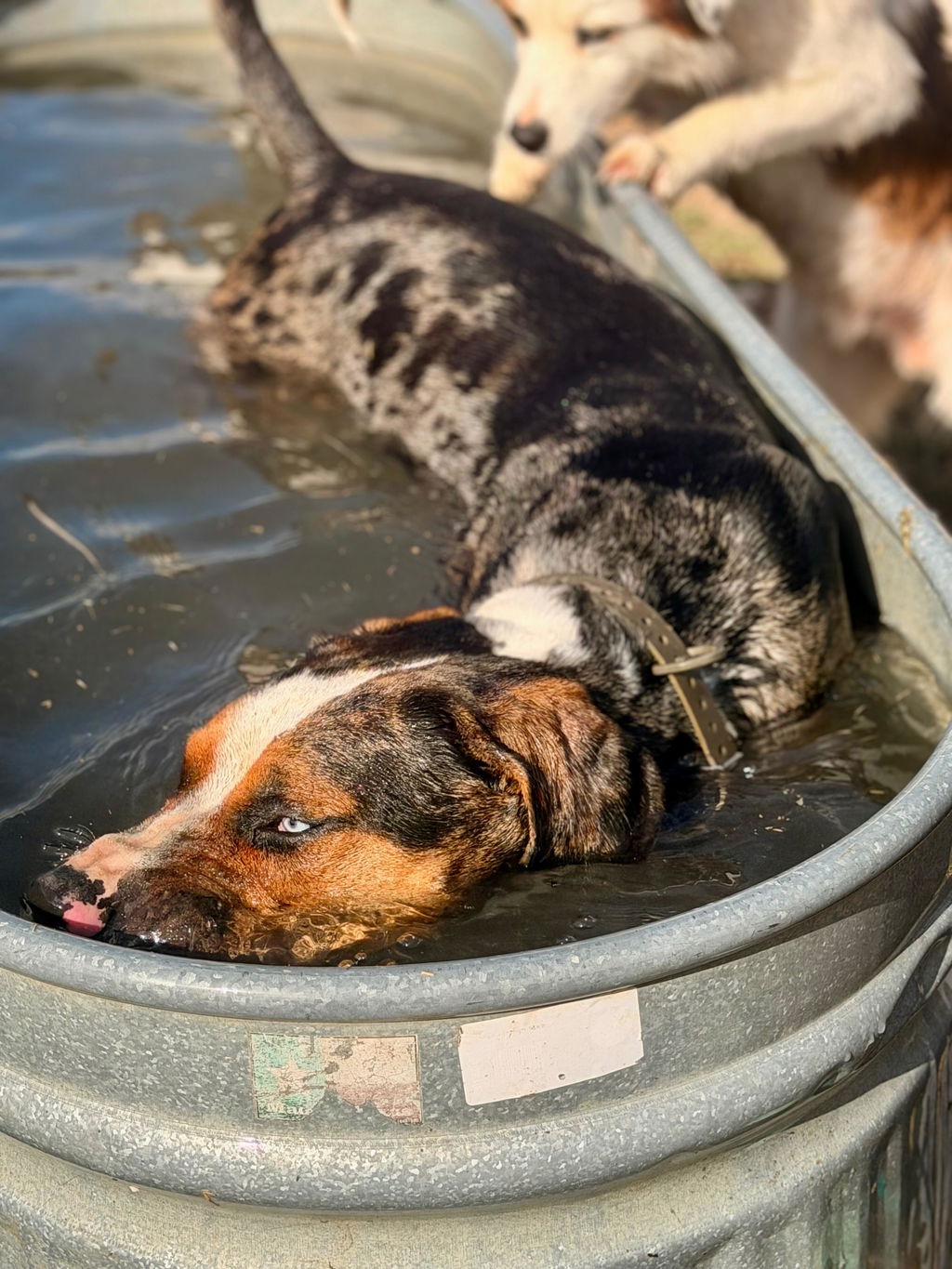
If your dog hits puddles, rain, mud, lake days, or salt air, a weatherproof dog collar is the easy call. The point is simple: it is built for the mess, then built to clean up fast.
What to look for:
- A surface you can rinse or wipe clean
- Hardware that feels solid in your hand
- A build that does not feel bulky on your dog’s neck
- A strap that does not soak up water and stay damp
D-ring dog collars
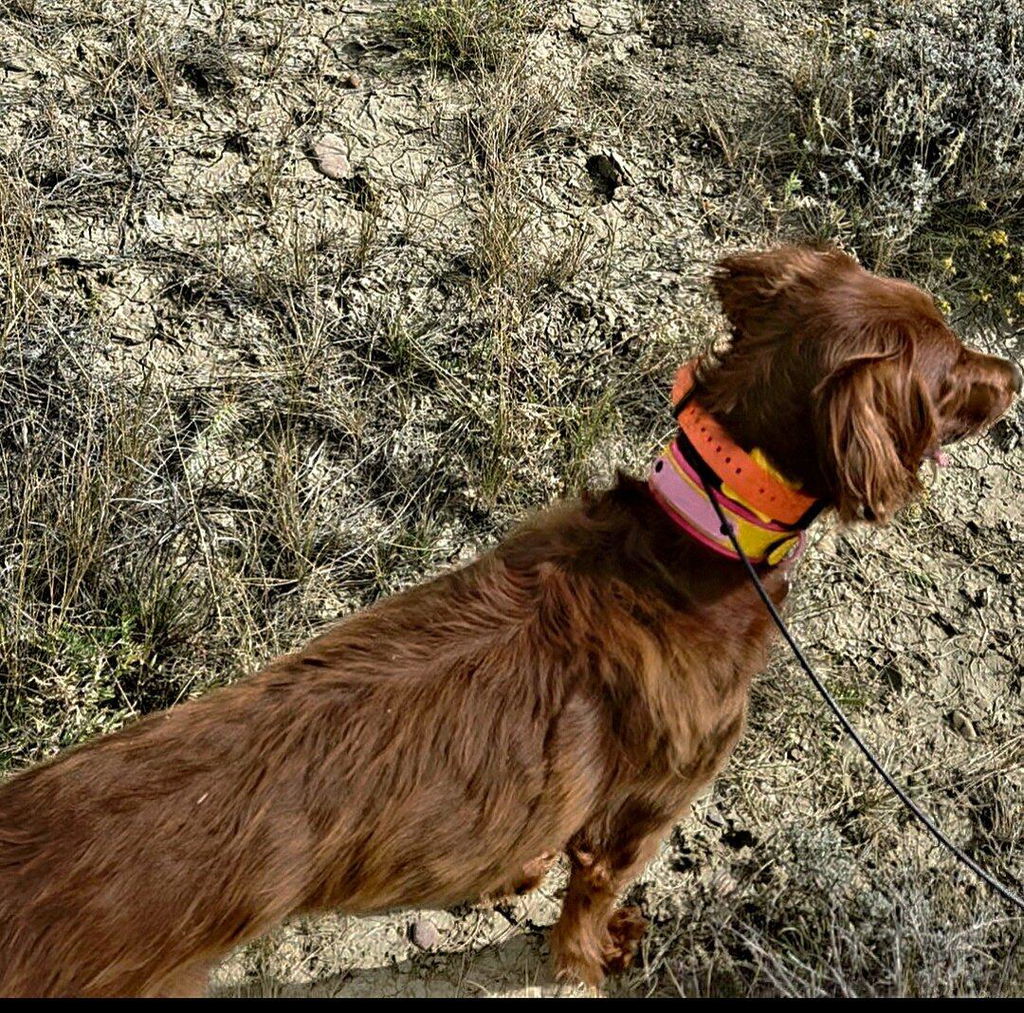
A D-ring dog collar keeps things straightforward: clip the leash, clip the tag, and go. Hoss Field Collars include an aluminum D-ring, 1 1/16-inch strap width, 100% waterproof construction, and fit up to a 22-inch neck size.
What to look for:
- A D-ring that is easy to clip with one hand
- Enough room for tags without crowding the leash clip point
- A collar width that matches your dog’s size and coat
- Hardware that stays smooth, secure, and easy to inspect
Training collar setup options
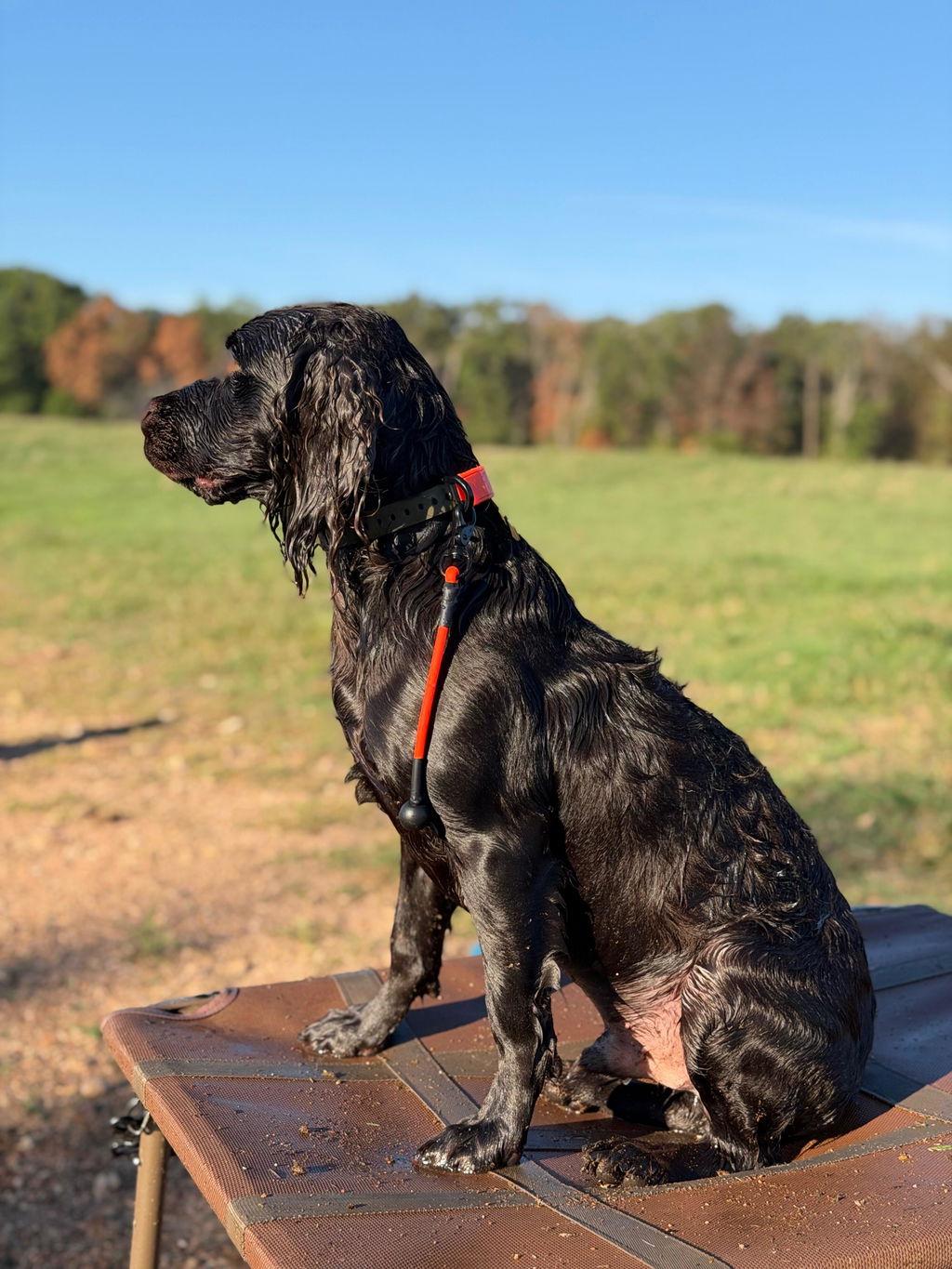
A training collar setup can be helpful when you need a weatherproof collar base that works with compatible training gear. The Hoss Field Collar Complete System is built around fast on/off collaring, instant adjustment, a 1 1/16-inch strap width, and Garmin-style adapter compatibility. Garmin device sold separately.
What to look for:
- A setup you can put on and take off fast
- Clear leash and gear connection points
- A strap width that matches your receiver or adapter
- A plan: short sessions, calm reps, and a reward your dog cares about
American Humane advises that training collars should not be left on unattended dogs. Treat training gear as supervised session gear, not all-day wear.
Easy dog collars
Sometimes the best collar is the one you reach for every day. Easy Dog Collars are built for routine: quick on, quick off, no fuss.
What to look for:
- Smooth adjustment
- A secure closure
- A comfortable feel for daily wear
- Easy cleanup after wet or dirty walks
Quick Comparison: Which Collar Fits Your Dog?
| Hoss Collar Option | Best For | Key Features | Shop |
|---|---|---|---|
| Weatherproof Dog Collars | Wet, muddy, outdoor, and everyday dogs | 100% weatherproof, easy on/off, quick-release buckle, removable buckle, fit up to 22 inches | Shop Weatherproof Dog Collars |
| D-Ring Dog Collar / Field Collar | Daily walks, ID tags, leash clips, field use | 100% waterproof, aluminum D-ring, quick release, 1 1/16-inch strap width, Tractive GPS compatible | Shop D-Ring Dog Collar |
| Training Collar Setup | Handlers using compatible Garmin-style modules | Collar plus adapter setup, 100% weatherproof, fast on/off, fits up to 22 inches | Shop Training Collar Setup |
| Easy Dog Collars | Owners who want a quick daily collar | 100% weatherproof, quick-release buckle, removable buckle, easy adjustment, fit up to 22 inches | Shop Easy Dog Collars |
| K9 Dog Collars | Working routines, outdoor use, and harder daily wear | 100% weatherproof, quick on/off, adjustable fit, built for field and training use | Shop K9 Dog Collars |
60-Second Buyer Checklist
Use this before you buy.
| Check | What to Ask | Why It Matters |
|---|---|---|
| Fit | Does the size range match your dog’s neck measurement? | A great collar is still wrong if it cannot adjust securely. |
| Purpose | Is this for everyday wear, wet weather, training, or extra field use? | Choose based on the job, not just the color. |
| Material | Does your dog need weatherproof, wipe-clean gear? | Wet dogs and muddy dogs need low-maintenance collars. |
| Hardware | Does the buckle click cleanly and the D-ring feel dependable? | Hardware is where weak collars often show their limits. |
| Leash and tag setup | Can you clip the leash and tags without crowding the same spot? | A clean setup is easier and safer to use every day. |
Get the Fit Right First
A great collar can still be the wrong choice if it does not fit.
Start with a clear rule: AKC guidance recommends the two-finger fit check and replacing collars when they no longer fit properly or show wear.
- Measure your dog’s neck where the collar will sit.
- Choose a size range that covers that measurement.
- Put the collar on and do the two-finger check.
- Make sure the collar cannot slip over the head.
- Recheck after a few walks and any time your dog’s coat or weight changes.
| Fit Result | What It Means | What to Do |
|---|---|---|
| You cannot fit two fingers | Too tight | Loosen the collar and check for rubbing or coughing. |
| Two fingers fit comfortably | Good starting fit | Do a slip test and movement check. |
| The collar spins or slips over the head | Too loose or wrong size range | Tighten within range or choose a better-fitting collar. |
Choose a Collar Based on How Your Dog Walks

Different dogs need different setups. Pick based on what happens at the end of the leash.
For calm walkers and everyday wear
If your dog walks steady and does not pull much, a simple everyday collar is usually enough. Your focus is comfort, easy use, and a clean tag and leash setup.
For dogs that pull
If your dog pulls hard, you want a setup that helps you stay in control without putting all the pressure on the neck. VCA explains that collars and harnesses have different purposes and warns that hard pulling against a collar can load delicate neck structures.
A practical approach for many owners:
- Use a collar for ID.
- Use a harness for training walks if pulling is the main issue.
- Work on leash manners with short, consistent sessions.
For dogs that back out of collars
If your dog can slip a flat collar when they spook or reverse, you need a more secure plan. Edmonton Humane Society explains that martingale collars can help prevent slipping out when properly fitted, and also stresses supervision and correct adjustment.
If you are not sure whether your dog needs a flat collar, harness, or martingale-style setup, ask a qualified trainer or your vet for help choosing safely.
Training Collar Setup, Used the Safe Way
Training gear works best when the rules are tight.
- Use it for the session, then take it off.
- Keep training walks short and consistent.
- Make sure the collar or receiver sits correctly before you start.
- Stop if your dog shows fear, panic, rubbing, coughing, or skin irritation.
- If you are unsure about fit or handling, work with a qualified trainer.
The Hoss Training Collar Setup is built for handlers who want fast on/off collaring, weatherproof performance, and compatible adapter-based training gear support. Garmin device sold separately.
Care Tips for Weatherproof Collars
Weatherproof collars are built to live in the mess. Keep the routine simple.
| After... | What to Do | Why |
|---|---|---|
| Mud | Rinse or wipe the collar clean. | Prevents grit from sitting against the neck or hardware. |
| Saltwater or road salt | Rinse with fresh water and dry. | Helps protect hardware and keeps buildup away. |
| Lake or rain days | Wipe dry before storage. | Keeps your gear bin cleaner and your collar ready for next time. |
| Normal leash grab | Check buckle, D-ring, strap edges, and fit. | Small checks catch wear before it becomes a problem. |
Ready for the New Drop

When you want a collar that fits your dog and matches your day-to-day, start with the newest Hoss Straps lineup and pick the build that fits how you walk.
Browse Hoss Straps Dog Collars, compare the D-Ring Dog Collar, check out Weatherproof Dog Collars, or build around the Training Collar Setup.
FAQ
How tight should a dog collar be?
Use the two-finger fit check. The collar should be snug enough to stay put but loose enough that your dog can breathe, swallow, and move normally. If you are between sizes, choose the size range that best centers your dog’s measurement.
Are weatherproof collars good for daily wear?
Yes, especially for dogs that get wet, muddy, or dirty often. Weatherproof collars are made for wet and messy routines because they are easy to rinse, wipe, and dry.
Should I use a collar or a harness for walks?
For calm walkers, a collar may work well for everyday use. If your dog pulls hard, many owners use a collar for ID and a harness for walks so leash pressure is not concentrated on the neck.
What collar helps if my dog slips out?
If your dog backs out of flat collars, a properly fitted martingale-style collar may help during supervised walks. Fit and supervision matter, so ask a trainer or vet if you are unsure.
Can I leave a training collar on my dog all day?
No. Treat training collars as supervised session gear. Use them for training, then switch back to an everyday collar when the session is done.