


No-Jingle ID Dog Collars: Quiet ID Options for Anxious Dogs at Home

Check out our training collar setup, D-ring dog collar, and easy dog collars built for comfort.
If your dog startles easily, the last thing you want is a steady clink coming from their collar. A no-jingle ID dog collar setup is simply a quieter way to keep identification on your dog indoors.
The goal is not to remove ID. The goal is to reduce the sound from dangling tags, split rings, and extra metal pieces while keeping your dog’s contact information clear and easy to read.
Table of Contents
- What “No-Jingle ID” Means
- The Quiet House Problem for Anxious Dogs
- Signs Tag Noise May Be Part of the Picture
- Keep the ID, Lose the Jingle
- Fit Matters for Comfort and a Calmer Feel
- Comfort Habits That Help at Home
- Do Not Skip ID
- Pair Your No-Jingle Setup With the Right Collar
- FAQ
What “No-Jingle ID” Means
No-jingle ID does not mean no ID. It means you reduce the sound that comes from dangling tags, split rings, and multiple pieces of metal moving together.
Your goal is simple: keep clear ID on your dog and make the setup quiet enough that it fades into the background.
| Setup Type | Noise Level | Best For |
|---|---|---|
| Multiple hanging tags | Highest | Dogs who are not bothered by sound and need several visible tags. |
| One hanging tag | Lower | A simple setup with less metal-on-metal contact. |
| Tag silencer or cover | Lower still | Owners who want to keep the existing tag but soften the sound. |
| Slide-on, riveted, or flat ID | Very low | Dogs bothered by swinging or jingling tags. |
| Printed or embroidered collar ID | Quietest | Owners who want ID without a separate dangling tag. |
The Quiet House Problem for Anxious and Reactive Dogs
Some dogs react strongly to sound. A Frontiers in Veterinary Science study on household noises notes that some common household sounds can trigger fear-related behavior in dogs, and that up to 50% of dogs may experience noise sensitivity or extreme reactions to noise during their lives.
If your dog is already on edge, collar noise can feel like one more unpredictable thing in the room. A quieter ID setup will not solve anxiety by itself, but it can remove one small stressor from the home environment.
Signs Tag Noise May Be Part of the Picture
You do not need to label your dog. Watch what happens right after the sound.
| After the Tag Jingles... | Possible Meaning | What to Try |
|---|---|---|
| Your dog freezes or flinches | The sound may be startling. | Reduce tag noise and watch whether the reaction improves. |
| Your dog paces or hides | The sound may be adding stress. | Switch to a quieter ID setup and keep the routine calm. |
| Your dog scratches at the collar | The collar may be noisy, itchy, too tight, or poorly fitted. | Check fit, tag swing, and skin condition. |
| Your dog tries to back away | The collar or sound may predict something unpleasant. | Go slower with collar handling and reward calm behavior. |
The Merck Veterinary Manual describes phobia as an exaggerated fear response and notes that dogs can show fear toward loud or unfamiliar noises. If your dog shows panic, escape behavior, or intense fear, talk with your vet or a qualified behavior professional.
Keep the ID, Lose the Jingle: Practical No-Jingle Options
There are a few paths. Pick one, test it, then adjust.
Step 1: Reduce the moving pieces
Look at what is hanging from the collar now. If there are extra tags, extra rings, or decorative add-ons, remove what you do not need and store it in a safe place.
If you want a clean reset, take everything off first. Then add pieces back one at a time until the setup has what you need and nothing you do not.
Do a quick sound test:
- Walk across the room with your dog.
- Let your dog shake once.
- Listen for metal-on-metal clatter.
- Watch your dog’s body language.
Step 2: Quiet the tag you already have
A tag cover or silencer can reduce clatter. Many owners also try silicone quiet dog tags or soft tag covers to soften noise without removing identification.
Put it on, then repeat the same sound test. If you see a big drop in noise and your dog seems comfortable, you may be done.
Step 3: Consider an ID option that does not dangle
Some ID setups sit flatter on the collar instead of swinging. If you go this route, check that the ID is still readable and includes the contact information you want.
| No-Jingle Option | Why It Helps | Check Before Using |
|---|---|---|
| Tag silencer | Softens metal-on-metal clatter. | Make sure the tag remains readable. |
| Silicone tag | Reduces noise compared with metal tags. | Confirm text stays readable over time. |
| Slide-on tag | Sits flat against the collar and does not swing. | Make sure it fits the collar width. |
| Riveted or fixed plate | Creates a low-profile ID setup. | Check attachment points for wear. |
| Printed or embroidered collar ID | Removes the separate tag completely. | Keep text high contrast and easy to read. |
Fit Matters for Comfort and a Calmer Feel
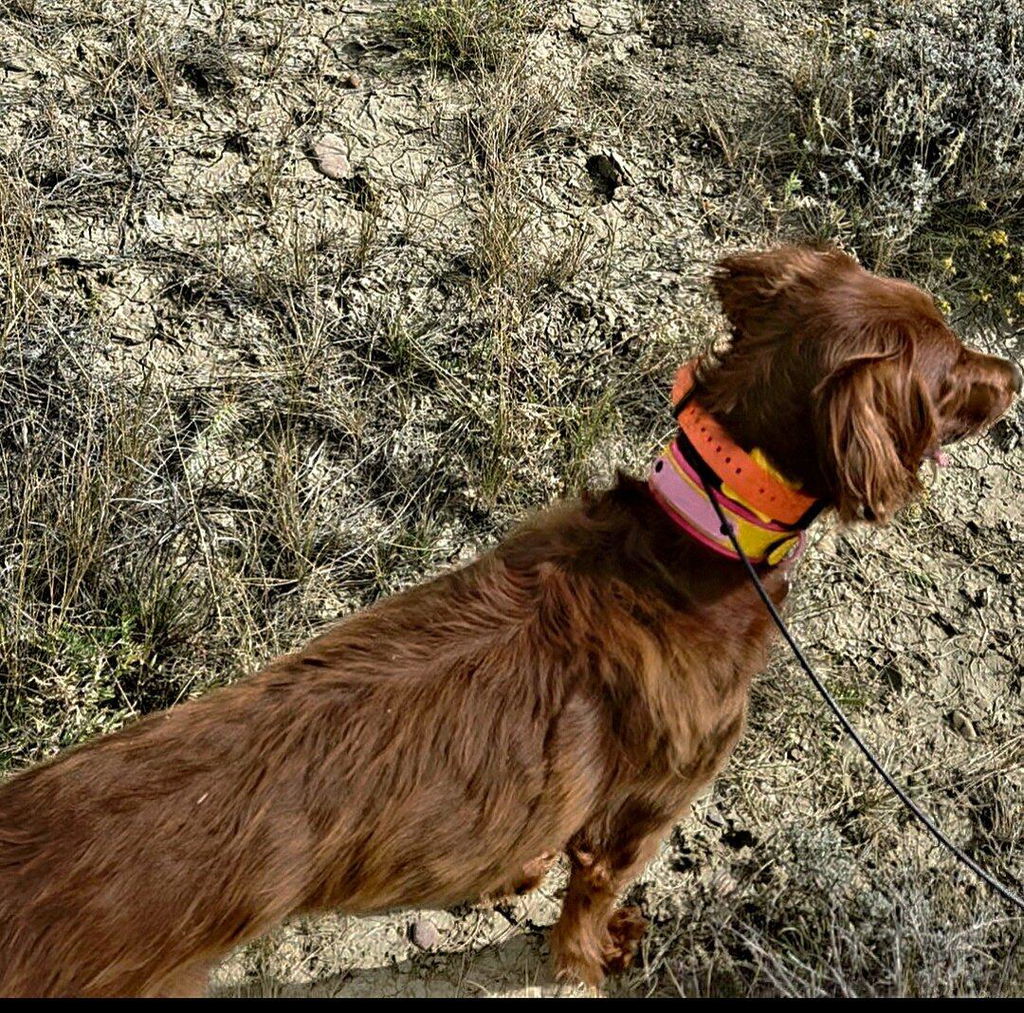
A good fit helps your dog move normally and keeps the collar from shifting around. A loose collar can rotate and make tags swing more. A tight collar can rub and make your dog more aware of the gear.
A common flat-collar fit rule is the two-finger check: you should be able to slide two fingers under the collar comfortably, while still keeping the collar secure enough that it will not slip off.
| Fit Check | Good Fit | Adjust If... |
|---|---|---|
| Finger space | Two fingers fit comfortably. | The collar pinches or feels loose enough to slip. |
| Sound test | Minimal tag noise when walking or shaking. | Tags still clink, swing, or hit the buckle. |
| Skin check | No redness, hair loss, or scratching. | Your dog scratches or rubs at the collar line. |
| Readability | Phone number is easy to read. | The quiet setup hides or covers the ID. |
Fix the fit before you chase every noise. A better-fitting collar often reduces movement and sound on its own.
Comfort Habits That Help at Home
Once the noise is handled, keep things steady.
- Put the collar on during calm moments.
- Use slow hands and a quiet voice.
- Keep the routine the same: same place, same steps.
- Do a quick daily check for fit, condition, and new clicking sounds.
- If you see irritation or scratching, pause and adjust.
If your dog is sensitive to collar handling itself, go slow. Let them sniff the collar, reward calm behavior, and build up wear time in short sessions.
Do Not Skip ID: Quiet Collars Still Need Clear Identification
Quiet is great, but ID is still the point. A no-jingle setup works best when it keeps your contact information clear and easy for someone to read.
At minimum, include:
- Your main phone number
- A backup phone number if space allows
- Your dog’s name, if you want it included
- City and state if you want location context without a full address
A microchip is also a smart backup, but visible ID helps a neighbor or good samaritan call you fast.
Pair Your No-Jingle ID Setup With the Right Collar
The collar is the base. You want one that fits well, stays comfortable, and pairs cleanly with your quiet ID plan.
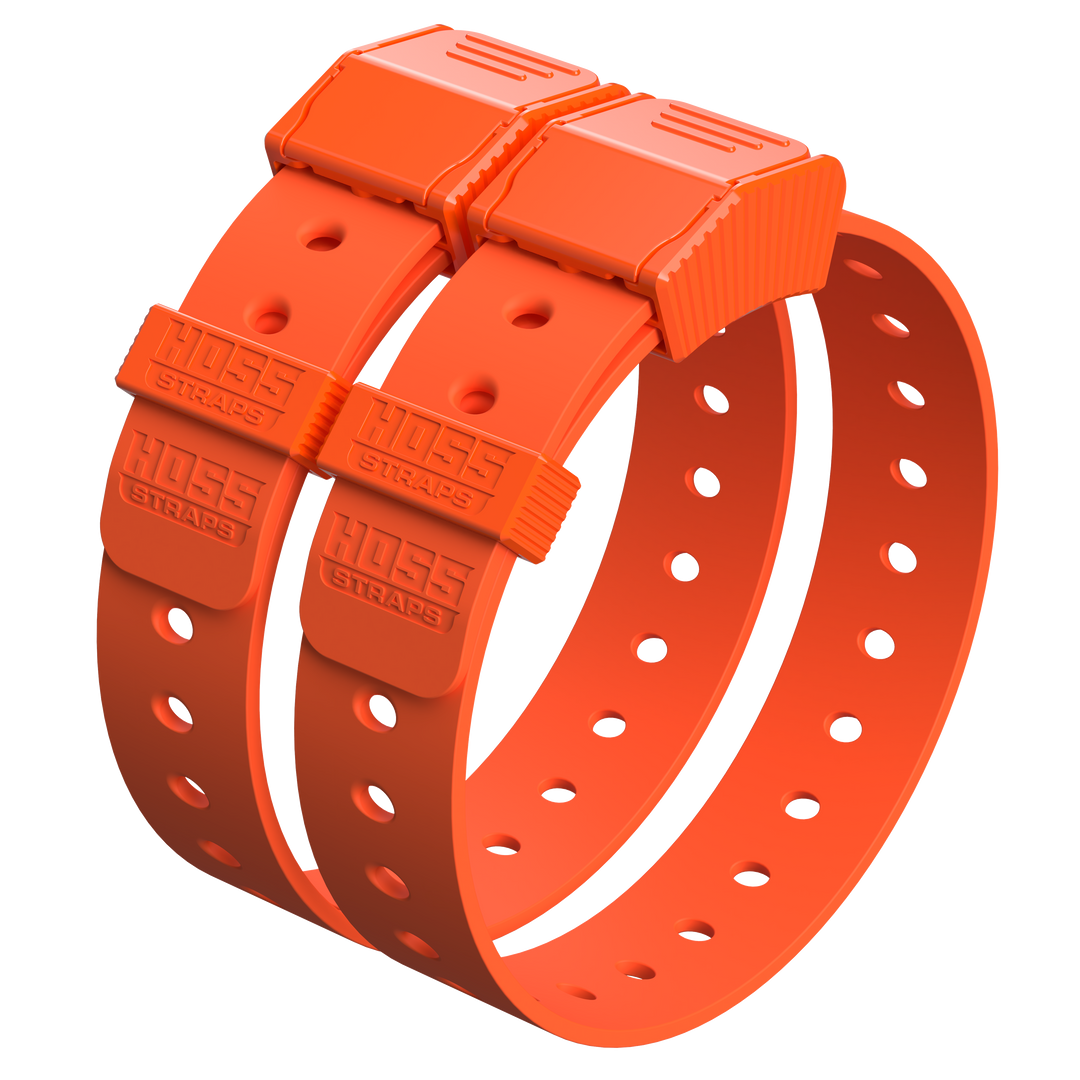
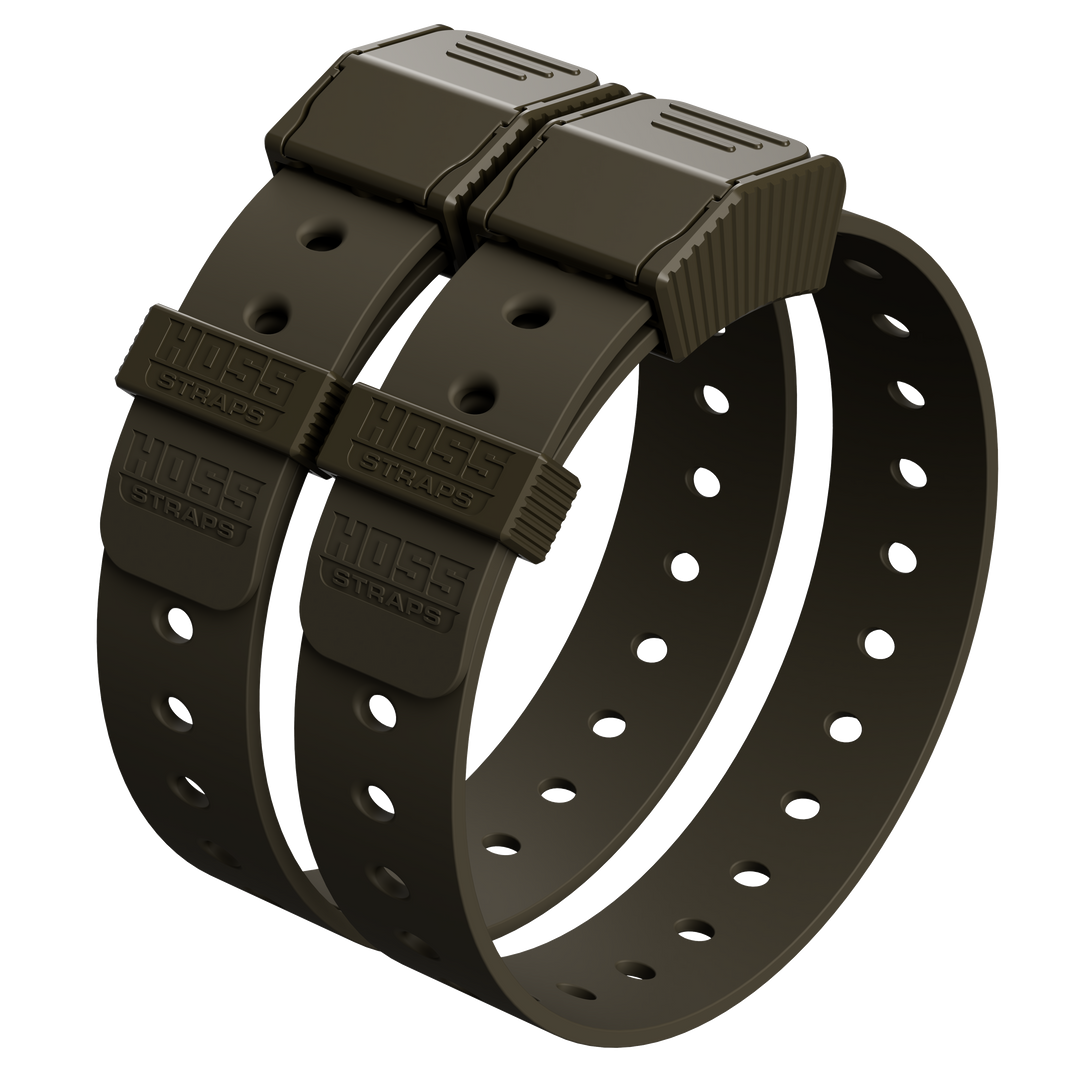
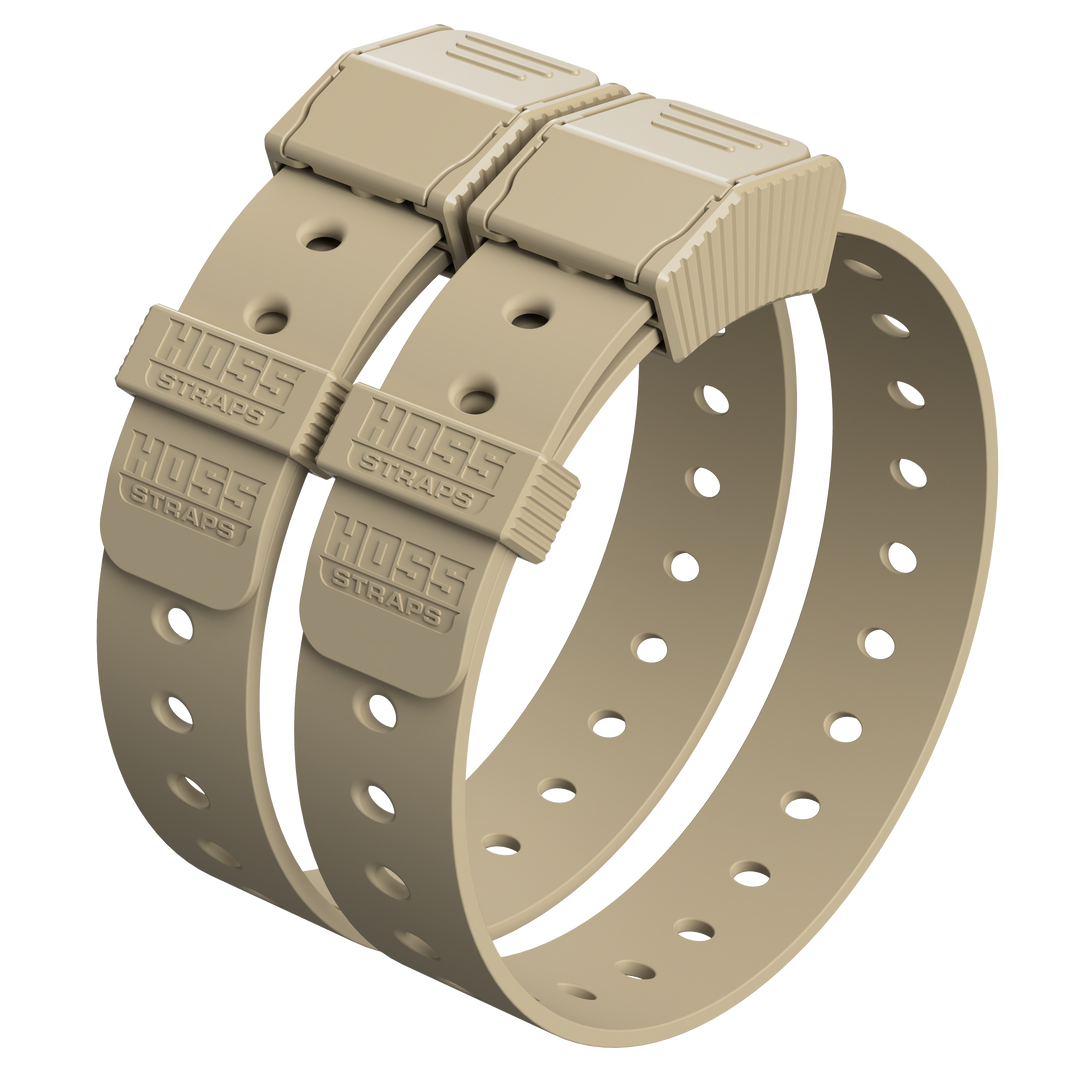
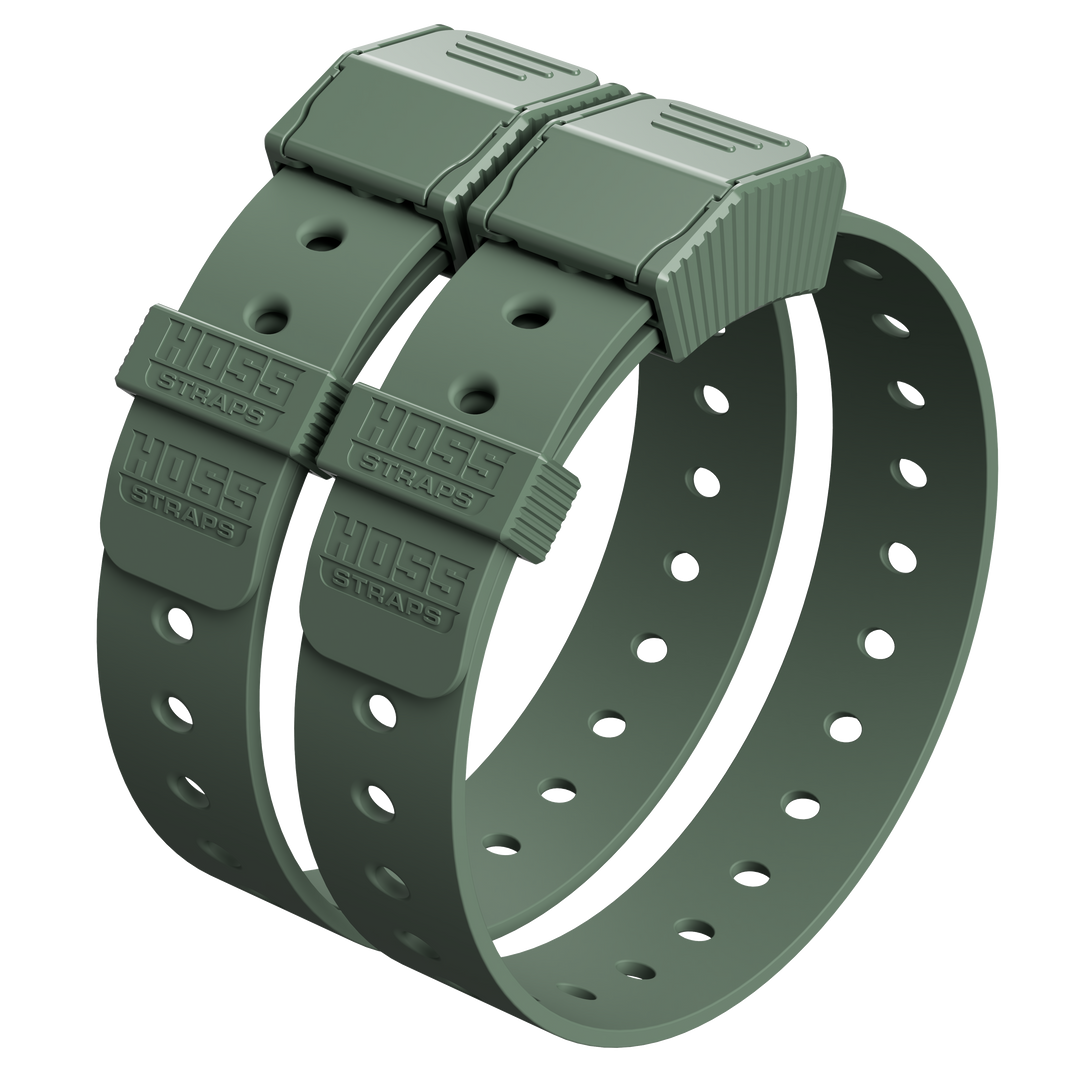
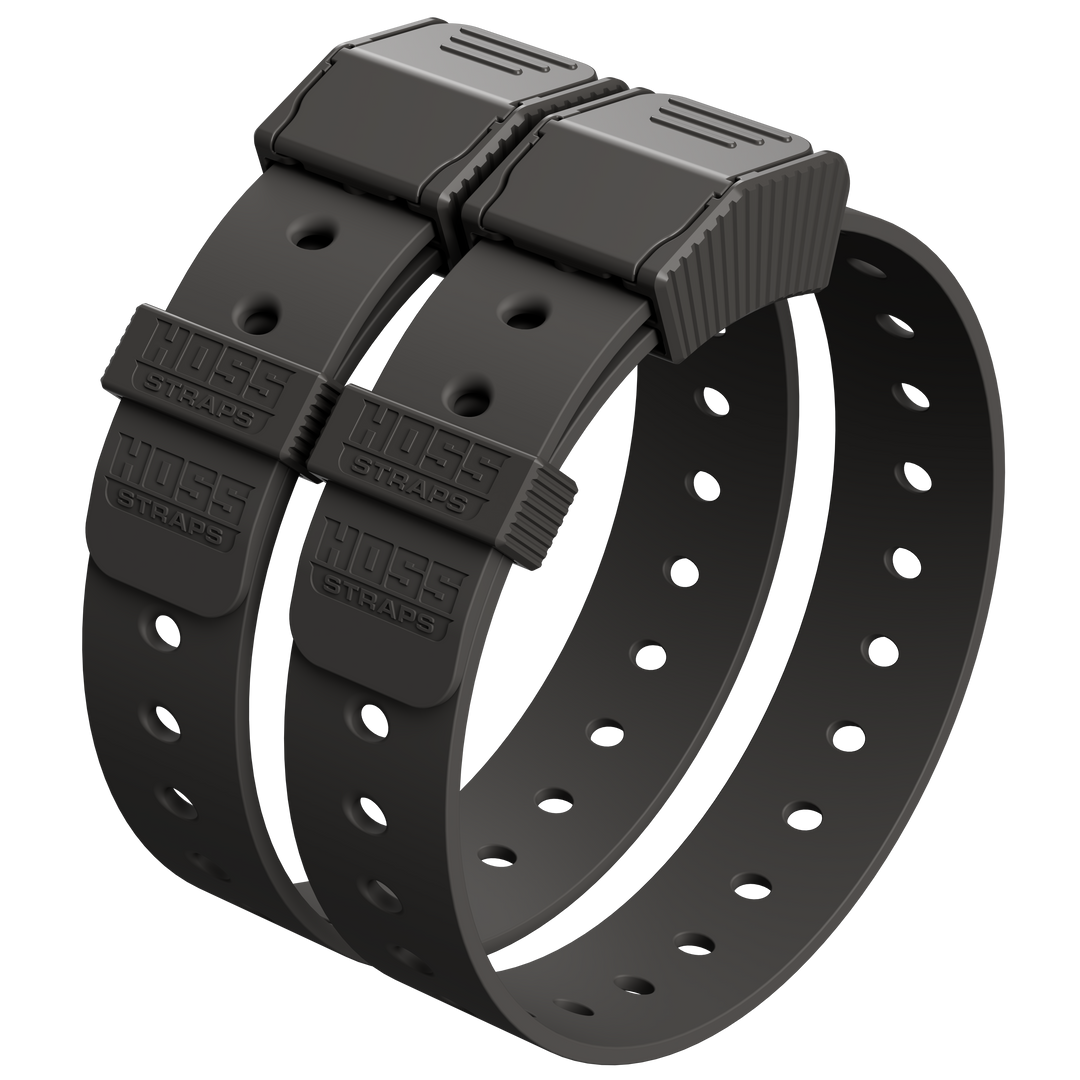
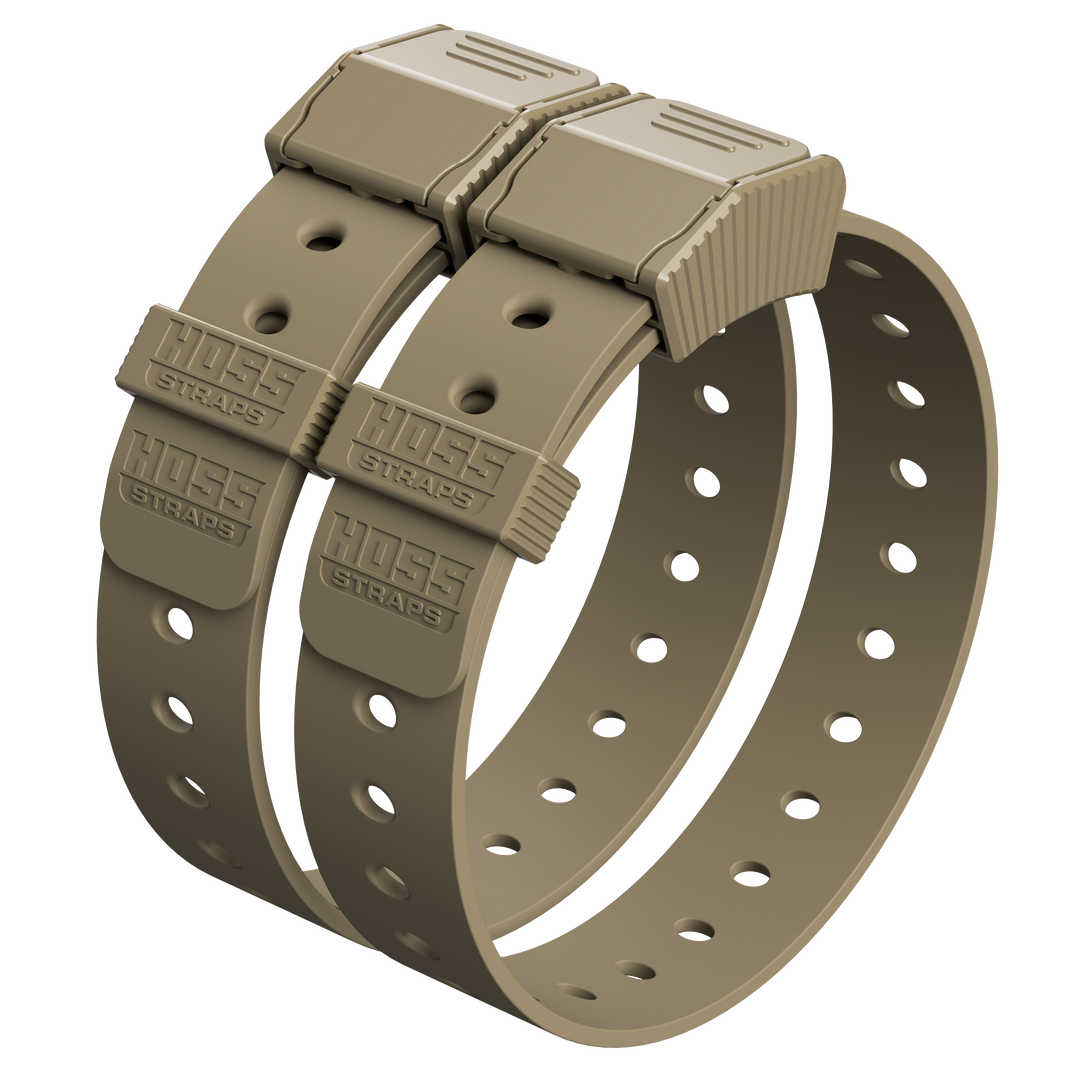
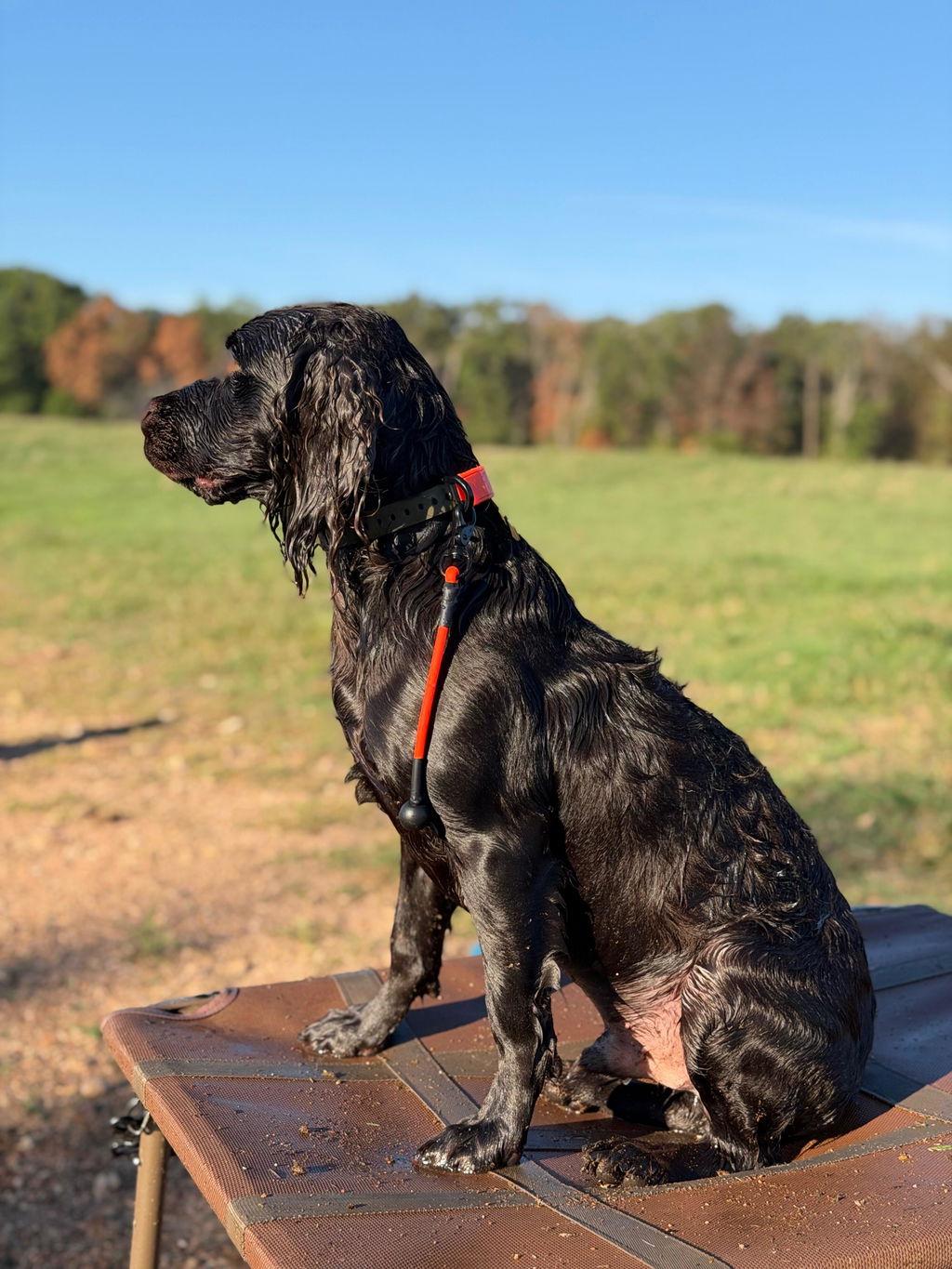
Hoss Straps Dog Collars are built for everyday use: 100% weatherproof, easy to clean, quick to put on and take off, and designed with a secure D-ring and quick-release buckle. Choose the size and style that matches how your dog lives day to day, then pair it with the quiet ID option that works best for your home.
FAQ
Are no-jingle ID dog collars still proper identification?
Yes, if the ID is clear, readable, current, and stays on your dog. After any change, check that the contact information is correct and easy to see.
Can tag noise trigger anxious or reactive behavior at home?
It can be one piece of the puzzle. If your dog tenses up right after the jingle, try a quieter setup. If your dog shows panic or escape behavior, ask your vet for help.
What is the fastest way to quiet a jingling collar?
Remove extra tags and rings first. If the main tag still clinks, add a silencer or switch to a quieter ID style. Use the same short sound test so you can tell what changed.
How tight should the collar be?
Comfortable and secure. Use the two-finger fit check, then recheck after grooming, weight changes, or growth. If the collar slips over the head, it is too loose.
My dog hates collars. What should I do?
Go slow and keep it calm. Start with short wear times in the house, then build up. If your dog panics, stop and get guidance from your vet or a qualified trainer.