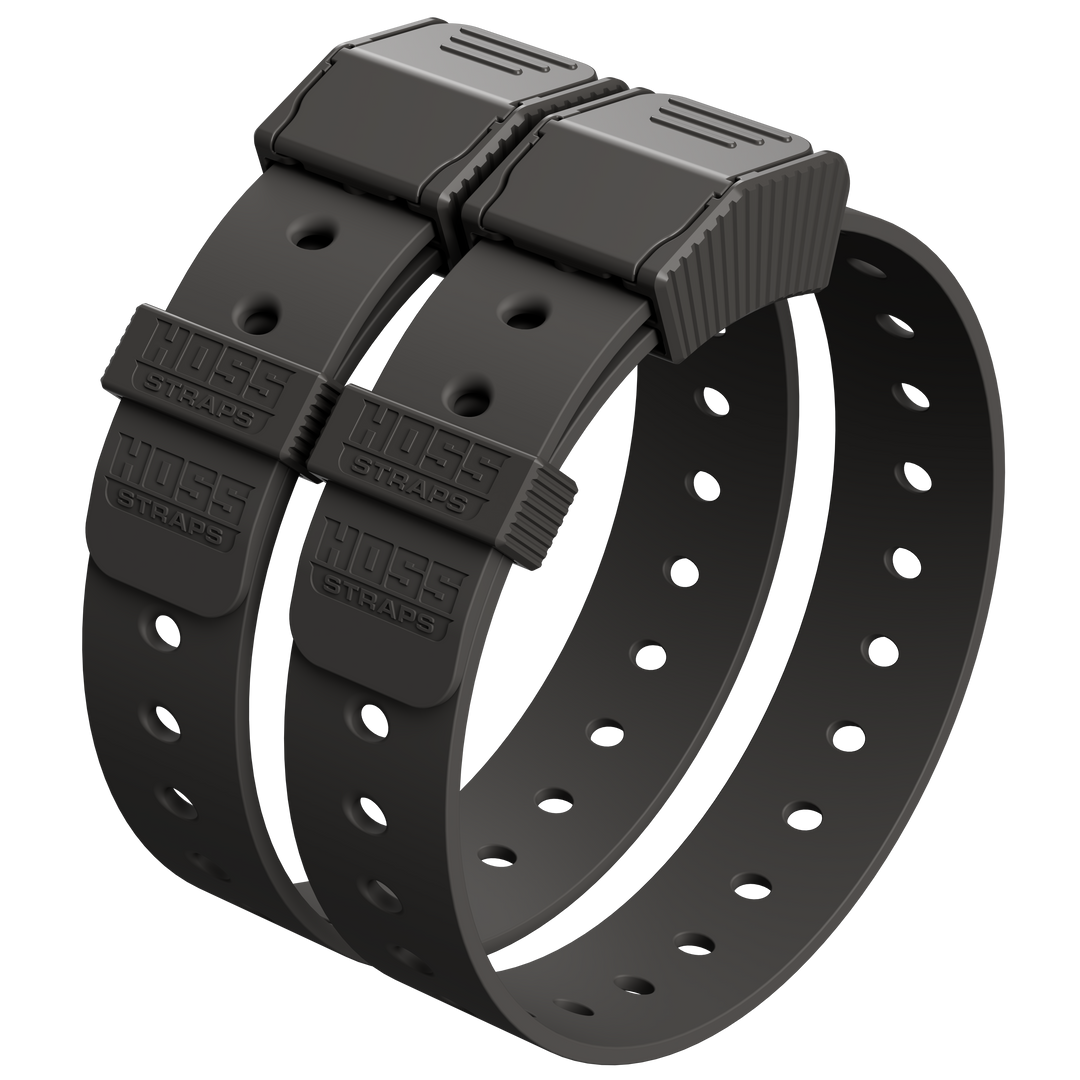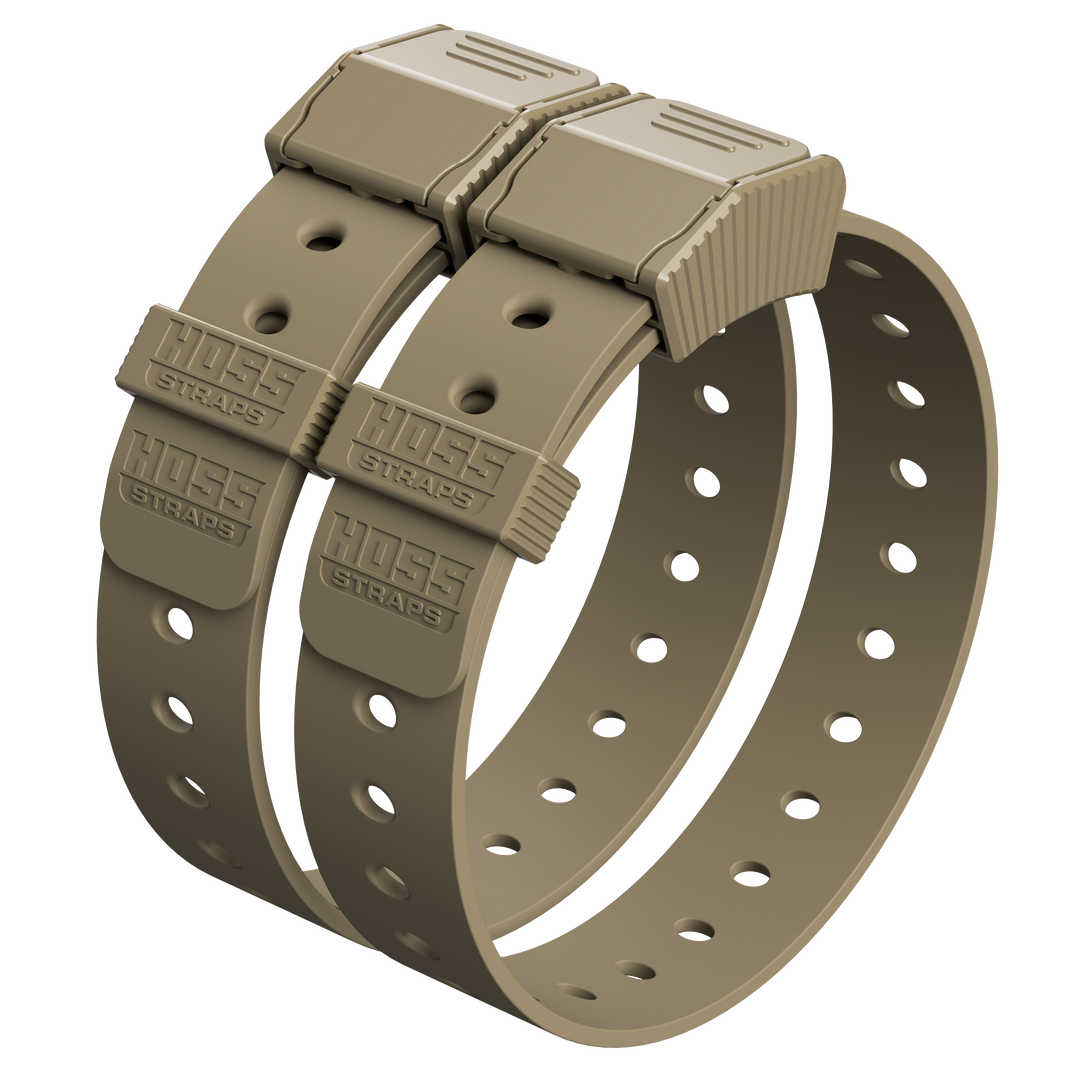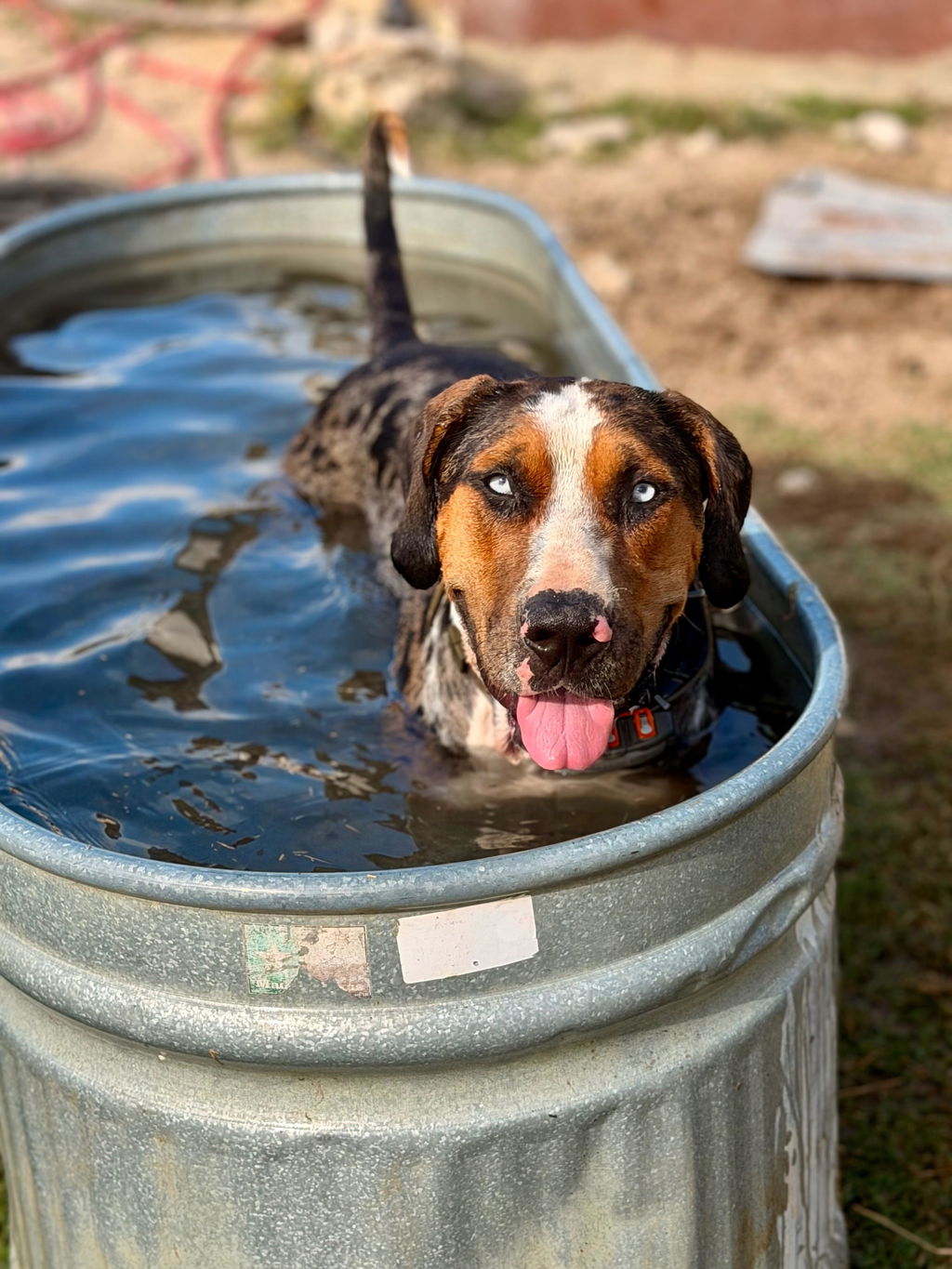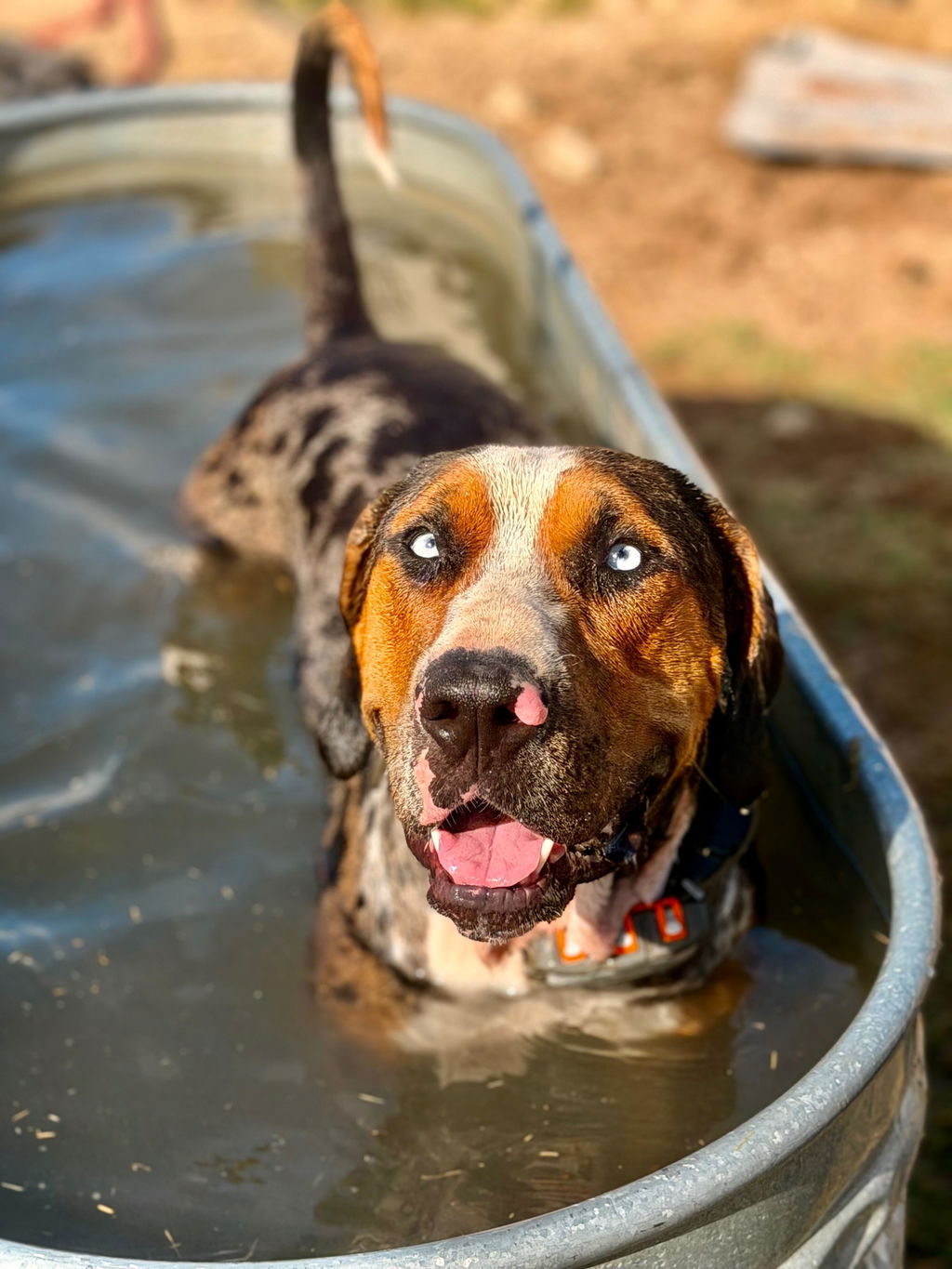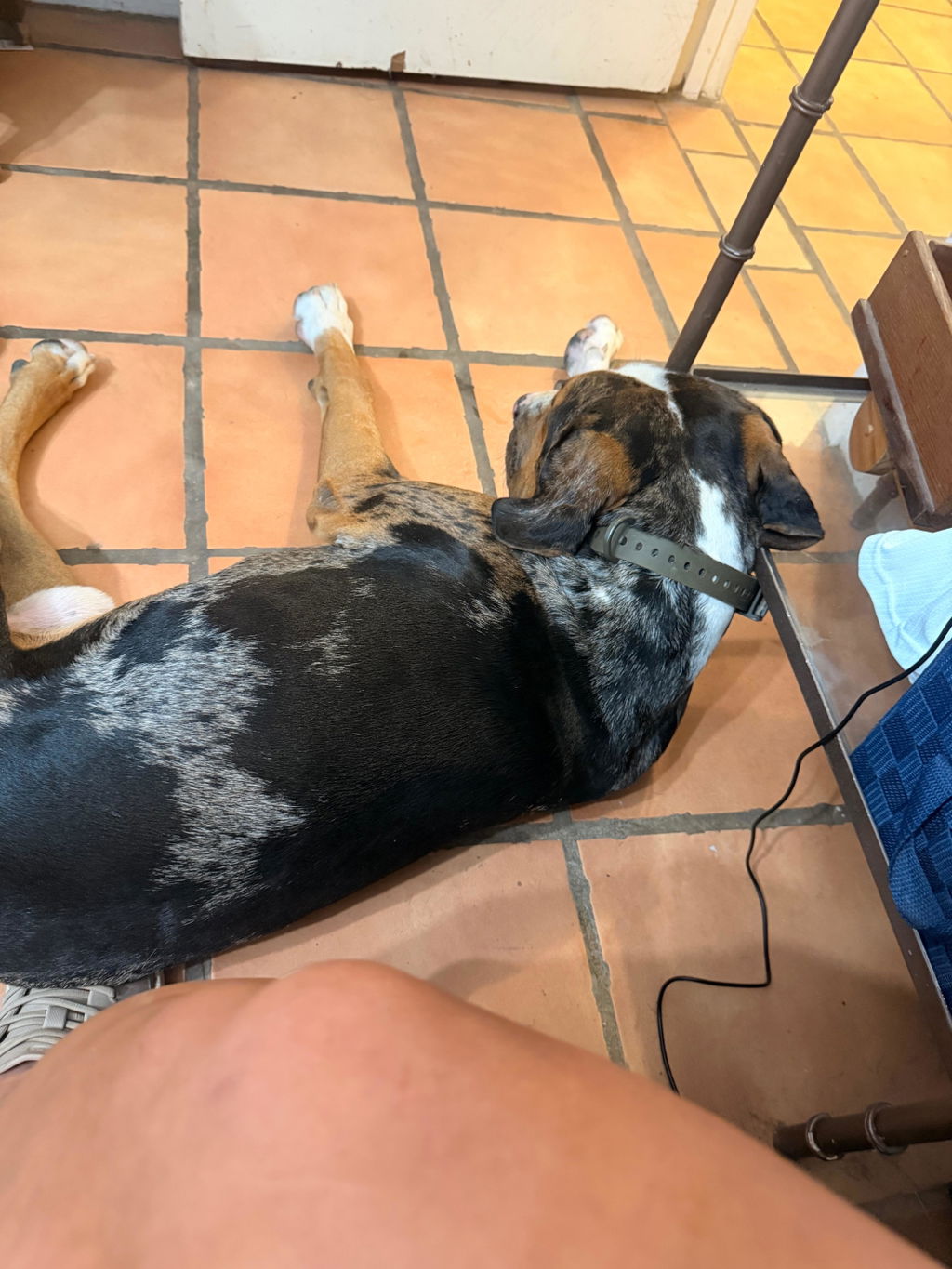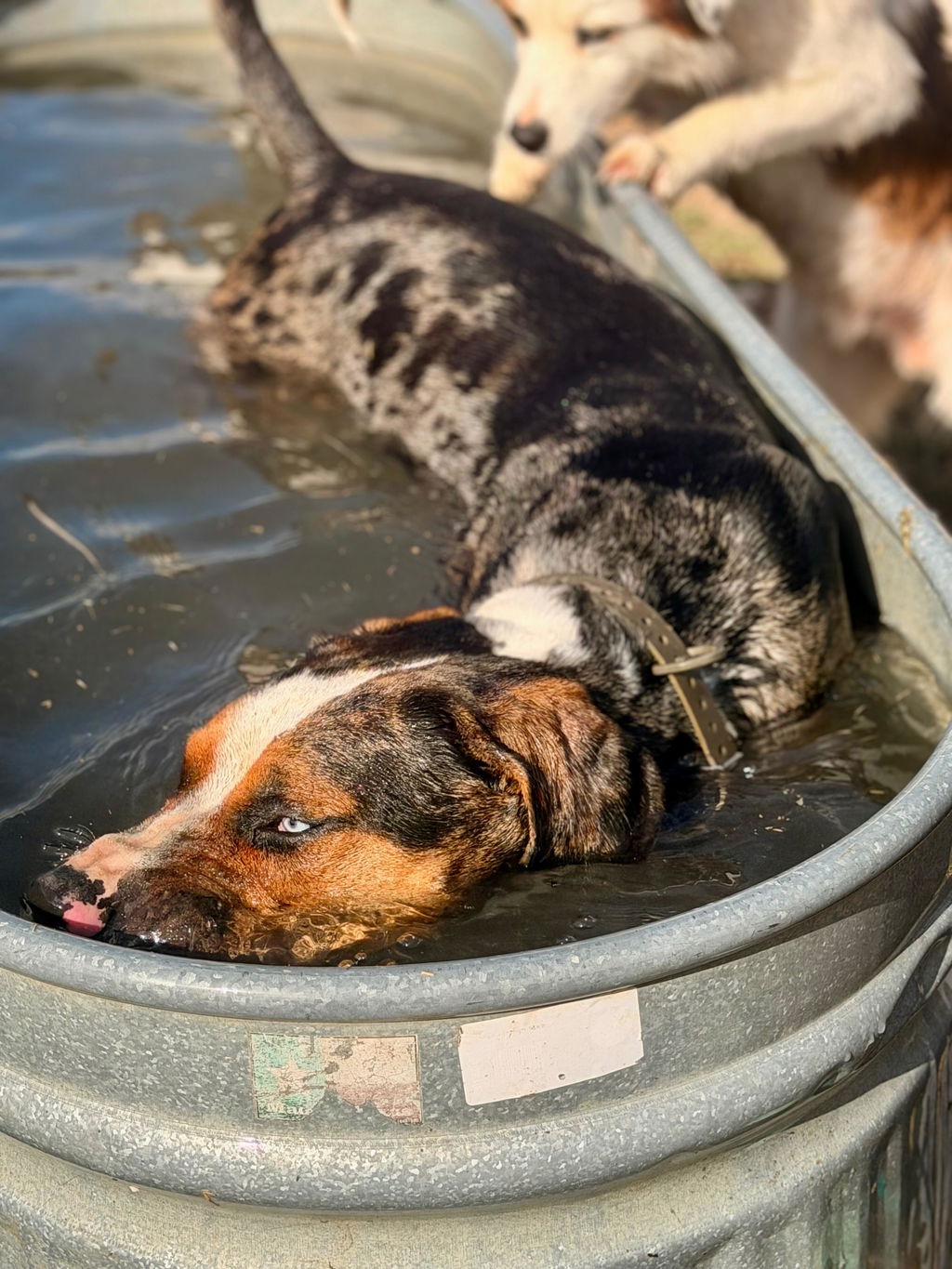



Nylon Webbing K9 Collars: When to Use Them, How to Set Them Up, and When Not to
 Check out our training collar setup, K9 dog collars, and dog collars built for comfort.
A nylon webbing collar is best framed as a handling tool for specific jobs, not as the right answer for every dog or every session. For everyday identification, routine leash handling, wet conditions, and gear that needs frequent cleaning, nylon can make sense for K9 dog collars, and the AKC guidance on choosing a dog collar.
Use Cases Where a Nylon Webbing Collar Makes Sense
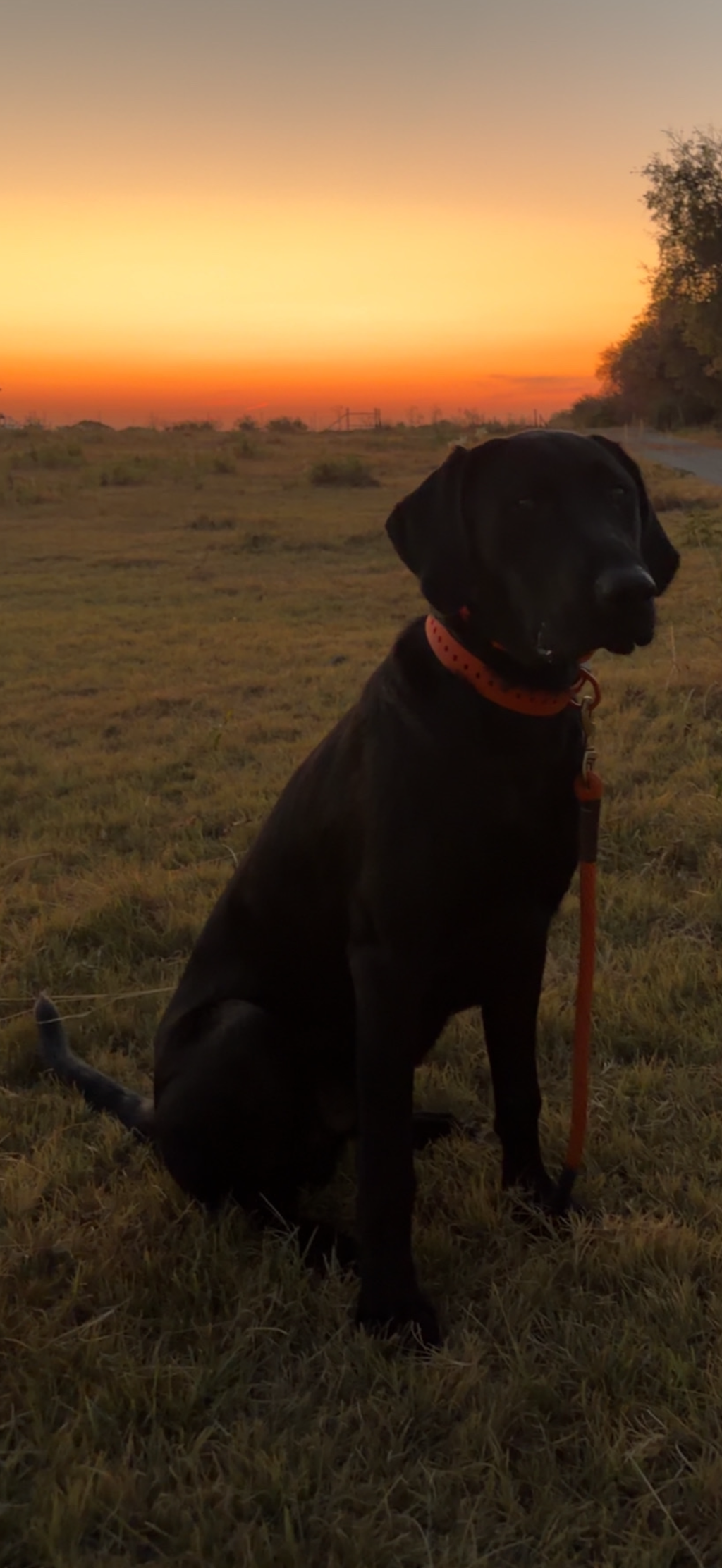
This kind of collar is usually a practical fit for dogs that need a flat collar for daily wear, controlled walks, kennel transfers, low-drama training sessions, or work in rain and mud where easy cleaning matters. If the setup gets soaked often, drying matters too, because MatWeb’s Nylon 66 summary.
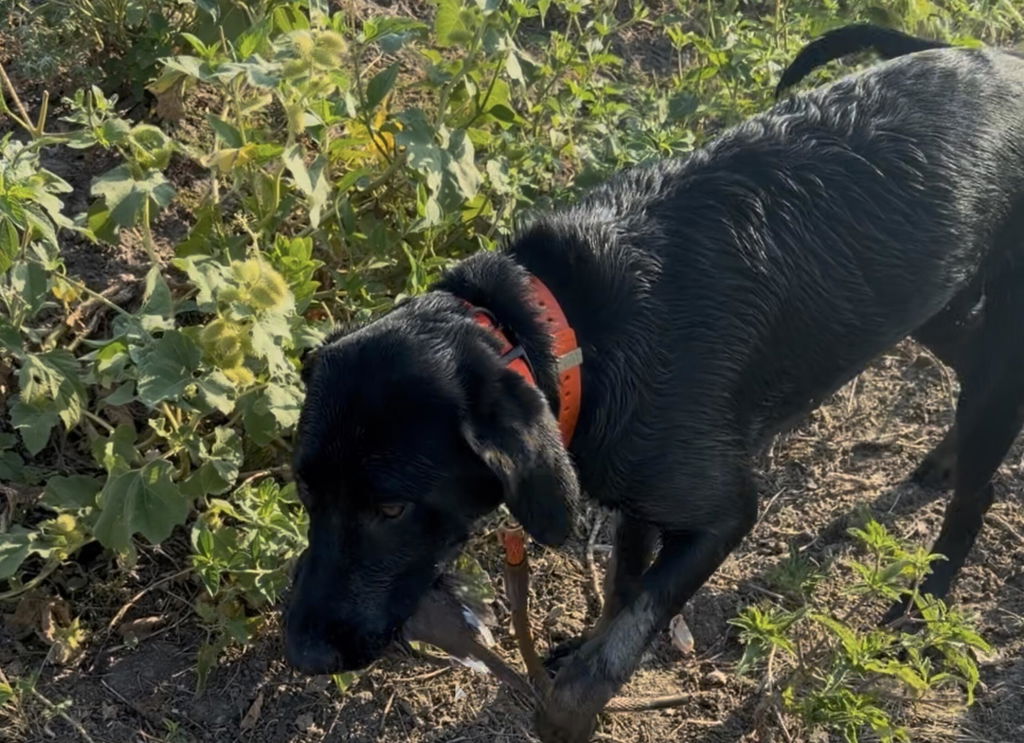
Real handling scenarios where that matters include clipping a dog in and out of a vehicle on a rainy day, walking a patrol or sport dog from kennel to field, running obedience reps in wet grass, or rinsing mud off gear after yard work. In those cases, nylon webbing can be convenient because it is simple to wash, light in use, and easy to inspect once clean and dry.
Exact Fit and Setup Steps

Fit comes first. The VCA’s collar-fit guidance.
A practical setup routine looks like this:
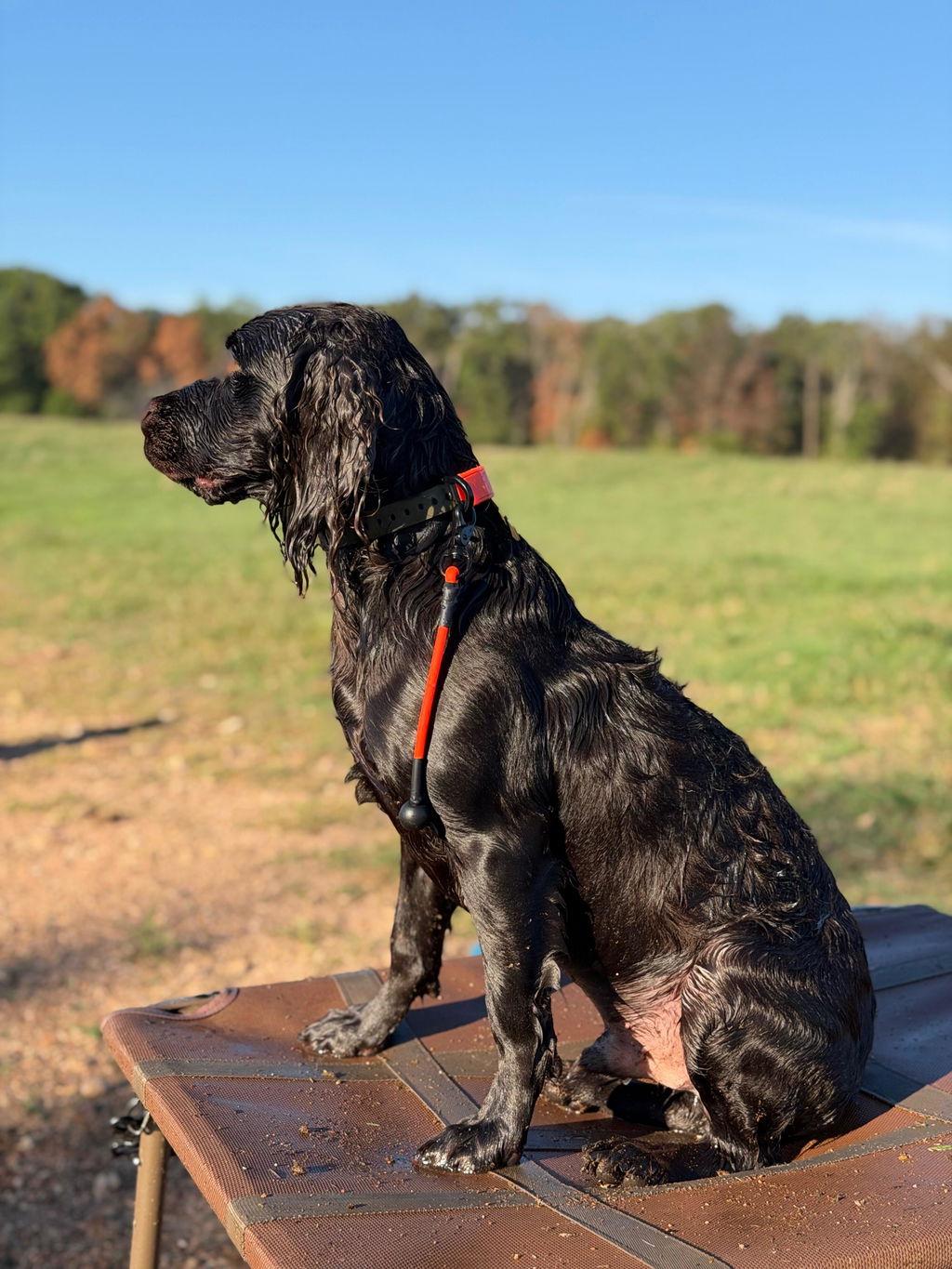
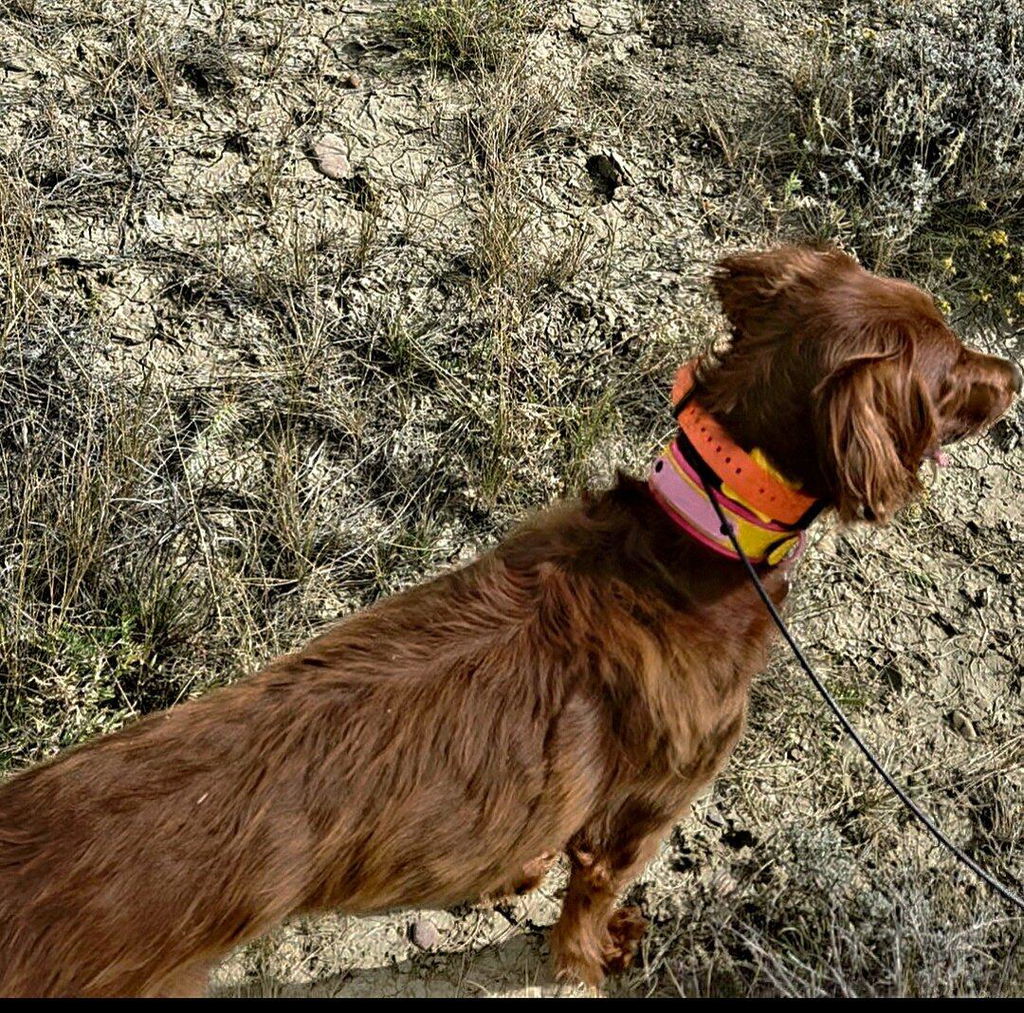
- Put the collar high enough on the neck that it sits cleanly and does not sag low.
- Tighten until you can fit two to four fingers underneath.
- Check that the dog cannot back out or slip it over the head.
- Walk the dog a few steps and watch for rolling, twisting, or drifting.
- Re-check after the dog gets wet, dirty, or freshly groomed.
That setup should feel stable, not restrictive. If the collar rolls into the throat, shifts excessively, or becomes easier to slip once the dog is wet, the fit, width, or use case is probably wrong.
Handler-Level Safety Cautions
This advice has limits. A flat nylon collar is not the right tool for every dog, and the VCA also notes.
That means you should avoid relying on this gear for dogs that lunge hard, panic on leash, have respiratory issues, or create enough force that the handler loses control. It also means this article is not advice for choke chains, slip collars, prong collars, or electronic collars. It is limited to flat nylon webbing collars used for identification, routine handling, and controlled work where the dog can actually be managed safely.
Hardware Checks Before You Clip In
Before you use the collar, check the high-stress zones first. While Petzl is writing about safety equipment rather than dog gear, its inspection guidance is still useful because the Petzl’s inspection guidance.
For a collar, that means looking closely at:
- the webbing near the ring and buckle
- the stitching on both sides of the hardware zones
- the buckle for cracks, rough spots, or bad function
- the ring for bends, burrs, corrosion, or sharp edges
If hardware is chewing the strap, if stitching is opening, or if the buckle does not operate cleanly, the collar is no longer a good candidate for active use.
When Not to Use the Gear

Do not use a nylon webbing collar when the dog’s behavior or the environment makes flat-collar handling a poor risk. That includes dogs that hit the end of the leash hard enough to choke, dogs that can overpower the handler, dogs that are coughing or making noise under collar pressure, and settings where a wet or dirty collar has not been dried and checked before reuse.
It is also a bad choice when the collar is visibly compromised. If the webbing has cuts, thinning, sharp edges, or deep abrasion; if the stitching is loose or broken; or if the ring or buckle is bent, cracked, rough, or corroded, stop using it.
Cleaning, Drying, and Reuse
Nylon webbing can be easy to maintain, but only if grit and moisture are handled properly. For washing webbing, the CMC’s webbing cleaning guidance.
That matters in real handling because mud, sand, and salt do not just make a collar look dirty. They can hide wear, make hardware harder to inspect, and leave the strap damp when it goes back on the dog. A simple rule is to rinse first, wash when gritty, and never put the collar back into service while it is still damp.
What This Advice Does and Does Not Cover
This article is written for flat nylon webbing collars used in normal identification, handling, and controlled training contexts. It does not replace veterinary advice, behavior assessment, or professional working-dog instruction. It also does not claim that nylon is best for every dog. The point is narrower: if you are using a flat nylon webbing collar, use it for the jobs it suits, fit it carefully, inspect it like real equipment, and stop using it when the dog, the damage, or the handling context says it is the wrong tool.
Quick Decision Guide
Use a nylon webbing collar when you need a flat collar for daily wear, identification, controlled leash handling, or easy-clean work in wet and dirty conditions.
Avoid it when the dog pulls hard enough to cough, overpower you, or make flat-collar handling unsafe.
Inspect it before active use, especially at the ring, buckle, and stitching.
Wash and dry it fully before putting it back on the dog.
Replace it when the webbing, stitching, or hardware shows clear damage.
FAQ
When is a nylon webbing collar the right choice?
It is usually a good fit for everyday identification, controlled walks, routine handling, and situations where you need gear that is easy to rinse and clean.
What is the most important fit check?
The most important check is that the collar is snug enough to stay secure without being tight, and that it cannot be slipped over the dog’s head.
What should I inspect first?
Start with the ring, buckle, stitching, and the webbing nearest the hardware, because those areas usually see the most stress.
When should I stop using the collar?
Stop using it when the dog cannot be safely managed on a flat collar or when the webbing, stitching, ring, or buckle shows meaningful damage.
Is this advice for all training collars?
No. This guidance is limited to flat nylon webbing collars and does not apply to other training tools or to dogs whose behavior makes flat-collar handling unsafe.