


Odor-Resistant Everyday Collars: Why Dog Collars Smell and How to Keep Them Fresh

Quick Answer
Dog collars smell when moisture, skin oils, dirt, and microbes build up in the material. The fastest fix is simple: rinse after wet or muddy use, wash with mild soap, rinse thoroughly, and let the collar dry completely before it goes back on your dog.
An odor-resistant everyday collar is not magic. It is a collar that holds less moisture, cleans faster, dries more completely, and does not trap grime as easily during daily wear.
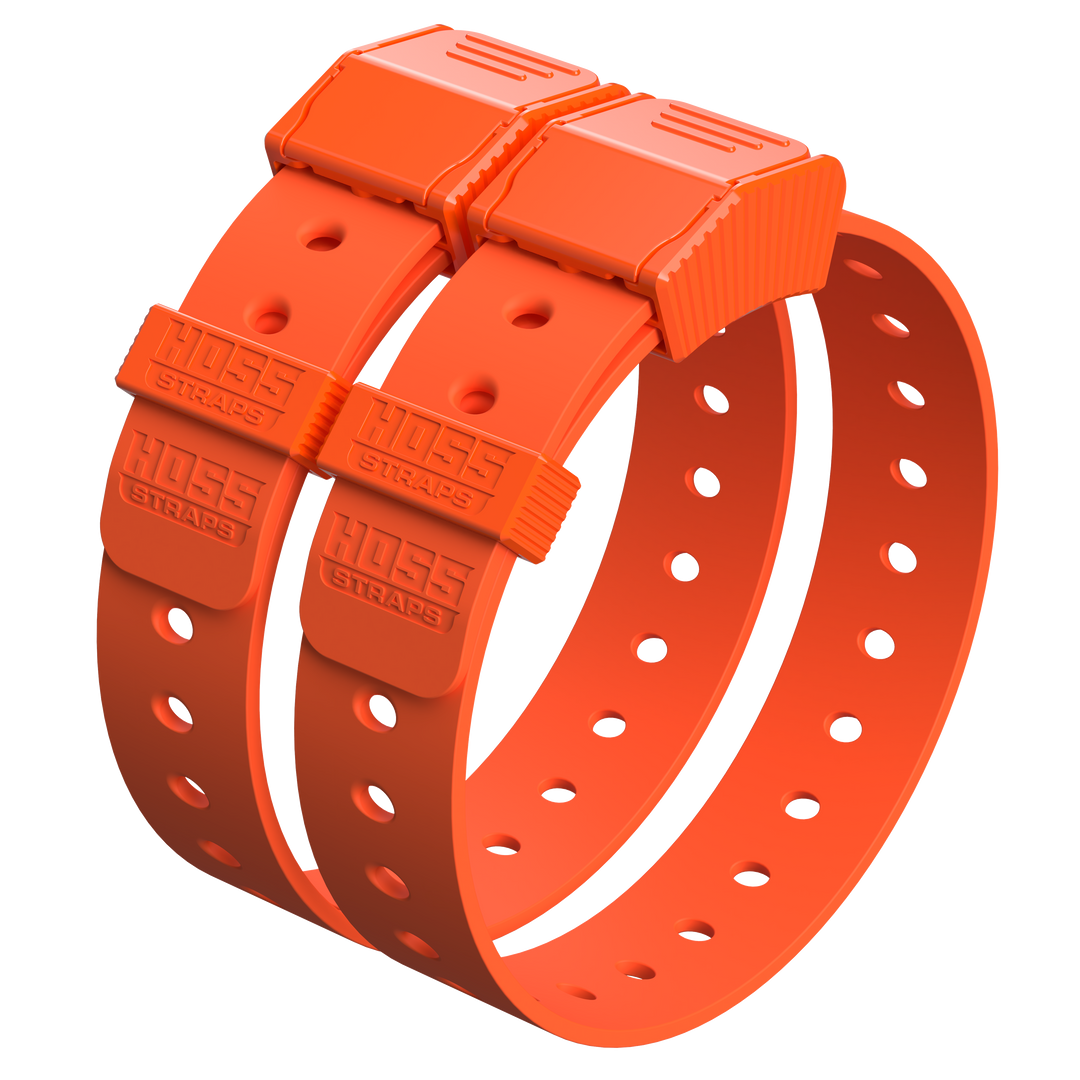
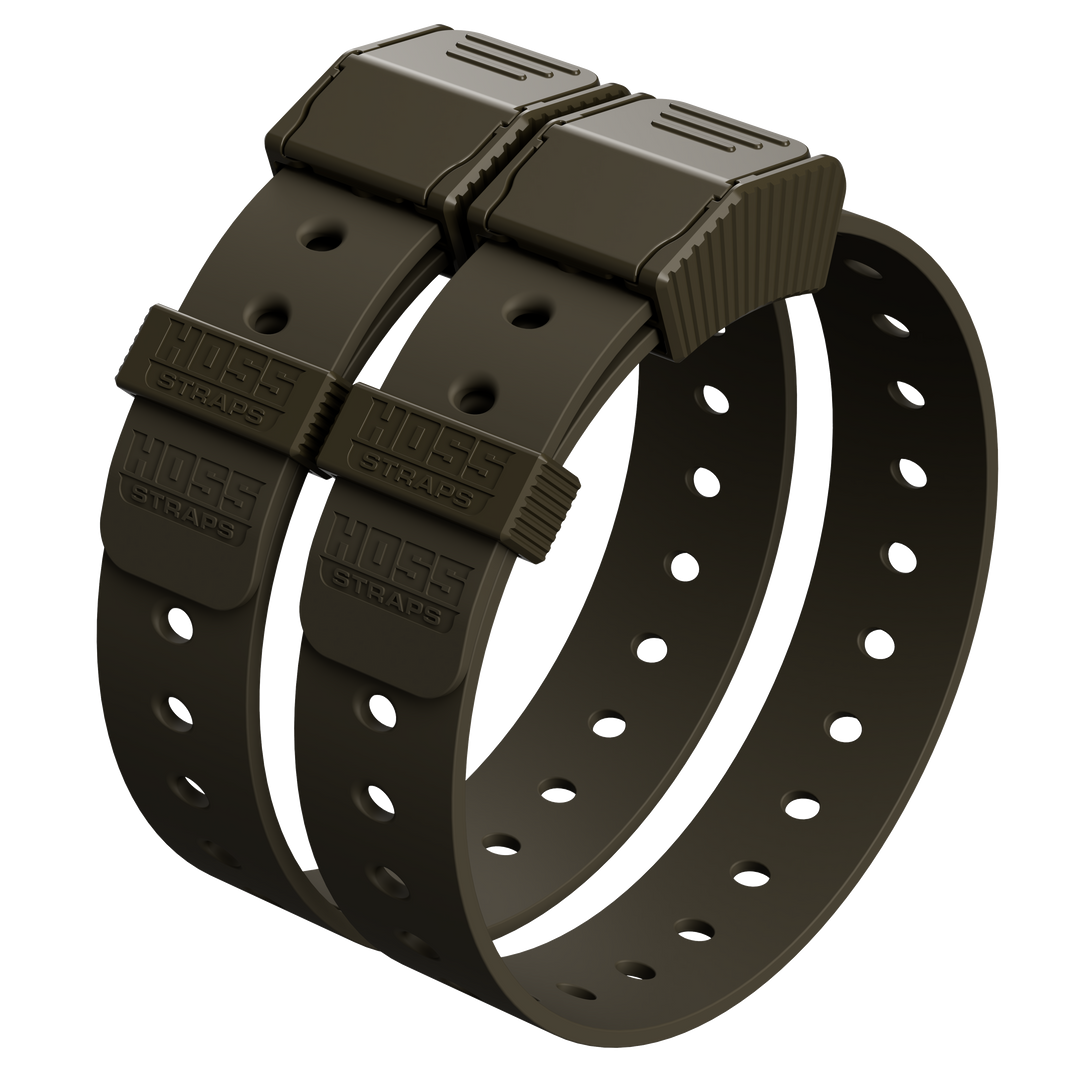
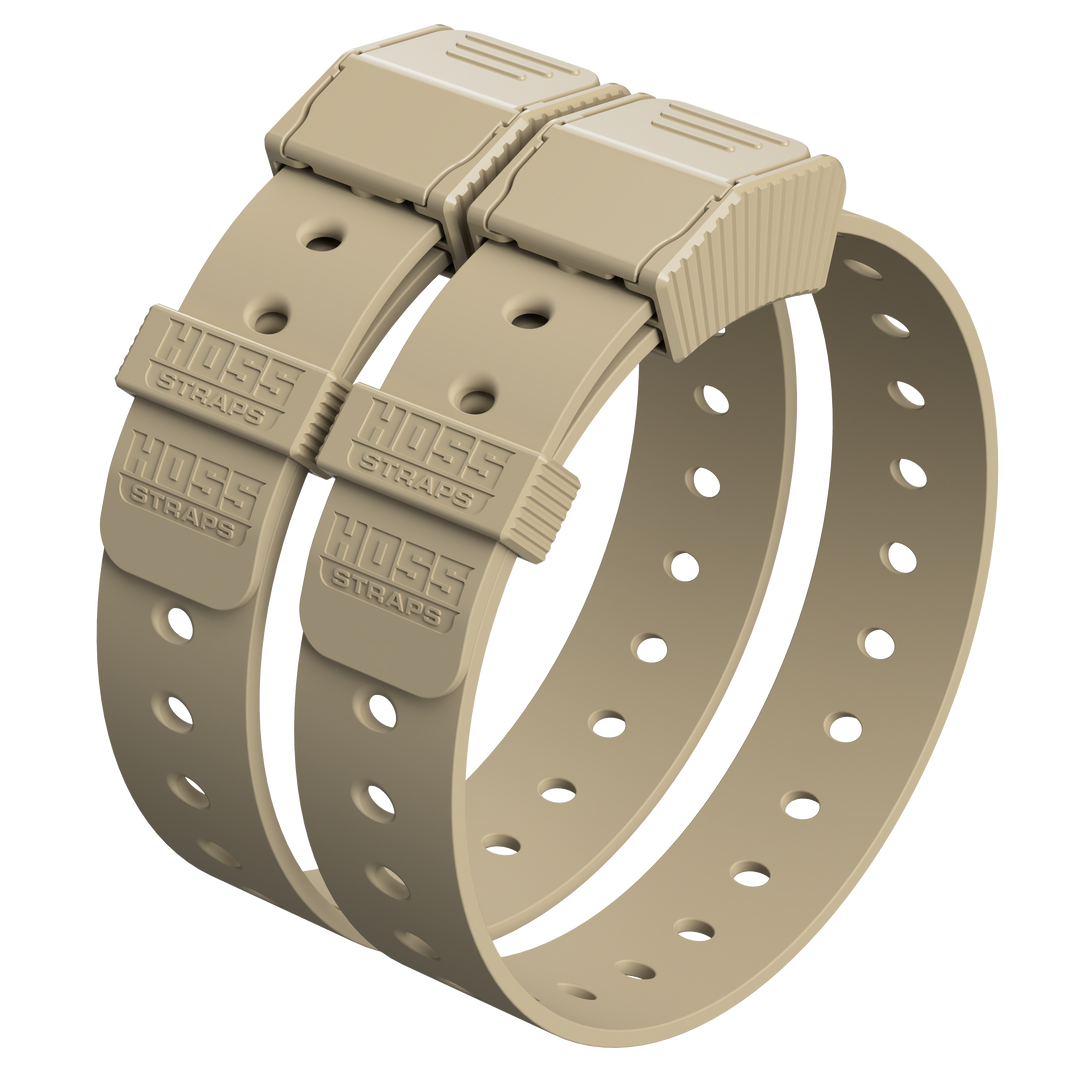
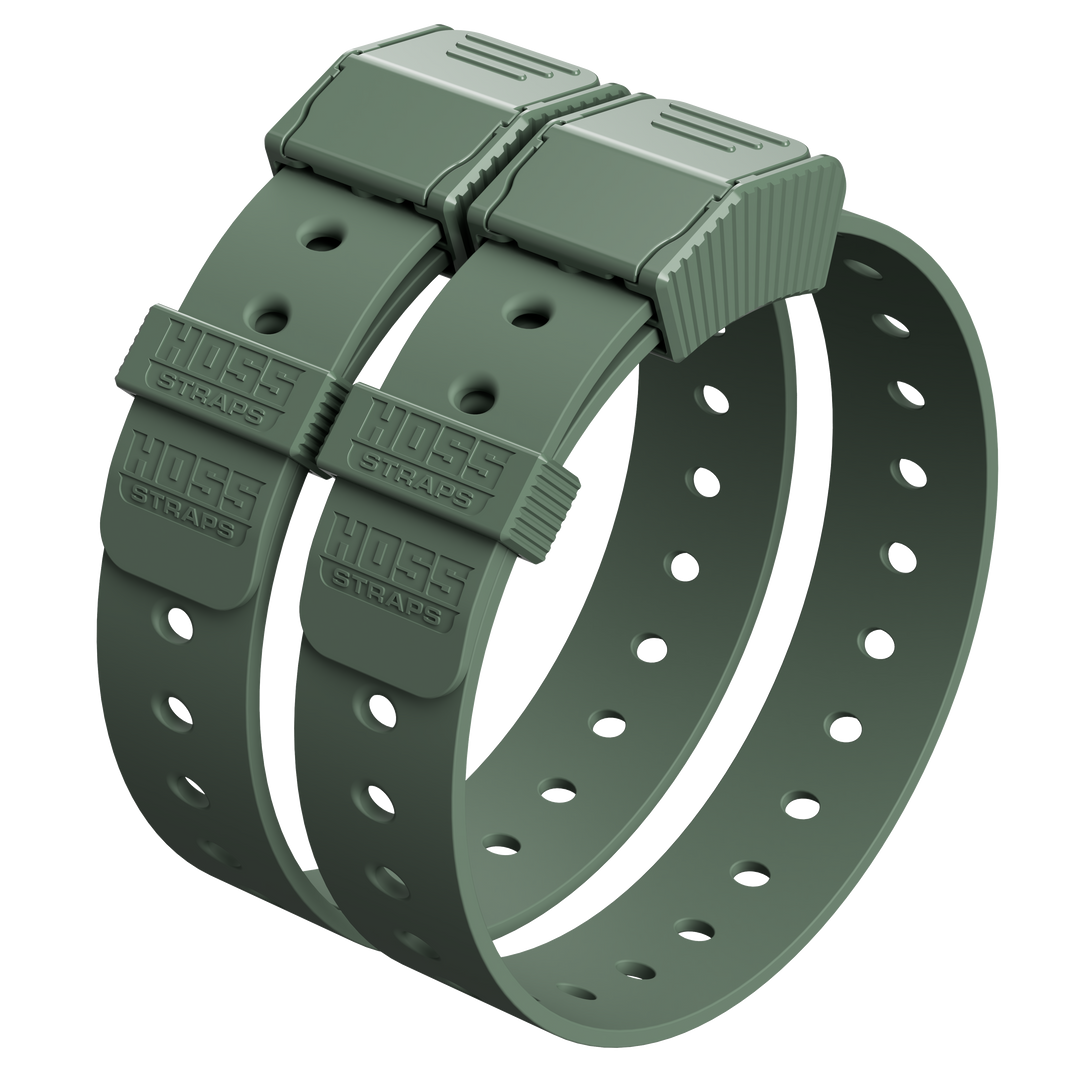
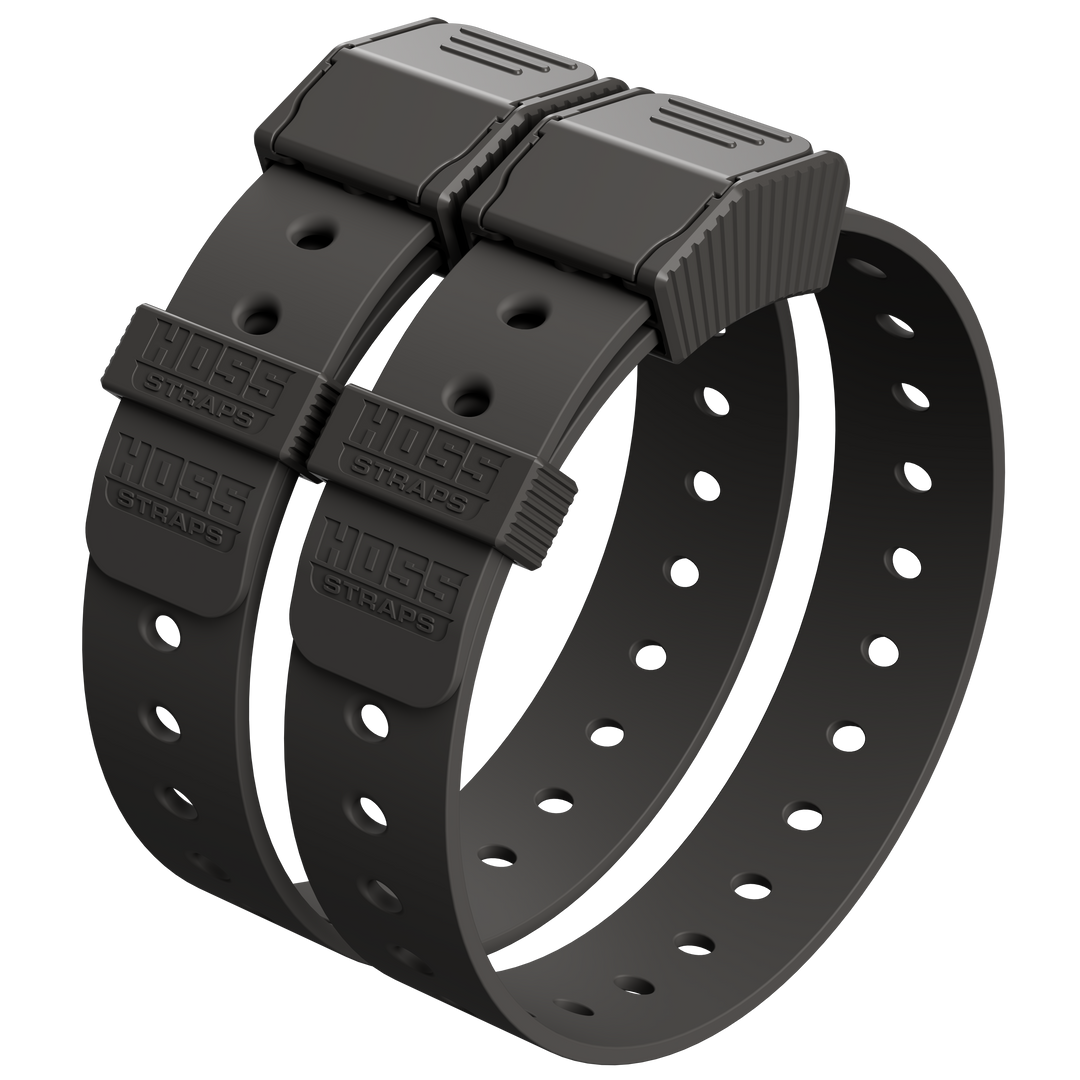
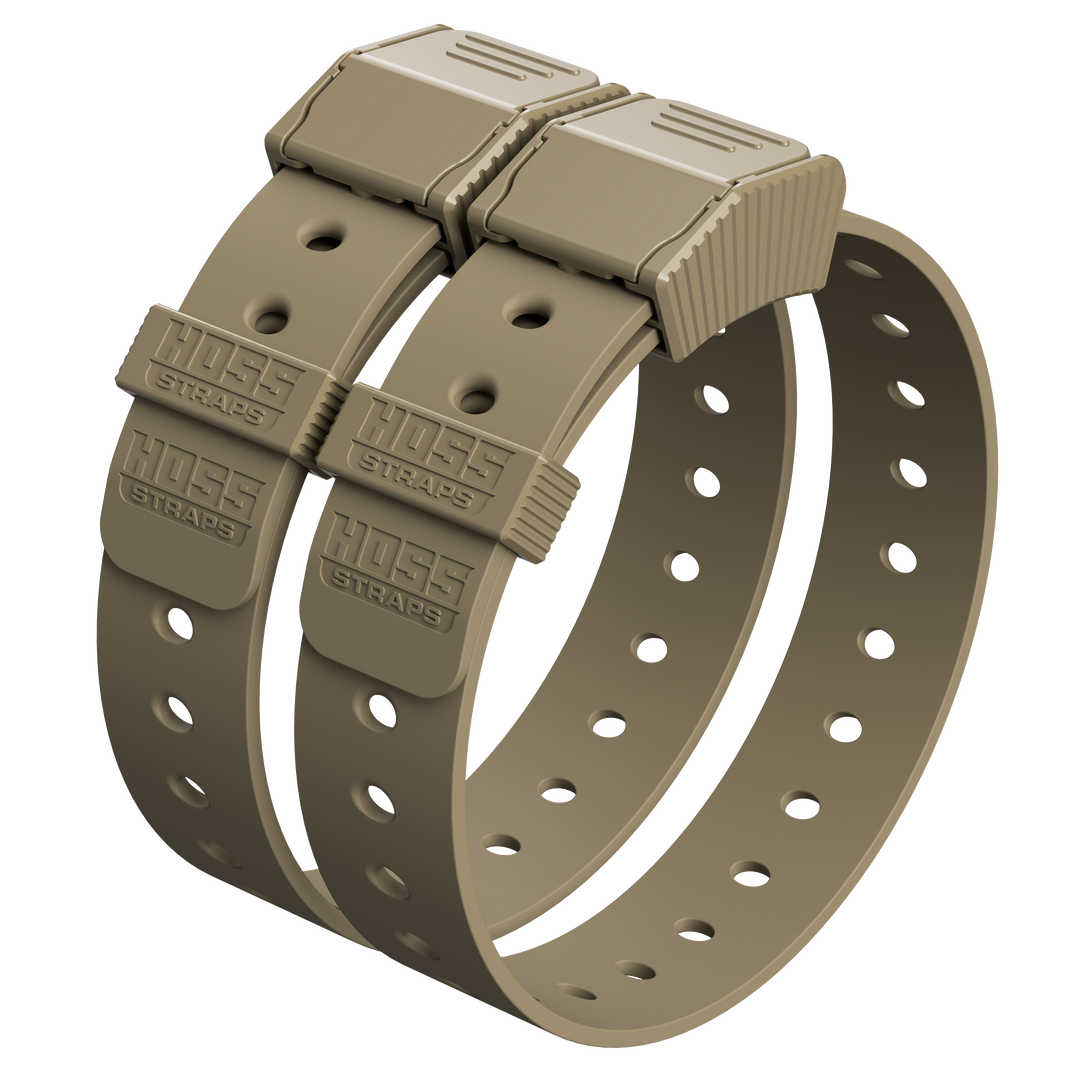
If you are comparing Hoss options, start with dog collars for everyday wear, weatherproof dog collars for wet and muddy routines, and the D-Ring Dog Collar when you want weatherproof construction with secure D-ring hardware.
Why Dog Collars Start Smelling
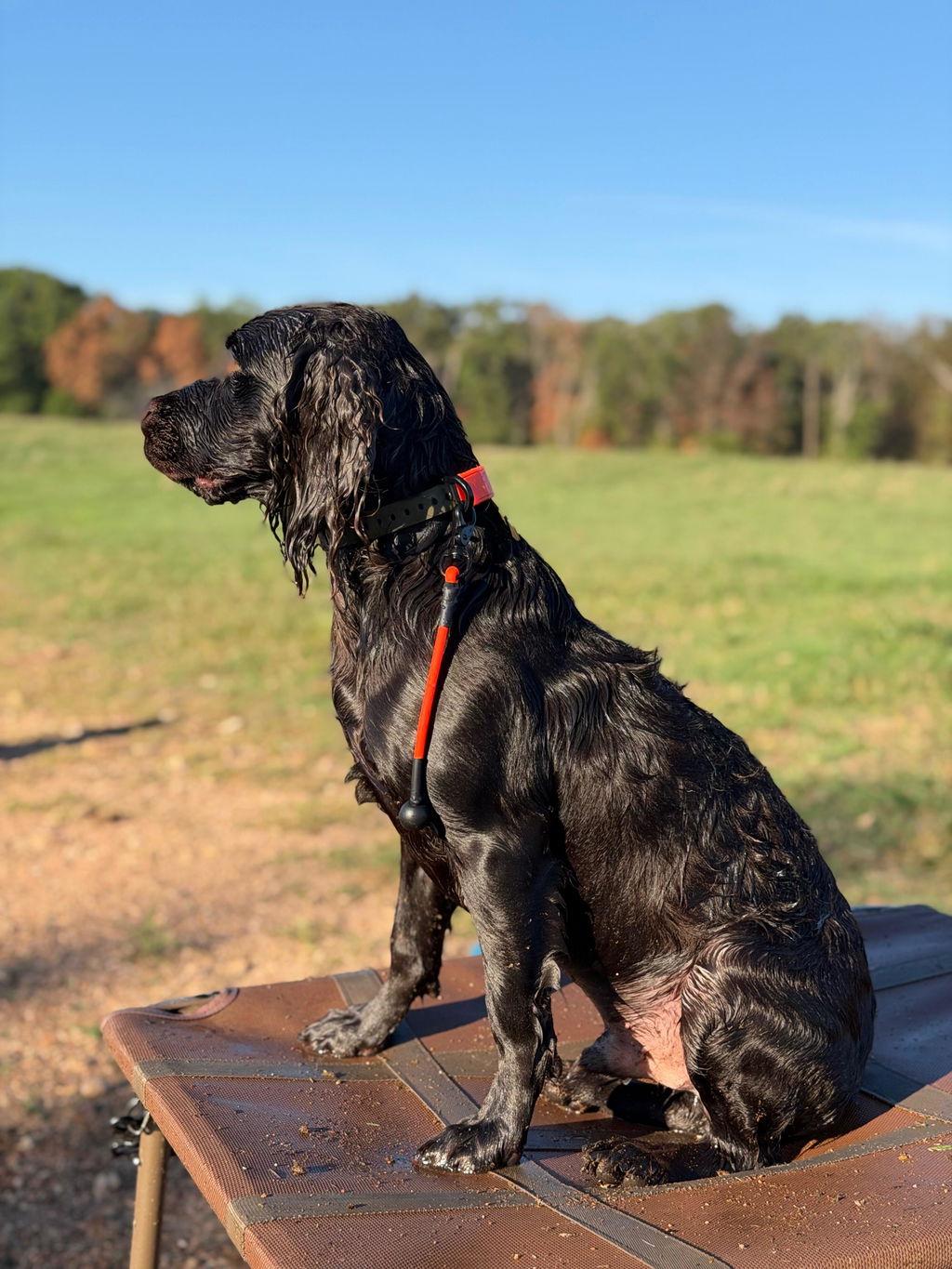
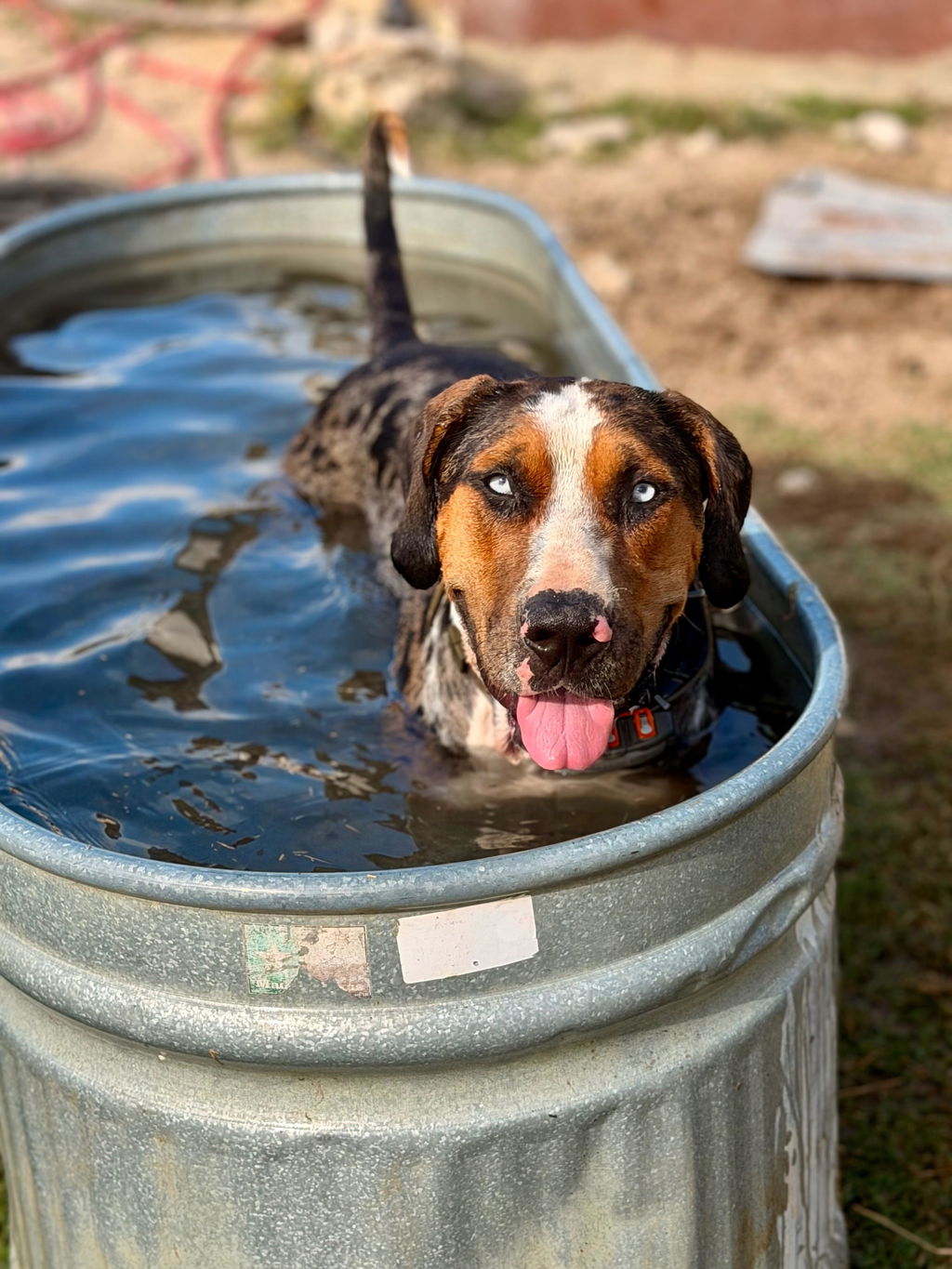
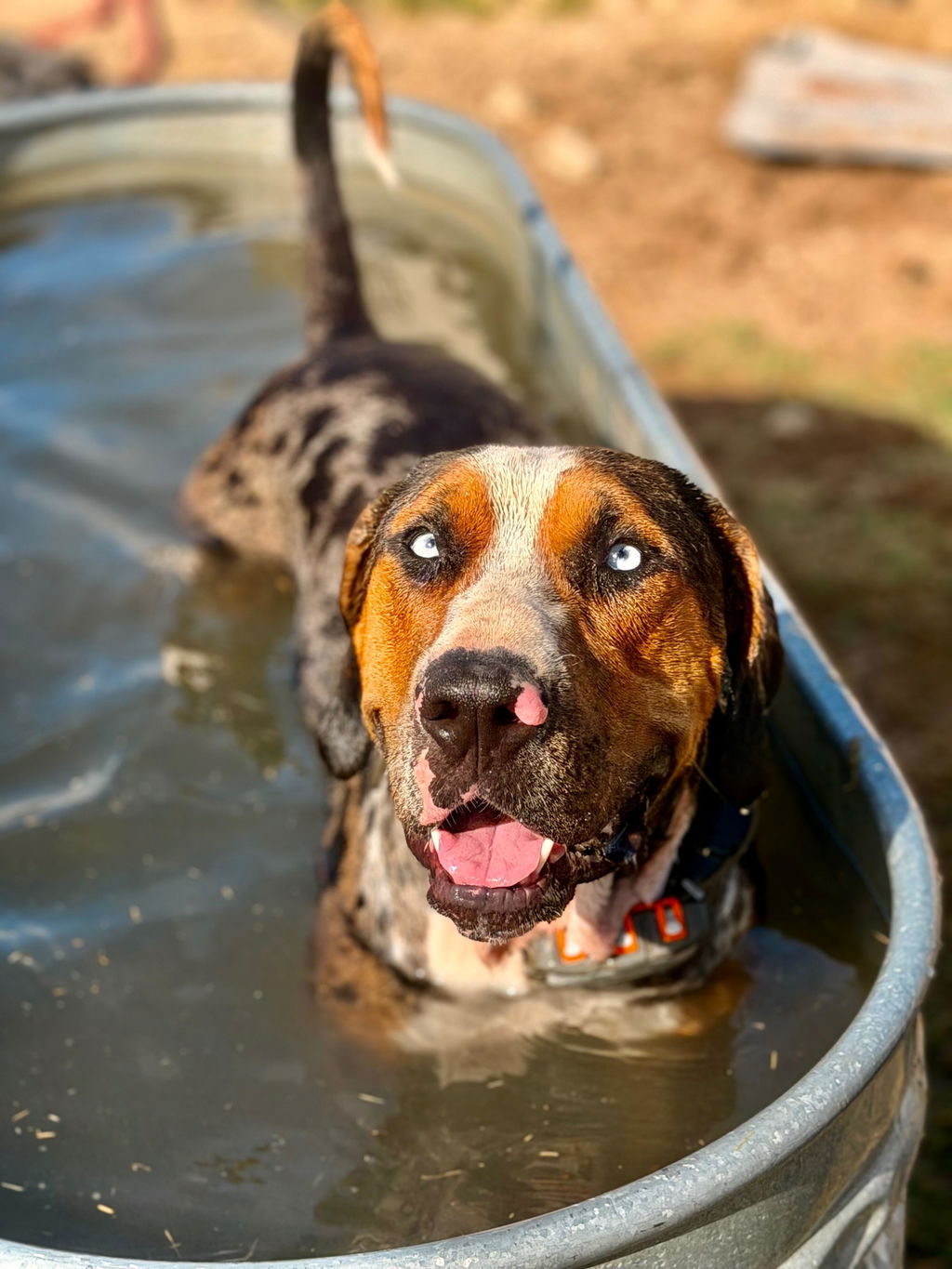
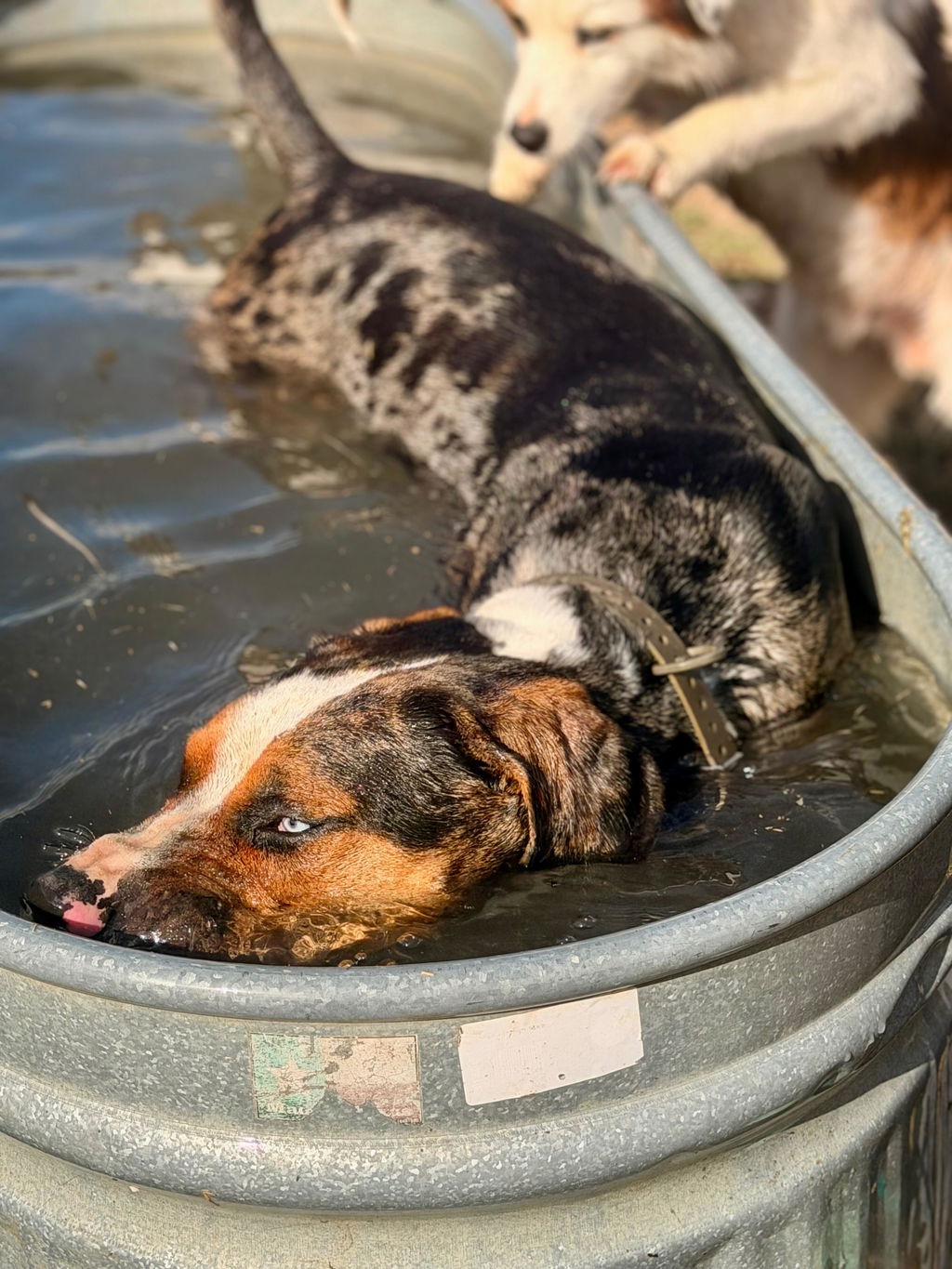
A collar goes everywhere your dog goes: rain, dust, mud, lake days, grass, sweat, skin oils, and backyard rolls. Over time, that creates the perfect odor mix.
Most collar odor comes from:
- moisture trapped near the neck
- natural skin oils
- dirt, salt, and fine grit
- material that stays damp too long
- bacteria or yeast taking advantage of warm, moist conditions
The Merck Veterinary Manual discusses bacterial overgrowth and moist skin conditions in dogs, which is the same basic reason damp, dirty collar zones can become a problem if they are ignored.
That does not mean your dog is dirty. It means the collar is collecting real-life residue and needs a routine.
When Collar Odor May Be a Skin Issue
Most collar smell is a cleaning problem. Sometimes, the odor is coming from the skin under the collar instead.
Before blaming the collar, do a quick neck check:
- Look under the collar line for redness, scabs, wet spots, or irritation.
- Smell the fur at the neck, not just the collar.
- Watch for scratching, rubbing, head-shaking, or chewing.
- Notice whether the smell returns quickly after a full collar wash.
VCA Animal Hospitals lists musty odor, itching, redness, flaky skin, and darkened skin among common signs associated with yeast dermatitis in dogs. If the skin looks irritated or the odor keeps coming back fast, take the collar off and call your veterinarian.
How Moisture and Friction Make Odor Worse
A damp collar can sit like a warm band around the neck. Add movement, grit, and rubbing, and the skin can get irritated quickly.
Hot spots are one example of how moisture and scratching can spiral. The Animal Medical Center describes hot spots as itchy, red lesions that can develop when a dog repeatedly licks or scratches an area, creating a warm, moist wound.
The practical takeaway is simple: keep the collar clean, keep the neck dry, and do not let a damp collar sit against irritated skin.
What Odor-Resistant Means

Odor-resistant does not mean odor-proof. It means the collar is built so odor has fewer places to hide.
A good odor-resistant everyday collar should:
- hold less moisture
- wipe clean quickly
- dry fully without staying soggy
- resist grit buildup around hardware
- stay comfortable after repeated cleaning
| Collar Style | What Owners Usually Notice | Cleaning Effort | Best For |
|---|---|---|---|
| Woven fabric | Can hang onto sweat, pond water, and fine dirt | Higher | Light use, mostly indoor routines |
| Coated or sealed surface | Easier to wipe down after wet, muddy, or smelly days | Lower | Everyday wear, wet climates, active dogs |
| Leather | Can smell if it stays wet too long | Medium | Dry weather, classic look, lower-water routines |
| Training or receiver setup | Needs both collar cleaning and hardware/module checks | Medium | Dogs using compatible training or tracking gear |
Simple Cleaning Routine
You do not need a complicated setup. You need consistency and full dry time.
Weekly 2-Minute Reset
- Take the collar off your dog.
- Rinse it under warm water.
- Work in a small amount of mild soap.
- Scrub around the buckle, ring, and adjustment points.
- Rinse until the water runs clear and no soap residue remains.
- Towel dry, then air dry fully before putting it back on.
Deep Clean for Heavy Grime
If the collar is gritty, muddy, oily, or smells strong, let it sit in warm soapy water for a few minutes before scrubbing. Rinse thoroughly afterward. Soap left behind can irritate skin, so the rinse matters as much as the scrub.
If you use any disinfectant, keep it highly diluted, follow the product label, and do a final clean-water rinse or wipe-down before the collar touches your dog again.
How Often to Clean an Everyday Collar
Use your dog's lifestyle as the schedule. A collar worn through mud and lake water needs more attention than one worn mostly indoors.
| Dog Routine | Cleaning Schedule | Freshness Tip |
|---|---|---|
| Swims, hikes, rolls in mud, or gets rained on often | Rinse and dry after wet days; soap wash weekly | Use a backup collar while the main collar fully dries |
| Mostly indoor dog with normal walks | Weekly wipe; soap wash every few weeks | Check under the collar line during grooming |
| Sensitive skin or frequent neck irritation | Clean more often and dry completely every time | Ask your vet if odor, redness, or itching persists |
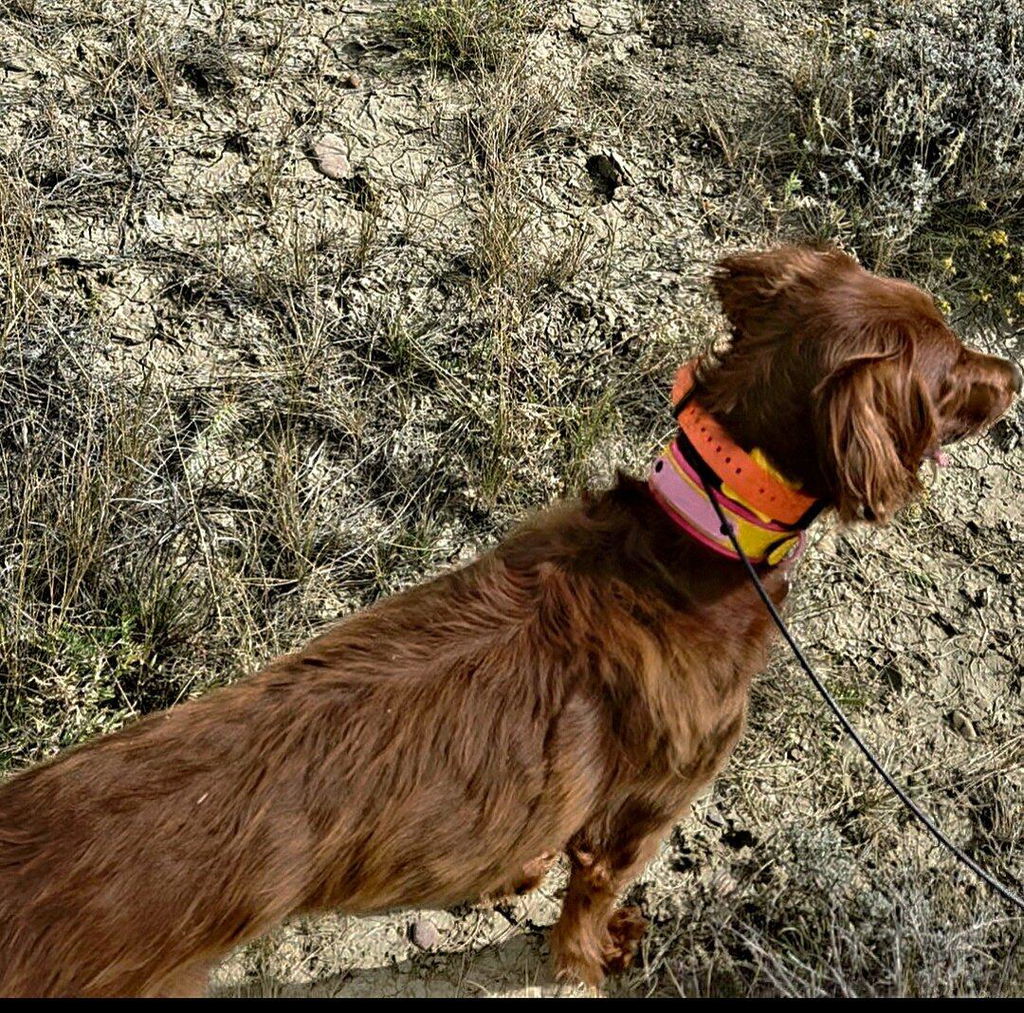
| Training or tracking setup | Clean collar and inspect hardware after messy use | Keep grime away from brackets, buckles, and rings |
Why Fit Matters for Freshness
A collar that is too tight traps moisture and presses grime into the coat. A collar that is too loose can slide, rub, and collect more dirt.
Use the two-finger fit check: the collar should be secure, but you should be able to slide two fingers between the collar and your dog's neck without forcing them. Re-check after growth, weight changes, grooming, or seasonal coat changes.
If the collar smells fine but the neck does not, shift your focus to the skin and talk to your vet.
Keep Collars Fresher Between Washes
Small habits do most of the work:
- Give the neck dry time. After wet walks, remove the collar for a bit so the fur underneath can dry.
- Rotate collars. One collar can dry fully while the other is in use.
- Rinse after saltwater or mud. A quick rinse now prevents a deeper scrub later.
- Check hardware zones. Odor and grime often collect around buckles, rings, and adjustment points.
- Replace worn-out collars. If a collar still smells after a full clean and complete dry, the material may be holding odor too deeply.
Where Hoss Fits
If your dog wears a collar every day, odor resistance is really about daily usability: dependable fit, easy cleaning, fast dry time, and hardware that holds up to repeated wear.
Hoss dog collars are the right starting point for everyday collar comparison. For wet, muddy, and easy-clean routines, compare weatherproof dog collars. If you want a more hardware-focused collar platform, the D-Ring Dog Collar is listed with 100% weatherproof construction, a 1 1/16-inch strap width, quick-release buckle, removable buckle color combinations, fit up to a 22-inch neck size, Tractive GPS compatibility, and compatibility with select Garmin training modules.
If your dog uses Garmin-compatible training gear, review the Training Collar Setup so the collar, adapter, and receiver path are considered together.
FAQ
How do I stop my dog's collar from smelling so fast?
Rinse it after wet or muddy days, wash it with mild soap on a consistent schedule, and let it dry fully before putting it back on your dog.
Can a dirty collar cause skin irritation?
A dirty or damp collar can trap moisture and grit against the neck, which may irritate sensitive skin. If you see redness, scabs, wet spots, or strong odor at the neck, remove the collar and talk with your veterinarian.
What is the safest way to clean a collar without bothering my dog's skin?
Use warm water and a small amount of mild soap, then rinse until there is no leftover residue. Dry the collar completely before reuse.
How long should I let a collar dry before putting it back on?
Let it dry until it feels fully dry inside and out, not just on the surface. If you are unsure, give it more time and use a backup collar.
When should I replace an everyday collar?
Replace it when the fit no longer holds, the hardware is worn, the material is damaged, or odor remains after a full wash and complete dry.