


Prong and Pinch Collars for K9 Dogs: How They Work, How to Fit Them, and How to Use Them Safely

Check out our training collar setup, K9 dog collars, and dog collars built for comfort.
K9 dogs are built to go. Strong, driven, and serious about their job. The gear you choose matters, and the way you use it matters even more.
This guide is an education hub on prong (also called pinch) collars. It stays neutral and focuses on mechanics, fit, safety checks, common misuse risks, when professional coaching makes sense, and humane training principles.
What a prong or pinch collar is (and what it is not)
A prong or pinch collar is a training collar made of linked metal pieces that tighten evenly around the neck when the leash is pulled. Veterinary behavior guidance groups often classify prong collars as an aversive tool because they can apply discomfort and are frequently used with physical corrections, which is one reason many experts recommend avoiding them in training plans (AAHA behavior guidelines).
What it is not:
-
Not a fix for behavior problems. If your dog is fearful, reactive, or aggressive, tool choice alone will not solve the root issue, and professional help is usually the safest path (AVSAB humane training position statement).
-
Not everyday wear. Even prong collar manufacturers commonly say it is a training tool that should come off after the session (Herm Sprenger prong collar safety guide).
How it works mechanically
Mechanically, a prong collar changes how leash tension is distributed. Instead of a single band pressing in one spot, the linked design spreads tension around the collar’s links. That design is exactly why the tool is debated, and why research has started to compare it with other walking equipment (leash equipment comparison study, 2024).
Fit comes first: the step by step checklist
If someone chooses to use a prong collar, fit is where most safety and handling issues start. Use this as your quick setup routine.
Step 1: Position (where it should sit)
Most fit guidance places the collar high on the neck, right behind the ears, rather than hanging low like a normal collar (Herm Sprenger prong collar safety guide).
Why that matters in real life:
-
High placement helps the collar stay stable instead of sliding and shifting while the dog moves.
-
A collar that slides down tends to change how pressure is felt and can turn a “communication tool” into a rubbing tool.
Step 2: Tightness (what “snug” means)
A practical rule used in manufacturer setup guidance is that the collar should sit snugly behind the ears, not loose and not hanging down the neck (Herm Sprenger prong collar safety guide).
Signs it is too loose:
-
It drops down the neck when your dog steps forward.
-
You have to keep resetting it by hand.
Signs it is too tight:
-
Your dog shows clear discomfort right when you put it on.
-
It leaves marks fast or your dog is constantly scratching at it.
Step 3: Link count and sizing (adjust without guessing)
Most prong collars are adjusted by adding or removing links so the collar sits high and stays there. If you are constantly forcing links open or closed, many manufacturers recommend using a backup setup because frequent bending can increase the chance of accidental opening over time (Herm Sprenger prong collar safety guide).
Here’s a simple sizing approach that helps reduce buying mistakes and return headaches:
-
Measure your dog’s neck where the collar will sit (high on the neck).
-
Choose a collar size that can be adjusted to sit snugly in that spot.
-
Adjust with links until it stays in position without slipping.
Quick fit table
| Fit check | What you want | What to fix |
|---|---|---|
| Placement | High on neck, behind ears | If it slides down, resize with links |
| Stability | Stays put during a short walk | If it rotates or drops, it is too loose |
| Session-only use | On for work, off after | Do not leave it on unsupervised (Herm Sprenger prong collar safety guide) |
Common misuse risks (and how to avoid them)
A lot of the risk comes from how the tool is used, not just the tool itself.
Misuse patterns to watch for:
-
Using leash jerks or hard corrections. Veterinary behavior guidance groups list leash/collar yanks and physical correction techniques as methods to avoid because they can increase fear and fallout behaviors (AAHA behavior guidelines).
-
Using it when the dog is already stressed. Research comparing aversive-heavy training to reward-based training found more stress-related behaviors and higher post-training cortisol in dogs trained with aversive methods (PLOS ONE study on aversive methods and welfare).
-
Treating it like a shortcut for loose leash walking. A 2024 study comparing a martingale, front-clip harness, polymer prong-style collar, and metal prong collar found differences in pulling impulse, but also noted limits on how much the findings can be generalized to real life (leash equipment comparison study, 2024).
Safety checks every K9 owner should run
Before you clip in, take 30 seconds. It is a small habit that can prevent big problems.
Gear inspection checklist
-
Check every link for bending, sharp edges, or signs it is loosening.
-
Confirm the chain and rings move freely.
-
Use a backup connection if you are worried about the collar opening. Manufacturer safety guidance commonly suggests pairing the prong with a backup collar or safety clip setup (Herm Sprenger prong collar safety guide).
Dog check
Watch your dog, not just the gear.
Stop and reassess if you see:
-
Freezing, shutting down, or strong avoidance.
-
Heavy panting or repeated stress behaviors during training. A large welfare study found stress behaviors were more common in groups trained with aversive-heavy methods compared with reward-only approaches (PLOS ONE study on aversive methods and welfare).
When professional coaching makes sense
For K9 owners, coaching is not about hype. It is about keeping the dog learning and keeping the handler safe.
Get help sooner if:
-
You are dealing with aggression, fear, or serious reactivity. Veterinary behavior experts recommend compassionate, humane methods and referral to qualified professionals when behavior is challenging (AVSAB humane training position statement).
-
Your dog’s responses are getting worse, not better.
-
You feel like you are relying on stronger corrections to get the same result.
What to ask a trainer:
-
“How will we teach loose leash walking without relying on pain or intimidation?” This aligns with veterinary guidance that endorses reward-based methods and opposes aversive techniques for behavior change (AAHA behavior guidelines).
-
“What will you track week to week so I can see progress?”
-
“What do we do if my dog shows stress signs during sessions?”
Humane training principles and practical alternatives
A tool is not a training plan. The plan is what builds control you can count on.
Many veterinary and behavior organizations recommend reward-based training and caution against tools that use pain or fear because of risks like increased anxiety, avoidance, and fear-related aggression (AVSAB humane training position statement).
If you want options that support clear handling without adding aversive pressure, these are common alternatives:
-
Flat collar or martingale for many stable dogs.
-
Front-clip harness for many pullers.
-
Head collar for some dogs with careful conditioning.
Research comparing several equipment types (including prong collars and a front-clip harness) found differences in pulling impulse between a martingale and the other tools tested, and called for more real-life assessment before drawing broad conclusions (leash equipment comparison study, 2024).
Fit and everyday gear that holds up in real work
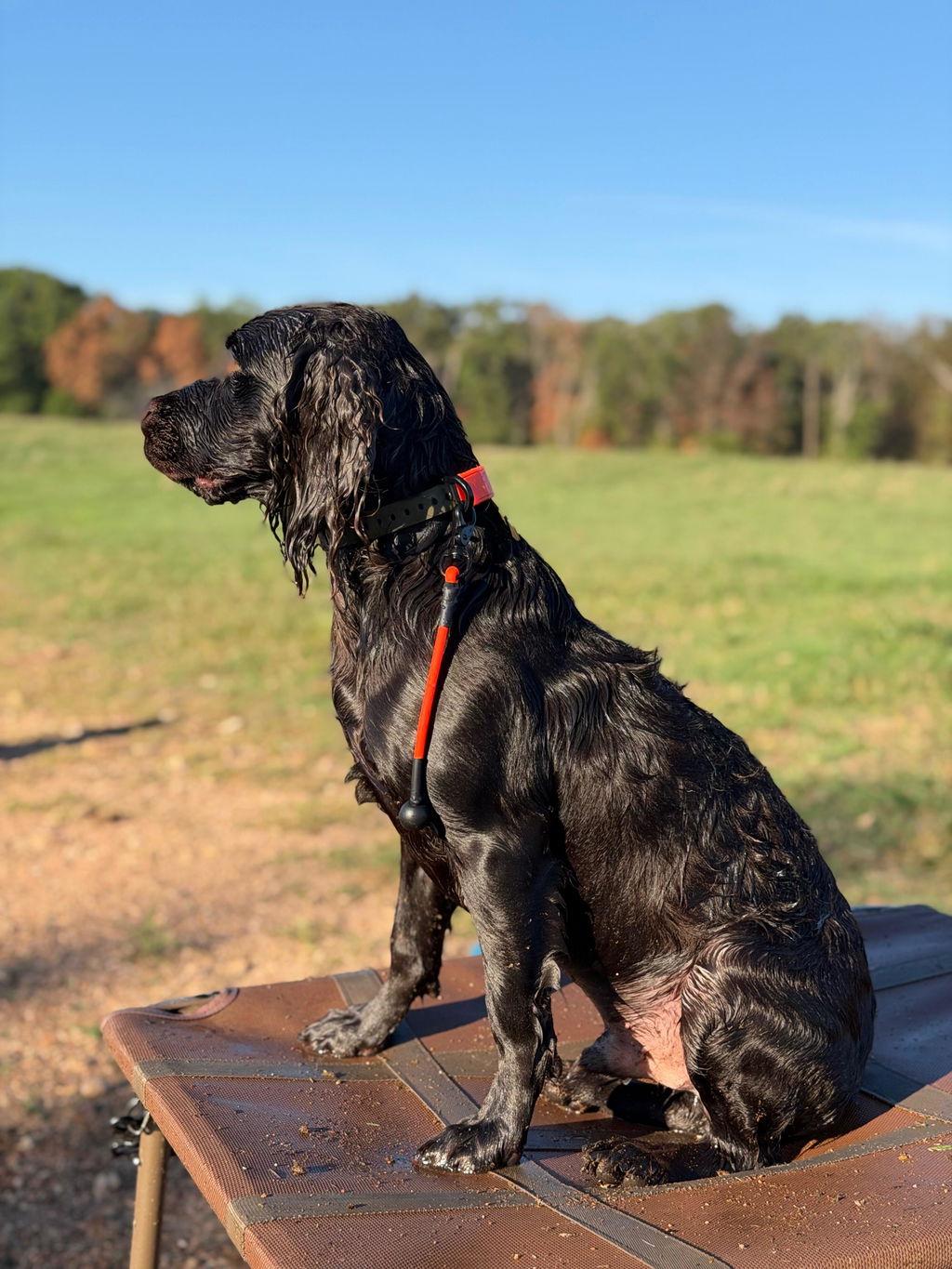
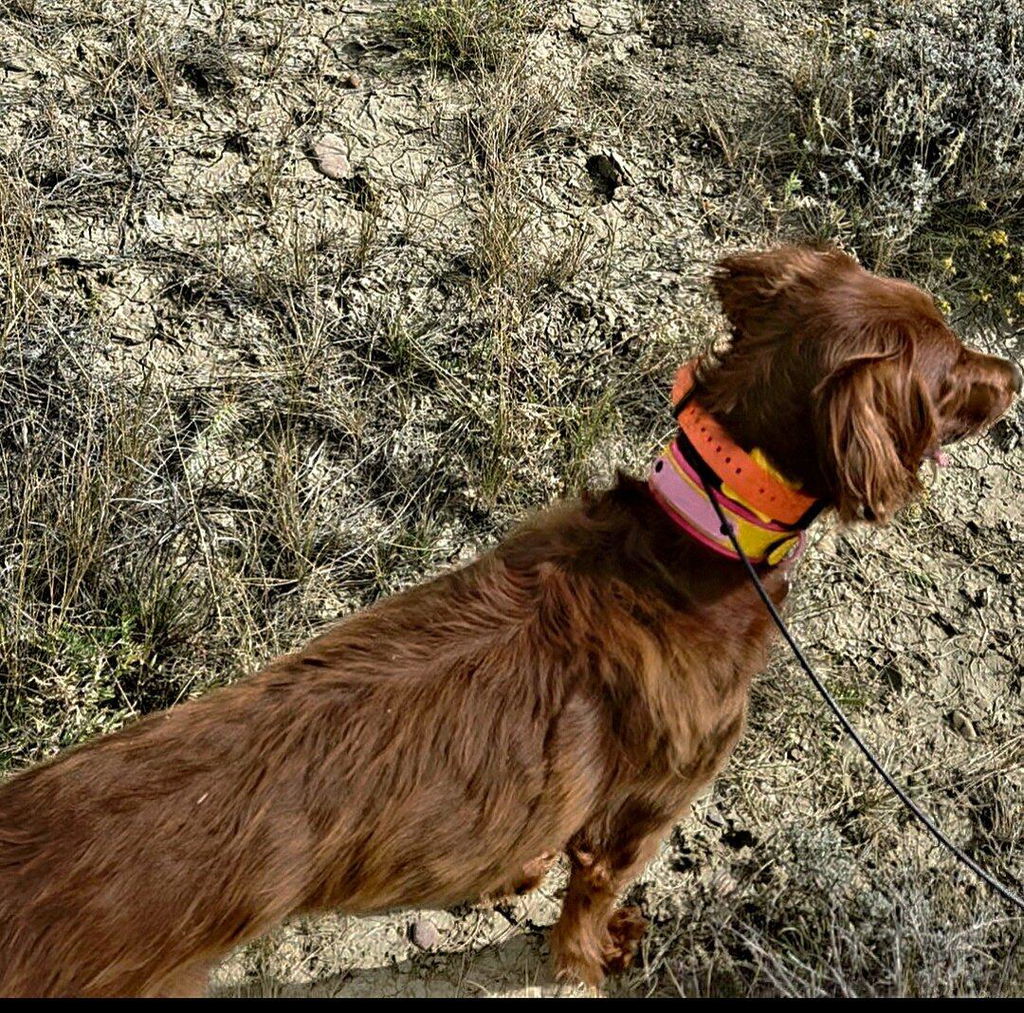
For working dogs, fit is still the foundation. A collar that shifts, rubs, or fails under load is a problem waiting to happen.
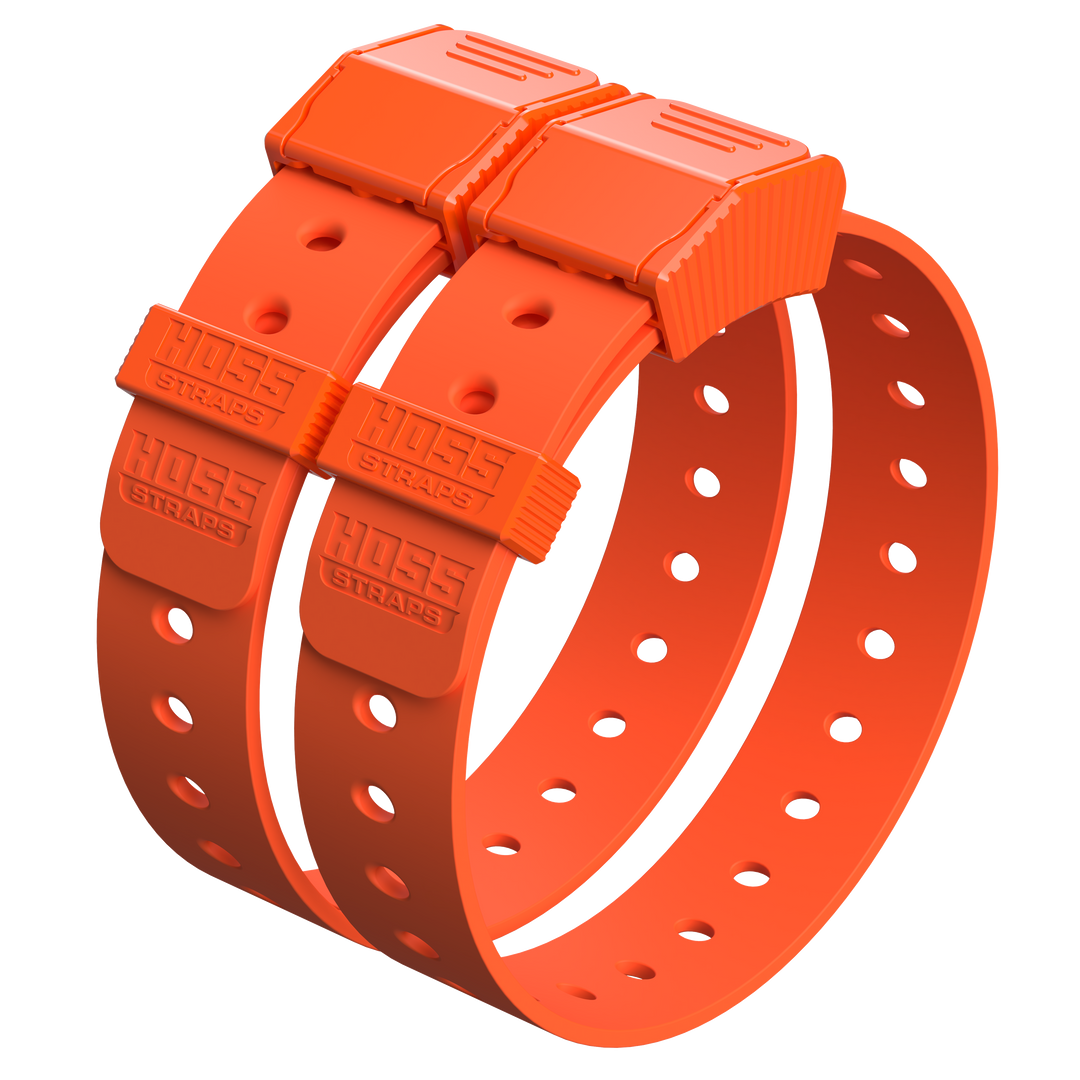
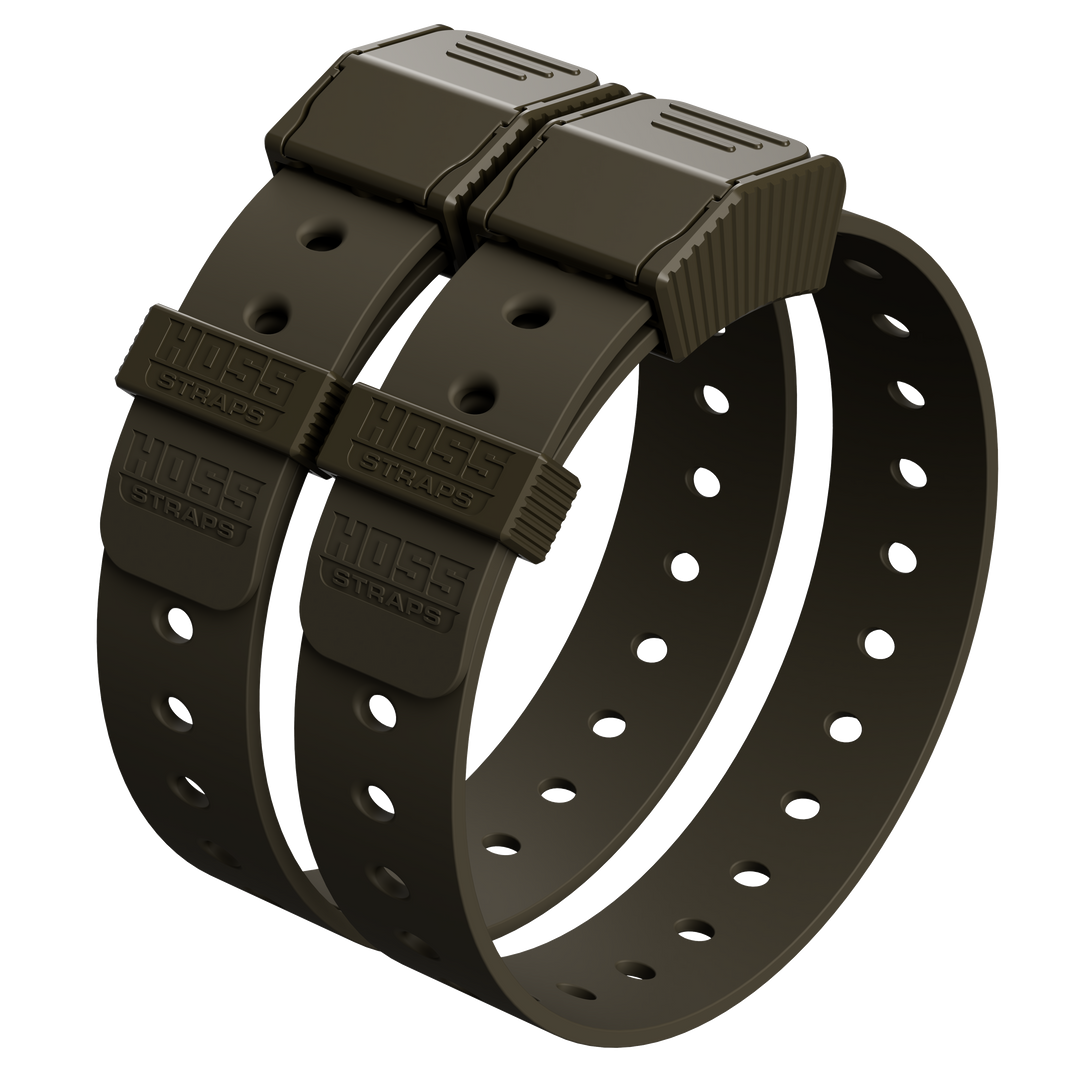
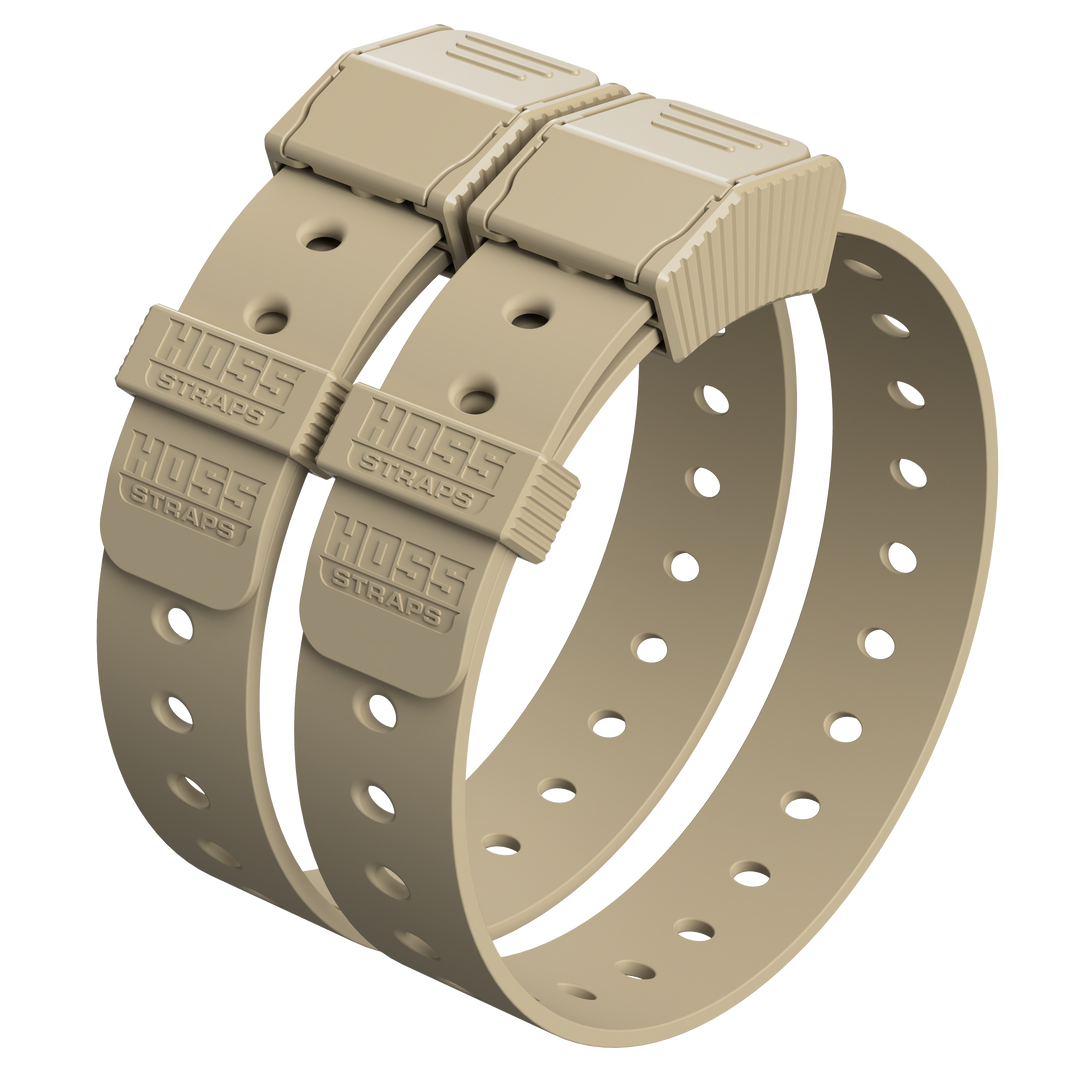
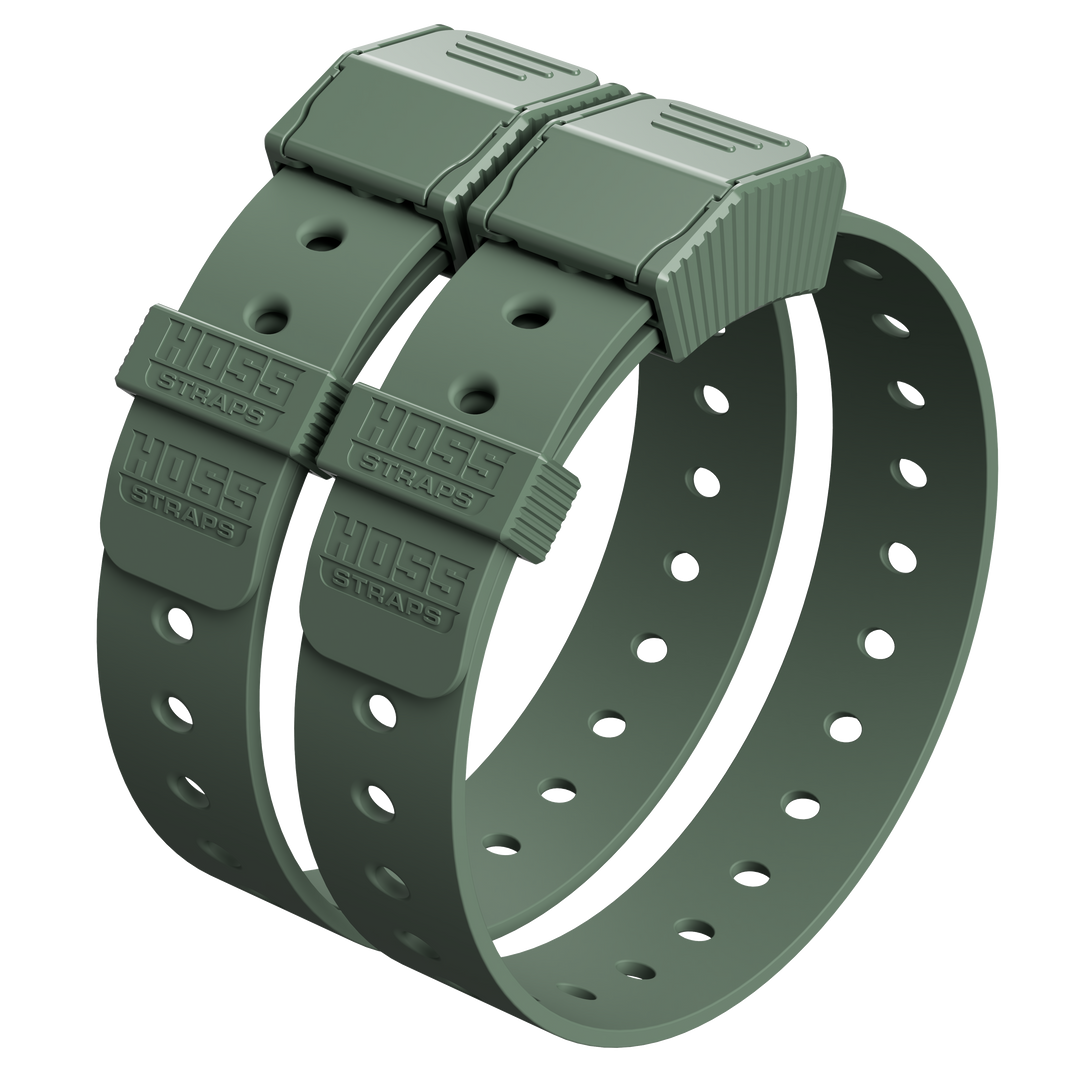
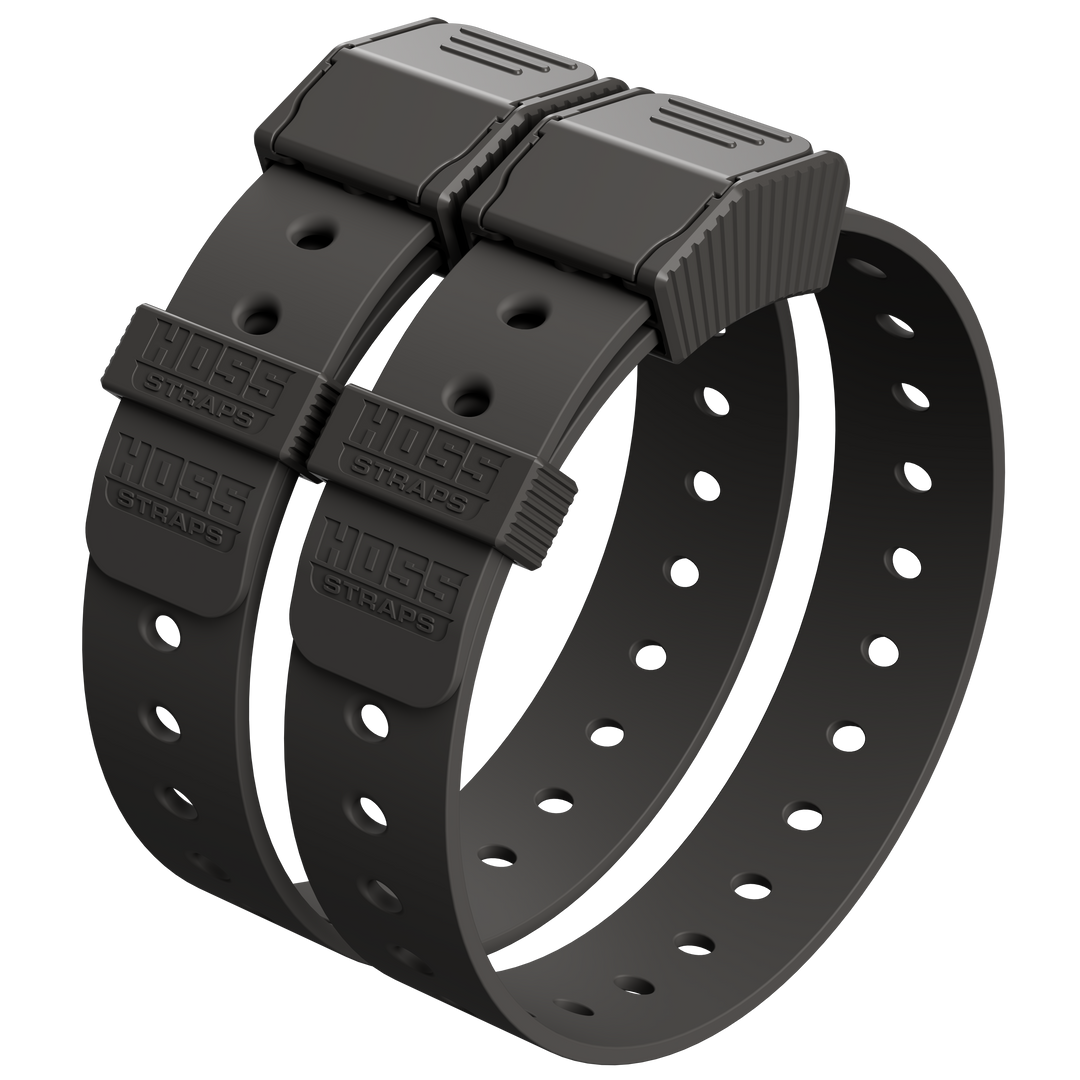
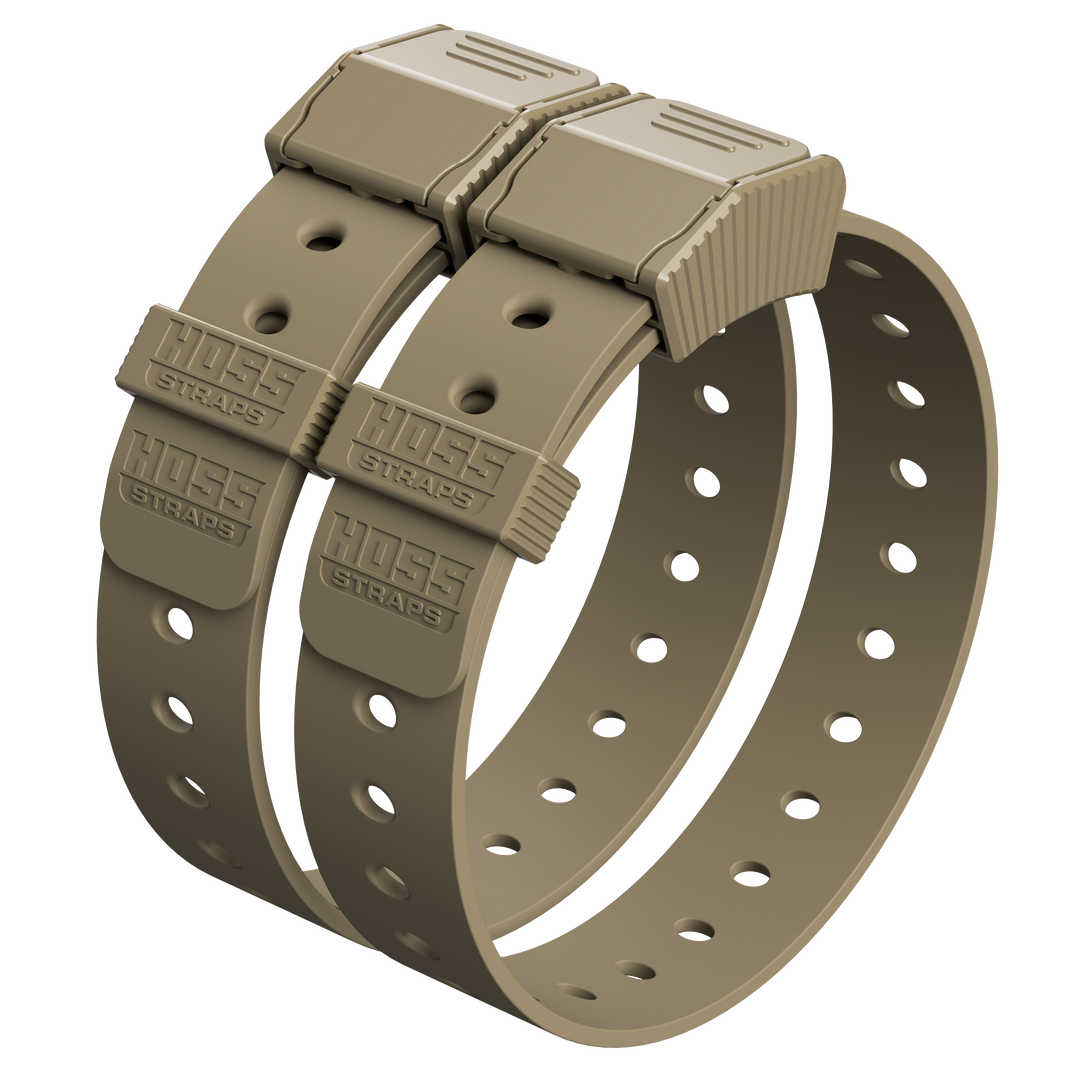
If you are looking for a tough, no-nonsense everyday collar built for hard use, take a look at Hoss Straps K9 Dog Collars. One good collar, sized right, can simplify your setup and cut down on avoidable returns caused by guessing on fit.
FAQ
1) Are prong collars safe for K9 dogs if fitted correctly?
Fit matters, but safety is also about how the tool is used. Veterinary guidelines oppose aversive tools for teaching or behavior change because of potential harm to welfare and the human-dog bond (AAHA behavior guidelines). If you are unsure, work with a qualified professional who uses humane methods (AVSAB humane training position statement).
2) Where should a prong collar sit on a dog’s neck?
Common manufacturer fitting guidance places it high on the neck, right behind the ears, so it stays stable during use (Herm Sprenger prong collar safety guide). If it hangs low like a necklace, it is not fitted the way most setup guides describe.
3) How tight should a prong collar be?
Setup guidance from prong collar manufacturers typically describes a snug fit behind the ears, not loose and sliding down the neck (Herm Sprenger prong collar safety guide). If you keep resetting it during a short walk, it is likely too loose.
4) What are safer options if my dog pulls hard on leash?
Many handlers start with alternatives like a front-clip harness, head collar, or properly fitted flat or martingale collar, depending on the dog and the goal. A controlled study comparing several tools, including a front-clip harness and prong collars, measured pulling impulse differences and recommended more real-life testing before broad conclusions (leash equipment comparison study, 2024). If pulling is tied to fear or reactivity, get professional help (AVSAB humane training position statement).
5) When should I stop using a prong collar and call a trainer?
If your dog shows clear stress, shuts down, or escalates, stop and get help. Research on training styles found higher stress indicators in dogs trained with aversive-heavy methods compared with reward-based approaches (PLOS ONE study on aversive methods and welfare). Veterinary behavior guidance also recommends referral to qualified professionals when behavior is challenging (AVSAB humane training position statement).