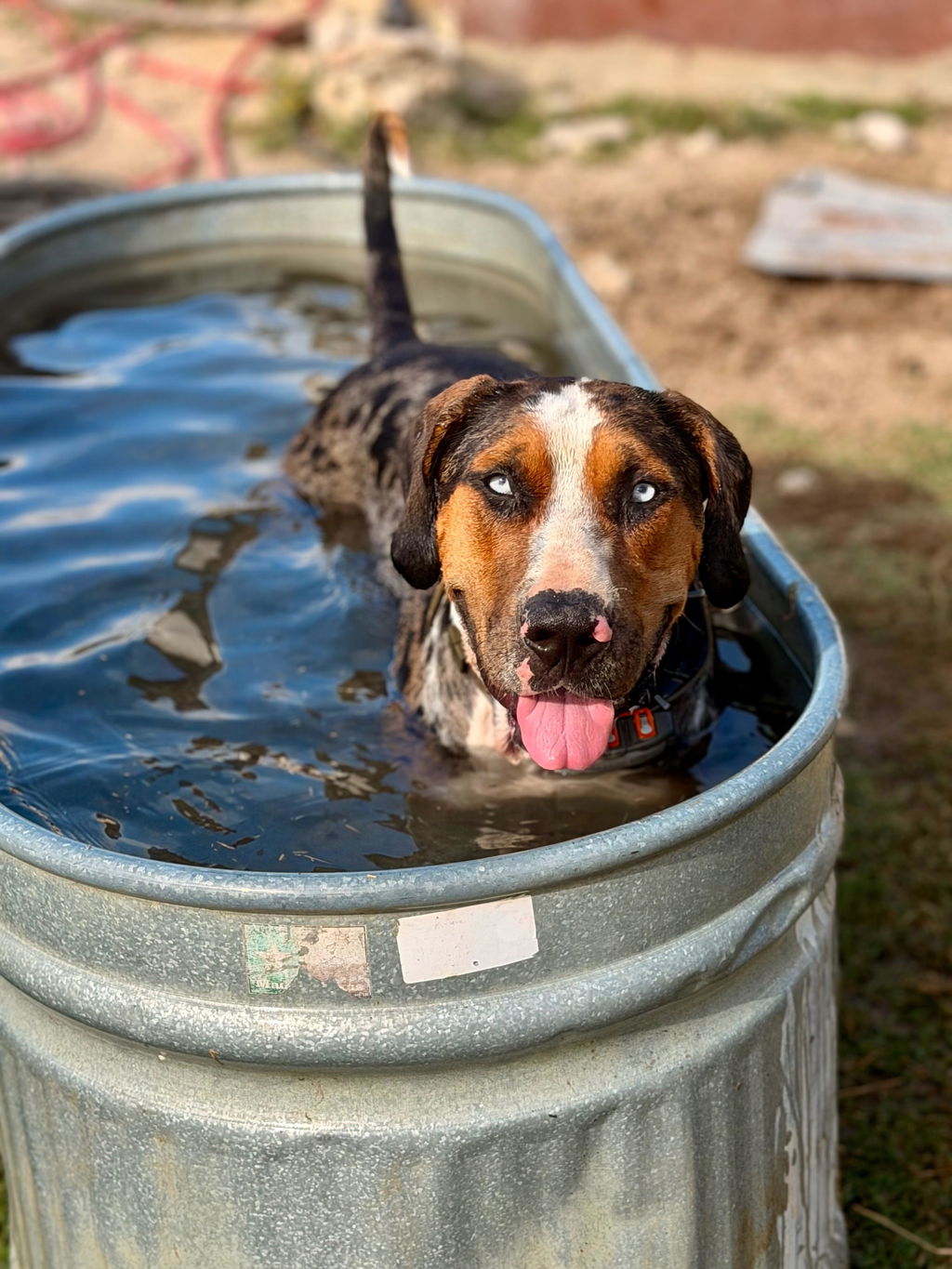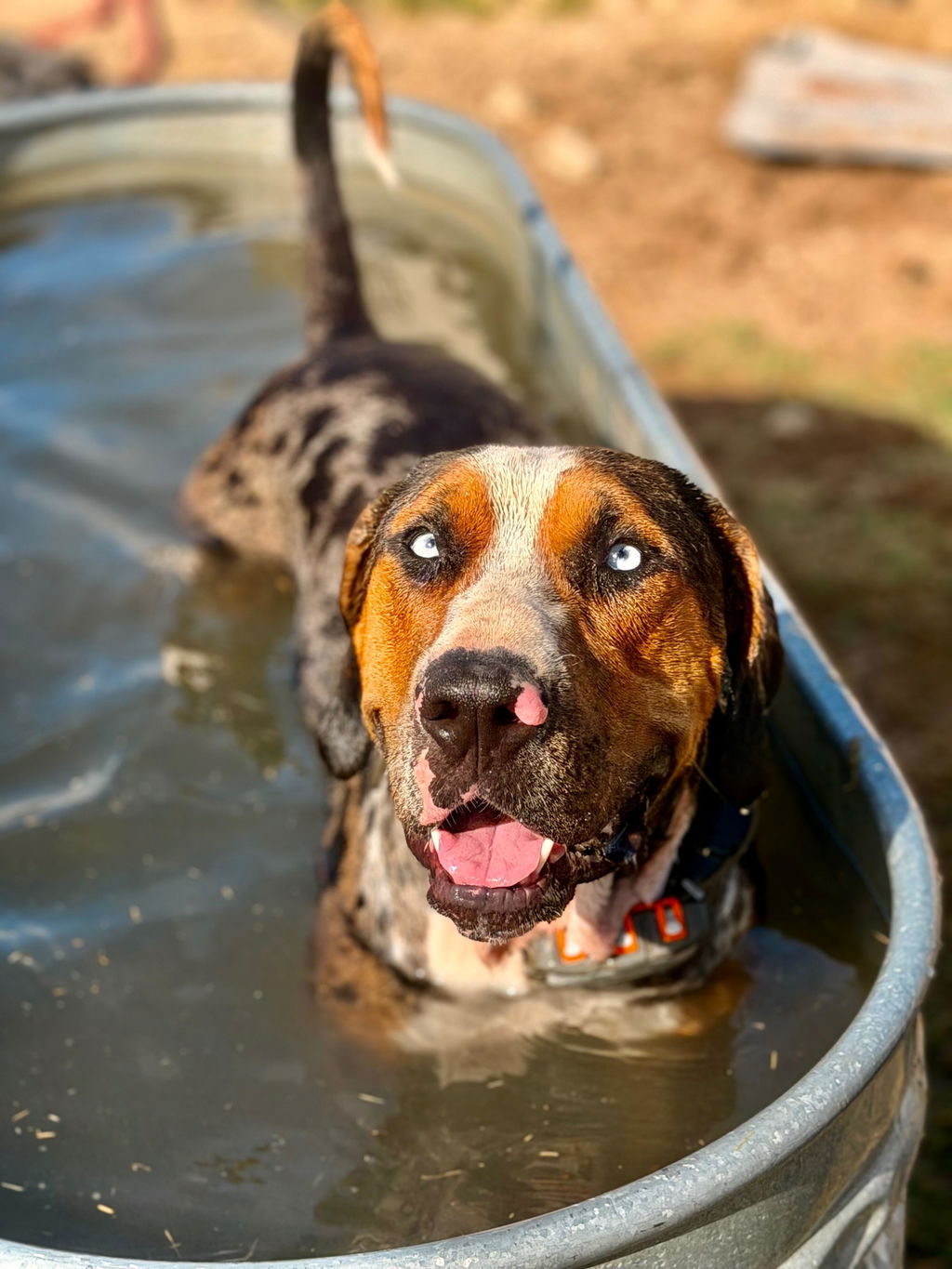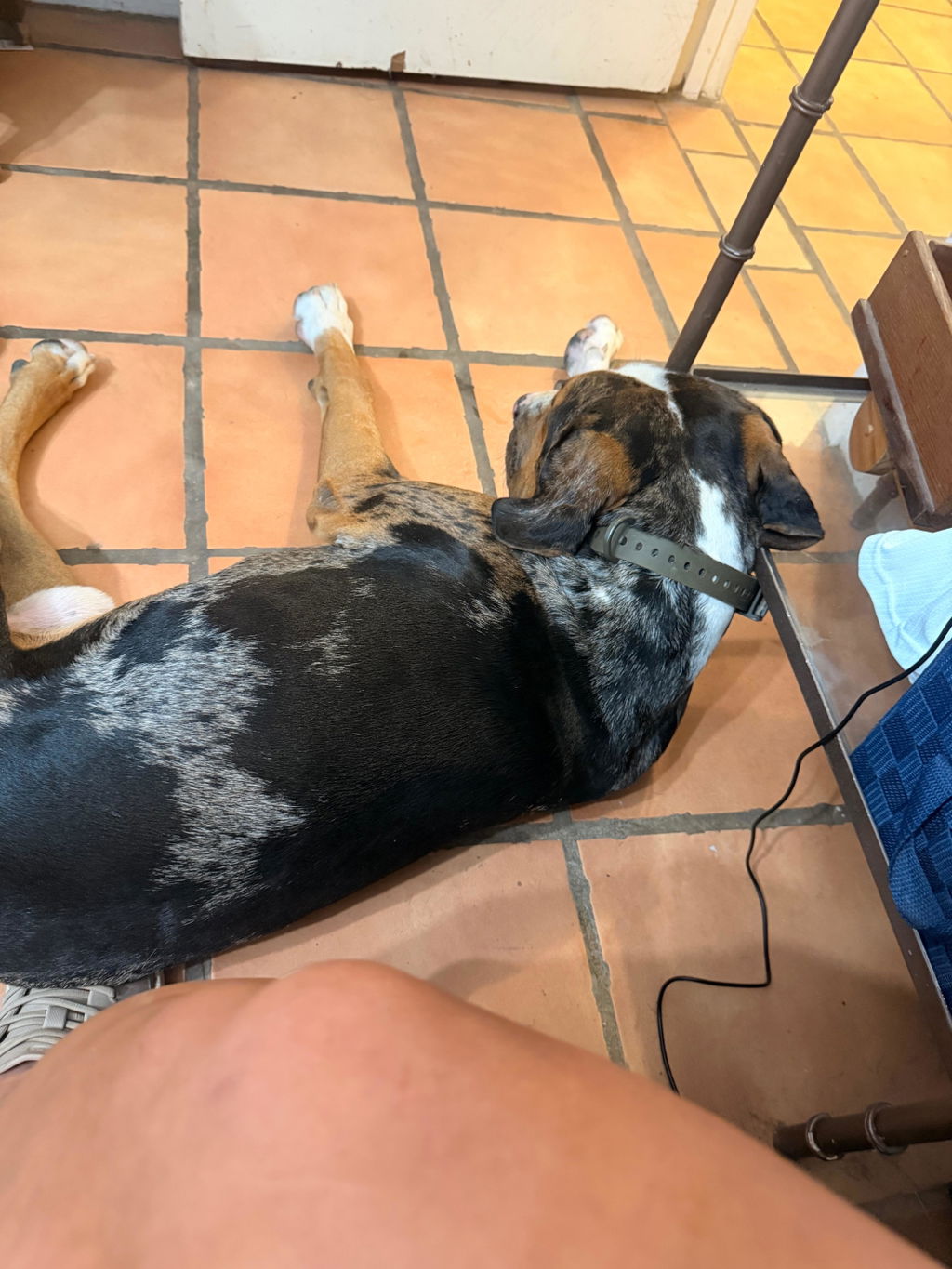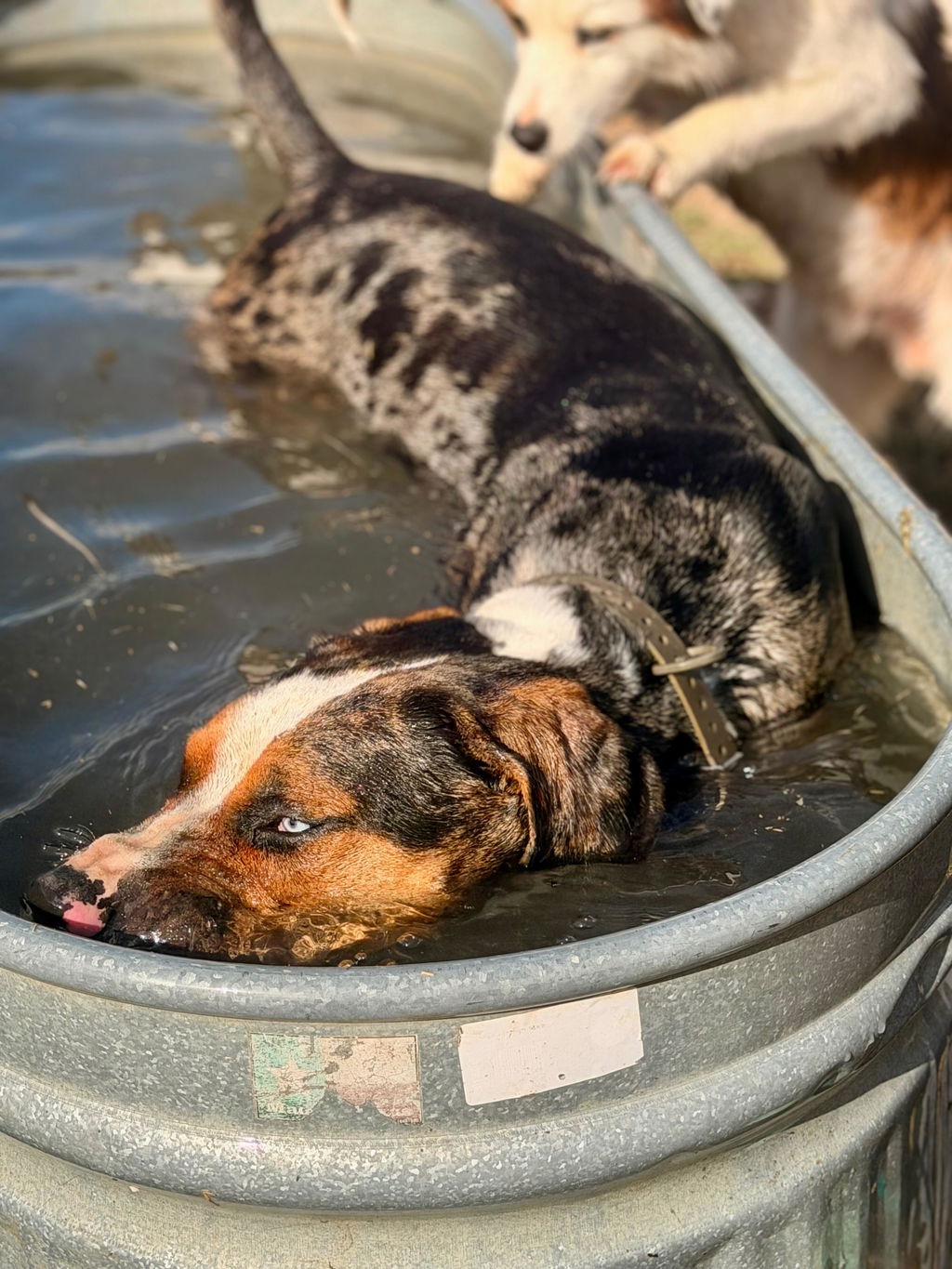



Quick-Release Buckle Dog Collars: Fit, Comfort, Wear Patterns, and How to Choose the Right One

Check out our training collar setup, d-ring dog collar, dog collars, and more!
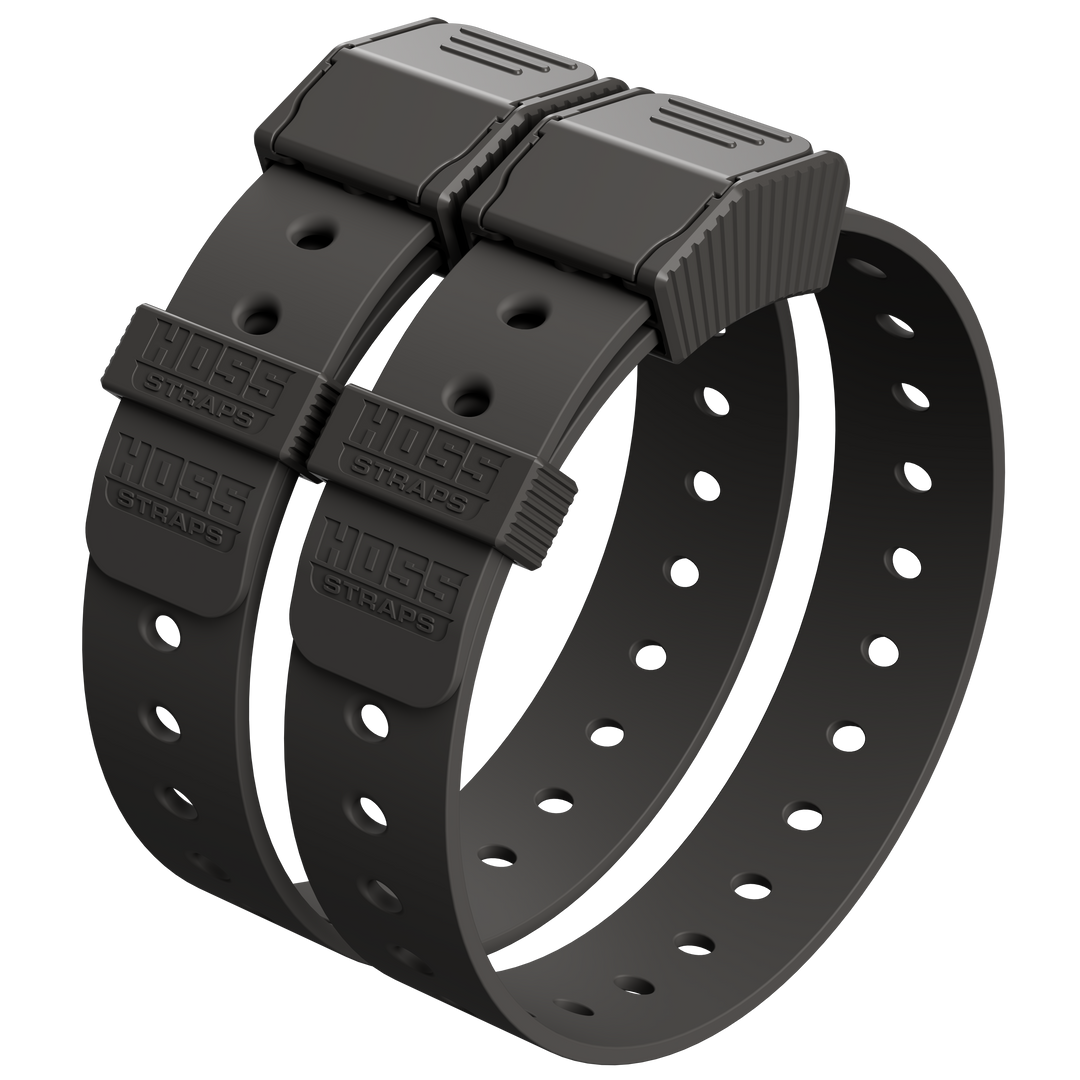
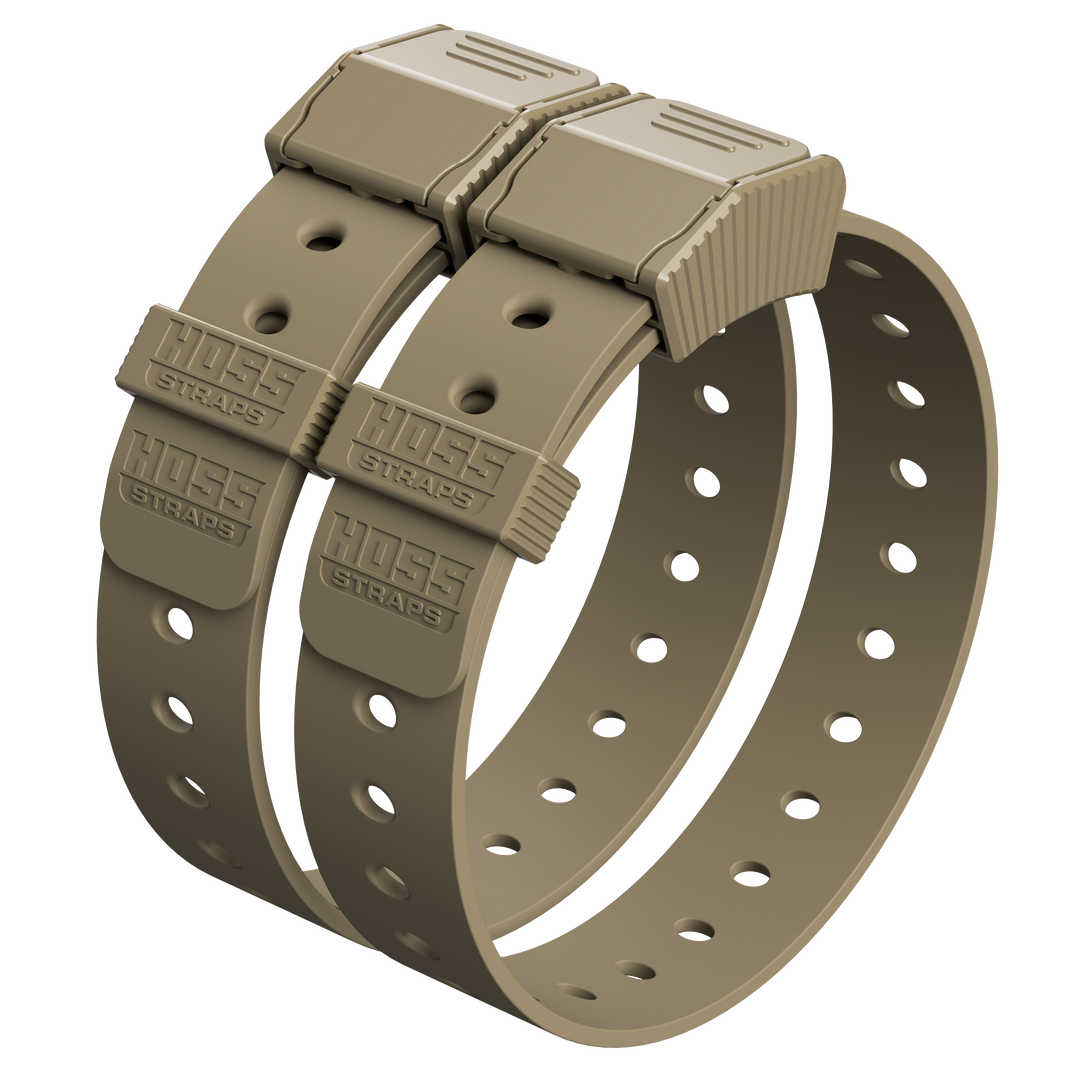
A quick-release buckle collar is best judged by what it does on the dog, not by how convenient it feels in your hand. The basic hardware is straightforward: VCA guidance notes that a standard flat collar may fasten with either a belt buckle or a quick-release clasp, and that fit and function should come first when choosing any collar.
Start With the Real Use Case
The right collar depends on how the dog actually wears it. A dog that wears a collar only for supervised walks has a different setup than a dog that wears ID around the house, and both are different from a dog that gets collared and uncollared several times a day for crate time, training, grooming, or vehicle loading.
That is where quick-release hardware usually earns its place: fast on and off, easy daily handling, and less fuss when you are removing the collar for the moments when the risk goes up.
Fit Comes Before Buckle Preference
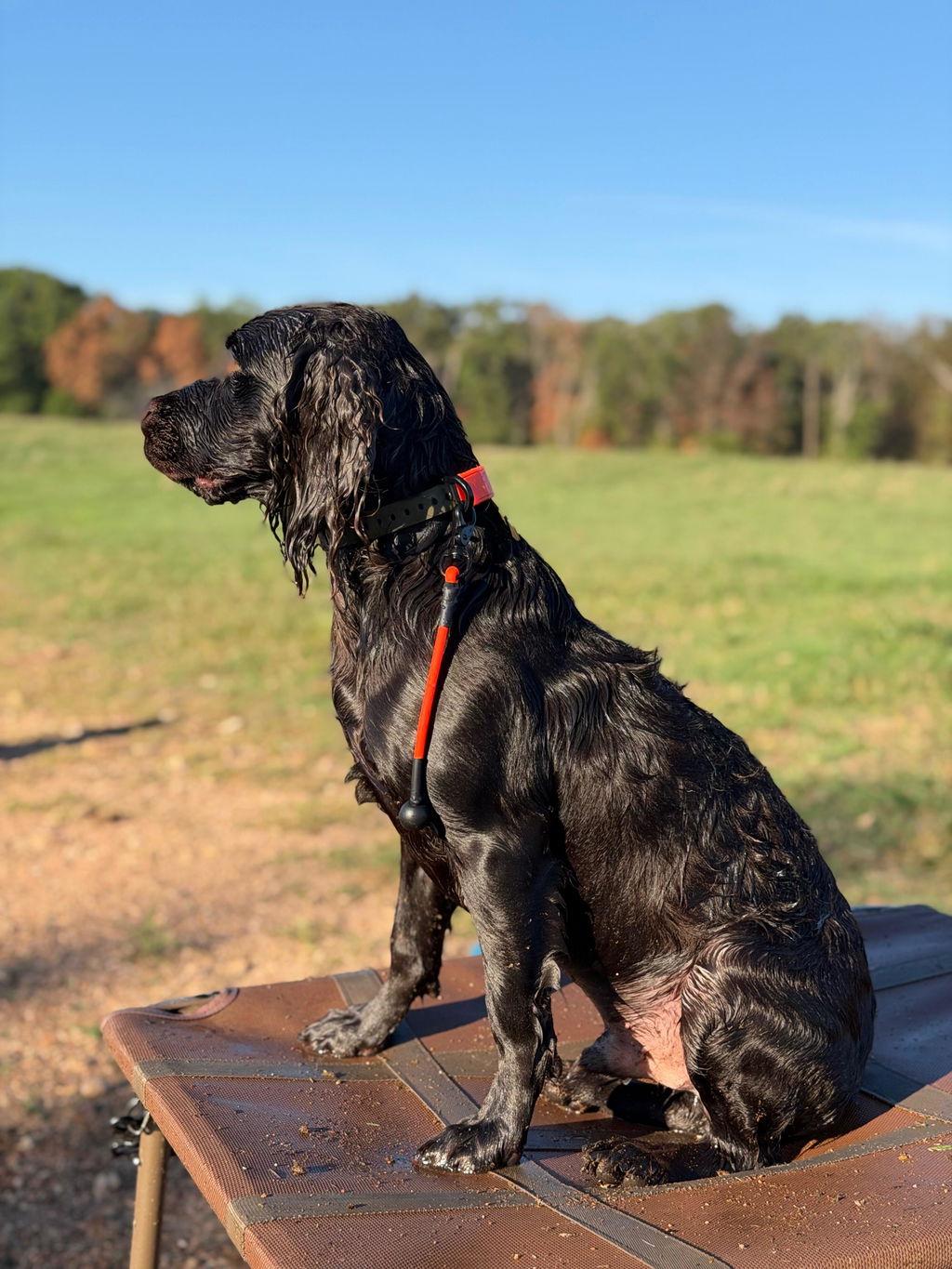
A buckle style does not fix bad fit. The first check is still neck measurement and the two-finger rule. AKC guidance recommends measuring neck circumference where the collar sits and fitting the collar so you can slide two fingers under it without the fit becoming loose.
A practical fit check looks like this:
- Place the collar where it will actually sit during normal wear.
- Close the buckle fully and confirm it clicks or seats cleanly.
- Check that two fingers fit under the collar.
- Walk the dog a few steps and see whether the collar rotates excessively.
- Let the dog lower the head, turn, and back up once.
- Re-check whether the collar drifts toward the ears or feels looser once the dog starts moving.
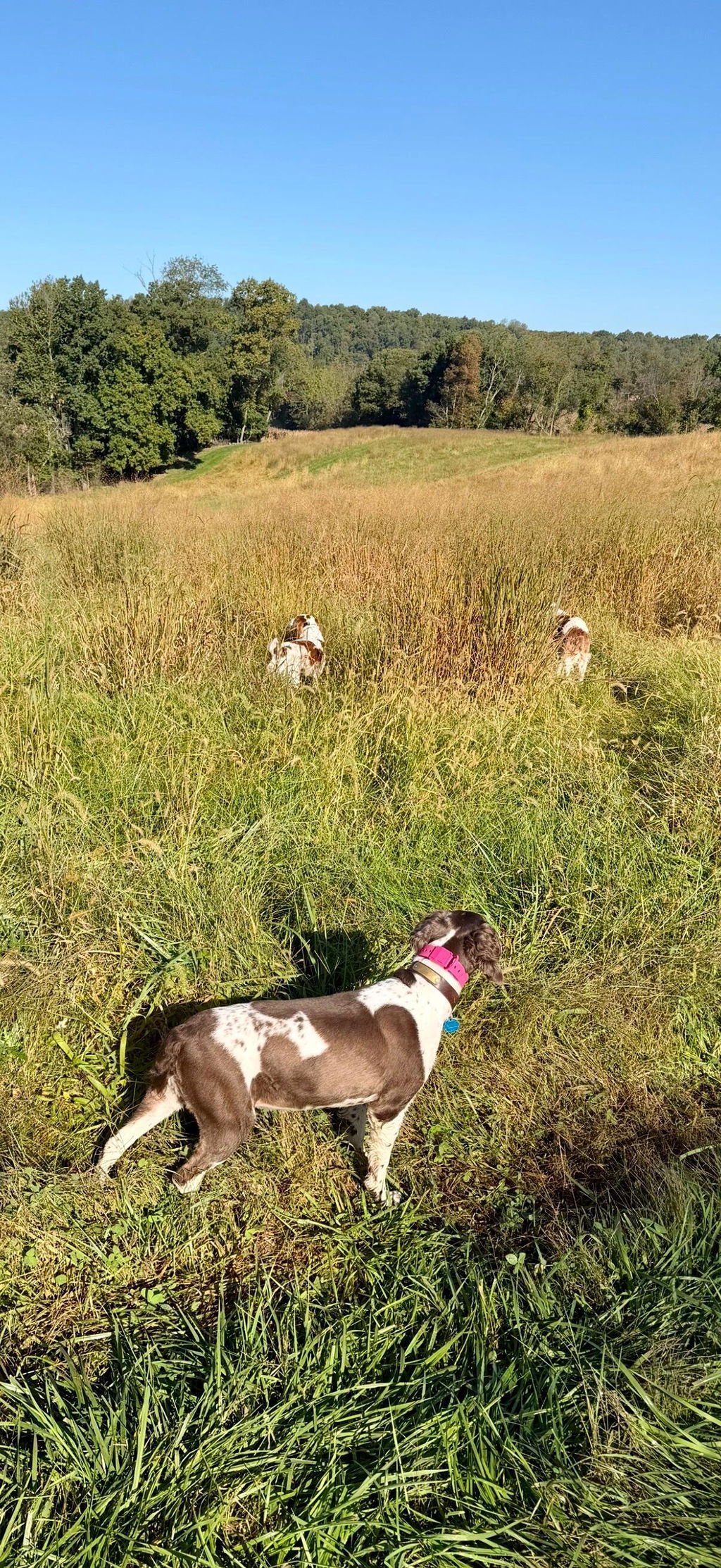
My setup note here is simple: a collar that looks perfect when the dog is standing still can still be wrong once the dog starts sniffing, backing up, or shaking off.
Comfort Tradeoffs Owners Should Understand
Quick-release collars are convenient, but comfort depends on more than the buckle. The tradeoff is usually between speed, weight, and how much hardware sits against the neck.
A lighter plastic quick-release buckle often feels simpler for everyday wear. A heavier metal buckle may feel sturdier in the hand, but it can also add more hardware weight to one section of the collar. That does not make either one automatically better. It means the right choice depends on the dog’s size, coat, activity level, and how long the collar is worn at a time.
For example, a relaxed house dog wearing a collar mainly for ID may do well with a simple lightweight quick-release setup. A bigger dog that gets collared and uncollared often for training or outings may make the convenience of a sturdier quick-release buckle feel more worthwhile.
Wear Patterns and Failure Modes

Most collars do not fail all at once. They start showing small warnings first. A simple safety principle matters here: PetMD guidance explains that collars can create a strangulation risk if they snag on something, and hanging tags can catch on objects like crates.
That is why the first wear checks should focus on the spots that move and rub the most:
- the buckle area
- the strap right next to the buckle
- the D-ring area
- any point where tags, clips, or accessories hit the collar repeatedly
- the place on the neck where the collar always settles
Failure cues owners should not ignore include:
- the collar rotating more than it used to
- the dog backing out more easily than expected
- hair loss, flattened coat, or pinkness under one section
- buckle flex, sticky release, or incomplete closure
- fraying, thinning, or rough edges near the hardware
- a fit that seems fine dry but shifts after grooming or heavy activity
Rub and Slip Cues
The easiest signs to catch are often on the dog, not the collar. If you see rubbing, hair breakage, scratching at the neck, or a collar that keeps riding up toward the ears, the setup needs work.
The most common slip cue is simple: the collar shifts too easily when the dog backs up or turns sharply. The most common rub cue is repeated friction at one fixed point, often where the hardware or tag weight always settles.
Specific Dogs and Use Cases
Different dogs expose different problems.
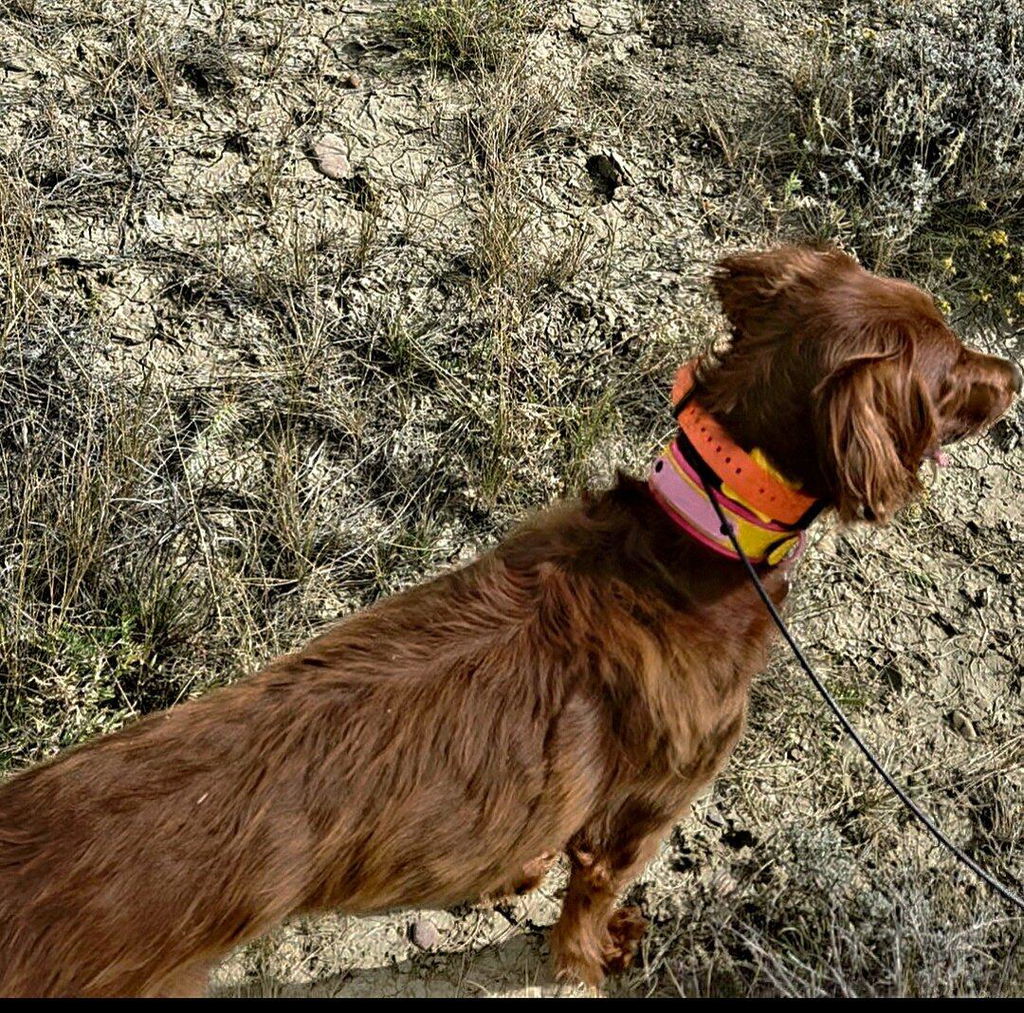
A short-coated dog may show pressure and rub marks faster. A fluffy dog may hide a poor fit until the collar slips in motion. A smaller dog may feel the weight of a heavier buckle more than a larger dog would. A dog that only wears the collar on walks may tolerate a different setup than a dog that wears it for long daytime stretches.
A few real examples:
- a doodle or collie mix with a thick coat may need more frequent fit re-checks because the collar can look secure while resting and then shift once the coat compresses
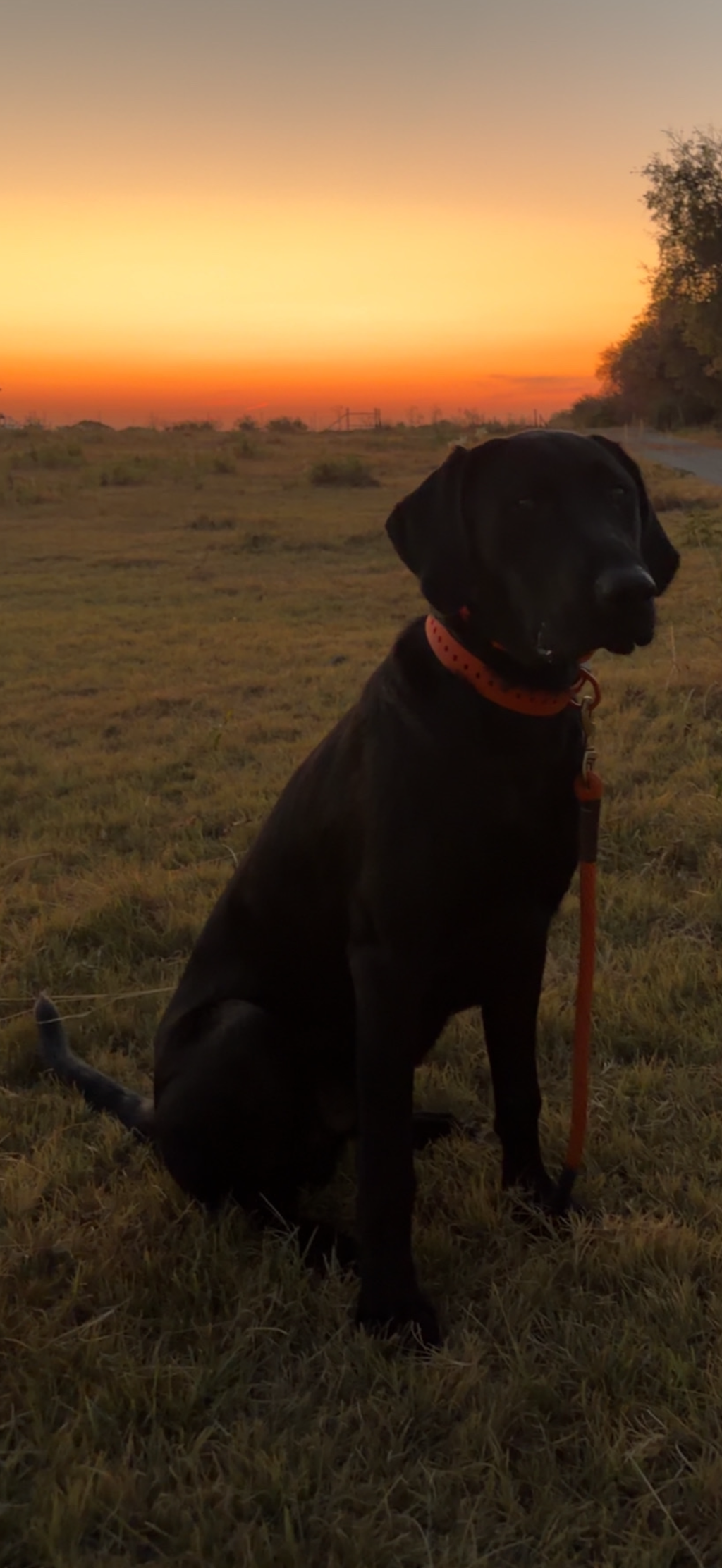
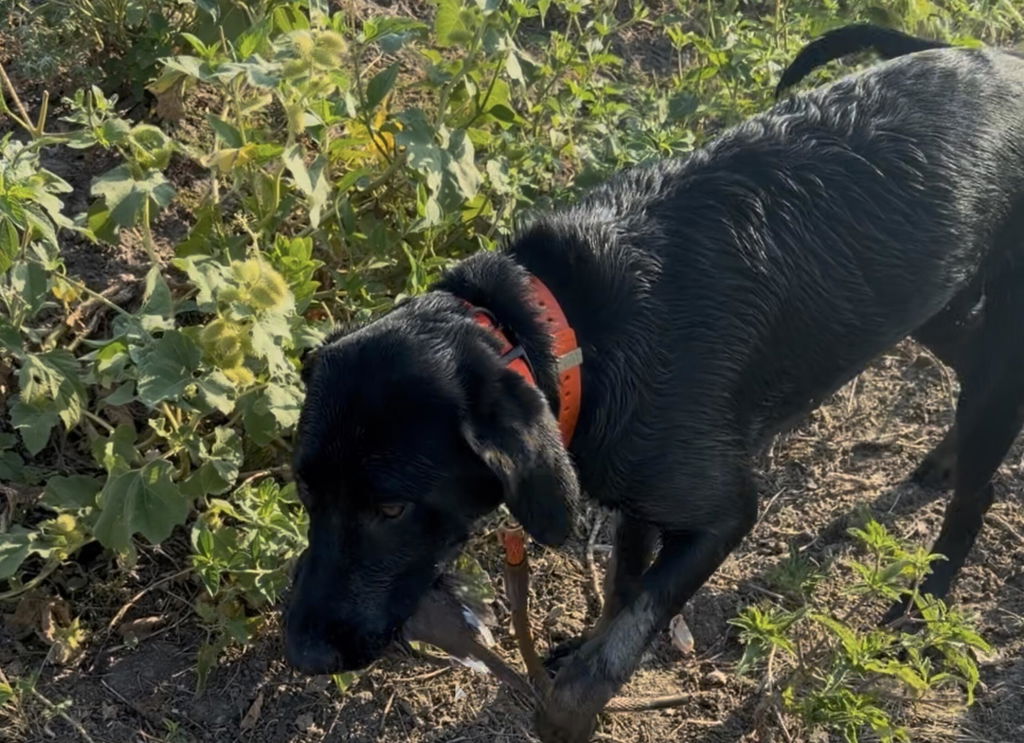
- a Labrador who swims, shakes off, and gets muddy may reveal wear patterns faster around the buckle and tag area
- a small companion dog wearing a heavy metal buckle for long periods may do better with a lighter setup
- a large dog that is collared and uncollared repeatedly for crate time may make quick-release convenience more valuable than a slower belt-style buckle
What Owners Usually Get Wrong

The first mistake is choosing the buckle before checking the fit. The second is assuming that faster on and off automatically means better comfort. The third is leaving the collar on during situations where snagging is easier to prevent than to manage.
That matters because VCA guidance also notes that breakaway collars release under pressure and that some dogs can escape if a leash is clipped to hardware designed for that safety release, which is a good reminder that buckle design has to match the job.
Another common mistake is treating a collar as the answer to pulling. A collar may help manage daily handling, but training still matters. The American College of Veterinary Behaviorists supports training approaches built around reinforcing desired behavior and setting up the environment for success rather than relying on equipment alone.
Clear Product Decision Criteria
Choose a quick-release buckle collar when:
- you take the collar on and off often
- you want faster daily handling
- the dog does well in a flat collar
- you are willing to check buckle closure and fit regularly
Choose a lighter or simpler setup when:
- the dog wears the collar for long stretches and extra hardware weight matters
- the buckle area creates a rub point
- the dog is small enough that hardware bulk becomes noticeable
Avoid relying on the collar setup by itself when:
- the dog is a strong puller and neck pressure is already a concern
- the collar will stay on in crate time, rough play, or snag-prone situations
- the fit changes often because of coat, grooming, or growth and you are not re-checking it
Quick Fit and Inspection Checklist
- two fingers under the collar
- buckle fully seated
- collar not drifting toward the ears
- no excessive rotation in motion
- no rub marks, scratching, or hair loss
- no frayed strap sections near hardware
- no sticky or incomplete buckle release
- collar removed for crate time and other snag-risk moments
FAQ
Are quick-release buckle collars secure?
They can be secure for normal use when the fit is correct and the buckle closes cleanly every time.
What is the biggest comfort tradeoff?
Usually hardware weight and bulk versus convenience.
How do I know the collar is rubbing?
Look for hair loss, pink skin, repeated scratching, or one spot where the collar always seems to settle.
When should I choose something else?
Choose something else when the collar creates a rub point, the dog is a hard puller, or the collar will be worn in situations with avoidable snag risk.
What should I check before using it?
Check fit, buckle closure, strap wear near hardware, and how the collar behaves once the dog actually starts moving.