


Reflective and High-Visibility Dog Collars: What Works at Dawn, Dusk, and After Dark

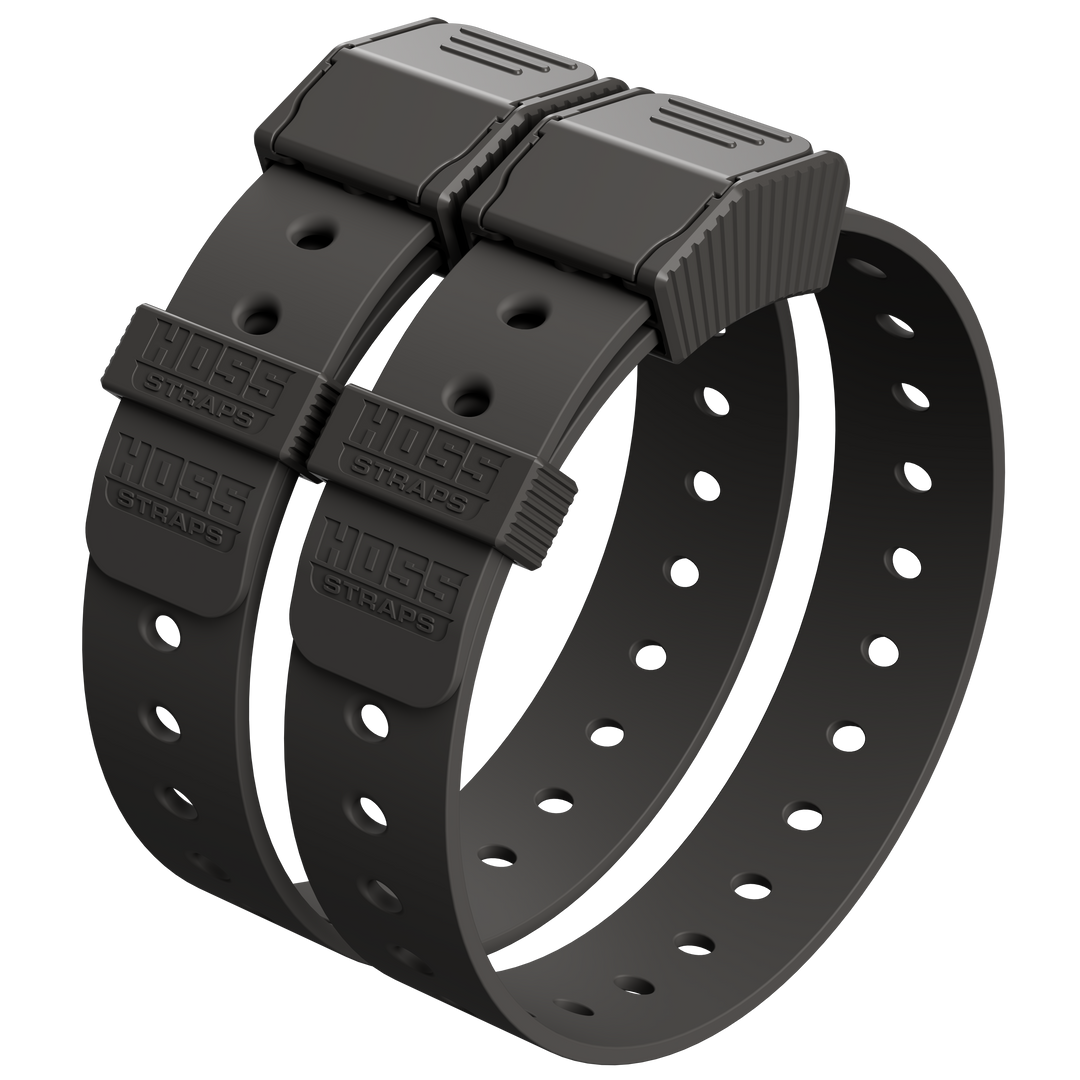
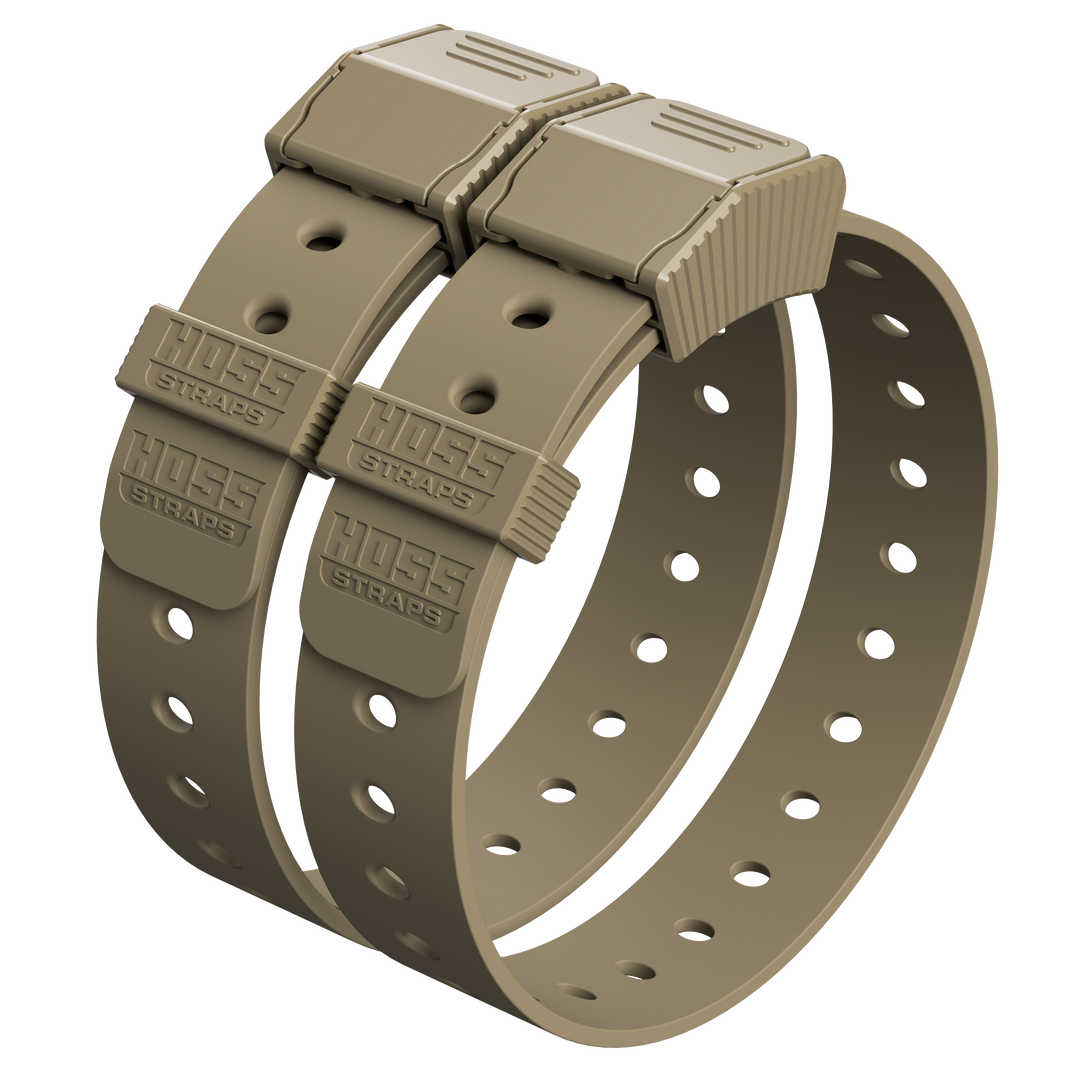
Check out our training collar setup, K9 dog collars, and dog collars built for comfort.
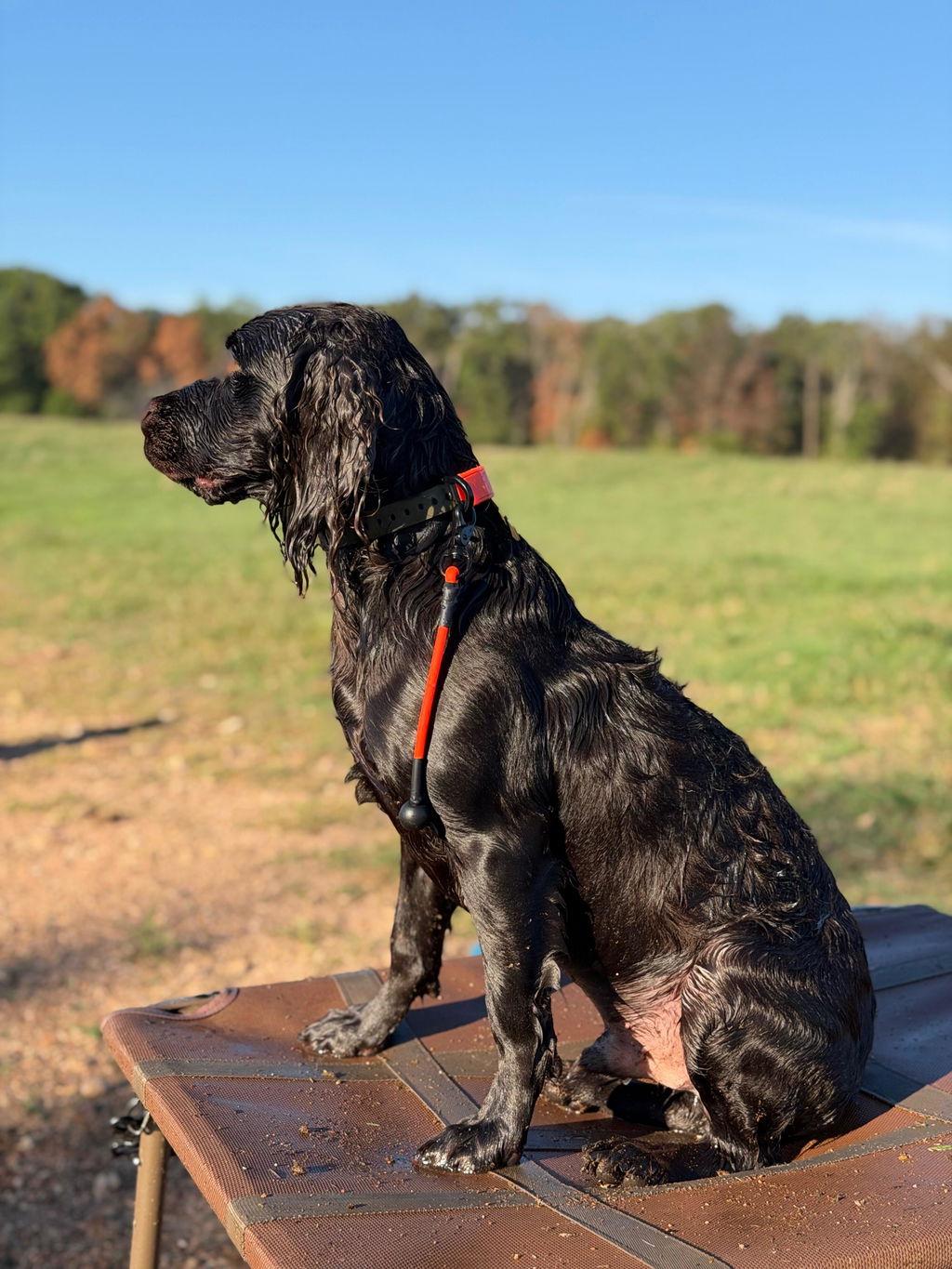
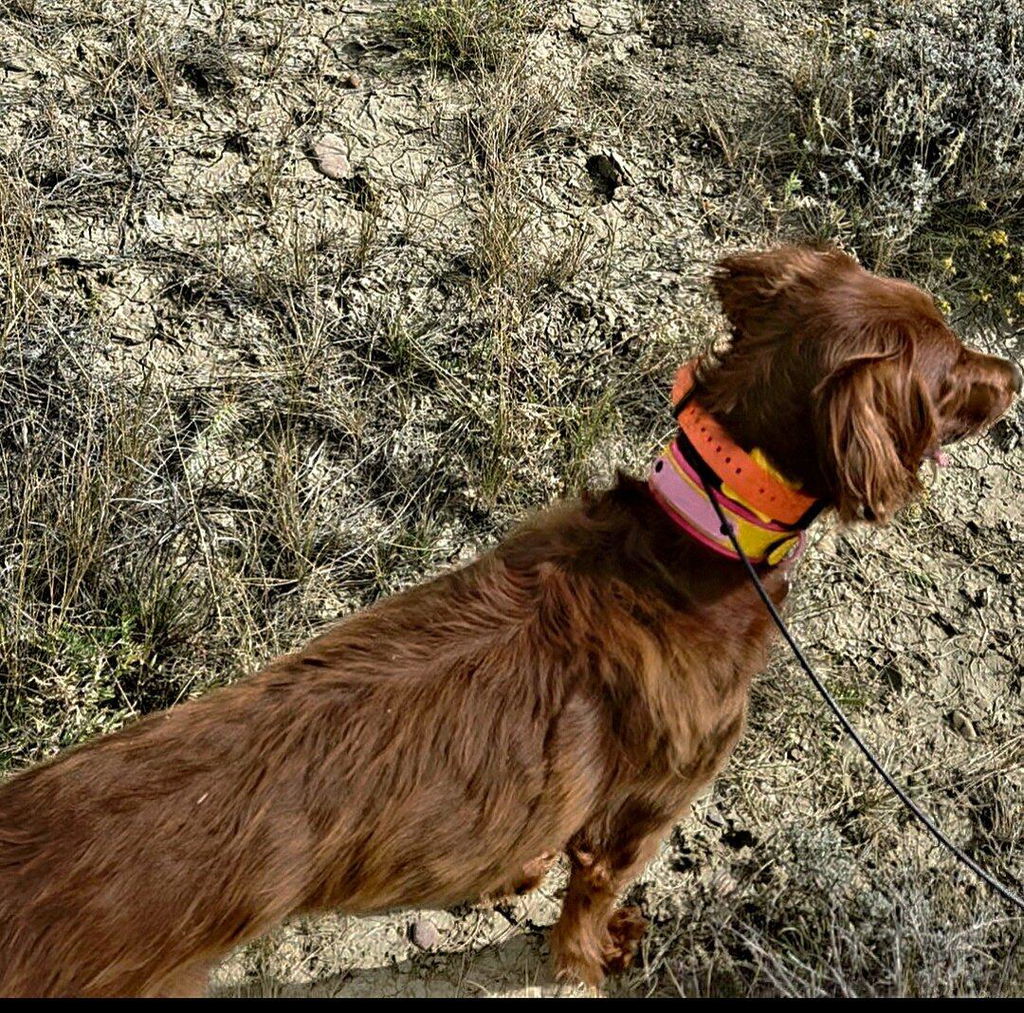
If you walk your dog when light is low, the goal is simple: you and your dog are easy to see. A high-visibility collar can help in daylight and can reflect light back at night when a beam hits it.
Quick guide
-
Daylight: bright, high-visibility color.
-
Dawn and dusk: bright color plus reflective trim.
-
Night near roads: reflective trim plus a small light.
-
Dark trails: a collar light matters most.
Two ways a collar gets seen
Retroreflective material (what most people call reflective)
Retroreflective material is designed to send light back toward the light source, which is why it looks bright under headlights or a flashlight, as described by the Federal Highway Administration. FHWA explains retroreflectivity
No beam, no flash-back. On a dark trail without a headlamp, reflective trim will not look bright on its own.
Fluorescent material (high-visibility in daylight)
Fluorescent color can look extra bright in daylight because it absorbs light and then emits light, which NIST describes as an absorption step followed by emission. NIST defines fluorescence
Fluorescent helps most in daylight and early or late light. It does not replace reflective trim once it is fully dark.
Combined performance (both in one collar)
Some collars pair a fluorescent background with retroreflective accents. Oregon OSHA defines fluorescent background material, retroreflective material, and “combined-performance” material. Oregon OSHA defines hi-vis materials
Where each type works best
-
Roads and parking lots: retroreflective trim is built for headlights; a bright base color helps before lights hit the reflective parts.
-
Trails and campgrounds: retroreflective trim helps your headlamp bounce back; a small collar light helps when your beam is not pointed at the dog.
-
Fields and open ground: bright color helps in daytime; reflective trim helps once you are using vehicle lights or headlamps.
How to test visibility safely (no traffic needed)
Flashlight test: Put the collar on, step back 15 to 30 feet, hold a flashlight at eye level, and sweep the beam across the collar. Look for a clean flash-back and repeat from the front, side, and rear.
Parked-car headlight test: In a driveway or quiet lot, use a parked vehicle’s headlights and walk your leashed dog across the beam. Watch if the reflective parts stay visible as your dog turns. Do not test near moving vehicles.
Movement check: Walk your dog in a loose circle. Make sure the visible parts show from more than one angle, not only from behind.
Color and contrast by environment
A bright color only helps if it contrasts with the background.
Here’s a quick way to think about contrast by setting:
-
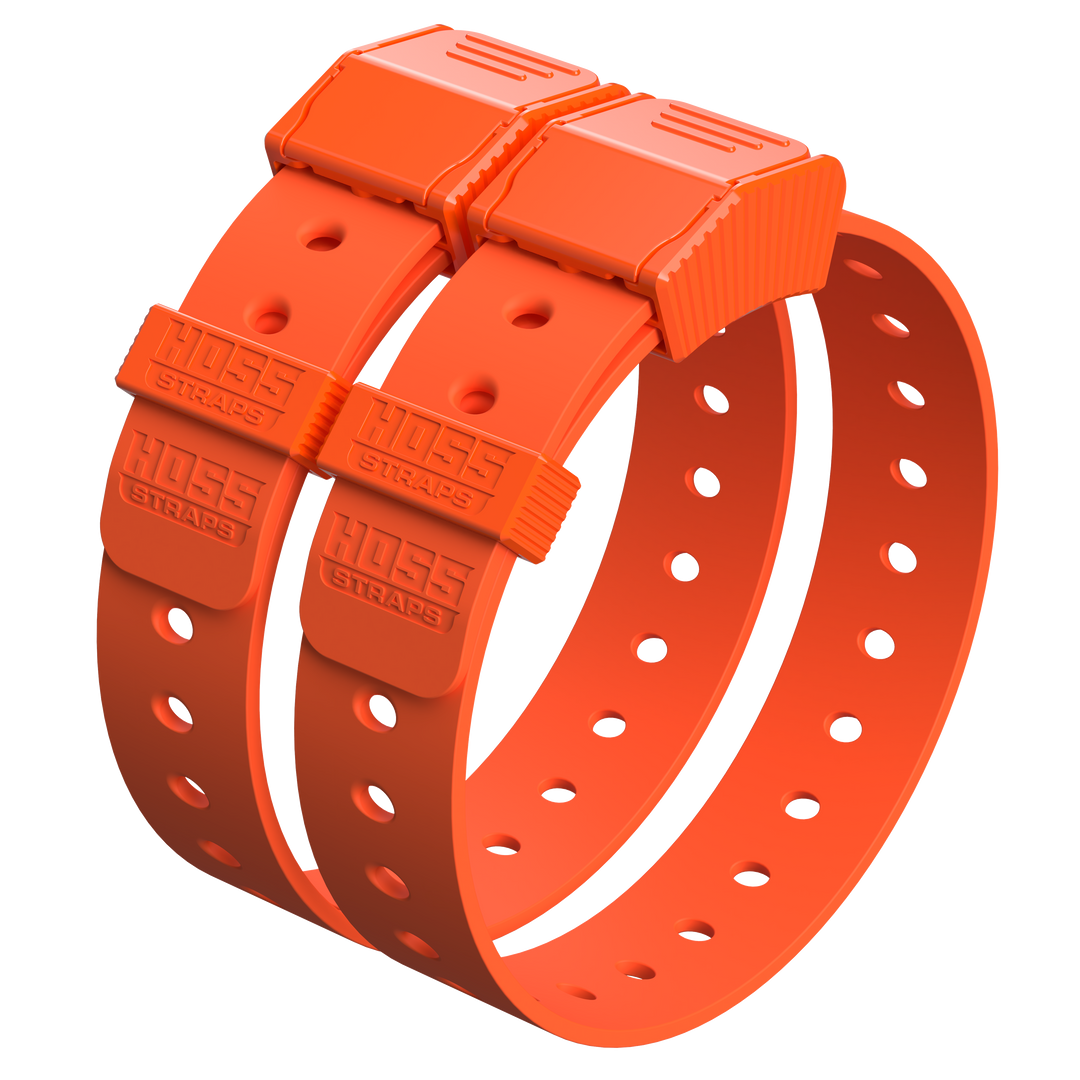
City streets: bright yellow-green or orange
-
Woods and brush: bright orange or red
-
Snow or sand: bright red or orange
NHTSA notes that bright and fluorescent clothing may help improve daytime conspicuity in some environments, which is the same reason a bright collar can help in daylight. NHTSA on fluorescent daytime conspicuity
How a high-visibility collar works with other gear
Keep the collar as the main “find the dog” marker, then add simple support tools.
-
Collar light: helps when there is no outside beam.
-
Reflective leash: helps others see the line between you and your dog.
-
Harness accents: can add side visibility, but the collar stays the quick marker.
A Cochrane review of visibility aids reports that fluorescent materials improve daytime detection and recognition, while lamps, flashing lights, and retroreflective materials improve detection and recognition at night. Cochrane review on visibility aids
Buying checklist
-
Reflective trim that shows from more than one angle
-
Bright base color that fits your usual route
-
Comfortable fit that stays in place
-
Clean stitching and smooth edges
-
Easy to wipe down so reflective areas stay clear
Fit check: you should be able to slide two fingers under the collar, and the buckle should not rotate to the underside after steady minutes of walking. If it shifts, adjust, clean the fur, or try another size.
CTA: Get a collar that shows up on your route
If you want a collar made for everyday miles, take a look at our K9 Dog Collars. Pick a bright color for your route, then run the flashlight test at home so you know what you have before the next low-light walk.
FAQ
1) Do reflective collars work in complete darkness?
Reflective trim needs a light source to bounce light back. If you are on an unlit trail, add a collar light so your dog stays visible.
2) Is fluorescent better than reflective for dawn and dusk?
Fluorescent helps when there is still daylight, while reflective takes over once lights hit it. For mixed conditions, use a bright base color plus reflective trim.
3) What color collar is easiest to see at night?
At night, reflective trim does the heavy lifting when headlights or a flashlight hit it. For the base color, choose something that contrasts with your surroundings so your dog is easier to spot before the flash-back.
4) How can I test collar visibility without going near traffic?
Use a flashlight at eye level and step back 15 to 30 feet, then sweep the beam across the collar. Check more than one angle and confirm the reflective trim is not folded or blocked by fur.
5) Should I use a collar light if the collar is already reflective?
A light helps when there is no outside beam hitting the reflective parts, like on dark trails or in big yards. Many people use both: reflective for headlights and a light for true darkness.