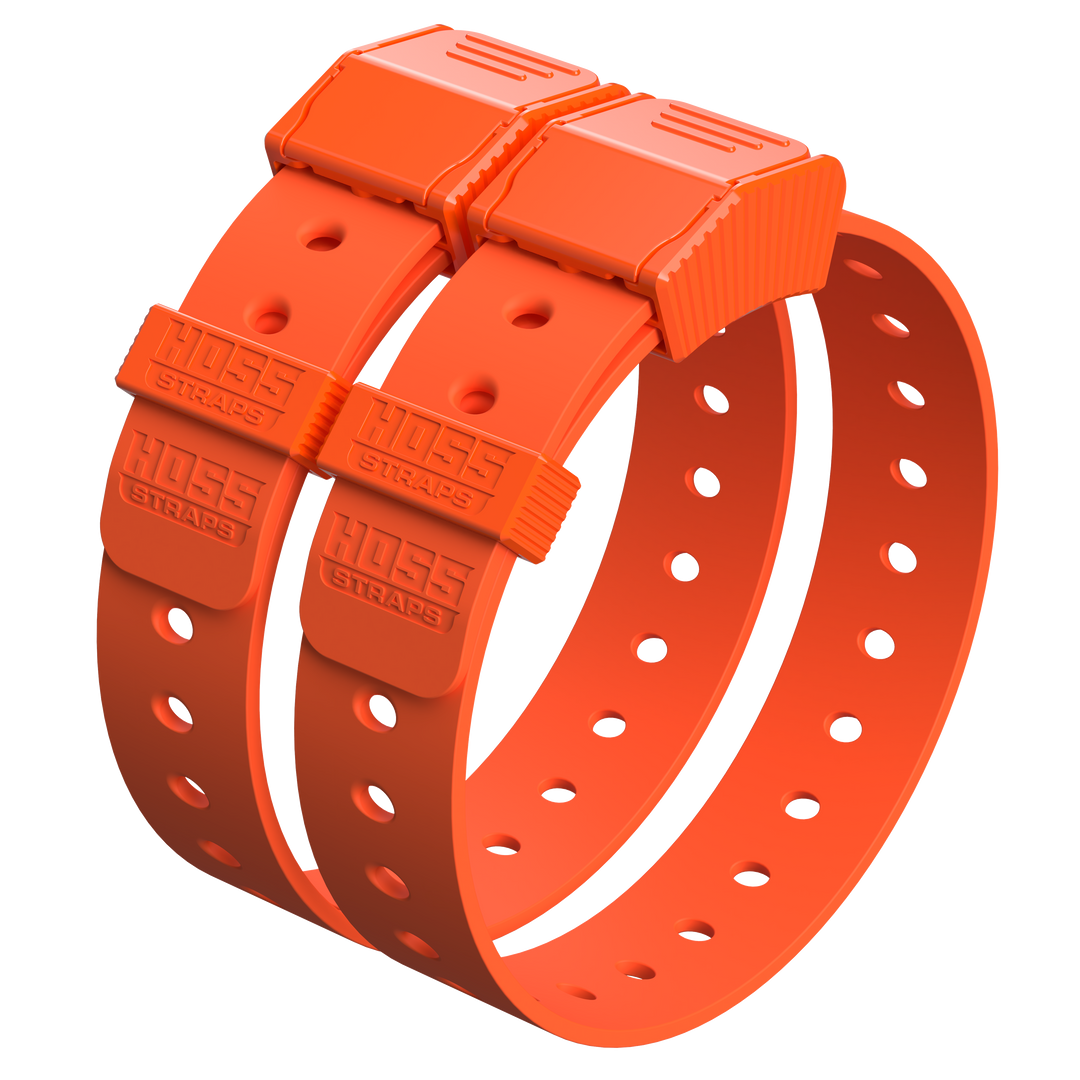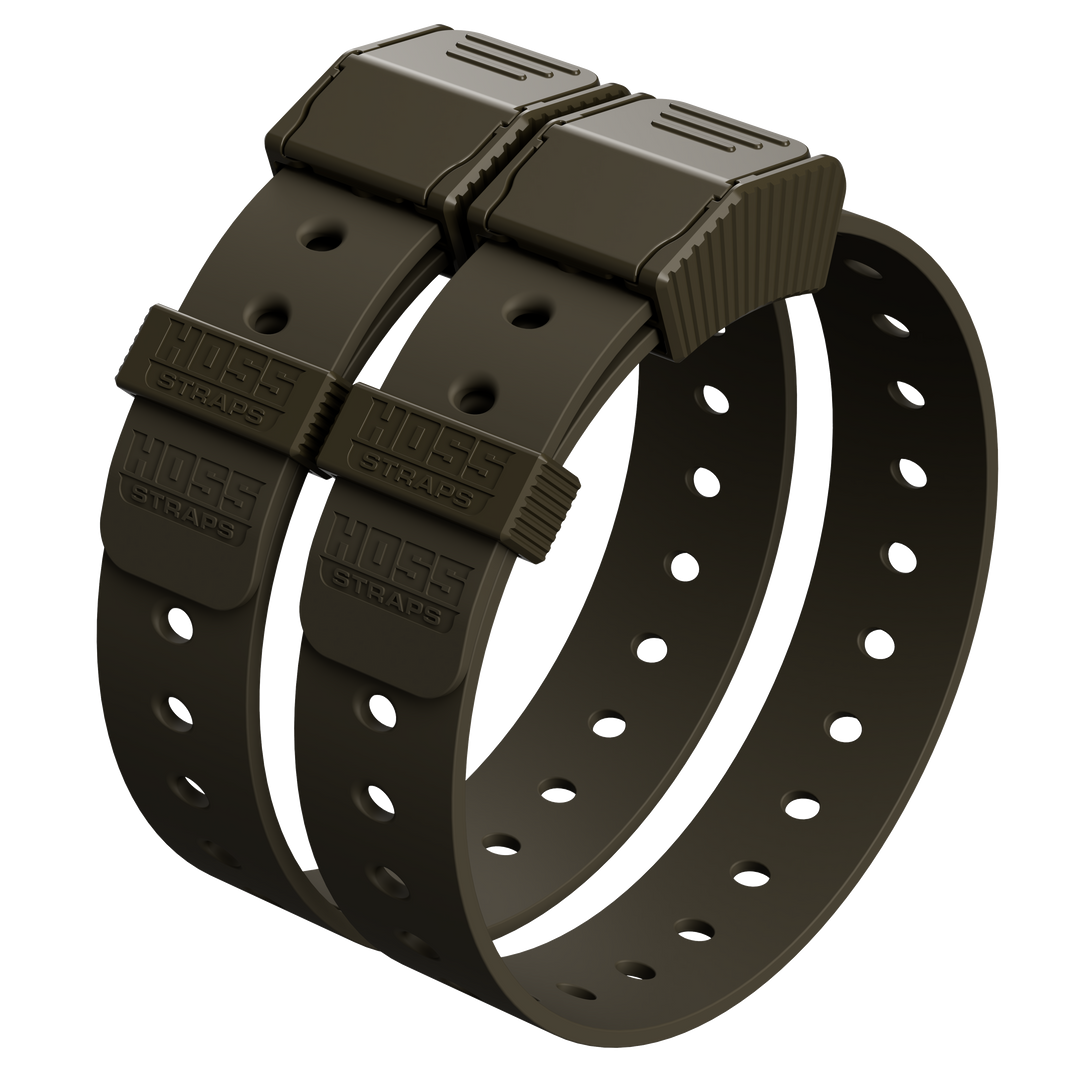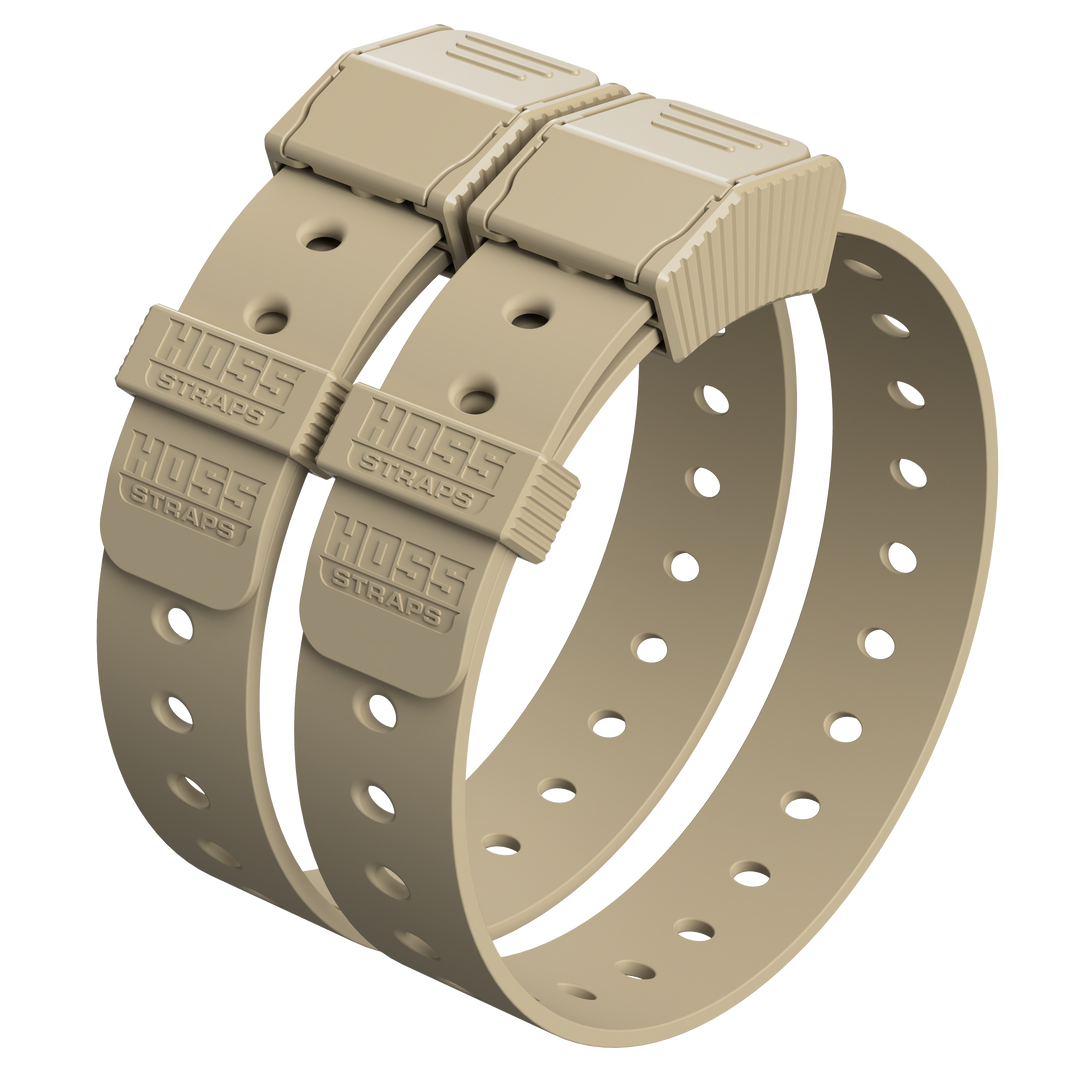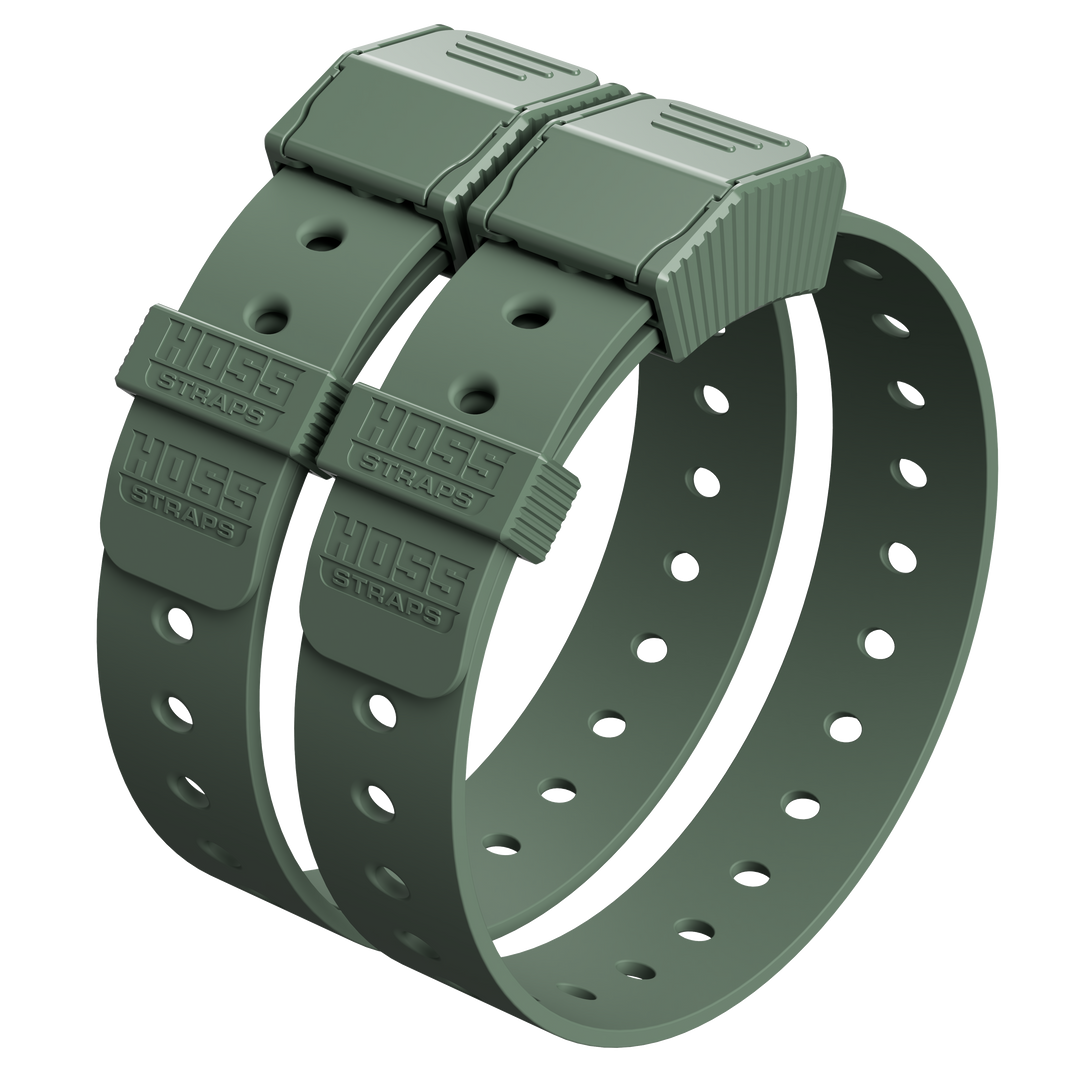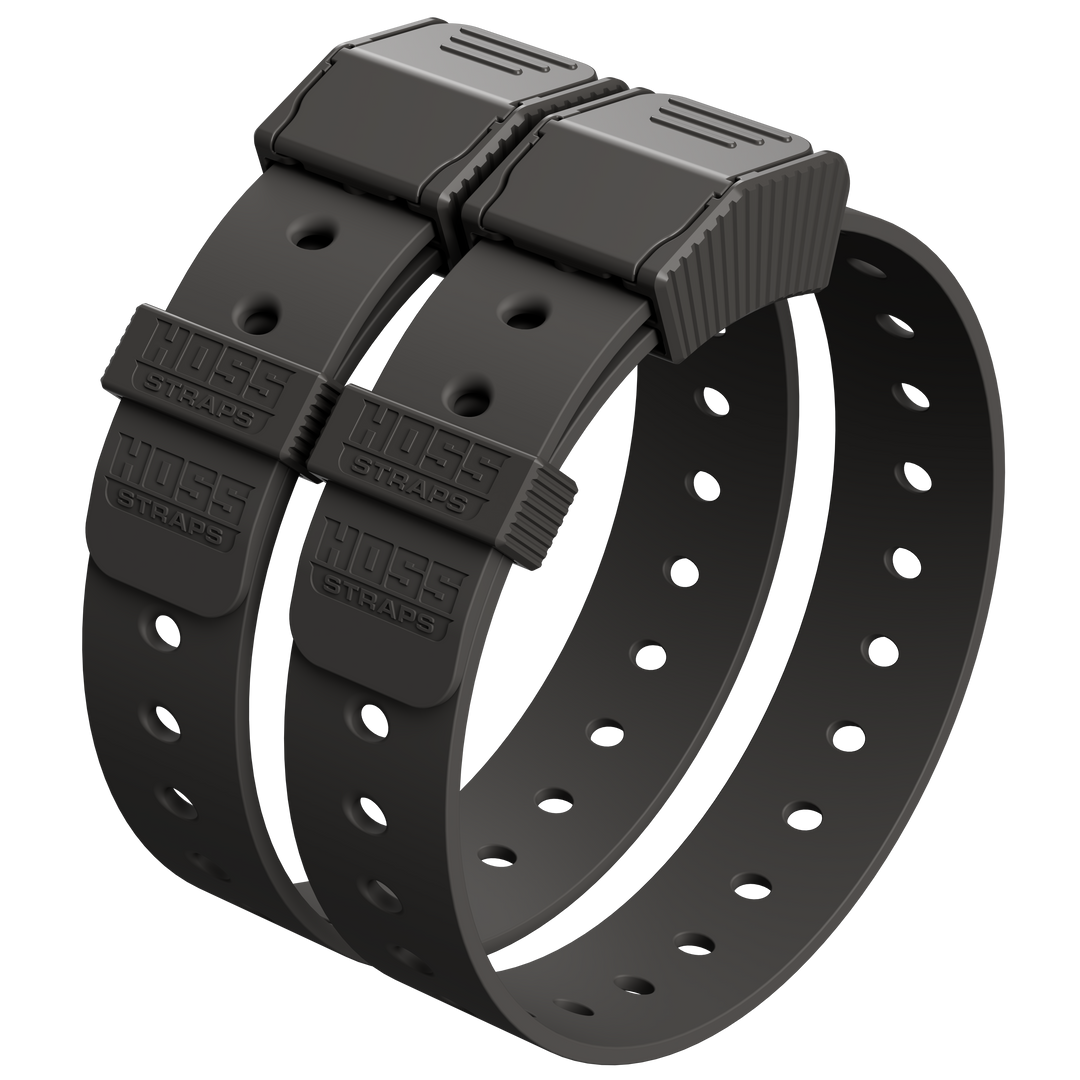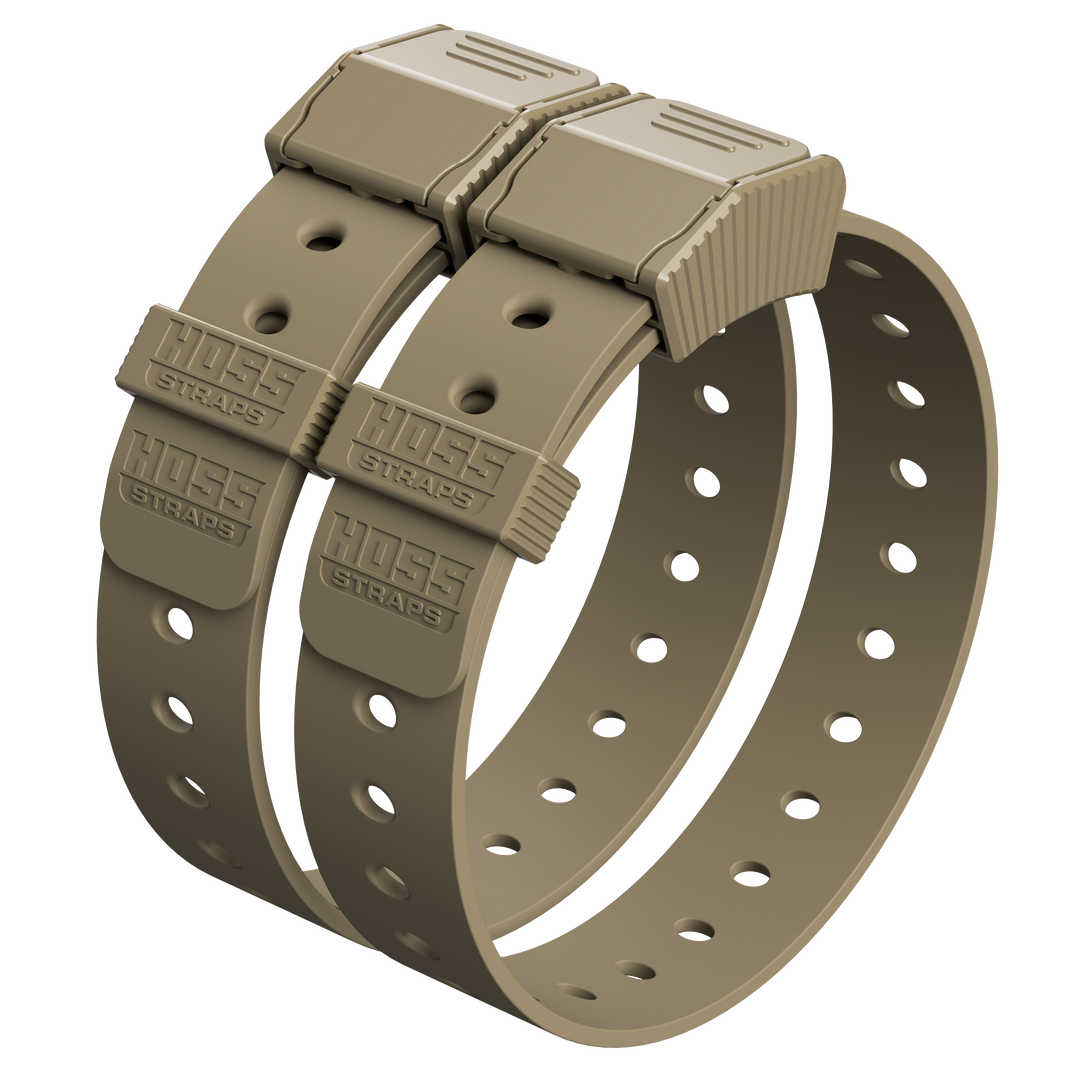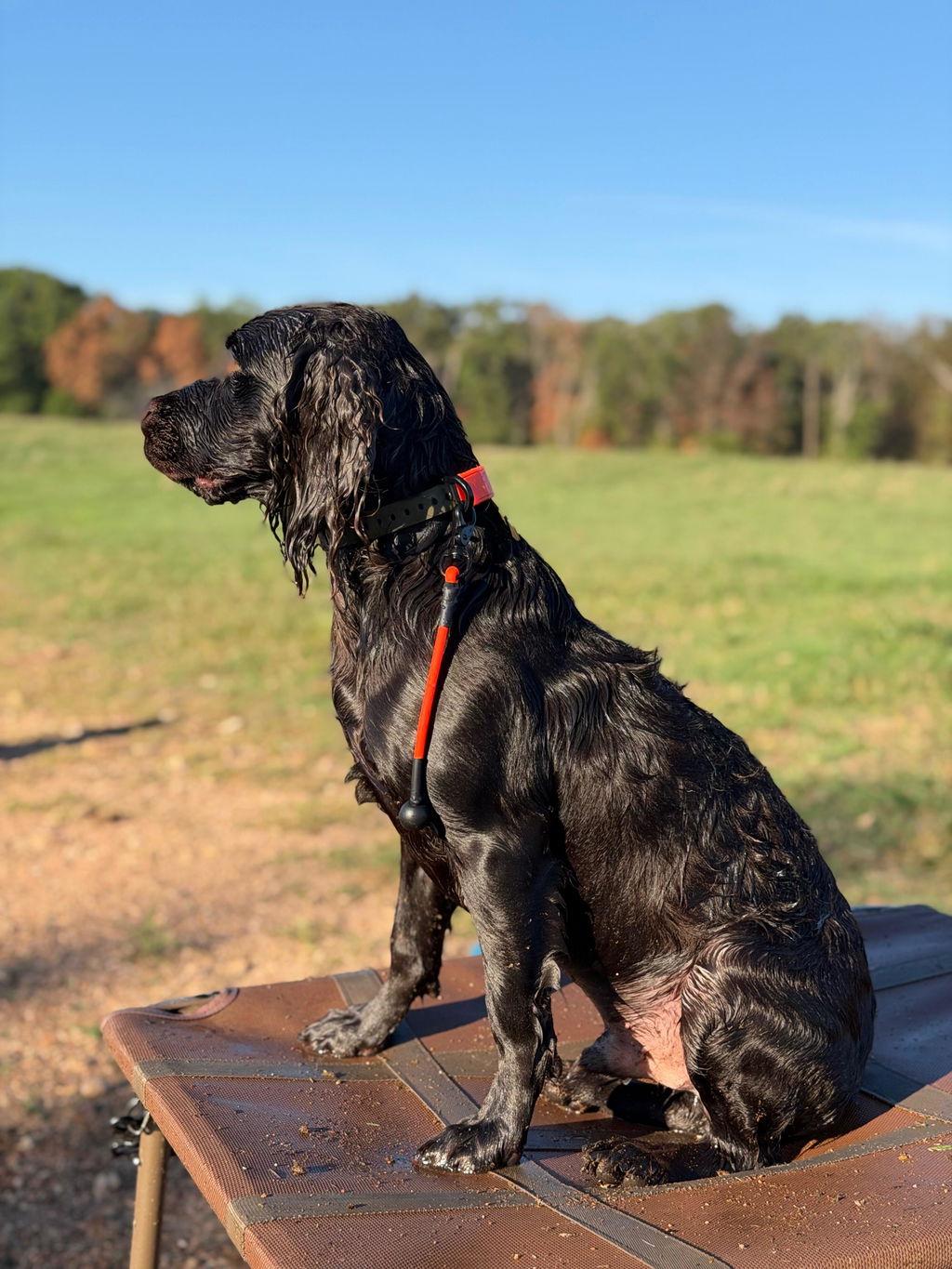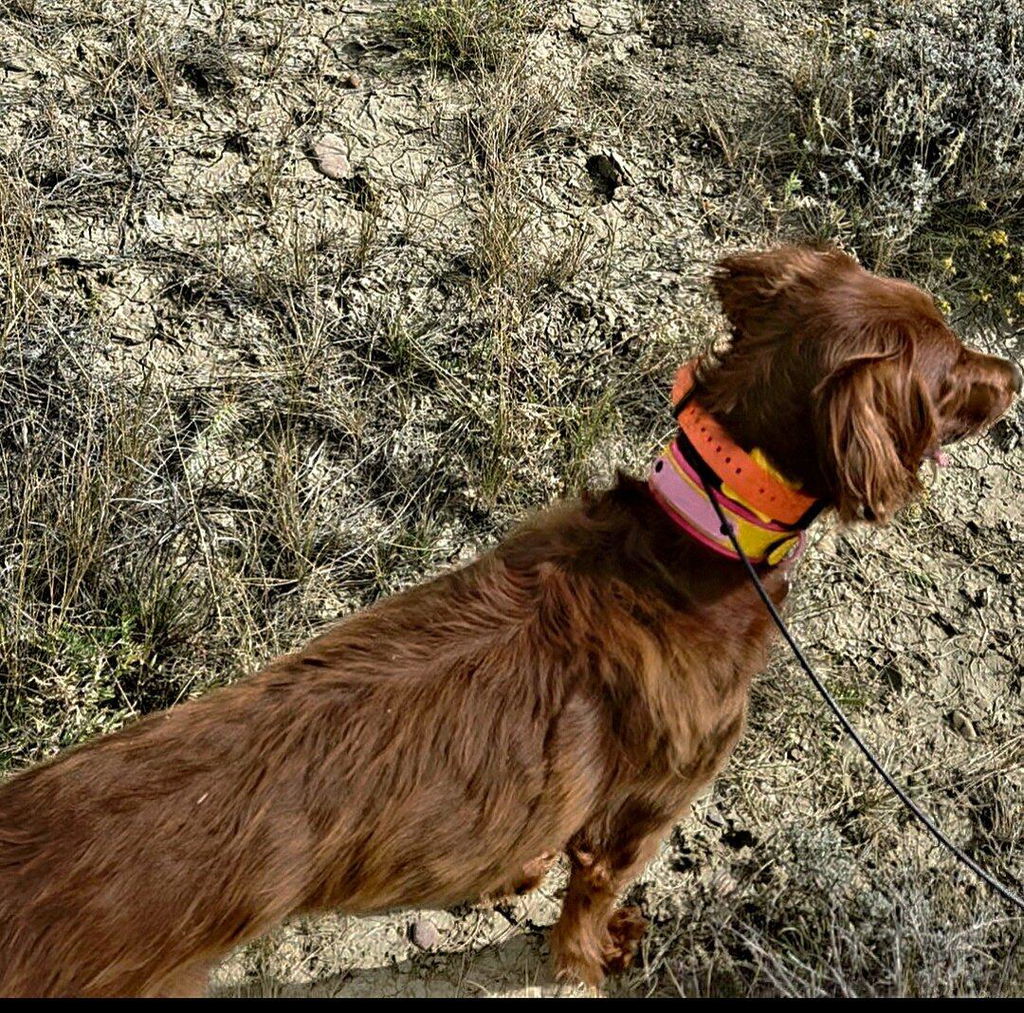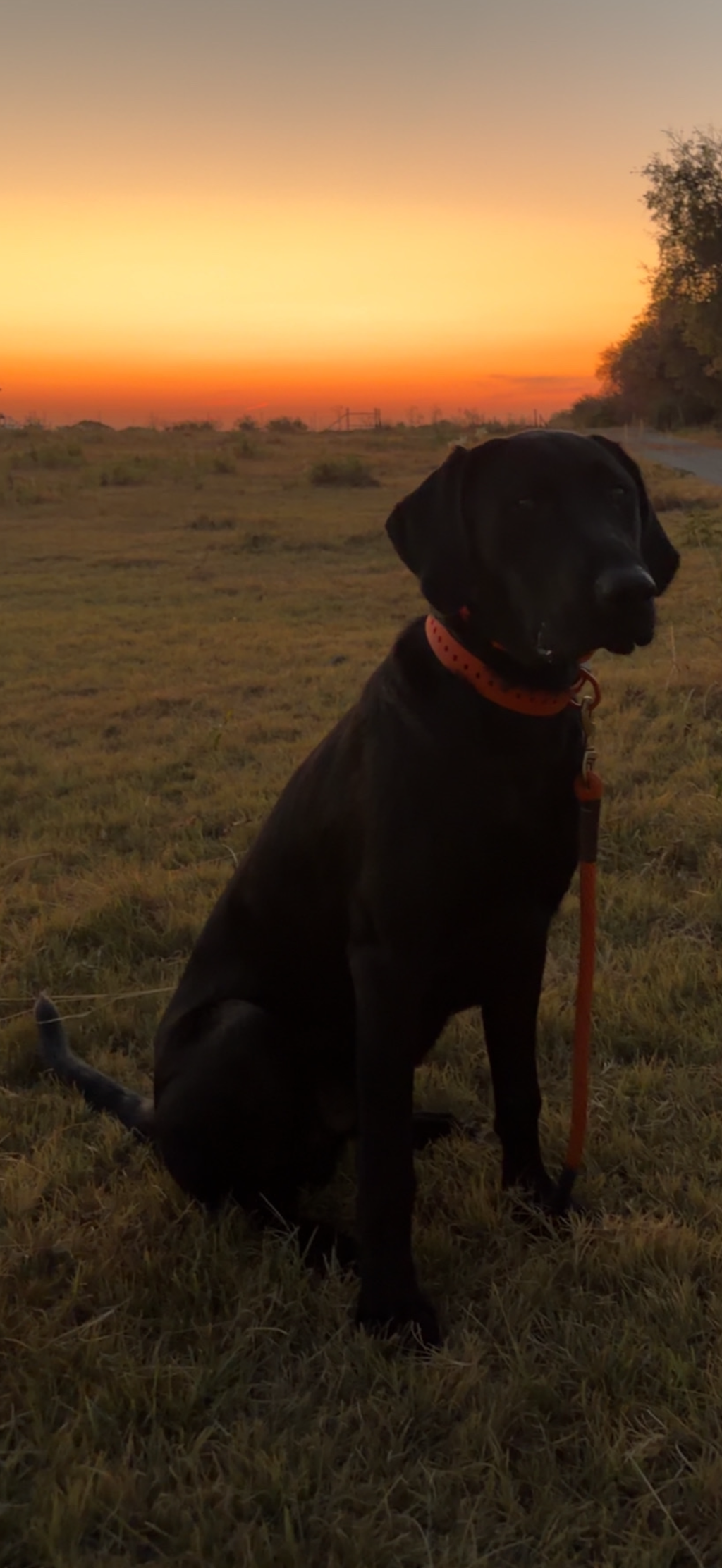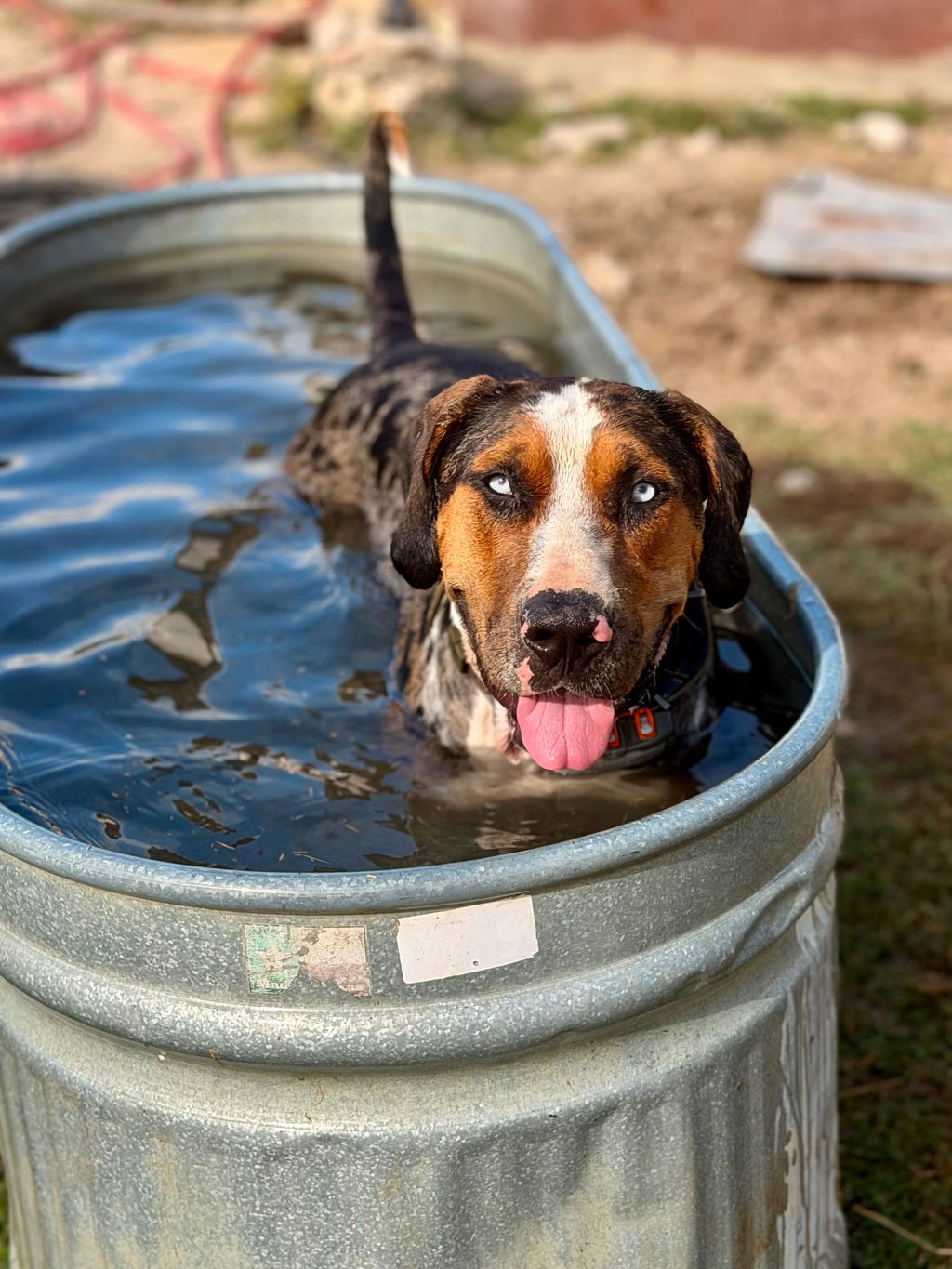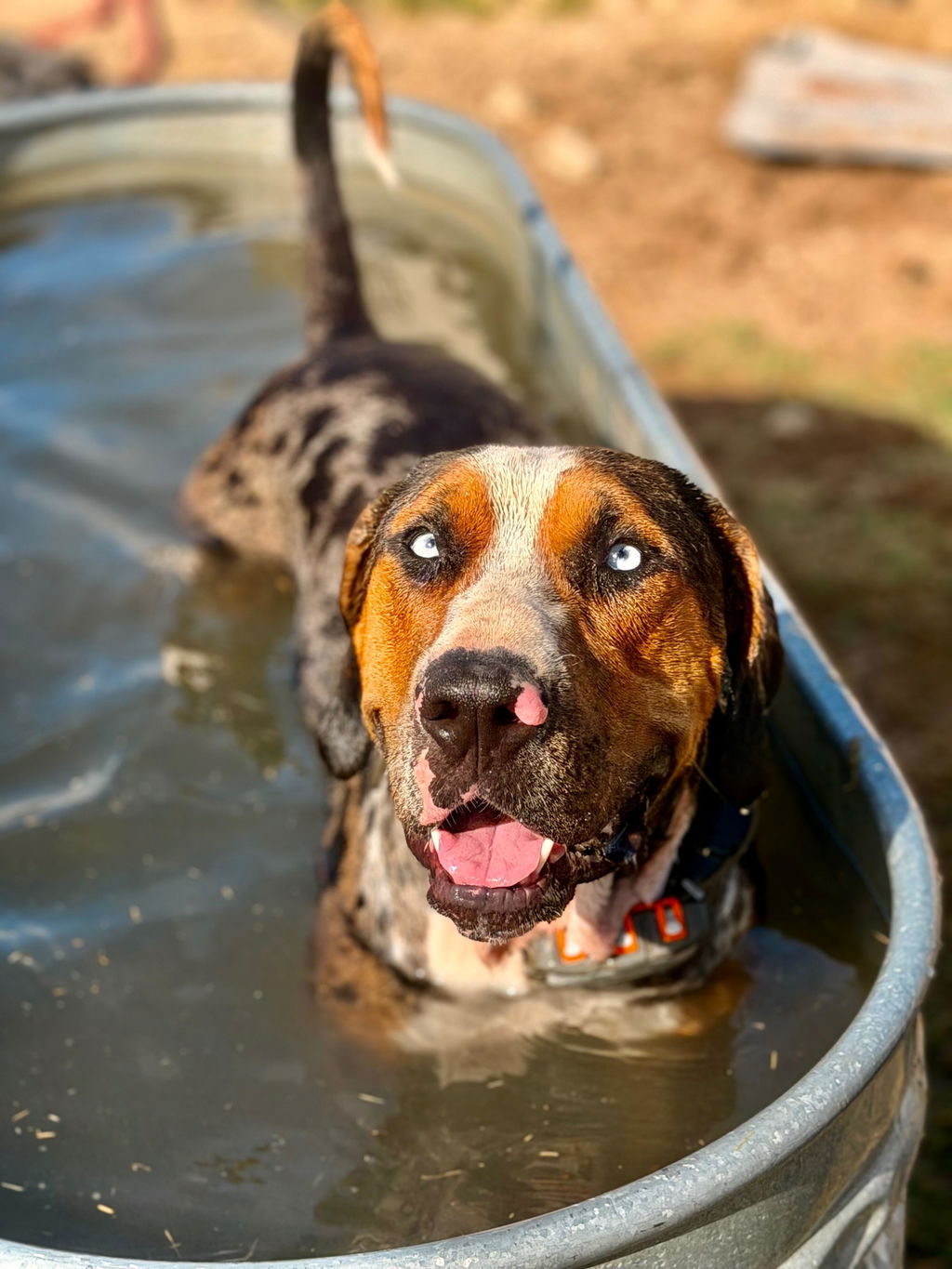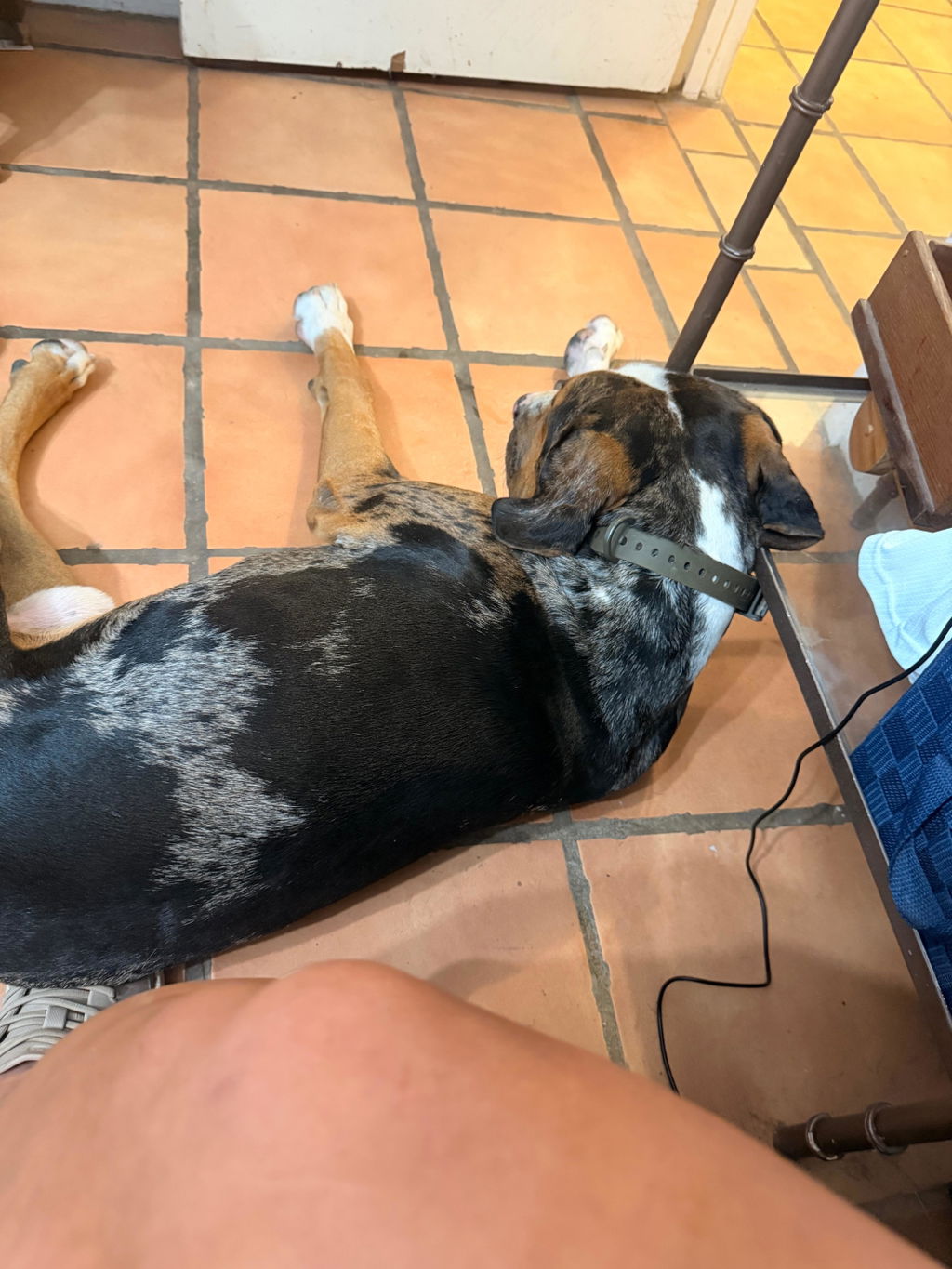



Replacement Dog Collars for Tags and Licenses: Fit, Comfort, and Simple Setup

Check out our training collar setup, d-ring dog collar, and easy dog collars built for dogs comfort!
A first dog comes with a lot of learning. The collar is one of the simplest pieces of that kit, but it does important work: it holds your dog’s ID and license tags and gives you a reliable point to clip up and go.
If you’re buying a replacement collar (or upgrading from a starter one), this guide keeps things practical: choose the right fit, attach tags the clean way, and keep your dog comfortable on everyday walks.
What “tags and licenses” mean in the US
Most dogs wear two types of tags:
-
ID tag: Your contact info, so someone can reach you quickly.
-
License tag: Proof you’ve registered your dog with a local agency (requirements vary).
Here’s a real example: NYC Health says dogs must have a license, and the license must be attached to the collar while the dog is in public (NYC Health dog license info).
When a replacement collar makes sense

A replacement collar is about reliability.
Swap the collar if:
-
The fit is off (common with growing pups).
-
The strap is cracking, fraying, or holding funk.
-
The buckle sticks or the ring looks bent.
-
You need a tougher, weather-ready collar for mud, rain, and water.
If you wouldn’t trust it on a long walk, don’t trust it to carry your dog’s ID.
What to look for in a replacement collar that can handle tags

Tags add movement and weight. A solid collar handles that without turning into a nuisance.
Look for:
-
Weatherproof material that doesn’t stay soggy
-
Strong hardware that won’t twist or loosen
-
A smooth feel against the neck
-
Easy cleanup after outdoor messes
How to size and fit a collar so it stays secure and comfortable
Measure your dog’s neck where the collar naturally sits (usually mid-neck). Then use a simple fit check.
VCA’s guidance for a flat collar is clear: it should be fitted so you can place two to four fingers between the collar and your dog’s neck, it shouldn’t slip over the head, and a collar isn’t a good match for dogs that pull hard enough to cough or struggle for air (VCA on collar fit and pulling).
Quick fit checklist
-
Buckle it and make sure it stays put when your dog shakes.
-
Keep the ring up top, not sliding under the throat.
-
Re-check after a wet day—some collars shift when soaked.
Tag setup that won’t bug your dog
A tag setup should be easy to read and comfortable to wear.
The ASPCA’s basics: keep ID current, and put your pet’s name, a phone number, and any urgent medical needs on the tag (ASPCA disaster preparedness tips).
Build a clean, quiet tag stack
Try this order on the split ring (closest to the collar first):
-
Tag silencer or flat tag (if you use one)
-
License tag
-
ID tag
How to attach tags without a struggle
Use two small key-ring tools or needle-nose pliers. Open the split ring just enough to slide the first tag on, then walk it around the ring like a zipper. Add the next tag the same way, then give each tag a tug to confirm it’s seated.
Cut down the jingle
-
Use a tag silencer or a flatter tag style.
-
Use a split ring that closes tight.
-
Skip extra add-ons that don’t help you get your dog back.
Watch for rub spots
Check behind the ears and under the neck. If you see redness, switch to a flatter tag and make sure the collar isn’t sitting too low.
American Humane also points out that collars can carry ID tags along with rabies and city or county license tags where required (American Humane on tags and microchips).
Quick comfort and safety checks (60 seconds)
-
Before the walk: buckle check, ring check, fit check.
-
After rough play: look for a stretched hole, a twisted ring, or a loosened buckle.
-
Every so often: read the tag. If the engraving is fading, replace it.
Tags and microchips work better together
A collar tag can get your phone ringing. A microchip helps when a collar gets lost.
A large shelter-based study summary reported that dogs without microchips were returned to owners 21.9% of the time, while microchipped dogs were returned 52.2% of the time—and many misses were linked to missing or outdated registry info (Today’s Veterinary Practice microchip data).
Replacement collars built to go the distance
Ready for a collar built for the trail, the field, and everything in between? Take a look at Dog Collars and find the right fit for your dog.
FAQ
1) Do dogs have to wear a license tag in the US?
Licensing rules are local, so check your city or county requirements. If your area issues a license tag, attach it to the collar your dog wears when they’re out with you.
2) What should I put on my dog’s ID tag?
Keep it readable and useful. Start with a phone number that will get answered. If there’s room, add your dog’s name and any urgent medical note.
3) How tight should a dog collar be?
You’re aiming for secure, not squeezed. Put the collar on, do a quick fit check, and make sure it doesn’t slide down toward the throat when your dog moves.
4) How often should I replace a dog collar?
Replace it when it stops fitting right or when the strap or hardware shows wear. If the buckle or ring doesn’t look trustworthy, swap it.
5) Can a microchip replace an ID tag?
A microchip helps when a collar goes missing, but it can’t be read without a scanner. A visible tag is still the fastest way for someone to contact you.