
Secure Straps: Features That Ensure No-Slip Performance

Check out our gear straps, industrial straps, marine grade straps, weatherproof straps, boat straps, and more!
When you're heading into the backcountry or loading up for a weekend adventure, the last thing you want is gear shifting, loosening, or—worse—falling off mid-journey. Whether you're securing a kayak to your truck, fastening camping equipment to your pack, or strapping down cargo for transport, the difference between a strap that holds and one that slips comes down to specific design features working together.
A truly secure strap isn't just about pulling it tight. It's about engineering—the buckle mechanism, the material properties, the way tension is distributed, and how well the system resists environmental stress. This guide breaks down the features that separate high-performing straps from mediocre ones, so you can understand what to look for when securing your gear.
What "No-Slip" Really Means
Beyond Just Tightness
Most people assume a secure strap is simply one pulled as tight as possible. In reality, no-slip performance involves multiple factors working in harmony. A strap can feel tight but still slip if the buckle design doesn't lock webbing properly, if the material lacks enough friction, or if tension distribution is uneven across the load.
True no-slip performance means the strap maintains consistent tension over time, resists backward movement even under vibration or movement, and prevents the webbing from sliding through the buckle mechanism. This is achieved through a combination of intelligent buckle design, material selection, and engineering principles that account for real-world conditions like temperature changes, humidity, and repeated stress.
The Role of Tension vs. Design
Think of it this way: tension is what holds the load, but design is what keeps the tension in place. According to load securement principles, proper tension prevents cargo shift during transport, but the buckle mechanism determines whether that tension remains stable or gradually loosens.
You could pull a strap tight using a basic buckle, but without the right locking mechanism, that tension naturally relaxes over time due to vibration, temperature fluctuations, and material settling. The best straps use buckle designs that actively hold the webbing in place, multiplying the effectiveness of your initial tensioning effort.
The Buckle: Where Performance Starts
How Cam Buckle Teeth Lock Webbing in Place
The cam buckle is the heart of no-slip performance. A cam buckle works by using teeth or ridges that grip the webbing through friction and mechanical pressure—when you apply force to tighten the strap, the cam rotates and the teeth dig into the webbing fibers, creating a one-directional lock.
This tooth-and-friction design is far more effective than simple slide adjusters or friction alone. As you pull the webbing through, the cam forces the material into its teeth at an angle, preventing backward movement. The tighter you pull, the more firmly the teeth grip—this is mechanical advantage working in your favor.
One-Way Mechanism Prevents Backward Slipping
The genius of cam buckles lies in their one-way design. When webbing is pulled forward through the cam, the angled teeth lock it firmly in place; the reverse direction is blocked by the same tooth geometry, making it nearly impossible for the strap to slip backward even under significant vibration or load stress.
This one-directional lock means you don't have to worry about constant re-tightening. Once you've secured your load with a quality cam buckle, it stays secure—whether you're driving over rough terrain, the load shifts slightly, or temperature changes cause minor material contraction.
Hoss Straps' Thermoplastic Buckle Engineering
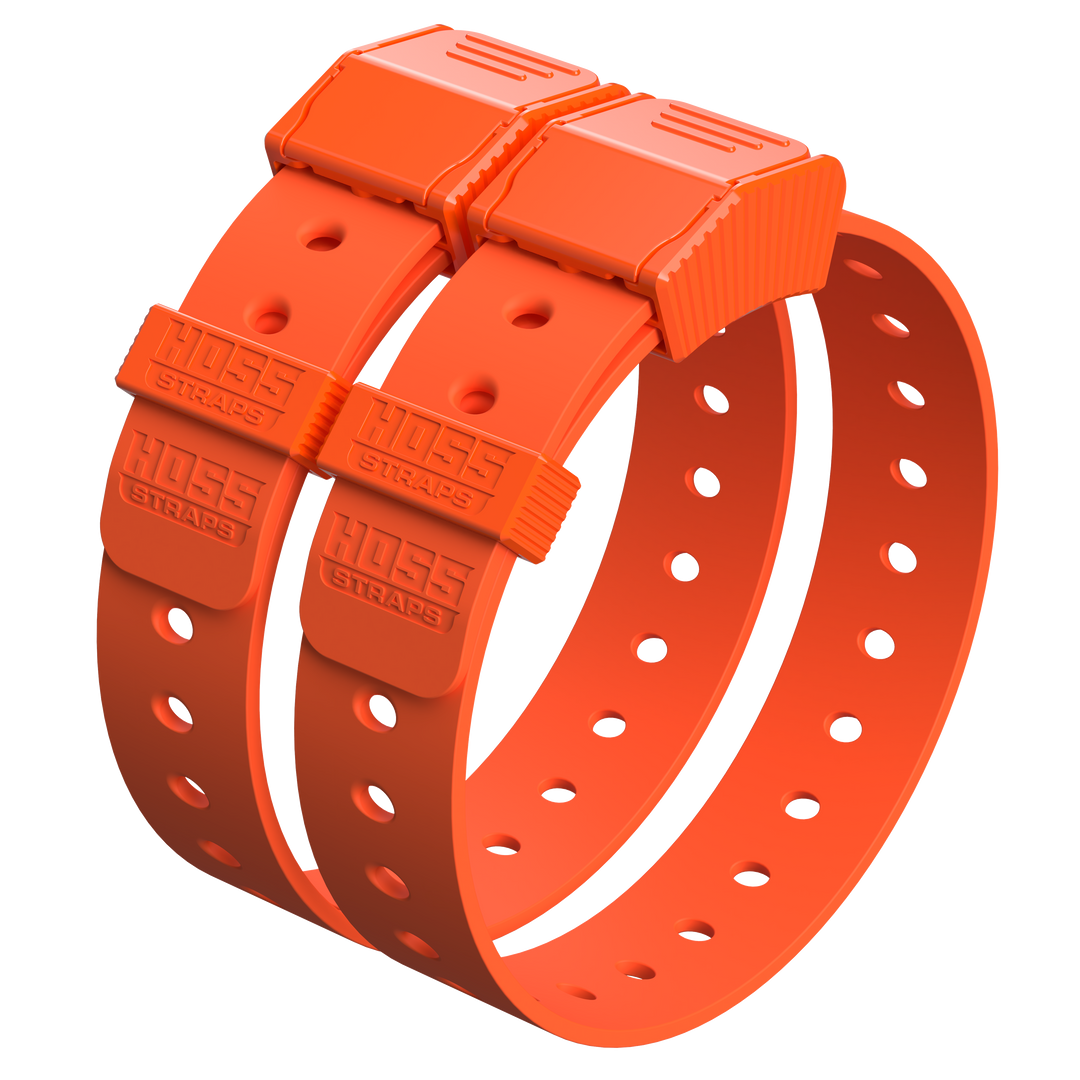
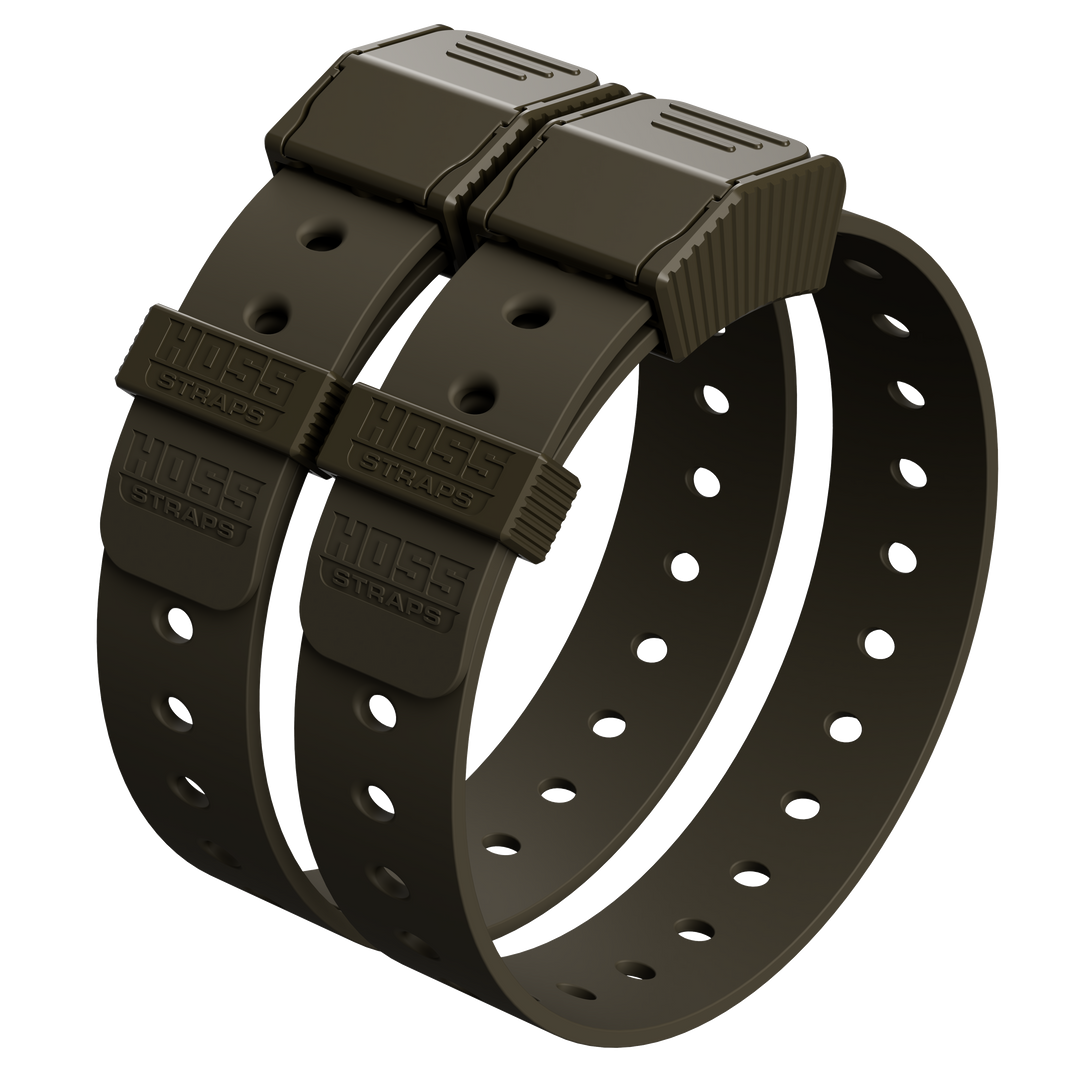
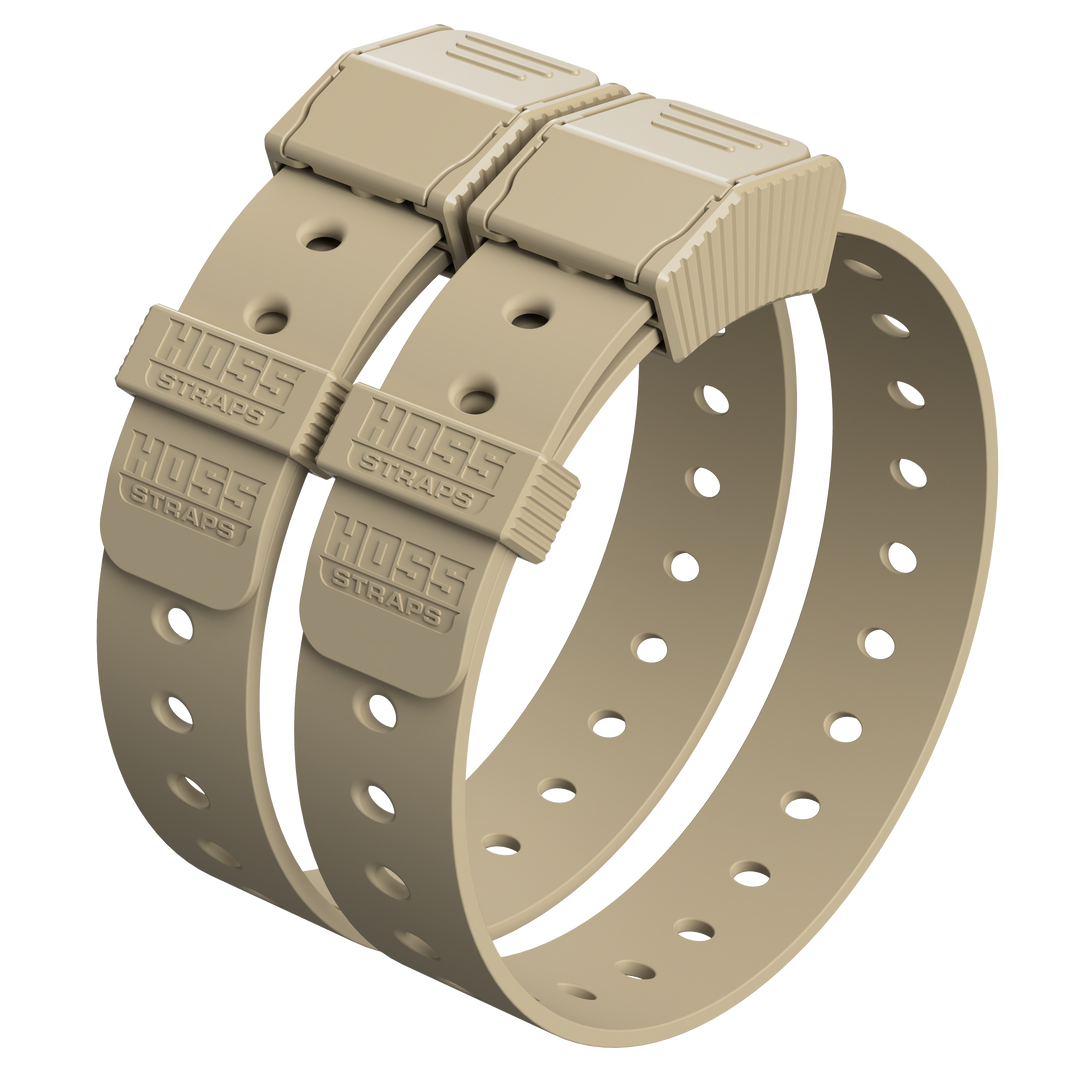
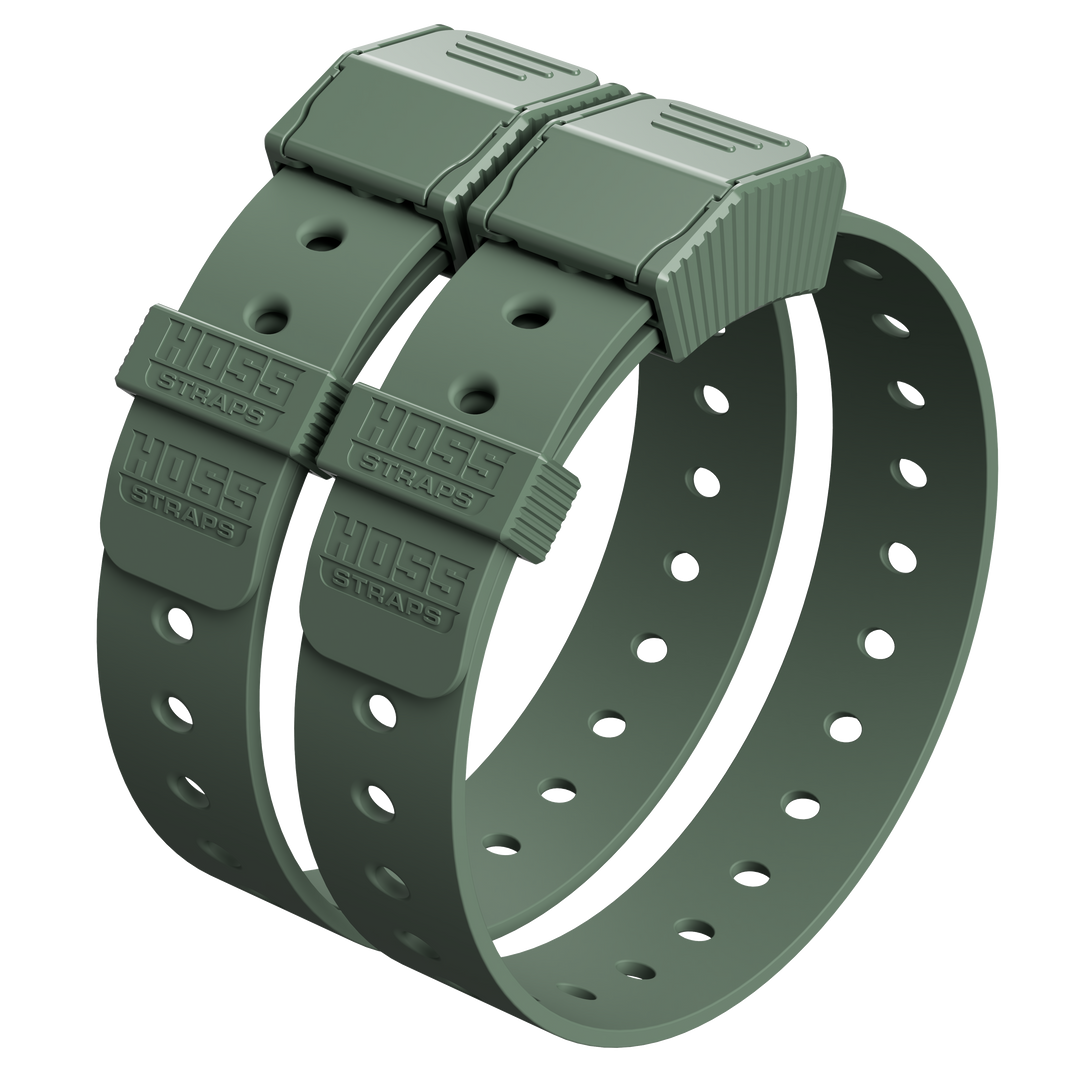
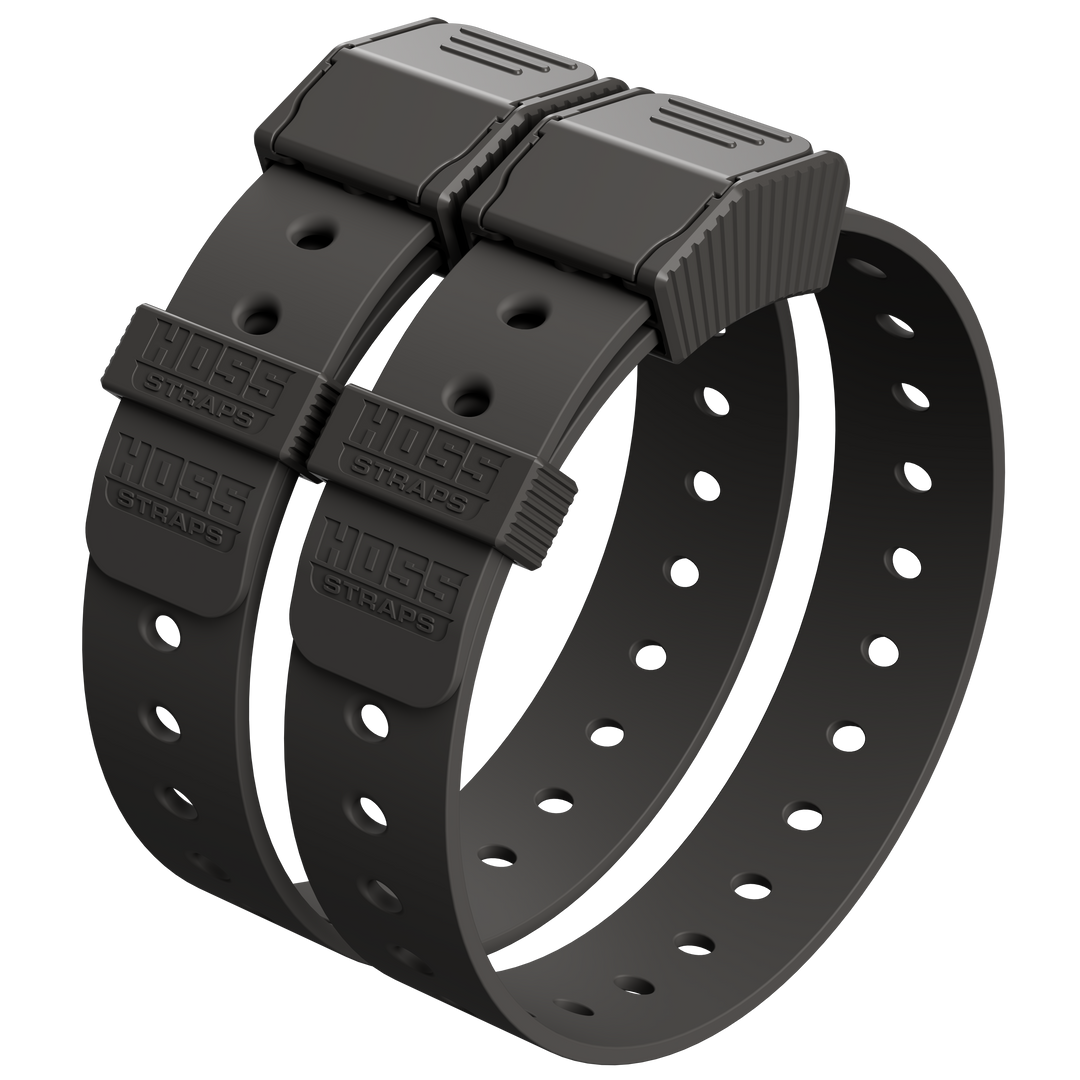
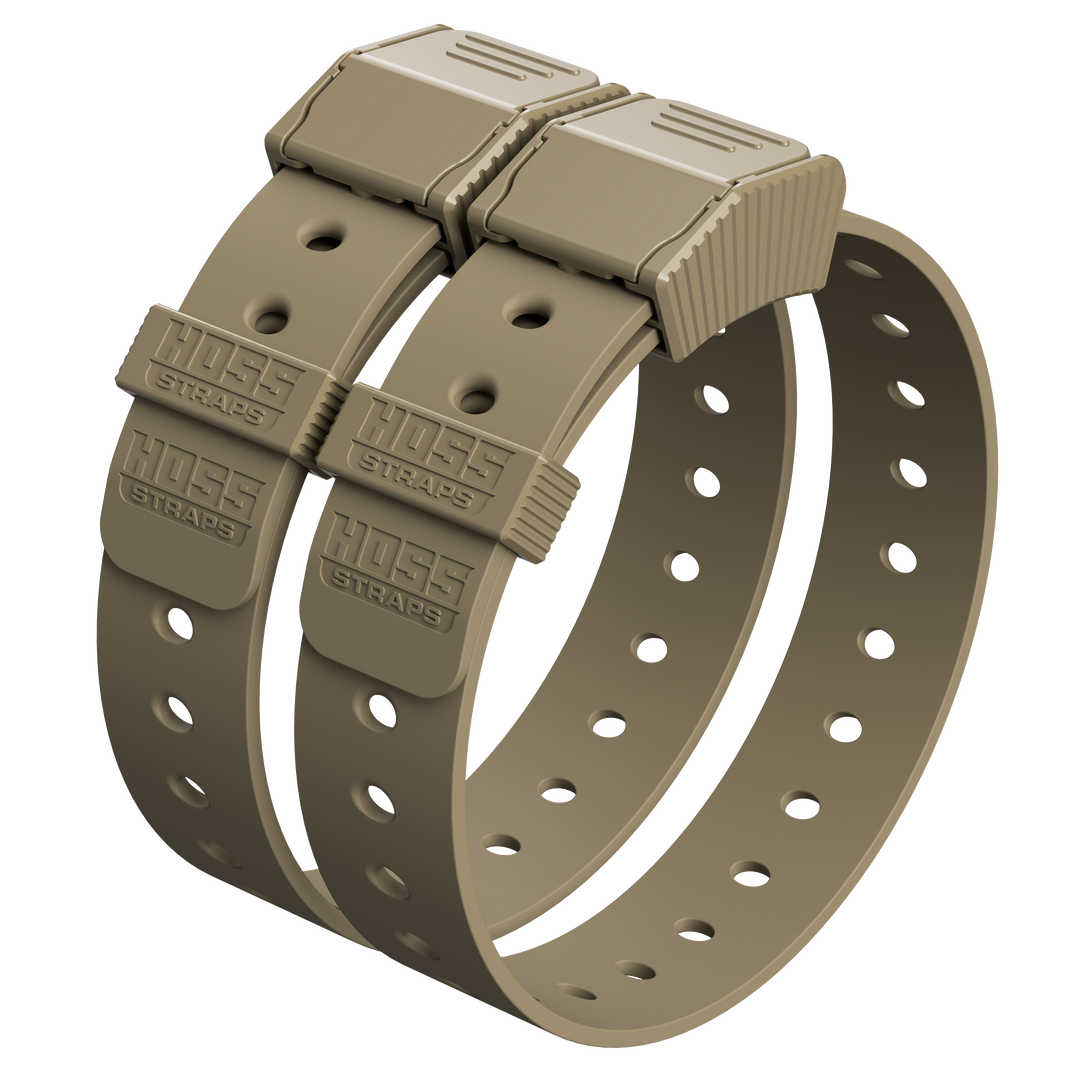
Hoss Straps designs their cam buckles using reinforced thermoplastic materials engineered to maintain consistent tooth integrity over thousands of uses. The thermoplastic composition allows for precision-molded teeth that grip webbing uniformly, without the degradation you'd see in lower-quality plastic or metal buckles exposed to UV and temperature extremes. This design choice ensures the locking mechanism remains reliable across seasons and conditions—a key factor in thought leadership positioning within the outdoor gear space.
Webbing Materials: The Foundation of Security
Why Polyurethane Blend Matters
The webbing material determines how much friction exists between the buckle teeth and the strap itself. Polyester webbing offers superior tensile strength and high friction properties compared to alternatives, which is why it's the industry standard for cargo and outdoor applications.
Hoss Straps uses a proprietary polyurethane blend that combines the durability of polyester with enhanced grip characteristics. This blend creates more surface friction, allowing the cam buckle teeth to grip more aggressively and hold tension longer. The polyurethane coating also provides natural water and UV resistance, meaning your straps won't degrade as quickly when exposed to the elements—a critical advantage for outdoor enthusiasts.
Tensile Strength and Elongation Control
Tensile strength determines how much force a strap can withstand before breaking. Hoss Straps are engineered to handle 75+ lbs working load, with safety factors built in to ensure reliable performance across diverse outdoor applications. This working load limit represents the maximum tension you should apply during normal use, ensuring the strap remains safe and effective.
Equally important is elongation control—how much the webbing stretches under tension. Materials with low elongation rates maintain consistent tension over time; high-elongation materials can stretch excessively, causing tension to relax as the material settles. Polyurethane-blend webbing resists excessive stretching, meaning the tension you set remains stable even after repeated use or exposure to temperature fluctuations.
How Material Choice Affects No-Slip Performance
A strap made from nylon might look similar to one made from polyurethane blend, but performance differences are significant. Nylon can absorb moisture, causing it to swell slightly and reduce friction with buckle teeth; polyester and polyurethane-based materials resist moisture absorption, maintaining consistent grip and no-slip performance in wet conditions.
Additionally, lower-quality webbing materials can degrade under UV exposure, becoming brittle or losing friction properties. Hoss Straps' polyurethane blend maintains its grip and flexibility across temperature ranges from freezing conditions to hot sun, which directly translates to reliable no-slip performance throughout the year.
Load Distribution: The Key to Staying Secure
How Proper Tension Prevents Shifting
Load shift—cargo moving during transport—is a primary reason straps fail. The main causes of load shift include inadequate tensioning, uneven pressure distribution, and buckling or folding of the webbing. When a load shifts, tension on the strap changes unevenly, which can overwhelm the buckle mechanism or cause the webbing to slip.
Proper tensioning keeps the load immobilized, preventing the micro-movements that lead to larger shifts. With a quality cam buckle that actively locks the webbing, you can apply firm, even tension that maintains pressure throughout your journey—whether you're navigating washboard roads, hiking trails, or dealing with temperature swings in the mountains.
Working Load: Understanding Your Strap's Limits
Working load limit (WLL) represents the maximum force you should apply to a strap during normal use. Understanding your strap's working load ensures you're securing cargo safely and prevents over-tensioning, which can damage both the strap and the gear you're securing. Hoss Straps' 75+ lb working load is appropriate for most outdoor applications—kayaks, coolers, camping gear, tarps, and general cargo securing.
The working load is deliberately lower than the strap's breaking strength, which can be 2–3 times higher. This safety margin accounts for wear, environmental stress, and the reality that real-world forces are often unpredictable. Respecting the working load ensures your straps perform reliably without risk.
Weight Distribution Best Practices
Even with a quality strap, how you distribute tension matters. Wider straps distribute load pressure more evenly, reducing the risk of cutting into gear or creating stress points. When securing cargo, use multiple attachment points rather than concentrating all tension in one location. This spreads the force, reduces strain on any single strap, and keeps the load more stable.
For backpacks and gear bundles, position straps across the widest, most stable part of the load. For vehicle tie-downs, use diagonal or triangular patterns to prevent rotation. These practices, combined with a quality strap, create a security system that's both reliable and protective of your equipment.
Real-World Durability: Built for Outdoor Conditions
UV, Freeze, and Abrasion Resistance
Outdoor gear faces constant environmental assault. UV exposure degrades many materials, causing brittleness and loss of tensile strength; polyurethane-blend webbing resists UV degradation, maintaining flexibility and strength across seasons.
Freeze and thaw cycles can also damage straps made from inferior materials. Hoss Straps' polyurethane blend remains supple and functional even in cold conditions, without the brittleness that can cause cracking or reduced grip. Abrasion resistance—the ability to resist wear from rubbing, friction, or sharp edges—is equally critical. The thermoplastic buckles and reinforced webbing on quality straps like Hoss resist surface damage, so your straps maintain their appearance and function year after year.
Waterproof Performance in All Weather
One of the biggest advantages of polyurethane-based webbing is inherent water resistance. Unlike nylon, which can absorb moisture and weaken, polyurethane materials shed water and resist moisture penetration, maintaining consistent tension and grip in wet conditions.
This matters for hunters caught in rain, kayakers dealing with splash zones, or anyone securing gear in humid climates. A strap that absorbs water can loosen as the material swells, but a waterproof strap maintains its properties. Hoss Straps' weatherproof design ensures your gear stays secure whether you're dealing with morning dew, afternoon rain, or sea spray.
Why Durability Matters for Long-Term Security
A strap that degrades quickly will lose its no-slip properties. UV damage, water absorption, and material brittleness all compromise the buckle's grip and the webbing's friction properties. By investing in straps designed to withstand environmental stress—like Hoss Straps' weatherproof polyurethane blend—you're ensuring consistent, reliable performance season after season.
Durability also means you're not replacing gear as often, which matters whether you're running a guide service, managing a fleet of vehicles, or simply valuing reliable equipment for your adventures. A secure strap that lasts for years delivers better value and peace of mind.
Easy Adjustment Without Sacrificing Security
Ergonomic Grip and Easy Release
The best strap designs balance security with usability. Hoss Straps incorporate ergonomic grip textures and clearly labeled quick-release mechanisms, so you can adjust tension quickly without fumbling or struggling. This user-friendly design doesn't compromise security—the cam buckle still locks webbing firmly in place—but it does make the strap more practical for real-world use.
When you're in the field, securing multiple loads, or working in low-light conditions, an easy-to-grip, intuitive strap saves time and frustration. A strap that's secure but difficult to use often leads to people under-tensioning or skipping proper securing altogether, which defeats the purpose. Thoughtful design bridges the gap between performance and practicality.
How Quick-Adjust Designs Work
Quick-adjust mechanisms allow you to loosen or tighten a strap without completely releasing it. This design reduces the steps required for adjustment and makes re-tensioning faster if the load shifts or temperature changes cause minor material settling. With quality quick-adjust straps, you maintain security while gaining flexibility in the field.
Preventing Damage to Your Gear
A poorly designed strap can cut into kayaks, puncture inflatable equipment, or leave marks on fine gear. Hoss Straps' webbing width and flexible-yet-firm design distributes pressure without concentrating force in narrow lines. The smooth buckle edges don't snag or catch on delicate surfaces. When security goes hand-in-hand with protection, you're securing not just the location of your gear, but its condition as well.
Securing Your Gear with Confidence
The features that ensure no-slip performance—a precision-engineered cam buckle, polyurethane-blend webbing, appropriate working load capacity, and weatherproof durability—don't work in isolation. They work together as a system. The buckle locks the webbing; the webbing grips through friction and tensile strength; the material resists environmental degradation; the design makes proper tensioning intuitive.
When you understand what makes a strap truly secure, you can evaluate gear critically and invest in straps that deliver real performance. Whether you're an outdoor enthusiast securing kayaks and camping equipment, a hunter managing gear across seasons, or someone who simply values reliable equipment, the right straps transform a constant worry into a solved problem.
Hoss Straps is built with all of these principles in mind—engineered for outdoor environments, designed for easy use, and tested for real-world reliability. When you're ready to secure your gear with confidence, shop Hoss Straps and experience the difference that thoughtful design and quality materials make.
Frequently Asked Questions
1. How tight should a secure strap actually be?
A secure strap should be snug enough that the webbing doesn't slip through the buckle, but not so tight that you're straining to achieve tension or risk damaging your gear. The working load limit—75+ lbs for Hoss Straps—represents the maximum tension to apply during normal use. A good test: if you can't easily press your finger under the strap but you're not pulling so hard you risk snapping something, you've found the right tension. Quality cam buckles make this easier because they lock firmly, so you don't need to over-tighten to feel secure.
2. Can I use the same straps for all my gear?
Generally, yes—but match the strap capacity to your load. A strap rated for 75+ lbs working load is appropriate for most outdoor gear like kayaks, coolers, and camping equipment, but extremely heavy loads (multiple pieces of furniture, for example) might require heavier-duty cargo straps. For typical outdoor use—day hikes, weekend camping trips, kayak securing, gear bundles—one reliable strap design covers most scenarios. The key is having straps you trust and understand, rather than switching between different types.
3. Will my straps loosen over time?
With quality straps, minimal loosening occurs after proper tensioning. Material elongation and buckle wear are the primary causes of gradual loosening, but polyurethane-blend webbing resists excessive stretching, and precision-molded cam buckles maintain grip integrity across thousands of uses. Hoss Straps are engineered to resist both factors. That said, environmental factors like temperature swings or load shifting can cause minor tension changes—which is why checking your straps before and after long trips is good practice, even with the most reliable gear.
4. Why does material choice matter for security?
Material determines friction, durability, and performance in real-world conditions. Nylon absorbs moisture and can weaken when wet; polyester and polyurethane resist moisture and maintain grip consistency in all weather. UV exposure damages some materials but not others. Low-quality plastics become brittle in cold weather. The right material—like Hoss Straps' polyurethane blend—performs reliably across temperature ranges, weather conditions, and repeated use. It's the difference between a strap that works most of the time and one you can trust consistently.
5. How do I know my straps will hold in bad weather?
Look for straps made from moisture-resistant, UV-resistant materials that maintain their properties in temperature extremes. Polyurethane-blend webbing resists water absorption and doesn't degrade from sun exposure, ensuring consistent friction and grip in rain, heat, cold, or humidity. Beyond material, precision-engineered buckles that grip webbing reliably—like cam buckles with reinforced thermoplastic construction—remain effective regardless of weather. Test your straps in real conditions if possible, and invest in gear tested under outdoor stress. Hoss Straps' design choices reflect this commitment to all-weather reliability.
Looking to lock down your gear with confidence? Check out Hoss Straps Collections and discover secure straps crafted for dependable strength, lasting safety, and peace of mind on every adventure!