


Silicone Quiet Dog Tags: How Silicone Cuts the Jingle and Helps Tags Hold Up

Silicone quiet dog tags reduce collar noise by putting a soft buffer between metal tags, rings, and nearby hardware. If your dog's collar sounds like loose change every time they walk across the room, a silicone tag silencer or flat silicone ID tag can make the setup much quieter while keeping identification visible.
The best quiet tag setup is simple: fewer moving parts, a snug tag or cover, readable contact information, and a steady collar that does not let the tag swing wildly.
Quick Answer
Silicone quiet dog tags work best when they stop the two biggest noise sources: tag-on-tag contact and tag-on-ring contact. A silicone cover cushions the edge of a metal tag, while a flat silicone tag reduces swinging because it sits closer to the collar.
Petfinder notes that tag silencers can help quiet jingling while still keeping ID in place, and it also emphasizes that collar ID helps pets get home faster. See Petfinder's guide on why dogs should wear a collar and tag.
Why Dog Tags Get Loud Inside the House

Dog tag noise usually comes from repeated small impacts. Each step makes tags swing, tap, and vibrate against each other or against collar hardware.
- Multiple tags: ID, rabies, license, and microchip tags can stack together and clink.
- Loose split rings: a loose ring gives tags more room to swing.
- Metal hardware: tags can hit the D-ring, leash clip, buckle, or other nearby parts.
- Food and water bowls: dangling tags often tap metal or ceramic bowls during meals.
- Active dogs: shaking, scratching, running, and jumping all increase tag movement.
The Two Main Silicone Quiet Tag Options
Most silicone quiet dog tag setups fall into one of two categories.
Silicone Tag Silencers or Covers
These wrap around the edge of a standard metal ID tag. They act like a bumper, softening the contact points that normally create sharp clinks. This is a good choice if your current tag is still readable and you only need to reduce noise.
Flat Silicone ID Tags
These replace the traditional metal dangling tag with a softer tag that usually sits closer to the collar. This can reduce swinging and bouncing, especially for dogs that move around the house at night or drink from noisy bowls.
Quiet Tag Setup Comparison
Use this table to choose the quietest setup for your dog without making ID harder to read.
| Setup | What It Aims To Do | Best For | Quick Note |
|---|---|---|---|
| One ID tag plus silicone silencer | Softens tag edges and reduces metal-on-metal contact. | Most everyday homes. | Check that the cover matches the tag shape and does not block the phone number. |
| Flat silicone ID tag | Reduces swing, bounce, and sharp clinking. | Light sleepers, apartments, and quiet indoor routines. | Make sure the tag stays snug and readable after daily movement. |
| Two tags, one silenced | Lowers the loudest clink while keeping required tags. | Dogs that need ID plus license or rabies tags. | Separate tags when possible so they do not stack and slap together. |
| Collar-mounted ID plate | Removes dangling tag movement. | Dogs that chew, scratch, or swing tags hard. | Best when the plate stays readable and does not create rough contact points. |
How to Set Up Silicone Quiet Dog Tags
- Strip it down. Remove the tags and keep only the ID pieces your dog actually needs.
- Check readability. Make sure the name, phone number, and any key note are easy to read before adding a cover.
- Add the silicone piece. Fit the silencer around the tag edge or attach the flat silicone tag close to the collar.
- Rebuild with fewer moving parts. Use the smallest number of rings needed and avoid stacking tags directly on top of each other.
- Do a sound test. Walk your dog across the room, let them drink from a bowl, and listen for remaining clinks.
- Do a comfort check. Run your fingers around the tag, ring, and D-ring. Nothing should feel sharp, pinchy, or loose.
Troubleshooting: If It Still Jingles
If a silicone quiet tag still makes noise, the problem is usually movement somewhere else in the setup.
- Remove extra rings that add unnecessary swing.
- Remove duplicate tags if the same information appears in more than one place.
- Move the tag so it does not hit the food or water bowl.
- Replace a stretched or loose silicone cover.
- Use one snug ID tag instead of multiple dangling tags when possible.
- Check whether the tag is hitting the buckle, D-ring, leash clip, or another metal part.
Hoss Collar Check

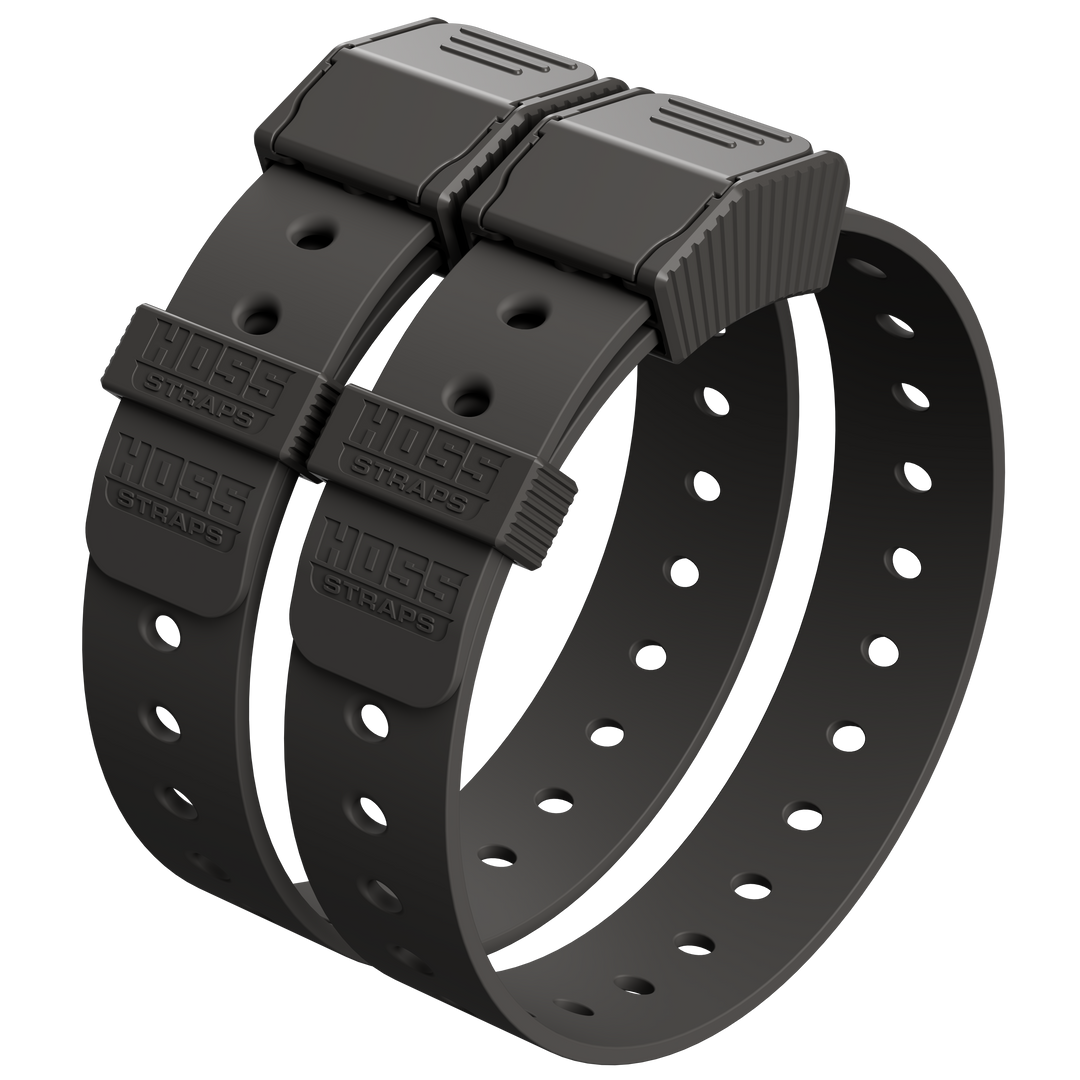
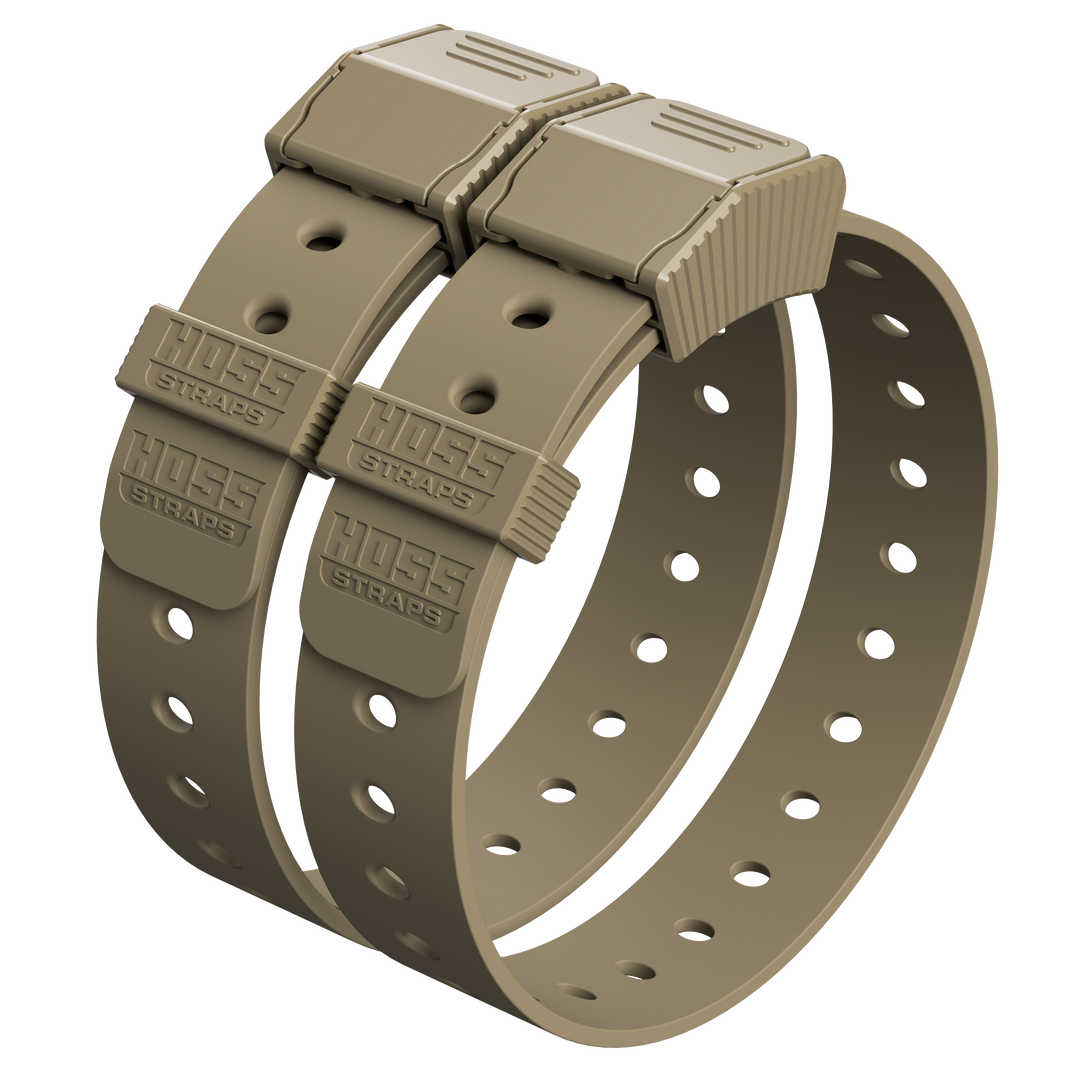
A quiet tag setup works better when the collar itself stays steady. Start with Hoss Dog Collars when you want an everyday collar that pairs cleanly with ID tags. If you want a clear hardware point for tags and leash clips, compare the D-Ring Dog Collar.
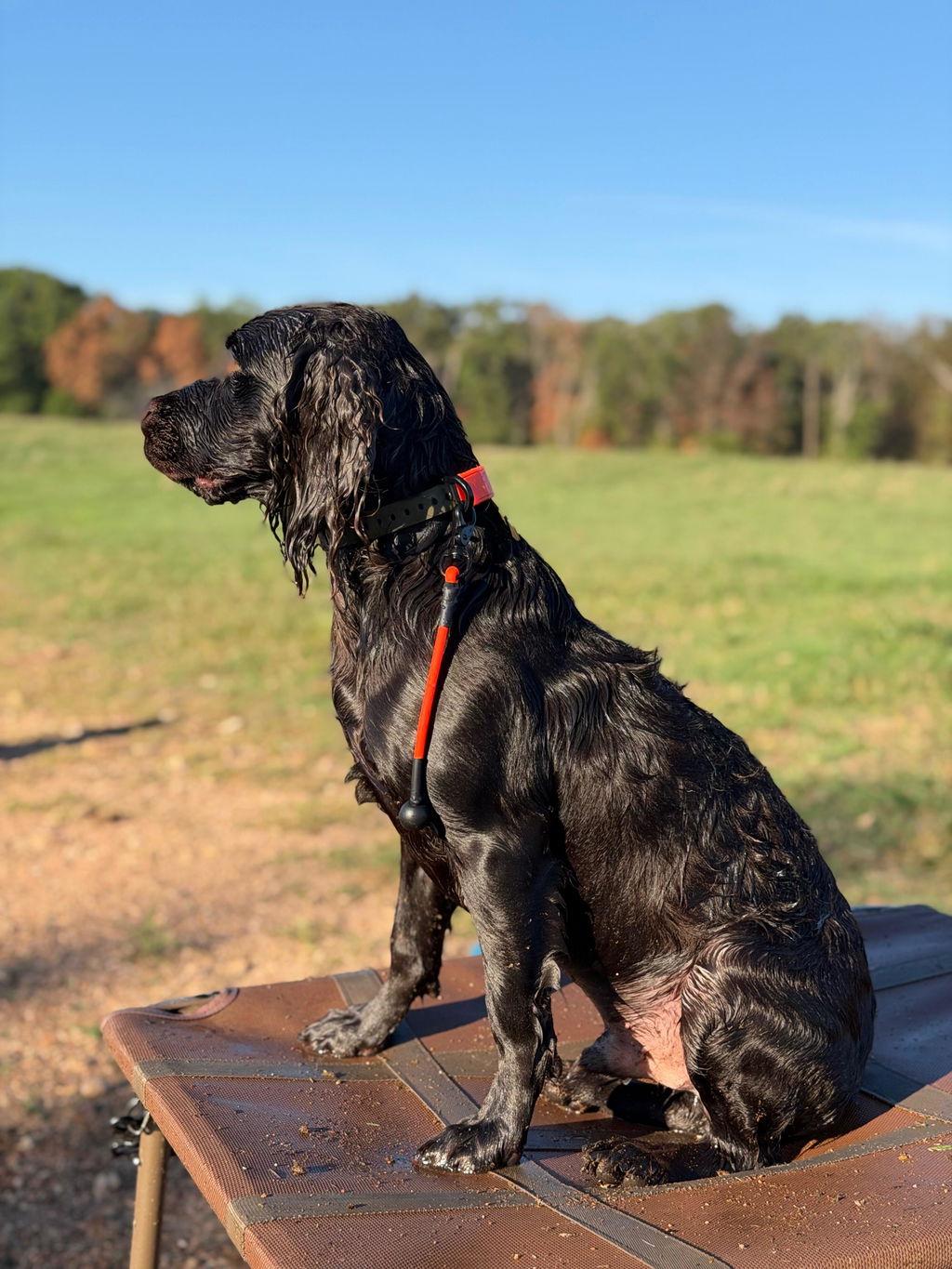
For active dogs, field dogs, or collar setups that need compatible training hardware, review the Training Collar Setup. If your main concern is water, mud, and easy cleaning, compare Weatherproof Dog Collars.
- For a quiet home setup: use one readable ID tag and one snug silicone silencer.
- For active outdoor use: check the tag and ring after hard play, mud, and water.
- For comfort: make sure the tag does not sit where it rubs the throat or chest.
- For safety: do not let quiet tags replace readable ID or a properly fitted collar.
Frequently Asked Questions
Do silicone quiet dog tags stop all tag noise?
They can reduce most sharp metal-on-metal clinking, especially when they stop tags from hitting each other. If noise remains, the cause is often a loose ring, stacked tags, or tag contact with the collar hardware.
Will a silicone cover block my dog's ID?
It should not. After installing the cover, read the tag from arm's length and make sure the phone number is still clear. If the cover hides important information, use a different size or style.
Are flat silicone ID tags better than tag silencers?
Flat silicone ID tags are often quieter because they reduce swinging. Tag silencers are useful when you already have a readable metal tag and only need to cushion the edges.
Will a silicone tag silencer fall off?
A good silencer should fit snugly around the tag. Shake the tag after installation and check it again after the first day or two. Replace it if it stretches, tears, or stops gripping.
When should I replace a silicone silencer or tag?
Replace it when it tears, stretches out, no longer fits snugly, blocks readability, or lets the jingle return. Also replace any tag if the phone number becomes hard to read.
Ready to pair quiet ID with a steady collar? Browse Hoss Dog Collars, compare the D-Ring Dog Collar, or review the Training Collar Setup for field-ready collar builds.