


Soft Webbing Dog Collars: Materials, Comfort, and Care for Everyday Use

Soft Webbing Dog Collars: Materials, Comfort, and Care for Everyday Use
Soft webbing dog collars are best for everyday ID, quick handling, and comfortable daily wear when the collar fits correctly and stays clean. The right collar is not just the softest strap; it is the right mix of material, width, edge feel, hardware, drying time, and fit.
If your dog wears a collar every day, choose one that sits smoothly on the neck, does not hold odor, rinses clean after mud or water, and gives you a secure D-ring for tags and leash clips.
Quick Answer
A soft webbing dog collar should feel flexible, sit flat, have smooth edges, dry fully after cleaning, and stay adjusted during normal use. For many dogs, a collar works best for ID tags and quick handling, while a harness may be the better walking tool if pulling is a regular issue.
VCA Animal Hospitals notes that harnesses may be useful for dogs with neck sensitivity because they can reduce pressure on delicate neck tissue. That makes the collar-versus-harness decision a comfort and control question, not just a style choice. See VCA's guide to collar and harness options for dogs.
What Counts as a Soft Webbing Collar?
Most soft webbing collars use woven synthetic materials such as nylon or polyester. Some use a smoother seatbelt-style weave, while others add padding or a lining. Each style can be comfortable, but each one behaves differently after water, dirt, daily bending, and repeated cleaning.
Comfort comes from the full setup: webbing texture, collar width, edge finish, hardware placement, fit, and how clean the collar stays against the dog's coat and skin.
Common Webbing Materials and How They Behave
Use the table below to compare common soft webbing collar materials before you buy.
| Material or Style | How It Feels | Best For | Care Note |
|---|---|---|---|
| Nylon webbing | Flexible and familiar | Everyday collars, ID tags, casual use | Dry fully after rain, swimming, or washing to reduce odor buildup. |
| Polyester webbing | Smooth, stable, and outdoor-friendly | Dogs exposed to weather, mud, and regular cleaning | Rinse grit from the weave so it does not stiffen or abrade. |
| Seatbelt-style webbing | Slicker and flatter against the coat | Short-coated dogs and owners who want a smooth feel | Check for slipping if the surface is very smooth. |
| Padded webbing | Cushioned and soft at first touch | Sensitive skin, short wear sessions, low-mess routines | Padding can trap water and grit, so clean and dry it carefully. |
| Weatherproof coated material | Smooth, structured, and easy to rinse | Mud, rain, water, field dogs, and odor control | Wipe or rinse clean after messy use and inspect hardware often. |
Comfort Checklist for Daily Wear

Softness matters, but comfort is mostly about how the collar sits over a full day. Check these details before deciding a collar is right for your dog.
- Width: a wider collar can spread pressure better for many medium and large dogs.
- Edges: choose edges that feel smooth, not sharp, curled, or stiff.
- Fit: the collar should sit securely without sliding low or twisting constantly.
- Hardware: buckles, D-rings, and tag rings should sit flat and avoid rubbing one spot repeatedly.
- Coat type: short coats often need smoother edges, while thick coats may need more careful fit checks.
- Skin checks: look under the collar for redness, hair loss, moisture, or trapped debris.
Strong Pullers: Use the Collar Wisely
If your dog hits the end of the leash hard, a collar can still hold ID tags and help with quick handling, but it does not have to do every job. Many owners use a collar for identification and a harness for walks when pulling is frequent.
- Collar: ID tags, quick door handling, normal daily wear.
- Harness: regular walks for dogs that pull, cough, lunge, or need pressure distributed away from the neck.
- Training setup: structured field or recall work where fit, receiver placement, and compatibility matter.
Care Guide: Keep Webbing Clean Without Beating It Up
Dog collars sit close to skin, coat oils, sweat, dirt, water, and whatever your dog found outside. Cleaning keeps the collar more comfortable and helps prevent odor from building into the material.
Quick Weekly Routine
- Remove tags, lights, and add-ons when possible.
- Rinse the collar in warm water.
- Rub in a small amount of mild soap.
- Use a soft brush only where grit is stuck in the weave.
- Rinse until the water runs clear.
- Air dry fully before putting it back on your dog.
Deep Clean After Mud, Lake Days, or Salt
- Soak the collar in warm, mildly soapy water for 15 to 30 minutes.
- Gently brush around the D-ring, buckle, and adjustment points.
- Rinse thoroughly so no soap film remains.
- Dry completely before storage or daily wear.
When to Replace a Collar
- Fraying appears near the ring, buckle, or adjustment holes.
- The webbing feels thin, chewed, cracked, or rough.
- The buckle no longer clicks cleanly or stays closed.
- The D-ring, tag ring, or hardware looks bent, sharp, or corroded.
- The collar keeps odor even after a deep clean and full dry.
Hoss Collar Check

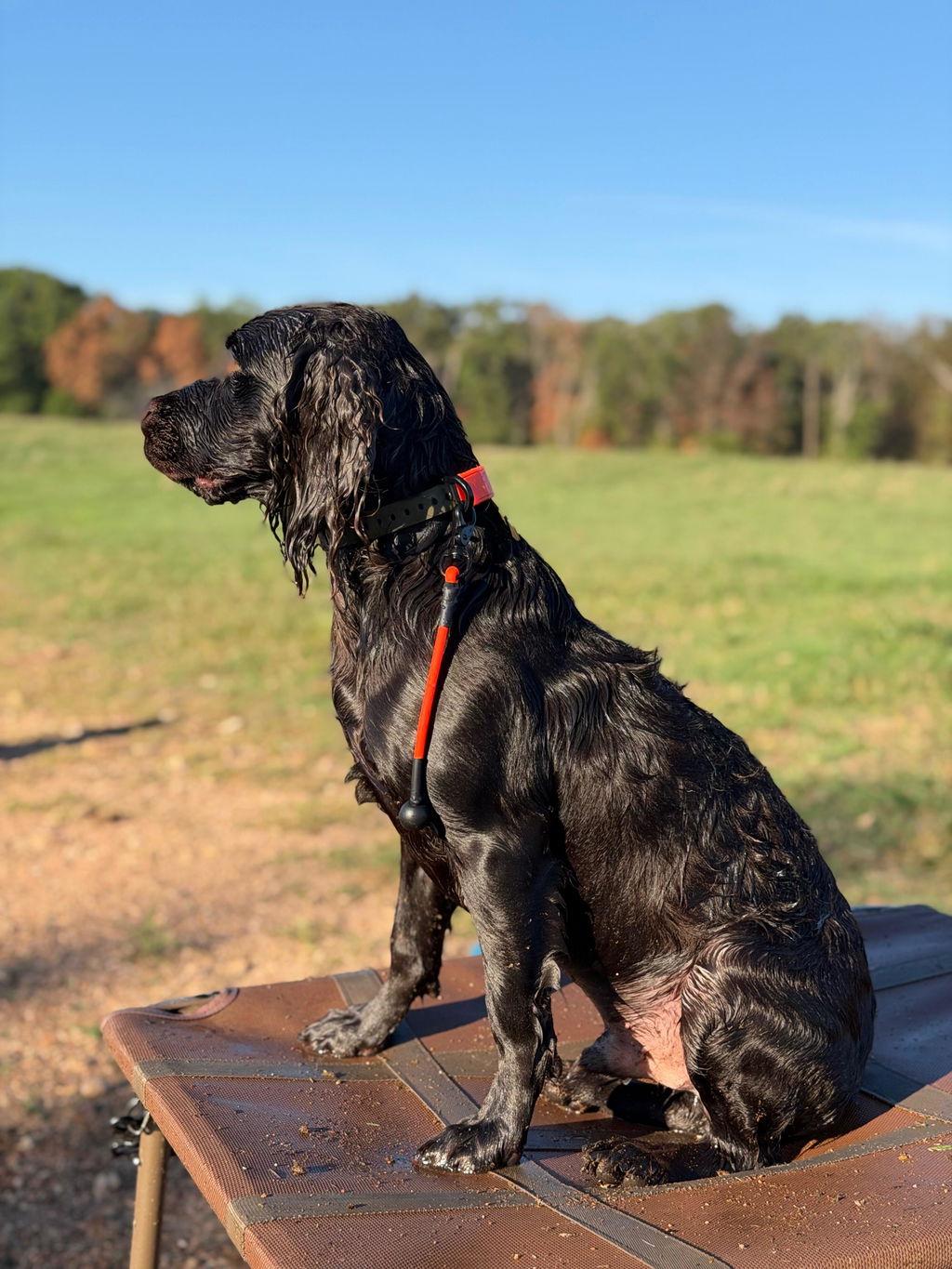
If soft webbing is not the best match for your dog's mud, water, field, or odor routine, a weatherproof Hoss collar can be a practical everyday alternative. Start with the Dog Collars collection for daily wear, or compare the D-Ring Dog Collar when you want a clear hardware point for leash clips and tags.
For dogs that train outside or use compatible Garmin modules, the Training Collar Setup is the more relevant path. For wet, muddy, high-cleaning routines, compare Weatherproof Dog Collars.
- Choose soft webbing when your priority is flexible daily comfort and simple ID wear.
- Choose weatherproof material when your dog sees mud, water, odor, and frequent rinsing.
- Choose a D-ring setup when leash and tag hardware placement matters.
- Choose a training collar setup when receiver compatibility and field use are part of the job.
Frequently Asked Questions
Are soft webbing dog collars comfortable for most dogs?
They can be comfortable when the collar is the right width, sits correctly, has smooth edges, and stays clean. Comfort depends on fit and maintenance as much as material softness.
What is the difference between nylon and polyester webbing?
Nylon is often flexible and familiar for everyday collars. Polyester is commonly used in outdoor gear because it tends to behave well with repeated exposure and cleaning. In either case, drying the collar fully helps reduce odor and stiffness.
How often should I wash a webbing collar?
Wash it whenever it smells, looks dirty, feels gritty, or gets soaked in mud, lake water, saltwater, or heavy rain. For everyday use, a quick weekly rinse and mild soap wash is a useful habit.
Why does my dog's collar smell even after cleaning?
Odor usually returns when grime stays packed in the weave or the collar never dries fully. Soak it, brush gently around hardware and adjustment points, rinse thoroughly, and air dry completely.
Should a strong puller walk on a collar or a harness?
Many owners keep a collar on for ID and use a harness for walks when pulling is common. The goal is better control while reducing unnecessary pressure on the neck.
Need a collar that fits your dog's real routine? Browse Hoss Dog Collars, compare the D-Ring Dog Collar, or build a field-ready option with the Training Collar Setup.