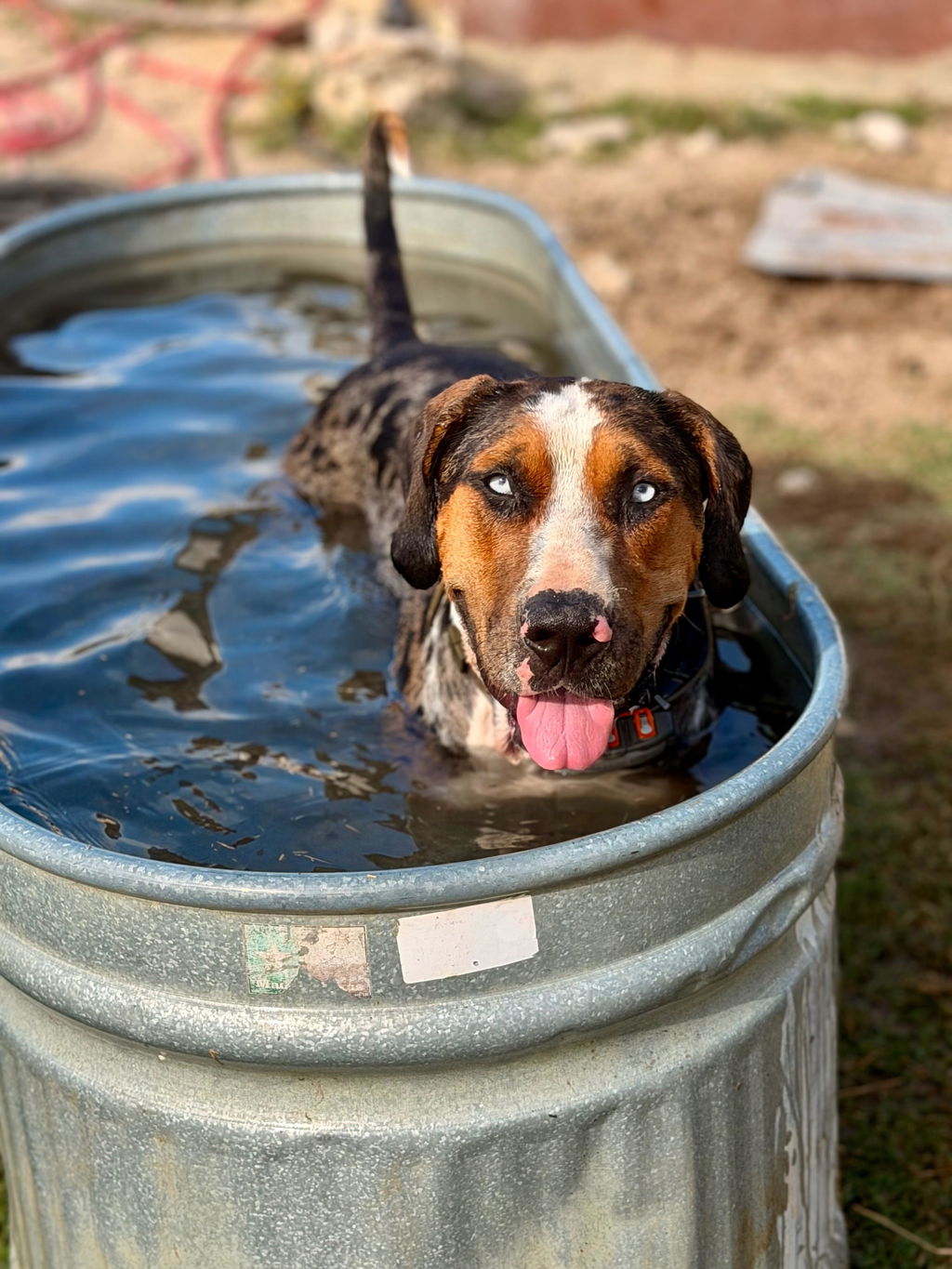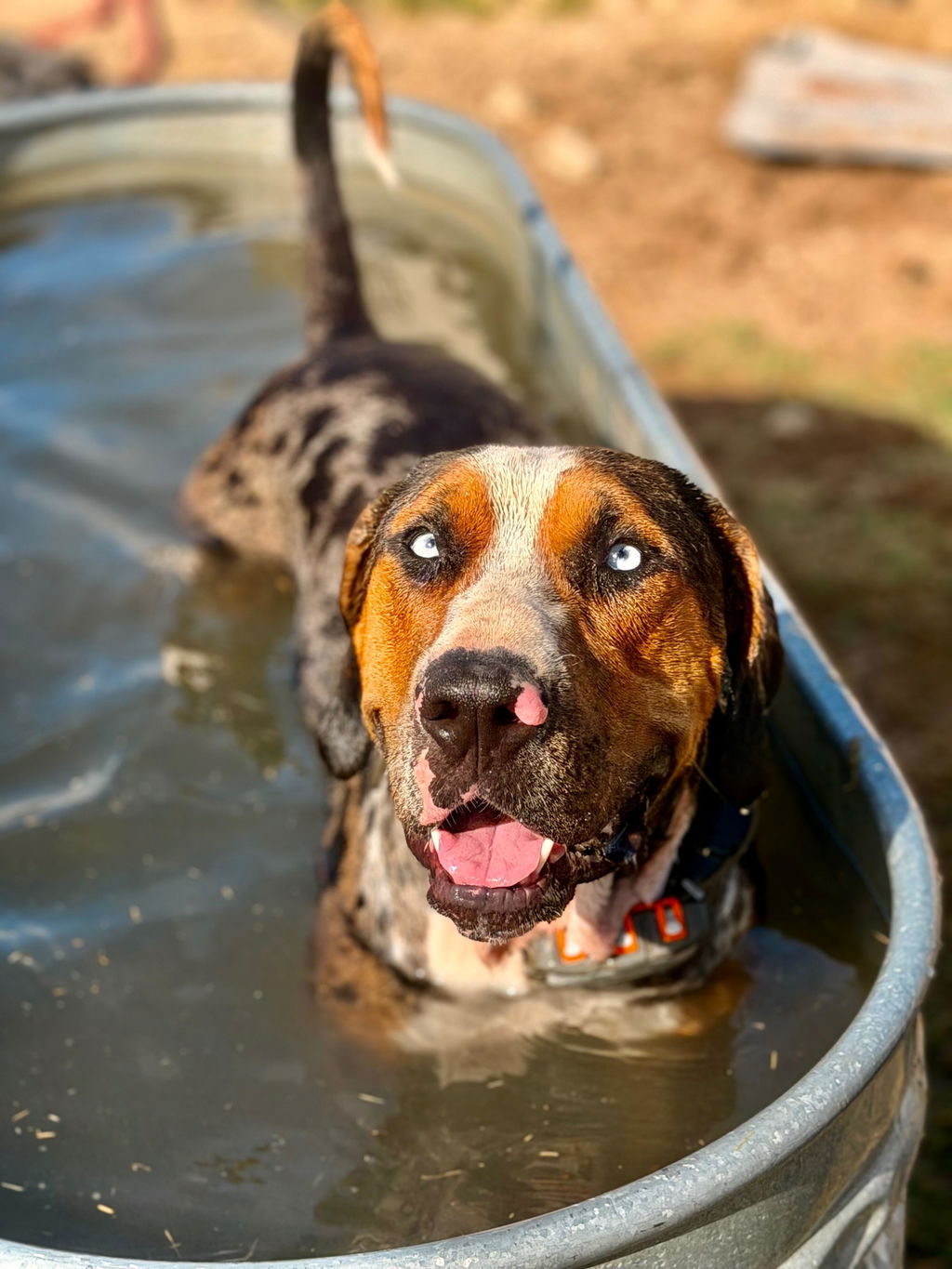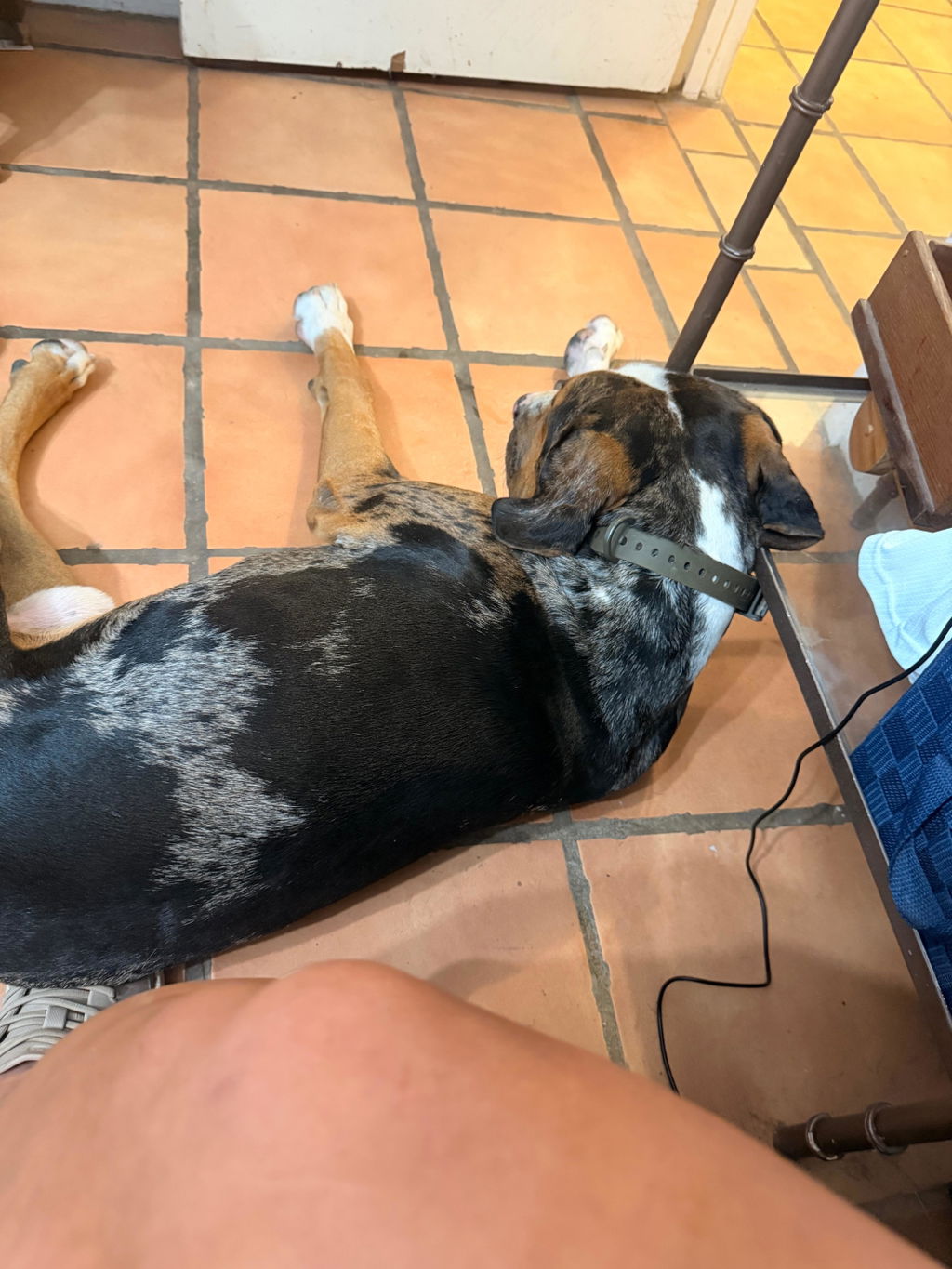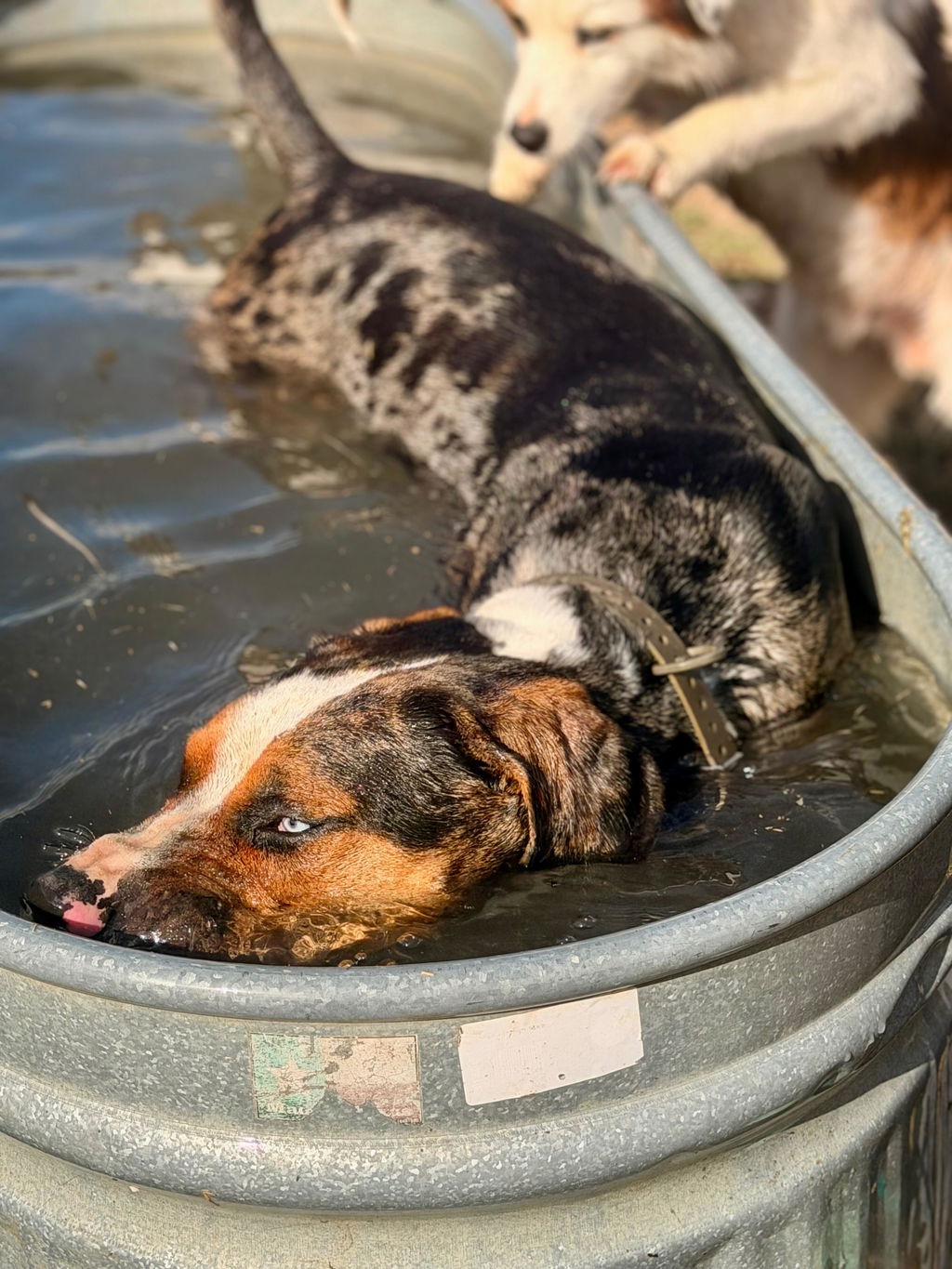



Solid Color Dog Collars: Visibility, Dye Care, and Keeping Color Looking Sharp

Solid color dog collars make it easier to identify your dog, match gear quickly, and keep daily wear looking clean. The right color depends on where your dog spends the most time: grass, woods, pavement, sand, snow, water, or low-light routes.
If you want a collar that is easy to spot, choose a bright color with strong contrast against your usual walking background. If you want a quieter everyday look, choose a neutral color and stay consistent with cleaning so the collar does not look dull before its time.
Quick Answer
A solid color dog collar does three things well: it gives your dog a clean look, makes color-based identification simple, and helps you choose visibility based on the environment. Bright colors are better for quick spotting. Neutral colors are better for a low-key style that hides dirt longer.
For safe daily wear, color is only one part of the decision. Fit, hardware, material, cleaning, and inspection matter just as much. American Humane recommends that a dog collar should allow two or three fingers between the collar and the dog's neck while staying secure enough not to slip over the head. You can review their collar guidance here: American Humane: Choosing a Dog Collar.
Pick Your Color: What Each One Is Good At
Start with the background your dog is usually moving through. The best solid color dog collar is the one that stands out against that setting while still fitting your preferred style.
| Color | Best Backgrounds | Good For | Care Note |
|---|---|---|---|
| Cobalt Blue | Light dirt, sand, sidewalks, neutral gear | Everyday walks and a clean, bold look | Rinse grit before it dulls the surface. |
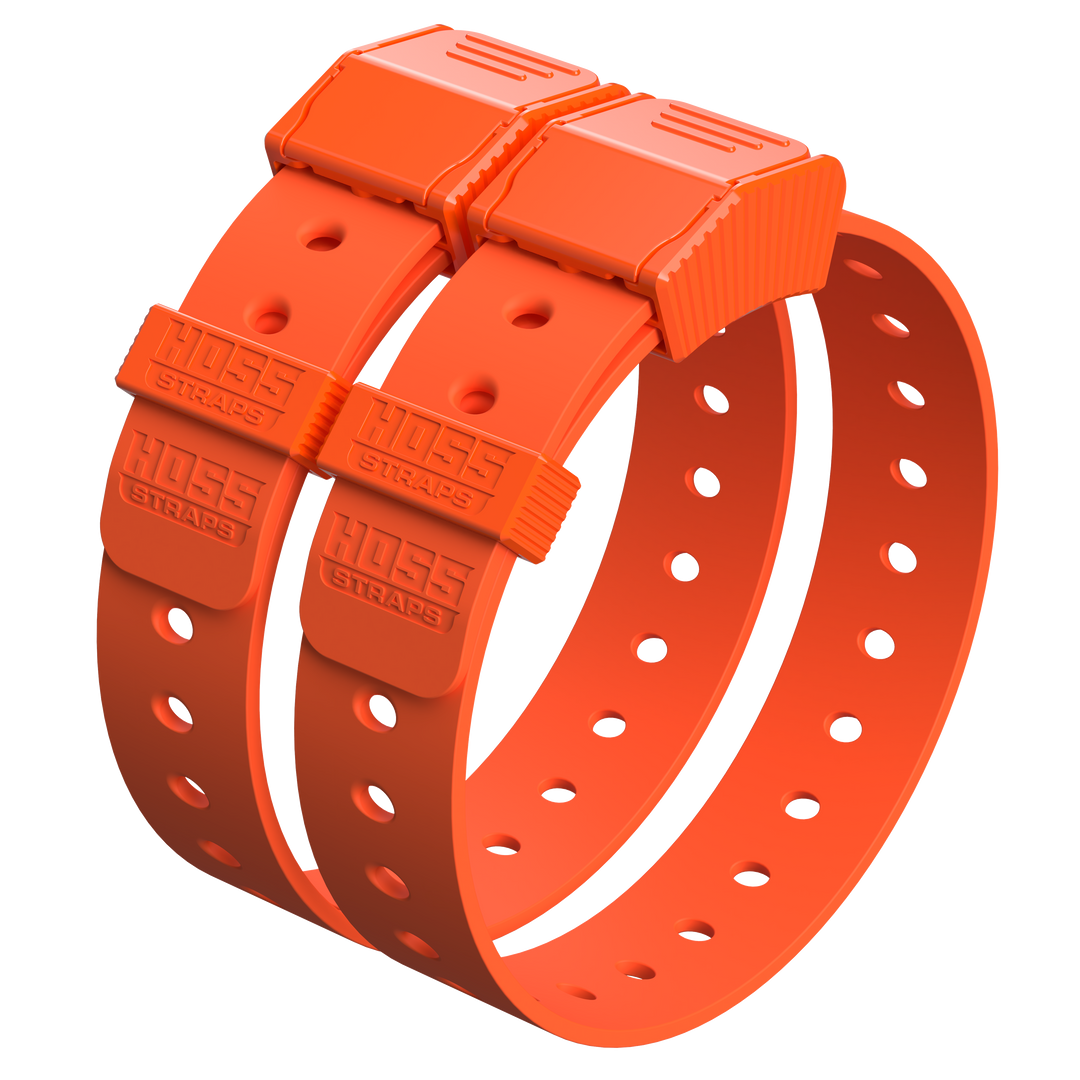
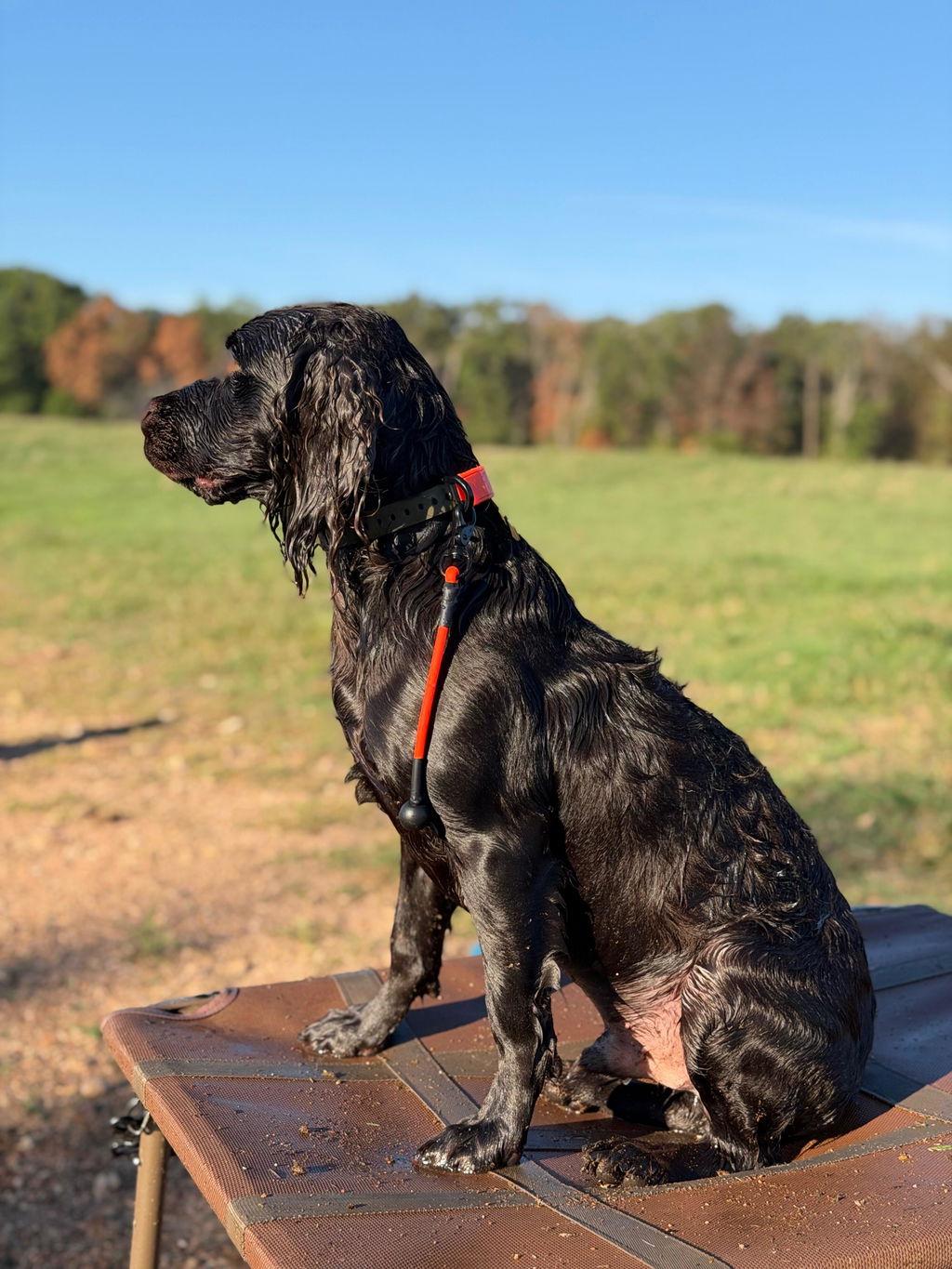
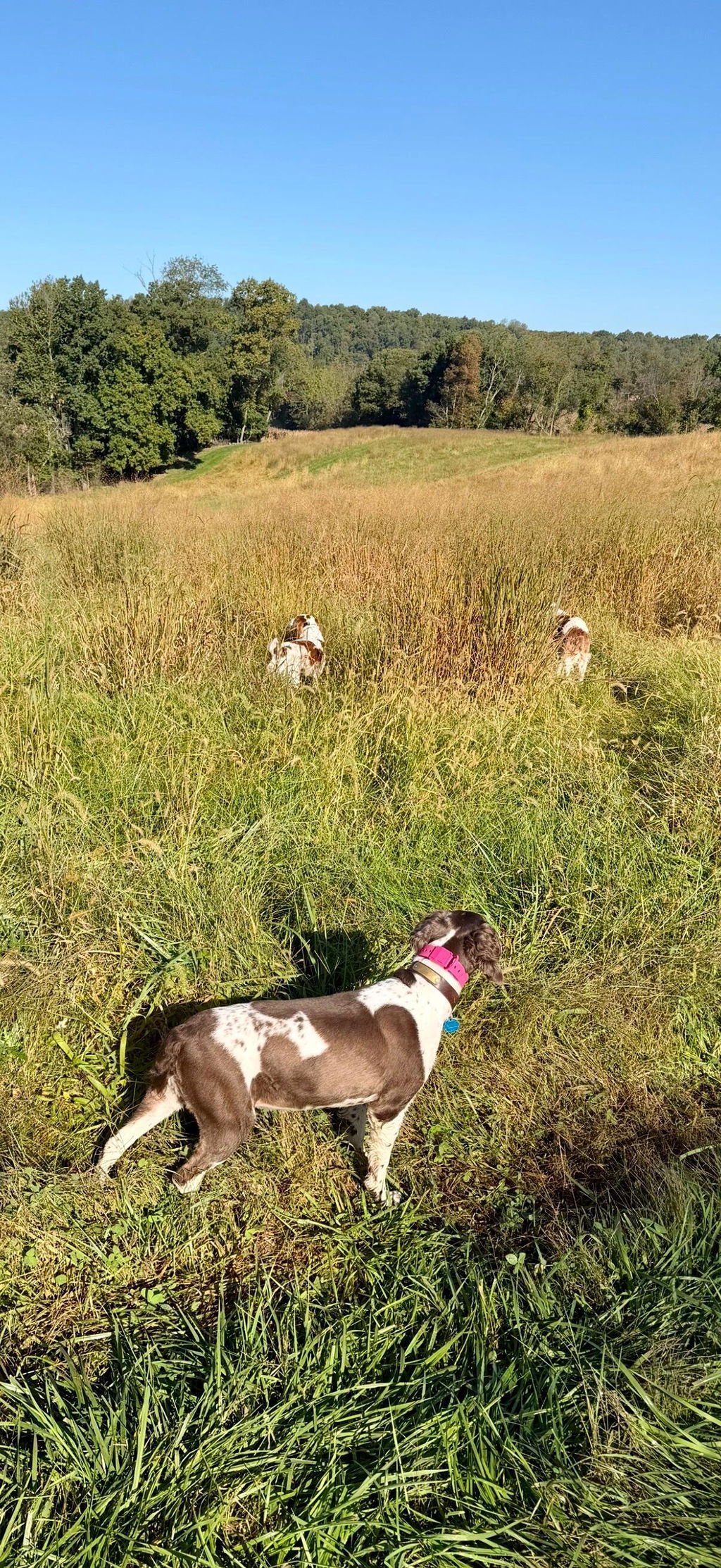
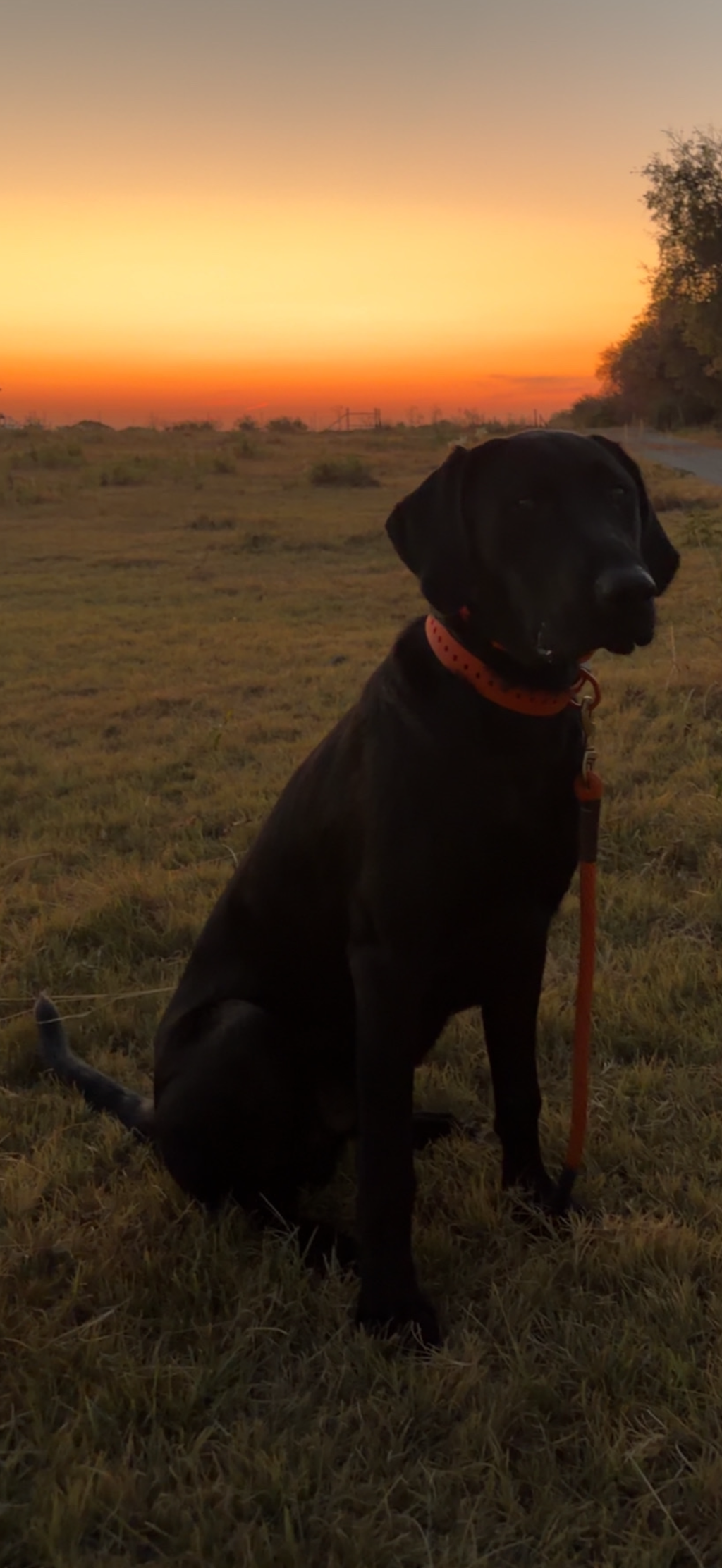
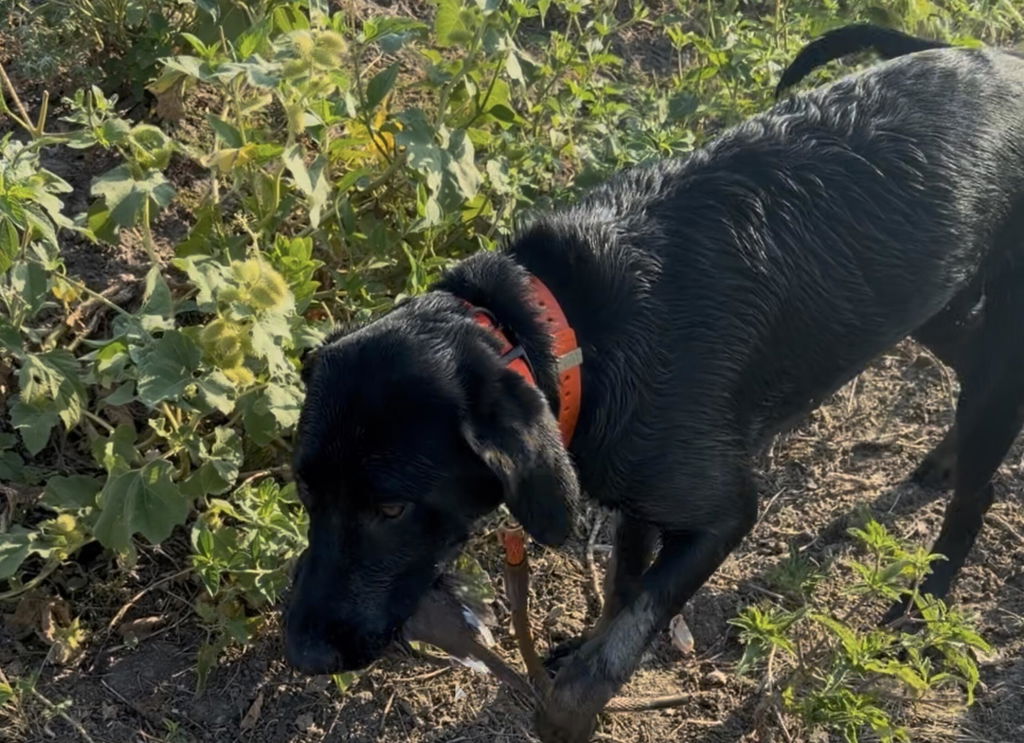
| Hunter Orange | Woods, fields, brush, dark outdoor gear | Field days, trail walks, and quick spotting | Keep it clean so the color stays bright. |
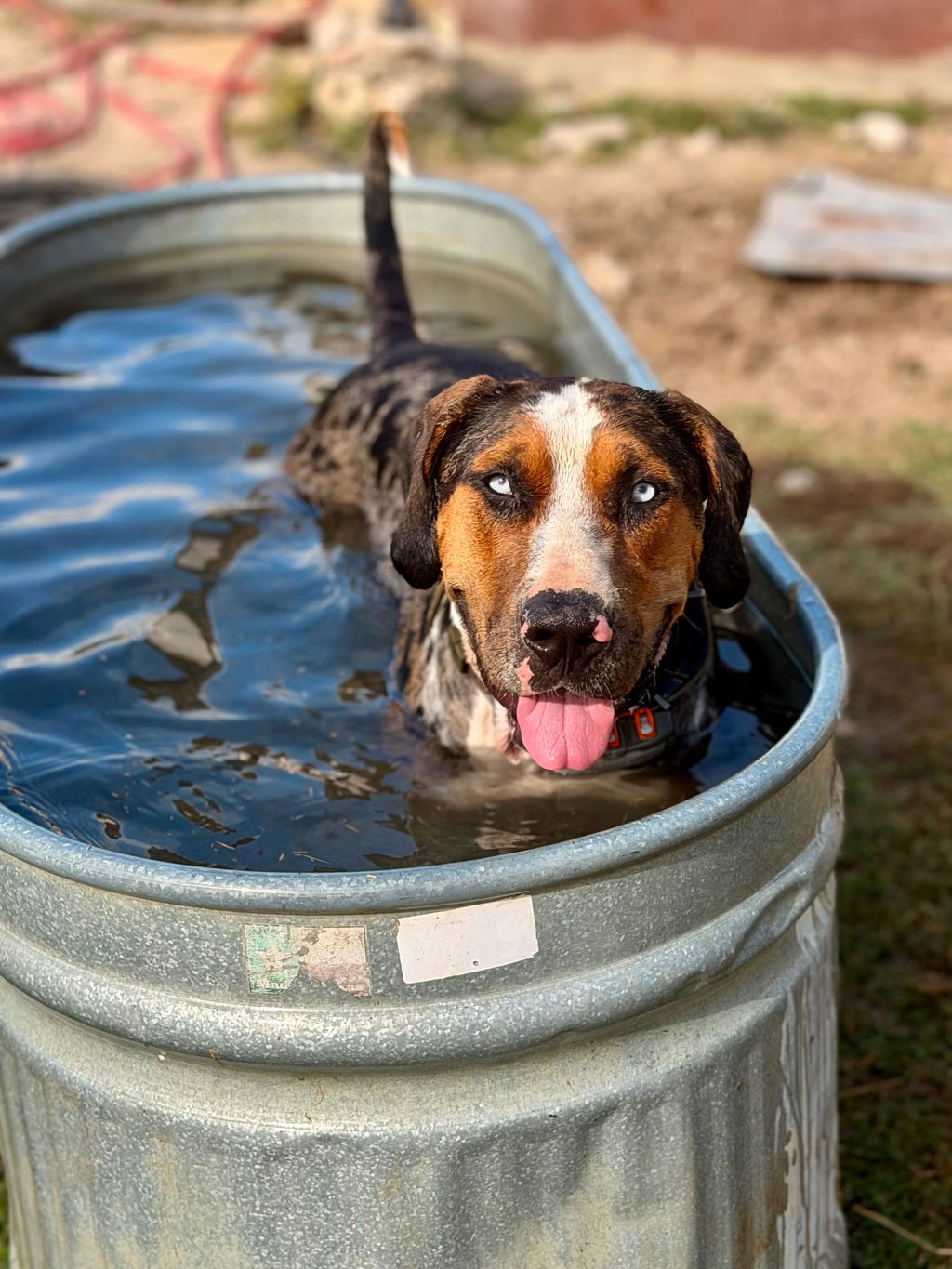
| Seafoam Green | Beach paths, parks, water, pale surfaces | Daily wear with a softer outdoor look | Rinse after saltwater, sand, or lake use. |
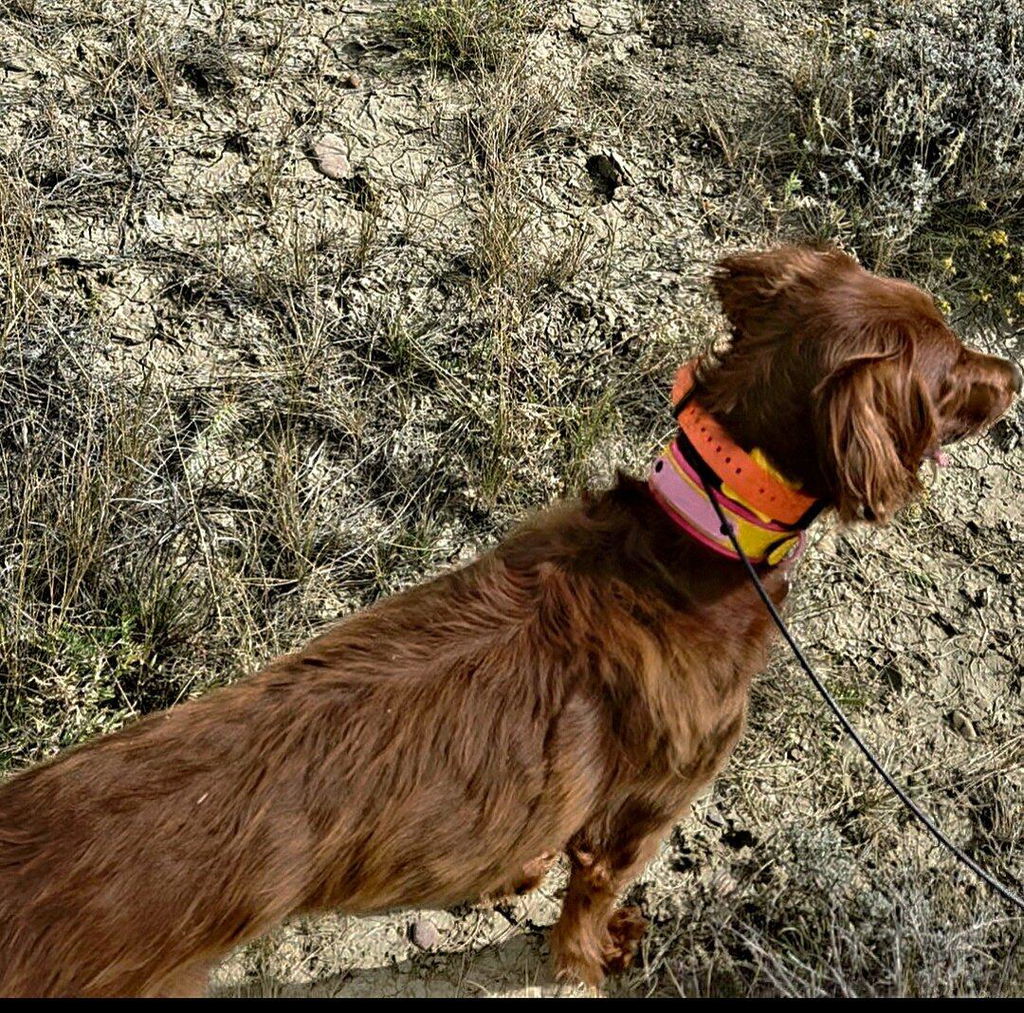
| Pink | Mixed terrain, city routes, darker coats | Easy identification and bright everyday style | Avoid bleach and harsh cleaners. |
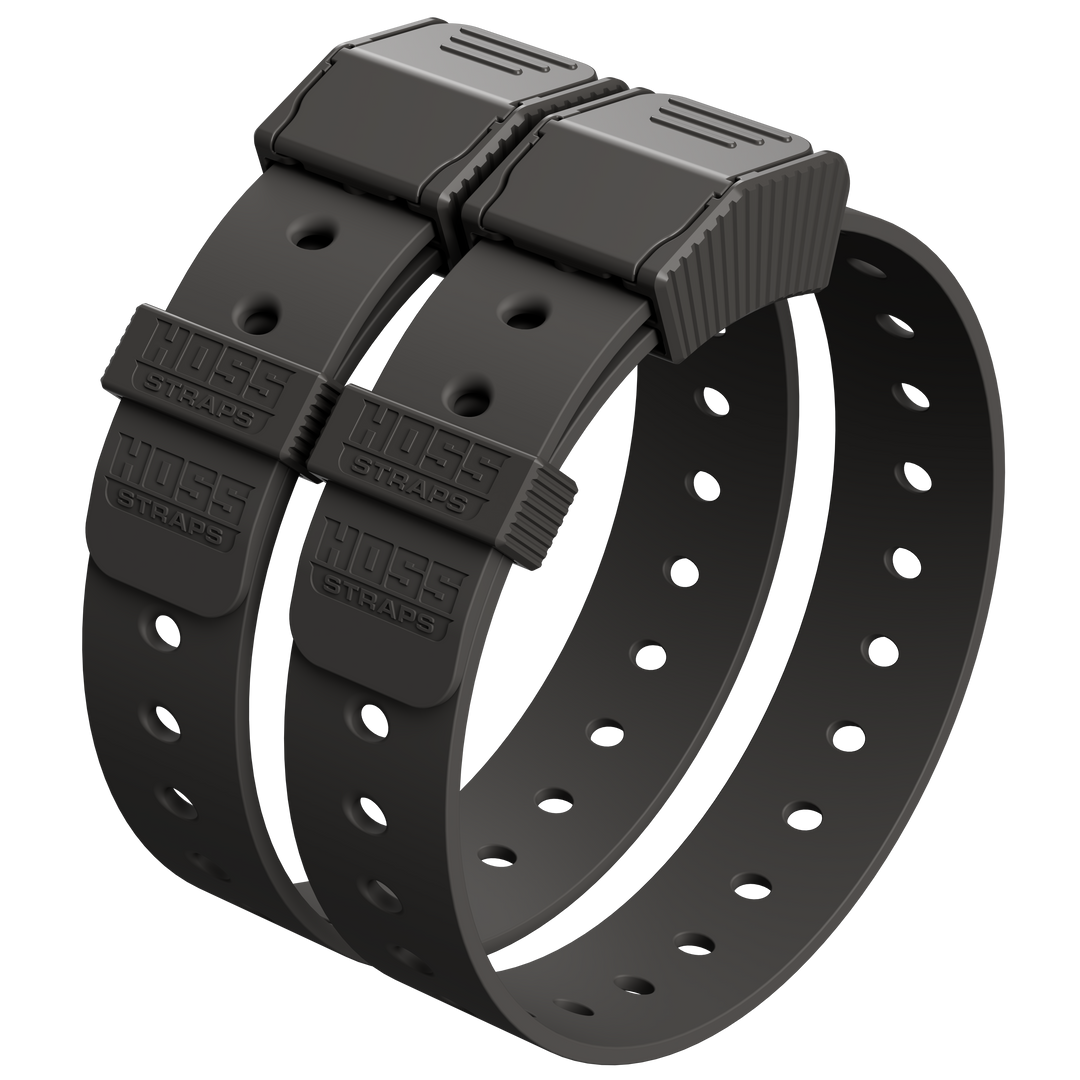
| Charcoal | Bright pavement, sand, snow, lighter coats | Low-key style and dirt-hiding daily wear | Still rinse often; hidden dirt can wear material. |
| Chartreuse | Foliage-heavy trails, overcast days, darker terrain | High-visibility style and quick visual checks | Store out of direct sun when not in use. |
Visibility and Contrast

Visibility is mostly about contrast. A bright collar can disappear if it matches the background, while a darker collar can stand out clearly against snow, sand, or light pavement. Before choosing a color, think about your dog's coat color and your normal walking route.
- For dark-coated dogs: brighter collars such as orange, pink, cobalt, or chartreuse are easier to spot.
- For light-coated dogs: charcoal, cobalt, orange, or stronger saturated colors can create better contrast.
- For woods and fields: orange and chartreuse are often easier to see against natural greens and browns.
- For city walks: choose a color that stands out against pavement, cars, and common sidewalk backgrounds.
- For low-light walks: color helps, but reflective or lighted gear is still the better visibility tool.
Why Collar Colors Fade
Fading is normal after enough outdoor use. Sun, dirt, water, friction, and cleaning choices all affect how long a solid color collar keeps its original look. High-contact areas near buckles, tag rings, leash clips, and adjustment points usually show wear first.
Watch for these signs:
- A bright color starts looking flatter or less crisp.
- A dark color starts looking dusty even after light cleaning.
- Edges near hardware look lighter from repeated friction.
- The collar feels gritty, stiff, or coated with residue.
Solid Color Collar Care That Keeps Colors Sharp
You do not need a complicated routine. Most solid color dog collars stay looking better when you remove grit early, avoid harsh chemicals, and let the collar dry fully before storage.
Quick Clean
- Shake off dry dirt, sand, or grass.
- Hand wash with warm water and mild soap.
- Use your fingers or a soft brush around hardware and adjustment points.
- Rinse until the water runs clear.
- Air dry fully before putting the collar back into a closed bin, drawer, or gear bag.
Deep Clean
- Soak the collar in mild soapy water after mud, lake days, saltwater, heavy sweat, or odor buildup.
- Brush gently where dirt collects near the buckle, D-ring, and adjustment areas.
- Rinse thoroughly so no soap film remains.
- Dry completely before storage or the next walk.
What to Avoid
- Bleach, harsh solvents, and aggressive cleaners.
- Abrasive scrub pads that rough up the collar surface.
- Long storage in direct sunlight when the collar is not being used.
- Storing a damp collar in a sealed bag or bin.
- Letting mud, salt, or grit sit on the collar for days after use.
Hoss Collar Check

Hoss solid color collars are a practical fit for owners who want simple color choices, weatherproof daily wear, and clean hardware handling. Start with the Dog Collars collection when you want a straightforward everyday collar, or choose the D-Ring Dog Collar when a clear leash and tag anchor point matters.
For field use or training-device compatibility, compare the Training Collar Setup. Hoss also offers Weatherproof Dog Collars for dogs that spend time in mud, rain, water, or rough outdoor conditions.
- Choose a bright solid color when quick visual identification matters most.
- Choose a neutral solid color when you want a cleaner, lower-profile daily look.
- Check the fit after cleaning because removing dirt and resetting hardware can change how the collar sits.
- Inspect color-worn areas near clips, buckles, and D-rings because those spots see the most friction.
Frequently Asked Questions
Which solid color dog collar is easiest to see outside?
The easiest color to see depends on contrast. Hunter orange and chartreuse often stand out well in woods, fields, and overcast conditions, while cobalt blue or pink can work well for mixed everyday routes. Against snow, sand, or light pavement, darker colors like charcoal may be easier to spot.
Do solid color dog collars fade?
Yes, any collar can change appearance over time with sun exposure, dirt, water, friction, and repeated cleaning. Regular rinsing, mild soap, and air drying help the color stay sharper longer.
How do I clean a solid color dog collar without damaging the color?
Use warm water, mild soap, and a soft brush or cloth. Rinse well and air dry fully. Avoid bleach, solvents, rough scrub pads, and storing the collar while wet.
Can a bright collar stain my dog's fur?
Most staining issues come from grime, mud, moisture, or residue trapped between the collar and coat. Keep the collar clean, rinse after dirty use, and let it dry before long storage or repeated wear.
Does changing collar hardware affect fit or safety?
Any time you adjust or change hardware, check that the buckle closes cleanly, the D-ring sits flat, and the collar still fits securely. You should be able to fit two or three fingers between the collar and your dog's neck without the collar slipping over the head.
Ready to pick a color that fits your dog and your route? Browse Hoss Dog Collars, compare the D-Ring Dog Collar, or build a field-ready option with the Training Collar Setup.