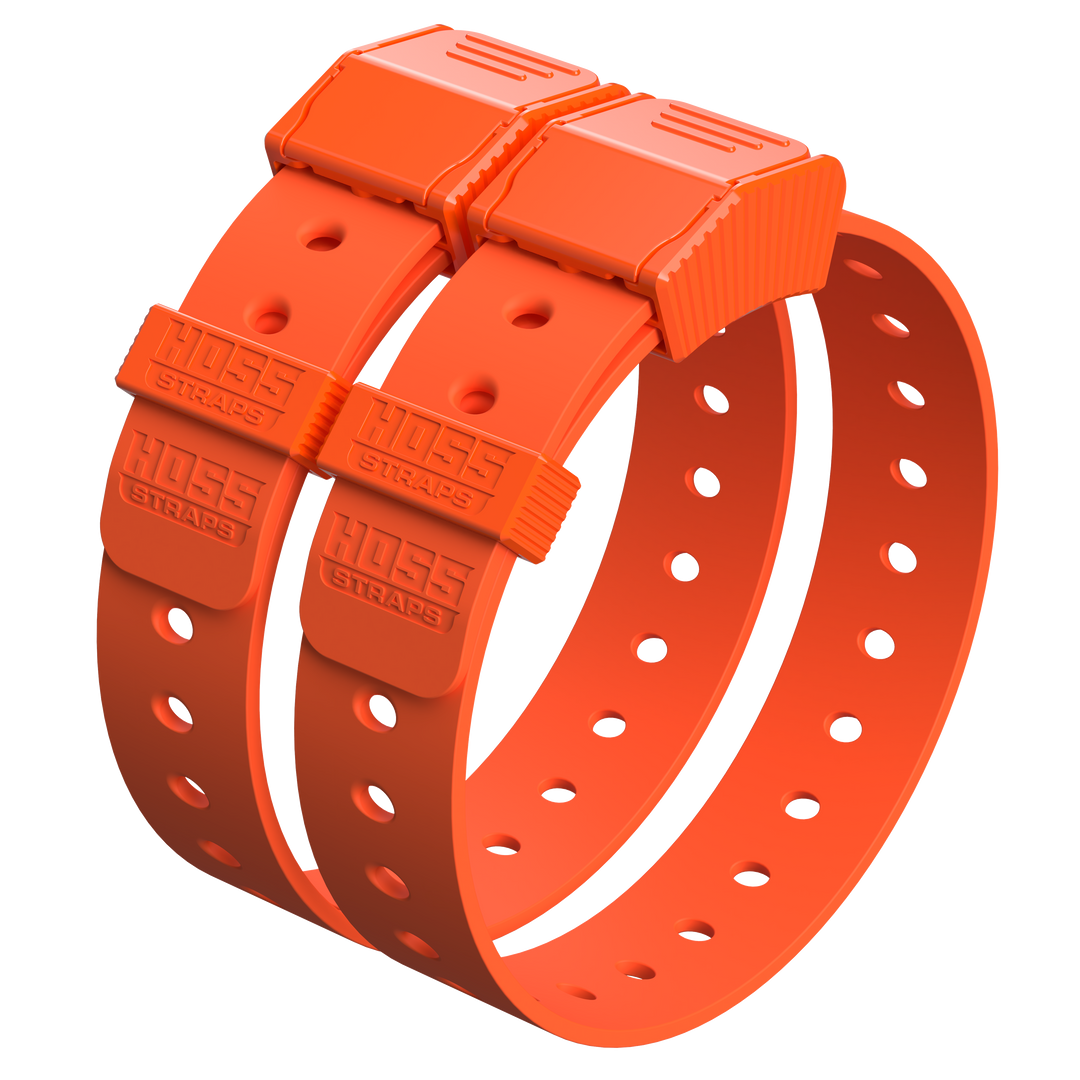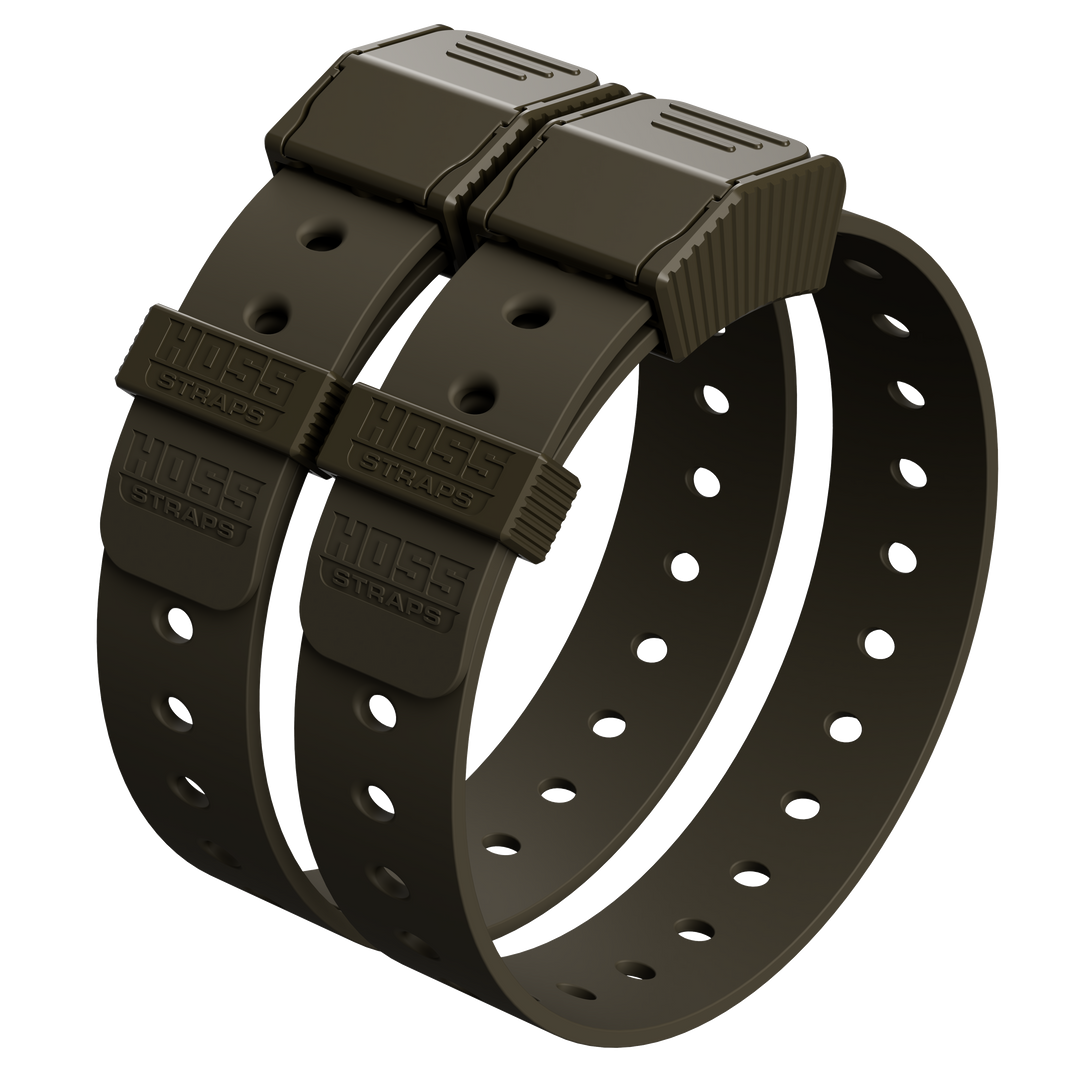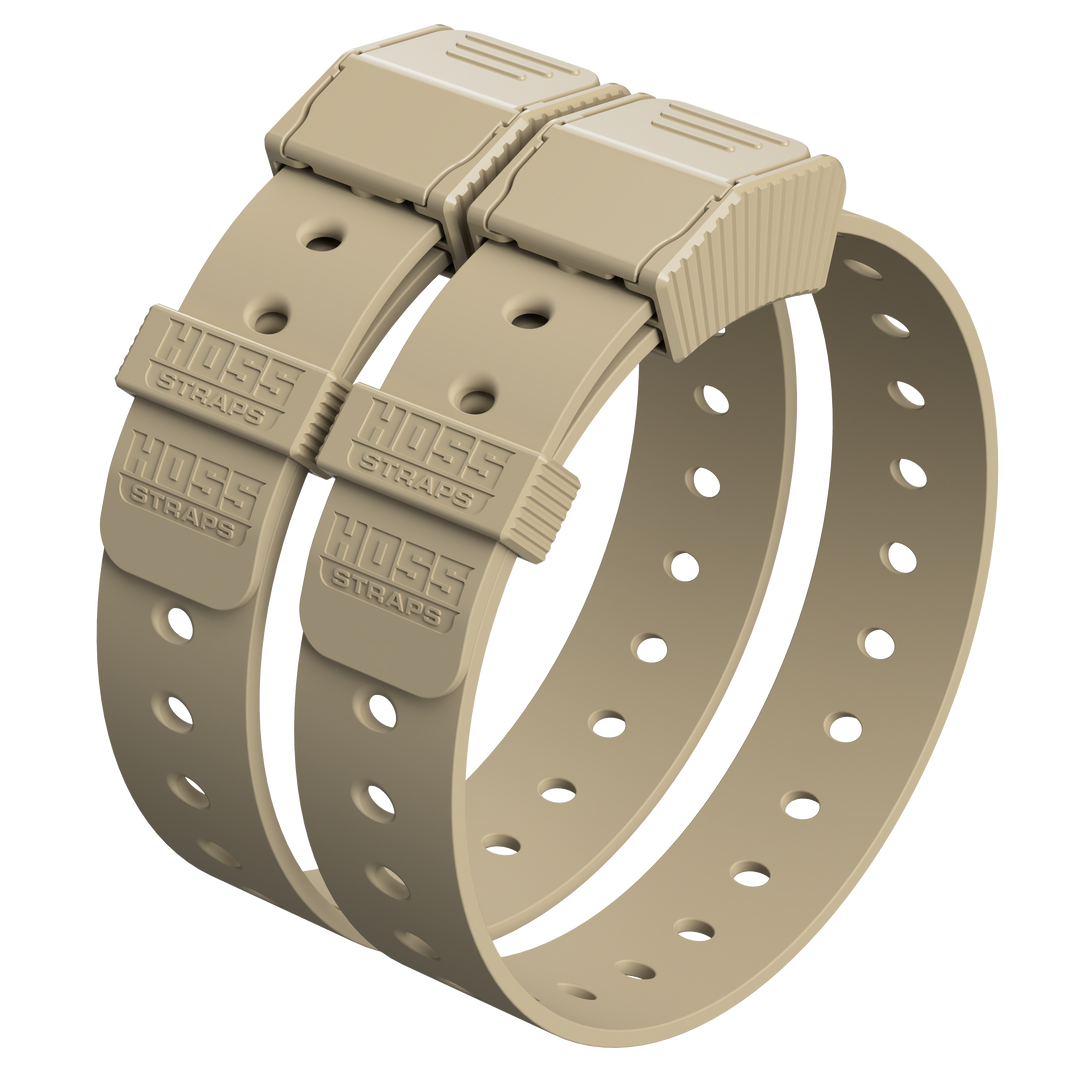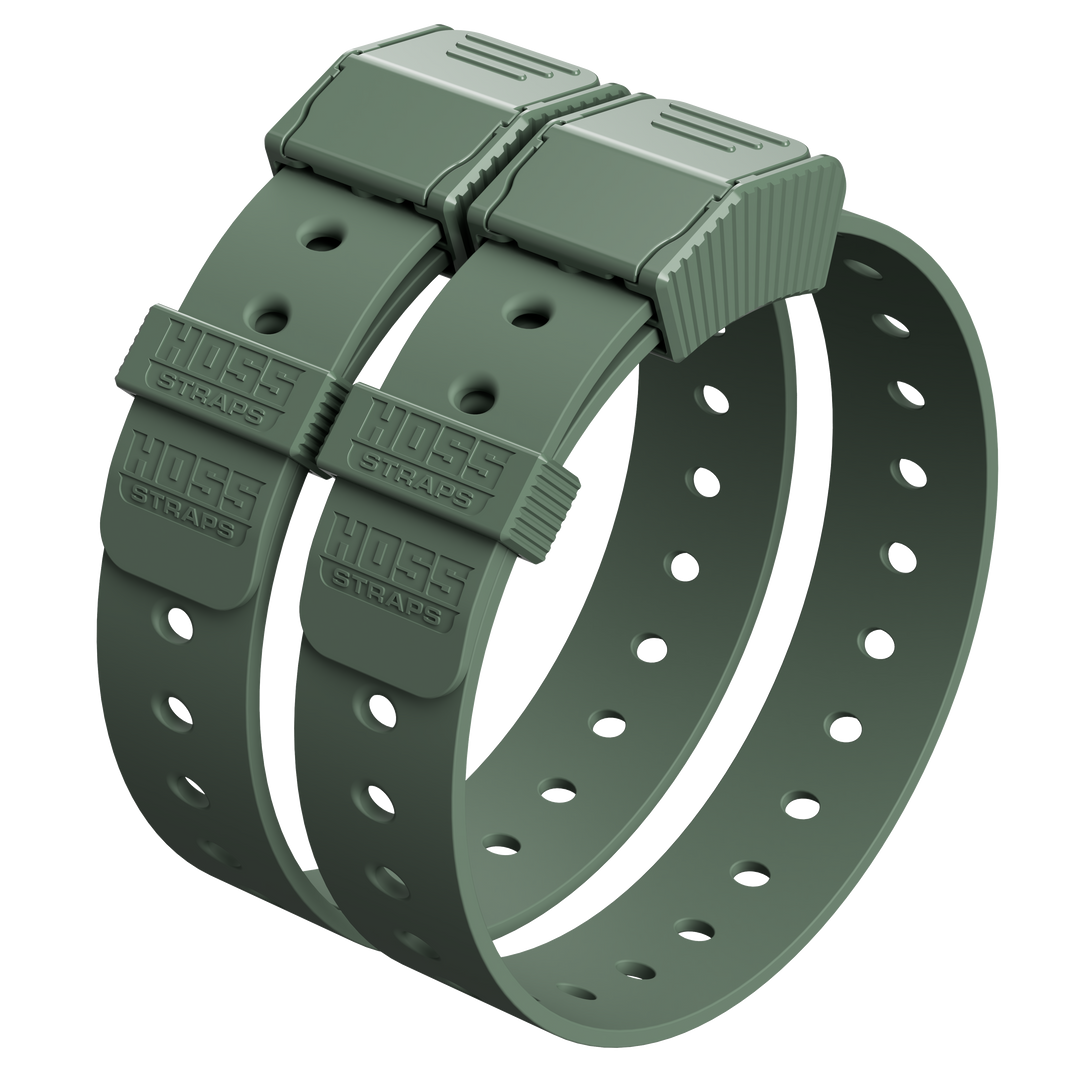



Strap With Quick-Release Buckle: Speed Up Your Setup

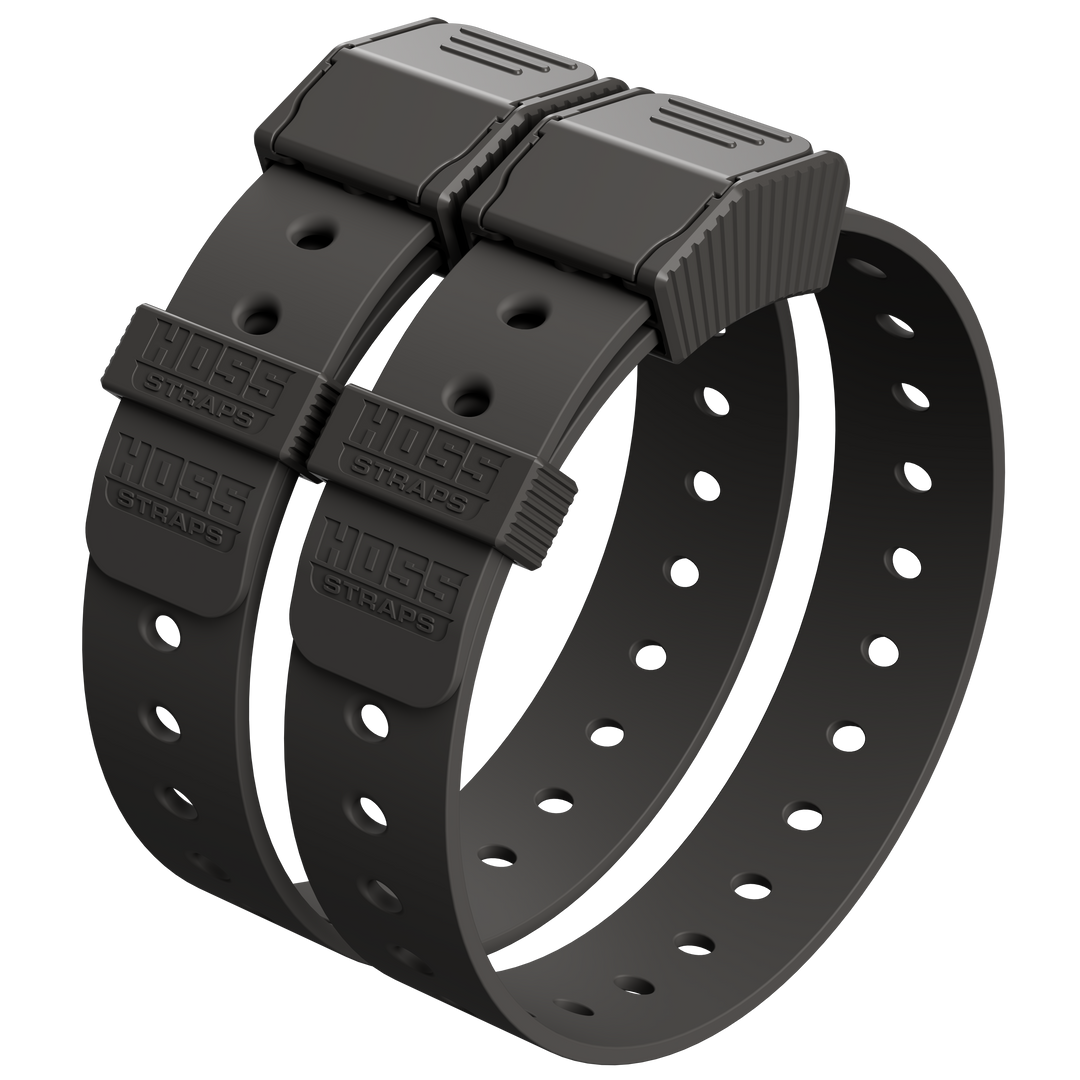
A strap with a quick-release buckle helps you secure, adjust, and remove gear faster than tying knots or threading a standard buckle every time. For outdoor kits, work tools, boat gear, and everyday storage, straps with quick release are best when you need repeated access without giving up a clean, secure hold.
The key is matching the strap to the job: light gear, pack organization, tool bundles, cooler tie-downs, paddle gear, or field equipment. A quick-release buckle is built for speed and repeat use, while cam straps are better when your priority is higher cinching tension.
What Makes Quick-Release Straps Different?
Quick-release straps use a buckle that clicks into place and releases quickly when pressed, pulled, or unlatched, depending on the buckle style. That makes them useful for gear you open and close often, such as backpack attachments, boat accessories, tool bundles, and camp equipment.
Compared with rope, bungee cords, or one-time zip ties, a reusable quick-release strap gives you a cleaner setup. You can fasten gear, adjust the fit, remove the load, and reuse the same strap without cutting anything loose.
- Fast access: useful when gear needs to come on and off throughout the day.
- Repeatable fit: adjust once, then keep the same general strap length for the next setup.
- Cleaner organization: bundle cords, tools, loose gear, and small equipment without loose knots.
- Outdoor-friendly handling: easier to use with wet hands or gloves than knots or thin cord.
Where Quick-Release Straps Save Time

Outdoor and Camping Gear
For hiking, camping, kayaking, and overlanding, quick-release straps help keep loose equipment from shifting. Use them for rolled layers, dry bags, small coolers, paddle accessories, camp chairs, and gear that needs to stay grouped together. The National Park Service recommends carrying organized essentials for outdoor safety, and a good strap system helps keep those essentials easier to find and manage. See the National Park Service Ten Essentials guide for broader outdoor preparation guidance.
Tool Organization
In a garage, truck bed, trailer, or workbench setup, quick-release straps make it easier to bundle extension cords, hand tools, hoses, small cases, and repeated-use items. Instead of digging through a loose pile, you can keep related gear grouped and ready to grab.
Marine and Wet Environments
For boats, paddleboards, rafts, and fishing gear, weather resistance matters. A quick-release buckle is useful when you need to secure gear before launch, remove it at the dock, rinse equipment, and reset the same strap for the next trip.
Everyday Carry and Storage
Quick-release straps also work for daily organization: backpacks, utility totes, travel gear, sports equipment, and storage bins. The benefit is simple: less time untangling, more time moving.
Buckle vs. Cam Utility Straps: Which Is Better for Fast Setup?
When comparing buckle vs cam utility straps, choose based on how much tension you need and how often you need to release the strap.
| Strap Type | Best For | Main Advantage | Watch-Out |
|---|---|---|---|
| Quick-release buckle strap | Gear organization, light-duty tie-downs, backpacks, tools, camp setups | Fast release, repeat use, easy adjustment | Not the best choice when maximum cinching tension is required |
| Cam utility strap | Loads that need stronger tightening and tension control | More cinching power than most quick-release buckles | Slower to thread, loosen, and reset during repeated access |
| Rope or cord | Custom knots and odd-shaped tie points | Flexible and inexpensive | Requires knot skill and can be slower to remove |
| Disposable zip tie | Single-use bundling | Simple and low cost | Usually must be cut off and replaced |
If your priority is fast release, repeated access, and clean organization, quick-release buckle straps are usually the better everyday choice. If your priority is maximum tension for load security, a cam strap may be the better fit.
Hoss Strap Check: What to Look For
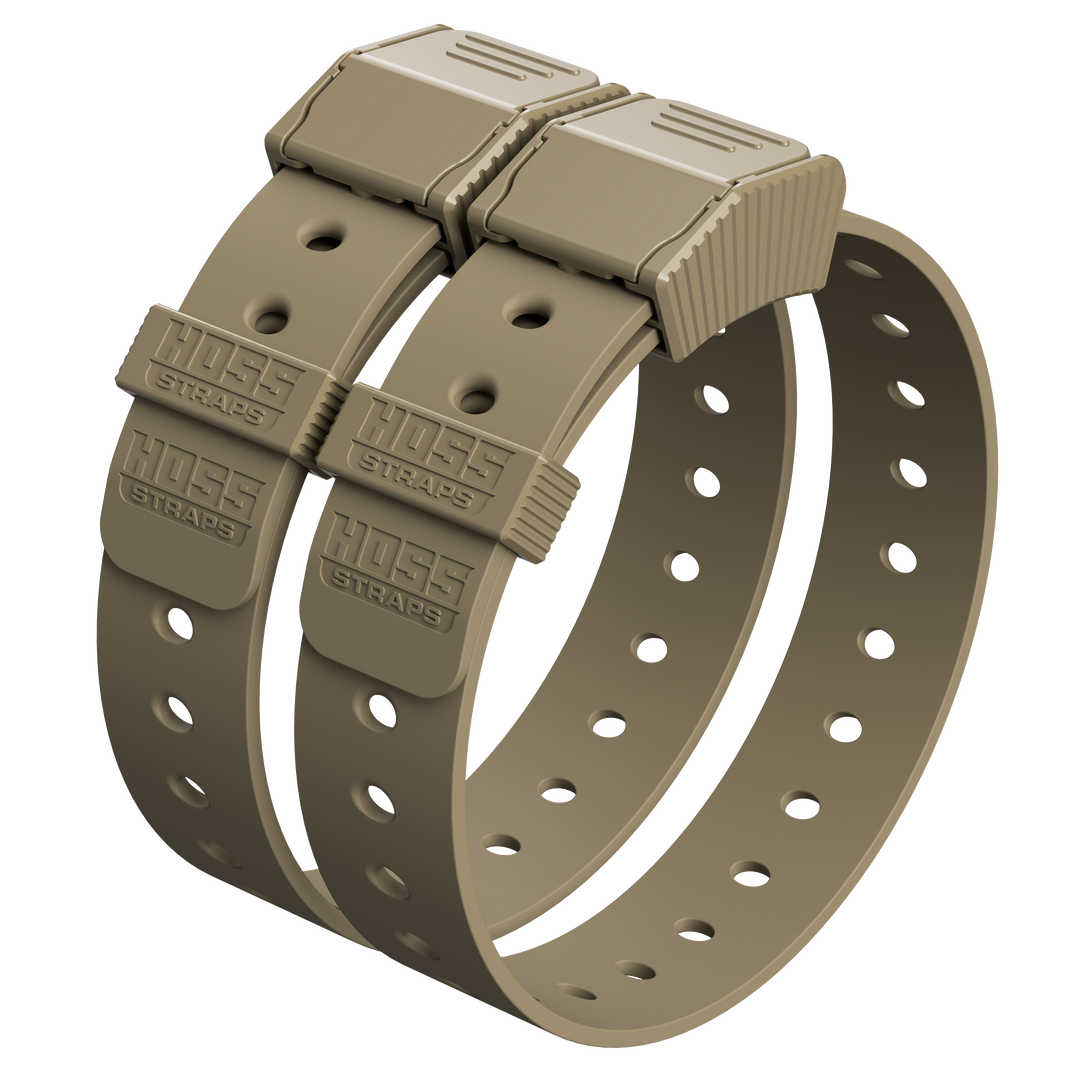
Hoss Straps are built around reusable, weatherproof strap setups for real gear organization. For most everyday jobs, a 24-inch strap gives enough reach for common gear bundles while staying compact enough to store in a pack, drawer, boat compartment, or truck kit.
- Gear Straps are a strong starting point for general outdoor and utility use.
- Light Duty Straps fit small gear, travel organization, and quick everyday bundling.
- Hiking Straps help secure pack add-ons, rolled layers, and trail gear.
- Tool Organization straps keep shop, garage, and work-truck gear easier to grab.
- Weatherproof Straps are the better choice when water, mud, and outdoor exposure are part of the routine.
- Mixed Size Multi Color straps are useful when you want both 12-inch and 24-inch options for different jobs.
For heavier, safety-critical, overhead, vehicle recovery, or rated load applications, always use gear specifically rated for that purpose. Quick-release utility straps are best treated as organization and light-duty securing tools unless the product specifications say otherwise.
How to Choose a Strap With a Quick-Release Buckle

- Start with the load: identify whether you are bundling small gear, securing outdoor equipment, organizing tools, or holding something during transport.
- Choose the right length: 24 inches works for many everyday setups; 12 inches is better for small bundles; longer setups may require connecting straps or choosing a longer product.
- Match the environment: choose weatherproof straps for boats, wet gear, mud, garages, and outdoor storage.
- Check the contact points: avoid sharp edges, hot surfaces, and abrasive corners that can wear the strap early.
- Decide how often you need access: if you release the strap several times a day, a quick-release buckle is usually worth it.
Care and Maintenance
Quick-release straps last longer when they are kept clean, dry, and inspected. After wet, sandy, salty, or muddy use, rinse the strap, clear debris from the buckle, and let everything dry before storage.
- Inspect the strap for cuts, cracking, fraying, or deep abrasion.
- Check that the buckle clicks, releases, and holds normally.
- Store straps away from unnecessary heat, chemicals, and sharp objects.
- Replace any strap that shows damage near the buckle or main tension points.
Frequently Asked Questions
Are quick-release buckles strong enough for heavier gear?
They can be strong enough for many everyday gear jobs, but you should always check the product’s intended use and any stated capacity. Do not use a light-duty quick-release strap for lifting, towing, vehicle recovery, or other rated load applications unless it is specifically designed and rated for that job.
What strap length works best for most uses?
Around 24 inches works well for many outdoor, tool, backpack, boat, and storage setups. Smaller bundles may work better with 12-inch straps, while larger or awkward loads may require longer straps or connected straps.
Are quick-release straps good for hiking and backpacking?
Yes, quick-release straps are useful for securing rolled layers, small dry bags, camp gear, and pack accessories. Keep the load balanced and avoid hanging heavy items where they swing, snag, or affect your footing.
When should I choose a cam strap instead?
Choose a cam strap when you need more cinching tension and a tighter hold. Choose a quick-release buckle strap when speed, repeated access, and simple organization matter more than maximum tension.
How do I keep the buckle working smoothly?
Rinse off dirt, sand, or salt, dry the strap before storage, and inspect the buckle for wear. If the buckle no longer clicks securely or releases cleanly, replace the strap.
Ready to secure your gear faster? Explore Hoss Gear Straps, Light Duty Straps, Hiking Straps, and Tool Organization straps to build a quick-release setup that fits the way you actually use your gear.