


Top-Rated Everyday Dog Collars: Features That Earn Trust

Check out our training collar setup, d-ring dog collar, dog collars, and more!
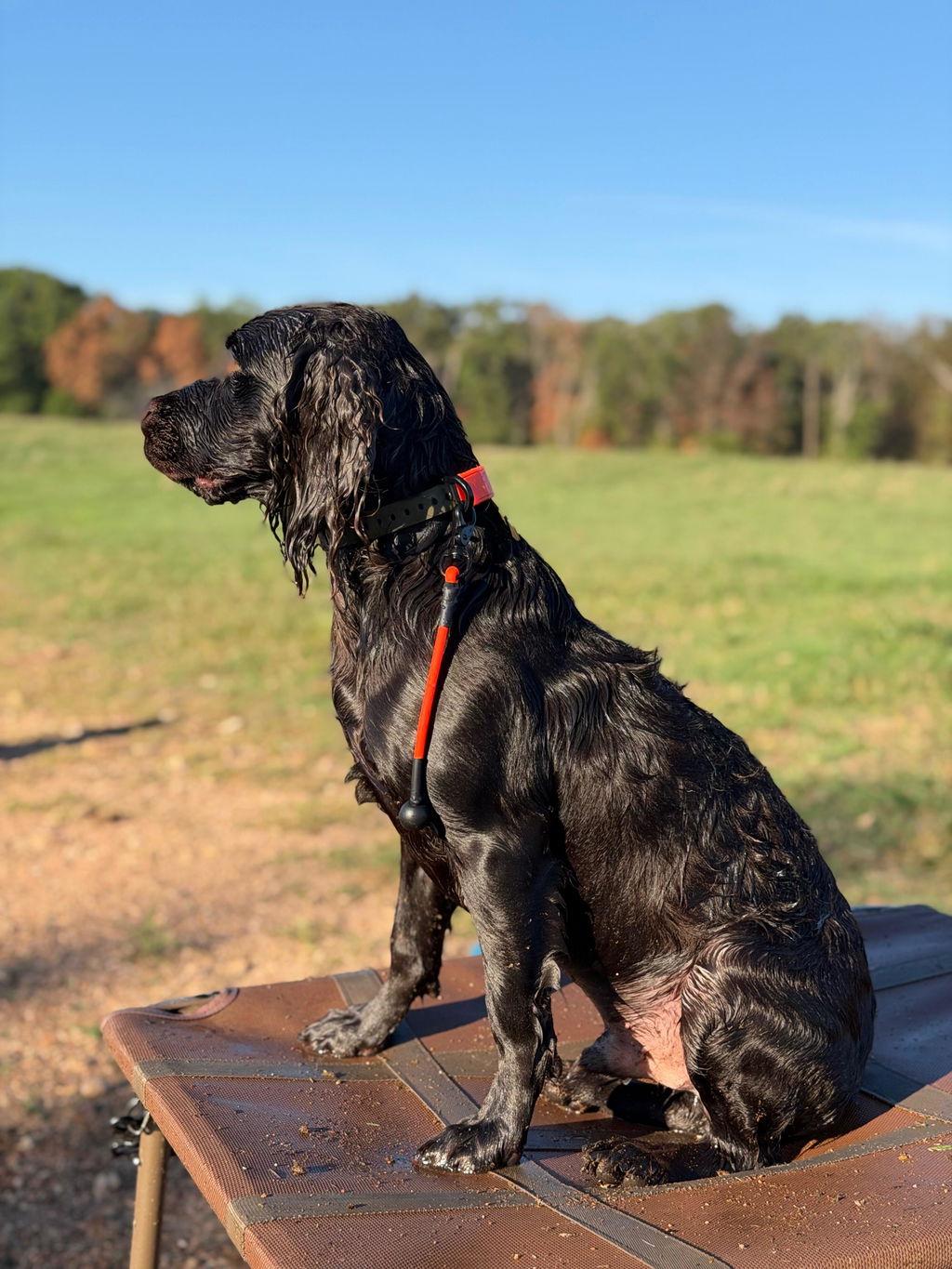
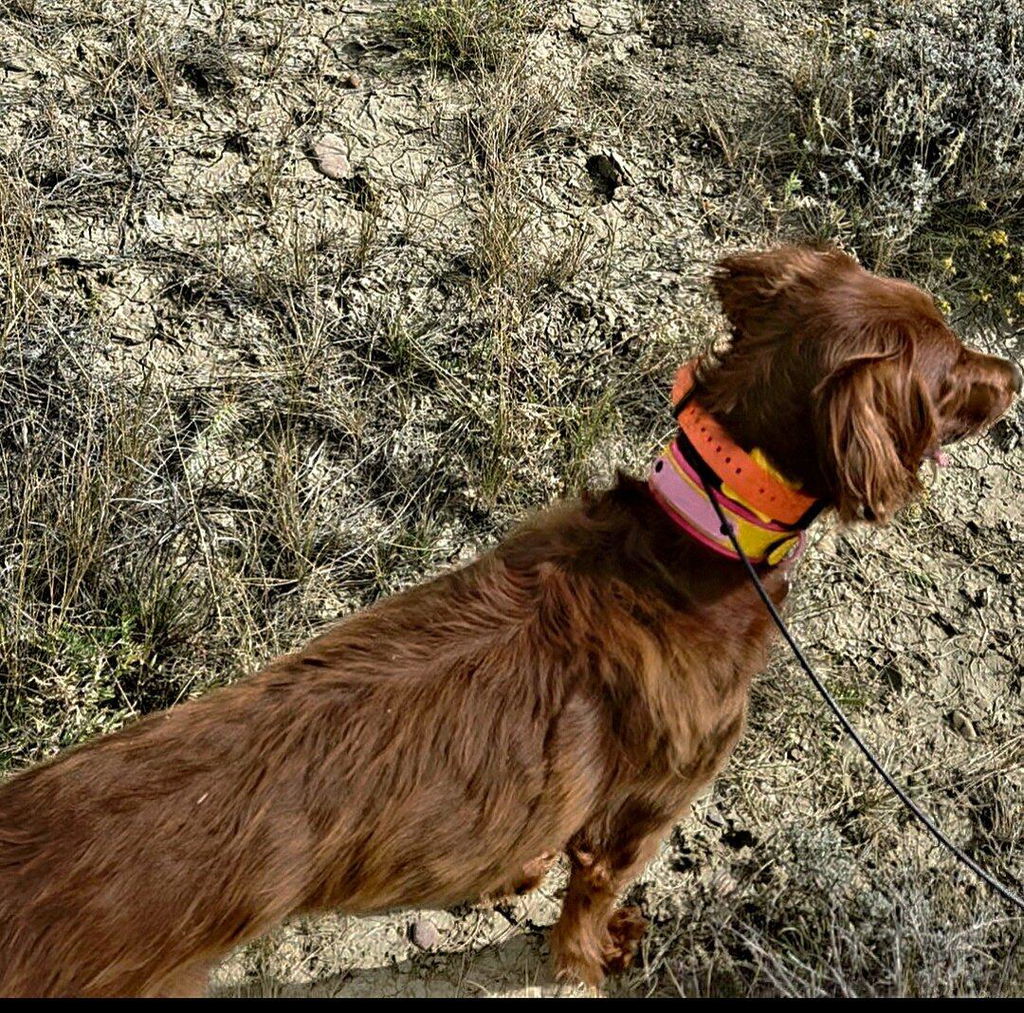
“Top-rated” gets tossed around a lot. For everyday dog owners, it usually comes down to something simpler: a collar that feels comfortable day after day, holds ID like it’s supposed to, and connects to a leash without drama.
This guide keeps it practical. No brand shootout. No hype. Just the features that tend to earn trust—especially for owners shopping for extra-durable everyday dog collars that solve real problems on real walks.
What “top-rated” really means for an everyday collar
An everyday collar has three steady jobs:
-
Hold ID so your dog has a clear way home.
-
Provide a clean connection point for a leash.
-
Stay comfortable through normal life—walks, car rides, yard time, and everything in between.
A standard flat collar is built for that routine, with a closure and a ring meant for ID tags and leash attachment, as described by Humane World for Animals.
The “top-rated” part shows up when those basics are done well—especially where collars usually fail: hardware, fit, and the spots that take daily stress.
Trust feature #1: Hardware that clips clean and stays clipped
If a collar feels solid, it’s usually because the closure and ring do their jobs every time.
Quick-release vs. buckle closures
Most everyday collars use one of two closure styles: a traditional buckle or a plastic snap/quick-release. Either can work if it’s built well and sized correctly. What you’re looking for is simple:
-
A closure that shuts fully (no half-click).
-
No sharp edges that can rub.
-
A consistent feel—it shouldn’t be “sometimes stiff, sometimes loose.”
Quick-release closures are popular for daily use because they’re easy to take on and off. The key is making sure the closure still feels secure after repeated use.
The ring matters more than people think
That metal ring is the collar’s handshake with the leash—and it also takes the chatter of ID tags. A “trusted” collar usually has a ring that:
-
Gives your leash clip enough room to fully seat
-
Doesn’t pinch when the clip swivels
-
Looks smooth and evenly formed (not thin or bent)
Flat collars are typically designed with a ring for tags and leash connection, and collar type/function should be considered carefully—VCA Animal Hospitals stresses focusing on safety, fit, and function when choosing dog collars and equipment (VCA Animal Hospitals).
Stitching and stress zones
Even with great hardware, weak attachment points can end a collar early. When you inspect a collar, give extra attention to:
-
The stitching near the ring
-
The stitching near the closure
-
Any folded ends where the strap loops back
You don’t need to be a gear nerd—just look for neat, even stitching and no loose threads.
Trust feature #2: Fit that stays comfortable on real walks

Comfort is mostly about fit. Too tight is obvious. Too loose can be just as frustrating.
A clean, widely used guideline is the finger-check: you should be able to slide two or three fingers between the collar and your dog’s neck—snug, not squeezing, and not loose enough to slip over the head. That’s the fit guidance from American Humane.
When fit changes (even if the collar didn’t)
Even an “everyday” dog changes through the year—coat thickness, activity level, and normal weight shifts. That’s why it helps to do a quick fit check now and then, especially when seasons change.
Comfort isn’t about padding alone
Padding can help, but it’s not the whole story. A trusted everyday collar is usually:
-
Properly fitted
-
Smooth at contact points
-
Not overloaded with bulky add-ons
If something feels like it’ll rub, catch, or twist, it usually will.
Trust feature #3: Visibility add-ons that stay low-fuss
If you walk early, late, or during winter daylight, visibility becomes part of “everyday.” That can be as simple as reflective details, or adding a light when needed.
Preventive Vet’s nighttime-walking guidance calls out reflective or light-up gear as a practical way to make it easier for drivers to see you and your dog (Preventive Vet).
The goal here isn’t to turn your dog into a billboard. It’s to make sure your dog is easier to spot when light is low.
Trust feature #4: ID that works even if plans don’t
A collar can look great and still fail the “everyday” test if ID is an afterthought.
Tags do the fast work
ID tags are immediate. If your dog slips a leash or gets out a door, tags give a neighbor a clear path to call you.
Microchips back up ID—but don’t replace it
A microchip stores an ID number (not your dog’s medical history), and it relies on the chip being scanned and your registry information being current. That’s explained clearly in AAHA’s microchipping FAQs (AAHA).
In everyday terms: tags are the “right now” solution. Microchips are backup.
Trust feature #5: The collar stays simple (and avoids pain-based tools)
Everyday gear should feel straightforward and calm. Flat collars are designed for daily wear and basic handling.
If you’re shopping in the broader collar world, it also helps to know what a collar is for—and what it isn’t. Humane World for Animals describes flat collars as standard everyday collars, and also outlines how different collar types serve different purposes (Humane World for Animals).
This post stays focused on daily-wear collars. If you’re ever unsure about a tool that relies on discomfort or pressure, it’s worth stepping back and choosing simpler gear.
Shop smarter: a 10-point everyday collar trust checklist
Use this as a fast scan when you’re comparing options.
| Feature | What to look for | Why it earns trust |
|---|---|---|
| Closure feel | Closes fully every time | Less fuss, fewer surprises |
| Ring size | Leash clip seats smoothly | Cleaner connection |
| Ring shape | Smooth, evenly formed | Better wear over time |
| Stitching near ring | Tight, even stitching | Strongest stress point |
| Stitching near closure | No loose threads | Common failure zone |
| Adjustability | Enough range for fit | Helps through coat/season changes |
| Comfort profile | Smooth contact points | Less rubbing on daily miles |
| ID setup | Room for tags without tangling | Keeps info readable |
| Visibility option | Reflective detail or add-on light compatibility | Helps on early/late walks |
| Easy upkeep | Wipeable, quick checks | Keeps it dependable |
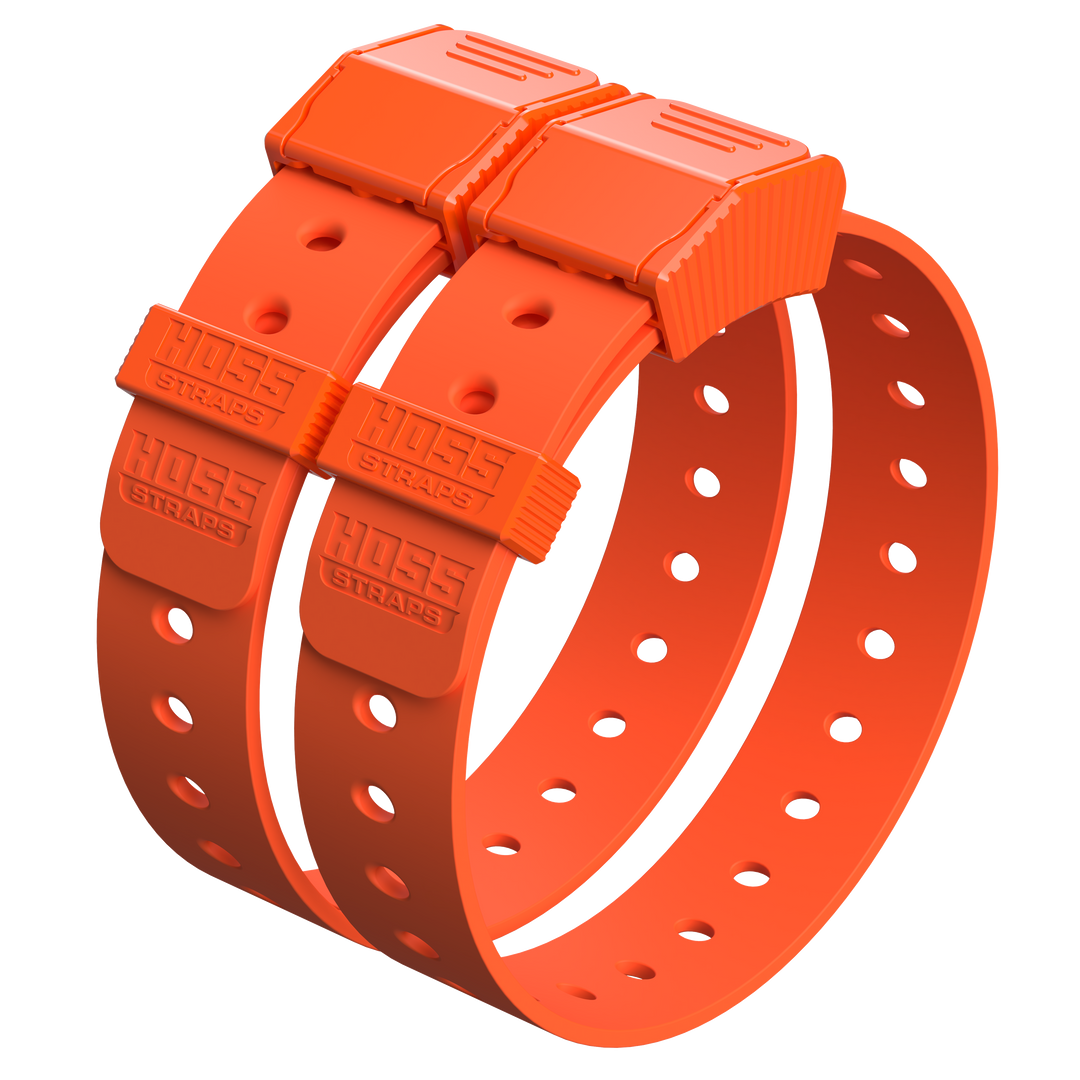
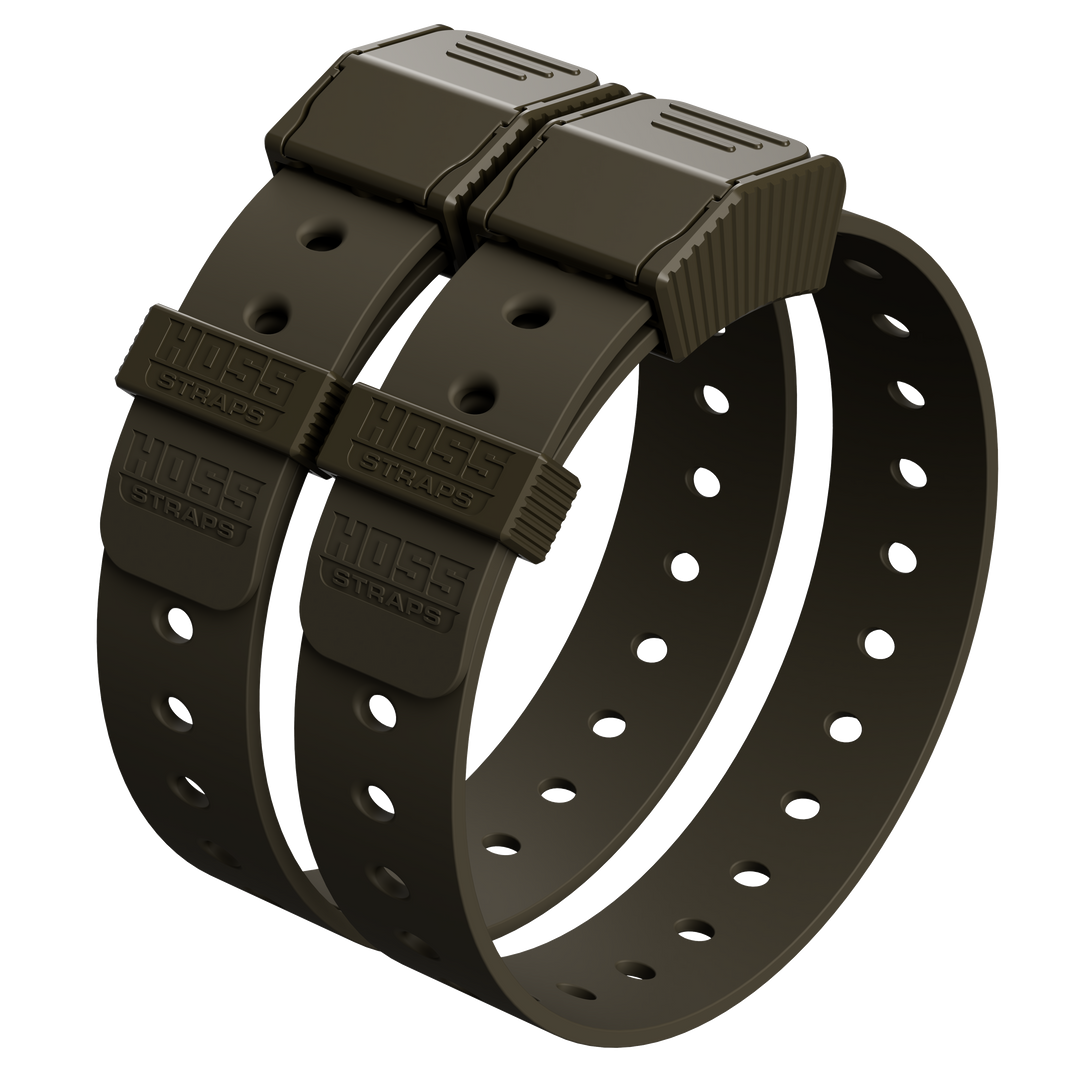
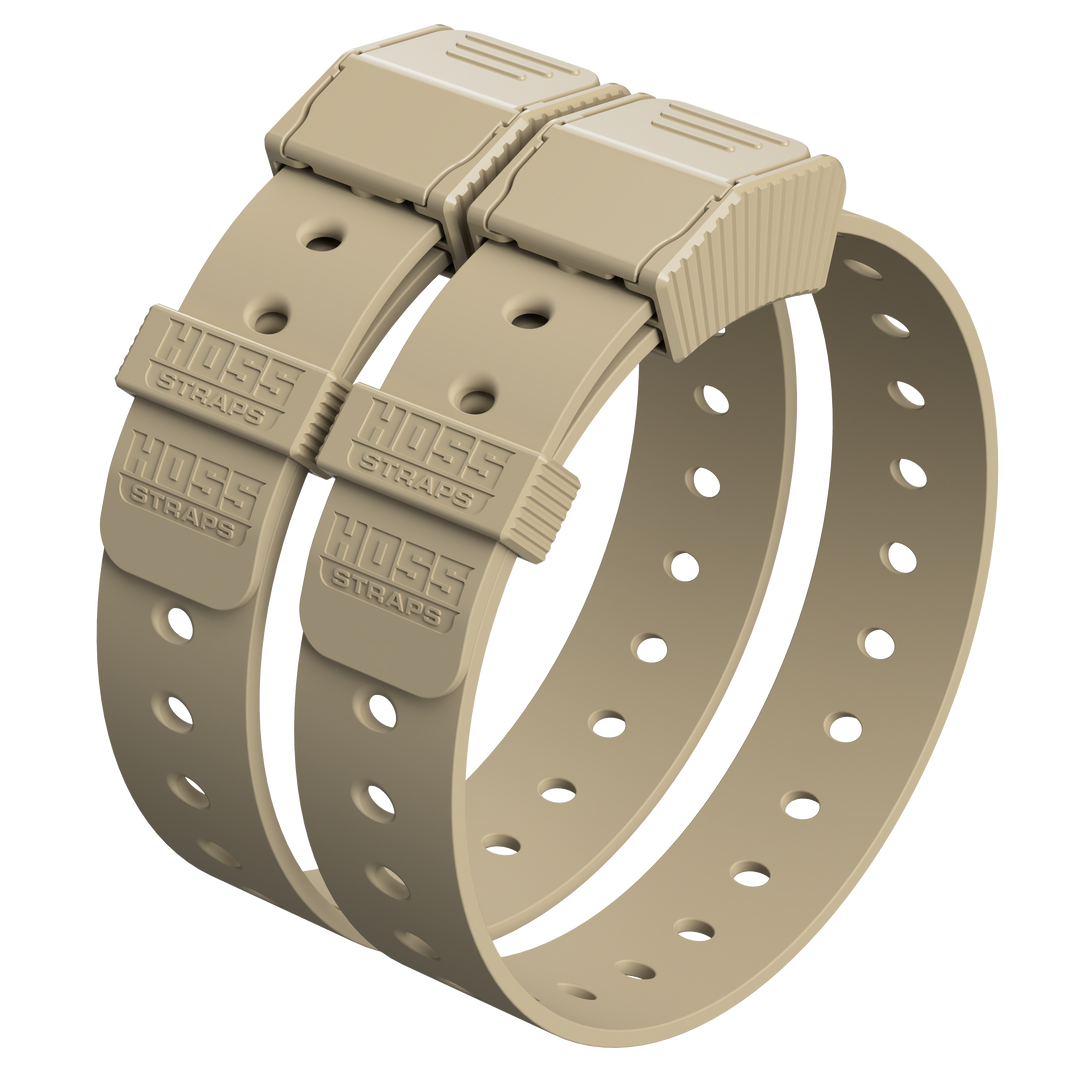
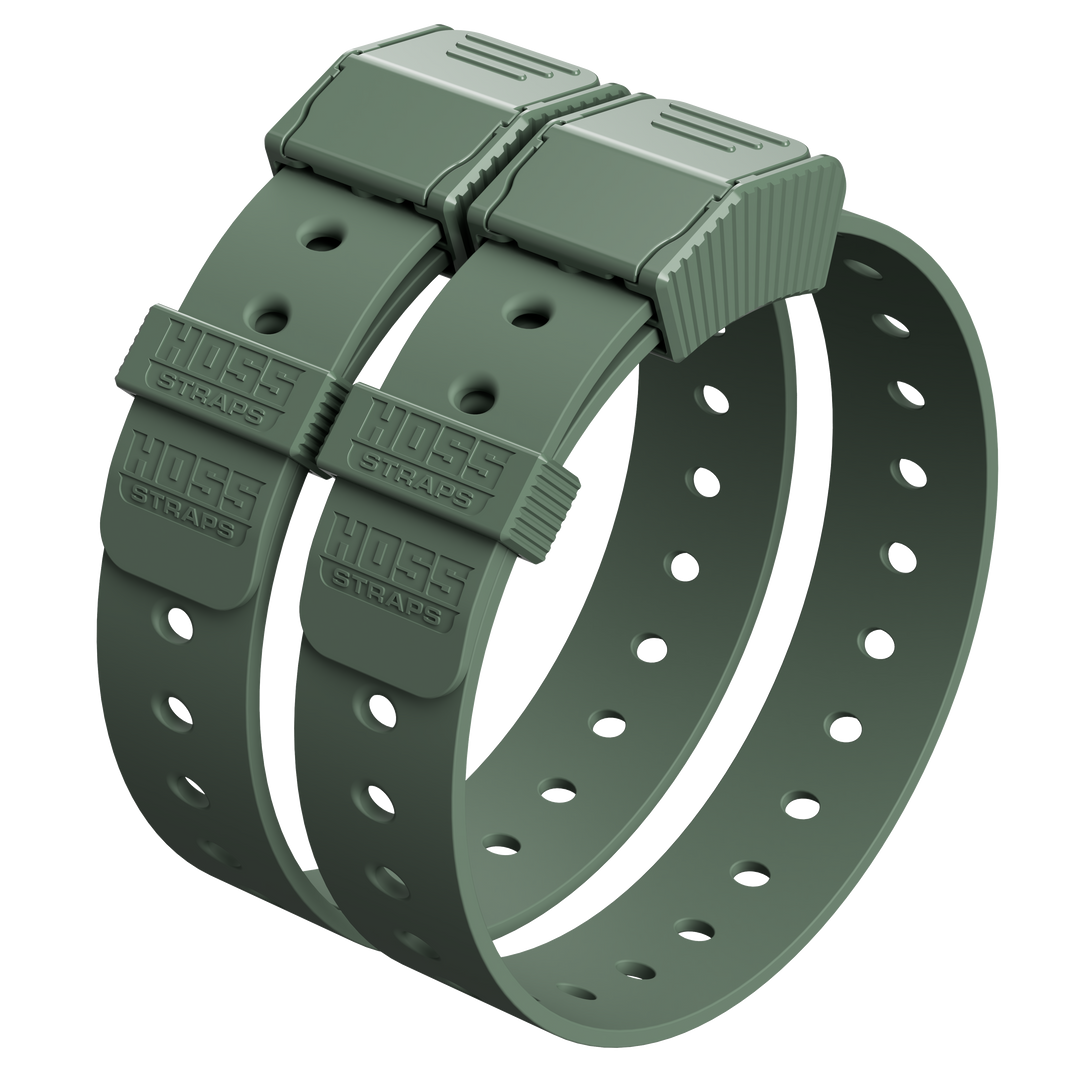
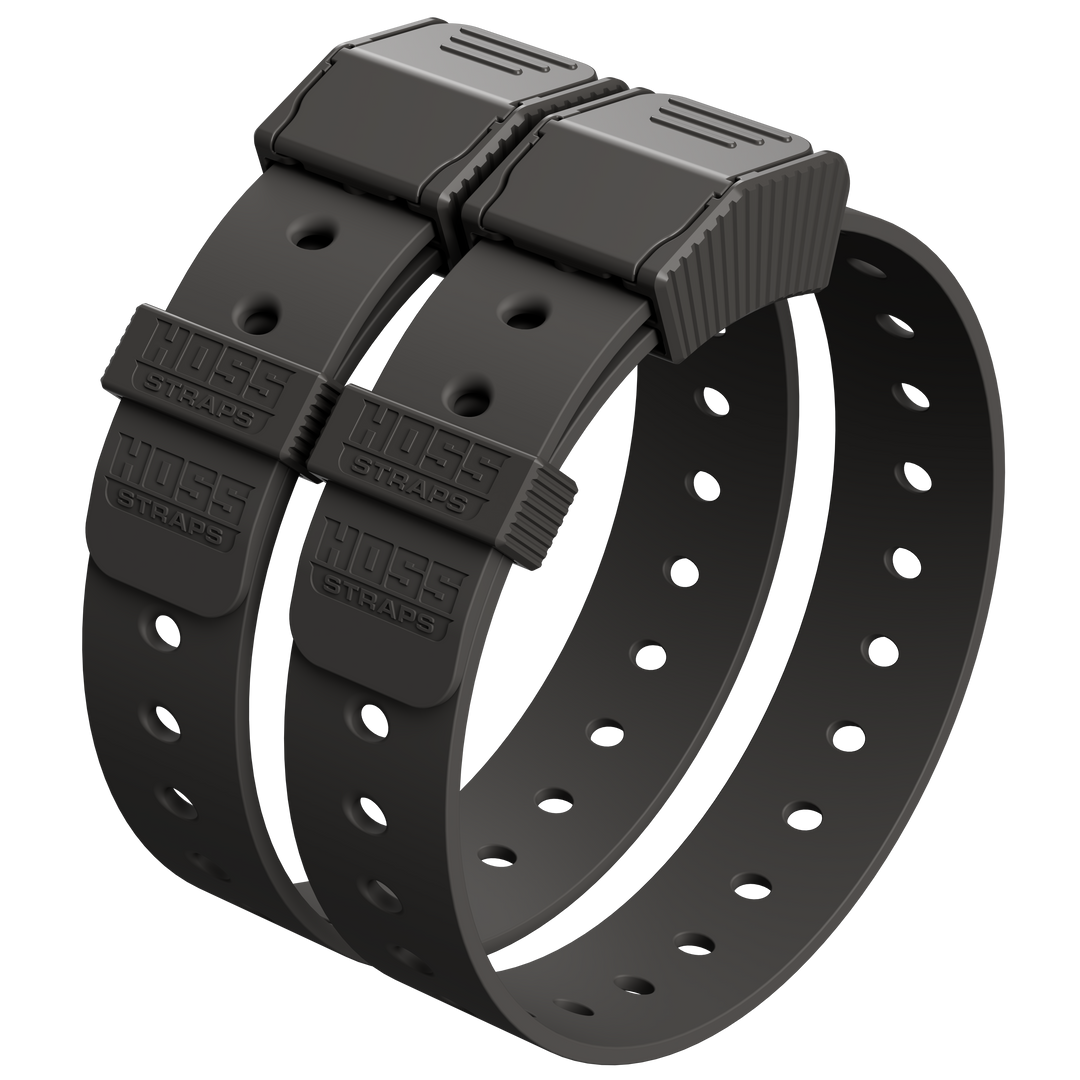
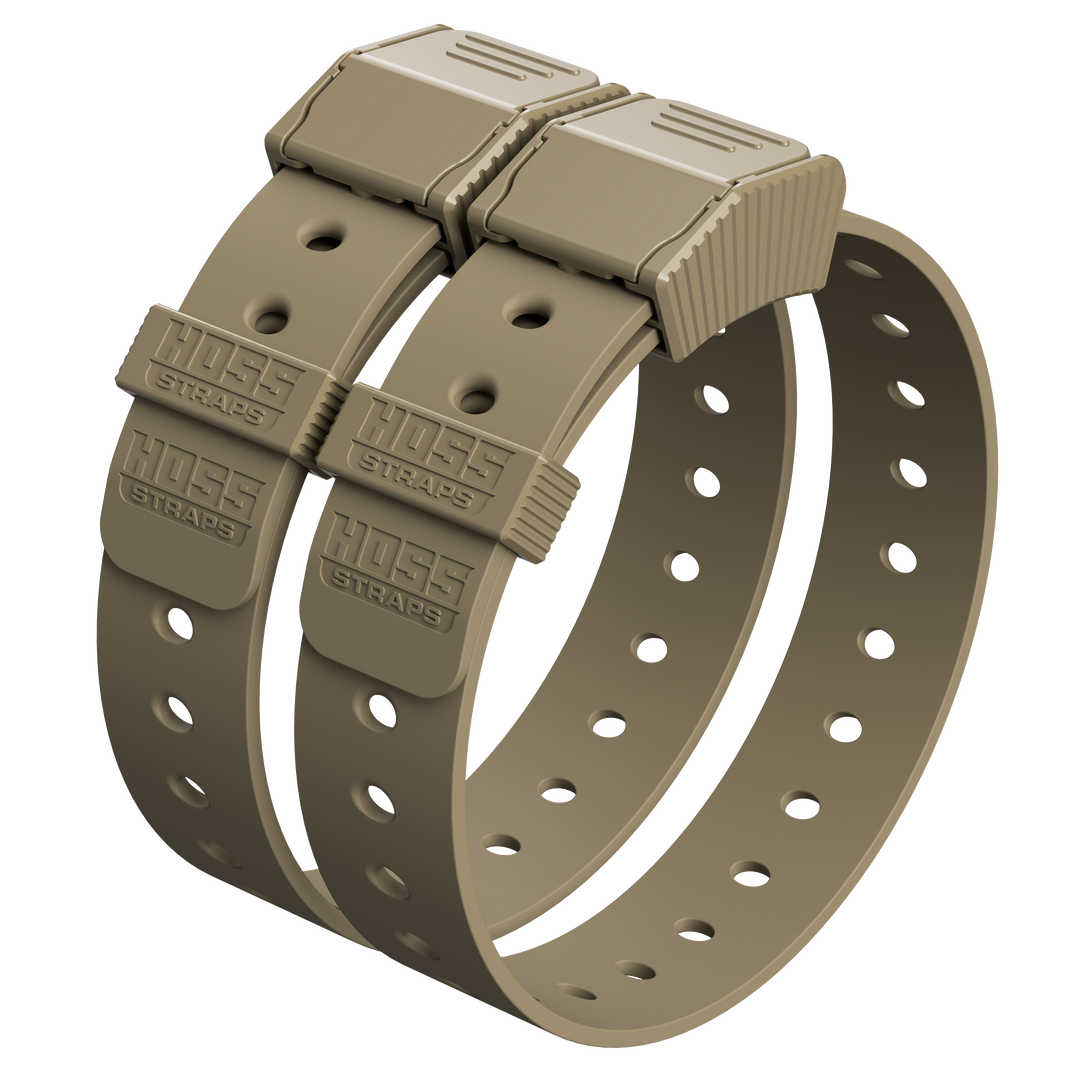
A rugged, everyday-ready option: Hoss Straps collars
If your routine looks like daily miles, weather, and real use, it helps to start with a collar that’s built for that lane.
Hoss Straps collars are designed to be straightforward gear:
-
100% Weatherproof
-
Easy on and off collaring
-
Quick release buckle that clicks into place
-
Removable buckle so you can create custom color combinations
-
Adjustable fit up to a 22-inch neck size
If you want to see the full lineup, start here: Dog Collars
FAQ
1) What makes an everyday dog collar “top-rated” in real life?
“Top-rated” usually points to the same basics: secure hardware, a comfortable fit, and a clean way to carry ID. A standard flat collar is meant to do those jobs daily, with a closure and ring for tags and leash connection.
2) How tight should an everyday collar be?
A practical guideline is being able to slip two or three fingers between the collar and your dog’s neck—snug, but not tight, and not loose enough to slip off. That fit advice comes from American Humane.
3) Do microchips replace ID tags?
Microchips are a strong backup, but they still depend on scanning and updated registry info. AAHA explains that microchips store an ID number tied to your registration details, not a full profile printed on the chip. Tags are still the fastest way for someone to contact you.
4) What collar features help for early morning or nighttime walks?
Visibility is the big one. Reflective details or a light-up add-on can make it easier for drivers to see you and your dog, which Preventive Vet highlights as part of nighttime-walk safety planning.
5) What’s the easiest way to tell if a collar’s hardware is compatible with your leash?
Clip the leash on and make sure the clip fully seats and swivels without binding. A collar’s design and function should support safe, practical use—VCA notes that safety, fit, and function should lead your equipment choices. If it pinches or barely fits, it’s a sign to size up the ring or choose a different clip.