


Understanding the Collar Leash for Dogs System

Check out our training collar setup, d-ring dog collar, and easy dog collars built for comfort.
Your dog's collar and leash aren't just tools—they're a communication system between you and your pet. A well-chosen collar paired with proper leash technique creates clarity, safety, and confidence during walks. Whether you're managing a spirited puppy or navigating a busy neighborhood with your adult dog, understanding how dog collar-leash systems work can transform your walking experience from frustrating to rewarding.
This guide breaks down the key principles of collar-leash systems, explains how to choose the right collar for your dog's needs, and introduces the color-coding system that helps other pet owners understand your dog's temperament at a glance.
The Basics of Dog Collar and Leash Systems
What Makes a Collar-Leash System Work
A dog collar and leash work together as an integrated communication system based on principles of pressure and feedback. When properly fitted and used, your collar becomes the anchor point for the leash, and together they provide immediate, understandable signals to your dog. Unlike verbal commands alone—which dogs don't naturally respond to—a collar and leash communicate through physical feedback that aligns with how dogs naturally interact with one another.
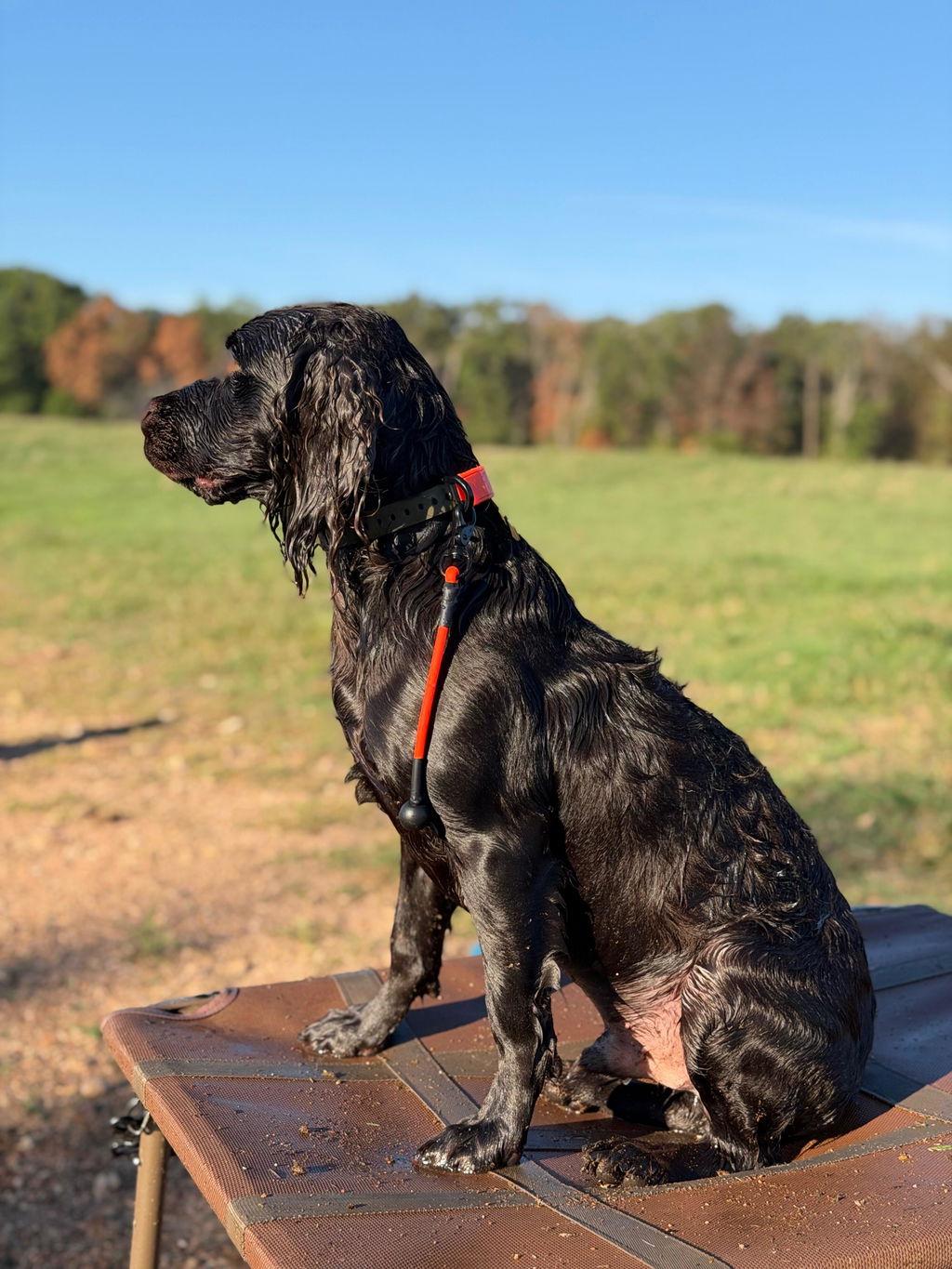
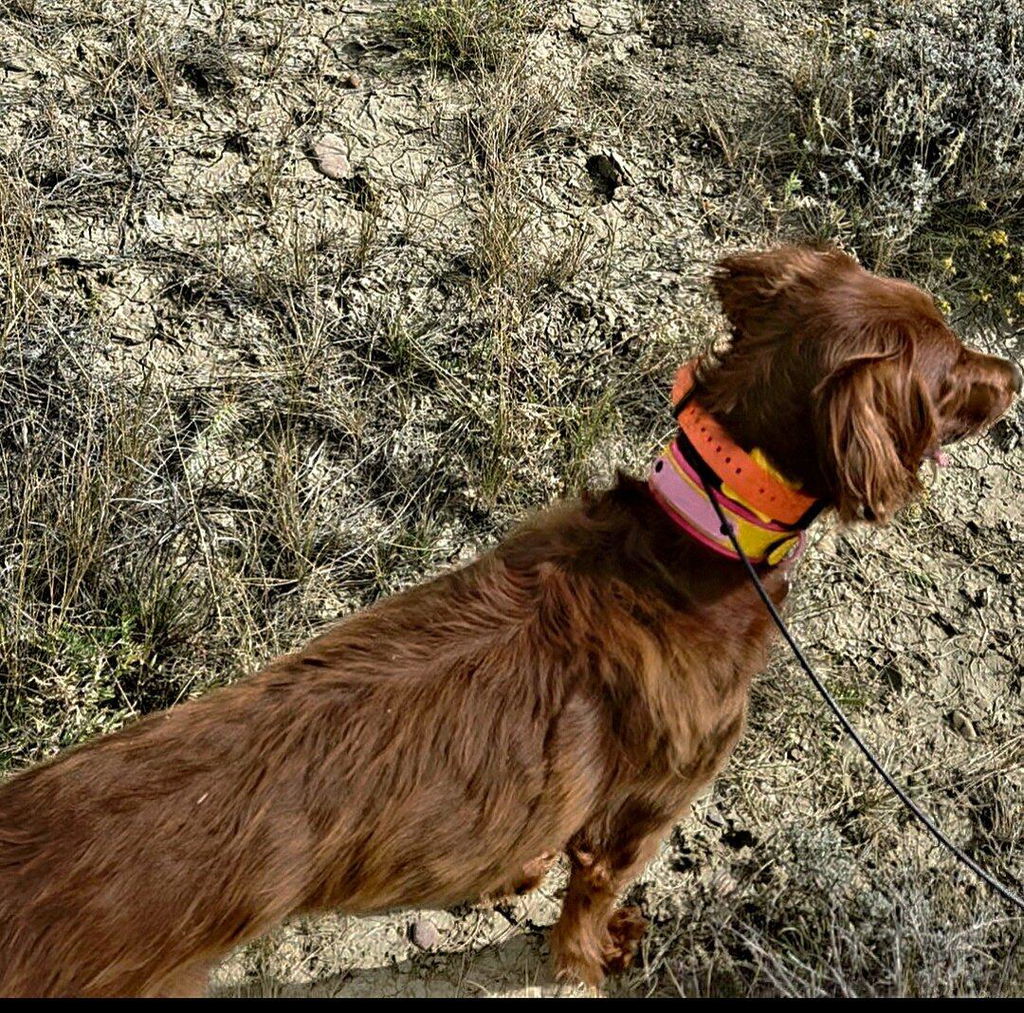
The collar sits high on your dog's neck, positioning it in the natural groove behind the ears. This placement is critical because it allows for sensitive, controlled communication without restricting your dog's airway or causing discomfort. When you apply gentle tension to the leash, your dog feels immediate feedback that encourages them to adjust their behavior—whether that means stopping a pull, slowing down, or turning to face you.
Key Principles of Effective Use
The foundation of any successful collar-leash system rests on three core principles: proper fit, leash tension awareness, and consistent communication.
Proper Fit Matters – A collar that's too tight restricts breathing and causes discomfort; one that's too loose can slip off or fail to communicate effectively. The two-finger rule is the gold standard: you should fit two fingers snugly between the collar and your dog's neck. This ensures your dog is safe and comfortable while maintaining clear communication during walks. Collar sizing varies by dog weight and neck circumference, so always measure before purchasing.
Leash Tension as Communication – A loose leash isn't just pleasant; it's essential for clear communication. Constant tension becomes background noise to your dog—they stop responding because they can't distinguish between normal pressure and corrective pressure. A loose leash allows your dog to explore while you maintain control, and gentle tension communicates specific messages when needed.
Immediate Feedback – Dogs respond best when feedback is immediate and consistent. The moment your dog pulls and you gently guide them back, they're learning. Delayed or inconsistent responses confuse rather than teach.
Types of Dog Collars: Choosing What's Right for Your Dog

Not all collars are created equal. Different designs serve different purposes, and choosing the right one depends on your dog's temperament, size, and behavior.
Flat Collars
Flat collars are the traditional choice for everyday wear and are ideal for well-trained dogs that don't pull significantly. Made from nylon or leather, they're simple, affordable, and versatile. Flat collars typically include a metal D-ring for ID tags and come in a wide range of colors and styles.
Best for: Dogs with calm temperaments, dogs that have already mastered loose-leash walking, and general everyday use.
Why they work: Flat collars provide direct control without additional mechanisms. They're the most straightforward tool in your training arsenal.
Martingale Collars
Martingale collars are designed specifically for dogs with narrow heads—like greyhounds and whippets—that are prone to slipping out of standard collars. Unlike choke chains, martingales tighten gently when pulled but won't restrict your dog's airway or cause choking. They consist of two loops: one around the neck and one that tightens slightly if the dog tries to back out, providing a humane yet secure fit.
Best for: Escape artists, nervous dogs during training, sighthound breeds, and situations requiring more control without using aversive tools.
Why they work: The martingale design prevents slipping while maintaining comfort, making them especially valuable for anxious or skittish dogs that might otherwise panic and slip free.
Quick-Release and Adjustable Features
Safety release collars use breakaway mechanisms or quick-release buckles that automatically detach when excessive force is applied—typically between 15 to 25 pounds of pressure. This feature is life-saving in emergencies when a dog becomes entangled on a fence, tree branch, or in rough play with another dog.
Adjustable collars are equally important, especially as your dog grows or their coat changes seasonally. A collar that fits perfectly today may be too tight next month. Built-in adjustability means you can maintain proper fit throughout your dog's life without buying new equipment constantly.
The Color-Coding System: Communicating Your Dog's Temperament to Others
One of the most valuable tools in modern dog walking is the color-coding collar system. This visual language allows you to communicate your dog's needs and temperament to other dog owners and the public—without saying a word.
Understanding Collar Colors
The color-coding system is widely recognized among dog owners and provides advance warning to others about your dog's personality and behavioral needs. Colors are visible from a distance and help prevent stress and conflict during walks. Here's what each color signals:
Red: Signals caution—your dog needs more space and should not be approached. This may indicate a dog that's reactive, in training, or simply cautious around strangers.
Yellow: Indicates nervousness or anxiety—your dog needs space and gentle approaches. This is particularly helpful for dogs recovering from surgery or with diagnosed anxiety issues.
Green: Signals a friendly, social dog that enjoys interaction and is comfortable meeting other dogs and people.
Blue: Represents calm, trustworthy dogs—often used for emotional support or service animals, indicating a dog with a naturally relaxed manner.
Orange: Signals that your dog should not interact with other dogs and may be reactive or require complete separation.
Purple: Indicates "do not feed"—important for dogs with dietary restrictions or allergies.
Why Behavioral Signaling Matters
Using color to communicate your dog's needs reduces stress and conflict during walks, setting clear expectations for public interactions. When a stranger sees a yellow collar, they immediately understand that your nervous dog needs space—they won't reach down to pet or get too close, which prevents anxiety and potential incident.
For dogs with reactivity issues, a red collar can be the difference between a peaceful walk and a chaotic encounter. For dogs that are friendly, a green collar invites appropriate interaction. This simple visual system supports every dog's well-being by ensuring they're approached in ways that feel safe.
Combining Safety with Communication
The best approach combines color with proper collar fit, durable materials, and visibility features. Reflective materials or neon-colored collars enhance visibility during evening walks, adding a safety layer while still communicating temperament. A well-made collar in the right color ensures your dog stays safe and is understood by everyone they encounter.
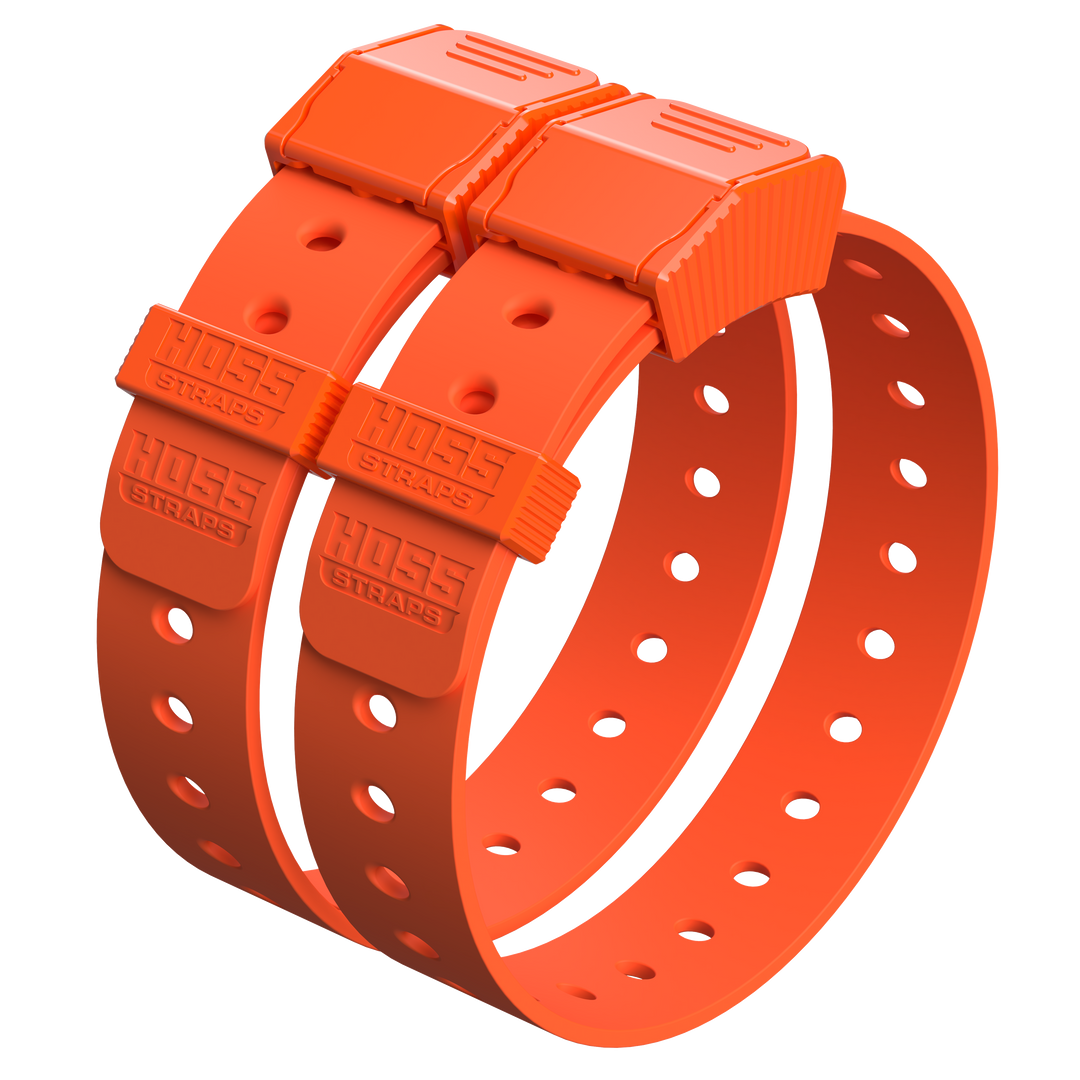
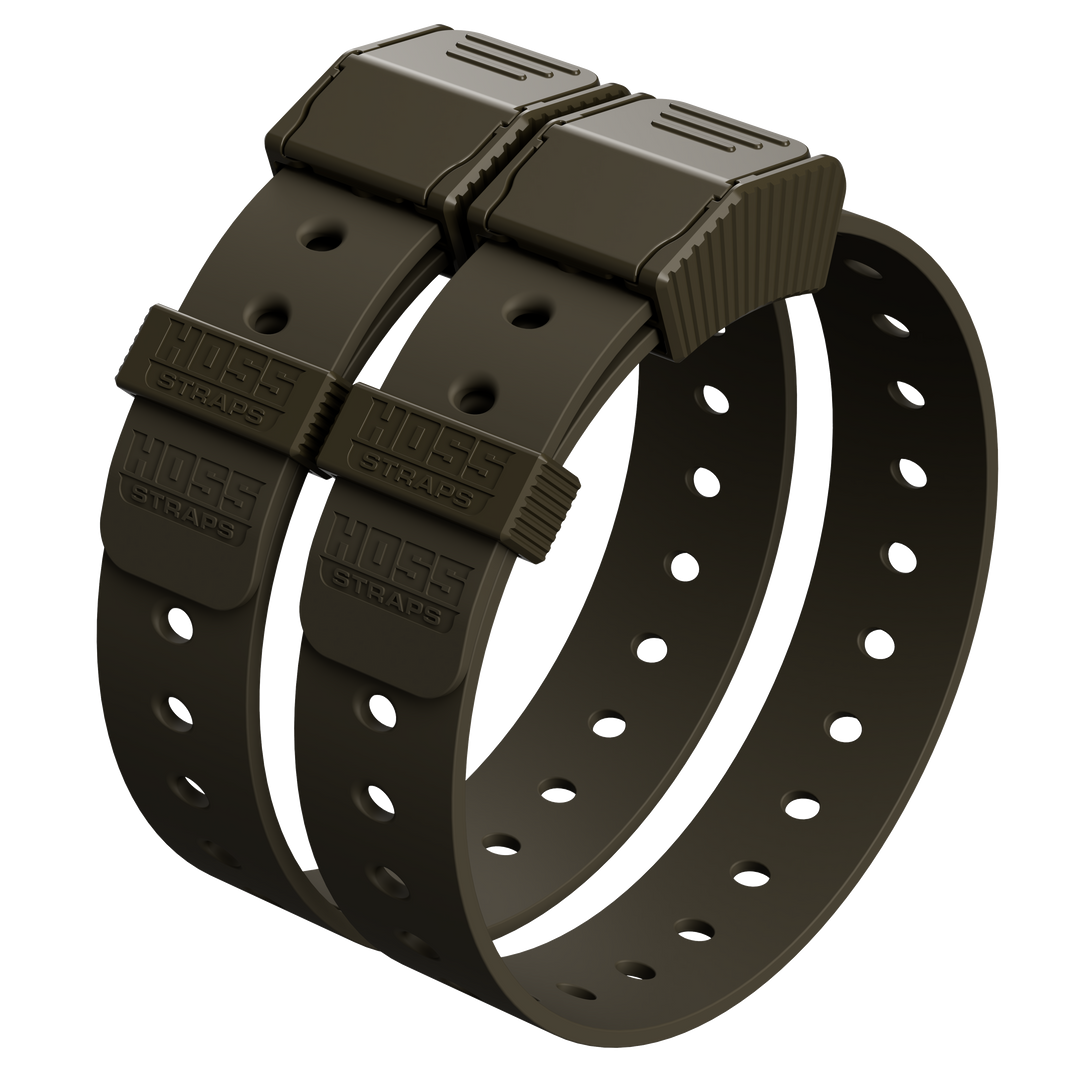
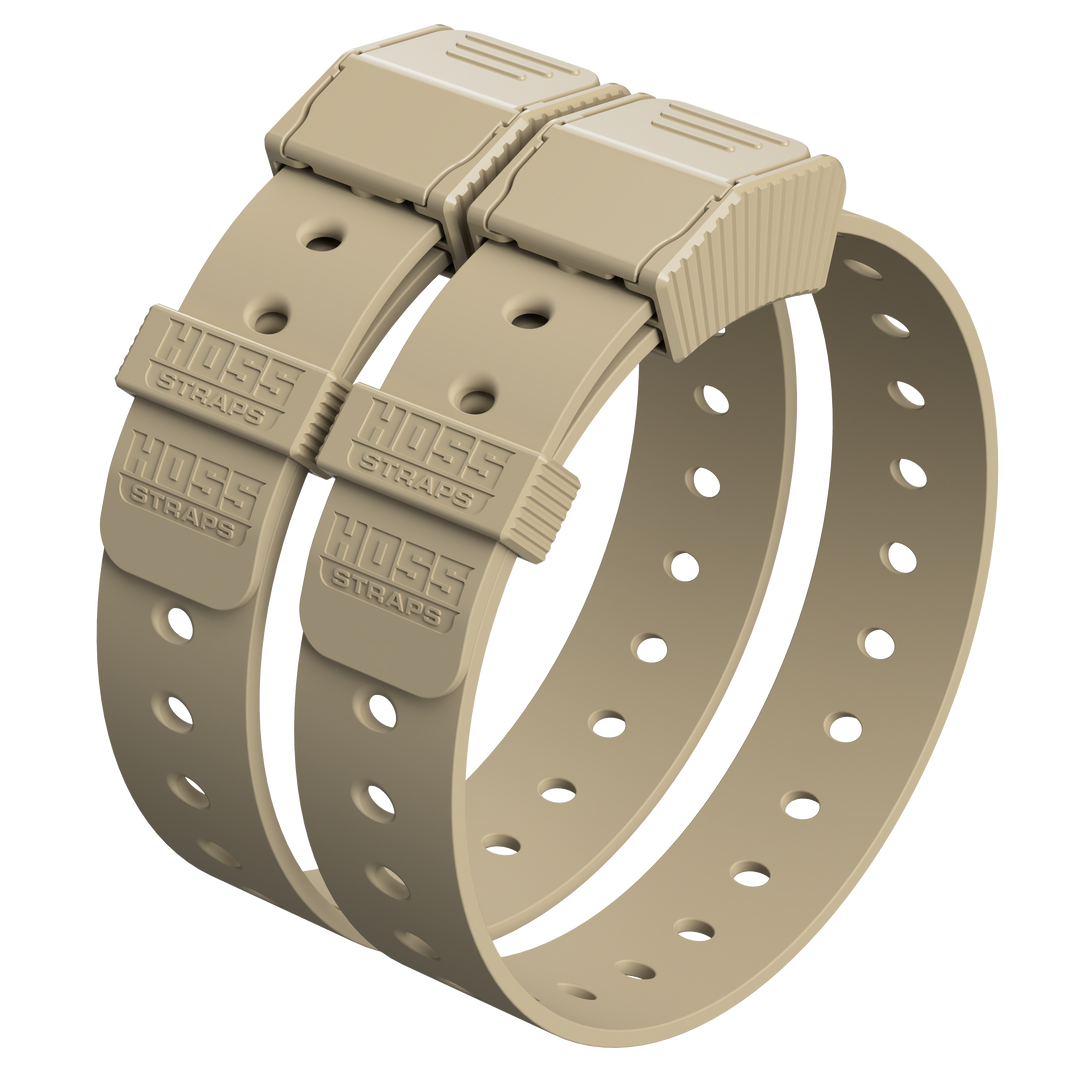
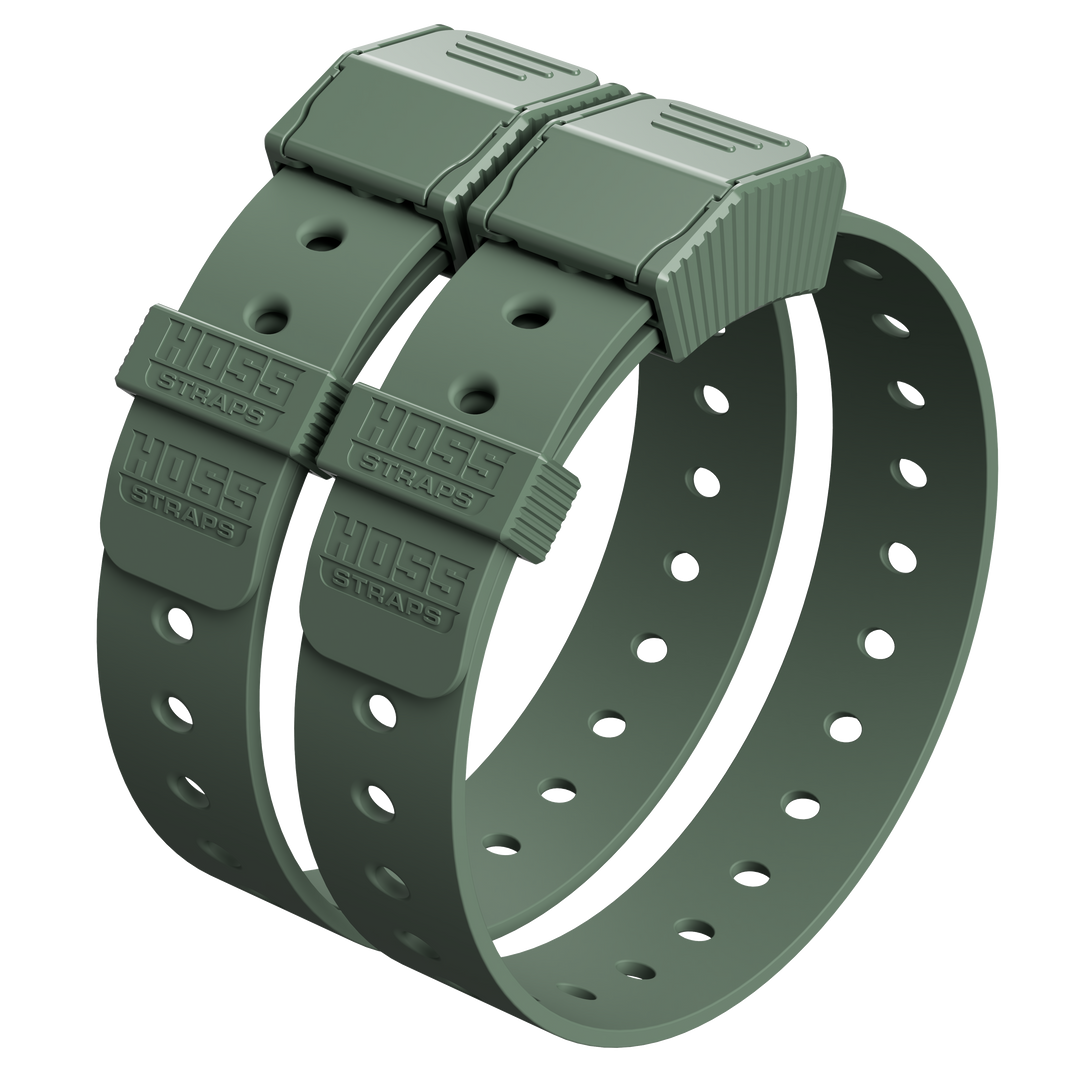
Hoss Straps Easy Dog Collars: Practical Application

When you understand the principles of collar-leash systems, choosing equipment becomes clear. Your collar needs to fit perfectly, communicate clearly, and last through outdoor adventures and daily use.
Features That Support the System
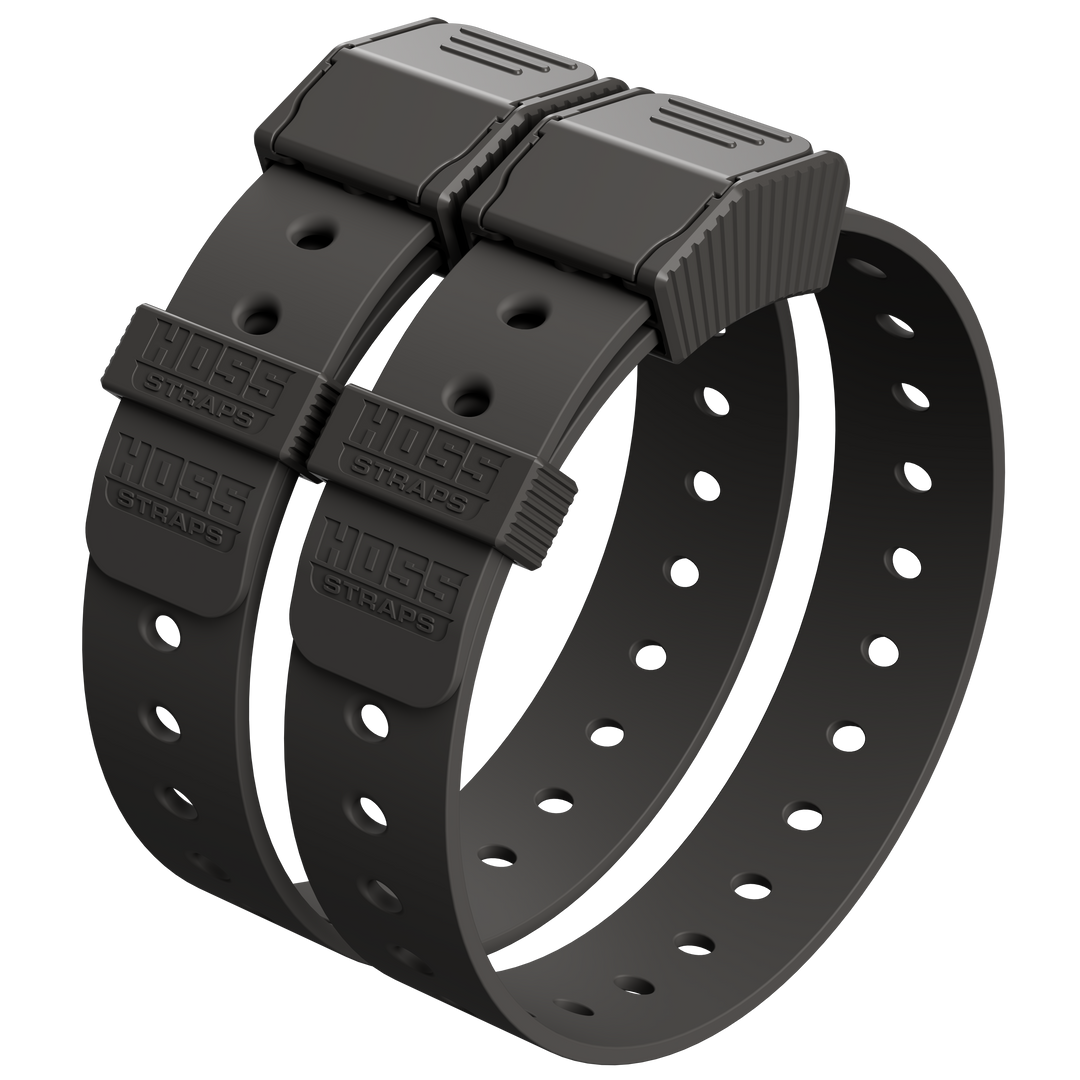
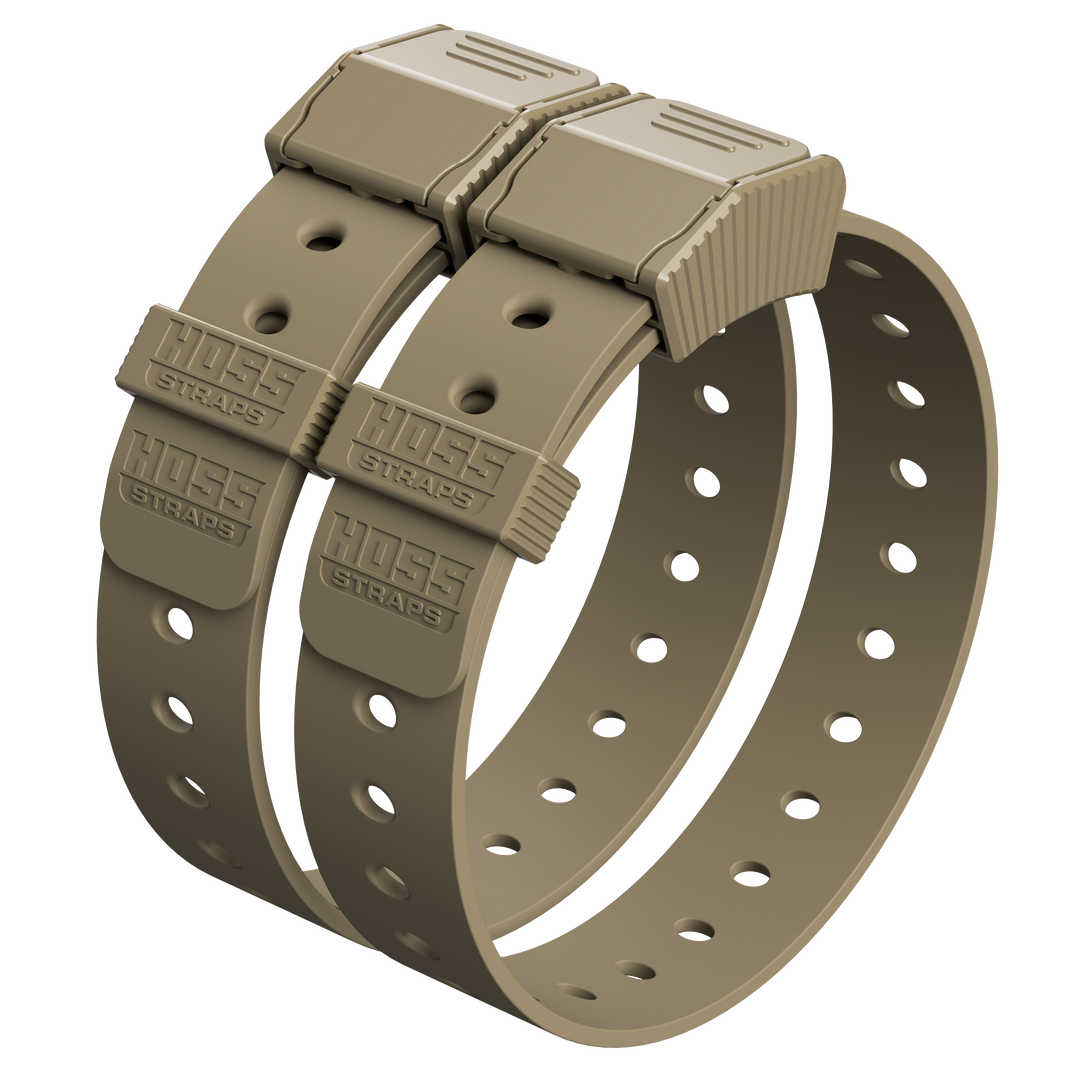
Hoss Straps Easy Dog Collars are designed with these principles in mind. The quick-adjust design makes on-and-off simple—whether for grooming, training, or outdoor play. This convenience means you're more likely to use your collar consistently and correctly, which directly supports effective communication and safety.
Quality materials built for durability ensure your collar performs reliably during pulls, tugs, and outdoor explorations. An adjustable collar that expands as your dog grows eliminates the need for frequent replacements and maintains consistent fit throughout your dog's life. Multiple attachment points for ID tags and leash connections give you flexibility in how you set up your dog's walking system.
How Easy Collars Fit Into Your Walking Routine
Easy-on, easy-off collars reduce friction in your daily routine, making proper collar use more sustainable. When putting on a collar is fast and frustration-free, you're more likely to use it every time—no cutting corners or leaving the house without proper equipment. This consistency translates directly into better leash manners and more confident walks.
For dogs that need to wear their collar throughout the day (with proper fit checks), quick-adjust features prevent accidental overtightening during growth or seasonal coat changes. Reliable construction means you trust your collar during active outdoor adventures, knowing it will stay secure whether you're hiking, playing, or navigating a busy urban street.
Best Practices for Safe and Effective Walking
Beyond choosing the right collar, how you use it matters equally. These best practices ensure your system works optimally for both safety and communication.
Proper Fit and Measurement
Start by measuring your dog's neck accurately—collars should sit higher on the neck than you might expect. Use a soft measuring tape and write down the measurement. Most collar sizing charts reference this neck measurement specifically.
Apply the two-finger rule: when your collar is fastened, slide two fingers between the collar and your dog's neck. If you can't fit two fingers, it's too tight. If you can fit more than two fingers easily, it's too loose. Check this fit weekly, especially for puppies and growing dogs.
Signs that a collar doesn't fit properly include behavioral changes, chafing, hair loss, scratches, redness, or if your dog frequently licks or bites at the collar. Address fit issues immediately to prevent discomfort and skin irritation.
Using the Leash as a Communication Tool
Loose-leash walking starts with a properly fitted collar and clear understanding that tension communicates. When your dog pulls and you apply gentle tension, they learn that pulling creates pressure—and relaxing the leash removes it. This cause-and-effect relationship teaches leash manners without force.
Practice consistent response: when your dog pulls, gently guide them back without yanking or jerking. Release pressure immediately when they comply. This immediate feedback builds understanding faster than any other method. Over time, many dogs learn to walk with a loose leash naturally, anticipating your guidance rather than reacting to pressure.
Common Mistakes to Avoid
Collars that are too tight – Beyond discomfort, overly tight collars restrict communication. Your dog can't tell the difference between normal fit and corrective tension, so they stop responding.
Collars that are too loose – A loose collar can slip off, defeating its purpose entirely. It also prevents effective communication because the dog doesn't feel the feedback you're trying to provide.
Forgetting to adjust during growth – Puppies and young dogs grow quickly. A collar that fits perfectly at eight weeks may be choking by twelve weeks. Monthly fit checks prevent this common problem.
Ignoring signs of discomfort – If your dog is scratching, has hair loss, or shows behavior changes, address the collar fit immediately. These are clear signals that something isn't right.
FAQ: Common Questions About Dog Collar and Leash Systems
Q: What's the difference between a flat collar and a martingale collar?
A: Flat collars are simple, straightforward tools ideal for everyday use on dogs that don't pull significantly. Martingale collars have a special design with two loops that tighten gently when a dog pulls or tries to back out, making them ideal for escape artists and narrow-headed breeds like greyhounds. Neither should be left on unsupervised dogs.
Q: How do I know if my dog's collar fits properly?
A: Use the two-finger rule: you should fit exactly two fingers snugly between the collar and your dog's neck. If you can't fit two fingers, it's too tight. If you can fit more than two fingers easily, it's too loose. Check the fit weekly, especially during growth stages and seasonal coat changes.
Q: What does each collar color mean when walking my dog?
A: Colors communicate your dog's temperament and needs: red signals caution, yellow indicates nervousness, green means friendly, blue represents calm and trustworthy, orange signals no interaction with other dogs, and purple means do not feed. This visual system helps other dog owners and the public understand how to interact appropriately with your dog.
Q: When should I use a quick-release collar?
A: Quick-release or breakaway collars automatically detach when excessive force is applied (typically 15-25 pounds of pressure) and are essential for dogs that spend unsupervised time in yards, play with other pets, or explore environments where entanglement is possible. They're lifesaving in emergencies without affecting normal walking.
Q: How often should I check my dog's collar fit?
A: Check your dog's collar fit at least weekly, particularly for puppies and growing dogs whose necks change size quickly. Also check during seasonal coat changes when your dog's neck may appear thicker or thinner. A collar that fits perfectly today may be uncomfortable next month—consistent monitoring prevents problems before they develop.