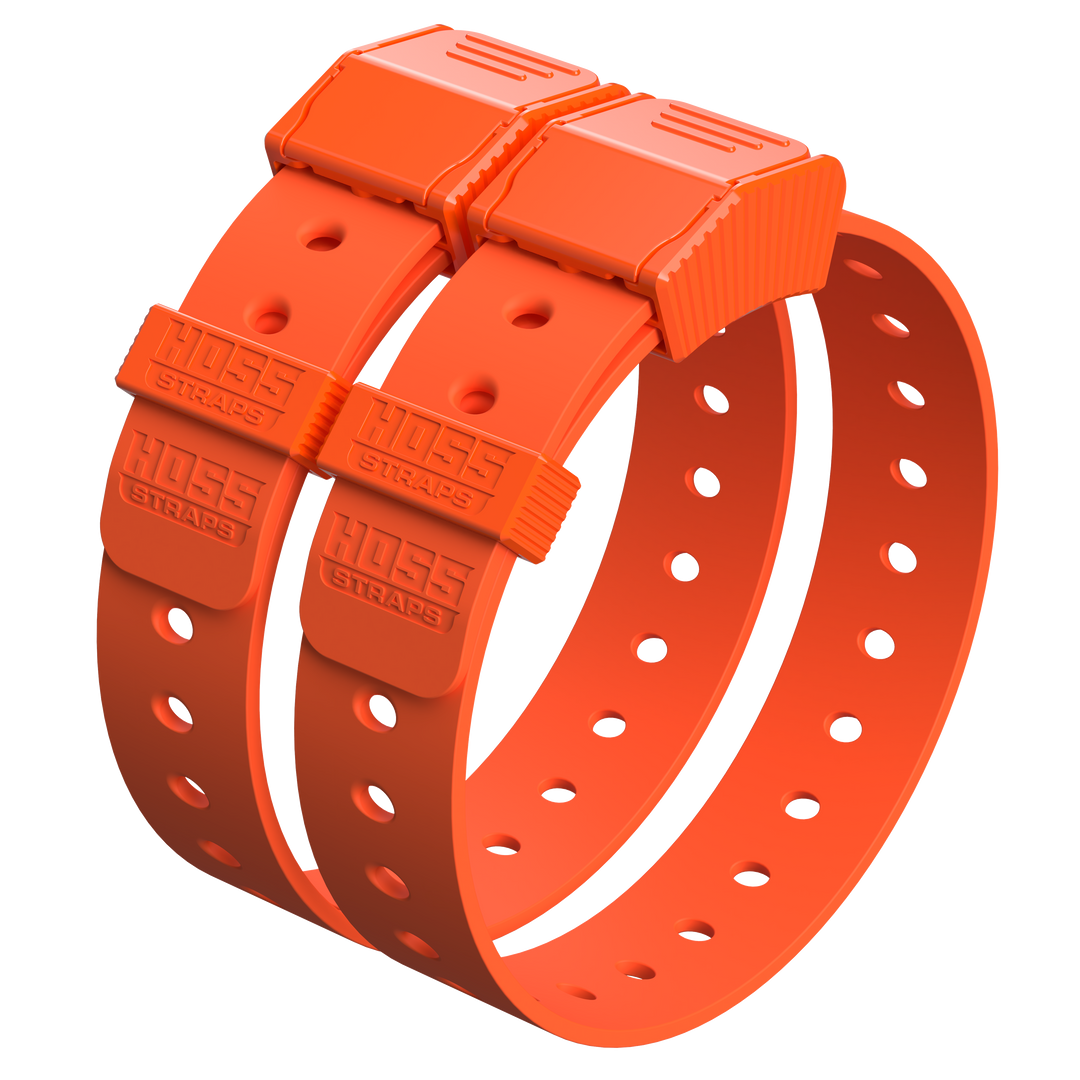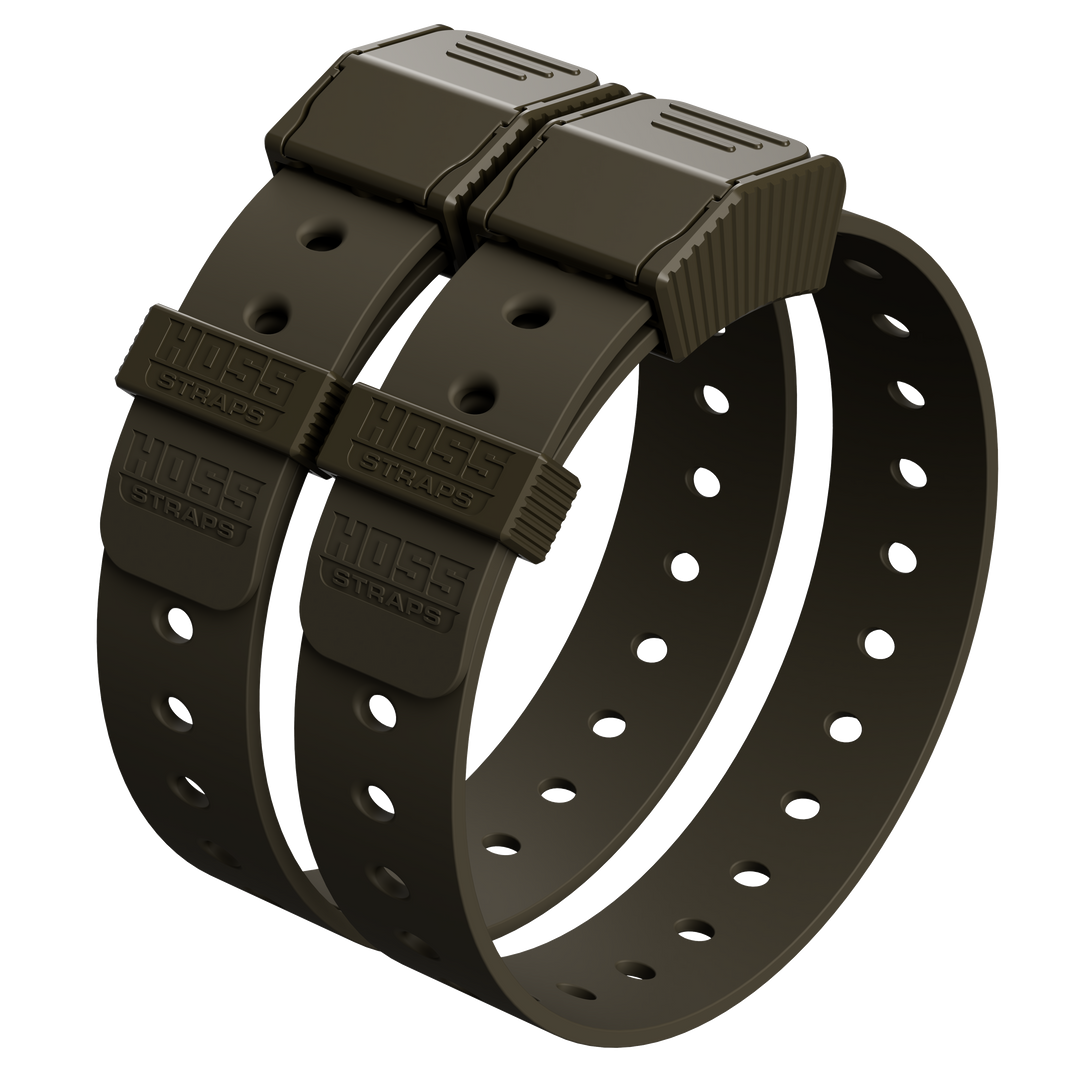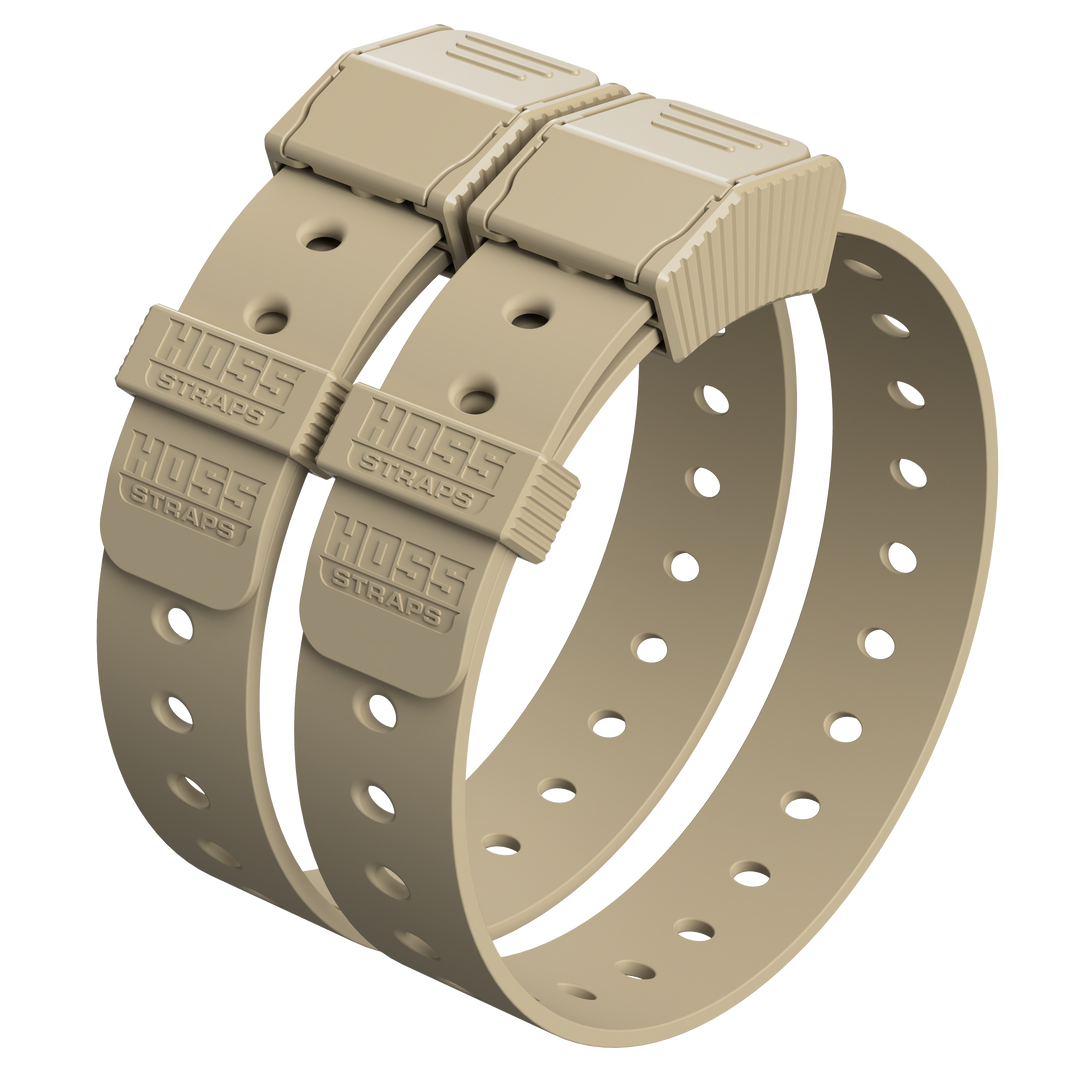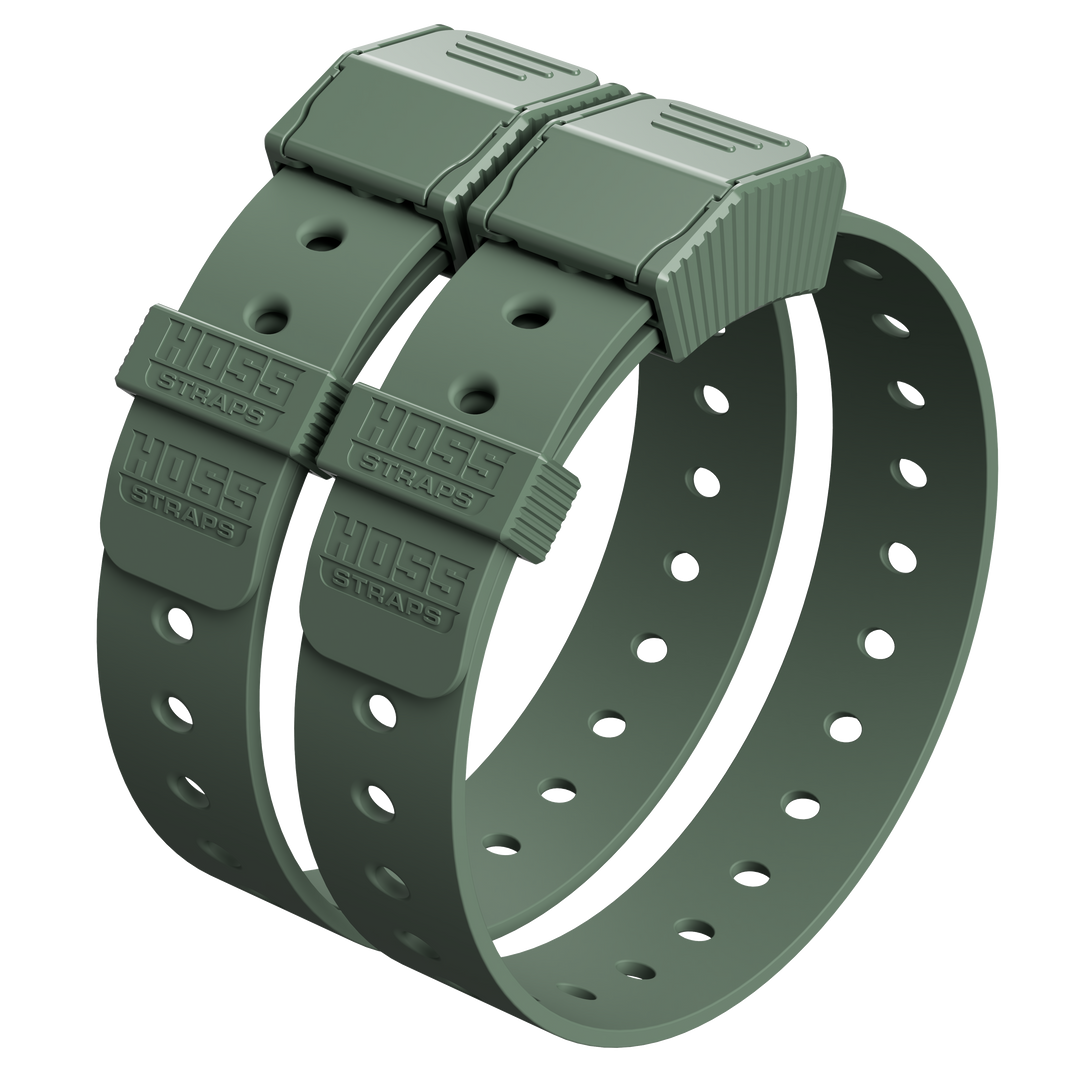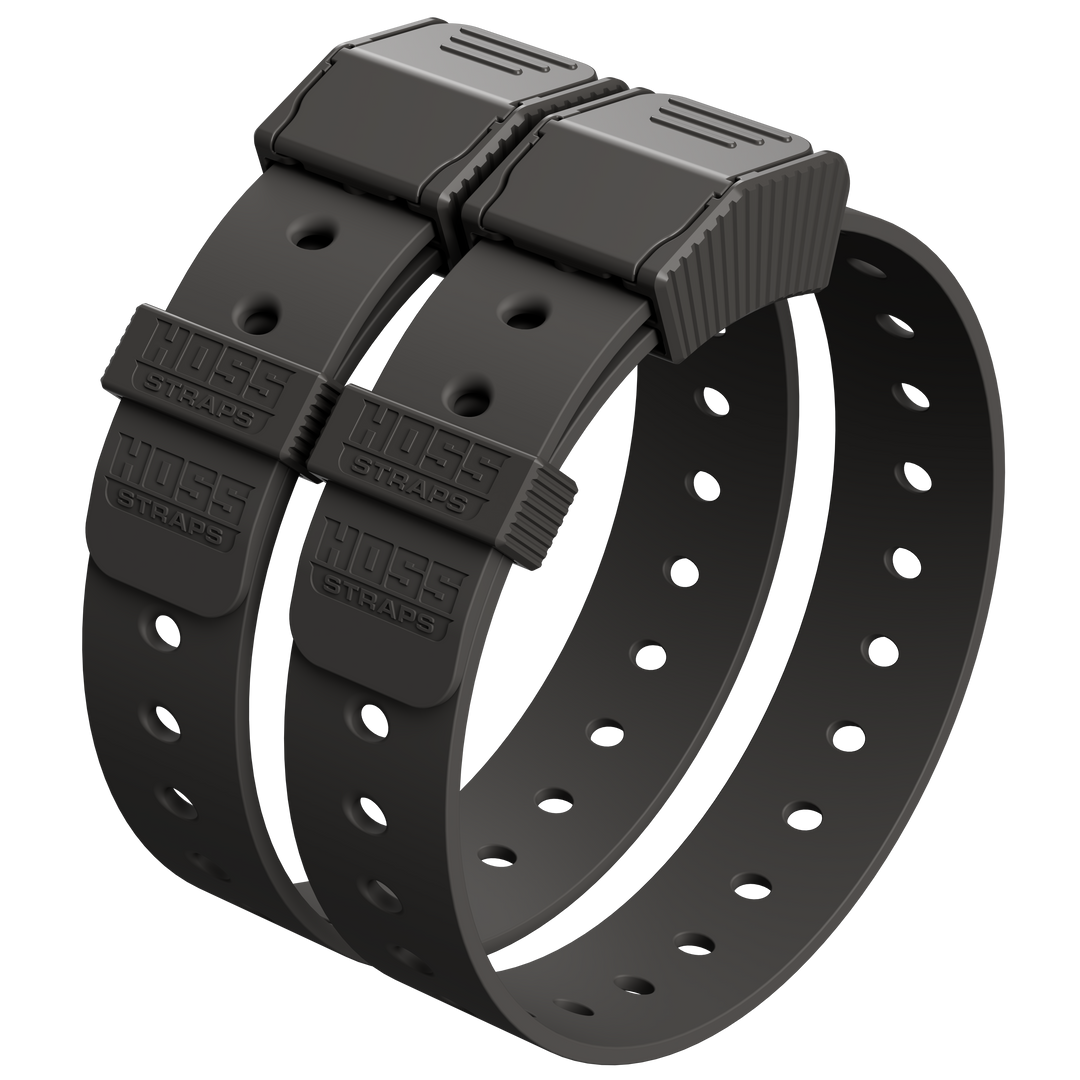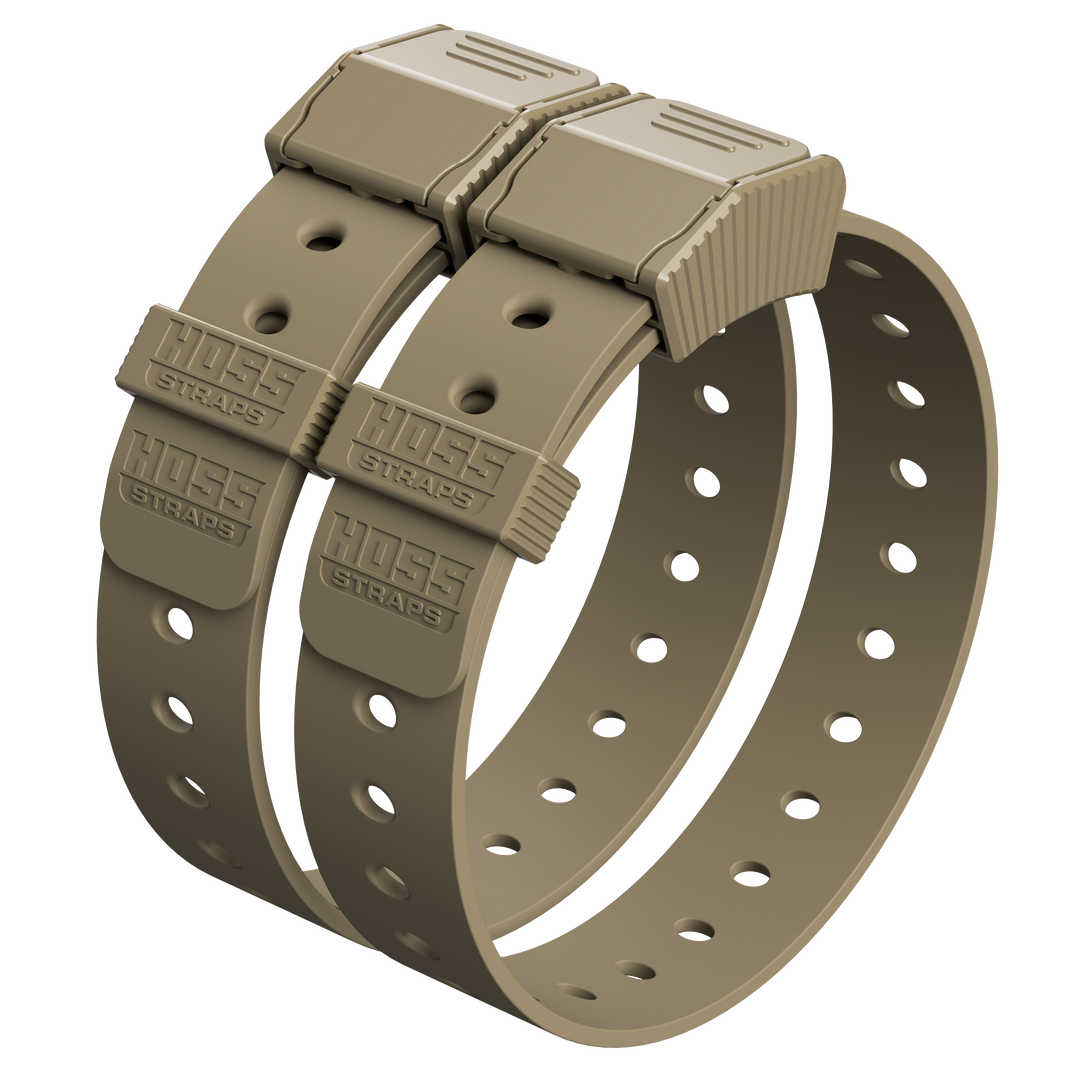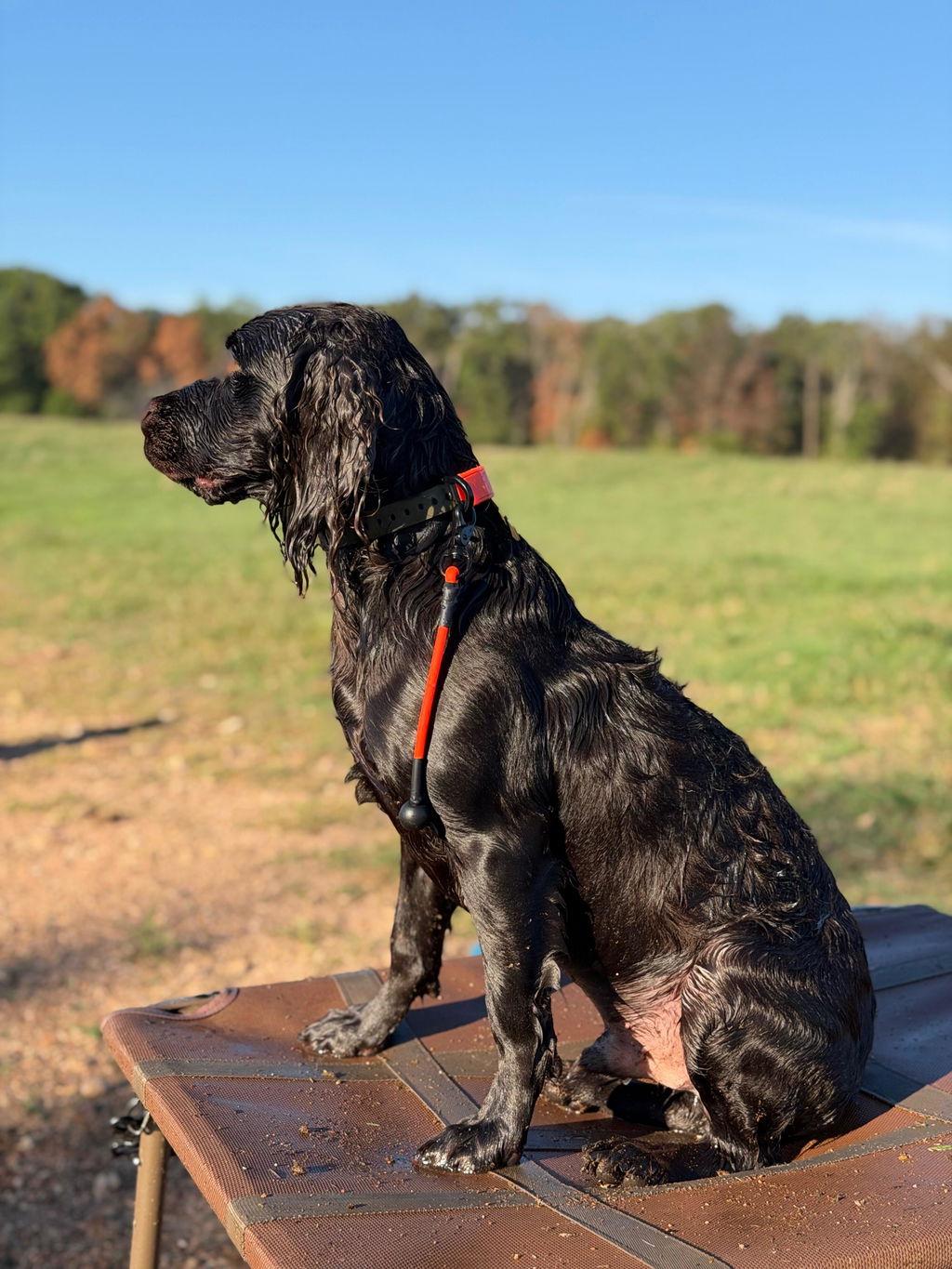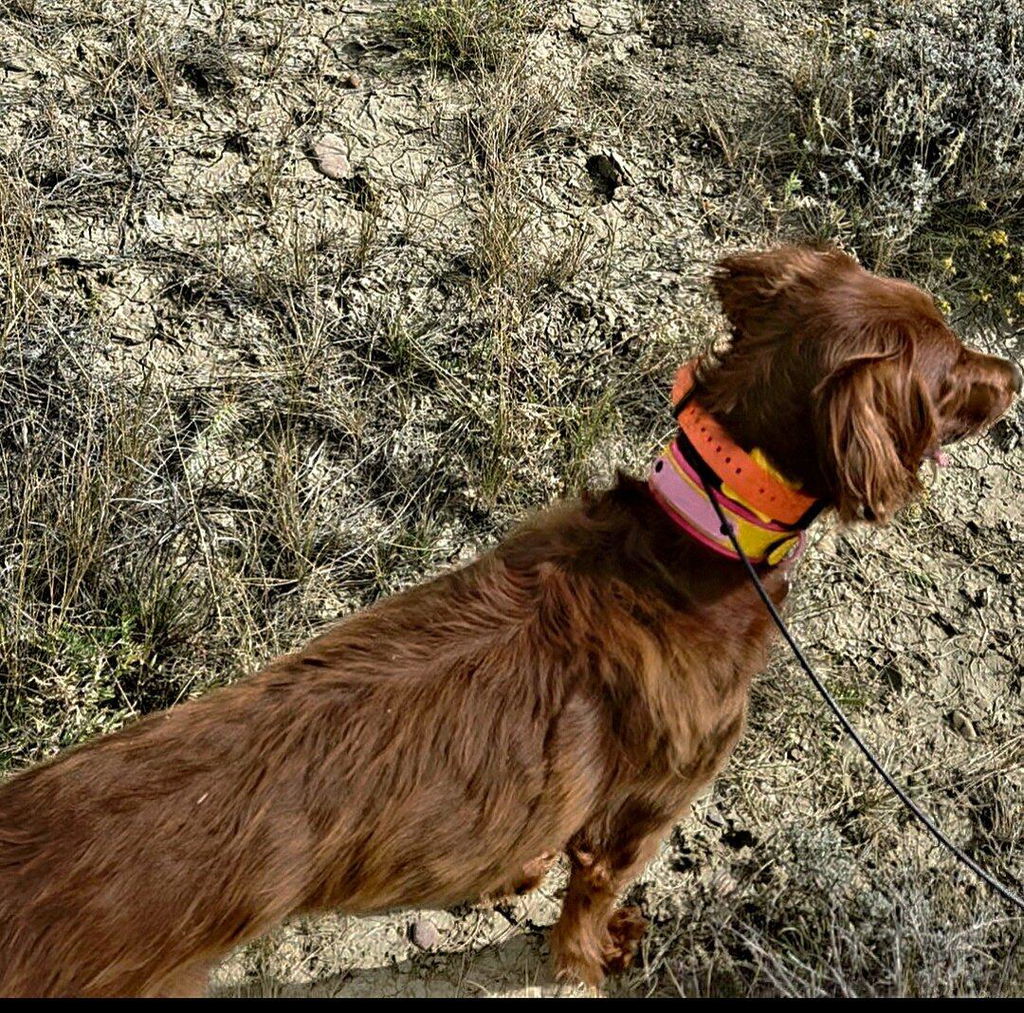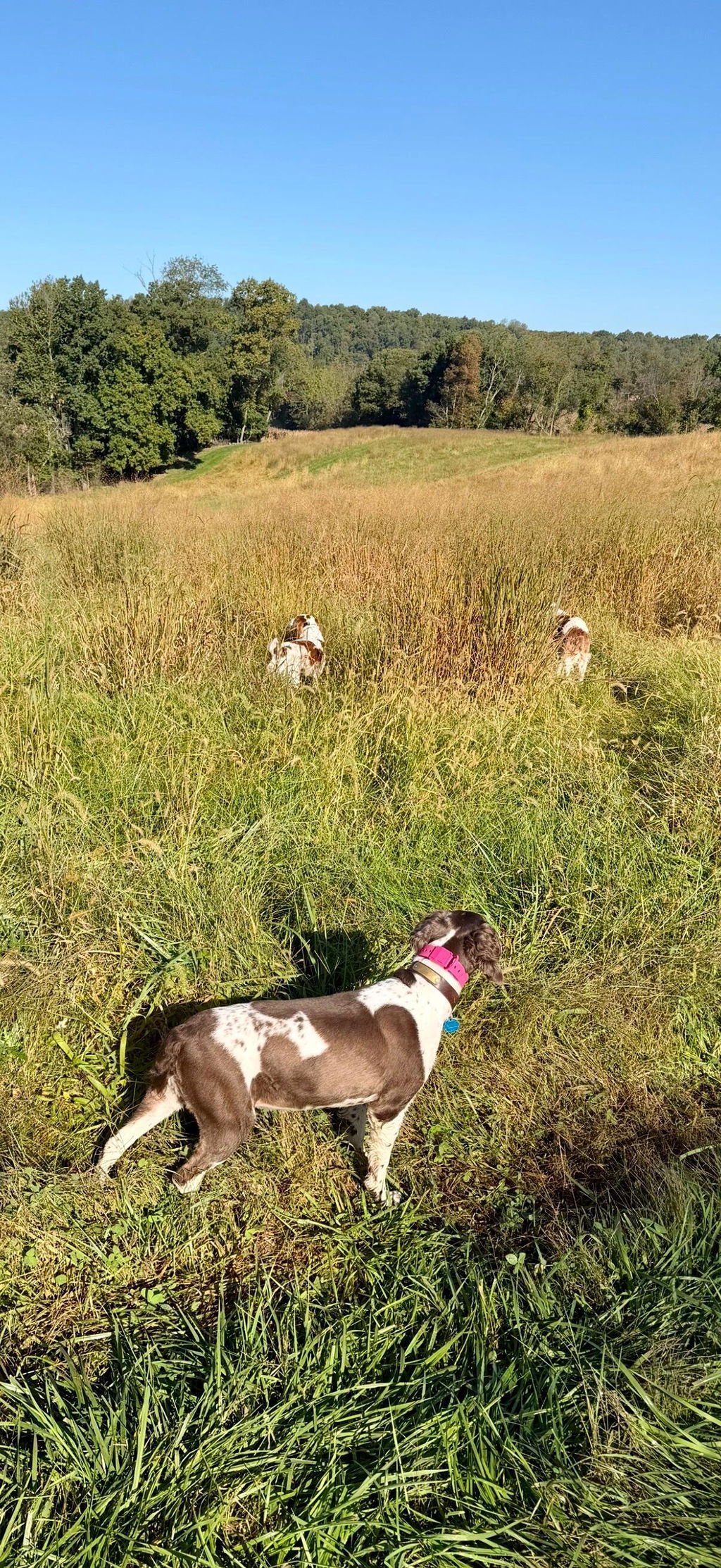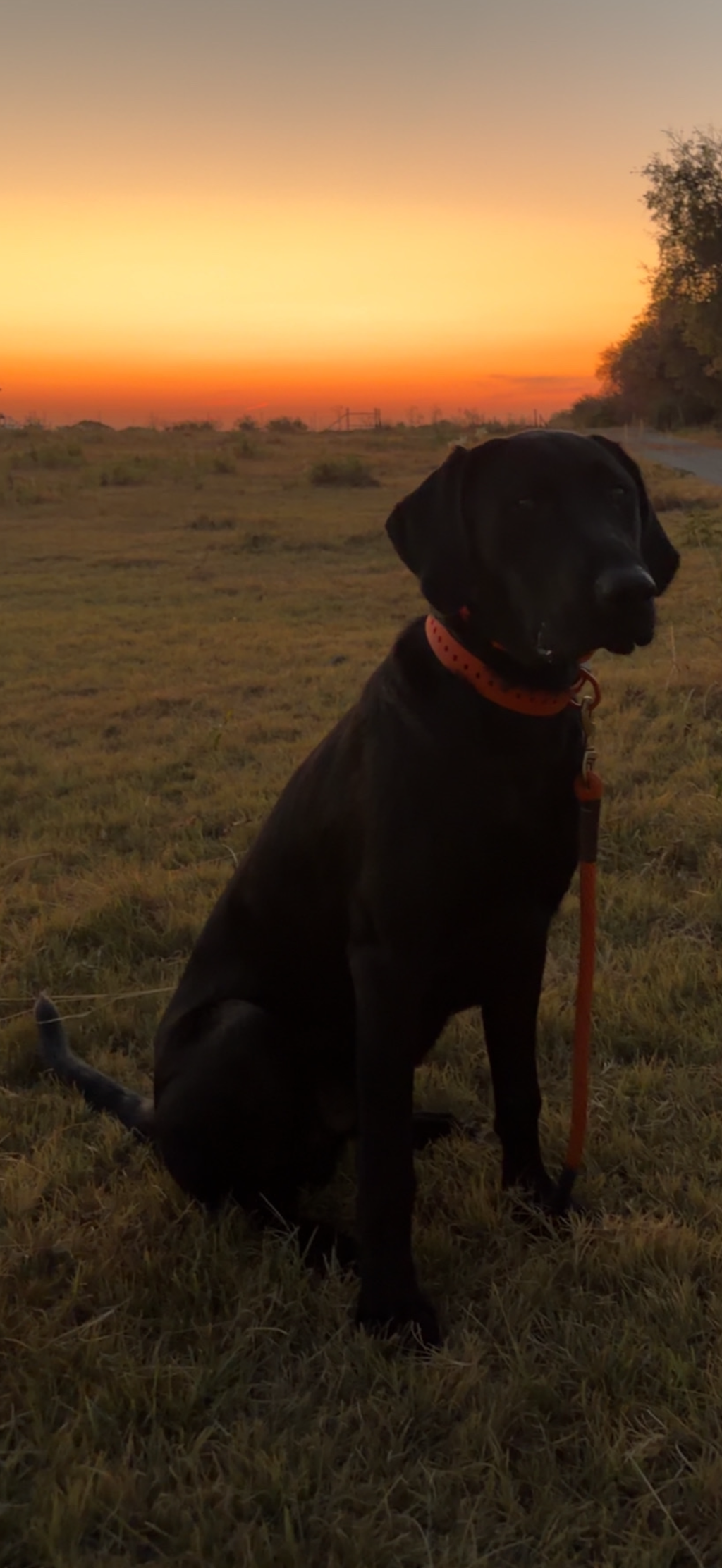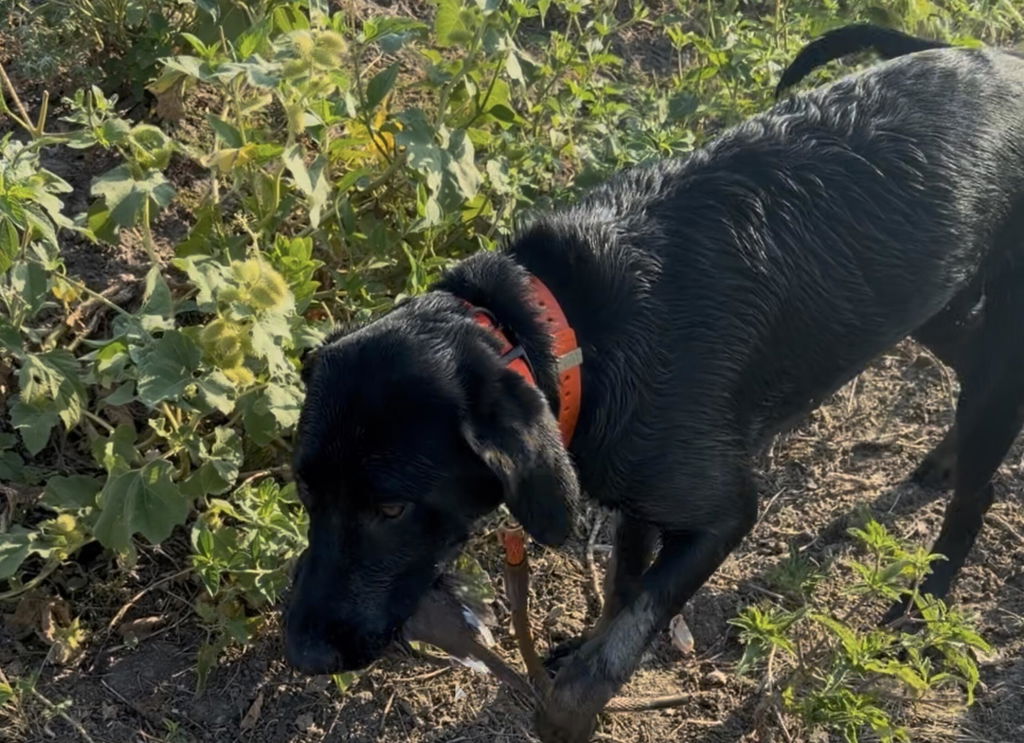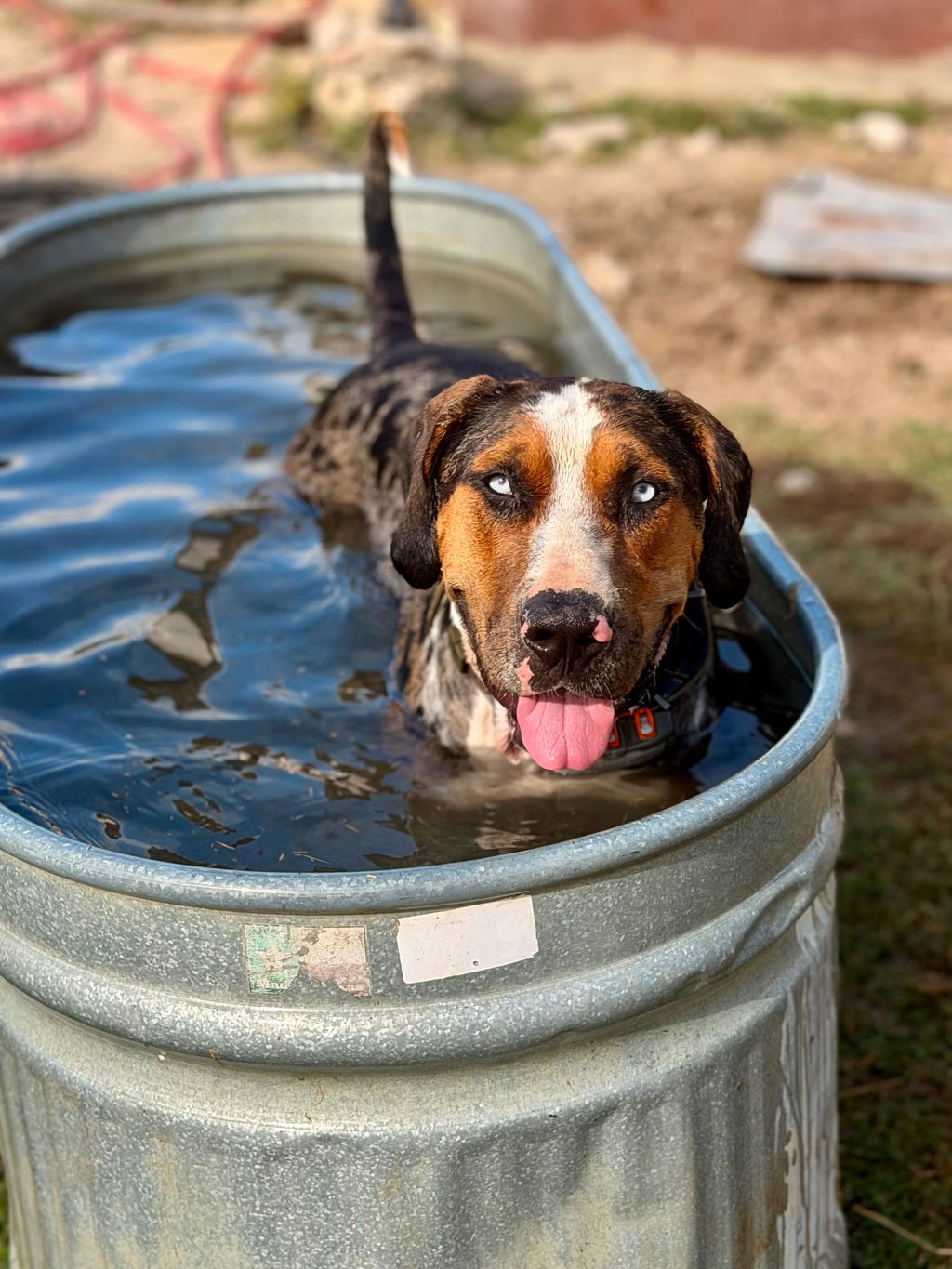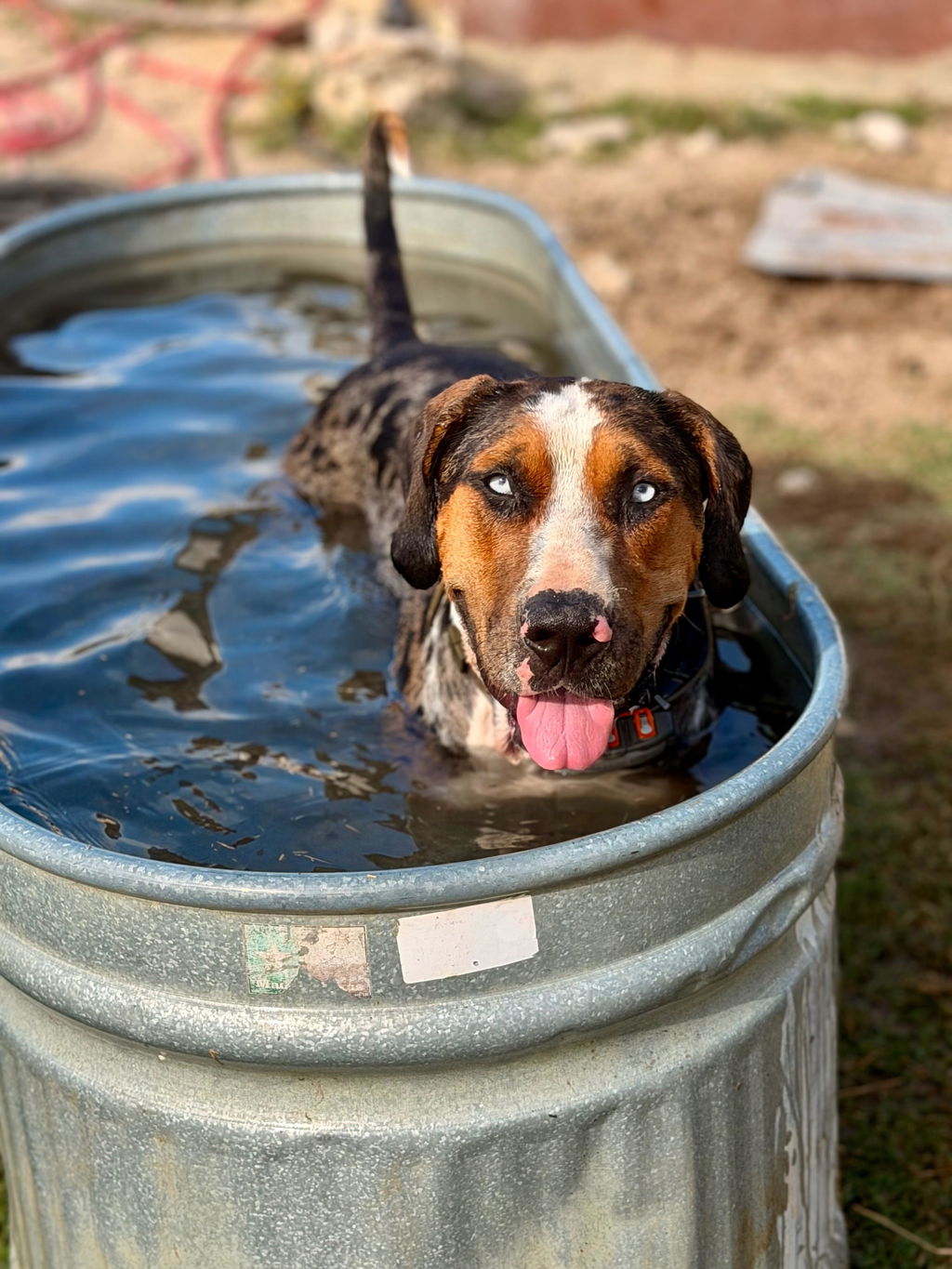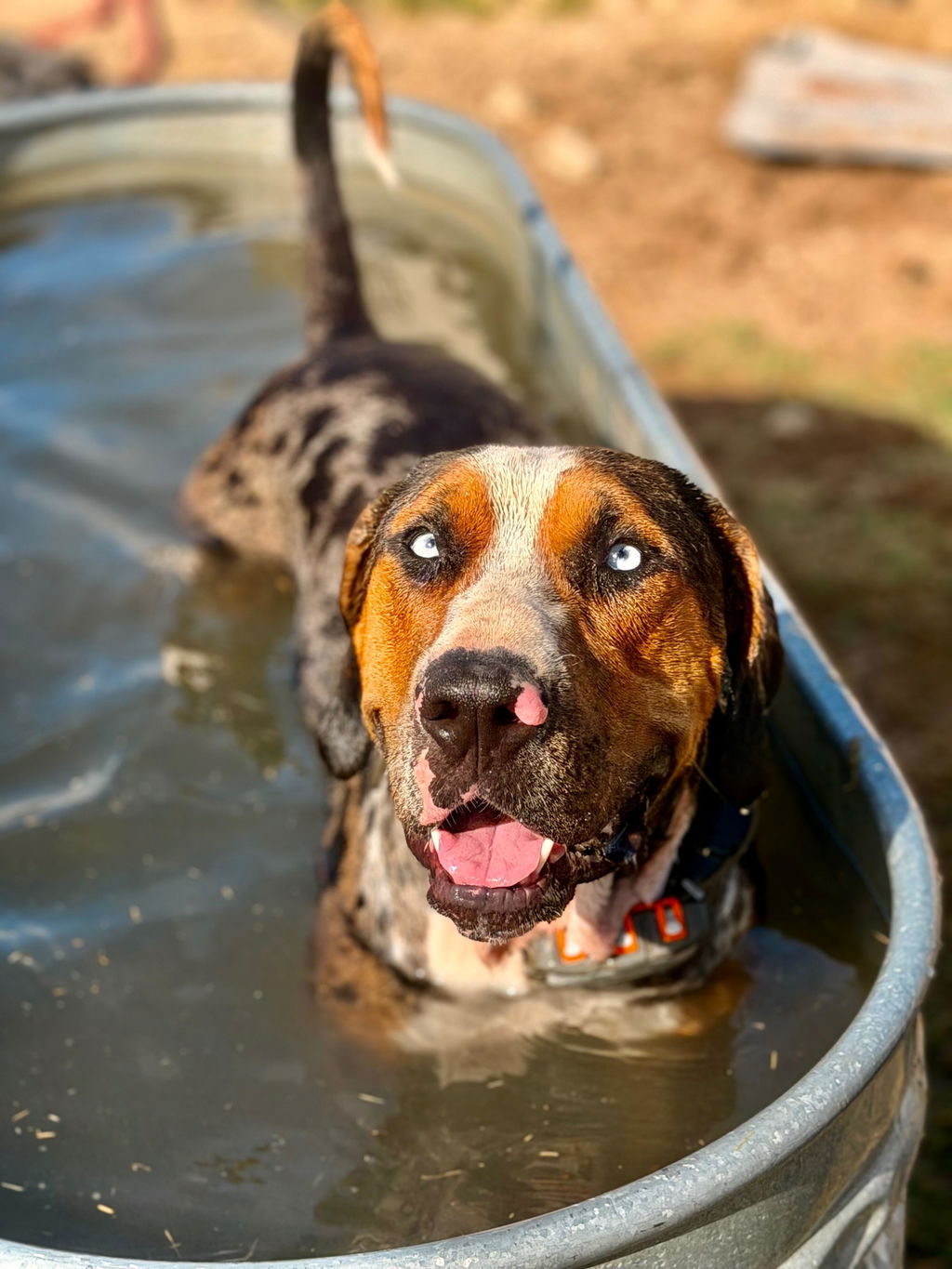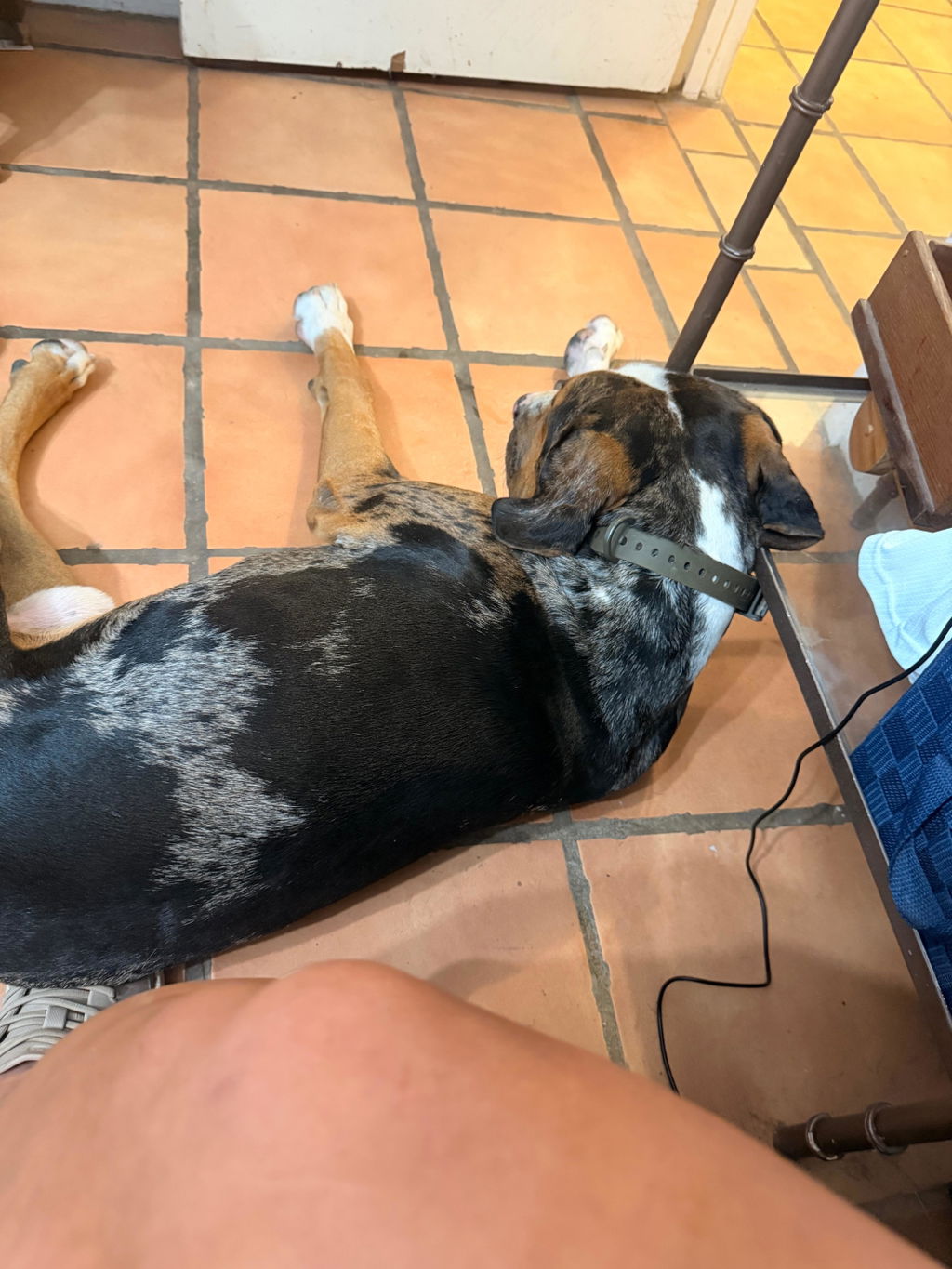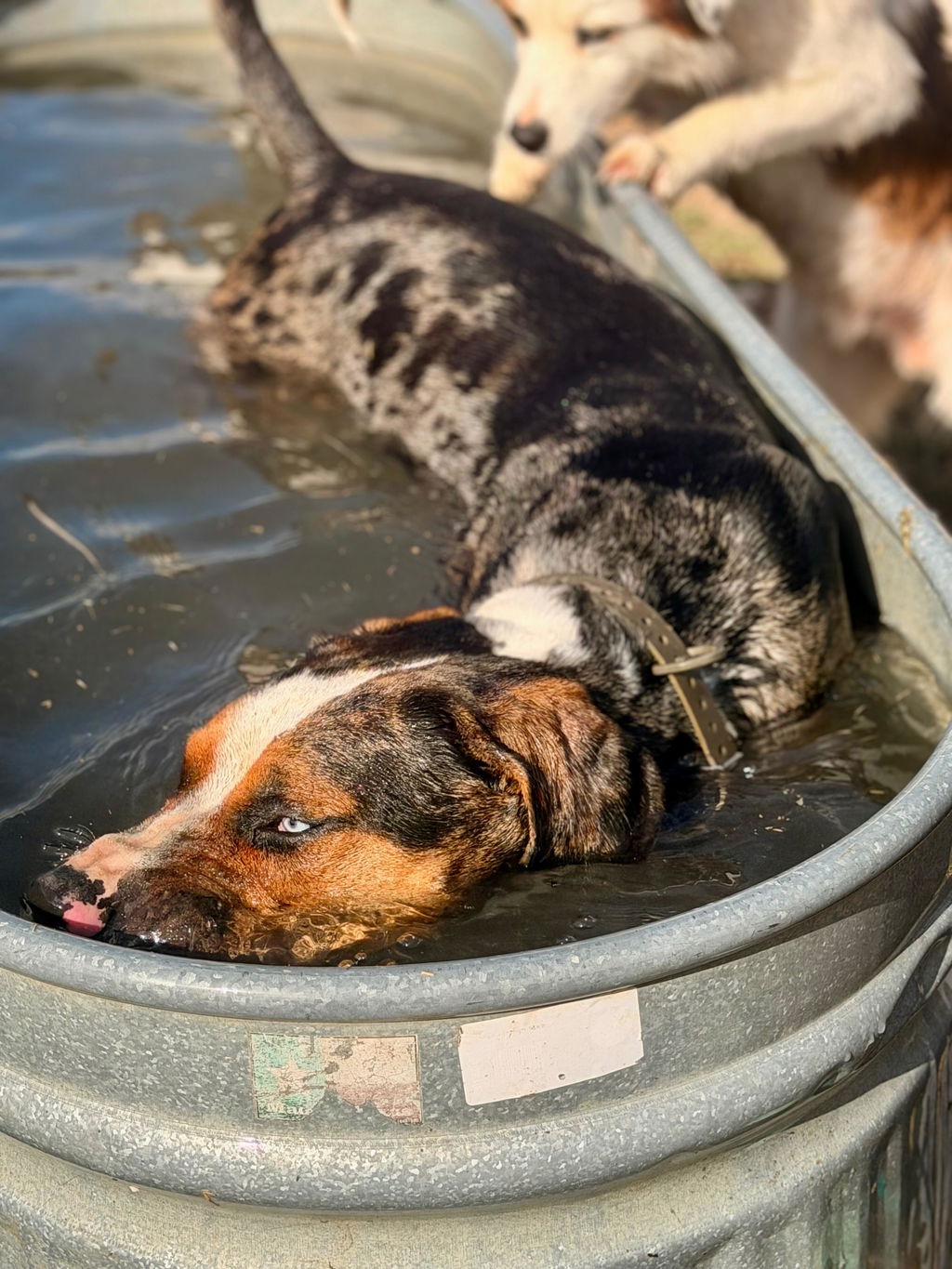



Waterproof BioThane-Style Collars: The No-Fuss Choice for Wet, Muddy, All-Weather Days
 Check out our training collar setup, K9 dog collars, and dog collars built for comfort.
A waterproof coated-webbing collar is usually the right choice when the real problem is moisture, mud, odor, and cleanup rather than pulling power or behavior. At the material level, the BioThane FAQ says coated webbing is made from polyester webbing with a TPU or PVC coating and is designed to be waterproof, durable, easy to clean, stinkproof, and flexible in cold weather.
Start With the Real Use Case
The product decision gets clearer when you start with how the dog actually lives.
A waterproof collar usually makes sense for:
- dogs that swim often
- dogs that train in wet grass, rain, or mud
- dogs that ride in boats or spend time near salt spray
- owners who want fast cleanup instead of soaked fabric gear
It is usually less compelling when the dog stays mostly dry, wears the collar mainly for indoor ID, or needs a different walking setup because neck pressure is the bigger issue.
Fit Comes Before Material Preference

A waterproof collar can still be the wrong collar if it slips, rolls, or rubs. Basic fit still matters most. AKC guidance recommends measuring where the collar sits and fitting it so you can slide two fingers underneath without making it loose.
A practical fit check looks like this:
- Place the collar where it will actually sit during normal wear.
- Adjust it so two fingers fit underneath.
- Walk the dog and watch whether the collar rotates or drops lower on the neck.
- Let the dog shake off, lower the head, and turn sharply once.
- Re-check whether the collar drifts, rolls, or starts to ride toward the ears.
- Inspect the neck afterward for flattened coat, pinkness, or one repeated pressure point.
My setup note with coated waterproof collars is simple: they often feel great in the hand, but the real fit test happens after the dog gets wet, shakes, and starts moving hard.
Comfort Tradeoffs Owners Should Understand
Waterproof collars solve some comfort problems and create different tradeoffs. The clear benefit is that the strap does not stay wet the way absorbent materials do. The tradeoff is that coated webbing often feels more structured and less plush than soft fabric.
That can be a good trade for a muddy Labrador, a retriever that swims every day, or a hunting dog that rides wet in the truck. It may matter less for a quiet house dog that mostly wears a collar for tags.
Temperature feel matters too. For cold-weather use, BASF Elastollan properties list very good low-temperature flexibility as a property of its TPU material family, which helps explain why TPU-coated gear is often chosen for wet, cold outdoor conditions.
Wear Patterns and Failure Modes
Most waterproof collars do not fail because the strap stays wet. They fail because the wear concentrates at the hardware, the bend points, or the spots owners stop checking.
The usual wear zones are:
- the strap where it folds through the buckle
- the D-ring area
- any rivet or hardware junction
- the part of the collar that always sits in one spot on the neck
- the hardware after repeated salt, grit, and mud exposure
Salt exposure matters here. ASSDA guidance notes that salt build-up can allow corrosion to occur and recommends washing down stainless steel with clean water after marine use, while Atlas Steels guidance says deposits from atmospheric conditions, including marine salts, can be corrosive and should be removed.
That is why the first real failure mode on many waterproof collars is not the coated strap. It is neglected hardware.
Rub and Slip Failure Cues
Owners usually notice the obvious failure too late. The useful cues show up earlier:
- the collar rotates more than it used to
- the dog scratches at the same spot after wet outings
- the coat looks flattened or broken under one section
- you see pinkness after a long day in water or mud
- the collar feels stable dry but starts slipping after a swim
- the hardware begins to feel gritty, rough, or harder to operate cleanly
Those are signs that the width, fit, hardware condition, or use case may be wrong for the dog.
Specific Dogs and Use Cases
Different dogs expose different strengths and weaknesses.
A Labrador that swims and retrieves every weekend benefits from a collar that does not stay soaked and stink between outings. A boat dog riding in salt spray needs hardware that gets rinsed and checked often. A doodle or spaniel mix with a coat that traps moisture may need closer monitoring for rub points after wet days. A suburban pet dog that mostly goes out for dry sidewalk walks may care less about waterproofing than about simple fit and tag comfort.
That is why the best decision is usually use-case based, not trend based.
What Owners Usually Get Wrong

The first mistake is choosing the collar because it is waterproof without checking how it sits on the dog. The second is assuming waterproof means maintenance-free. The third is focusing on strap material and ignoring hardware care after salt, sand, or mud.
Another common mistake is using one collar for every job. A dog may do great in a waterproof coated-webbing collar for field days, swimming, and messy weather, but wear something lighter or simpler for indoor ID and quiet daily use.
Clear Product Decision Criteria
Choose a waterproof coated-webbing collar when:
- your dog gets wet often
- mud, odor, and cleanup are real problems
- you want fast rinse-and-wipe maintenance
- the collar still passes the fit and rub checks once the dog is moving
Choose something else when:
- the dog stays mostly dry and you do not benefit from waterproofing
- neck-pressure concerns matter more than weather resistance
- the hardware is too heavy, rough, or bulky for the dog’s size and coat
- you are not willing to rinse and inspect hardware after salt or grit exposure
Quick Fit and Inspection Checklist
- two fingers under the collar
- collar stays in place without rolling or drifting
- no pinkness, rub marks, or repeated scratching
- hardware still feels smooth after wet use
- no corrosion, salt buildup, or grit packed into tight spots
- no thinning at bend points or around hardware
- fit re-checked after swimming, grooming, or coat changes
FAQ
Are waterproof coated-webbing collars more comfortable?
They can be more comfortable in wet conditions because they do not stay soaked, but they often feel more structured than soft fabric.
What wears out first on these collars?
Usually the hardware and the bend points, especially if salt, grit, and mud are allowed to sit.
How do I know the collar is rubbing?
Look for pink skin, flattened coat, repeated scratching, or one spot where the collar always settles.
When is waterproofing actually worth it?
It is most worth it when your dog swims, trains in wet weather, or gets muddy often enough that cleanup and odor are recurring problems.
What is the biggest owner mistake?
Treating waterproof as if it means no maintenance and no fit checks.