


Wet-Weather Collar Fit Checks for Working Sessions
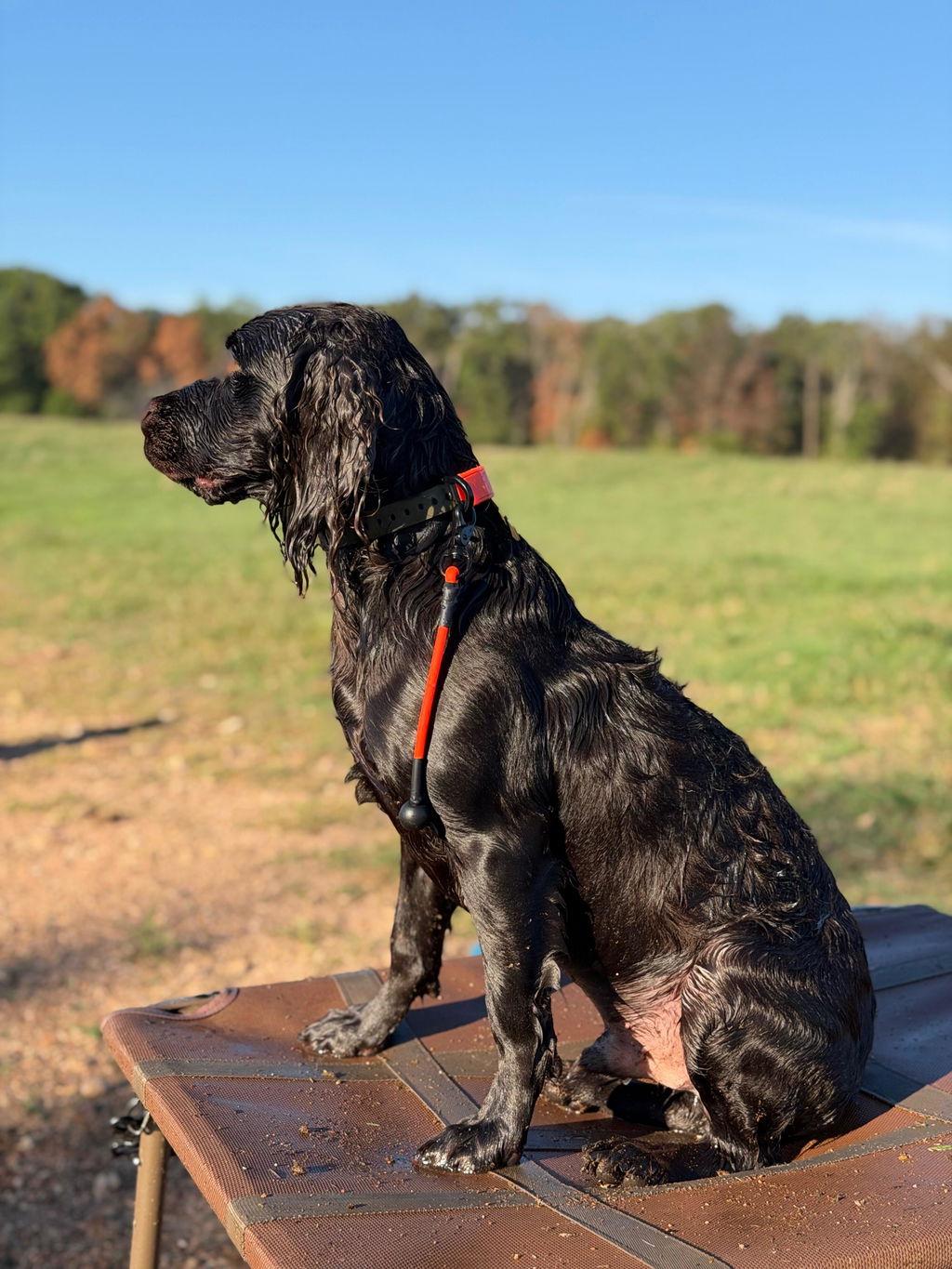
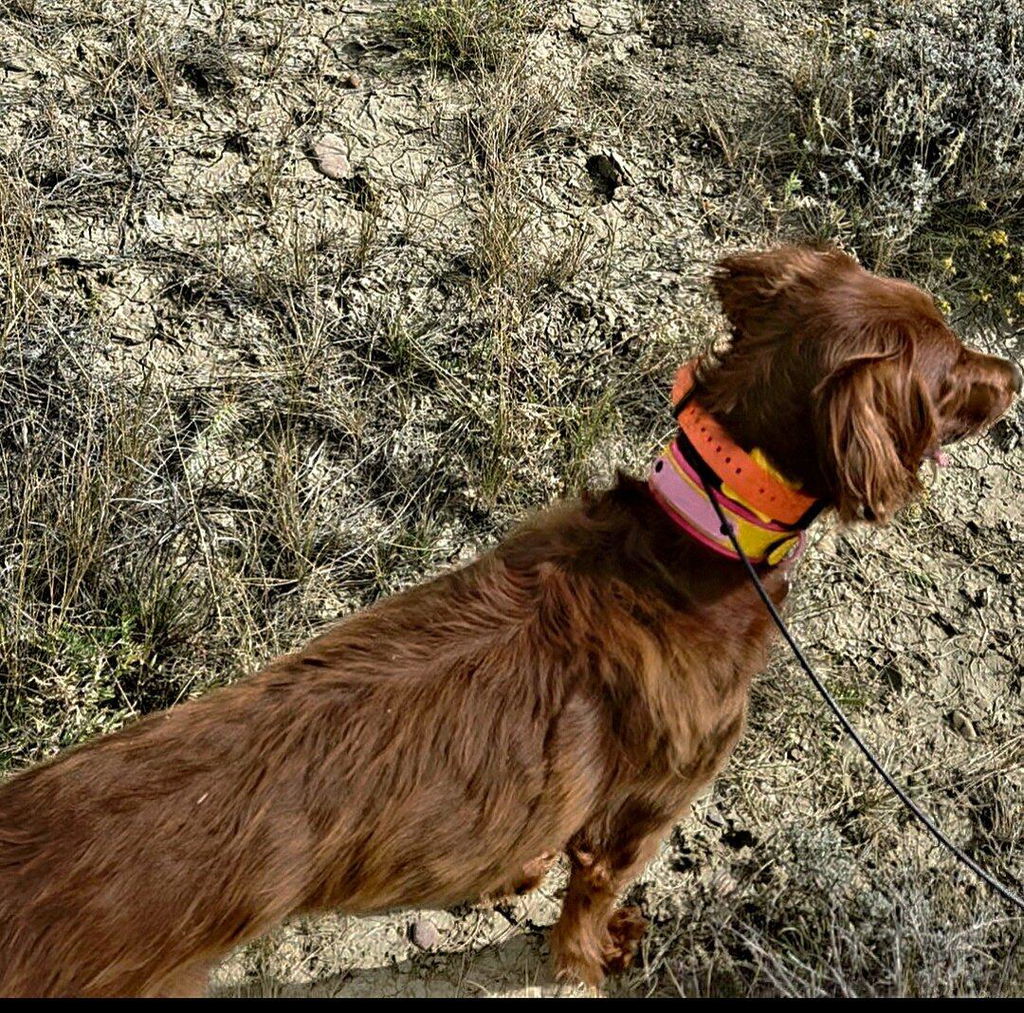
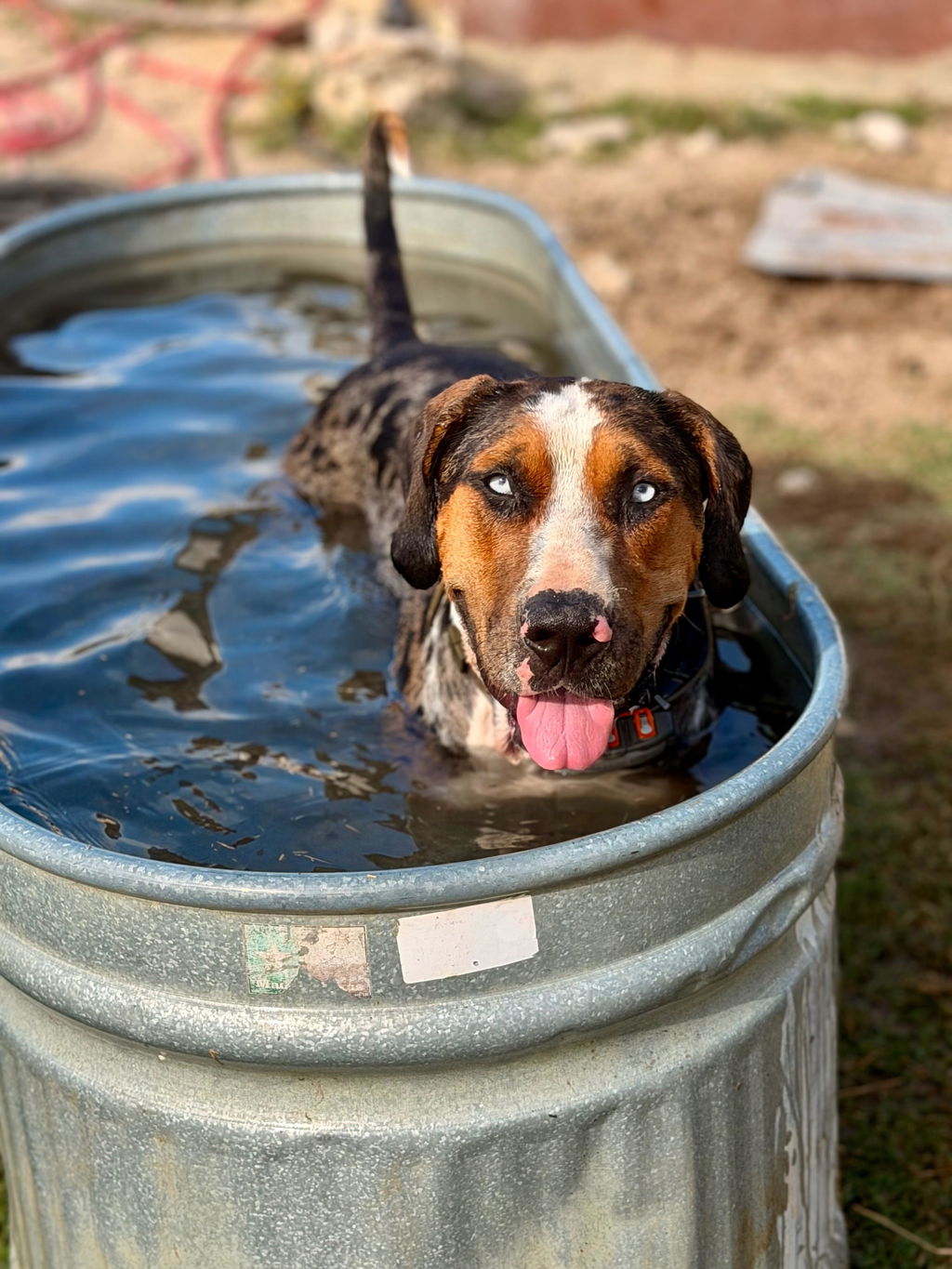
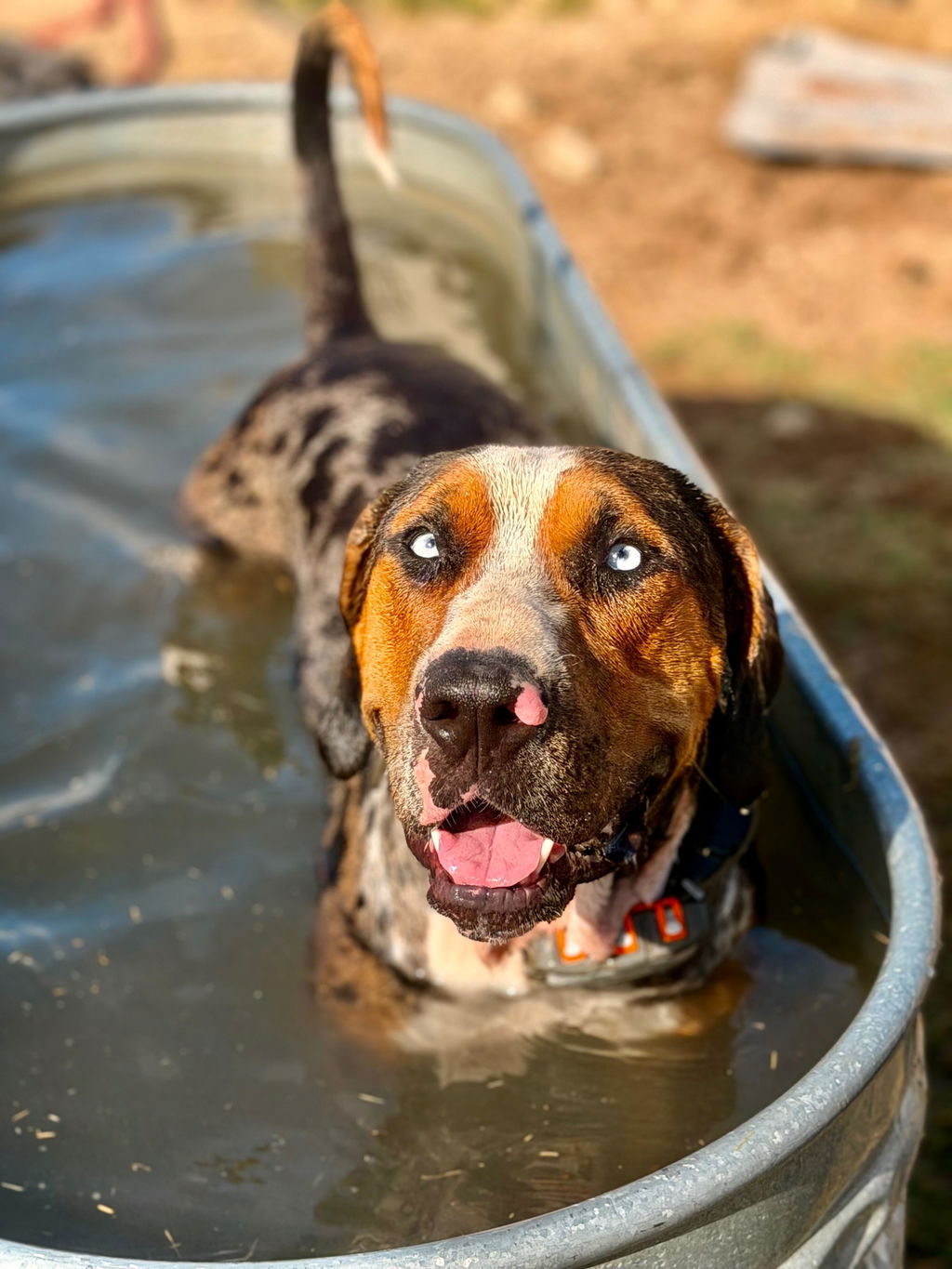
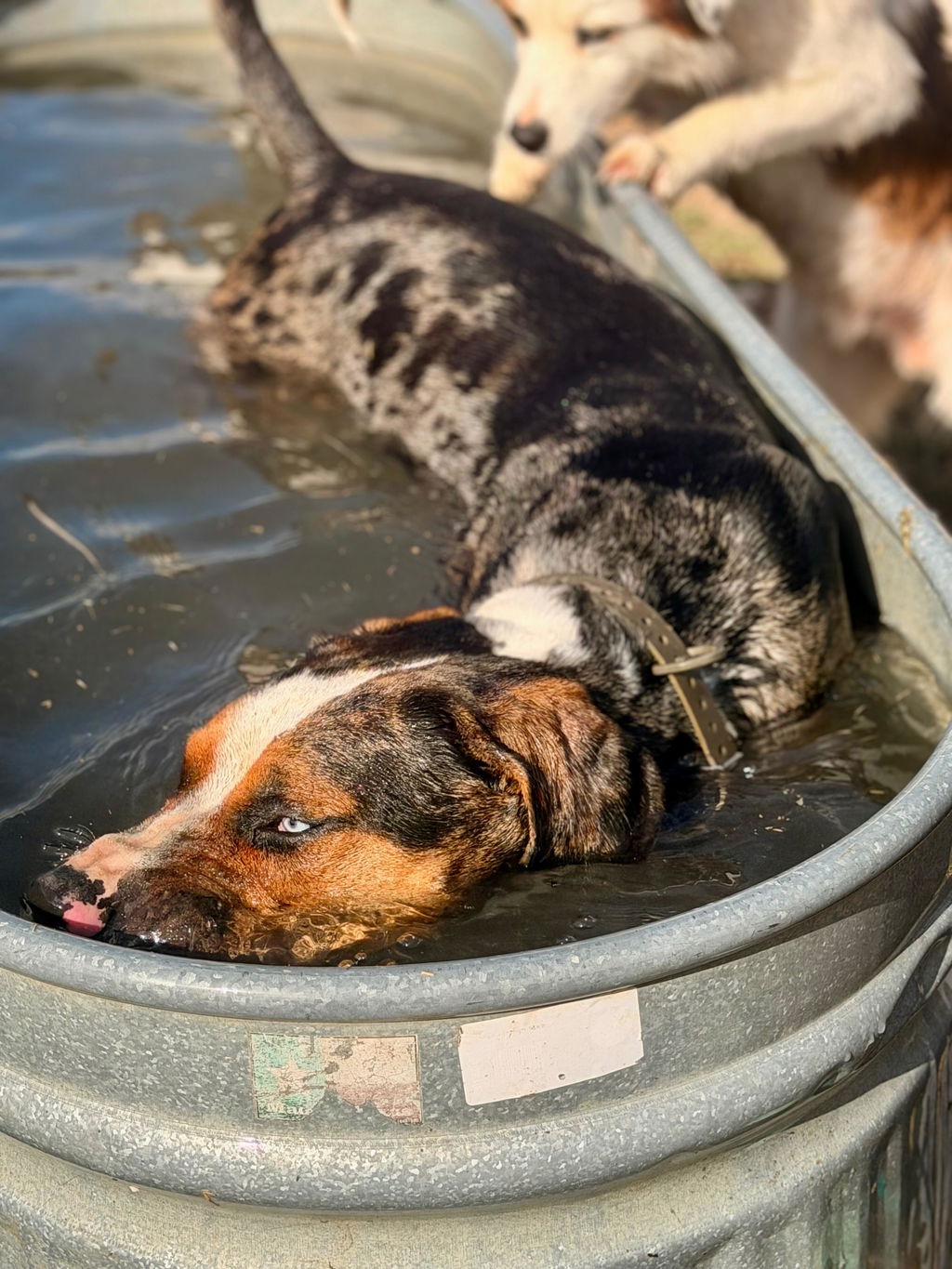
Wet-weather fit checks should account for a flattened coat, trapped grit, changed friction, wet hardware, and the need to remove and inspect the collar after work. This training collar fit in wet weather field guide is for trainers working around rain, ponds, marshes, or wet dogs. It links collar choice to the dog, task, setting, and care plan.

Field checklist
- What to check: Wet Coat, Friction, and Grit
- Field steps: Wet-Weather Collar Fit Checks for Working Sessions
- When to stop and check the gear
- Hoss Straps product facts for Training Collar Fit in Wet Weather
- What to do next
- Questions about training collar fit in wet weather
- Related collar guides
- Sources and product facts
What to check: Wet Coat, Friction, and Grit
| Part or condition | What to check |
|---|---|
| wet coat | Check wet coat on the dog at rest. Recheck it after the coat or gear changes. |
| friction | Check friction before use. Note any change during the job. |
| grit | Check grit before cleaning and again when the gear is dry. |
| hardware operation | Test hardware operation off the dog. It should move, close, and release as designed. |
| post-session drying | Check post-session drying before use. Note any change during the job. |
Start with wet coat, friction, and grit. Then check hardware operation and post-session drying. The steps below show how these points guide the choice.

Field steps: Wet-Weather Collar Fit Checks for Working Sessions
- Inspect the strap and neck before starting, not only after the dog is wet.
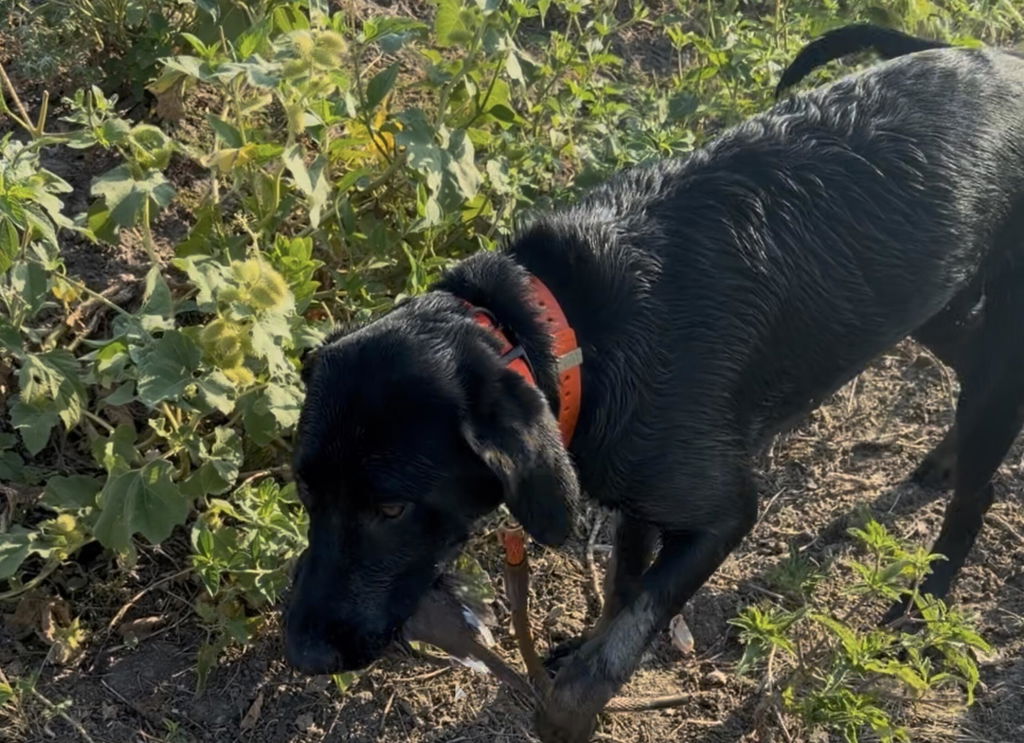
- Check whether water has flattened a thick coat enough to change fit.
- Remove sand, seeds, and grit before tightening anything.
- Test buckle operation with wet hands while the collar is off the dog.
- Rinse, inspect, and dry the setup after the session.
Use the steps in order. Recheck wet coat when the coat, weather, task, or gear changes. Record grit under the strap before another handler uses the gear.


When to stop and check the gear
Stop when you find grit under the strap, a collar that begins rotating after immersion, sticky buckle movement, and leaving wet gear uninspected. Keep the dog under safe control. Check the gear and the dog's skin. Record why you stopped.
If a receiver is used, treat grit under the strap and a collar that begins rotating after immersion as gear problems. Do not try to fix them with a training change. Remove the gear and check the dog. Follow the device maker's fit and setup steps before reuse.
Hoss Straps product facts for Training Collar Fit in Wet Weather
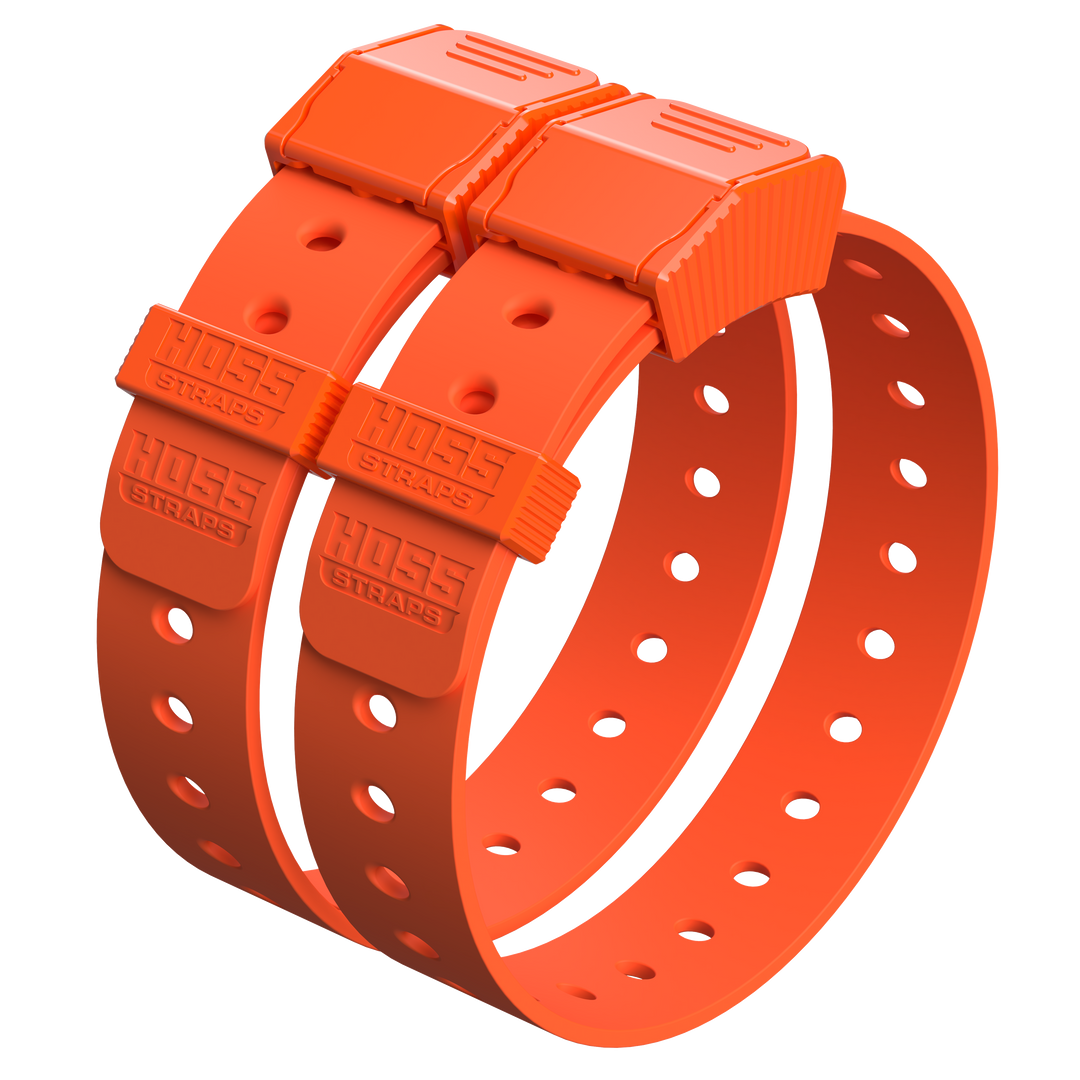
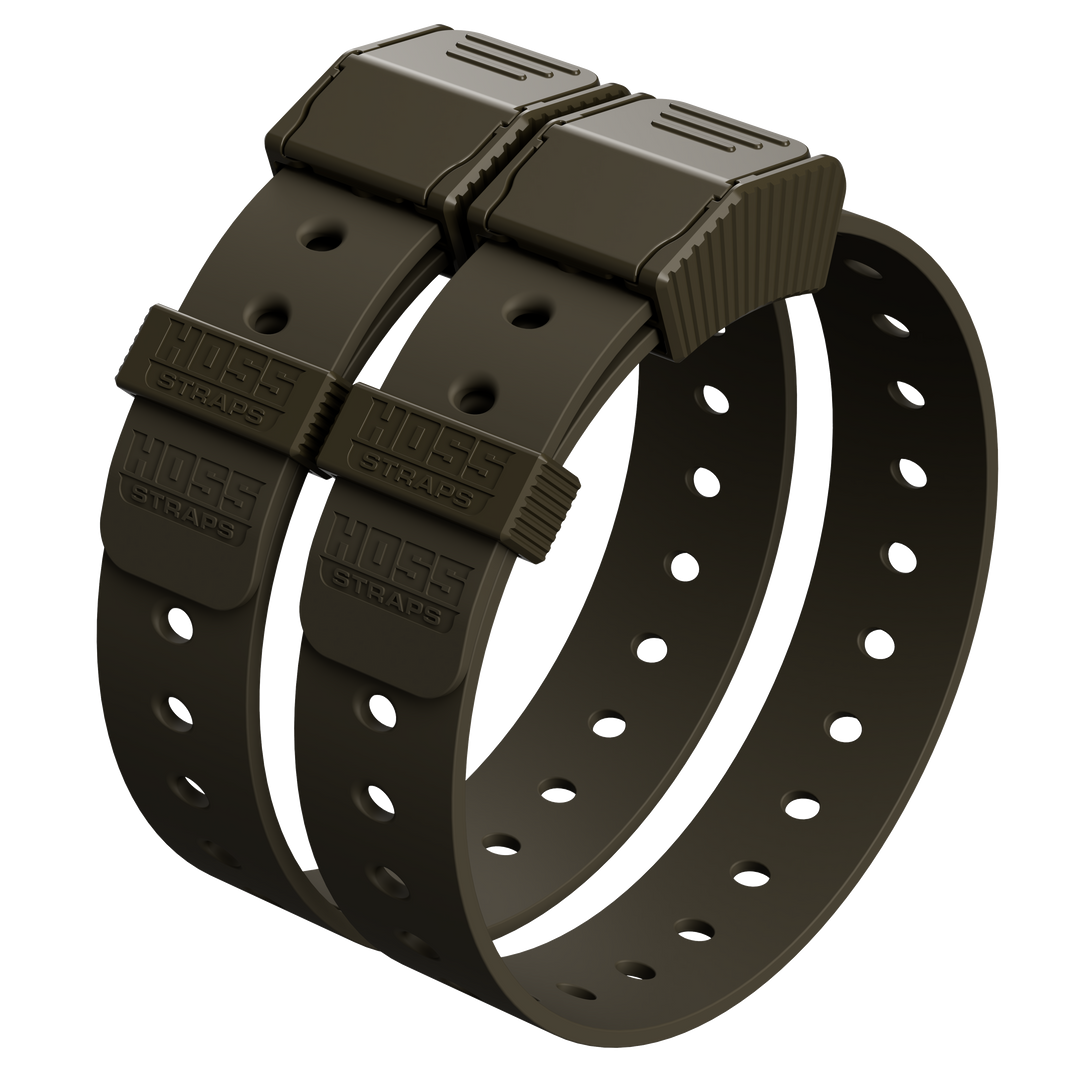
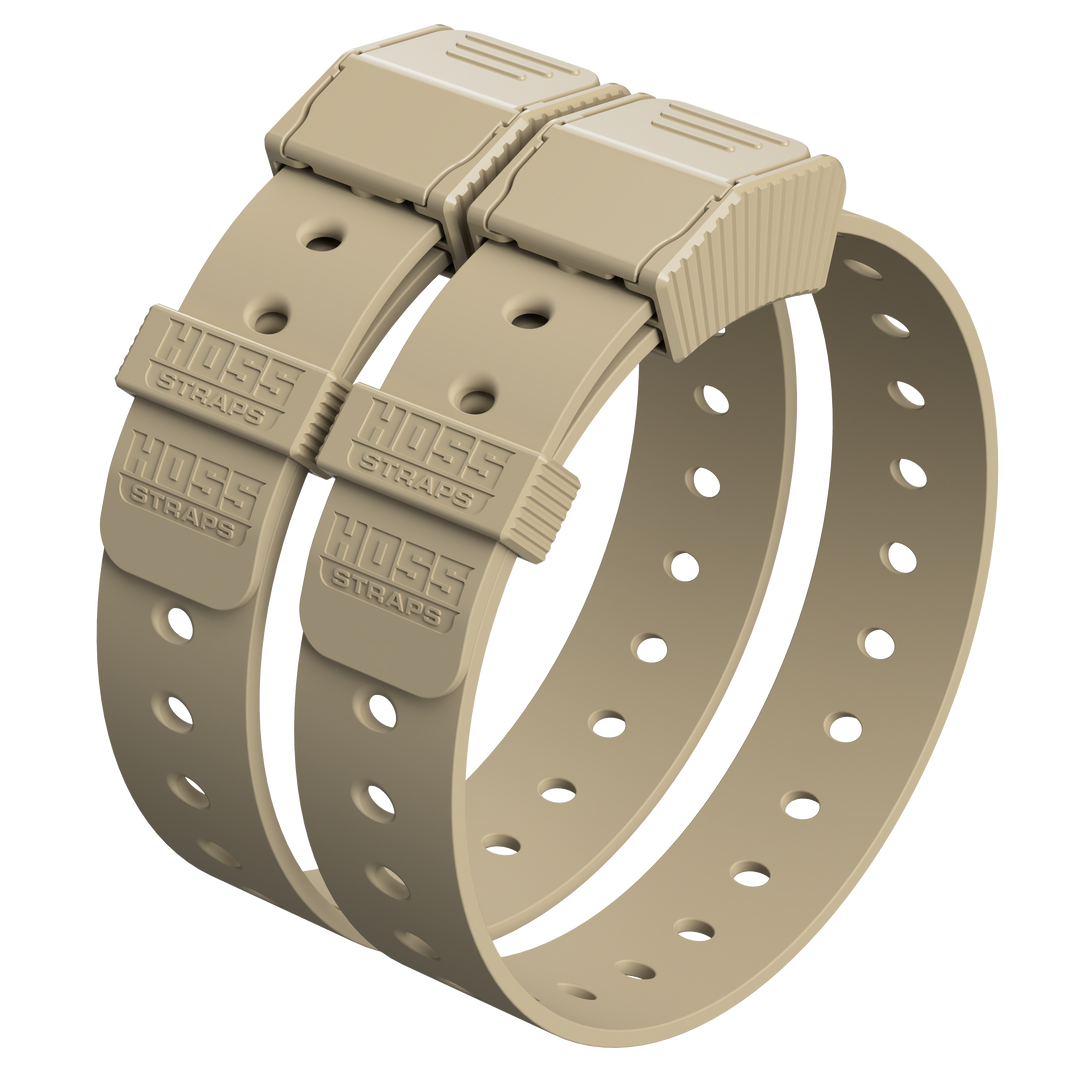
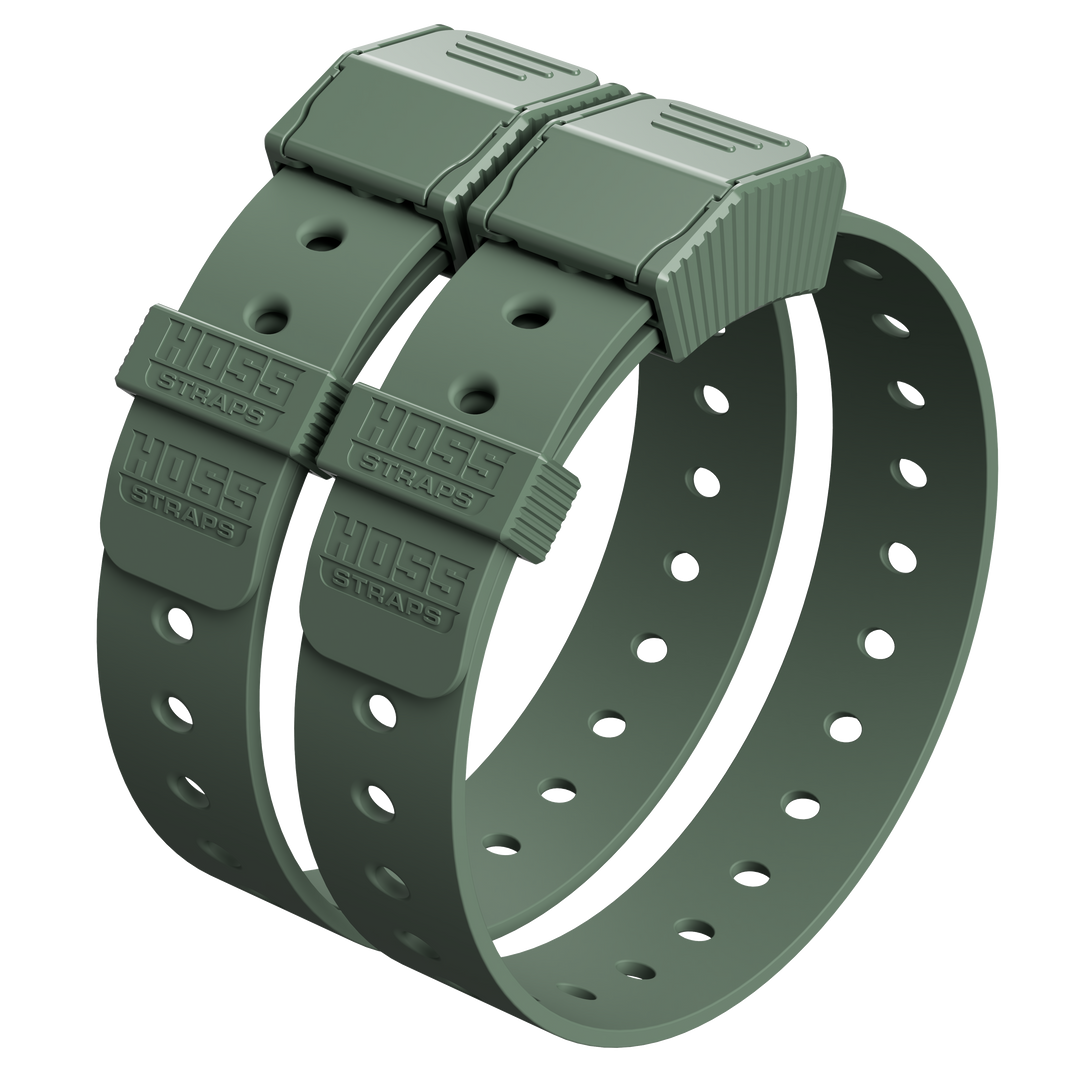
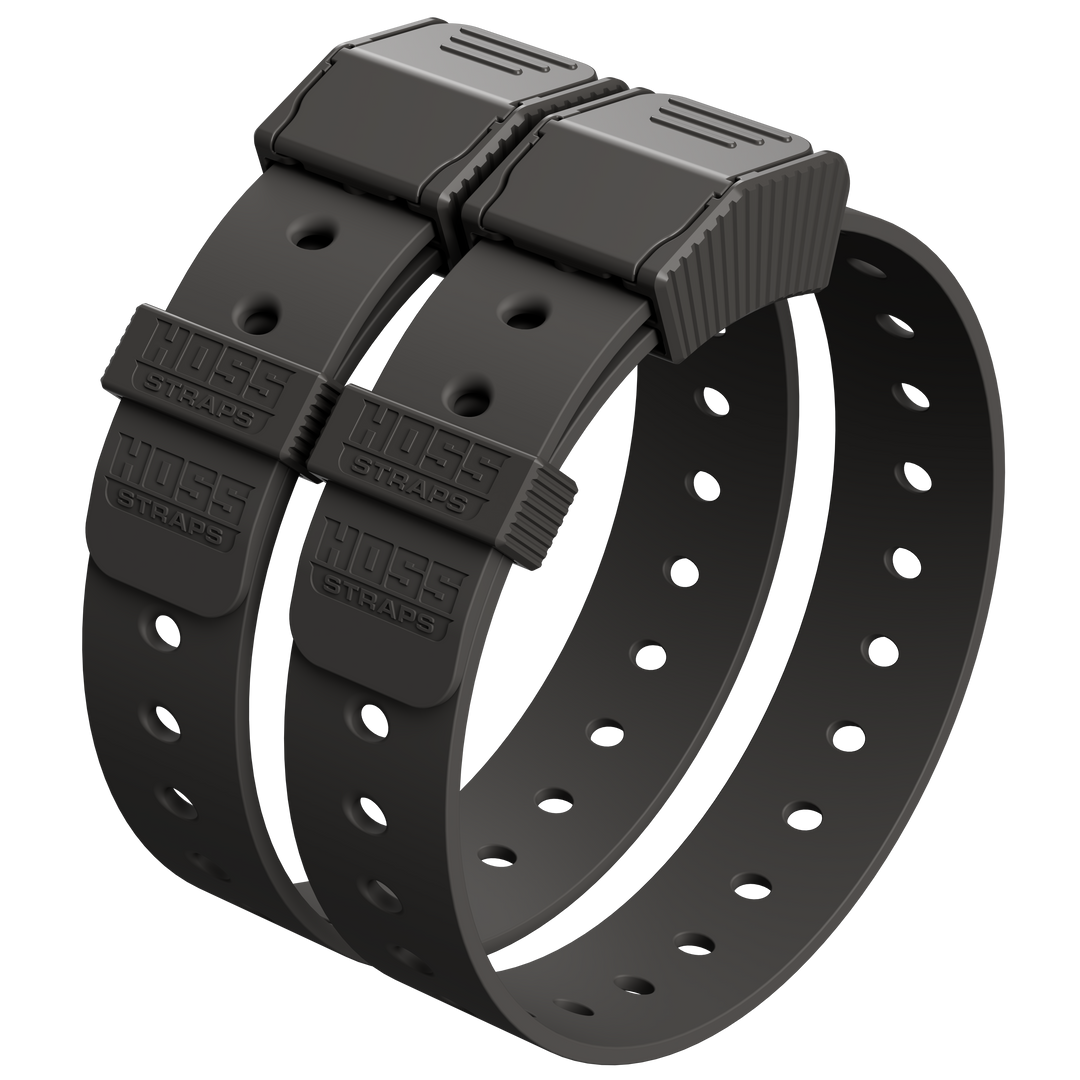
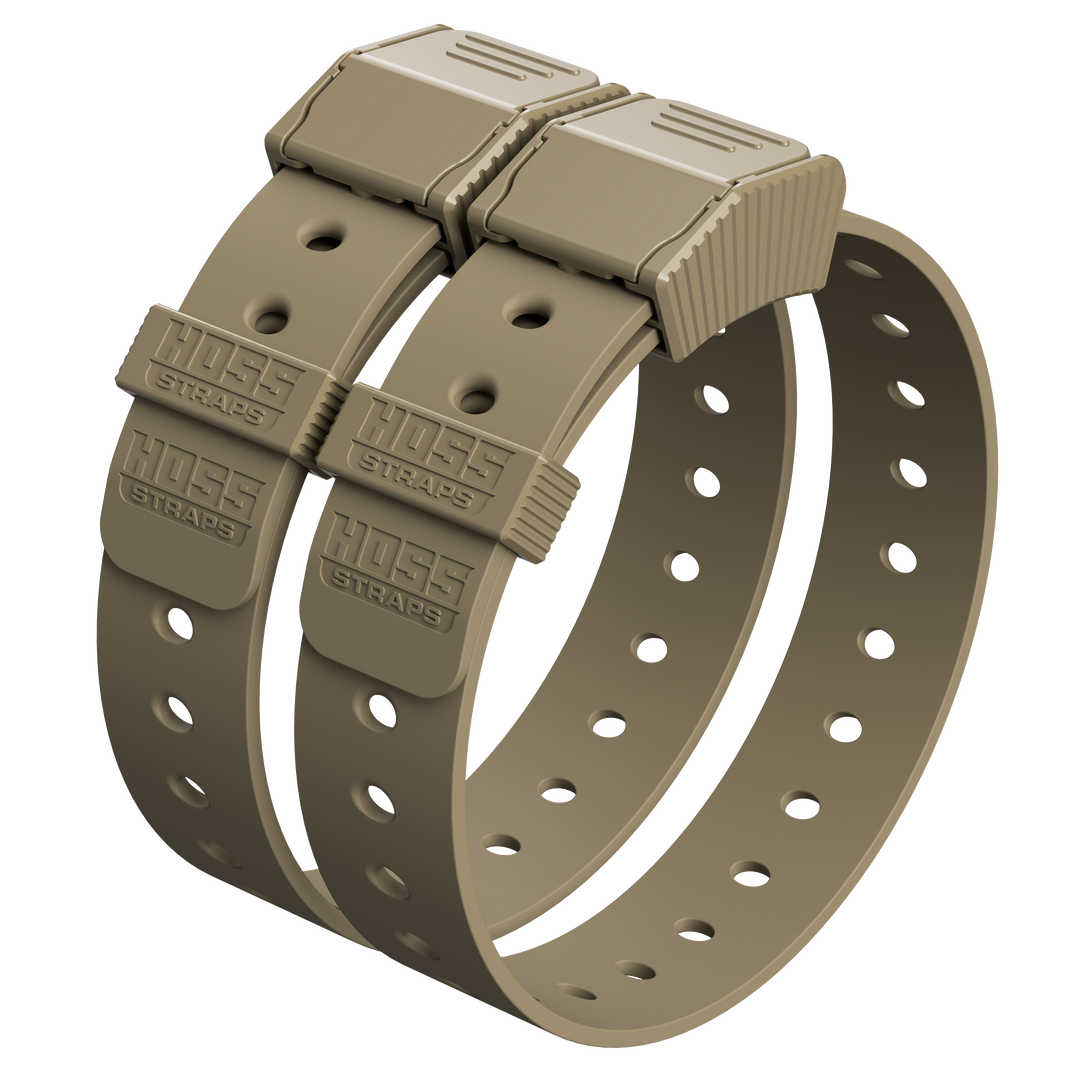
The Pro Series Field Collar product page lists a 1 1/16-inch strap and fit for necks up to 22 inches and marine-grade aluminum hardware, Cerakote finish, and reinforced buckle housing. These are Hoss Straps product facts. They are not third-party test results or safety certificates. Hoss Straps lists PT10, PT6, Sport Pro, Pro 550, and Pro 70 for its adapter setup. The Garmin device is sold on its own. Check the exact model on the Hoss Straps Adapter Kit page. Also read the right Garmin manual before you order. For this guide, compare those facts with wet coat and friction.
Use the Pro Series Training Collar Setup page to check the parts in the kit. Match wet coat to the device manual. The Garmin unit is not included. Check current fit, stock, color, and warranty before buying.
For a wider view, read Training Collars for Pros: Fit, Contact, and Field-Ready Control. This page stays focused on wet coat and friction.
What to do next
Check wet coat, friction, and grit in that order. Stop if you find grit under the strap. Use only gear that passes the full check.
Questions about training collar fit in wet weather
Can a wet coat change collar fit?
Yes. Water can flatten some coats and move grit, so fit must be checked again.
Should wet hardware be forced?
No. Remove the collar and clean or inspect hardware that does not operate normally.
Is weatherproof the same as maintenance-free?
No. Weatherproof gear still needs inspection and cleaning after hard use.
Related collar guides
- Read the broader guide: Training Collars for Pros: Fit, Contact, and Field-Ready Control.
- Compare available options: Field Collars.
- Add this related guide after its URL is live: What Belongs in a Professional Dog Trainer's Collar Kit?.
Sources and product facts
- Hoss Straps Pro Series Field Collar facts and warranty — current facts from Hoss Straps used in this Training Collar Fit in Wet Weather guide.
- Hoss Straps Pro Series Training Collar Setup parts — current kit contents.
- Hoss Straps Adapter Kit device list — current supported devices. Check again before buying.
- Garmin Pro 550 device-to-strap steps — official setup steps from Garmin.
- Garmin Pro 550 fit and wear guide — official fit and check steps from Garmin.