


What Is the Best GPS Dog Collar?

Check out our training collar setup, d-ring dog collar, easy dog collars, and more!
One in three dogs will go missing at some point in their lifetime. Over 10 million pets are reported lost or stolen each year in the United States—a staggering number that reminds us why GPS dog collars matter. Yet there's hope: 93% of missing dogs find their way back home, especially when their owners act fast. The first 24 hours are critical, and this is where the right collar technology can make all the difference.
Why GPS Dog Collars Matter More Than You Think
If you've ever worried about your dog slipping out the door or wandering off during an outdoor adventure, you're not alone. About 15% of dog owners will experience losing their pet within a five-year period, and losing a dog is one of the most stressful experiences a pet parent can face.
The reality is sobering: the chances of finding a lost pet drop by 60% after just 24 hours. Traditional ID tags and microchips are helpful, but they're reactive tools. When your dog goes missing, a microchip only helps if someone finds them and takes them to a shelter or vet to scan. With a GPS dog collar, you become proactive. You can track your dog in real-time, know exactly where they are, and retrieve them before they get lost for good.
GPS trackers offer real-time location monitoring, unlike microchips, which are passive ID devices that can only identify pets after they're found. For active dogs, outdoor adventurers, or any dog prone to wandering, a GPS collar is peace of mind you can actually see on your phone.
How GPS Dog Collars Work: The Tech Behind the Safety
GPS dog collars combine satellite positioning, cellular networks, and smart data analysis to keep you connected to your dog anywhere. Here's the simple version: the tracker uses GPS to calculate its position, sends that data via cellular network to a secure server, and displays your dog's location in real-time on a mobile app. This all happens in seconds—sometimes every 2-3 seconds in live tracking mode.
The accuracy? GPS dog trackers are typically as accurate as standard GPS, working within 5 to 10 meters (16 to 33 feet). In open spaces like parks or trails, accuracy is excellent. In dense urban areas with tall buildings or heavily wooded regions, accuracy may be slightly lower, but many modern trackers use Bluetooth and Wi-Fi data to improve accuracy when GPS signals are weak.
Beyond simple tracking, modern GPS collars deliver extra features. Many include virtual safe zones (geofencing), where you define a digital perimeter and receive instant alerts if your dog leaves that area. Some also track health and activity monitoring, providing insights into your dog's daily movement, sleep quality, and activity levels.
GPS Collars vs. Other Dog Tracking Methods

When it comes to keeping your dog safe, you have several options—and they're not all created equal.
GPS Collars vs. Microchips
A microchip is a tiny RFID device implanted under your dog's skin that stores identification information. When scanned by a vet or shelter, it helps reunite your dog with you—but only if someone finds them and bothers to scan. Microchips provide no real-time location tracking.
GPS collars, on the other hand, actively tell you where your dog is right now. Studies show that 52% of microchipped dogs make it back home, compared to only 2.2% of dogs without any identification—but adding GPS to the mix changes the game. With a GPS collar, you don't wait for someone else to find your dog; you find them yourself.
GPS Collars vs. Standard ID Collars
A traditional ID collar with tags displays your contact information, which is great if someone finds your dog and wants to call you. But if your dog runs into a remote area, loses the collar, or the tags fall off? That information does you no good. GPS collars ensure you can locate your dog regardless of whether they still have their collar (though losing a collar isn't ideal).
Why Using Both Is Ideal
The smartest approach? Use both a microchip and a GPS collar. Microchips serve as a permanent backup ID, while GPS collars actively track your dog. Together, they cover all the bases.
Key Features That Matter in a GPS Dog Collar
Not all GPS collars are the same. Here's what separates the best from the rest.
Waterproof & Weatherproof Design
Your dog plays in the rain, mud, and water. Their collar needs to handle it. Waterproof collars resist bacteria growth, prevent UV damage, and last significantly longer than traditional collars. Quality waterproof materials also eliminate the persistent "wet dog collar" smell because they repel moisture and don't trap bacteria.
Proper Collar Fit and Safety
Collars that are too tight can cause skin irritation and infection, while collars that are too loose can cause dogs to get paws or teeth stuck in them. The rule is simple: you should be able to fit exactly two fingers between your dog's neck and the collar.
Quick-Release Buckles
Quick-release buckles enable emergency removal in seconds. Why does this matter? In emergency situations like dogs getting tangled during play, a quick-release collar can be the difference between a safe separation and a serious injury. These buckles are also convenient for everyday use—they take just one second to open or close, making getting your dog ready for a walk easy.
Device Compatibility
The best GPS collar works seamlessly with existing devices. Look for collars compatible with major GPS trackers like Tractive, which have proven track records in real-world recovery. Some collars also integrate with training modules and other tools, giving you flexibility as your needs change.
Material Quality and Design
Quality waterproof materials like BioThane—polyester webbing coated in TPU or PVC—stay flexible and won't crack or fade after months of outdoor use. The hardware should also be rust-free and secure, with no rough edges.
Choosing the Right GPS Collar for Your Dog

The best GPS collar for you depends on your lifestyle and your dog's needs.
Consider Your Lifestyle
Active outdoors person who hikes, camps, and takes your dog everywhere? You need a collar that handles rugged conditions. Urban dog owner who mainly does neighborhood walks? A lighter-weight option works fine. The point is matching the collar to your real-world use.
Neck Size and Fit
Measure your dog's neck using a soft measuring tape, then add two fingers' width for comfort. A collar that fits properly is safer and more comfortable. For growing puppies, look for adjustable options.
Battery Life and Maintenance
GPS collar battery life typically ranges from 2 days to 1 month, depending on the model and how often location is updated. Consider your lifestyle: if you're always on the go, longer battery life matters more. Many trackers have power-saving modes and notify you when the battery is low.
Outdoor Adventures Made Safer
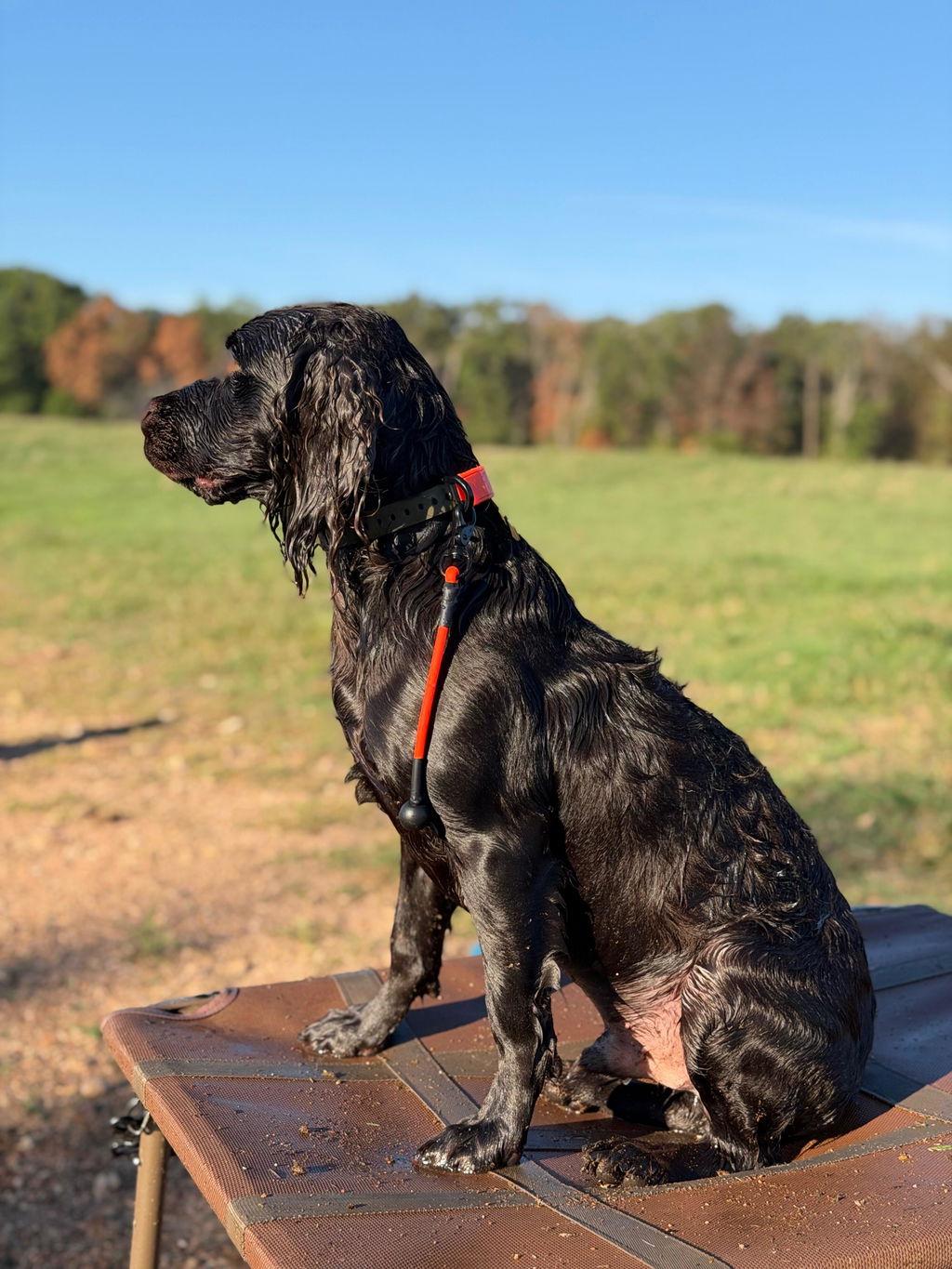
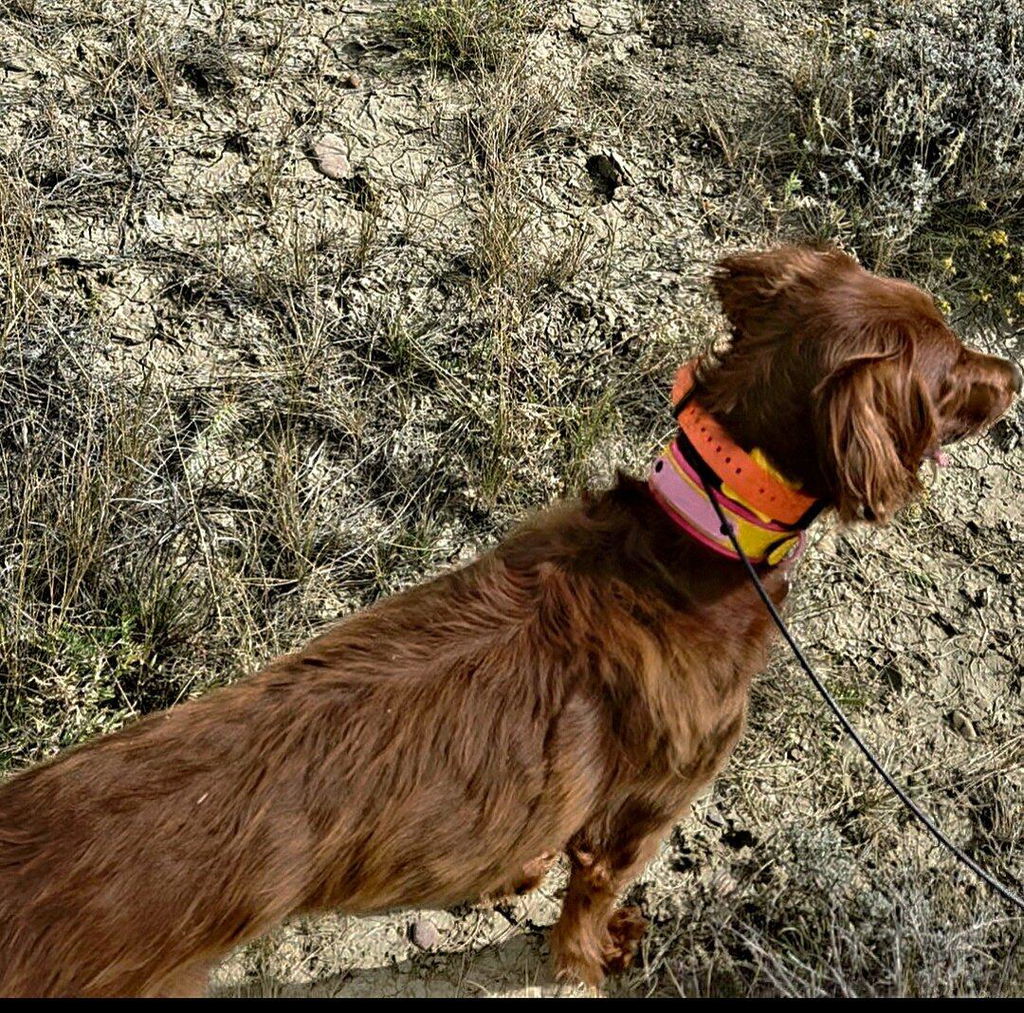
GPS collars shine when you're doing what you love with your dog. Whether hiking, camping, beach trips, or just off-leash playtime in large areas, a GPS collar transforms the experience. You can let your dog enjoy more freedom because you know where they are every moment.
Picture this: you're at a hiking trailhead, and your dog bolts after a rabbit. Instead of panic, you pull out your phone and see exactly where they went. You follow the GPS map, find them quickly, and everyone gets back to enjoying the adventure. That's the power of a GPS collar.
Real-world scenarios where GPS collars prevent lost dogs include situations where dogs bolt unexpectedly, wander off out of curiosity or to follow a scent, or get spooked by loud noises like fireworks. For active dogs, this technology lets you say yes to adventures instead of worrying the whole time.
Collar Safety Tips for GPS & Standard Collars
A GPS collar is an investment in safety, but it's just one part of responsible dog ownership. Here's how to use collars safely:
Proper Fitting
Do a size check both when your dog is standing and sitting to ensure the collar doesn't tighten up when they lie down. This simple step prevents discomfort and potential injury.
Supervision Best Practices
The majority of collar-related accidents happen when the dog is unsupervised. At home and at night when sleeping, consider removing the collar. When out and about, keep an eye on your dog, especially at dog parks where collar tangles with other dogs can happen.
Quick-Release Benefits
In emergency situations, a quick-release collar can be removed instantly without cutting or struggle. This is why many dog daycares prefer them—safety matters.
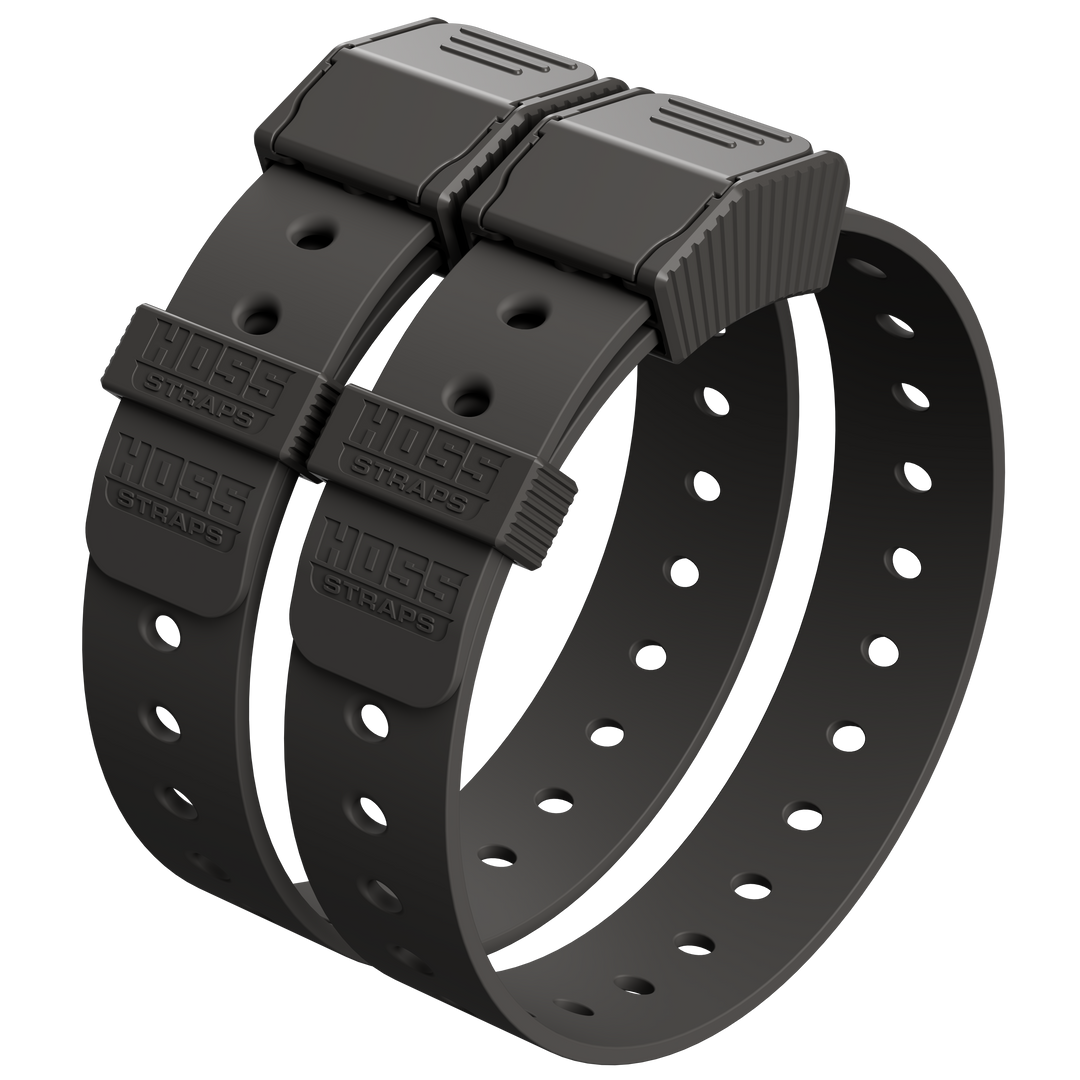
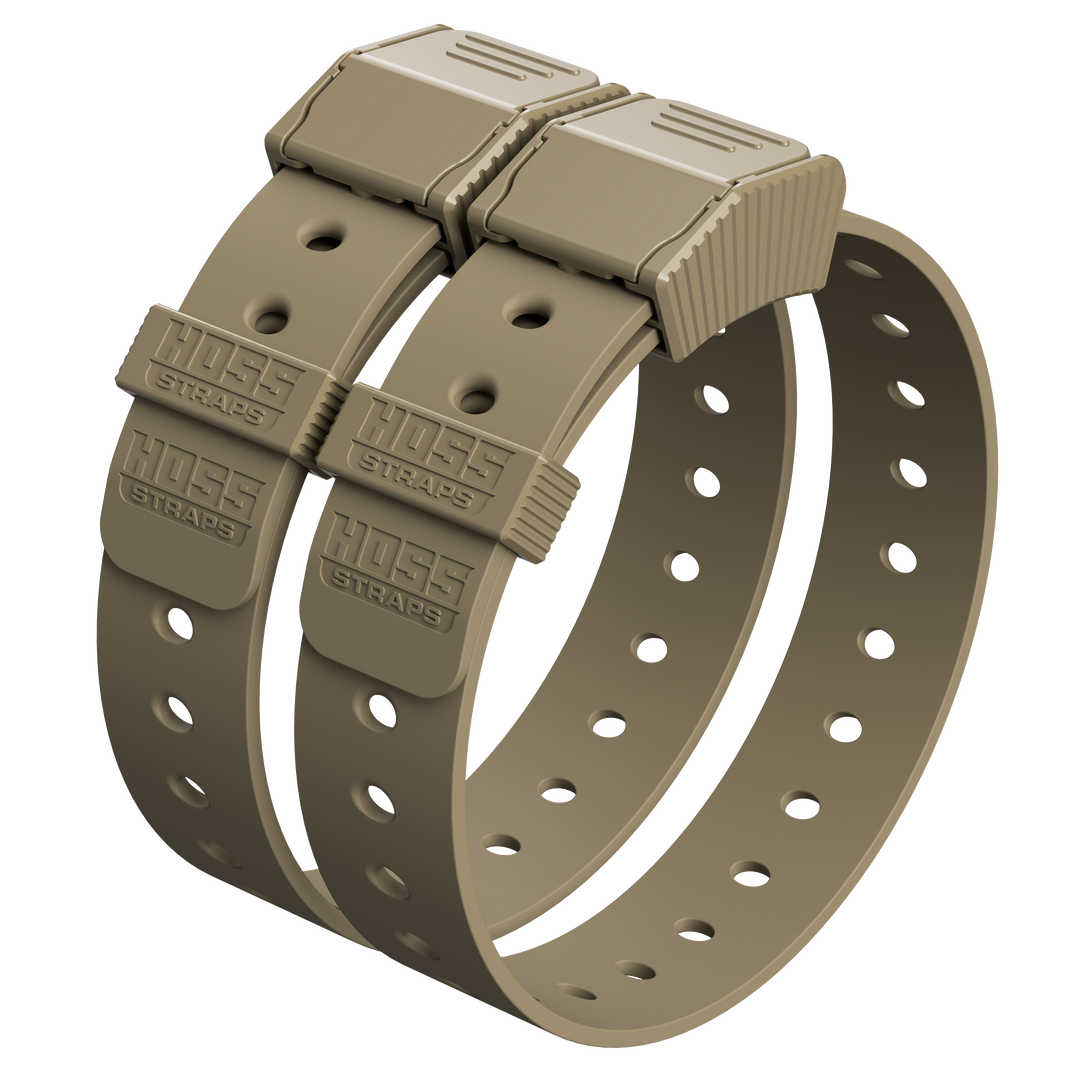
Looking for a Reliable GPS Collar? Choose the Hoss Straps D-Ring Dog Collar
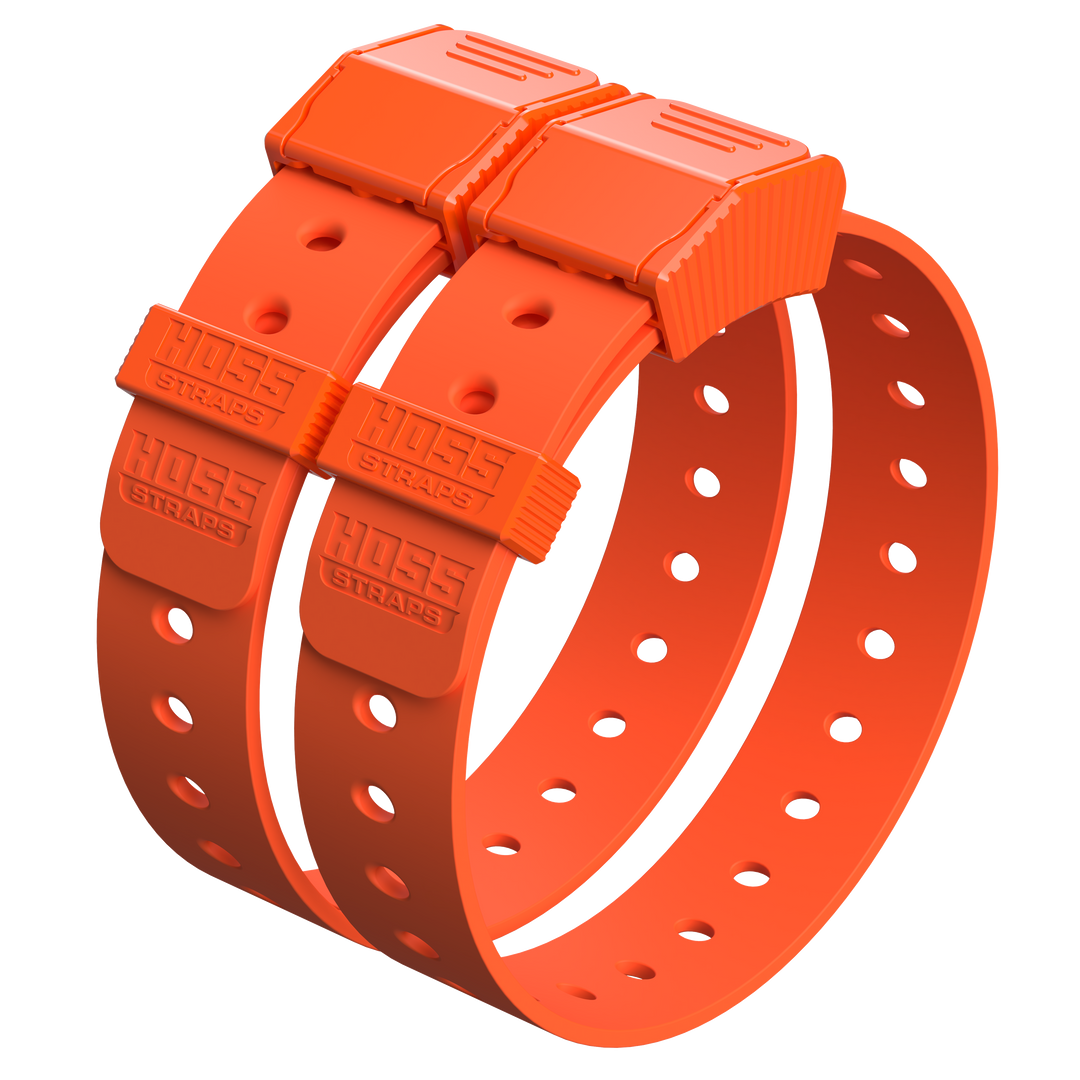
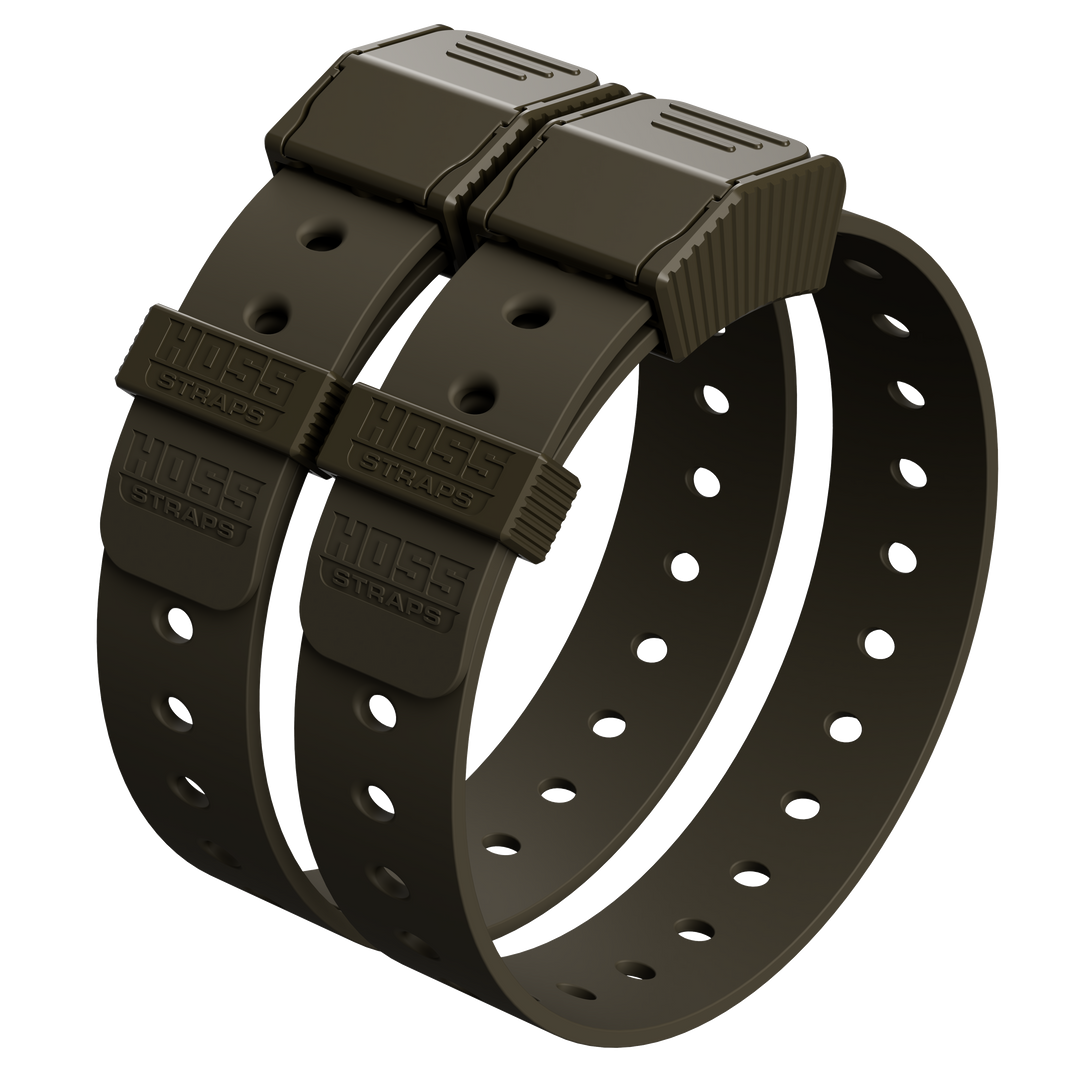
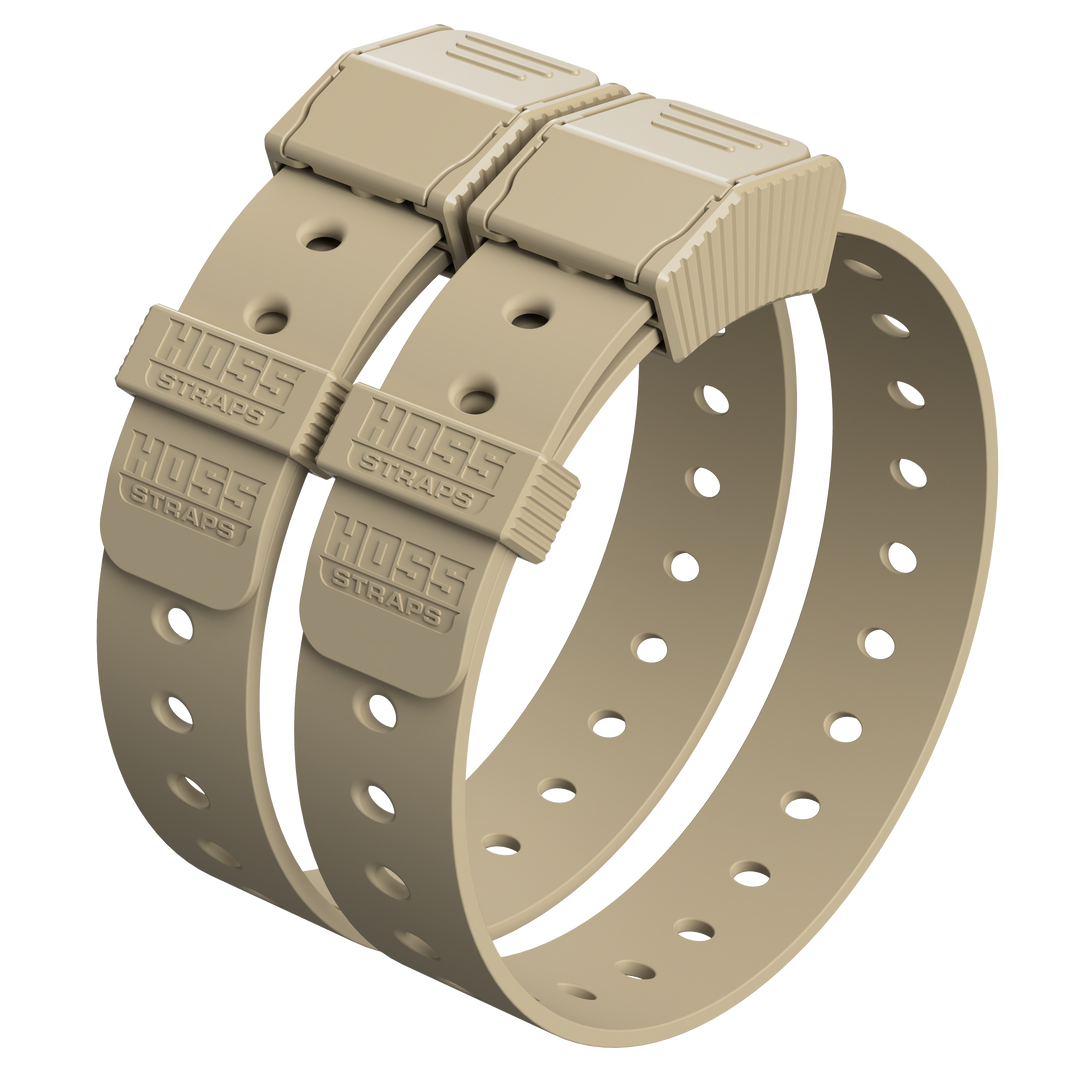
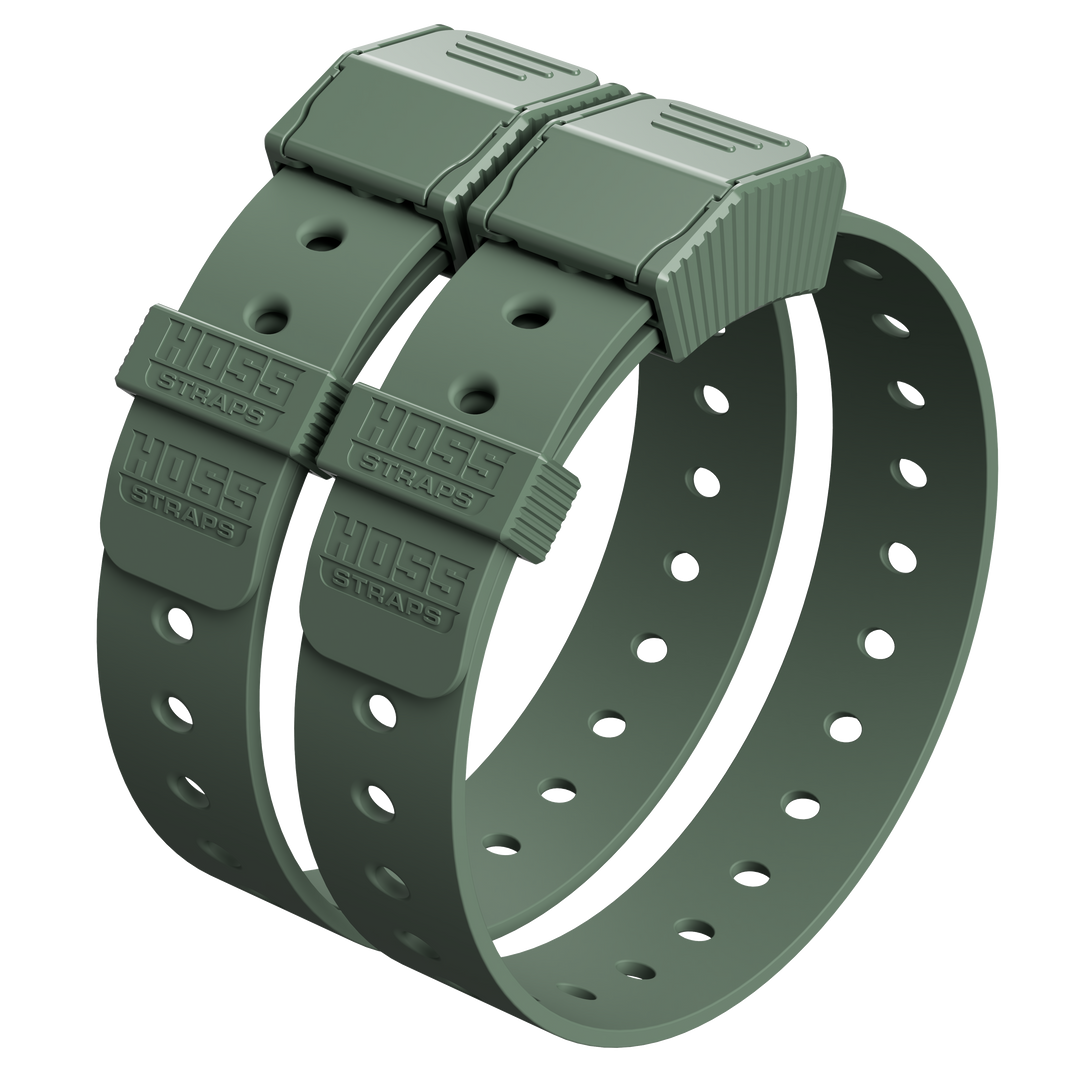
Want a safer, easier way to secure your GPS tracker? Pair it with the Hoss Straps D-Ring Dog Collar—built tough, waterproof, and designed to keep your tracker in place no matter where your dog adventures.
Check out our training collar setup, D-ring dog collar options, easy-fit dog collars, and more to keep your pet safe and secure. Shop now and upgrade your dog’s safety.
FAQ: Your GPS Dog Collar Questions Answered
1. How accurate is GPS dog collar tracking?
GPS dog trackers are typically as accurate as standard GPS technology, working within 5 to 10 meters (16 to 33 feet) of your dog's actual location. Accuracy depends on factors like satellite visibility, local terrain, weather, and cellular signal strength. In open spaces like parks, accuracy is generally excellent. In densely forested areas or urban canyons with tall buildings, accuracy may be slightly lower, but many modern trackers use Bluetooth and Wi-Fi data to compensate and improve real-time location updates.
2. Do GPS collars work if my dog loses the collar?
No—if your dog loses the collar, the GPS tracker goes with it. This is why using both a microchip and a GPS collar is the smartest approach. A microchip serves as a permanent backup ID. If your dog loses the GPS collar, the microchip still gives shelters and vets a way to identify and reunite your dog with you. Always ensure your dog wears their collar securely, and check the fit regularly, especially for growing puppies.
3. What's the difference between weatherproof and waterproof?
Weatherproof means the collar resists some moisture and environmental exposure but isn't fully water-resistant. Waterproof means the collar can be fully submerged and will repel water completely. For dogs who swim, play in puddles, or spend time in wet conditions, true waterproof collars are the better choice because they prevent bacteria growth, eliminate odors, and last much longer than traditional or merely weatherproof collars.
4. How often do I need to charge a GPS collar?
Battery life varies by model and usage. Most GPS collars require charging every 2 to 7 days, depending on how frequently the location is updated and whether power-saving modes are active. Some premium models offer up to 15 days of battery life. Build charging into your routine—set a phone reminder or charge your dog's collar whenever you charge your own devices to ensure it's always ready for adventures.
5. Can I use a GPS collar with a harness instead of a collar?
Most GPS collars are specifically designed to attach to collars rather than harnesses. However, some dogs wear both a collar (for ID and GPS) and a harness (for leash attachment and control during walks). This dual approach is actually recommended for large or strong pullers. Check with your specific GPS collar manufacturer about compatibility, as some devices can be adapted with aftermarket accessories, though this isn't typically the standard use case.