


When Professional Dog Collars Should Be Retired
Retire a professional collar when the buckle, strap, D-ring, adapter interface, or fit can no longer be verified, or when damage, deformation, corrosion, or recurring irritation creates doubt. This when to replace professional dog collar replacement guide is for trainers and handlers responsible for equipment serviceability. It uses checks you can see and repeat. Follow the maker's directions and get expert help when needed.

Quick guide
- What to check: Buckle Integrity, Strap Integrity, and Hardware Movement
- Inspection steps: When Professional Dog Collars Should Be Retired
- When to stop using the collar
- Hoss Straps product facts for When to Replace Professional Dog Collar
- What to do next
- Questions about when to replace professional dog collar
- Related collar guides
- Sources and product facts
What to check: Buckle Integrity, Strap Integrity, and Hardware Movement
| Part or condition | What to check |
|---|---|
| buckle integrity | Test buckle integrity off the dog. It should move, close, and release as designed. |
| strap integrity | Look closely at strap integrity. Check for wear, cracks, sharp edges, or shape changes. |
| hardware movement | Inspect hardware movement for wear, damage, and free movement. |
| adapter fit | Check adapter fit on the dog at rest. Recheck it after the coat or gear changes. |
| dog response | Check dog response on the dog. Stop if you see pain, rubbing, or skin changes. |
Start with buckle integrity, strap integrity, and hardware movement. Then check adapter fit and dog response. The steps below show how these points guide the choice.

Inspection steps: When Professional Dog Collars Should Be Retired
- Remove any collar with unreliable buckle operation.
- Quarantine straps with deep cuts, permanent deformation, or sharp edges.
- Review corrosion or coating damage with the manufacturer.
- Do not improvise repairs around receiver attachment points.
- Retire gear that repeatedly creates fit or skin problems.
Use the steps in order. Recheck buckle integrity when the coat, weather, task, or gear changes. Record temporary field repairs becoming permanent before another handler uses the gear.

When to stop using the collar
Stop when you find temporary field repairs becoming permanent, unknown service history, parts from incompatible systems, and continued use despite doubt. Keep the dog under safe control. Check the gear and the dog's skin. Record why you stopped.
If a receiver is used, treat temporary field repairs becoming permanent and unknown service history as gear problems. Do not try to fix them with a training change. Remove the gear and check the dog. Follow the device maker's fit and setup steps before reuse.

Hoss Straps product facts for When to Replace Professional Dog Collar
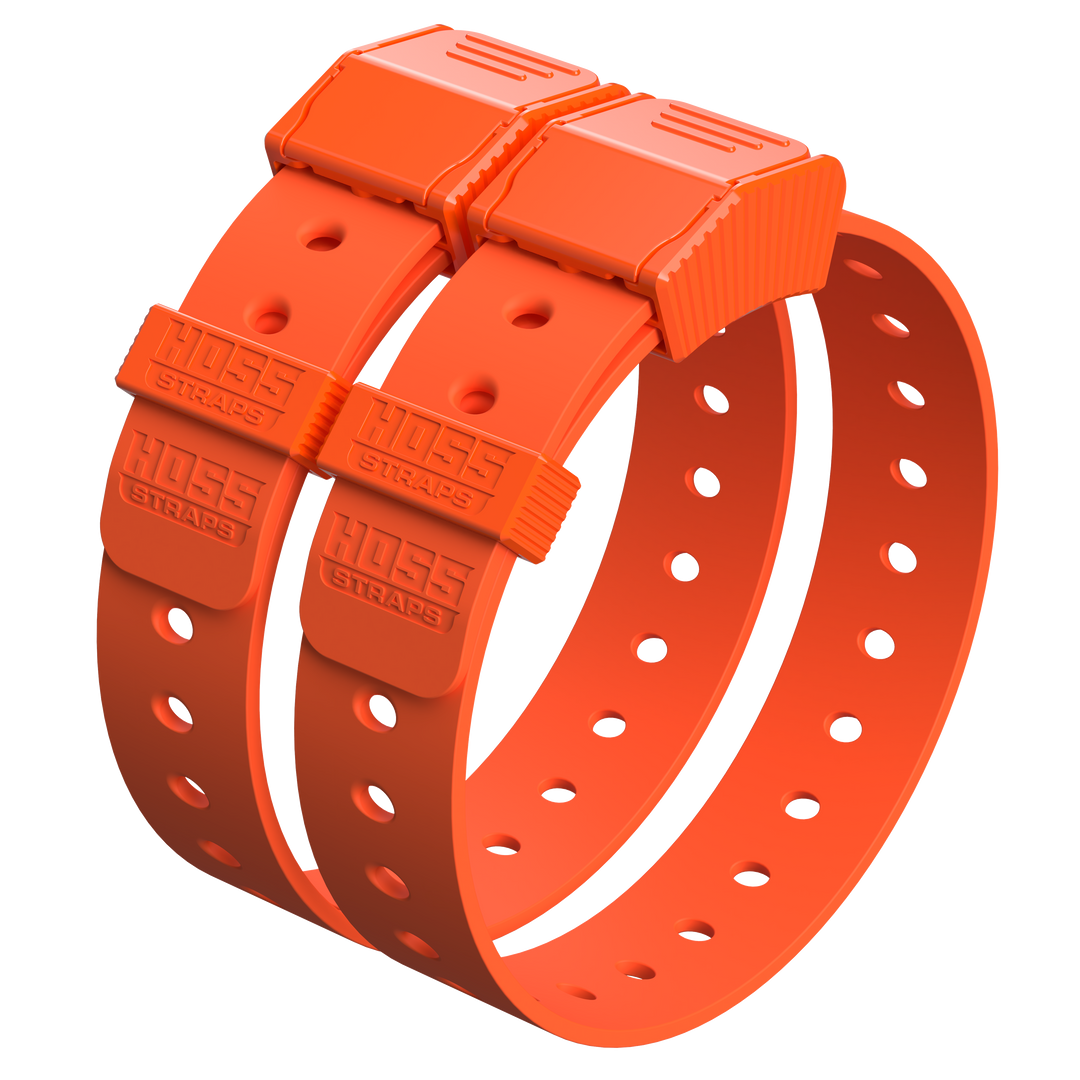
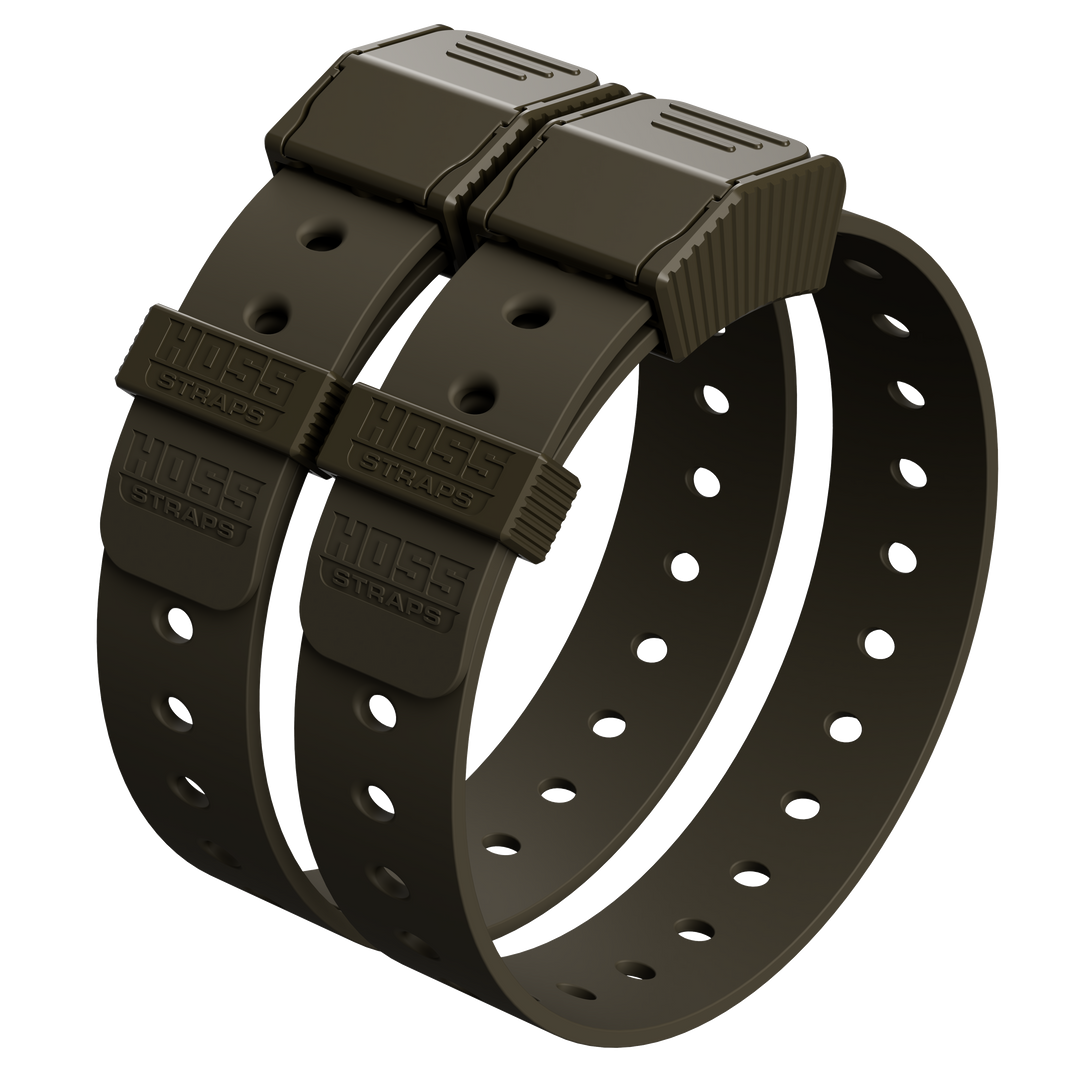
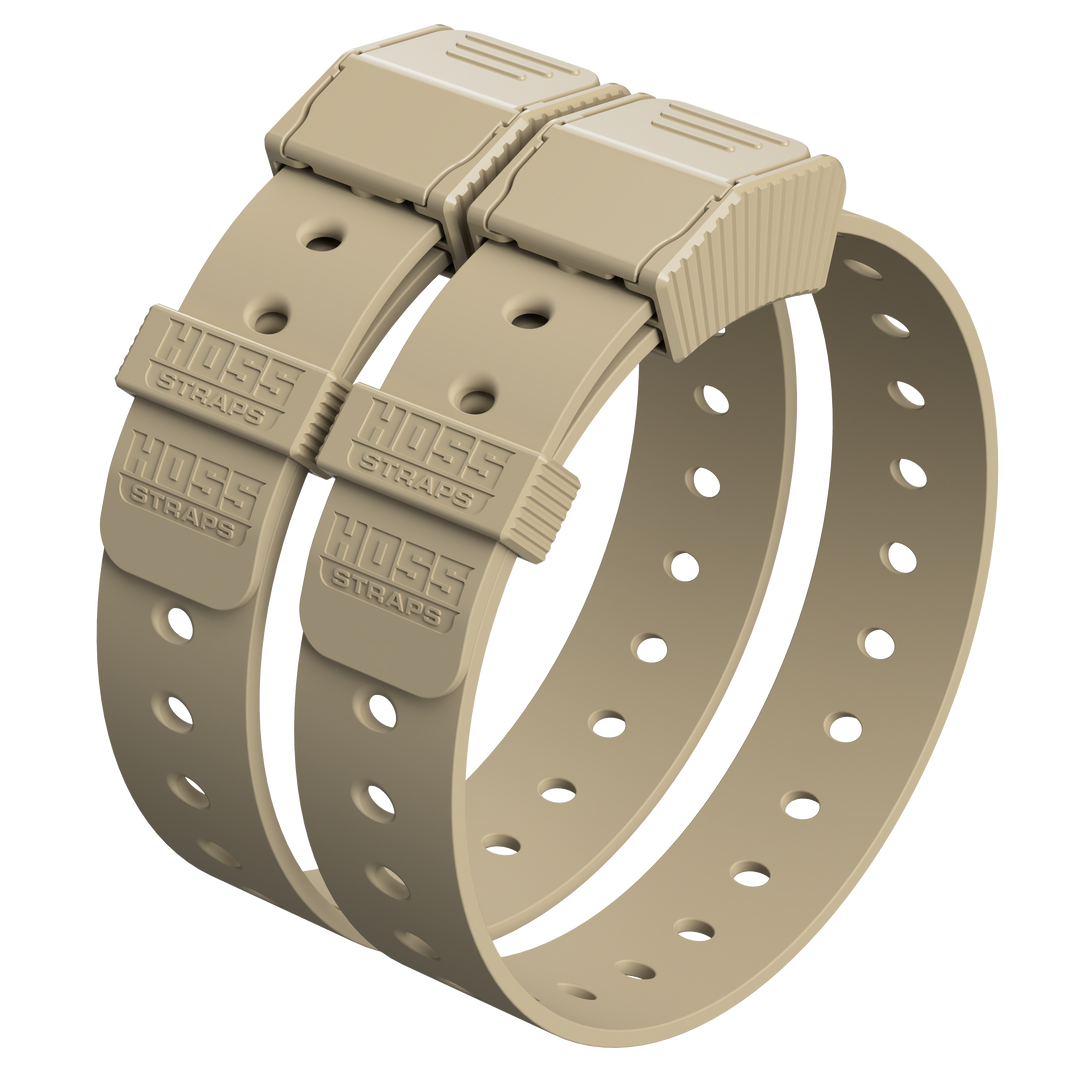
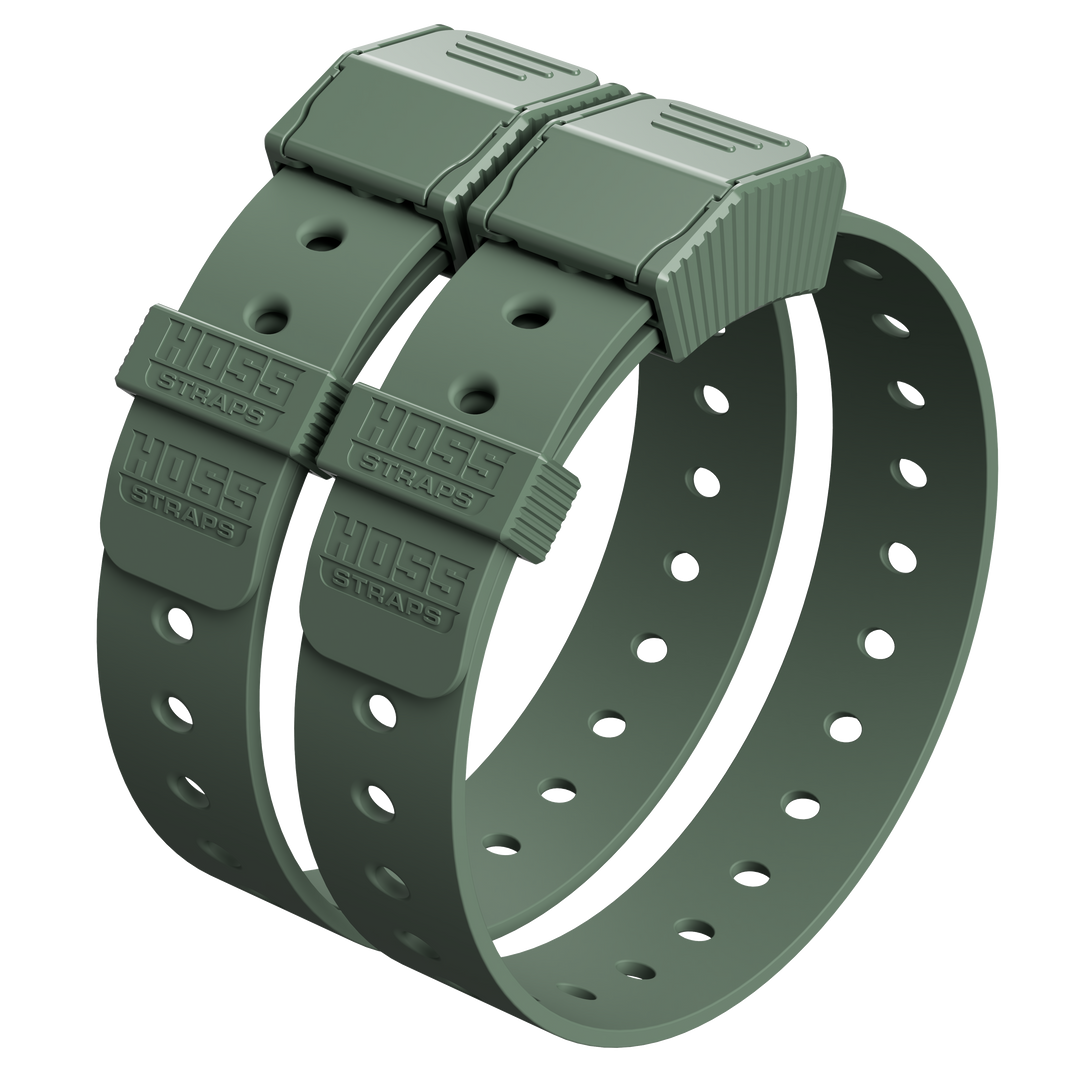
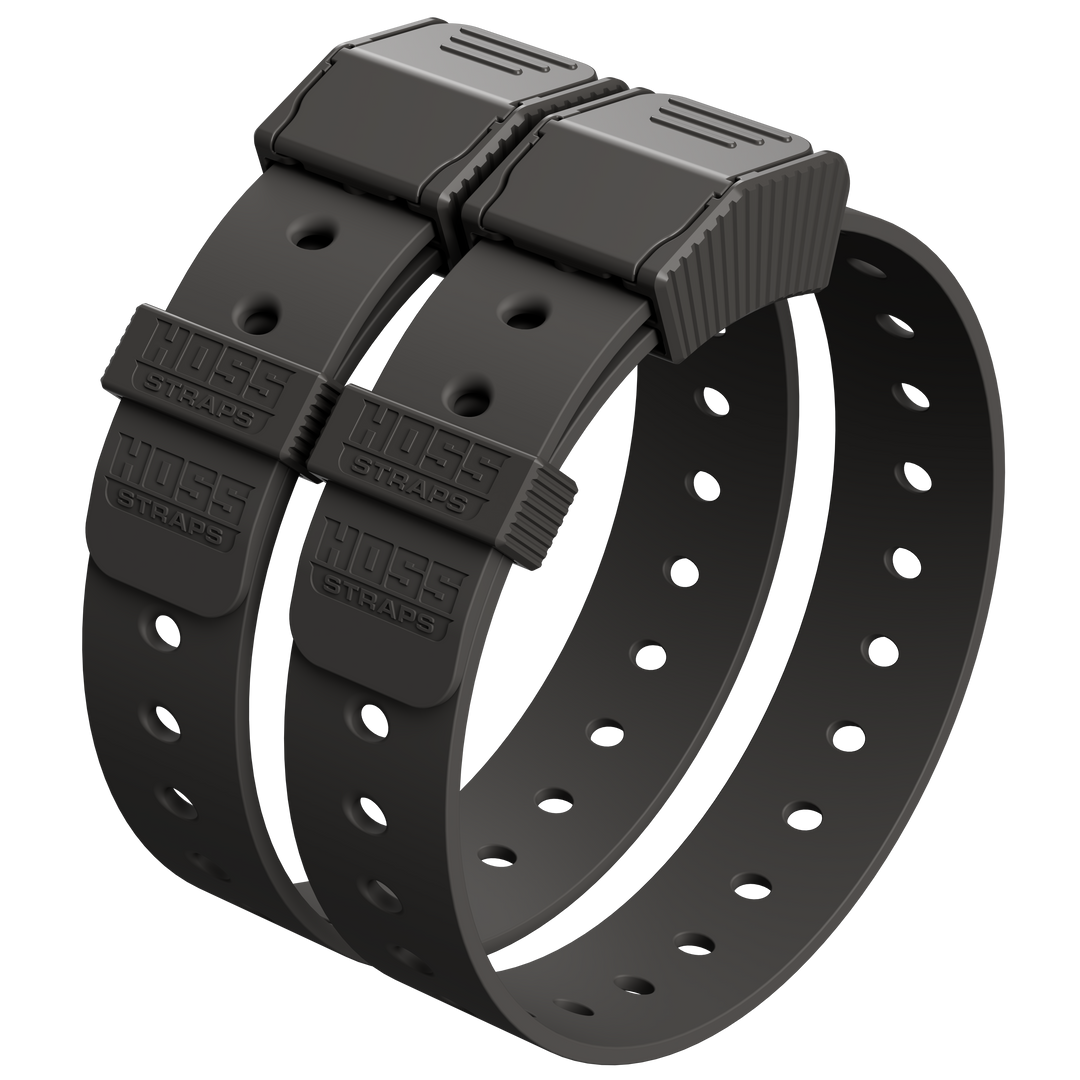
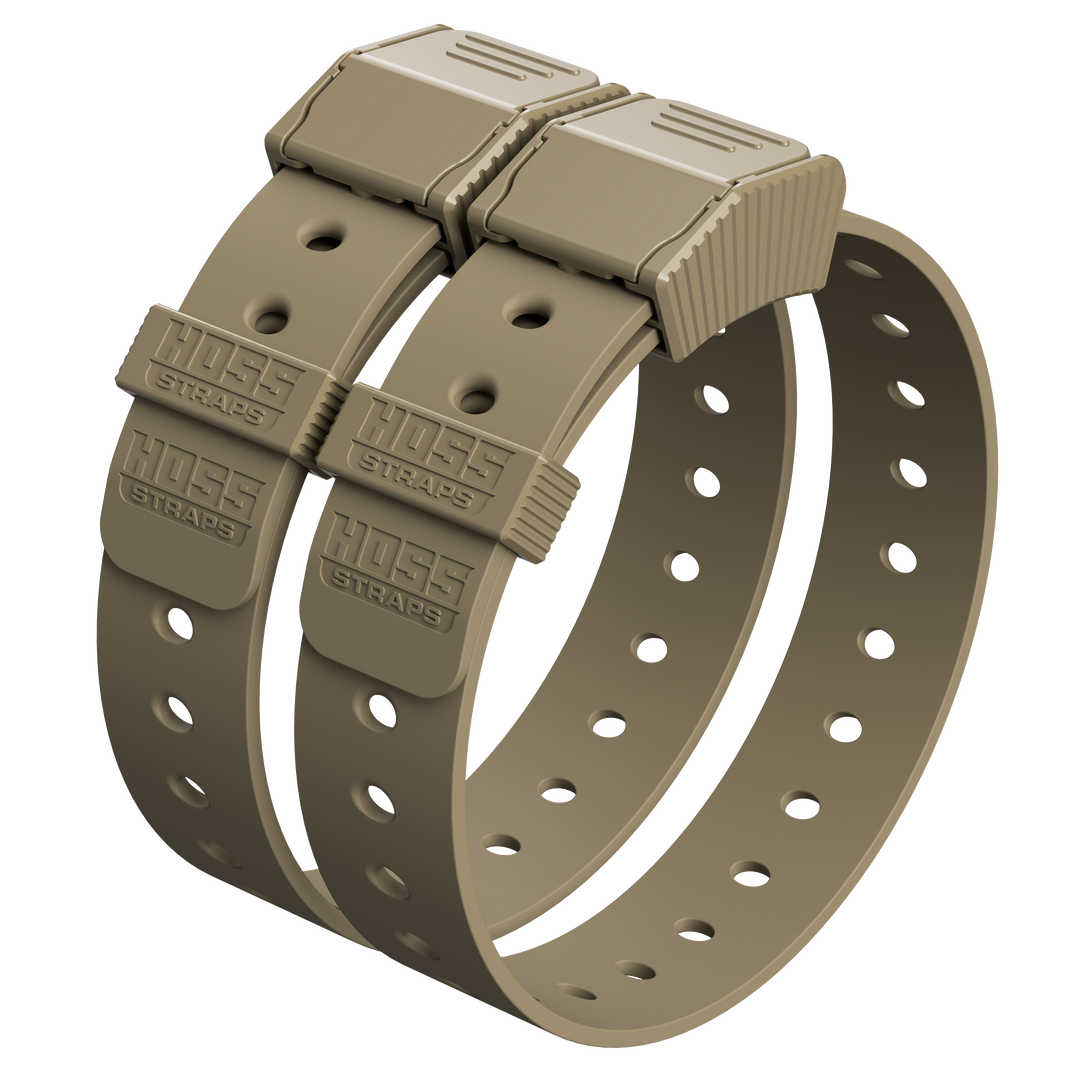
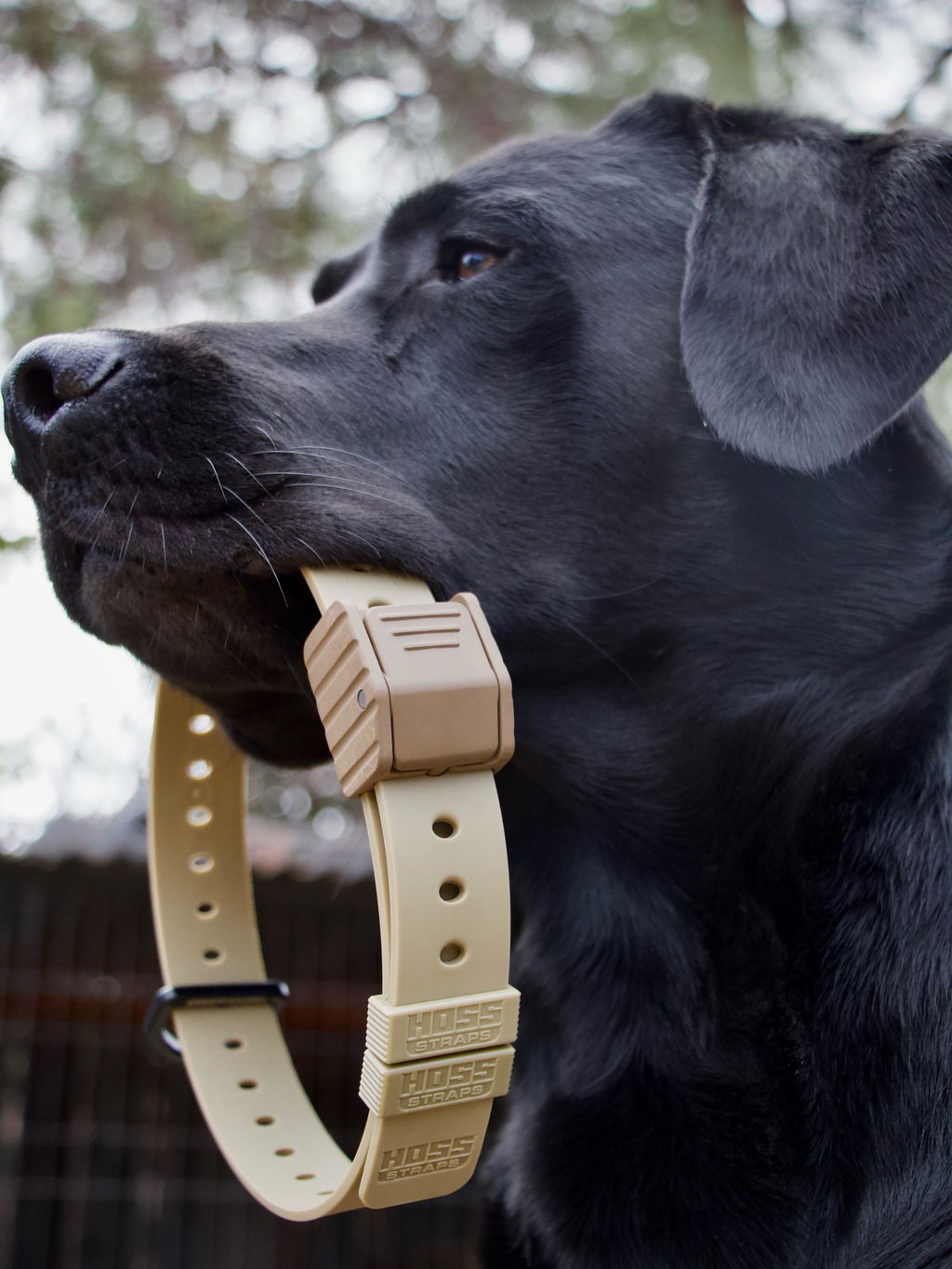
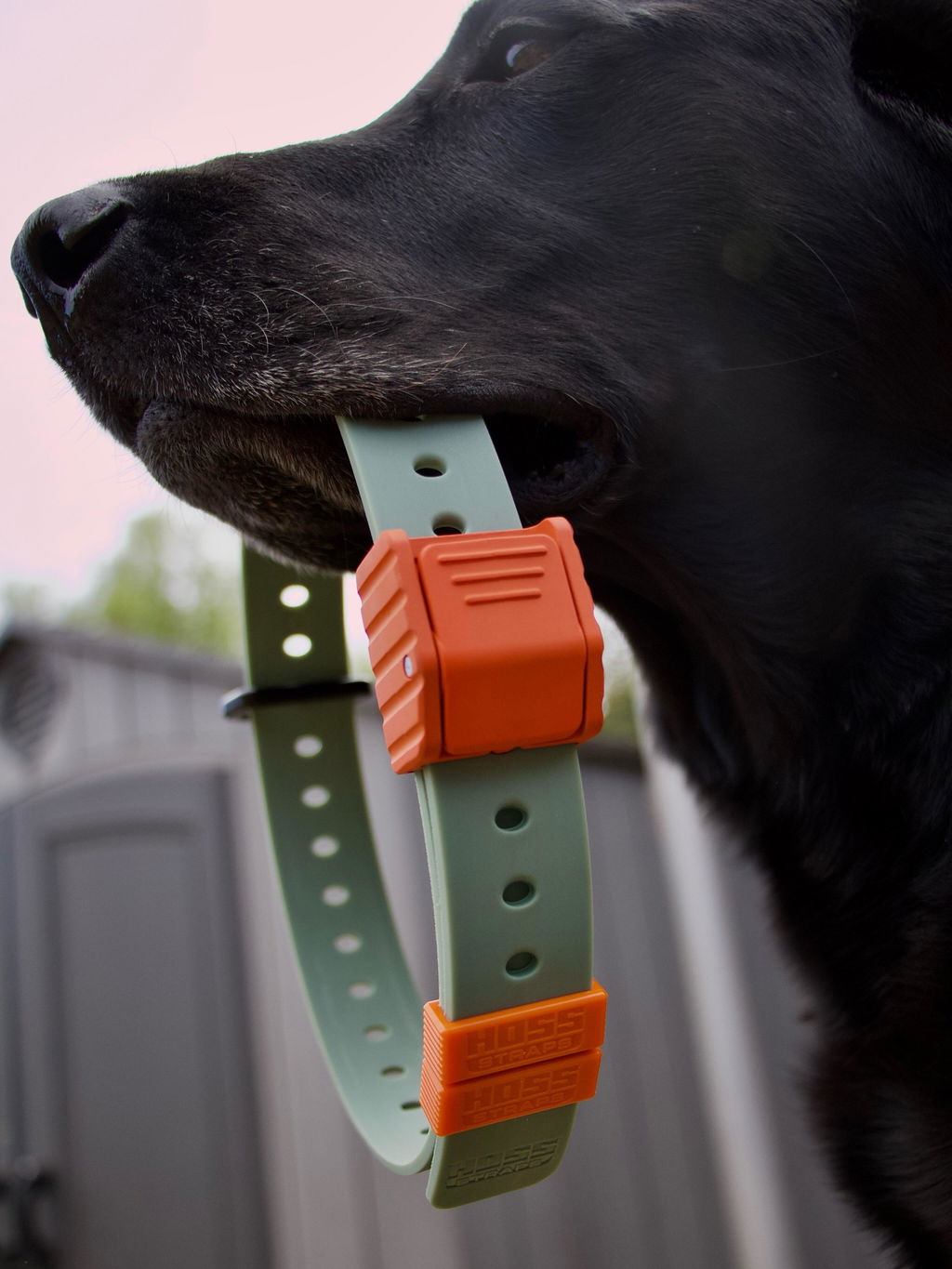
The Pro Series Field Collar product page lists a 1 1/16-inch strap and fit for necks up to 22 inches and marine-grade aluminum hardware, Cerakote finish, and reinforced buckle housing. These are Hoss Straps product facts. They are not third-party test results or safety certificates. Hoss Straps lists PT10, PT6, Sport Pro, Pro 550, and Pro 70 for its adapter setup. The Garmin device is sold on its own. Check the exact model on the Hoss Straps Adapter Kit page. Also read the right Garmin manual before you order. For this guide, compare those facts with buckle integrity and strap integrity.
Use the Pro Series Training Collar Setup page to check the parts in the kit. Match buckle integrity to the device manual. The Garmin unit is not included. Check current fit, stock, color, and warranty before buying.
For a wider view, read Training Collars for Pros: Fit, Contact, and Field-Ready Control. This page stays focused on buckle integrity and strap integrity.
What to do next
Check buckle integrity, strap integrity, and hardware movement in that order. Stop if you find temporary field repairs becoming permanent. Use only gear that passes the full check.
Questions about when to replace professional dog collar
Is age alone enough to retire a collar?
Condition, use, environment, and service history matter more than an arbitrary date alone.
Can a questionable buckle be field-repaired?
Do not return improvised or uncertain hardware to service without manufacturer approval.
Should retired gear stay in the equipment bag?
No. Mark and isolate it so another handler cannot use it accidentally.
Related collar guides
- Read the broader guide: Training Collars for Pros: Fit, Contact, and Field-Ready Control.
- Compare available options: Field Collars.
- Add this related guide after its URL is live: Professional Training Collar Pre-Session Inspection Checklist.
Sources and product facts
- Hoss Straps Pro Series Field Collar facts and warranty — current facts from Hoss Straps used in this When to Replace Professional Dog Collar guide.
- Hoss Straps Pro Series Training Collar Setup parts — current kit contents.
- Hoss Straps Adapter Kit device list — current supported devices. Check again before buying.
- Garmin Pro 550 device-to-strap steps — official setup steps from Garmin.
- Garmin Pro 550 fit and wear guide — official fit and check steps from Garmin.