


Why Your Dog Needs a Waterproof Dog Training Collar?

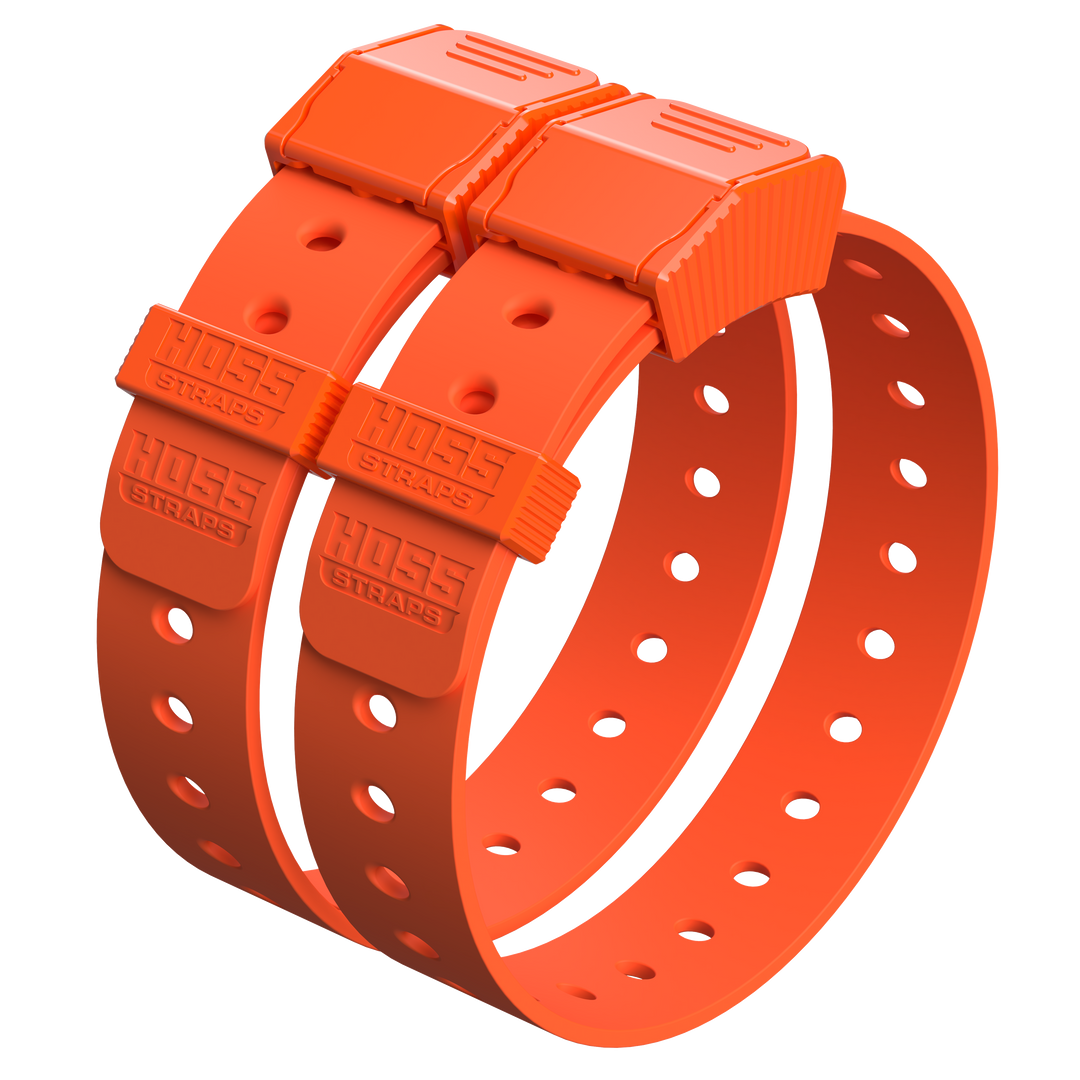
Check out our training collar setup, d-ring dog collar, easy dog collars built for comfort and adventure!
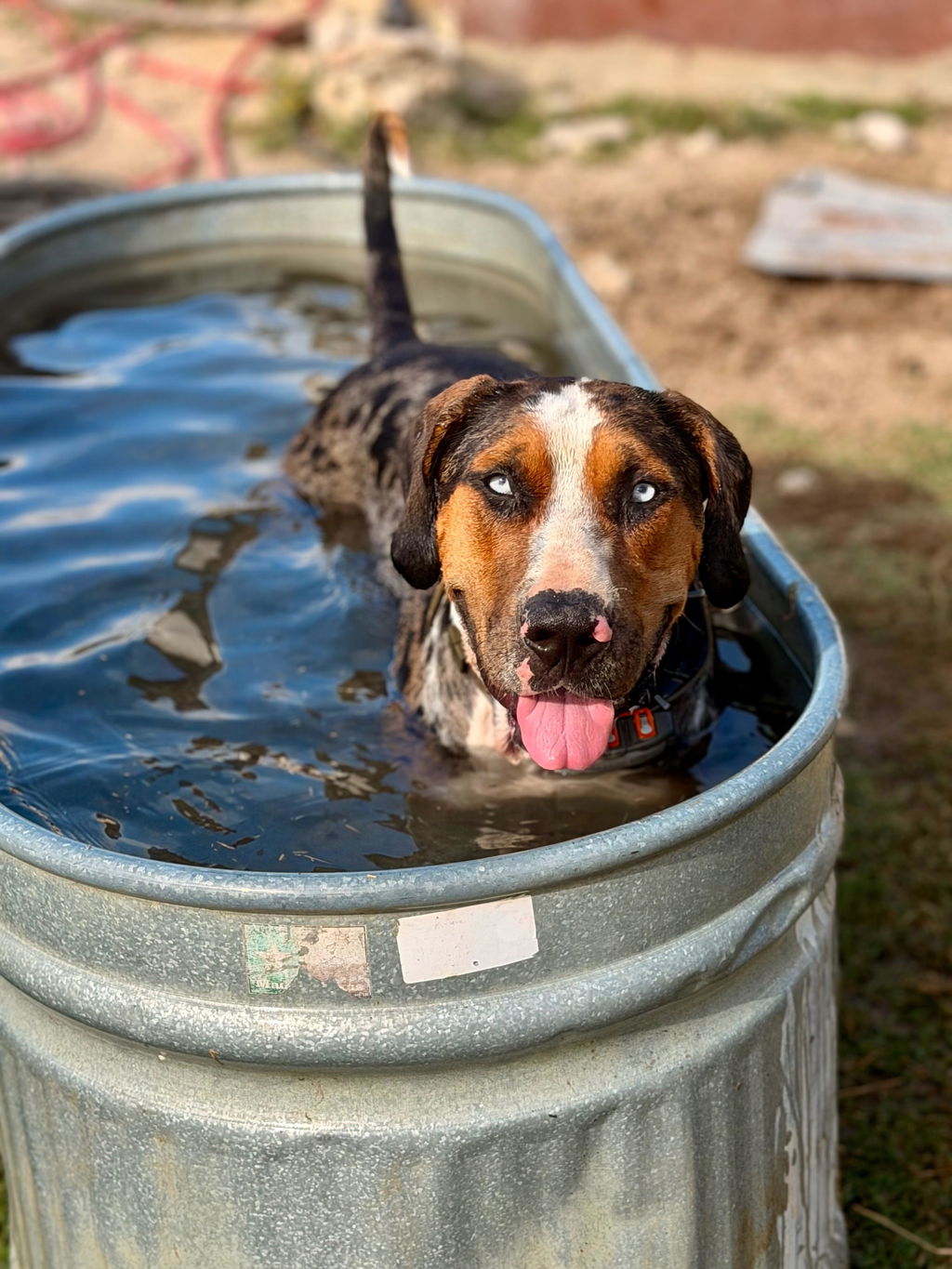
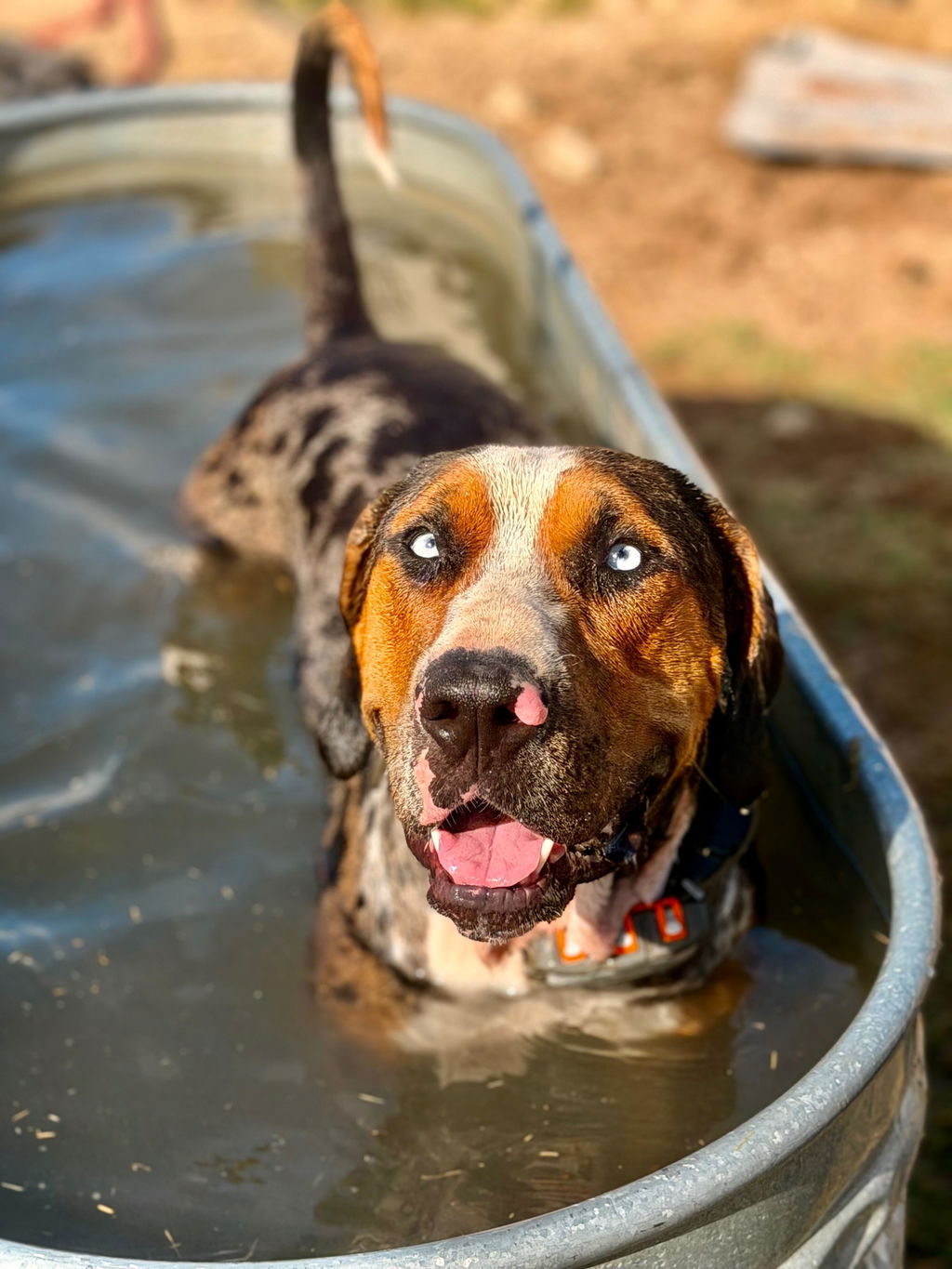
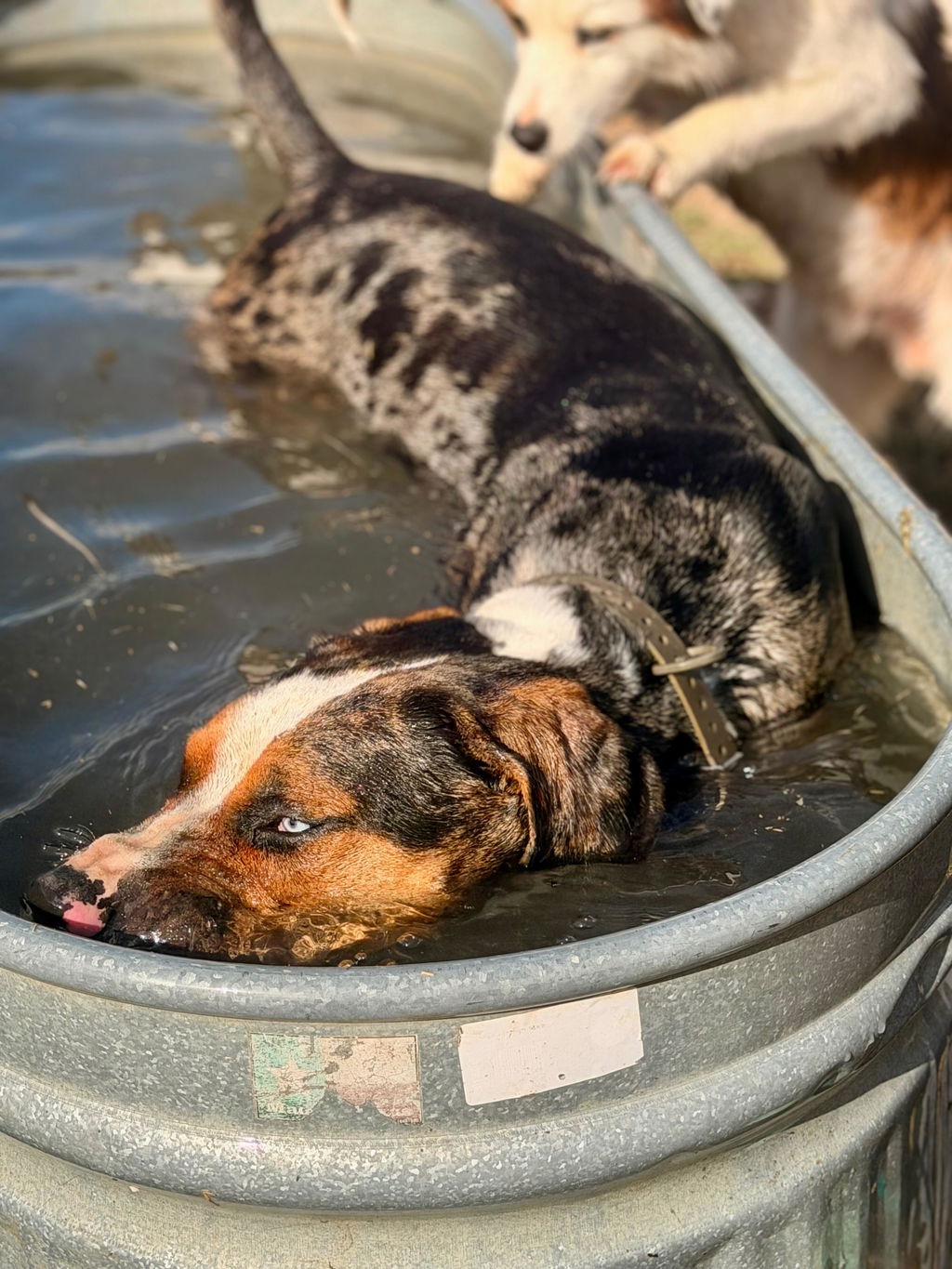
If your dog trains in wet grass, rain, mud, or around creeks and ponds, a waterproof collar makes practical sense because the American Kennel Club says collar fit should be snug enough that you can slide two fingers underneath—but not more, which matters when you want training gear to stay stable during movement.
Why Waterproof Matters in Real Training
For recall drills, long-line work, and off-leash practice, owners usually want gear that is easy to clean and less likely to stay damp after a session, and BioThane describes its coated webbing as polyester webbing with a TPU or PVC coating that is waterproof, more durable, and easy to clean.
That matters for skin comfort too, because VCA Animal Hospitals explains that moisture trapped against the skin can contribute to painful hot spots. In practical terms, that makes waterproof materials more appealing for dogs that train in wet conditions or tend to stay damp after outdoor sessions.
Consistent Fit = Clearer Handling
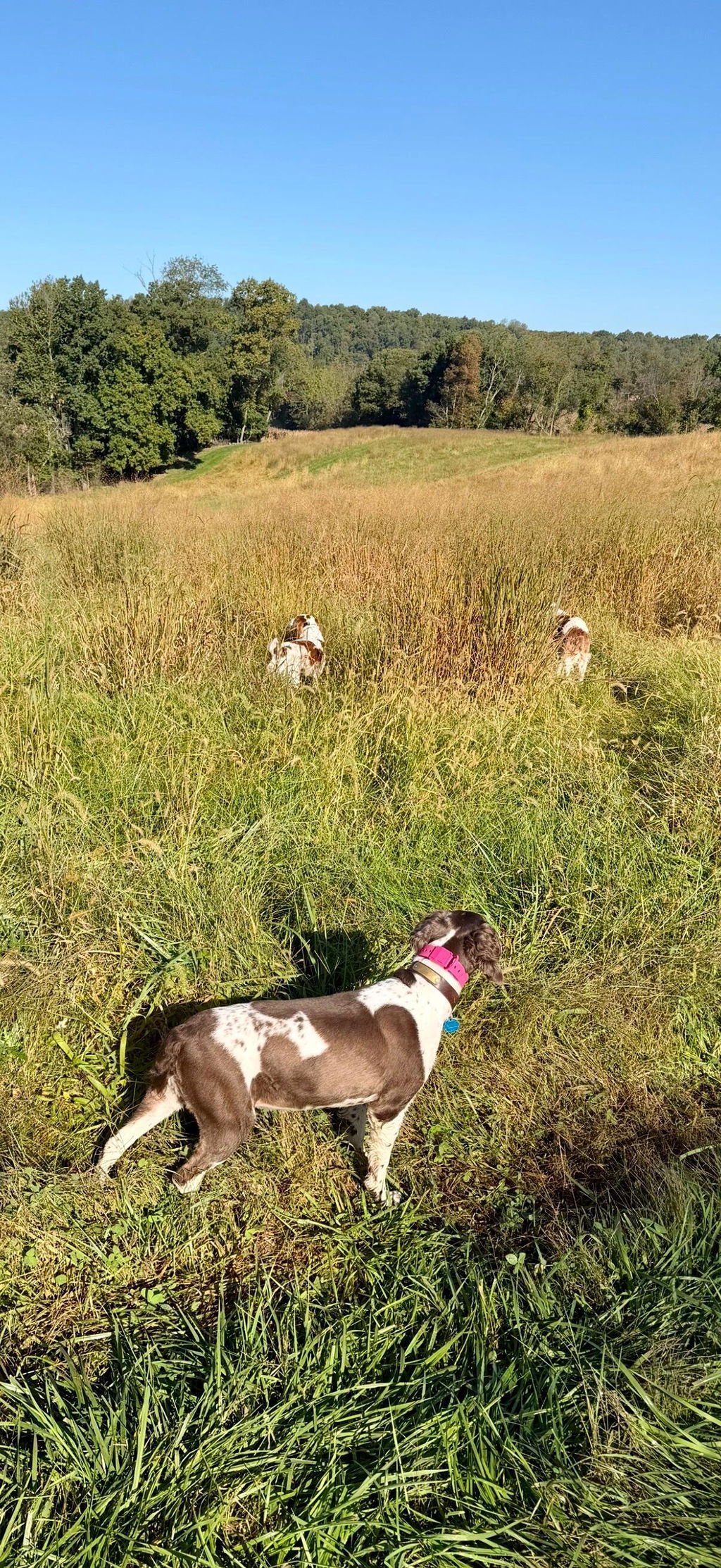
A collar that shifts too much can make handling feel less predictable, especially during higher-movement work like recall, field drills, or fast obedience reps. That is why fit matters just as much as material choice. A Labrador practicing recall through wet grass, a German Shorthaired Pointer doing field drills, or a Belgian Malinois working fast-paced obedience all put more motion through the collar than a dog on a short neighborhood walk.
Fit Checks Owners Should Actually Do

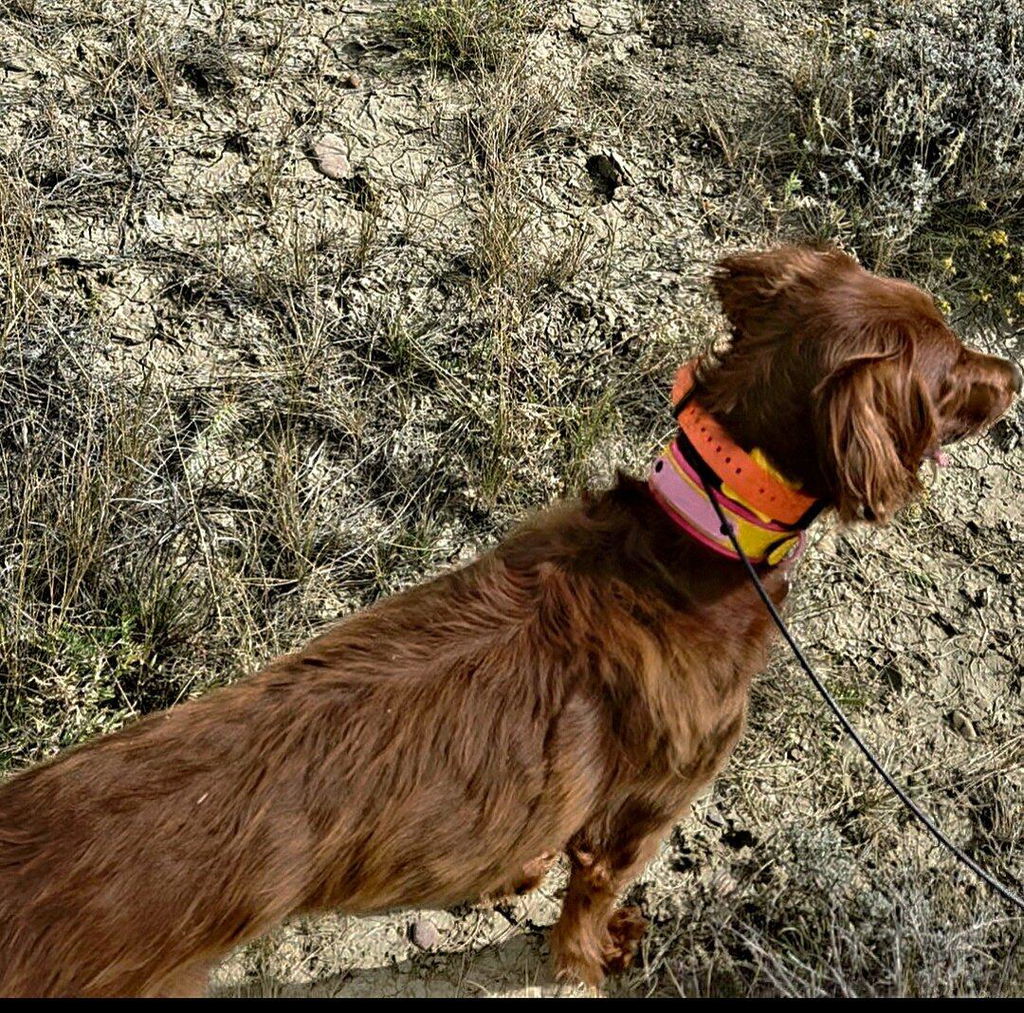
The first fit check is simple: start with the two-finger test. The second fit check is movement, because AKC explains in its gear-fitting guidance that rubbing, chafing, and slipping out are signs the fit needs adjustment, and it specifically notes that dogs with long or fluffy coats may need closer adjustment to prevent slipping.
A practical fit check looks like this:
- confirm the collar passes the two-finger test
- walk your dog and see whether the collar rotates excessively
- lightly apply leash pressure and check whether the collar stays stable
- inspect the neck after training for rubbing, flattened fur, or pinkness
- re-check fit when the dog is wet, freshly groomed, or between sizes
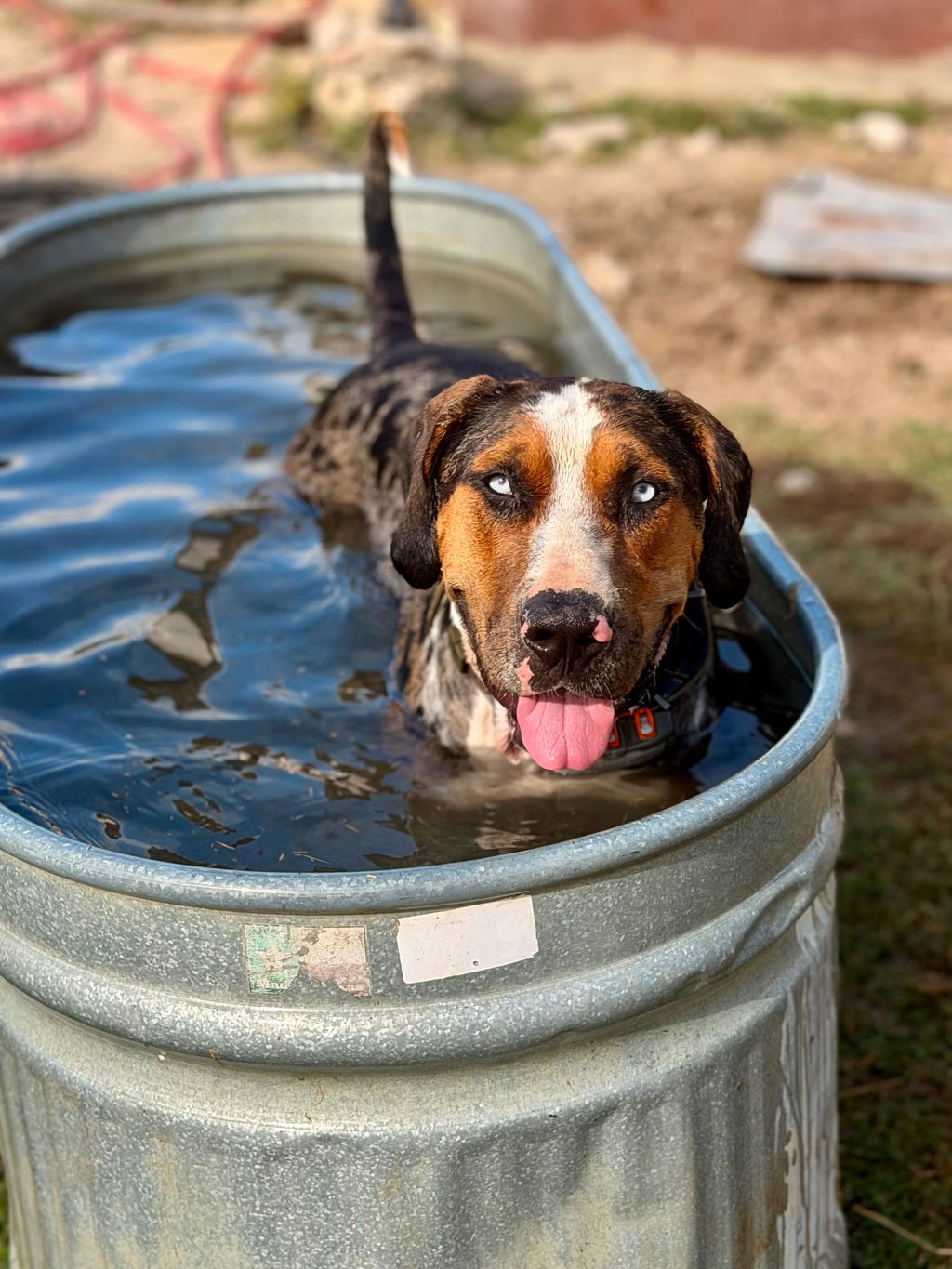
Owners also need to check fit by use case. A long-line recall session puts different force on the collar than a short loose-leash walk. A dog that swims mid-session may need a re-check once wet. A dog with a dense doodle coat, spaniel coat, or seasonal coat blow may need closer monitoring because the collar can seem secure at rest and then shift once the dog starts moving.
Rub and Slip Failure Cues
Owners usually catch obvious failures too late, so it helps to watch for early signs like repeated rubbing in one spot, pink skin, scratching at the neck after training, coat breakage, excessive rotation, or the collar feeling looser once the dog is wet. Those cues often point to a fit problem, a material mismatch, or both.
Other failure cues owners miss include the D-ring drifting out of its usual position, the collar sliding farther down the neck during line pressure, the dog pausing to scratch or shake off during training reps, or a collar that feels fine dry but shifts once it gets soaked. Those are all signs that the fit, width, or material choice may not match the dog’s build or the job.
Comfort Tradeoffs Owners Should Understand
No single material is perfect for every dog. Waterproof coated webbing is a strong choice for dogs that swim, work in mud, or train outdoors often, but it usually feels more structured than soft padded fabric. Softer materials may feel cushier at first, but they can be less ideal for dogs that get soaked repeatedly or stay damp for long stretches.
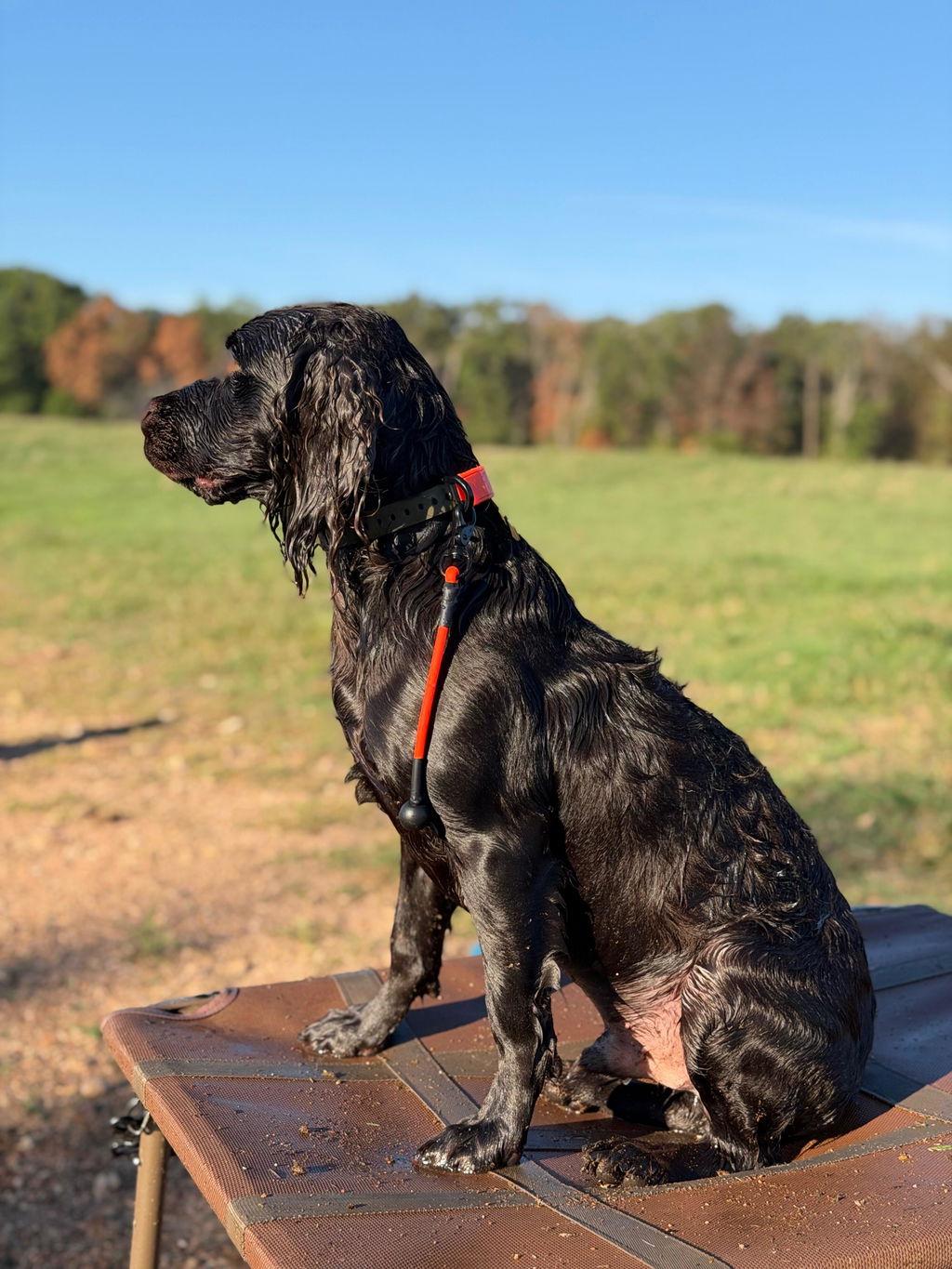
That is why the best choice often depends on the dog and the use case. A doodle mix or Cocker Spaniel with a coat that holds water may benefit from a collar that does not stay damp against the neck, while a suburban pet dog doing short daily leash sessions may care less about water exposure than a retriever training around ponds several times a week.
There is also a control-versus-comfort tradeoff that owners often overlook. A collar that feels very soft in the hand can still rotate too much during active work. A more structured waterproof collar may feel less plush, but it can stay more stable during recall drills, line handling, and outdoor sessions where the dog is constantly getting wet or dirty.
Specific Dogs and Use Cases Where It Matters Most

These details matter most when the dog’s environment makes collar performance more demanding.
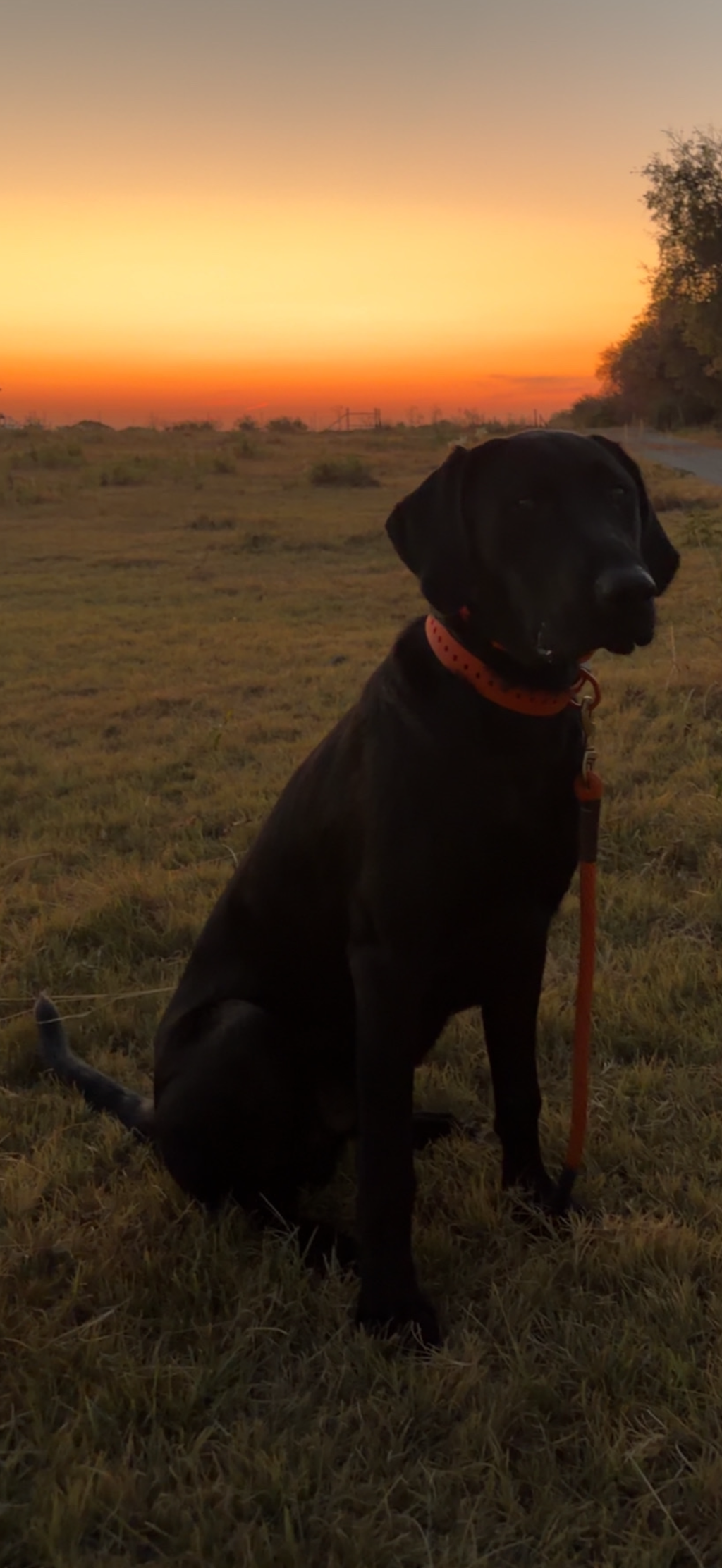
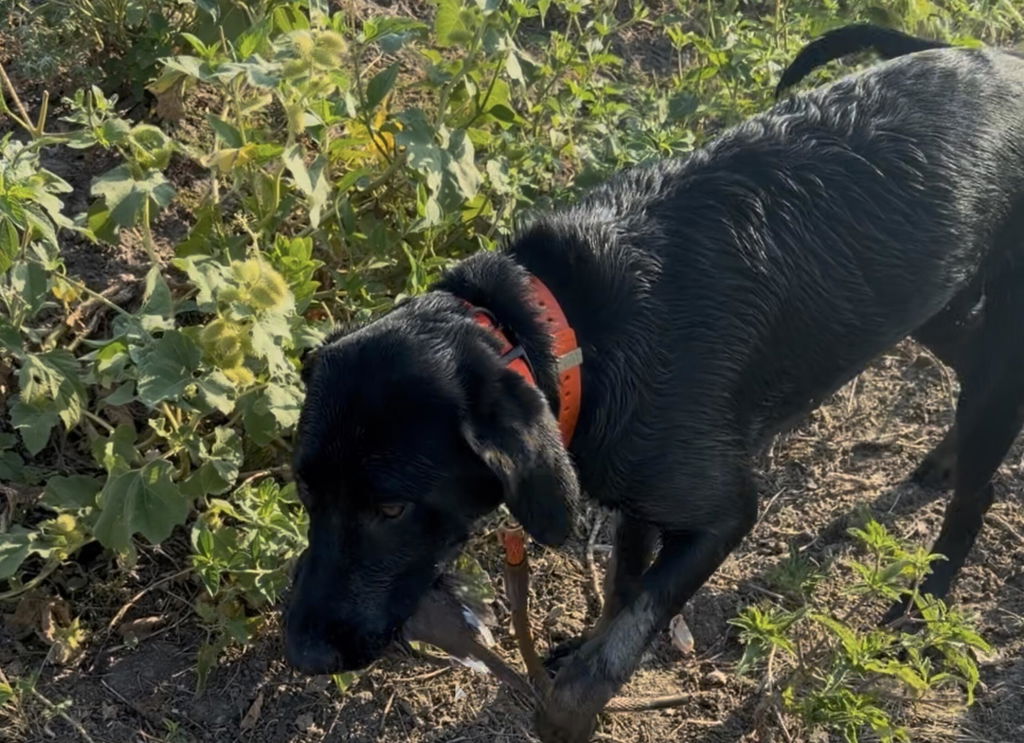
- A Labrador doing recall around water needs a collar that still feels stable after repeated soaking.
- A German Shorthaired Pointer in field training needs gear that handles speed, brush, and wet ground without getting heavy or staying dirty.
- A Belgian Malinois working obedience or engagement drills benefits from a collar that stays consistent during fast directional changes.
- A doodle mix or Cocker Spaniel with a coat that traps moisture may need a setup that stays cleaner and drier against the neck.
- A suburban pet dog practicing loose-leash walking in rainy weather still benefits from gear that is easy to rinse, easy to re-check, and less likely to stay damp between outings.
What Owners Usually Get Wrong
The most common mistake is buying too loose. The second mistake is ignoring how the collar behaves in motion. The third mistake is assuming that if a collar feels soft in the hand, it will automatically perform better on the dog. The fourth mistake is forgetting that repeated moisture exposure can change what is comfortable and practical for a specific dog.
Owners also often make the mistake of using one collar for every job. A dog may tolerate one setup for casual daily wear but need something more stable for recall practice, long-line work, or field sessions. Another common mistake is ignoring coat type. A short-coated dog, a thick-coated dog, and a curly-coated dog can all experience rub and slippage differently even when wearing the same collar size.
Hardware Still Matters
Material is only part of the equation. Hardware matters too, especially for dogs that train outside in wet conditions, because the Nickel Institute explains that stainless steel is valued in part for corrosion resistance, which is why rust-resistant hardware is a sensible feature to look for on collars used around water and mud.
What Owners Usually Get Wrong
The most common mistake is buying too loose. The second mistake is ignoring how the collar behaves in motion. The third mistake is assuming that if a collar feels soft in the hand, it will automatically perform better on the dog. The fourth mistake is forgetting that repeated moisture exposure can change what is comfortable and practical for a specific dog.
Why This Matters for Hoss Straps
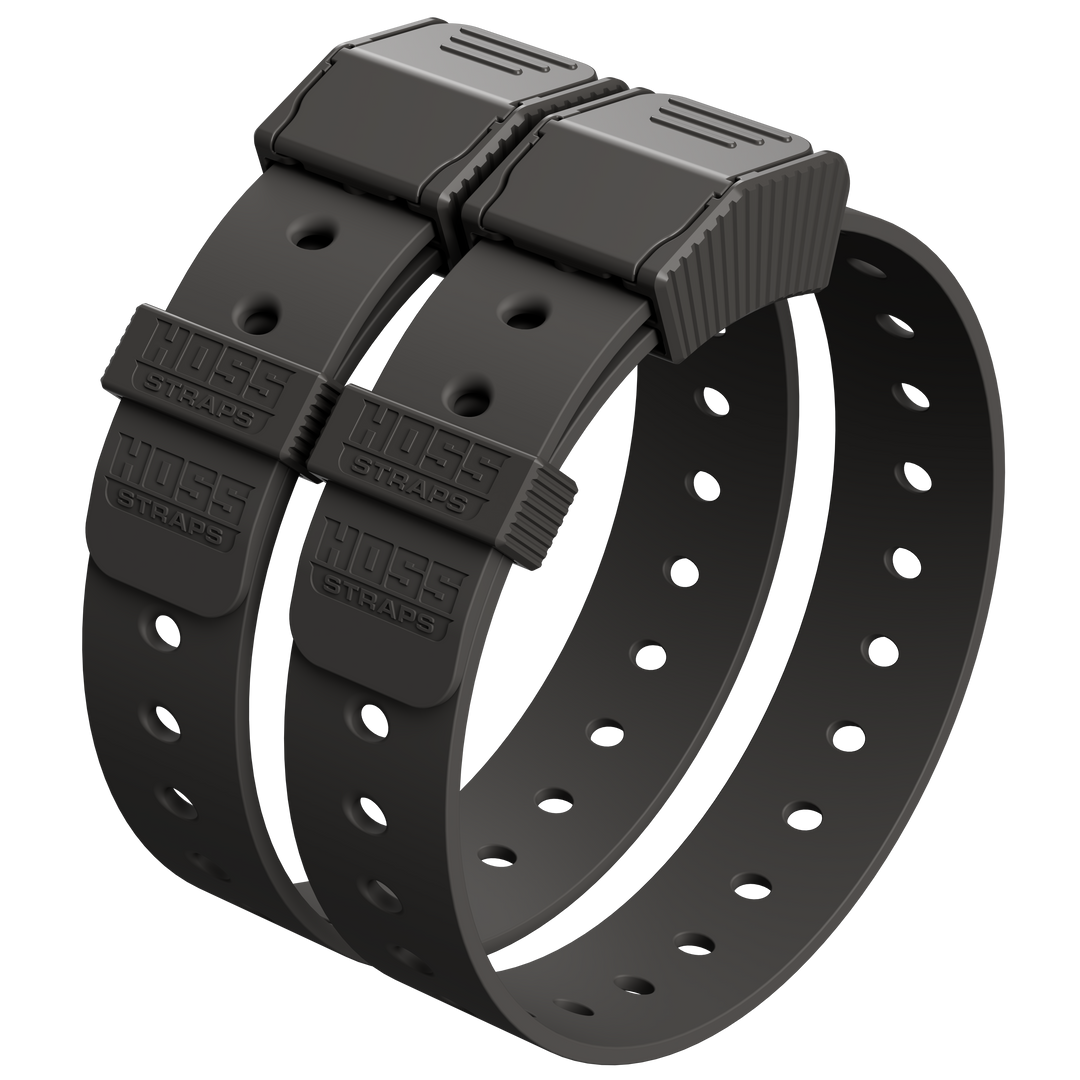
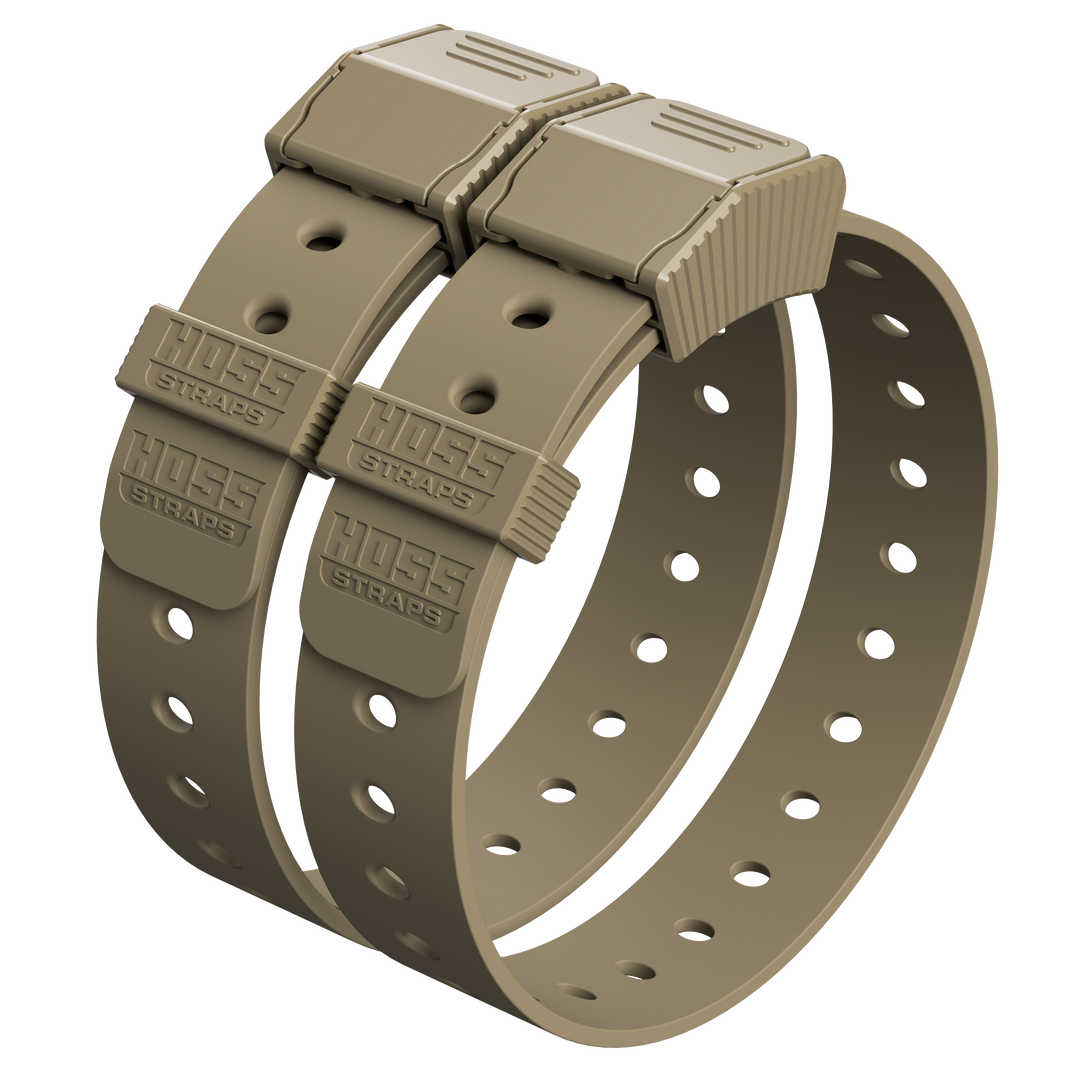
For a brand like Hoss Straps, the strongest case for a waterproof training collar is not just durability. It is that the right waterproof material is easier to clean after muddy sessions, easier to re-check for fit, and less likely to stay damp against the neck. That makes the product story more practical: a waterproof collar is not just about weather resistance. It is about keeping training gear more consistent, easier to maintain, and more comfortable to monitor in the environments where dogs actually work.
Cleaning and Care
After muddy or wet sessions, a waterproof collar is easiest to maintain when you rinse it, wipe it down, and re-check the fit before the next session.
Frequently Asked Questions
Do waterproof training collars help reduce neck irritation?
They can be a better option in wet conditions, especially for dogs that stay damp after training, because keeping the collar area cleaner and drier reduces the chance that moisture and friction become part of the problem.
Are waterproof collars strong enough for outdoor training?
They can be, especially when the material and hardware are chosen for active use rather than casual wear.
Why mention stainless steel hardware?
Because corrosion resistance matters when the collar is regularly exposed to rain, mud, and water.
What is the biggest owner mistake?
The biggest one is poor fit. Even a good material choice works badly when the collar is too loose, rotates too much, or rubs in the wrong spot.
Ready for a collar built to match your dog's adventure lifestyle?
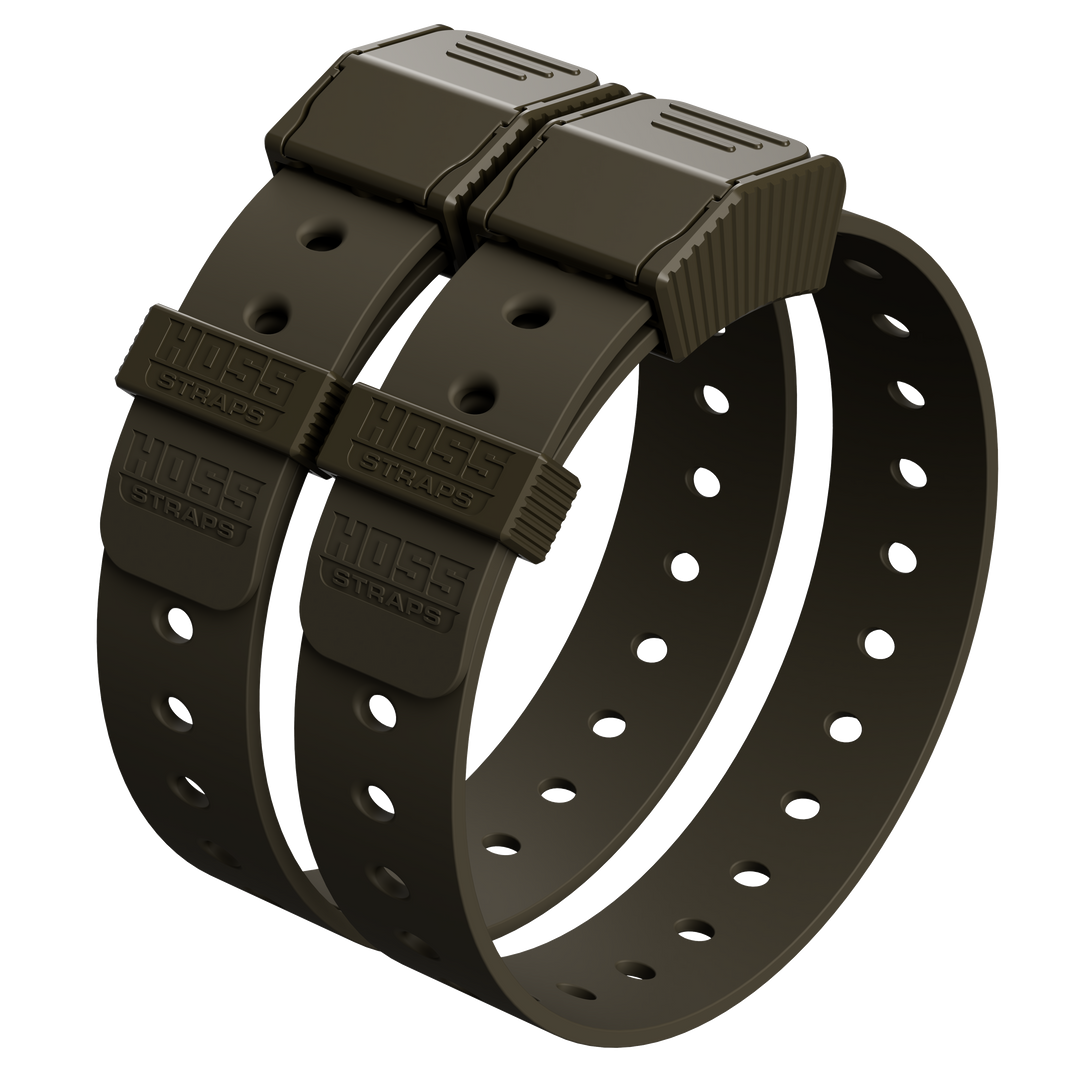
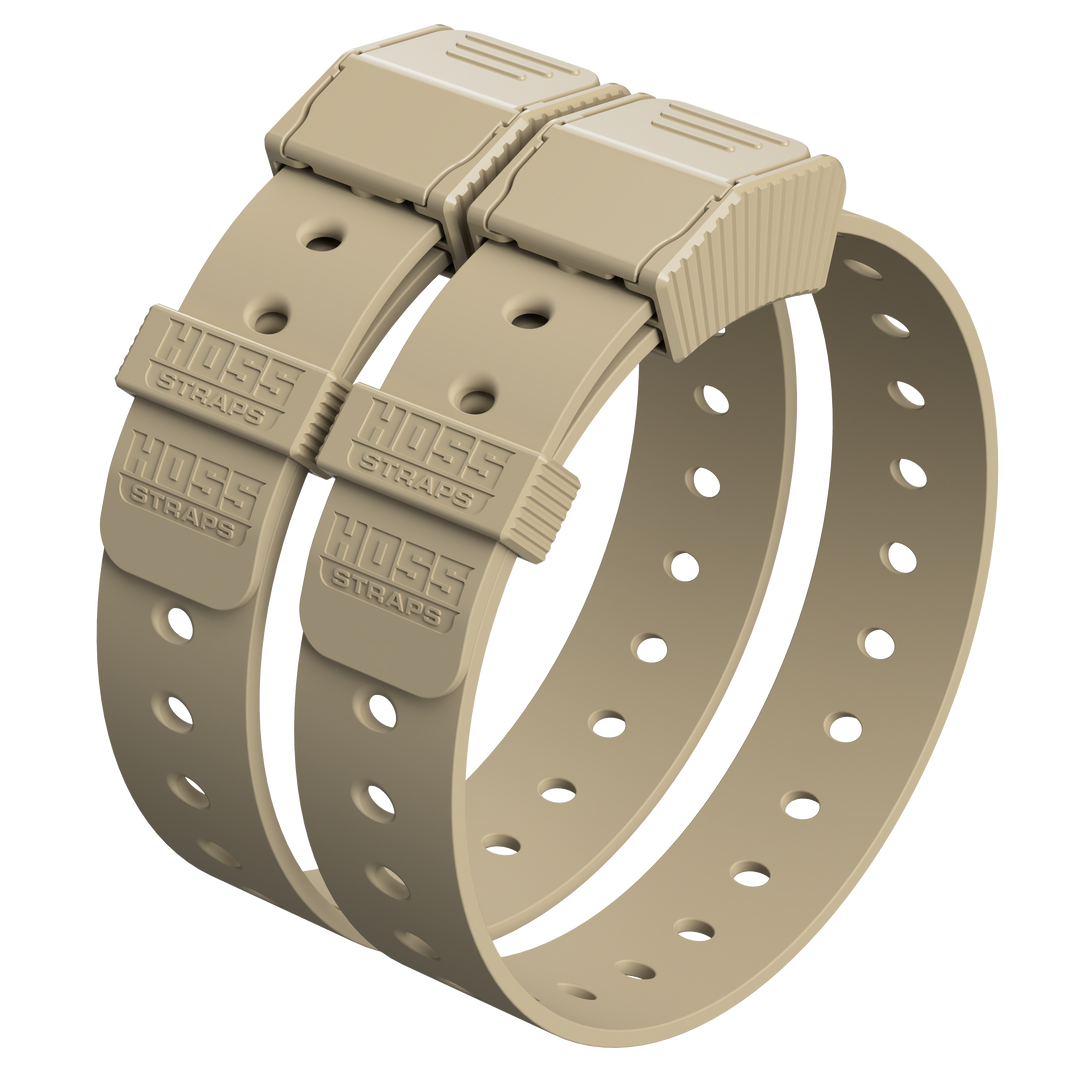
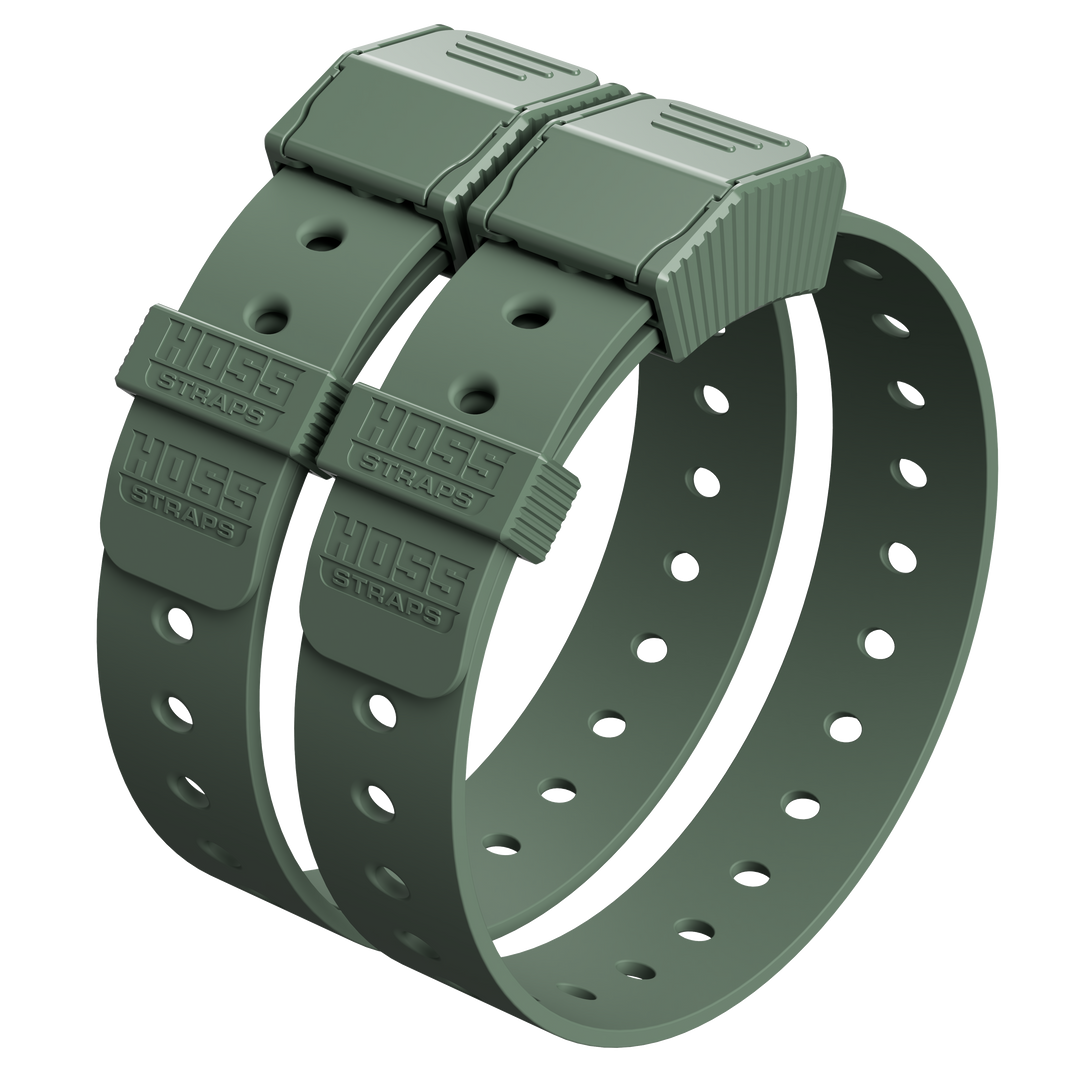
Explore Hoss Straps weatherproof dog collars—engineered for dogs that don't shy away from mud, rain, or wild terrain. With 100% weatherproof materials, quick-release buckles, and custom color options, your dog's collar is ready for every trail, lake, and backcountry adventure ahead.