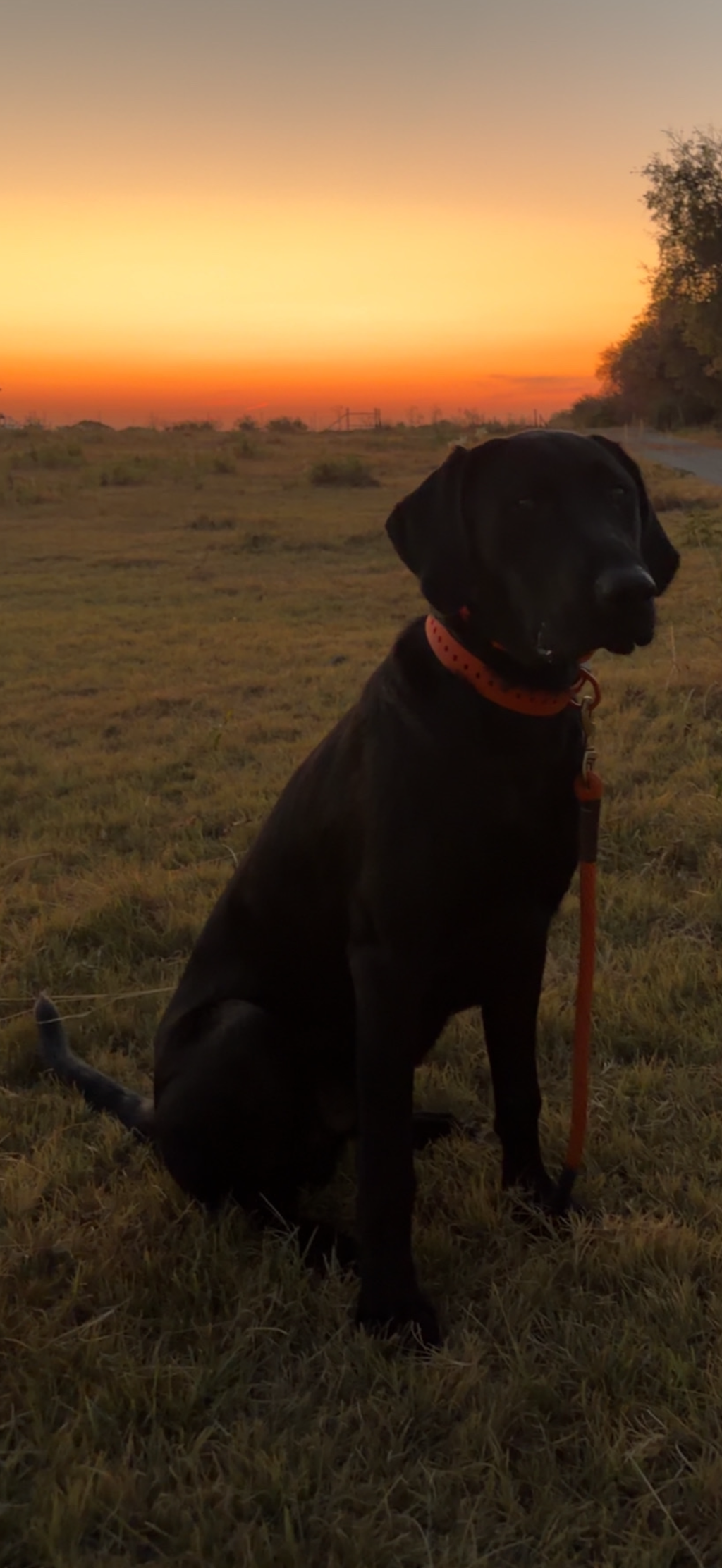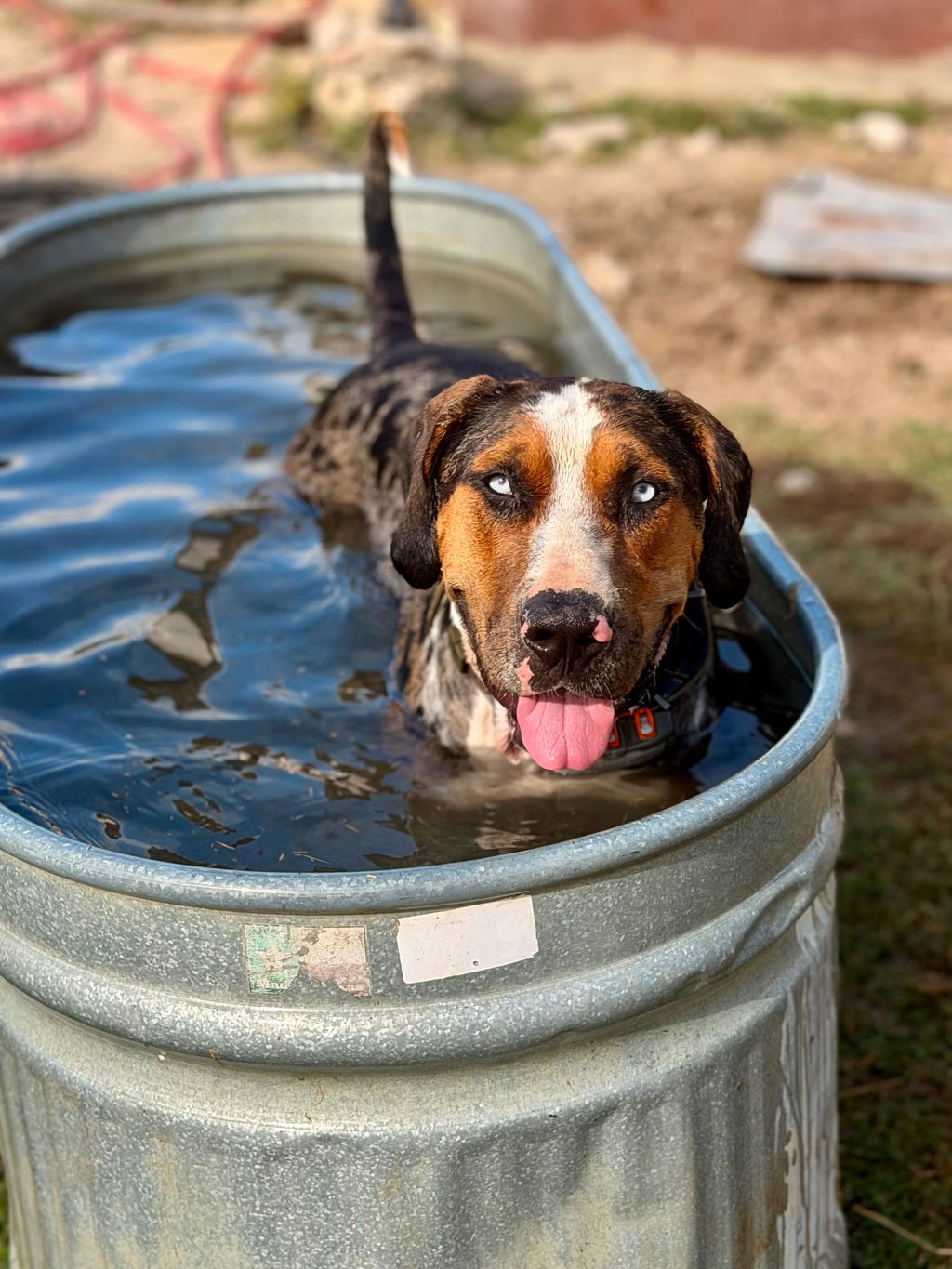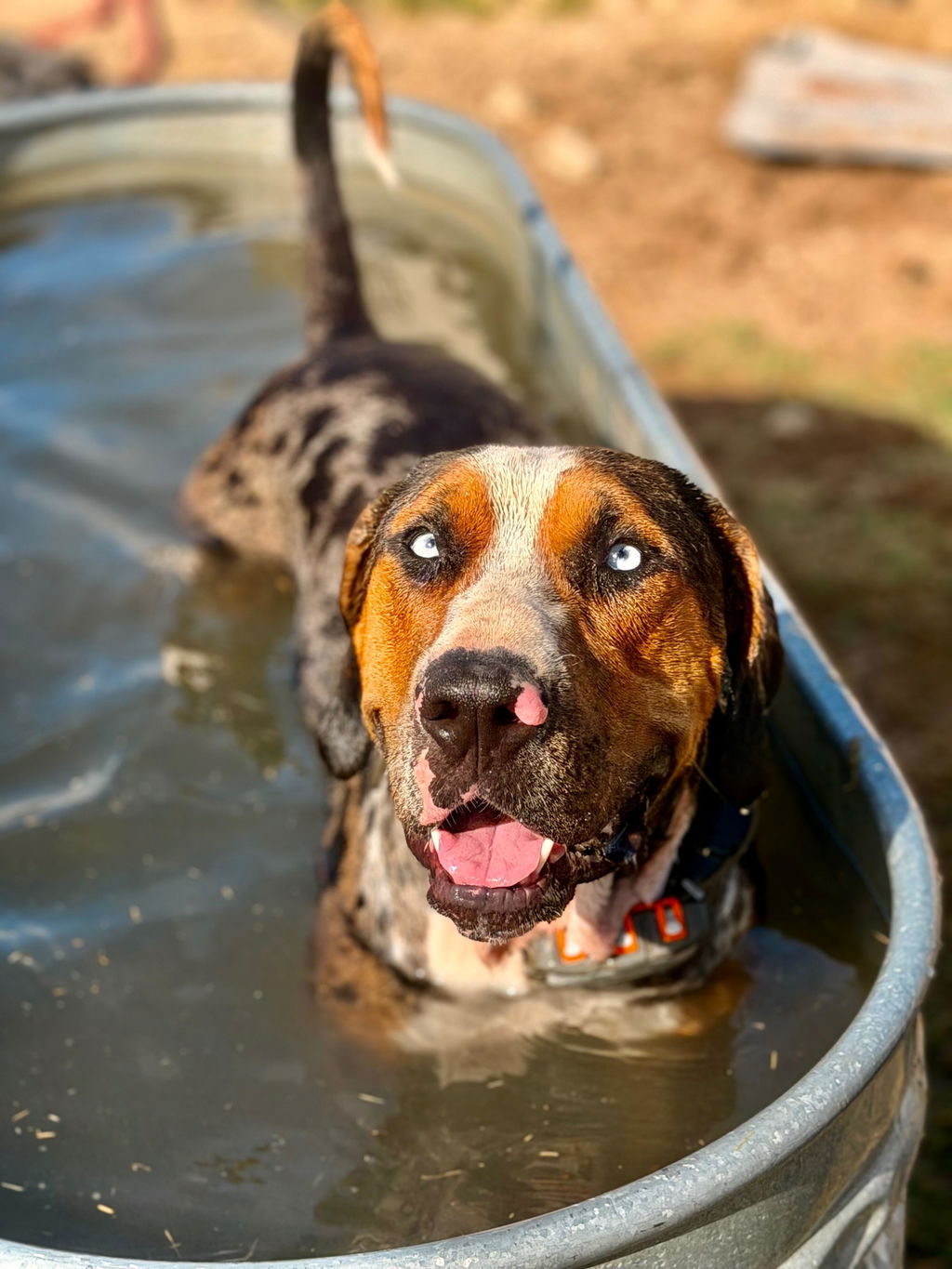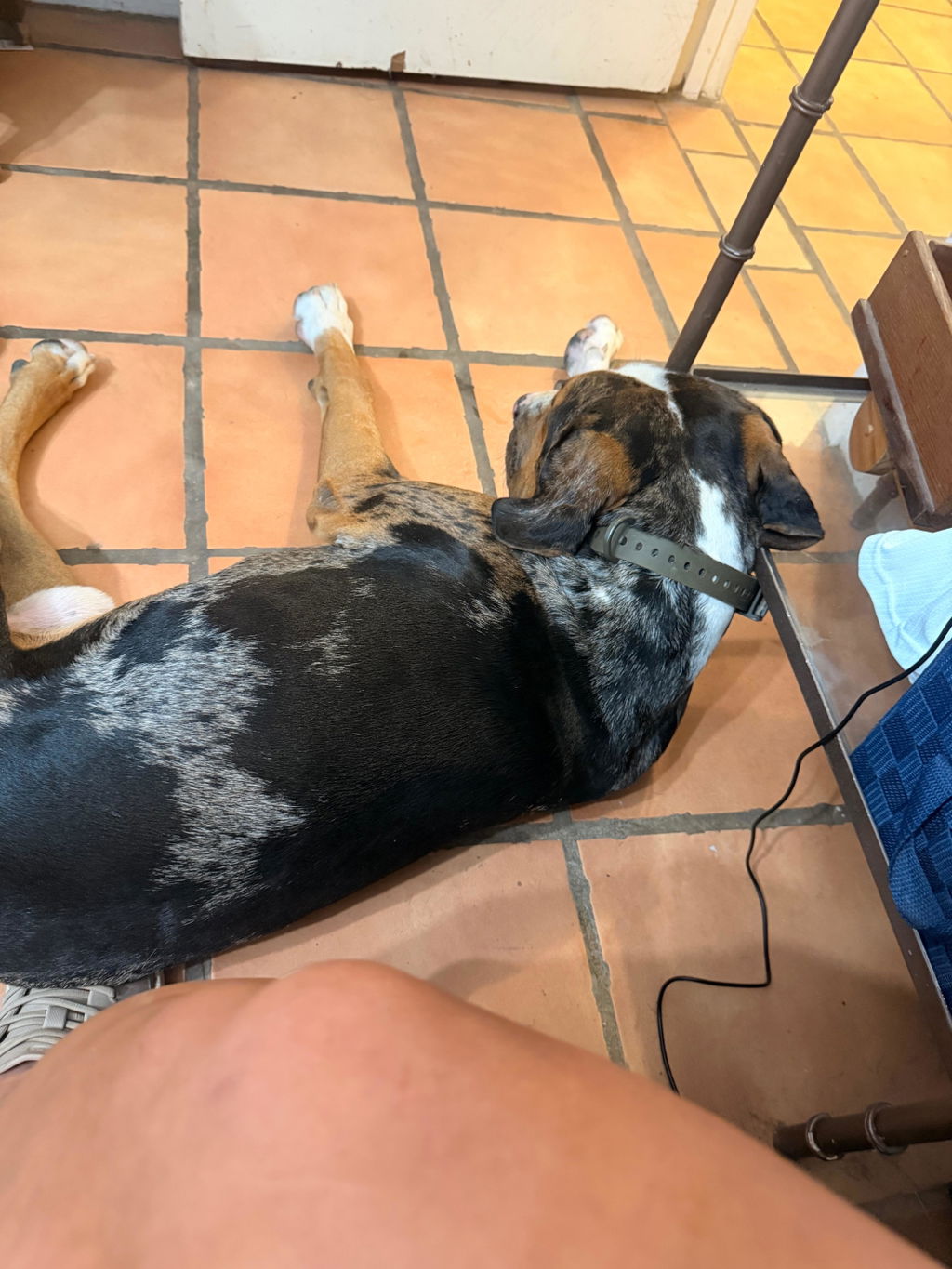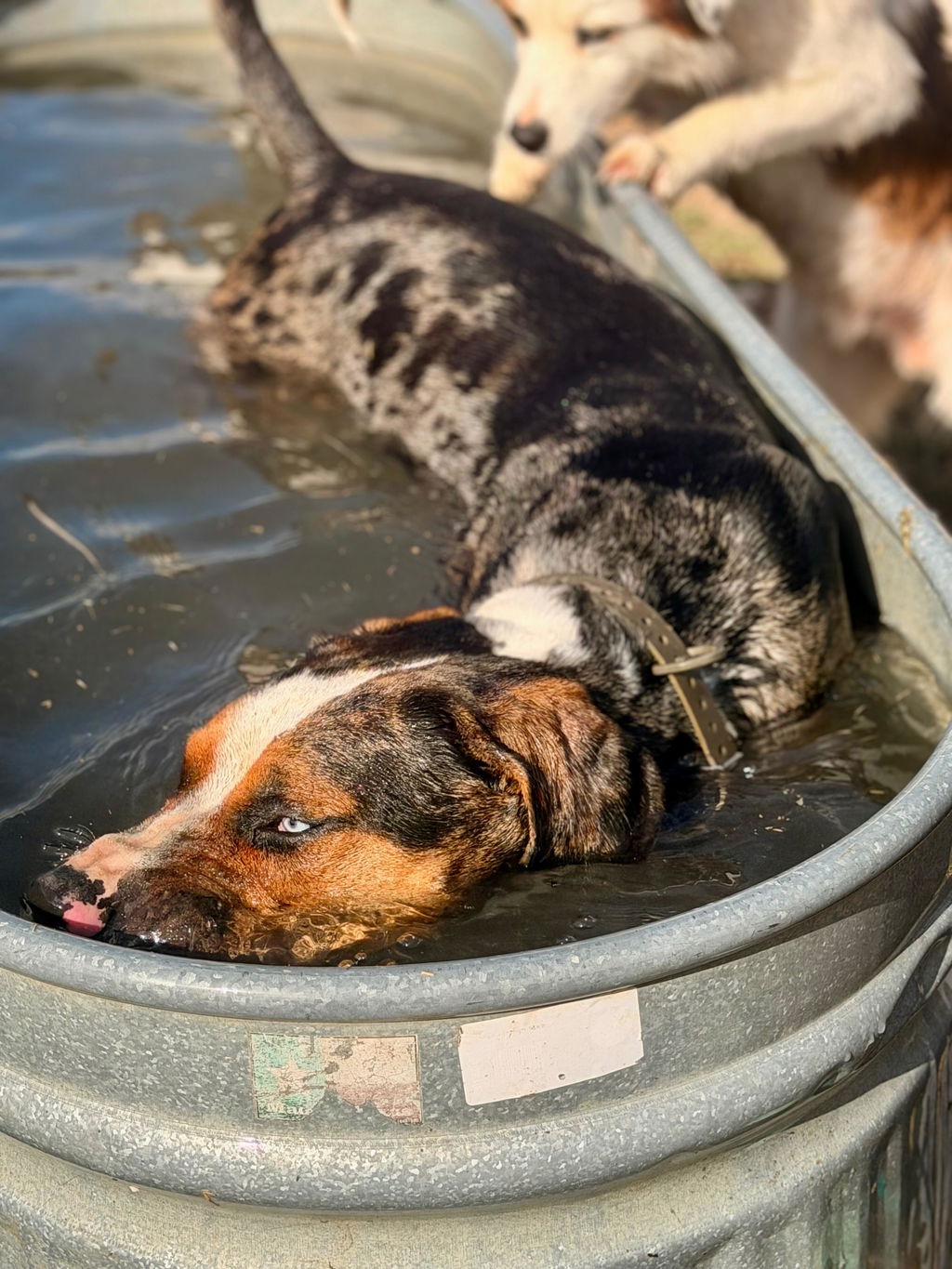



Wide Dog Collars: When a Wider Collar Helps Comfort

Check out our training collar setup, d-ring dog collar, dog collars, and more!
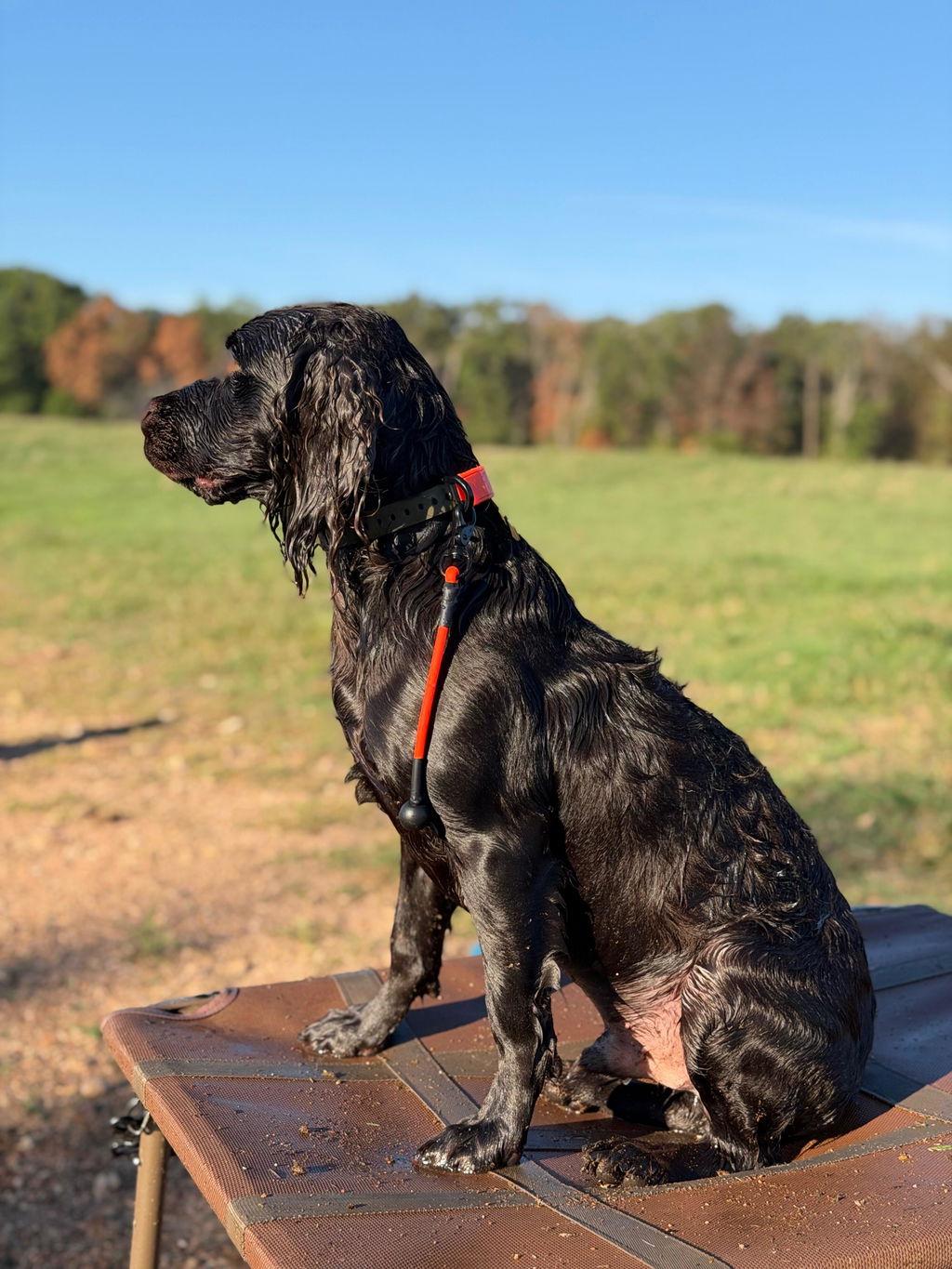
Wide dog collars are not just a style choice. For the right dog, a wider collar can feel steadier, sit cleaner on the neck, and stay comfortable through daily movement.
This is not about buying the biggest collar you can find. It is about choosing a collar width that matches your dog’s build and your routine, then making sure the collar is still simple, secure, and ready for everyday use.
What a wide collar changes
The big change is surface area. A wider collar touches more of the neck, which can help spread pressure out across a larger zone. AKC Reunite notes that wide collars can distribute pressure more evenly, and it points out they can be a strong choice for toy breeds and dogs with long, thin necks like Whippets and Greyhounds. AKC Reunite
If your dog has a narrow neck, a collar that is too thin can feel like a string. A wider collar can feel more stable.
When wide collars tend to feel better
Here are the common situations where owners often prefer a wider collar.
Long, thin neck shapes
Sighthound-style necks are the obvious example, but you do not need a specific breed to see the pattern. When the neck is long and narrow, a wider collar can help the collar sit flatter and resist rolling.
Dogs that wear a collar for long stretches
If your dog wears a collar most of the day, comfort matters more than looks. A collar that stays put and does not twist as much can be easier on the neck and coat.
Owners who want rugged, working-gear feel
Wide collars usually look like real equipment. They can pair well with a clean, utility setup: simple colors, solid hardware, and no extra clutter.
When a wide collar can be the wrong move
Wide does not automatically mean better. These are the situations where a wide collar can be annoying.
It crowds the jaw or rubs behind the ears
Some dogs have short necks or a tight head and neck area. If a collar is too wide for that space, it can ride up, bump the jawline, or rub behind the ears.
It stacks badly with a harness
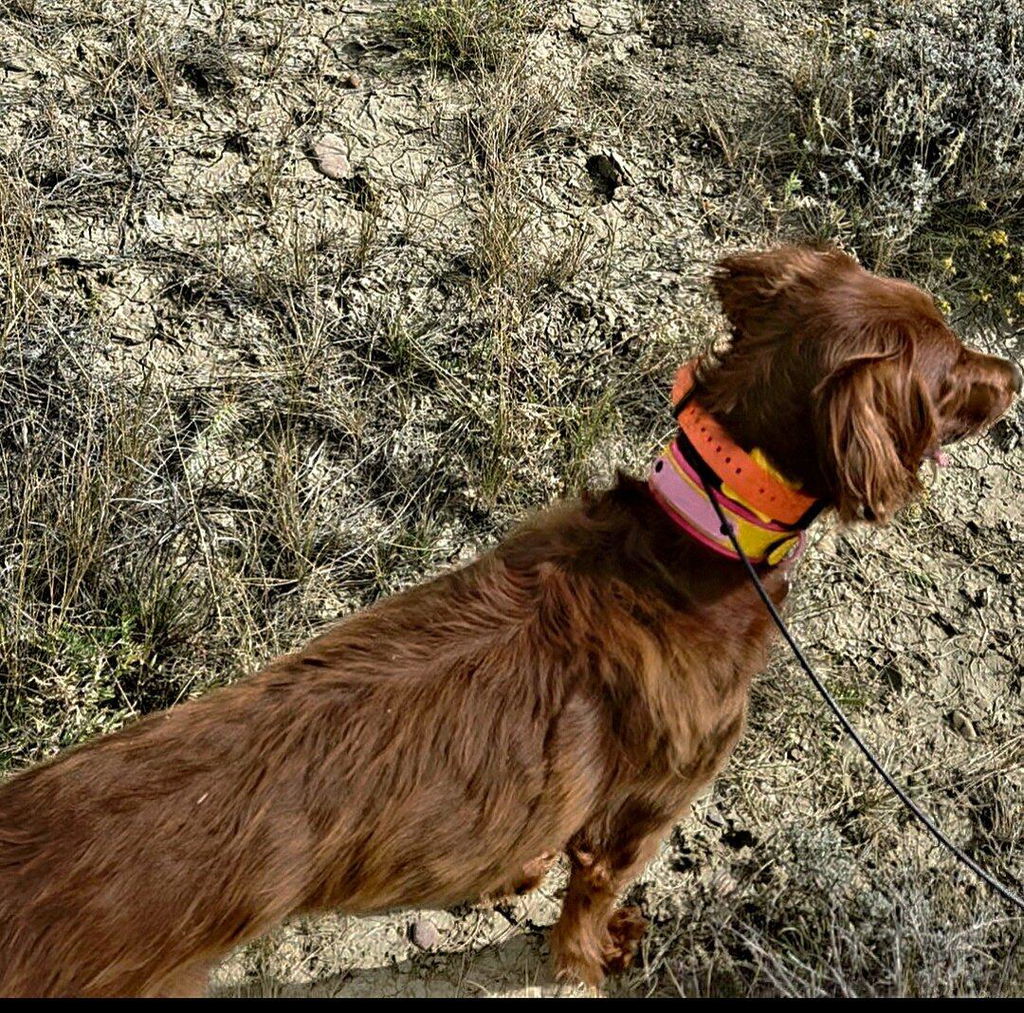
If your dog wears a harness on walks, a wide collar can overlap the harness straps. That overlap can create friction. If you see rubbing, keep the collar positioned above the harness straps or choose a slimmer collar for walk time.
It feels heavy
A wide collar should not feel like a weight. If it does, the collar is not a good match for your dog.
Quick comparison: narrow vs standard vs wide
Use this as a simple way to think through the choice.
| Collar width | What it often feels like | Best match | What to watch for |
|---|---|---|---|
| Narrow | Light, minimal | Small dogs that dislike bulk | Rolling, twisting, pressure feel |
| Standard | Balanced | Most everyday dogs | Wrong size, weak hardware |
| Wide | Stable, present | Long, thin necks; owners who want steady feel | Crowding the neck space; overlap with harness |
The wide-collar checklist (comfort first, then strength)

A wide collar only helps if the build is solid.
1) Clean edges and a smooth inside
Run your fingers along the inside edge. If it feels sharp to you, it will rub. Wide collars have more surface area, so poor edges show up faster.
2) Hardware you trust
Look for a buckle that closes with a clean click and a leash ring that feels solid. No wobble. No sharp corners.
VCA Animal Hospitals frames gear selection around safety, fit, and function, and it also explains that flat collars are designed to hold ID tags and provide a leash attachment point. VCA Animal Hospitals
3) A width that matches the dog
Stand next to your dog and look at the neck space. If the collar takes up most of the space between the head and shoulders, it is likely too wide.
4) A setup that avoids “pain-based” designs
If your goal is comfort, skip collars that rely on discomfort. Humane World for Animals discusses aversive collars and explains why collars that rely on pain or physical discomfort are not a humane option. Humane World for Animals
Keep it simple: a flat collar that fits right and stays comfortable.
Sizing without the long lecture
A wide collar should still fit like a collar.
American Humane Society recommends being able to slip two or three fingers between the collar and the dog’s neck, while keeping it secure enough that it cannot slip off over the head. American Humane Society
If your dog’s coat changes with the seasons, or your dog gains or loses weight over time, recheck the fit now and then.
Care tips for wide collars
Wide collars can pick up skin oil, dirt, and outdoor grime like any other collar. The fix is simple: keep it clean and keep it dry.
The American Kennel Club suggests cleaning collars and leashes with a mild soap (like dishwashing detergent) and a highly diluted disinfectant, followed by a final wipe with water to reduce chemical contact. American Kennel Club
A quick routine that works for most collars:
-
Remove tags and accessories
-
Wipe down the strap and hardware
-
Let it air dry before putting it away
Shop rugged collars built for daily use (Hoss Straps)
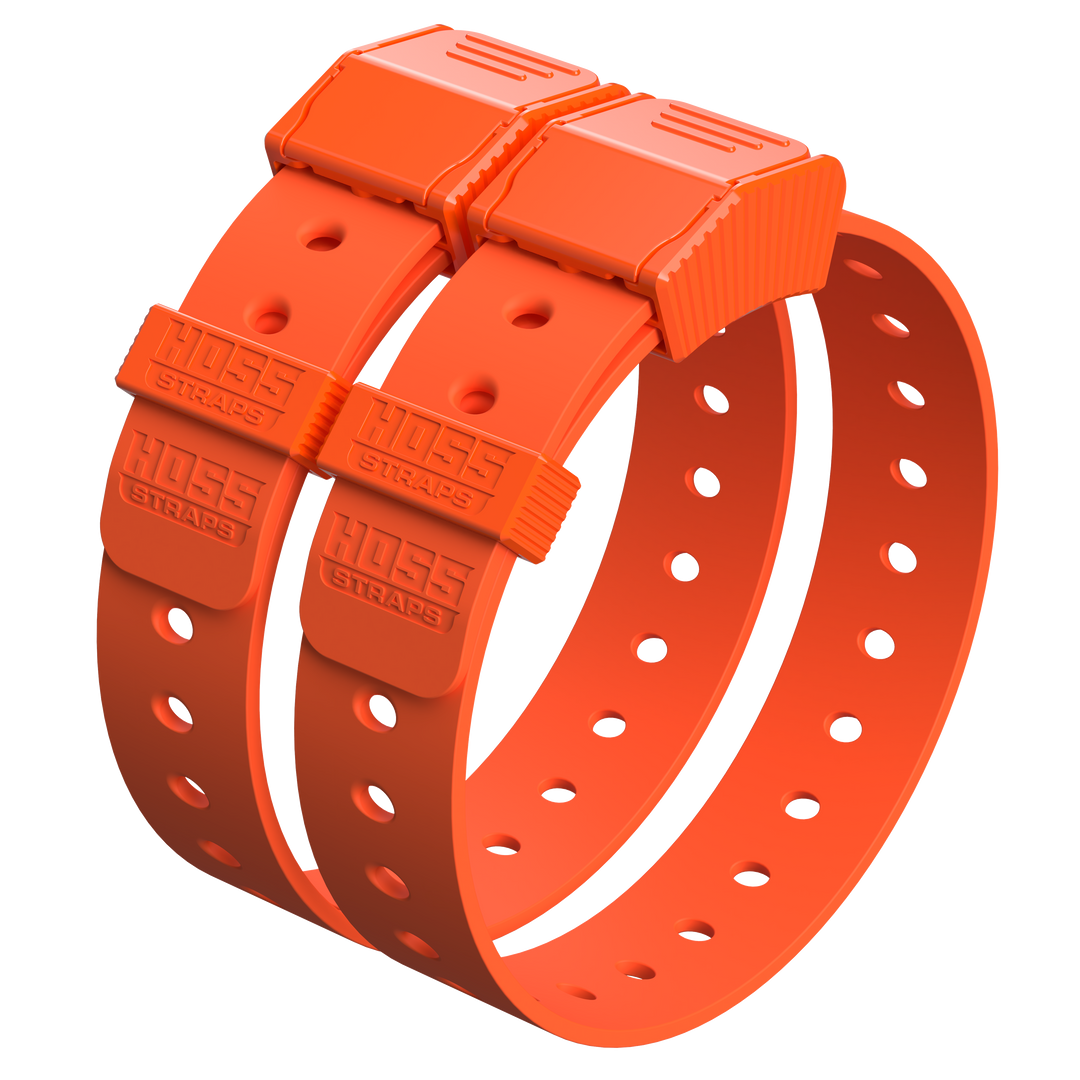
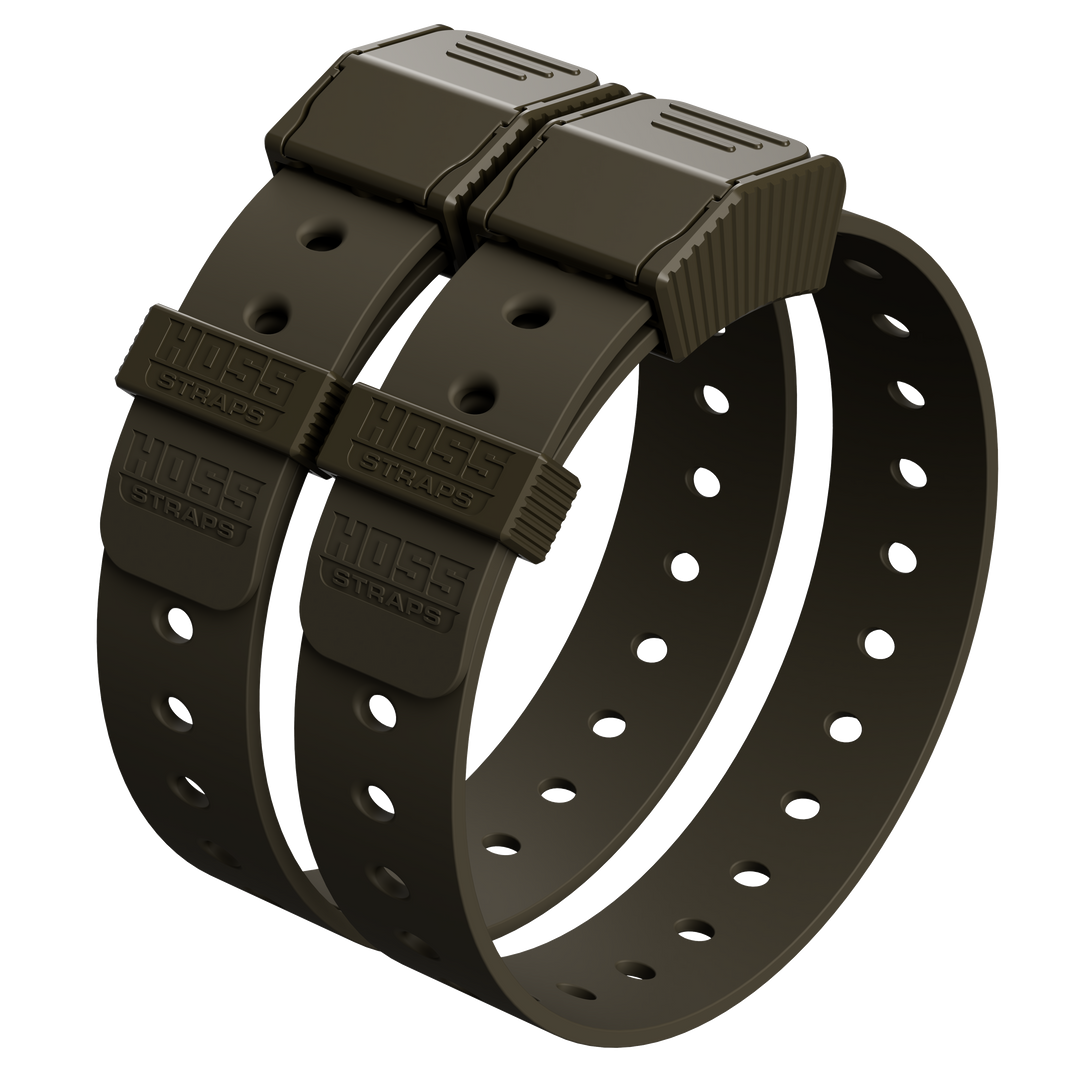
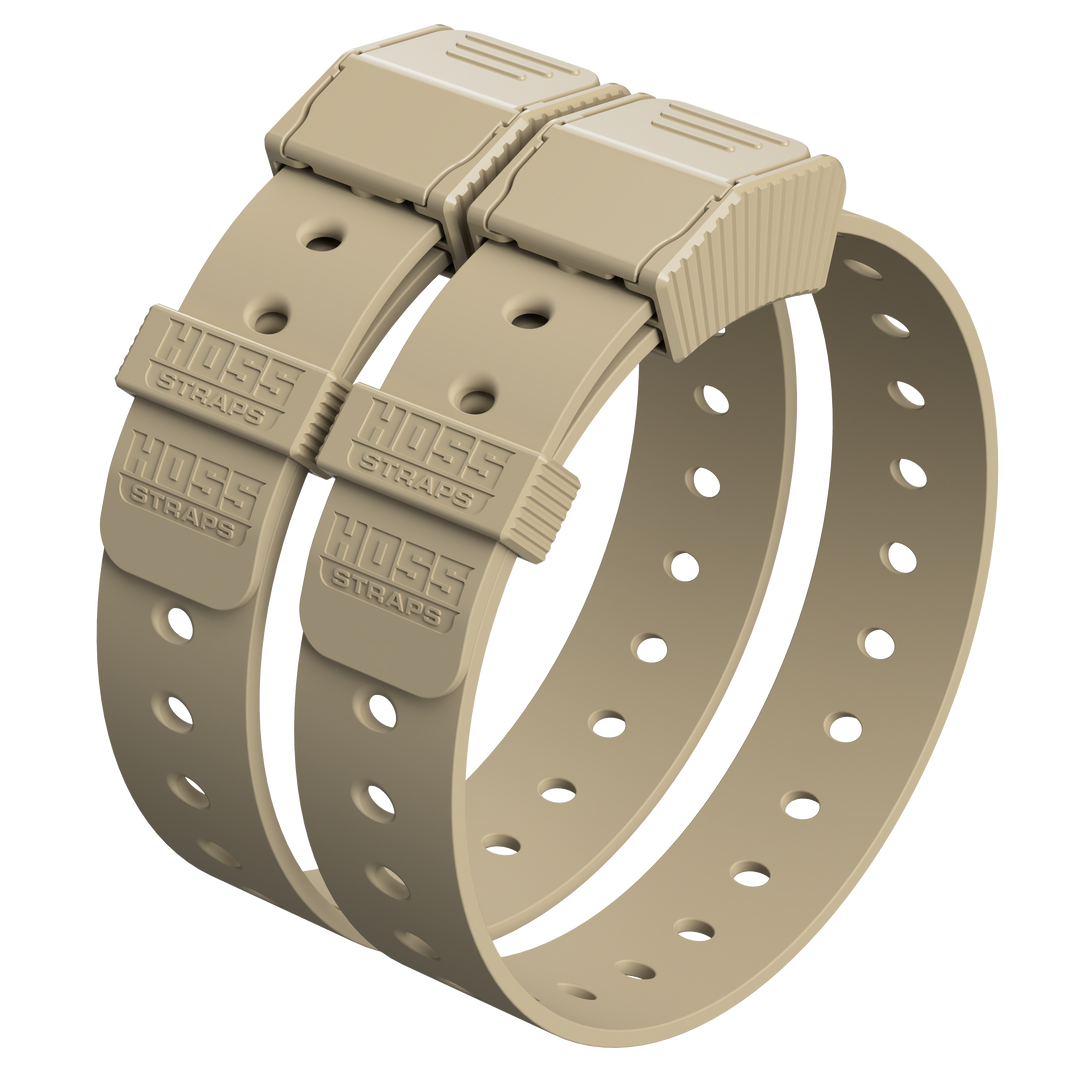
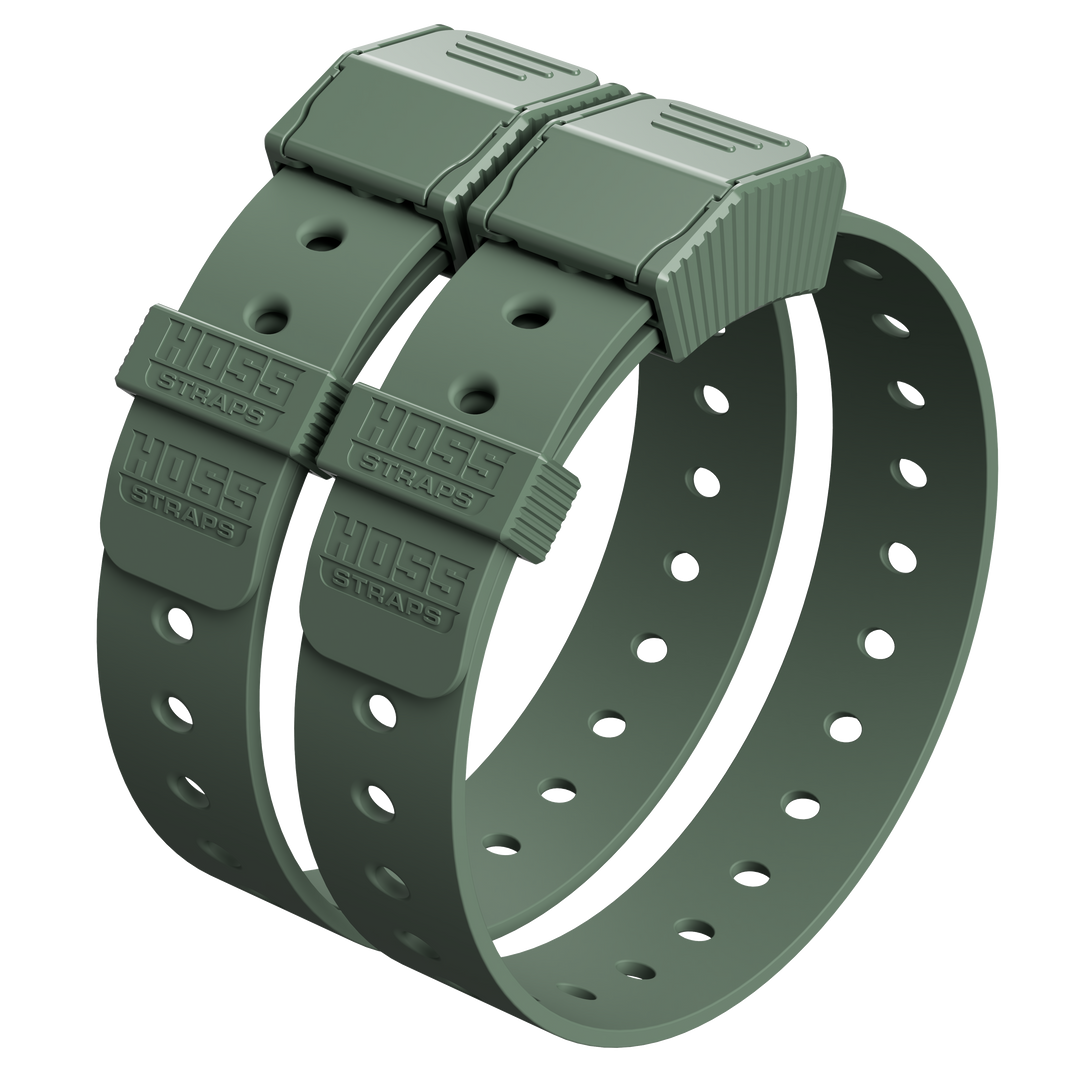
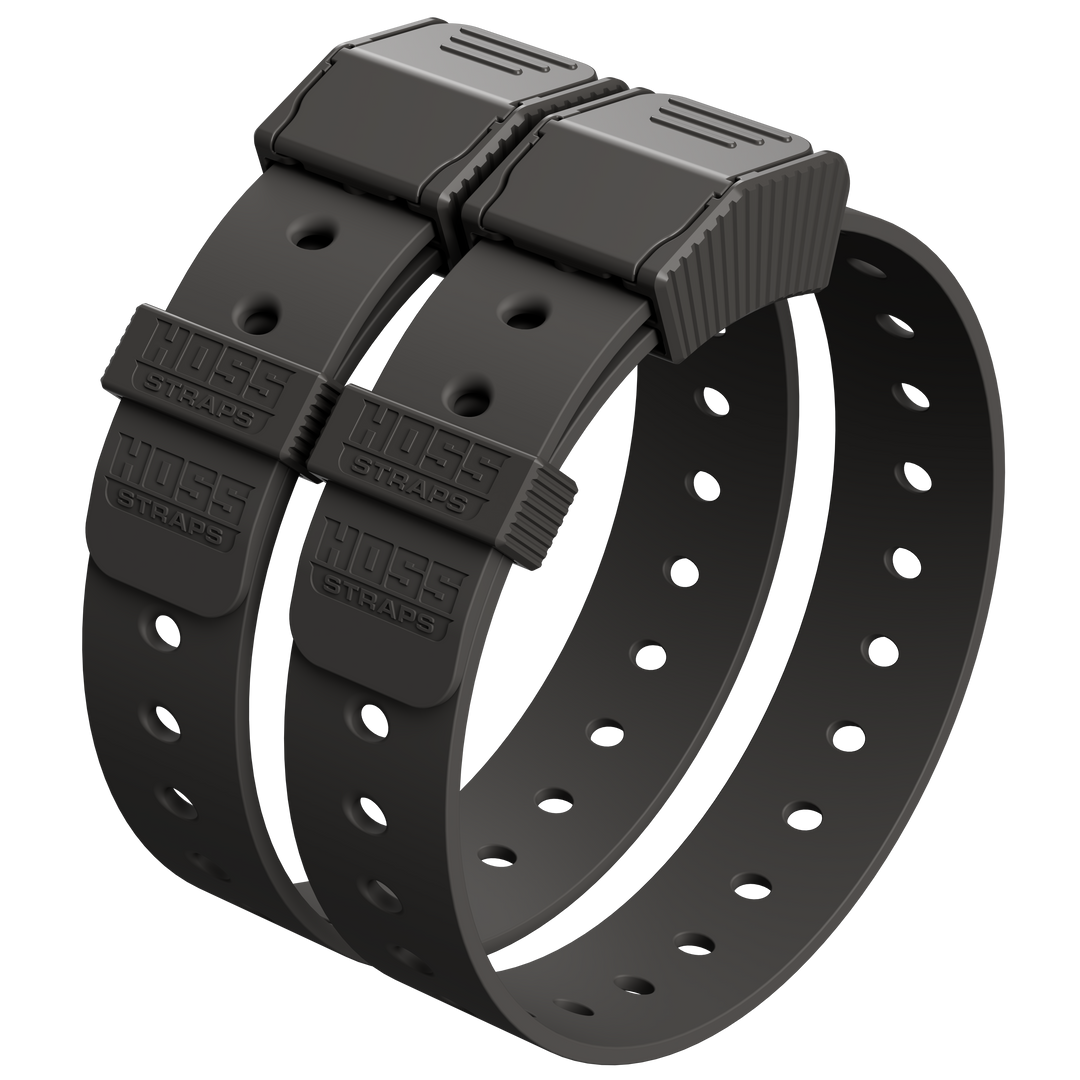
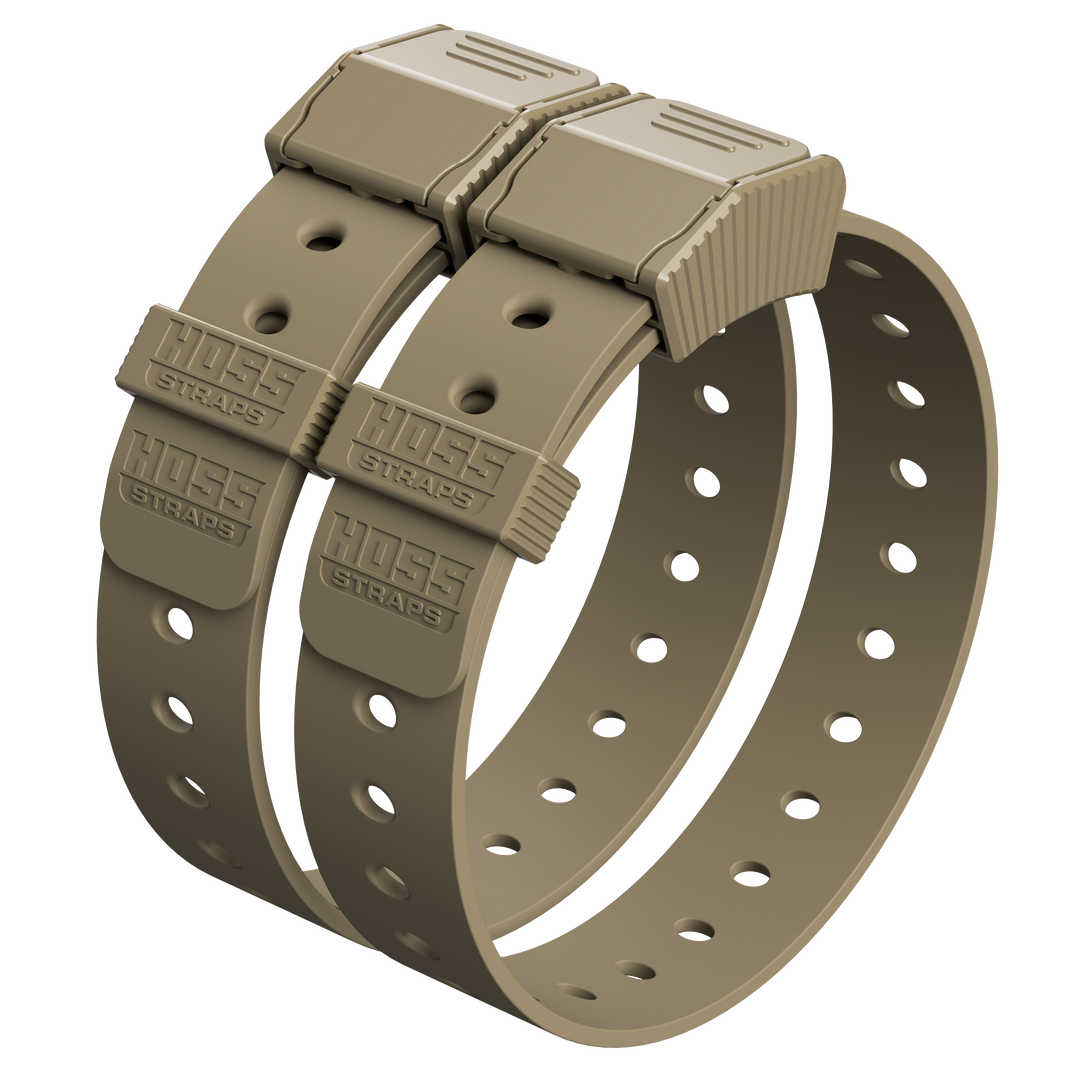
If you want a collar that is built like working gear, keep it simple and choose something you can trust every day. Hoss Straps dog collars are adjustable and fit up to a 22 inch neck size check our Dog Collars.
FAQ
1) Are wide dog collars more comfortable?
They can be, especially for dogs with long, thin necks or dogs that dislike the feel of a narrow collar. The right width should sit flat, stay steady, and not rub.
2) How wide is too wide for a dog collar?
If the collar crowds the space behind the ears, bumps the jawline, or overlaps heavily with your harness straps, it is probably too wide. Comfort shows up in movement, so watch your dog walk, sit, and shake.
3) Can a wide collar work with a harness?
Yes, but you want clean spacing. If the harness pushes the collar around or you see rubbing, shift the collar higher on the neck when the harness is on, or use a slimmer collar during walk time.
4) Do wide collars stop twisting and rolling?
They can reduce rolling for some neck shapes because they have more contact area. If a collar still twists every day, check the fit and hardware alignment.
5) What should I look for in a wide collar for daily wear?
Start with comfort: smooth edges and a fit that stays secure. Then check the build: buckle strength, ring quality, and stitching that looks clean and tight.