


Gear Strap Size Guide
Gear Strap Size Guide

Choose a 12-inch Hoss gear strap for compact gear and short fastening routes. Choose a 24-inch Hoss gear strap when the object, anchor point, or buckle position creates a longer route. Always measure the complete installed path before ordering.

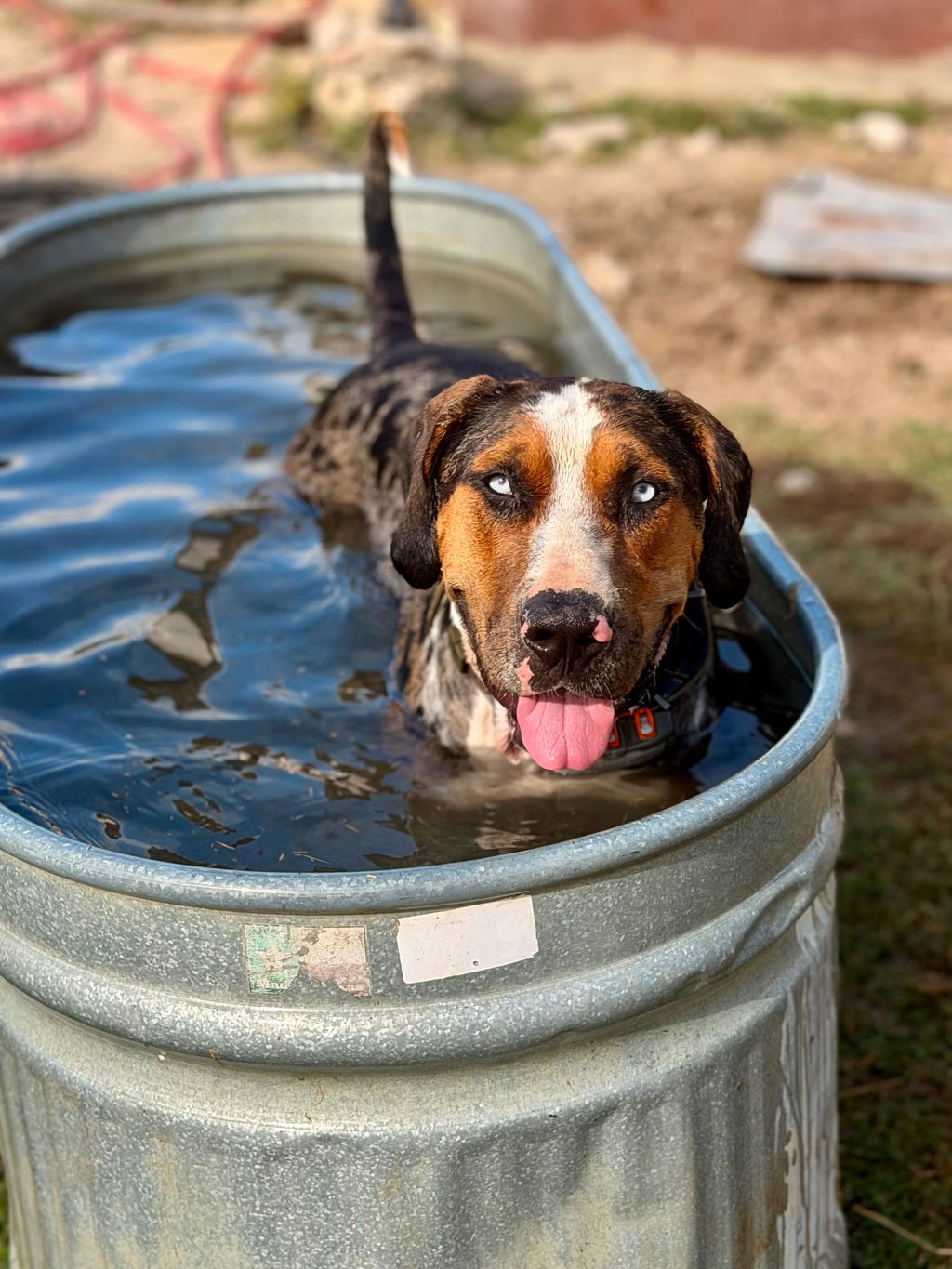
A 12-inch Hoss strap in a compact boat-rail setup. Measure your own route before choosing a size.

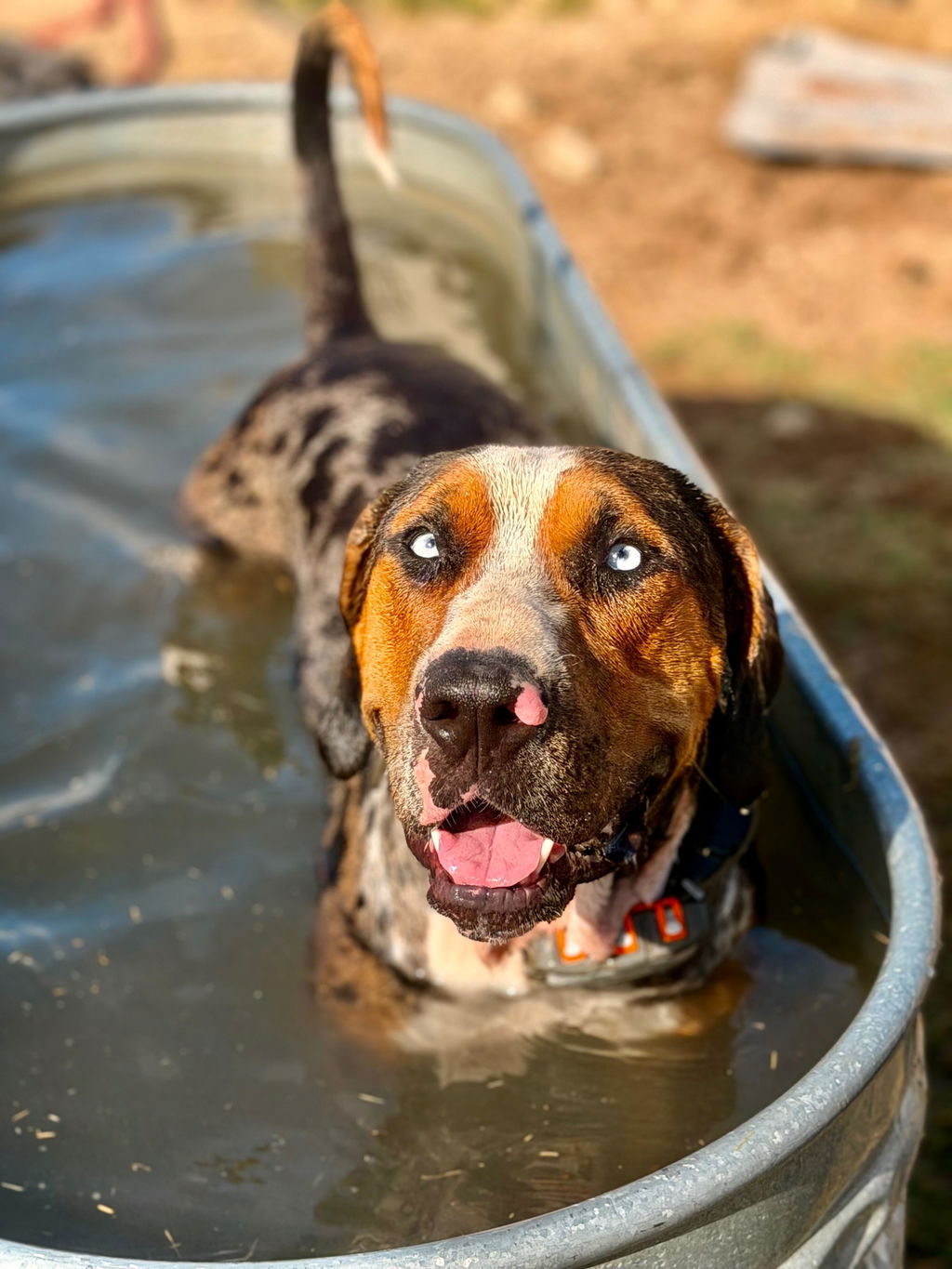
A 24-inch Hoss strap on a longer route around boat gear. The photo is a context example, not a measured fit guarantee.
Place the gear exactly where it will sit. Include any case, cover, padding, handle, rail, or mount that changes the route. Run a flexible tape or a piece of cord around the object, through or around the real anchor point, and back along the fastening path. Mark the full route, lay it flat, and measure it twice.
The 12-inch and 24-inch names describe the nominal strap length. They are not finished-loop measurements or guaranteed object circumferences because the buckle position, overlap, anchor, and object shape all use part of the available length.
The 12-inch size is the best starting point for cords, cables, tool handles, fishing rods, small gear pouches, first-aid kits, and other compact routes after measuring. It is also the better choice when both sizes fit correctly and you want less unused strap. Shop 12-inch gear straps.

The 24-inch size is the best starting point for buckets, packs, coolers, dry bags, gear boxes, boat gear, and rack setups that need more reach after measuring. Choose it when the full route is too long for the 12-inch size or when a wider anchor path changes the fit. Shop 24-inch gear straps.
The 12-inch size is the best starting point for cords, cables, tool handles, fishing rods, small gear pouches, first-aid kits, and other compact routes after measuring. It is also the better choice when both sizes fit correctly and you want less unused strap. Shop 12-inch gear straps.

Choose the shortest strap that completes the full route, closes correctly, keeps the buckle easy to reach, and avoids unnecessary unused length. If your measurement is close to the limit, do not force the buckle or rely on a guess. Send Hoss the route measurement, a photo of the object and anchor, and the intended use before ordering.
Hoss gear straps can connect for extra reach. A connected setup has two buckle points, and its usable loop is shorter than the nominal strap lengths added together. Follow the current Hoss connection instructions, keep each buckle accessible, and inspect both connection points. Added length should not be treated as added strength. See how Hoss gear straps work for the approved setup method.
Confirm that the buckle is fully engaged, the strap follows the planned route, the anchor is stable, and the gear cannot shift out of position. Keep the buckle away from sharp edges, moving parts, controls, and places where it cannot be released easily. Recheck the setup whenever the object, case, mount, or anchor changes.
Compare current colors and pack options in the Hoss gear strap collection, then shop the measured size: 12-inch gear straps or 24-inch gear straps. For more help, read the Hoss FAQs or contact Team Hoss with your setup details.
I received some hoss straps as a gift. I’ve seen their ads but and they looked like a good product but I couldn’t justify the price of the collar when I had some that worked ok. I have garmin 550 collars and I received the 1 inch straps with the conversion kits to make them fit the 3/4 inch collars. I also have the newer 3/4 in straps that don’t need the conversion kits. both straps work perfect on the garmin 550 although the 3/4 inch straps are more streamlined and I like them a bit better. You can’t go wrong with either one. Customer service is great. I emailed with a question and got a phone call the next day from the owner and he took care of me immediately. I’ve been using the straps daily while guiding pheasant hunters and waterfowl hunting and the quality is well with the price of the collar. So easy to put on and take off with no slippage. What a great product. And Hoss gives back to the retreiver community by sponsoring SRS, HRC and other retreivers games. This is a really nice product
Friendly kind courteous people. Down-to-earth, easy to talk to. And they know their product inside and out.
Hoss Straps have the best customer service. Thankfully their dog collars are the best. One hand removal and makes it easy to get them on, plus they are ridiculously tough.
I found this product a while back, but didn’t buy it because it wouldn’t fit my Garmin Delta SE. The second I realized they made a 3/4” collar I bought it and am so glad I did. Will definitely be buying more in the future, it’s such a quality product, worth every cent.
Bought to replace the Pathfinder 2 factory collar. Way easier and pliable. Just as tough. Simple on and off. Love it.
This is the best thought out strap Ive come across in my 25+ years of running bird dogs. Thanks again
Great experience. Only one suggestion I would love a “matching” strap for my Apple ultra 2
The U.S. Postal Service sent my first order on a 22 day cross country trip to Anchorage, AK, and when I notified Hoss that my order was missing, they immediately sent me a replacement, no questions asked.
Great customer service!
This is actually an update from a previous review when I stopped at a 4. Had to come give them a 5++. The collars are an upgrade from the ones provided on e collars. When I gave my original review customer service reached out and provided updated keepers to lock down the extra length on my tt 25’s. I run 7 collars on many different clients dogs thru out the year so trimming the length isn’t an option and my OCD burns when the extra is swinging everywhere. Customer service solved my issue without me having to ask. Any company this responsive will be supported by my Kennels.
I sent an email asking how to bulk order the ecollars and within a few minutes Josh called me and cleared everything up. I was able to place my order and within a week received it all. Thanks again!
Thank you for the great review! We believe taking care of our customers is just as important as building great gear. We’re glad we could get everything squared away quickly and get your bulk order in your hands. We truly appreciate your business and thanks for running HOSS!
The only collars I will use from here on out.
Thank you! Hearing that HOSS has become the only collar you want to run means a lot to us. We truly appreciate your trust and support. Thanks for running HOSS!
Quick and easy to order
Thank you for the great review and recommendation! We’re glad you’re enjoying your HOSS setup. Things can happen in the field, and when they do, we believe in getting our customers taken care of quickly. We truly appreciate your trust and support. Thanks for running HOSS!
Simple order received in a timely manner.
Thank you! We’re glad your order arrived quickly and everything went smoothly. We truly appreciate your support. Thanks for running HOSS!
Easy and no worries if it will fit or not
Thank you! We’re glad you’re loving how easy it is to get a great fit every time. We truly appreciate your support. Thanks for running HOSS!
Fast service, easy access and awesome customer service!!!
Thank you! We’re glad you had a great experience and that we could get you taken care of quickly. We truly appreciate your support. Thanks for running HOSS!
A great product and probably the best customer service there is.
Thank you! Hearing that about both our products and customer service means a lot to us. We truly appreciate your support and thanks for running HOSS!
Best equipment ever!! Absolutely love the collars and the ease of putting on and off. Great customer service!! Everyone needs Hoss collars for their dogs
Thank you for the incredible review! We’re glad you’re loving the collars, how easy they are to get on and off, and the service you’ve received from our team. We truly appreciate the recommendation and your support. Thanks for running HOSS!
Purchased these collars based on recommendation of a trusted trainer. Had a small issue after a few weeks of use. Sent a message to Hoss and they responded in under 30 minutes to let me know that they were shipping a replacement ASAP. Couldn’t have asked for better customer service and I am extremely happy with the products!
Thank you for the great review! We’re glad your trainer pointed you toward HOSS and even happier we could get the issue resolved quickly. We stand behind our gear and believe taking care of our customers is just as important as the products we build. We truly appreciate your trust and support. Thanks for running HOSS!
Great company to support! Shipping and communication were excellent! Thanks for the experience, will be back again!
Thank you for the great review! We’re glad you had a great experience with both the communication and shipping. We truly appreciate your support and look forward to having you back. Thanks for being part of Team HOSS!
Overall I think the replacement collar for the TT25 is good. Full jury is still out till we observe durability this season.
I will say the collar only ships with 2 brackets for the antenna. Their picture clearly shows 3. Two is not enough to stabilize the antenna all the way around the collar like depicted. So I thought that was deceptive.
Thank you for the feedback and for bringing this to our attention. We were unaware that the website photo didn’t match what was included with the kit, and we appreciate you pointing it out. We’ve updated the website to correct this and sent another adapter kit your way. Thanks for giving us the opportunity to make it right and for running HOSS!
I run 4 collars 24/7 and I haven’t had a single problem with them. I had one collar clasp fall apart and they sent me the metal claps with new collar immediately. If you have a choice and run bigger dogs I’d go with the metal clasp. Also their customer service has been on point and fantastic. I will always run these straps
Thank you for the incredible review! Running four collars 24/7 is exactly the kind of real-world use we build HOSS for. We’re glad we could get you upgraded and taken care of quickly when you had an issue. Your trust in our gear and our customer service means a lot to us. Thanks for running HOSS!