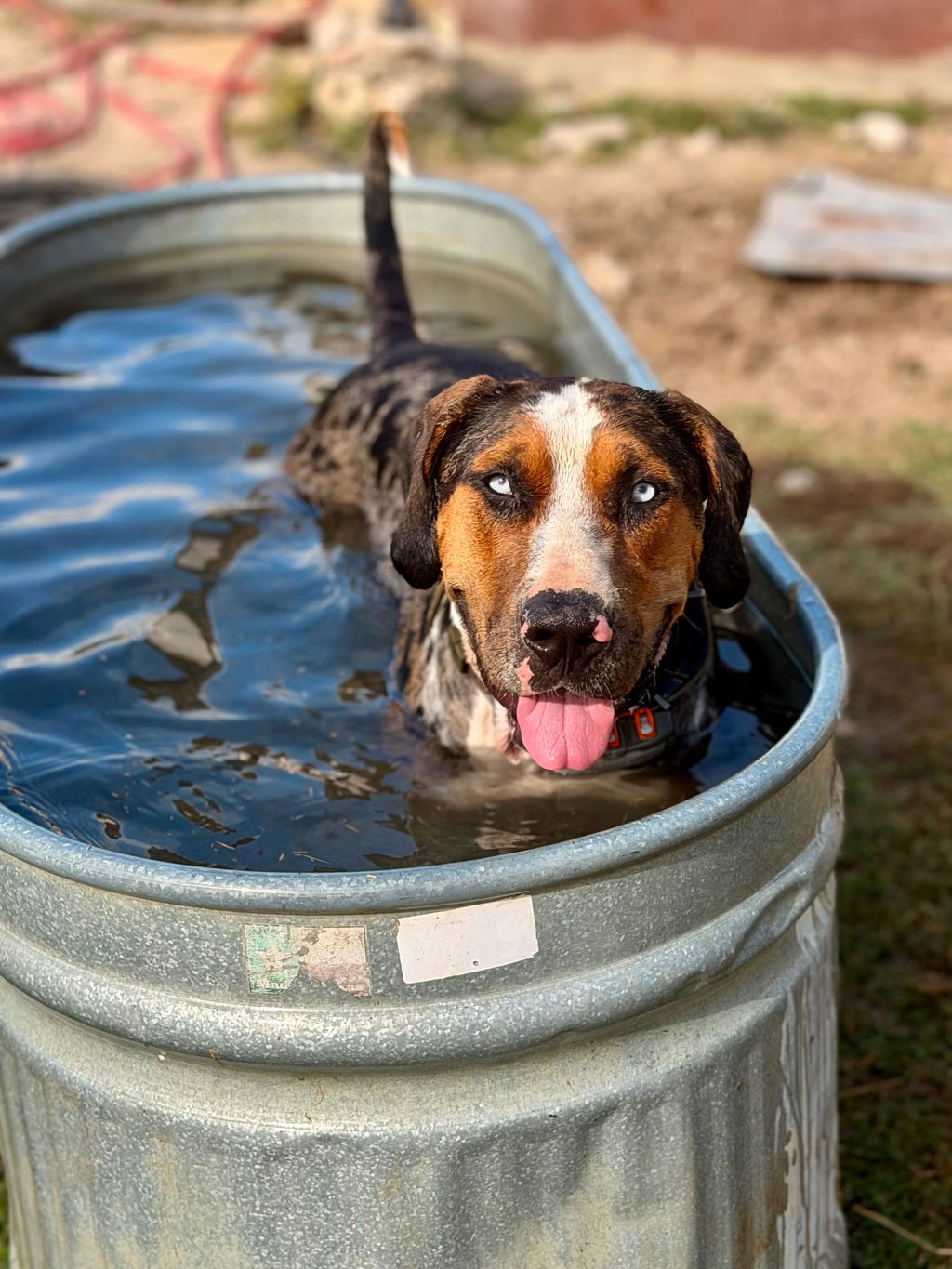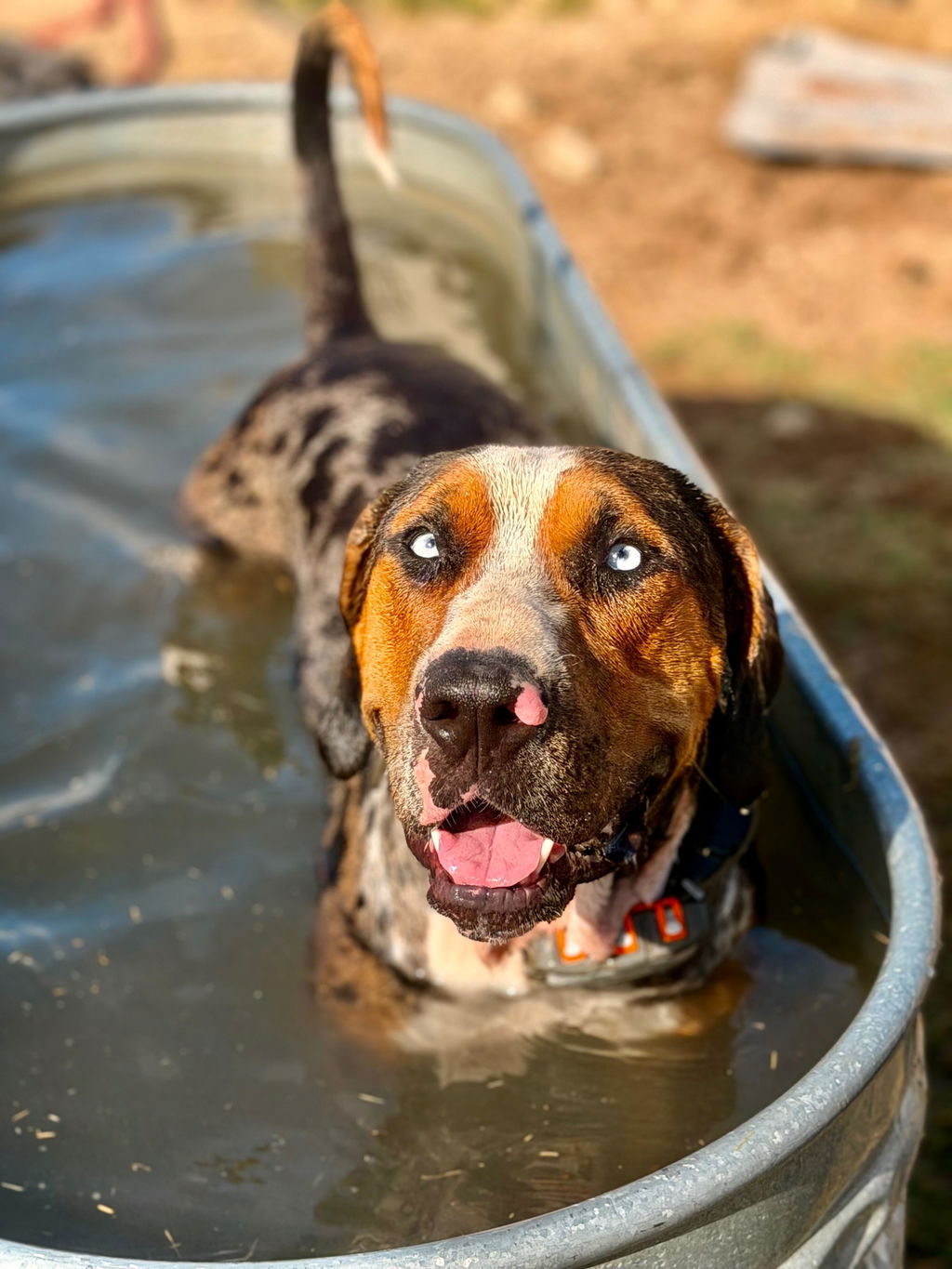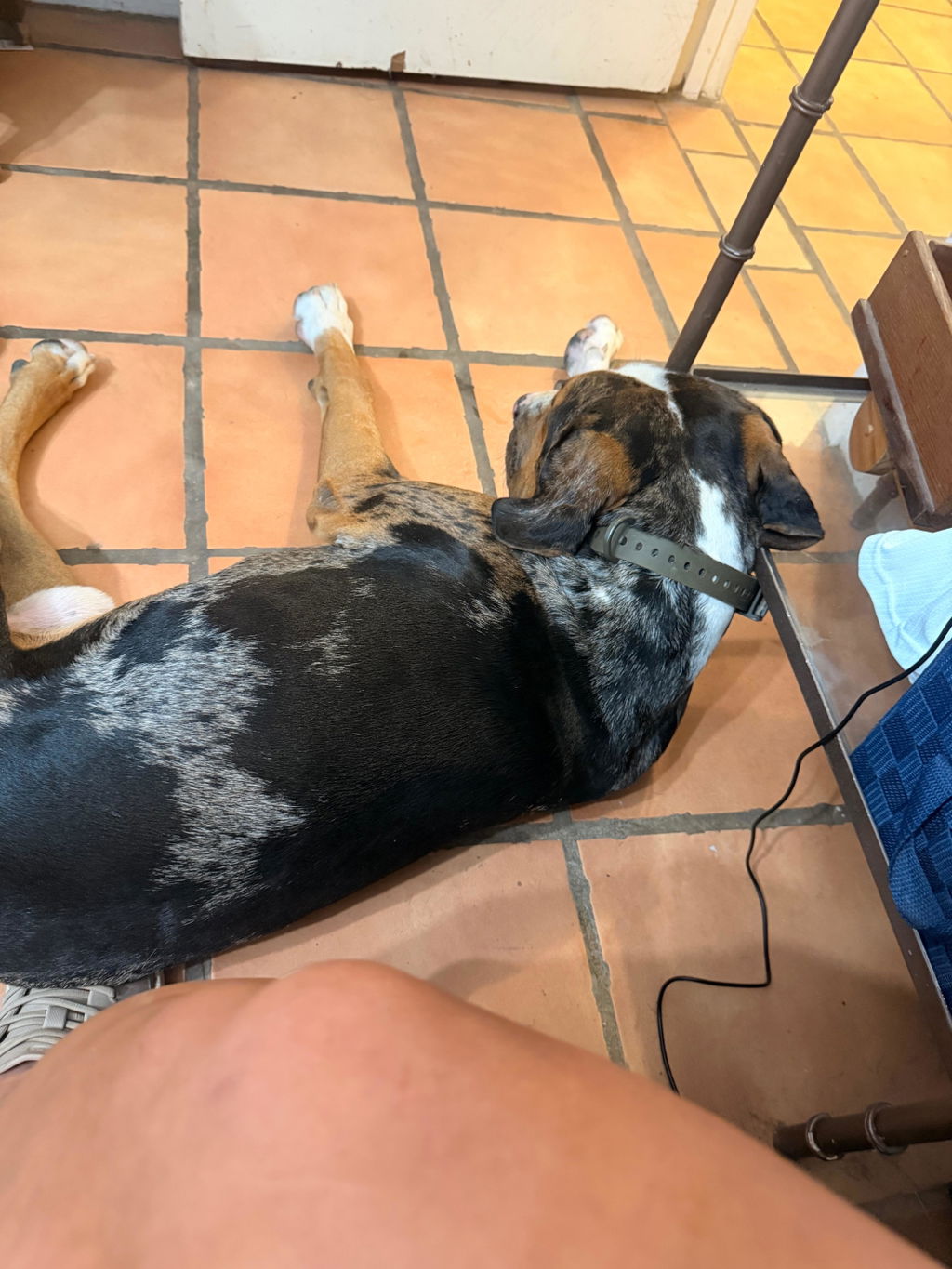



A Repeatable E-Collar Strap Setup for Trainers Working Multiple Dogs
Fast answer: Record a starting measurement for each dog, use a movable ring as a visual reference, loosen before changing dogs, reposition the receiver, reset the tail keeper, and recheck the individual fit before every session.
A position marker can save time, but it cannot make one setting correct for every dog. A safe, efficient multi-dog workflow combines recorded reference points with a new fit and hardware check at every change.
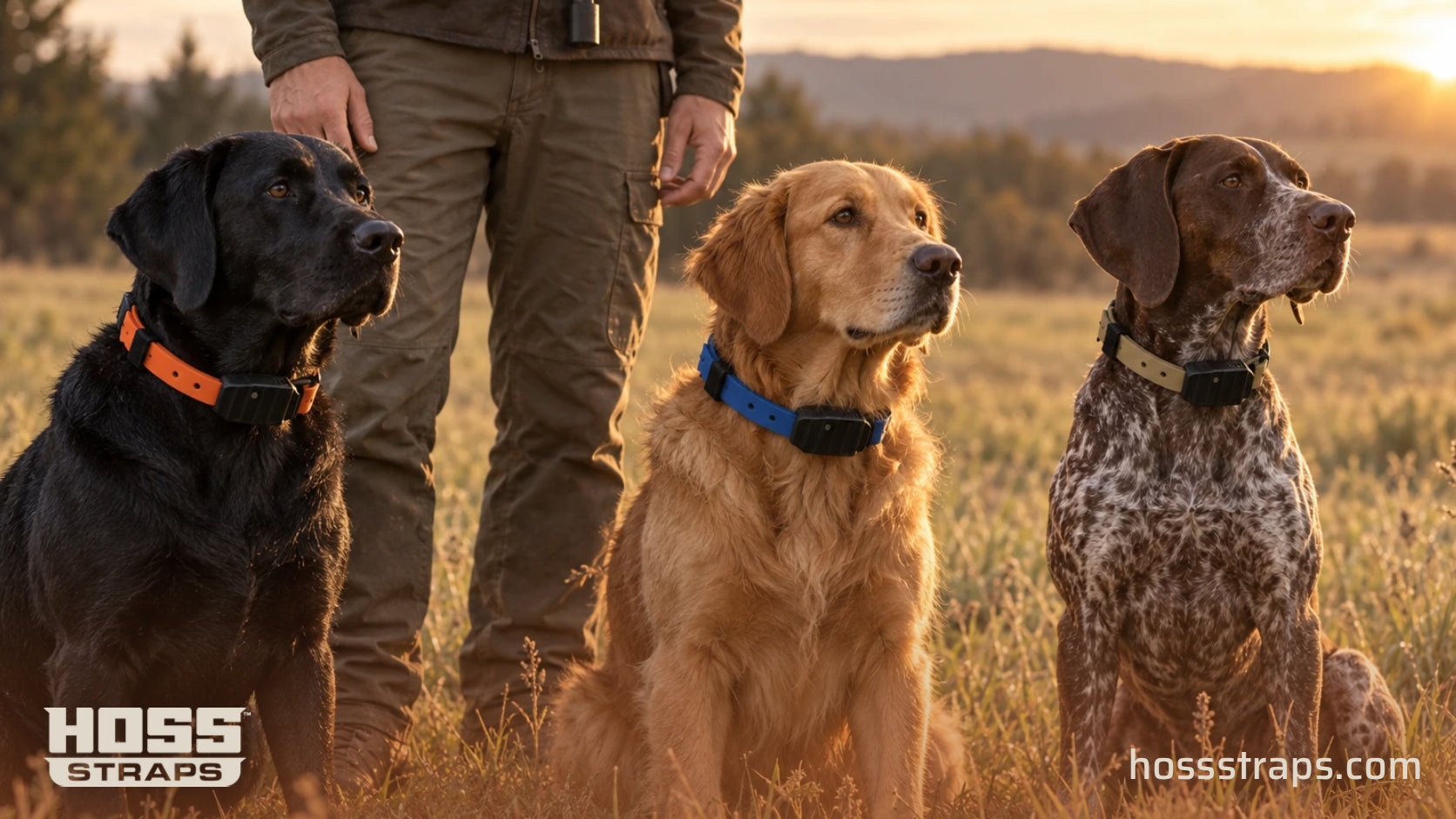
Guide overview
- Understand why repeatable does not mean universal
- Create a record for each dog
- Follow the multi-dog adjustment workflow
- Use color to reduce equipment mix-ups
- Know when separate straps are the better system
- Run the 30-second field checklist
- Review frequently asked questions
Repeatable does not mean universal
A trainer may move one compatible receiver and strap between dogs, but the finished fit belongs to the dog wearing it at that moment. Neck circumference is only one variable. Coat density, grooming, moisture, receiver position, and normal physical changes all affect the setup.
Use marks and records to return quickly to a starting point. Then treat that point as a reminder to inspect—not as permission to skip the check.
Scope: This workflow covers equipment organization only. It does not address training methods or electronic stimulation. Follow the device manufacturer’s current instructions for contact points, fit, skin inspection, and wear time.
Create a record for each dog
A simple log prevents guesswork when several handlers share equipment. Keep it with the gear case or in a phone-accessible document.
| Record | Example entry | Why it helps |
|---|---|---|
| Dog identifier | Name plus kennel or client ID | Prevents similar dogs from being confused |
| Receiver model | ET-300 receiver number 2 | Confirms compatibility and ownership |
| Starting reference | Ring at marked opening; measured circumference | Speeds up initial adjustment |
| Coat condition | Heavy winter coat, recently groomed, or wet | Explains why a former setting may change |
| Last inspection | Date, handler initials, notes | Creates accountability for damaged gear |
Do not record only a “hole number.” Include a measured reference and enough context for another handler to understand what the number means.
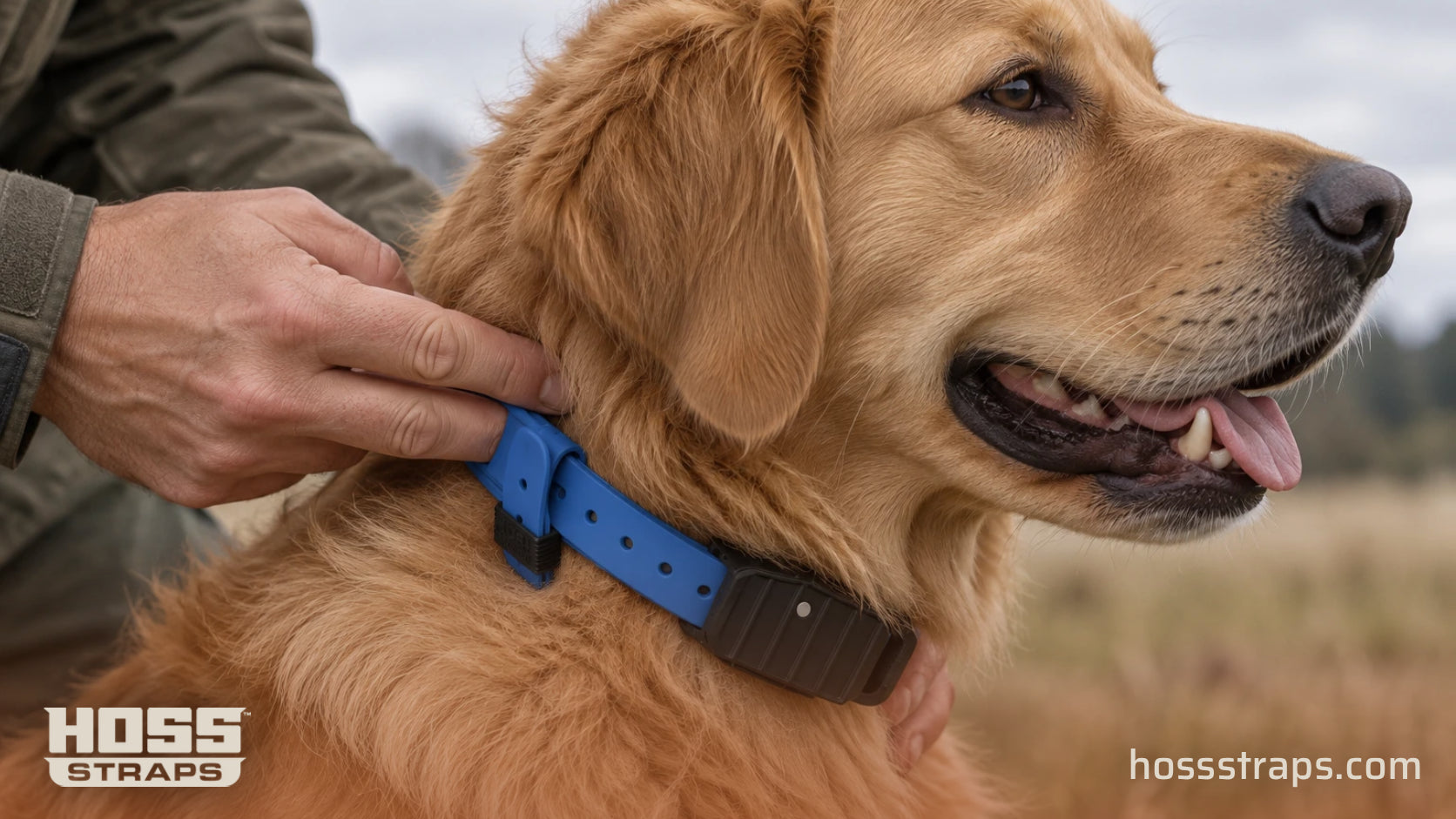
Eight-step multi-dog adjustment workflow
- Power down and remove the system. Make every hardware adjustment off the dog.
- Inspect before loosening. Check the buckle, keeper, positioning stop, receiver slots, strap edges, and contact-point hardware.
- Open the keeper and create slack. Free the tail without yanking material through the receiver.
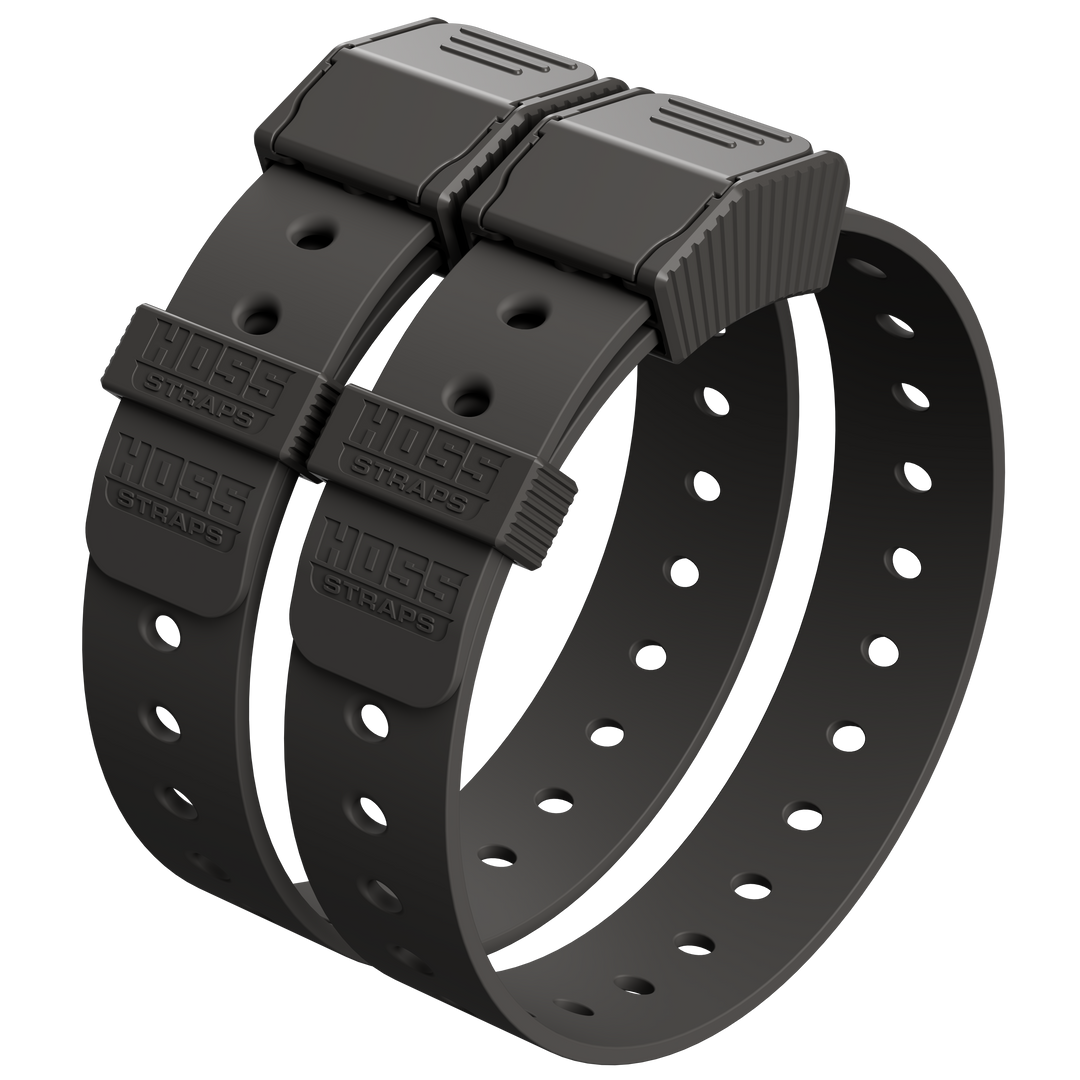
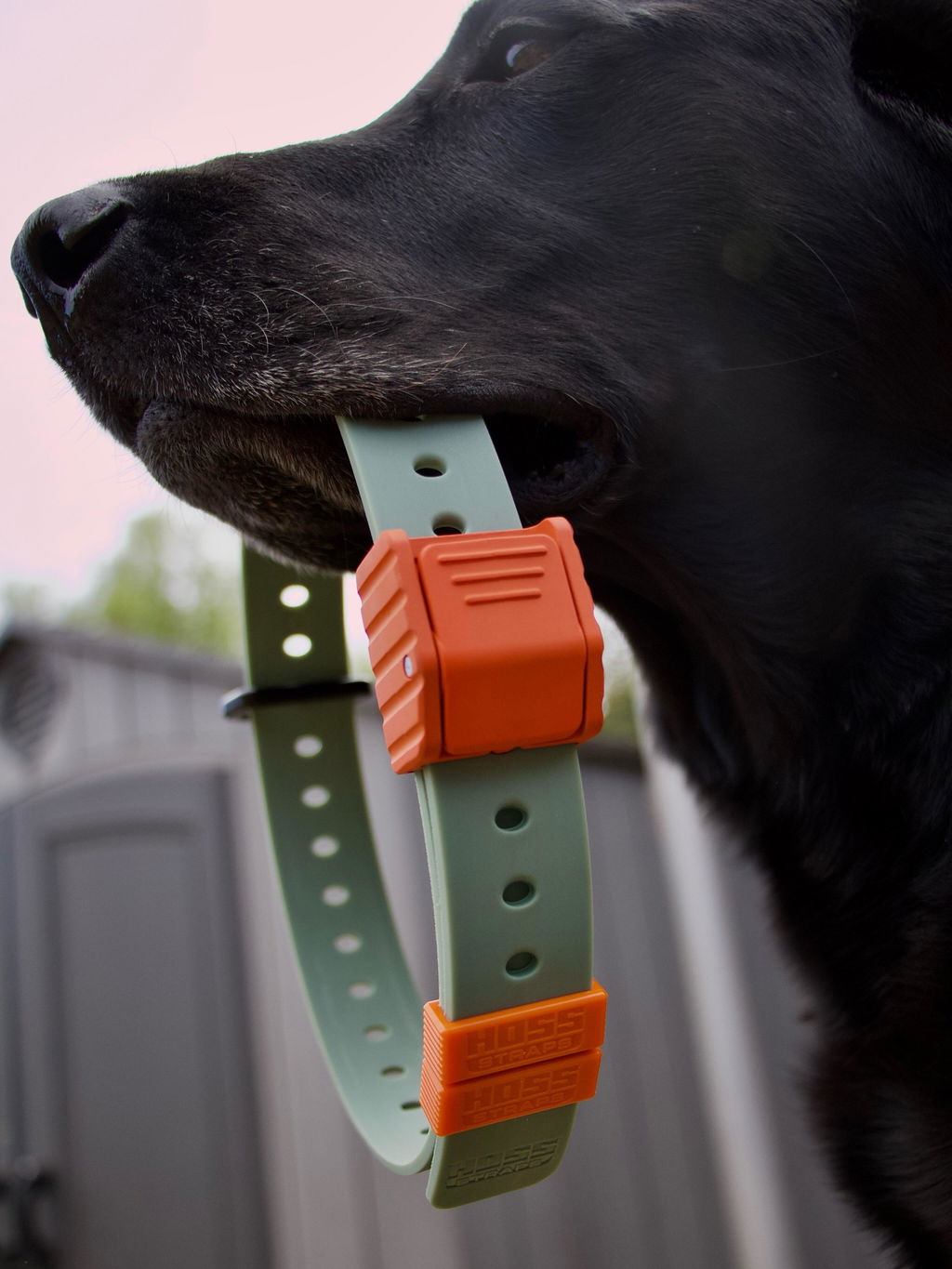
- Move to the next recorded reference. Use the movable ring as a visible starting marker if that is part of your system.
- Reposition the receiver. Keep the strap flat as the receiver moves along the strap.
- Set the working circumference. Follow the manufacturer’s fit instructions for the individual dog.
- Capture the loose tail. Run excess material through the keeper so the finished setup stays flat.
- Recheck after movement. Observe whether the receiver rotates, drops, or shifts after the dog walks and shakes normally.
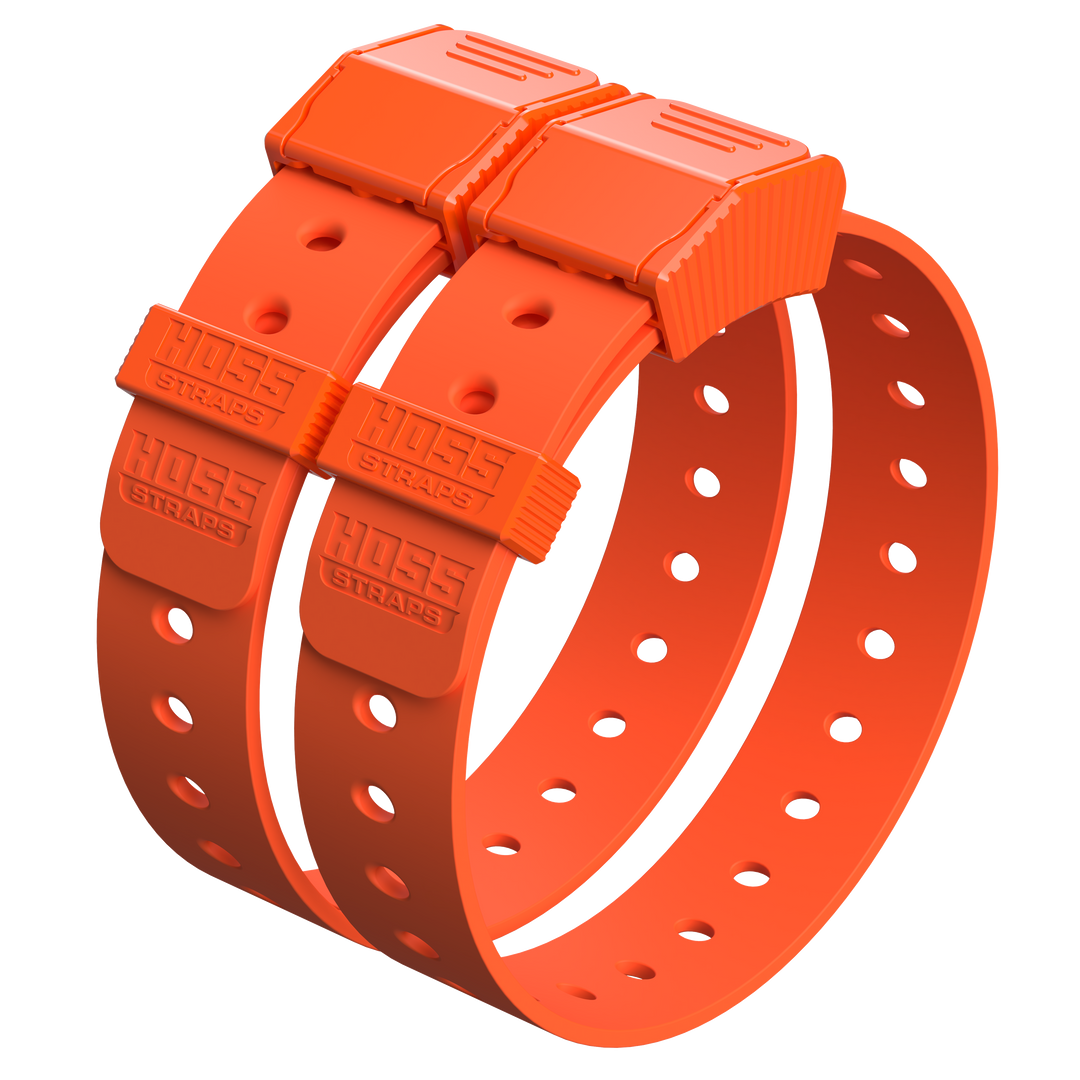
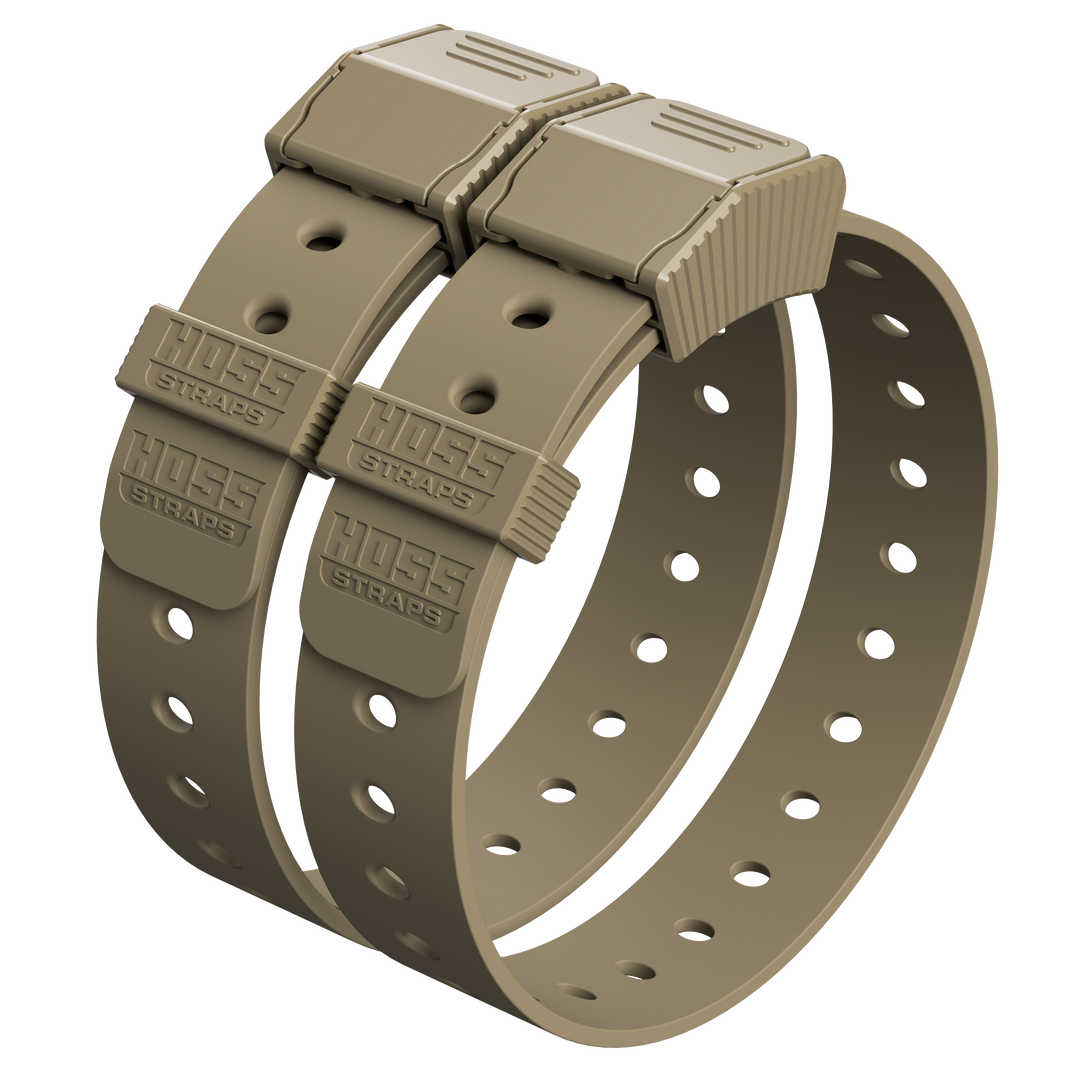
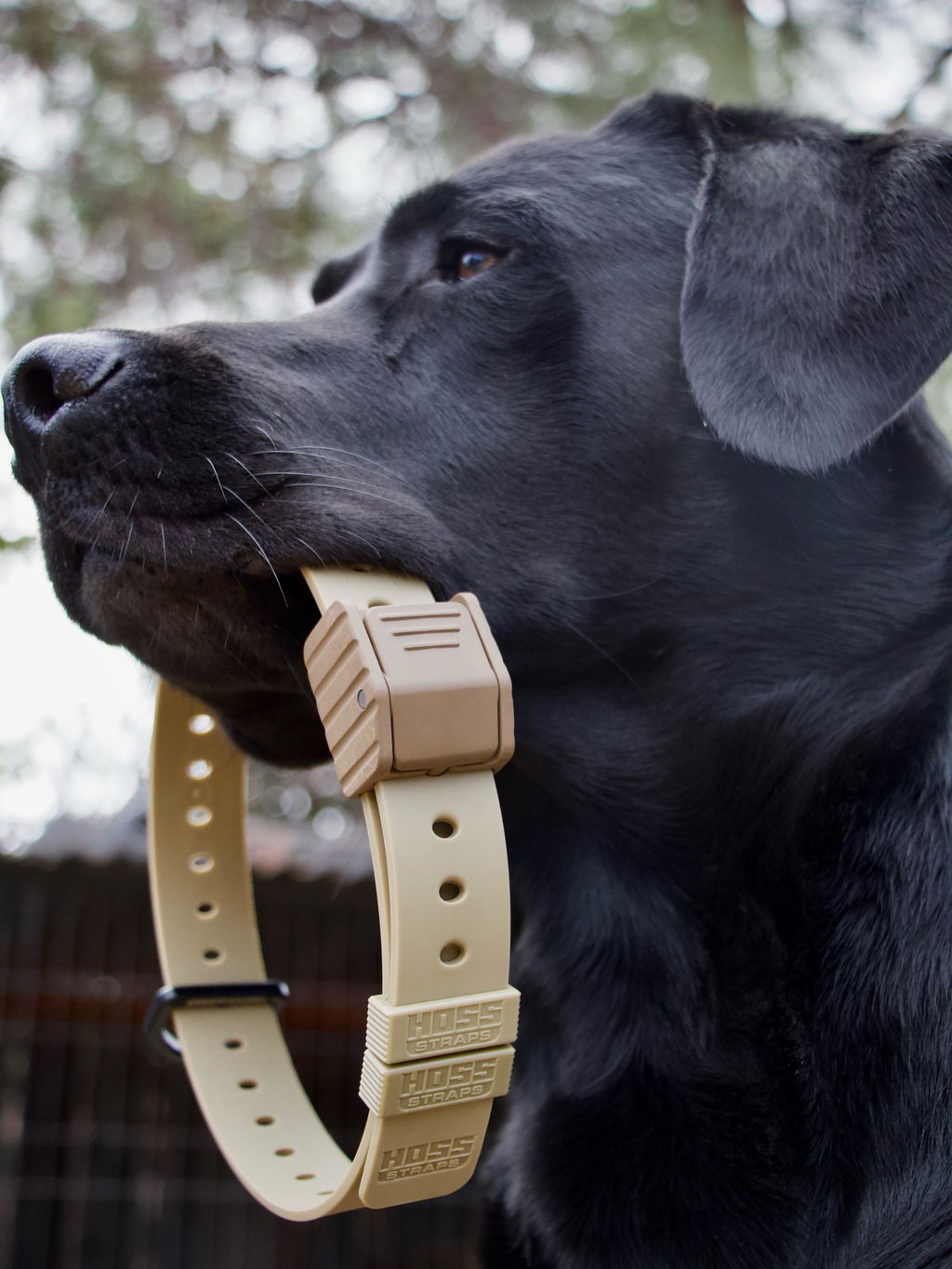
For a closer look at the hardware, see how to arrange the position stop, keeper, and movable ring.
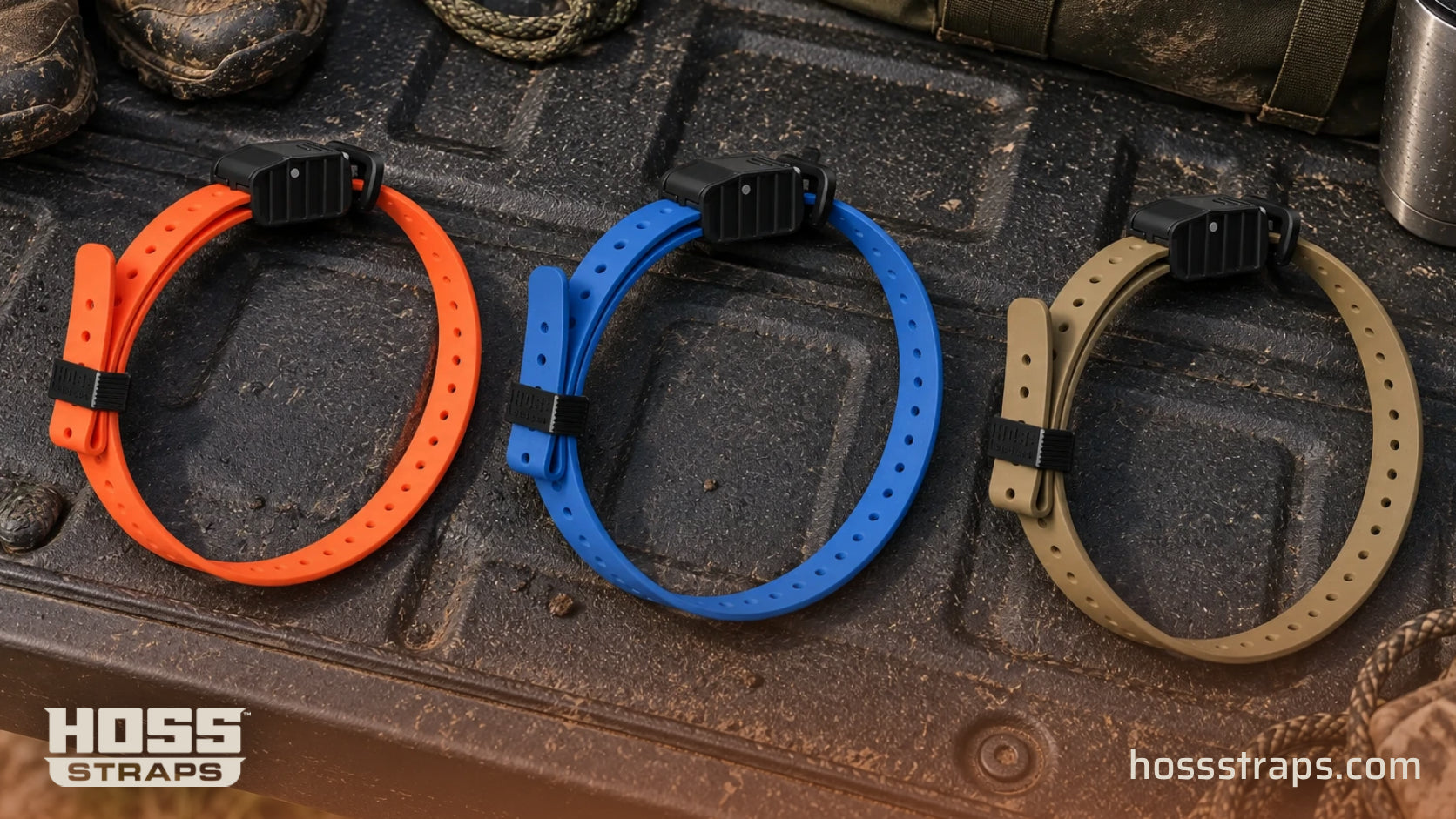
Use color to reduce equipment mix-ups
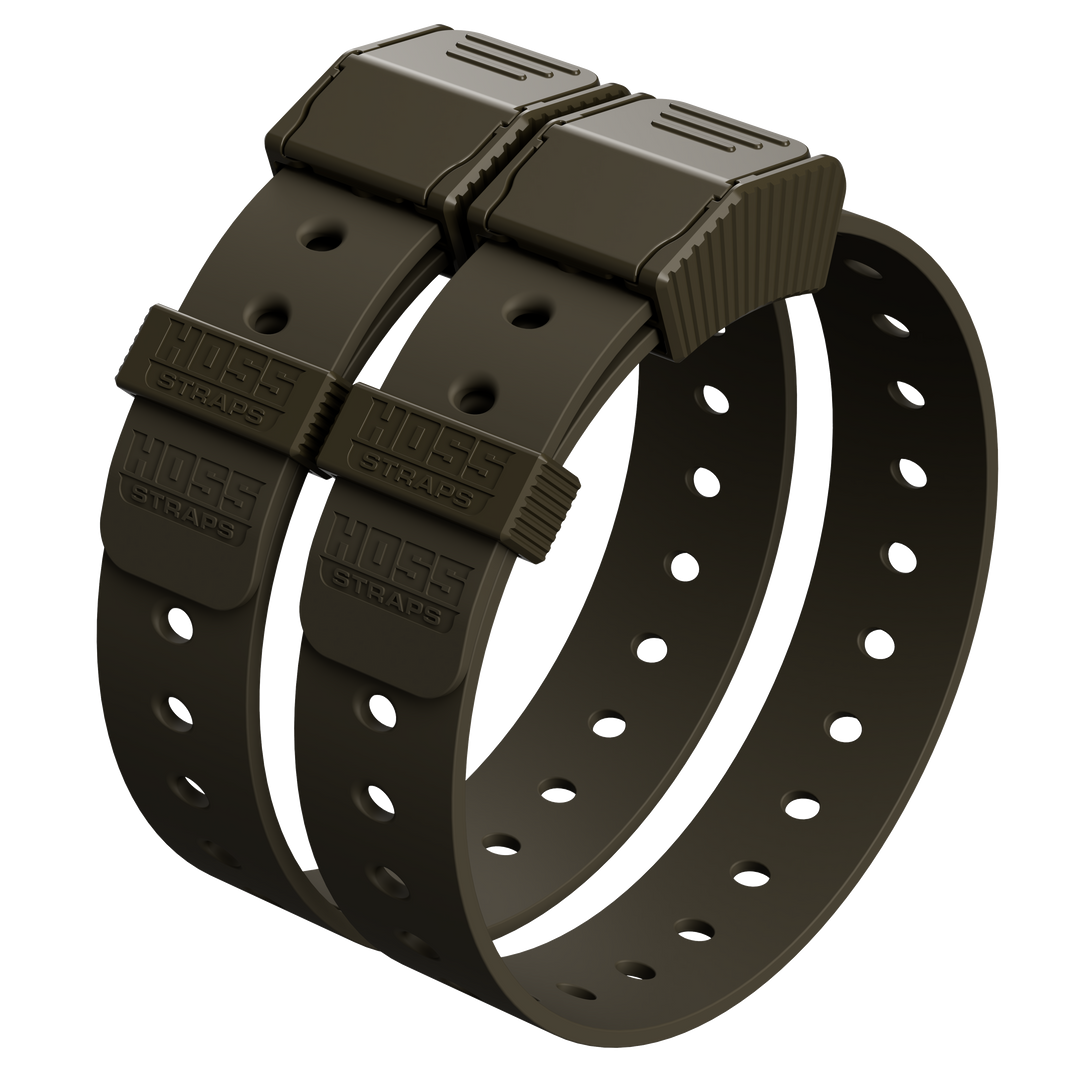
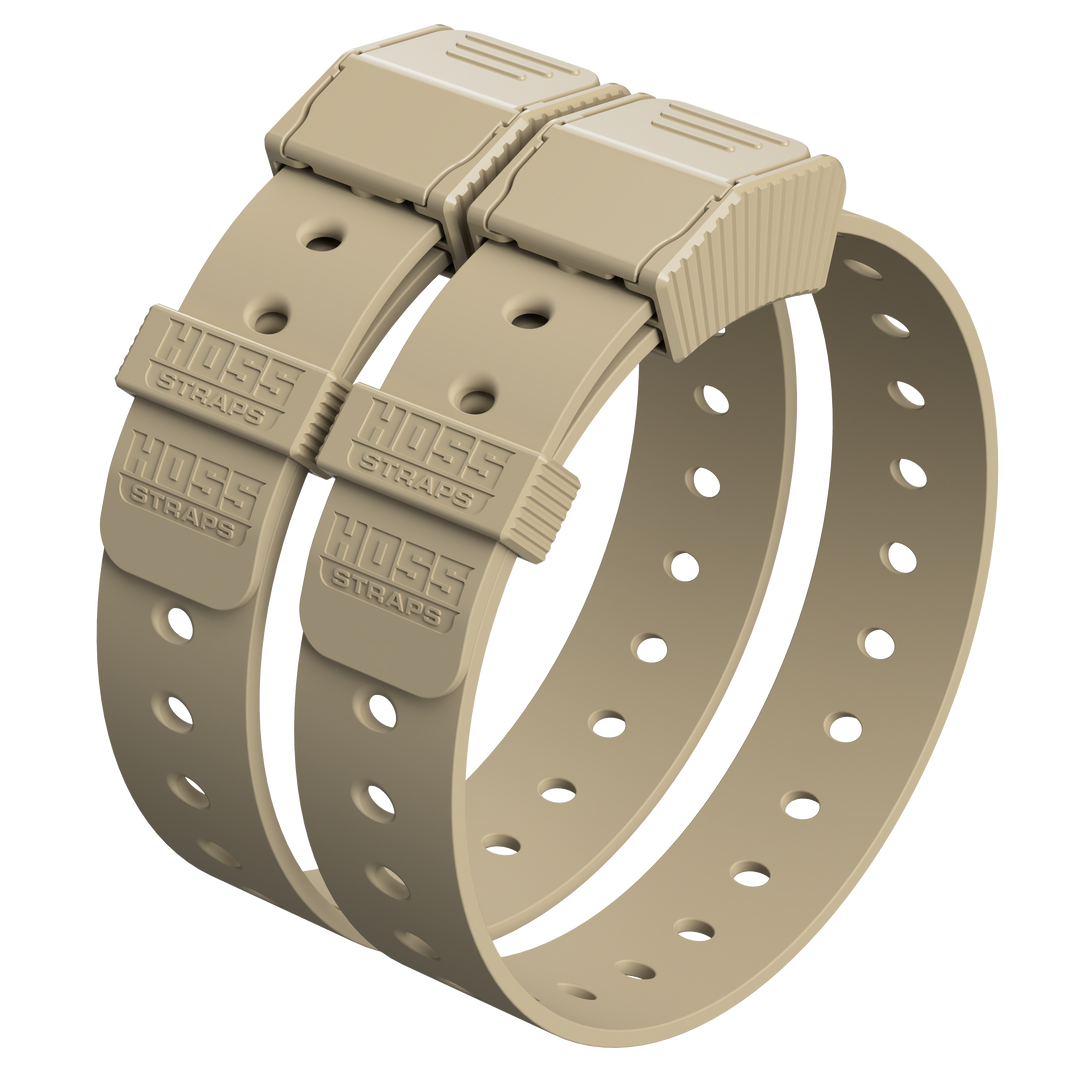
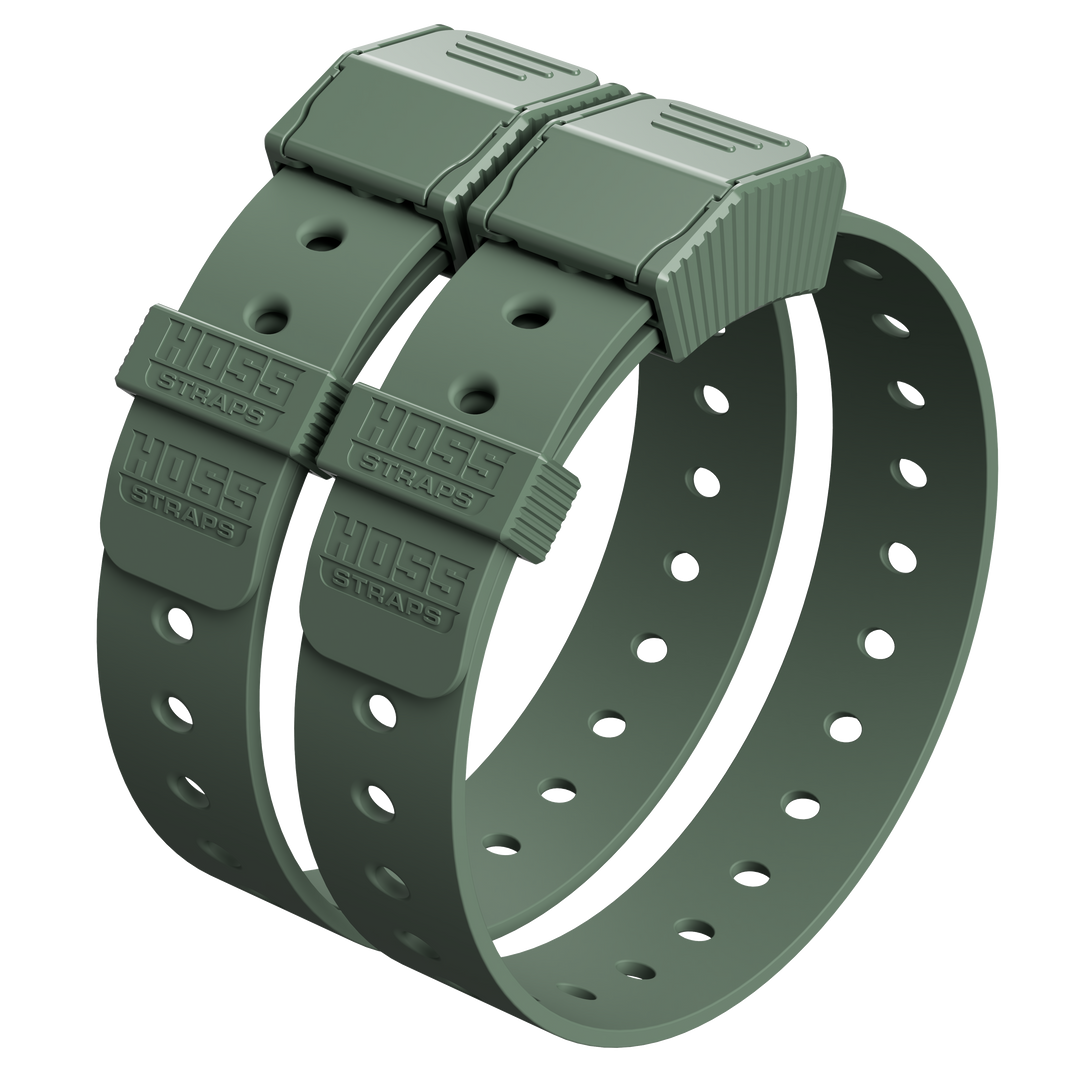
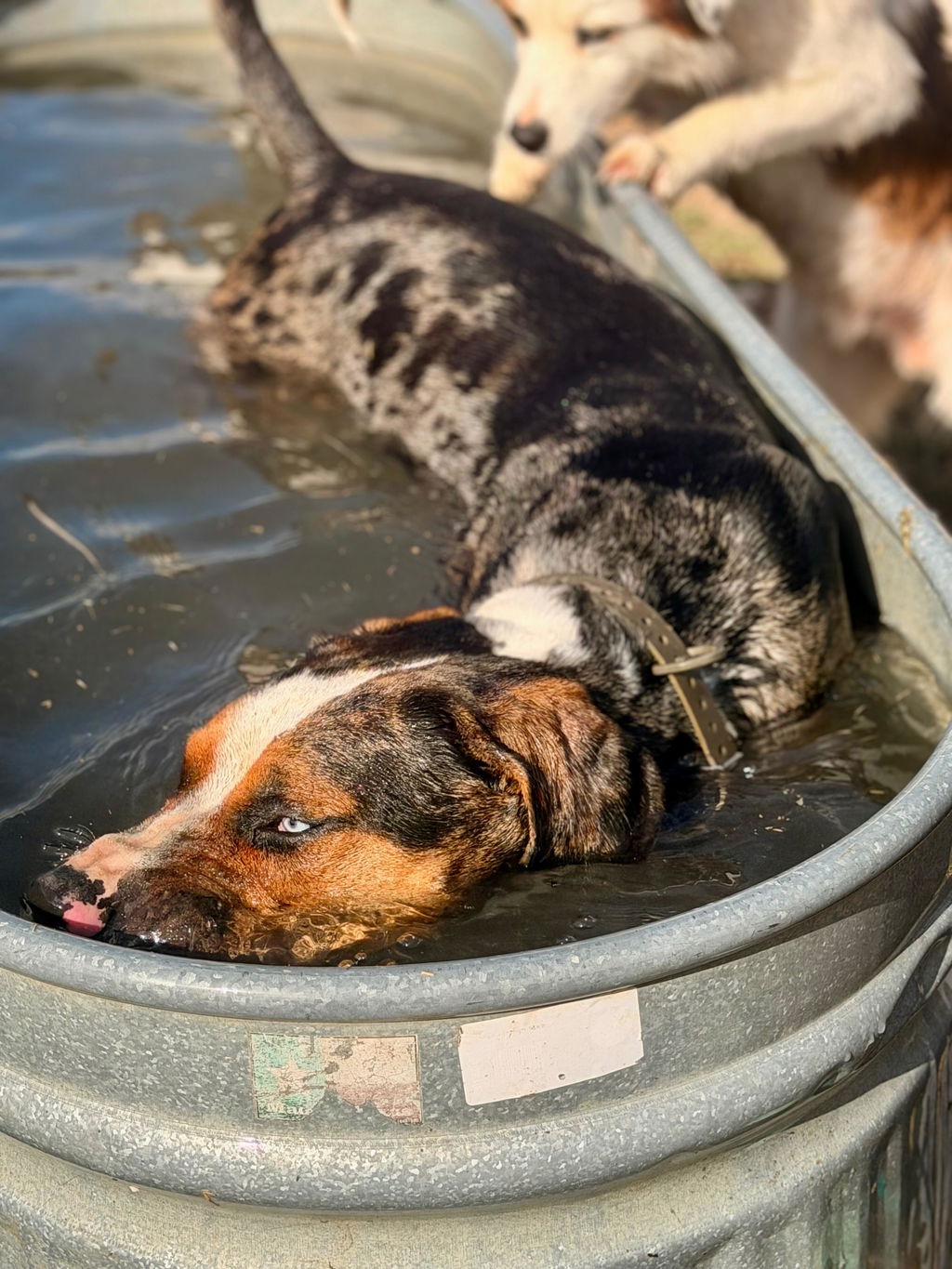
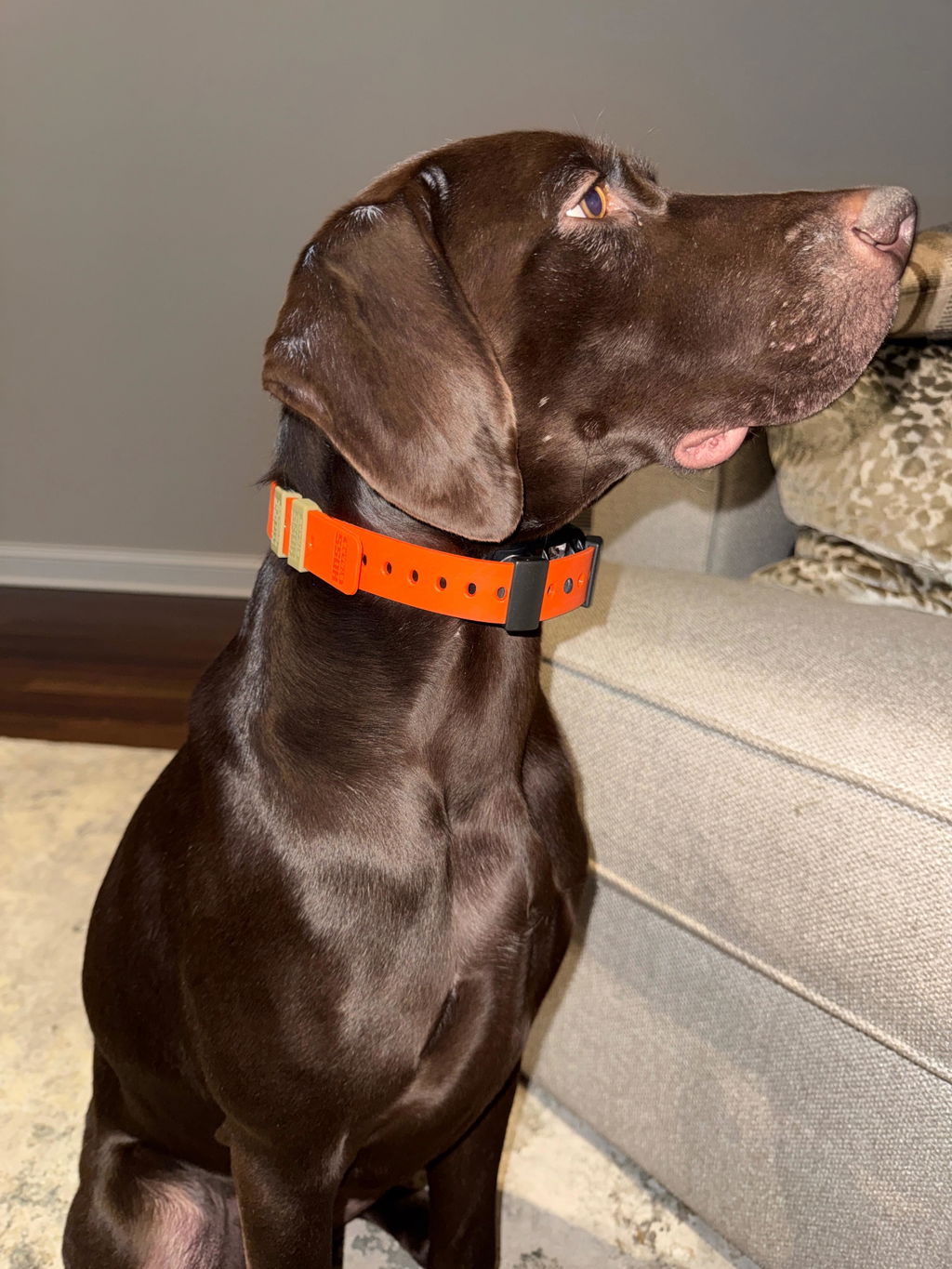
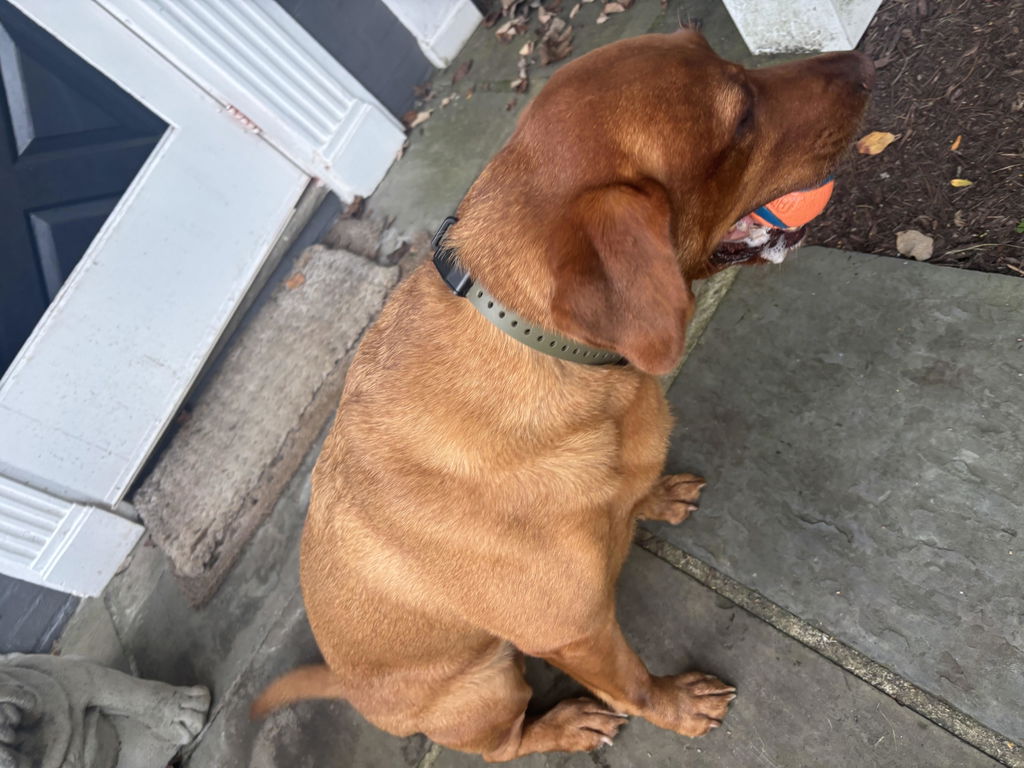
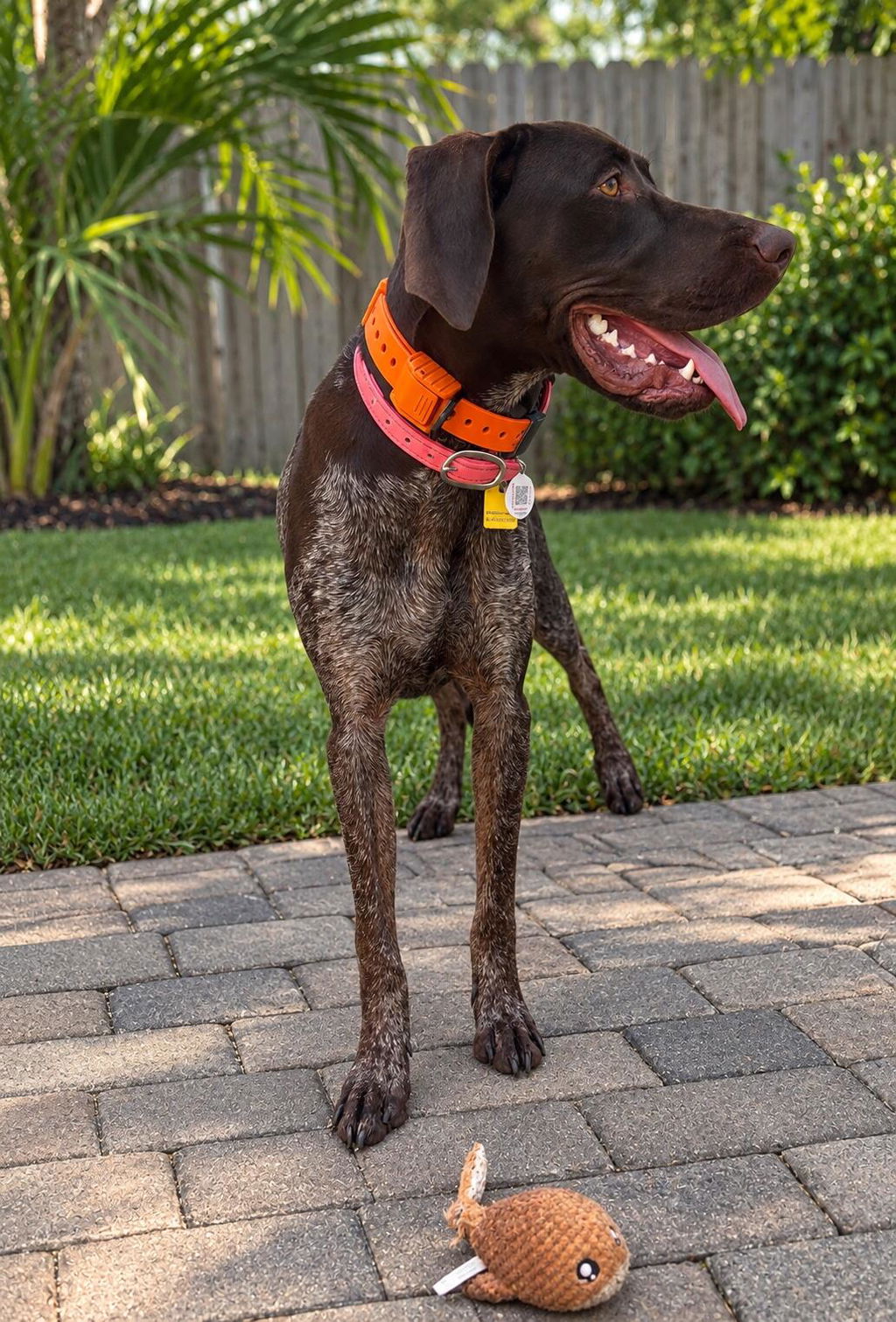
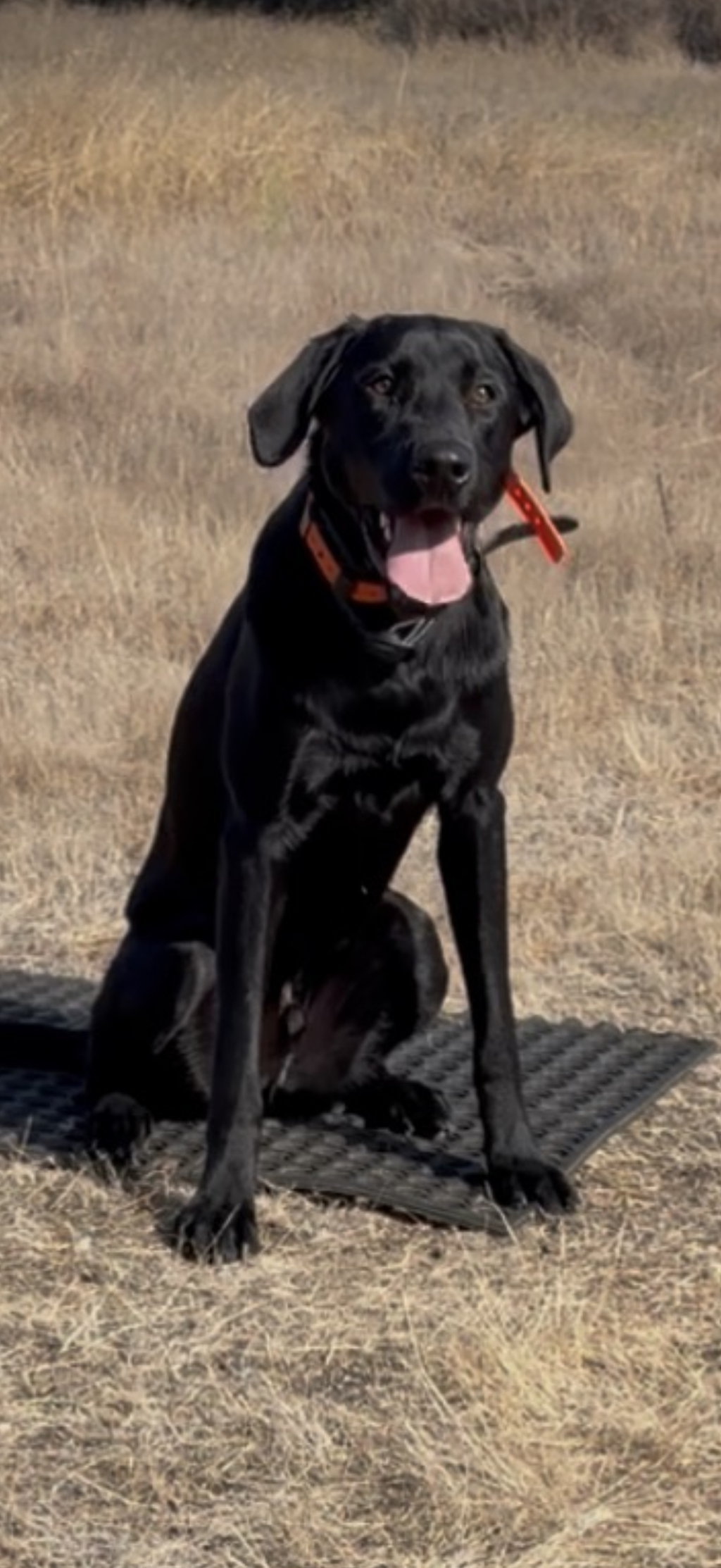
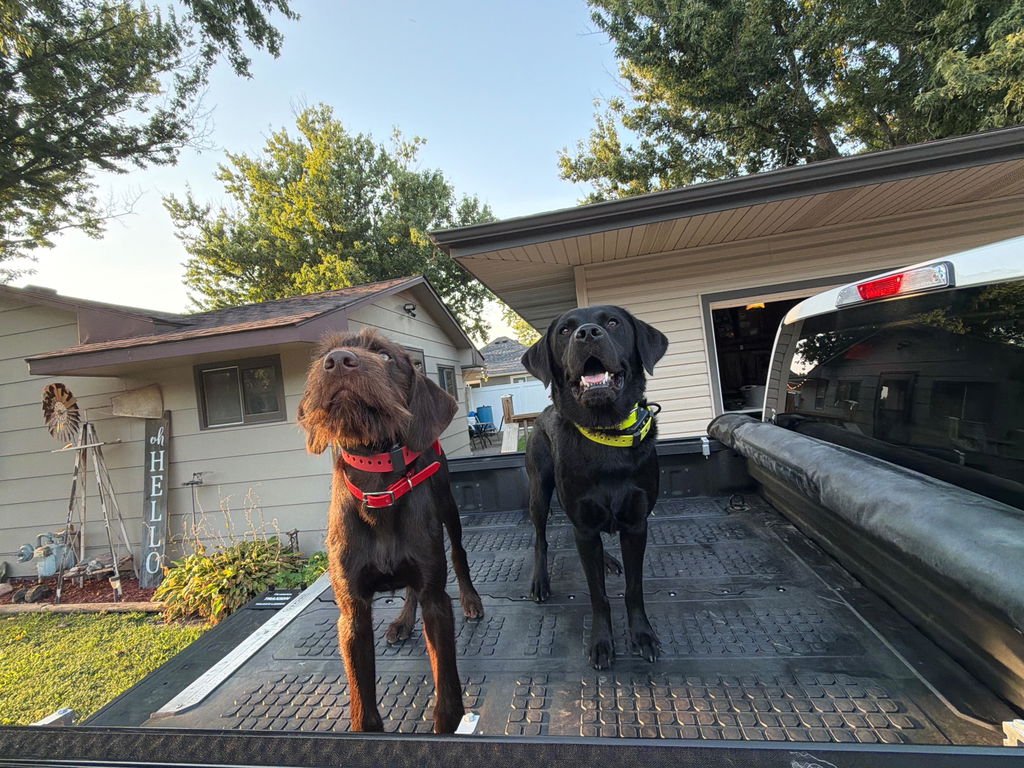
Color can identify a dog, handler, receiver set, or training group before anyone reads a label. Select one rule and document it. For example, assign one strap color per dog, or one color family per receiver type.
- Keep a printed color key in the gear case.
- Add a durable text label when two colors are easy to confuse.
- Do not use color as proof of receiver compatibility.
- Check assignments at handoff between handlers.
The e-collar strap color guide explains visibility and multi-dog organization in more detail.
When separate straps are the better system
Sharing is not always the fastest or safest choice. Dedicated straps may be better when neck sizes differ greatly, dogs have very different coats, several dogs work at once, sanitation protocols prohibit sharing, or frequent adjustment creates handling errors.
A separate strap also preserves each dog’s established hardware arrangement. Trainers can still standardize receiver models and inspection steps while maintaining individual straps.
Before the next dog: 30-second field checklist
- Correct dog and correct receiver confirmed
- Strap and receiver compatible
- Strap flat through every receiver slot
- Position stop secure
- Buckle fully engaged and functioning
- Tail captured by the keeper
- Individual fit checked under current coat conditions
- Dog’s neck and equipment checked after removal
- Any damage logged and equipment removed from service
Frequently asked questions
Can the ring mark an exact fit?
It marks a starting point, not a guaranteed fit. Recheck every dog each time.
Should trainers trim excess strap?
Only after confirming the largest required adjustment and all intended use cases. Multi-dog programs usually benefit from preserving adjustment range.
How often should shared equipment be cleaned?
Follow the equipment maker and facility sanitation procedures. Clean after contamination and between dogs when required; inspect the system before returning it to service.
Build a repeatable setup
Start with the receiver-compatible width, then shop HOSS replacement e-collar straps in colors that simplify your multi-dog system.
Fit records assist workflow but never override the current condition of the dog or equipment. Follow manufacturer instructions and seek qualified professional guidance when needed.