


How to Adjust a Dog Collar: A Simple Guide for a Safe, Comfortable Fit

Check out our training collar setup, D-ring dog collar, easy dog collars, and more.
Your dog's collar does more than hold an ID tag. It is your connection point during walks, training, travel, and everyday routines. But getting the fit right is where many dog owners get stuck.
A collar that is too tight can rub, irritate the skin, or make breathing and swallowing uncomfortable. A collar that is too loose can slip off when your dog backs up or gets startled. The good news: adjusting a dog collar is simple once you know what to check.
Table of Contents
- Why Proper Collar Fit Matters
- The Two-Finger Rule
- Step-by-Step: How to Measure and Adjust
- Adjusting Different Types of Collars
- Special Situations: Puppies, Thick Fur, and Pullers
- Watch for Red Flags
- Simple Habits to Keep Your Dog Safe
- Choosing Quality Gear That Adjusts Smoothly
- FAQ
Why Proper Collar Fit Matters for Your Dog
A poorly fitted collar is not just annoying. It can create safety and comfort problems fast.
VCA Animal Hospitals explains that flat collars should fit securely without constricting, and warns that loose collars can allow escape. They also note that hard pulling against a collar can put pressure on delicate neck structures.
| Fit Problem | What Can Happen | Quick Fix |
|---|---|---|
| Too tight | Rubbing, hair loss, coughing, discomfort, or skin irritation | Loosen the collar and re-check with the two-finger rule. |
| Too loose | Collar slips off, twists, or lets your dog back out | Tighten one setting and do a slip test. |
| Poor placement | Collar rides into the shoulders, jaw, or throat | Reposition where the collar naturally sits and re-check fit. |
| Worn hardware | Buckle, D-ring, or adjuster may fail during use | Replace damaged gear before the next walk. |
The Two-Finger Rule
The simplest way to check collar fit is the two-finger rule. You should be able to slide two fingers between the collar and your dog's neck without forcing them.
The AKC Shop measuring guide recommends the two-finger rule for checking neck measurements and collar fit.
| What You Feel | What It Means | What to Do |
|---|---|---|
| You cannot fit two fingers | Too tight | Loosen the collar immediately. |
| Two fingers fit comfortably | Good starting fit | Do a slip test and movement check. |
| Two fingers fit with lots of extra space | Likely too loose | Tighten slightly and test again. |
The collar should be snug enough to stay in place, but loose enough that your dog can breathe, swallow, and move naturally.
Step-by-Step: How to Measure and Adjust
- Measure the neck. Use a soft measuring tape around your dog's neck where the collar naturally sits.
- Choose the right size range. Your dog's measurement should land inside the collar's adjustable range, ideally near the middle.
- Put the collar on. Make sure the buckle or fastener closes cleanly.
- Use the two-finger test. Slide two fingers under the collar at the side of the neck.
- Adjust one setting at a time. Tighten or loosen gradually until the fit is secure but comfortable.
- Check in different positions. Look at the fit while your dog is standing, sitting, walking, and turning.
- Do a slip test. Gently check whether the collar can slide over the head. If it can, tighten or choose a better size.
| Adjustment Check | Pass | Adjust If... |
|---|---|---|
| Finger space | Two fingers fit comfortably. | The collar pinches or feels sloppy. |
| Head slip | Collar does not slide over the head. | Your dog can back out of it. |
| Rotation | Collar stays mostly stable. | It spins freely or twists under the throat. |
| Hardware | Buckle clicks and D-ring sits clear. | The buckle sticks, rattles, or the tag blocks closure. |
Adjusting Different Types of Collars
Slide adjuster collars
Slide adjuster collars offer flexible fine-tuning. Move the adjuster gradually, then check fit on the dog instead of guessing by strap length.
Pin-buckle collars
Pin-buckle collars work like a belt. If your dog falls between holes, choose the safer fit and monitor closely. If one hole is too tight and the next is too loose, the collar may not be the right size range.
Martingale collars
Martingale collars are designed for dogs that may back out of standard collars. They tighten slightly under tension, then relax. They still need careful fitting and should not choke or stay tight after leash pressure stops.
| Collar Type | Adjustment Style | Best Fit Reminder |
|---|---|---|
| Slide adjuster | Continuous strap adjustment | Make small changes and re-check after movement. |
| Pin buckle | Fixed holes | If between holes, consider a different size range. |
| Martingale | Limited tightening loop | Should tighten only enough to prevent escape, not choke. |
Special Situations: Puppies, Thick Fur, and Strong Pullers
Growing puppies
Puppies need frequent checks because they grow fast. A collar that fit last week can be too tight this week. Check young puppies at least weekly, and more often during growth spurts.
Dogs with thick or double coats
Part the fur and check the actual neck, not just the coat. Dense fur can hide pressure points and make a tight collar look fine from the outside.
Strong pullers
If your dog pulls hard, a collar may not be the best main walking tool. Use the collar for ID and consider a properly fitted harness for leash control. VCA notes that pulling against a collar can load sensitive neck structures, so match the walking tool to your dog's behavior.
Watch for Red Flags
Check your dog's neck regularly for signs that the collar needs adjustment.
- Redness or sores under the collar
- Broken hair or hair loss around the neck
- Odor, moisture, or grime trapped under the collar
- Constant scratching at the neck
- Rubbing against furniture
- Coughing, gagging, or pulling away during walks
- Your dog trying to back out of the collar
If you see skin irritation, remove the collar and let the area recover. If irritation continues, talk with your vet.
Simple Habits to Keep Your Dog Safe
A good fit is only part of collar safety. The routine matters too.
- Do quick weekly checks of fit, buckle, D-ring, and stitching.
- Re-check after grooming, weight changes, or seasonal coat shifts.
- Remove collars during high snag-risk situations when appropriate.
- Keep ID current when the collar is worn outside the home.
- Replace worn collars before hardware fails.
AKC collar safety guidance notes that collar risk can increase around crates, dog wrestling, and objects like branches or fencing. If in doubt, remove the collar during unsupervised snag-risk situations.
Choosing Quality Gear That Adjusts Smoothly
A well-fitted collar starts with gear that adjusts smoothly and stays where you set it. Look for durable webbing, sturdy hardware, a reliable buckle, and an adjuster that does not slide loose during normal use.
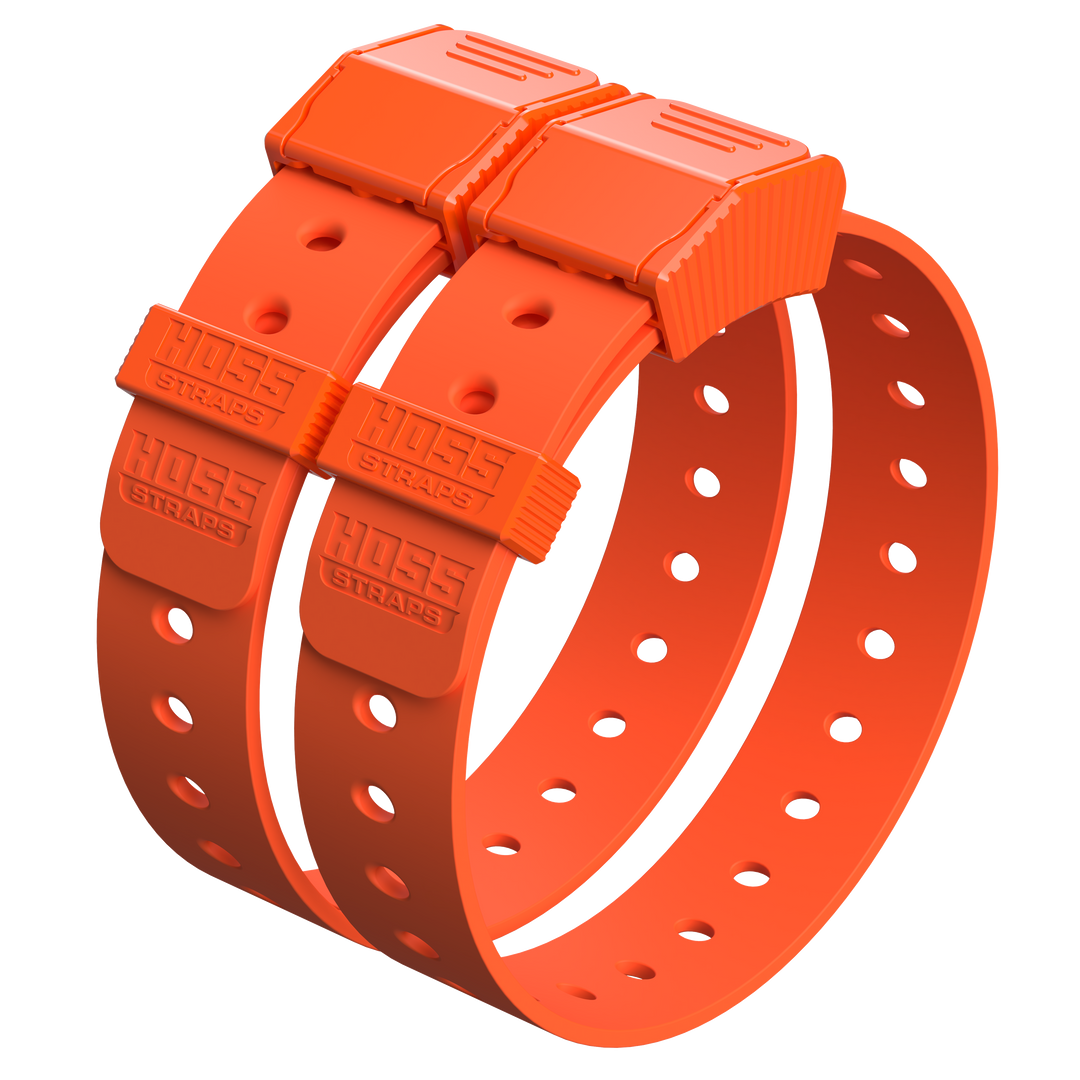
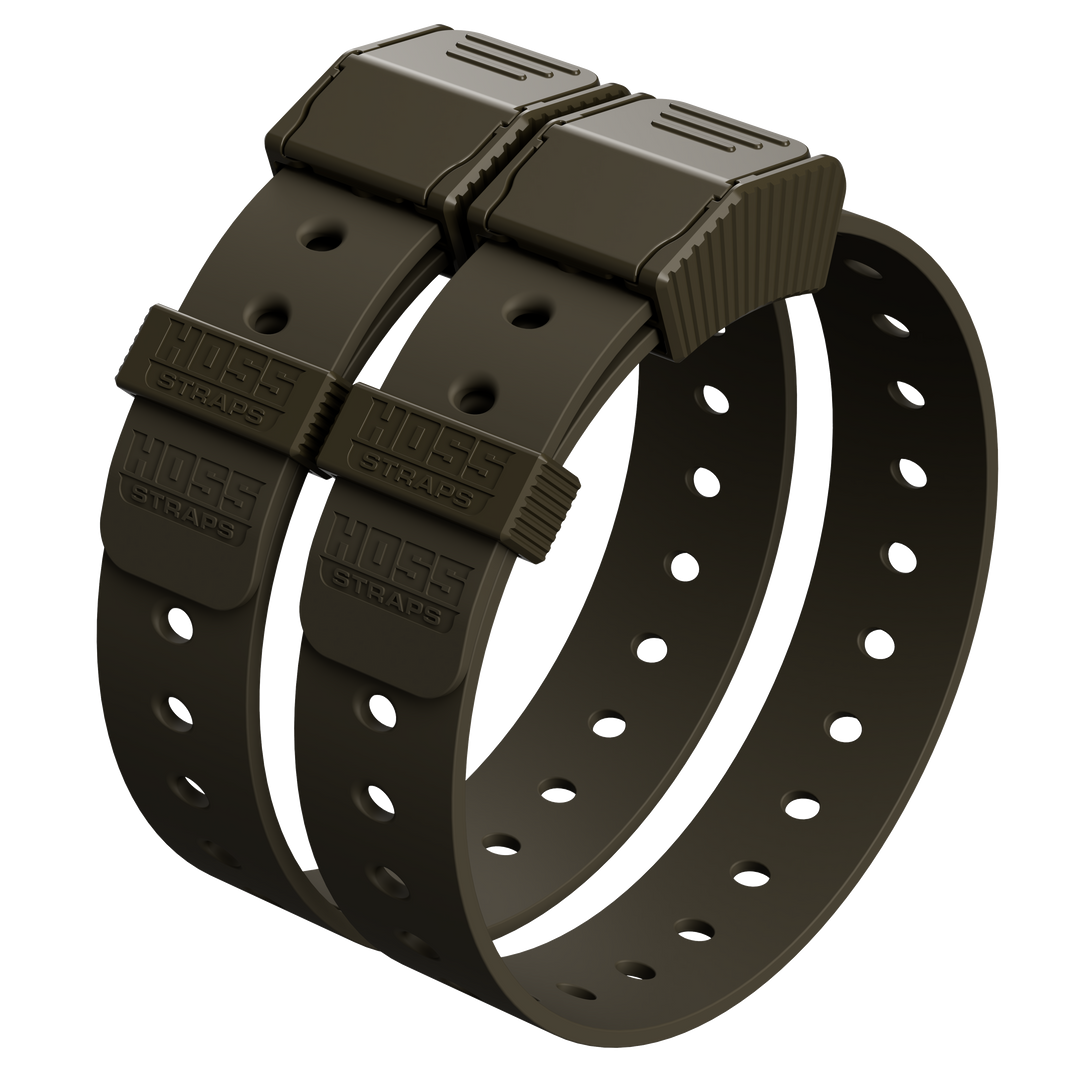
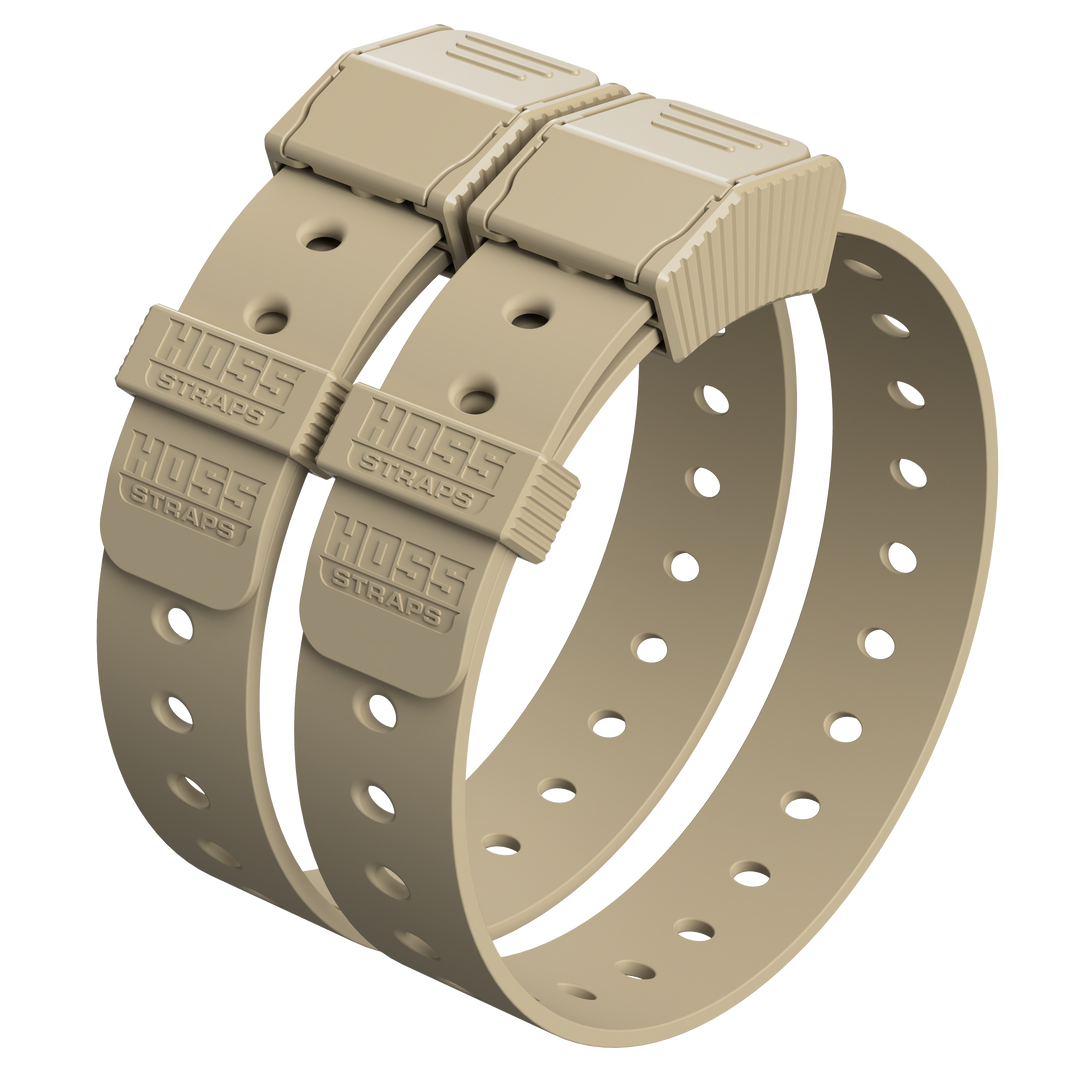
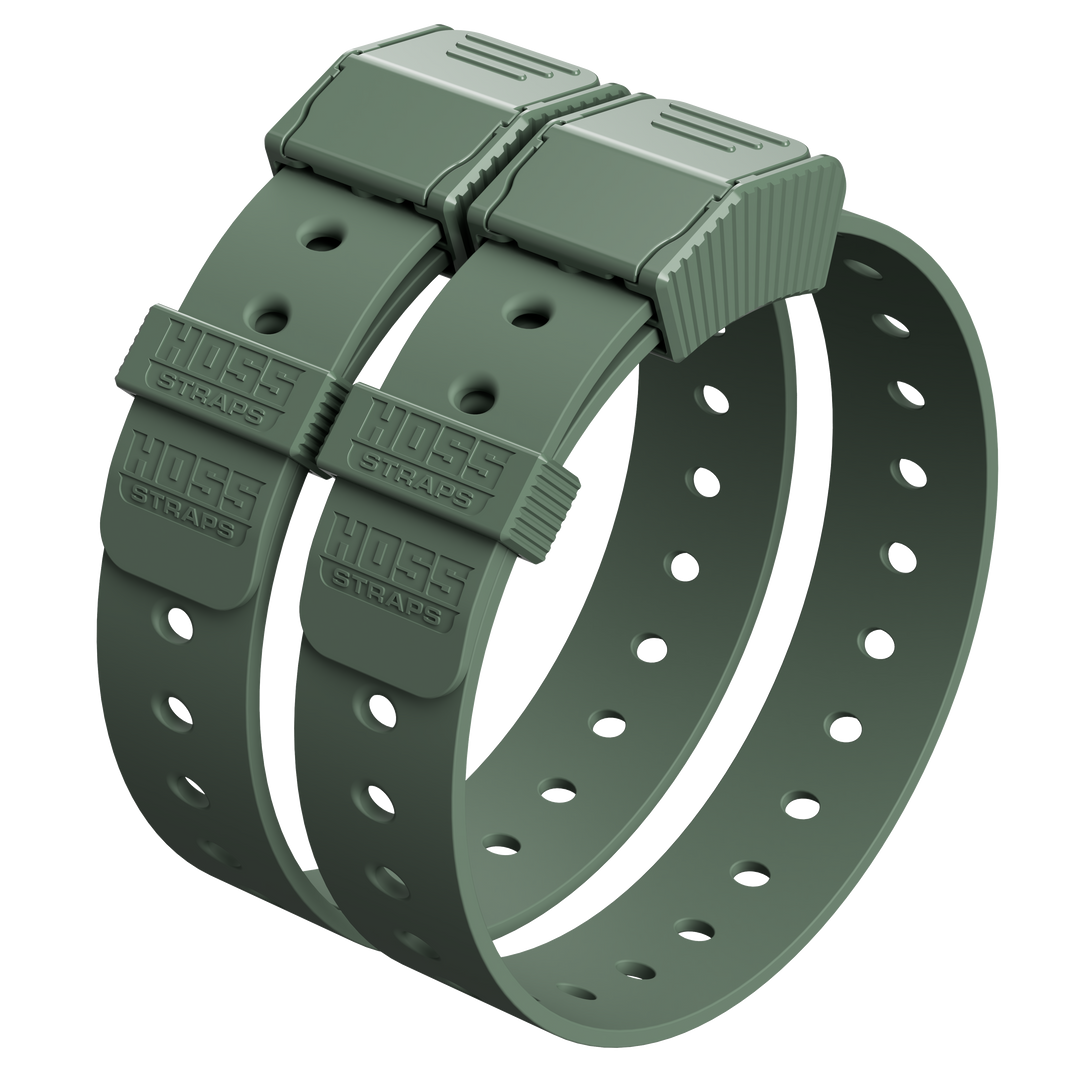
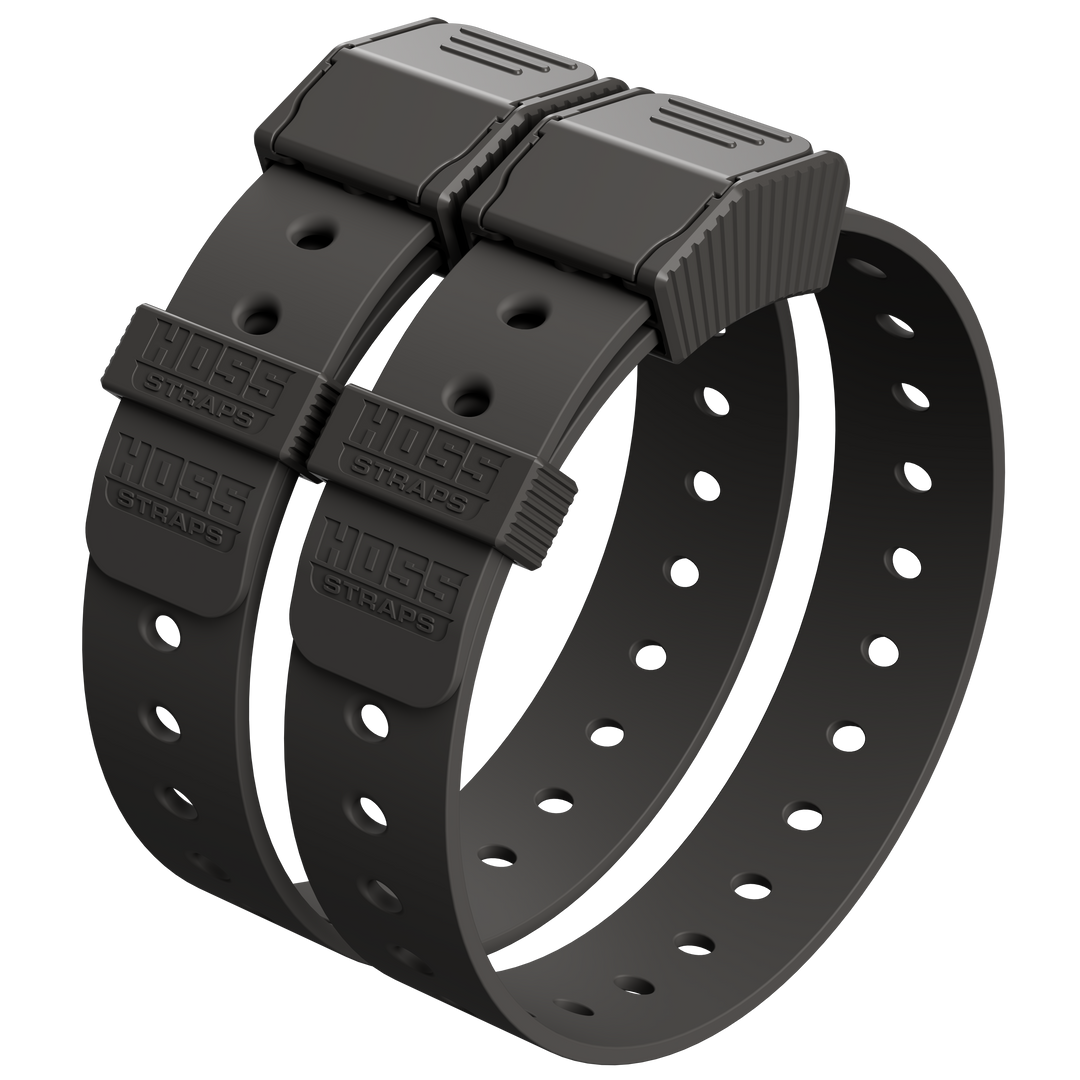
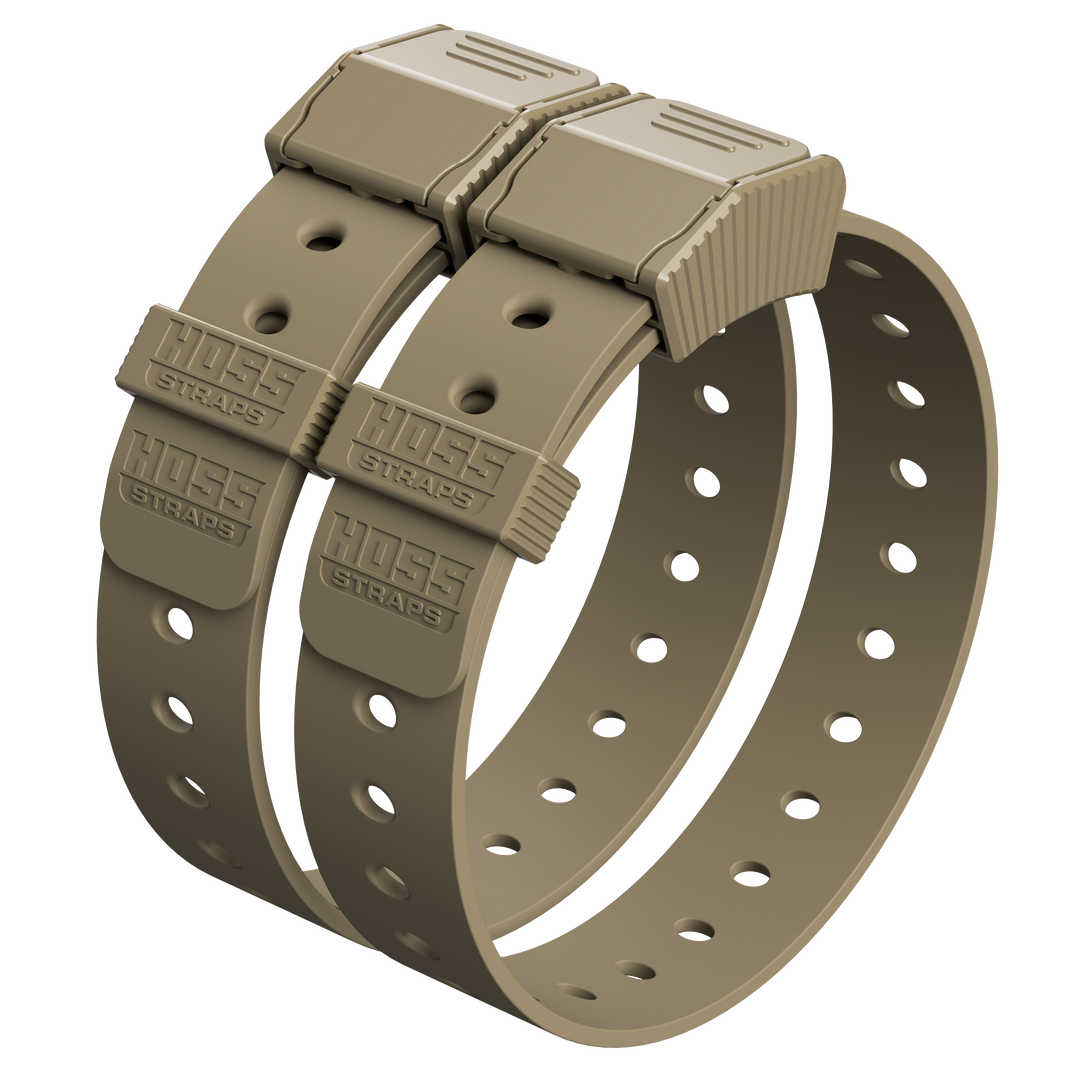
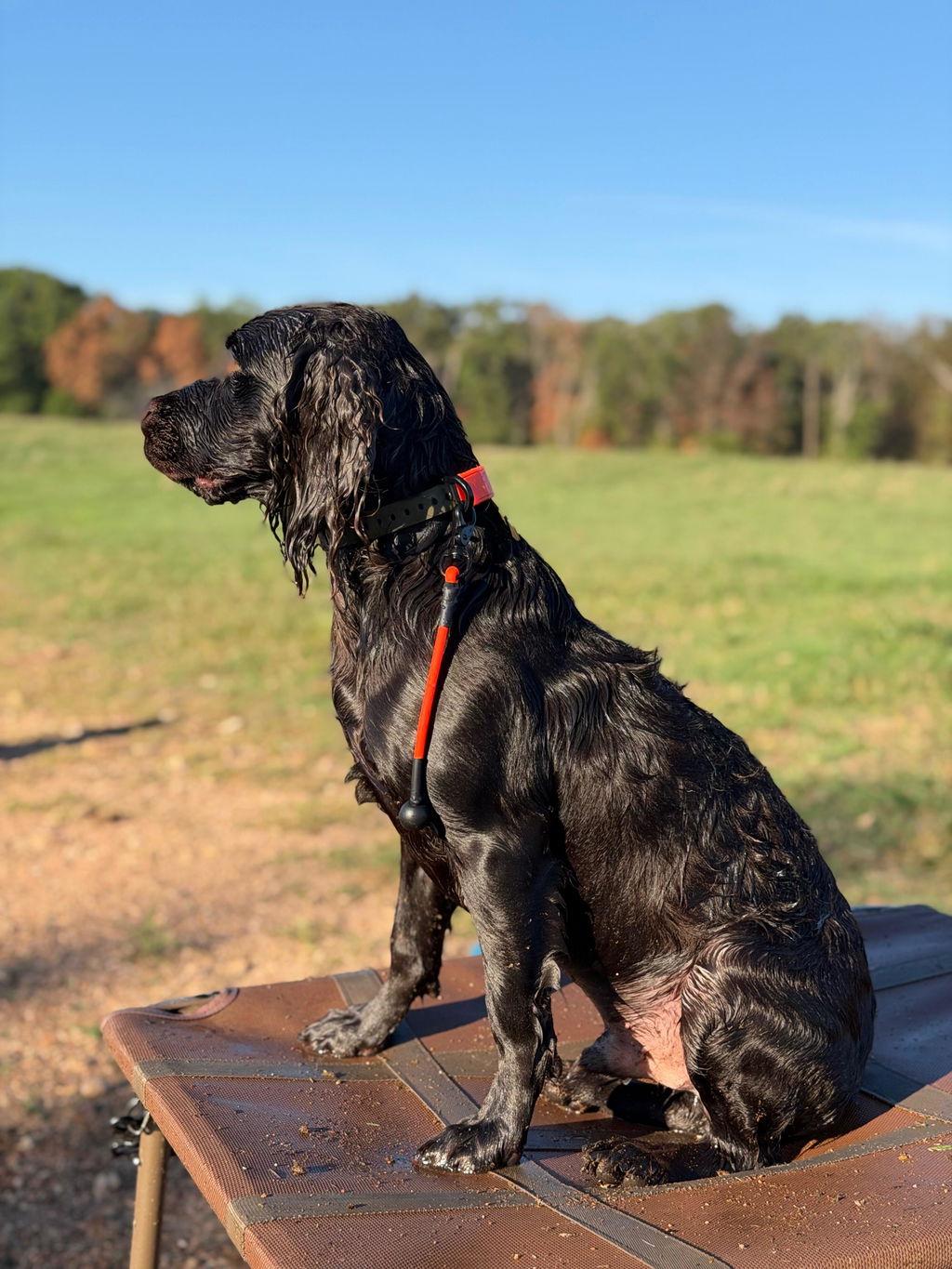
Hoss Straps Dog Collars are designed with simple, secure adjustment and real-life durability in mind. They are 100% weatherproof, easy to clean, quick to put on and take off, and built with a quick-release buckle that clicks into place.
Whether you are heading out for a quick neighborhood walk or a longer trail adventure, the right collar helps keep your dog comfortable, visible, and secure.
FAQ: Quick Answers About Dog Collar Adjustment
How tight should my dog's collar be?
Your dog's collar should be snug enough that it will not slip off, but loose enough that you can comfortably slide two fingers between the collar and your dog's neck. Your dog should be able to breathe, swallow, and move naturally.
How often should I check and adjust my dog's collar?
Check at least once a week for puppies and about once a month for most adult dogs. Check more often after grooming, weight changes, heavy shedding, or seasonal coat changes.
Is it safe for my dog to sleep in a collar?
Many owners remove collars during sleep, crate time, or other unsupervised snag-risk situations. If you remove the collar indoors, make sure your dog has a microchip and that the registry information is current.
What is the difference between a regular collar and a martingale collar for fit?
A regular flat collar stays the same size once adjusted. A martingale collar tightens slightly when tension is applied, then relaxes. Martingales still need careful fitting and should never remain tight around the neck.
How do I know if my puppy's collar is too small?
If you cannot fit fingers under it comfortably, if the collar leaves marks, or if you see redness, hair loss, coughing, or scratching, the collar is too tight. Puppies grow quickly, so size up as soon as the fit starts to fail.