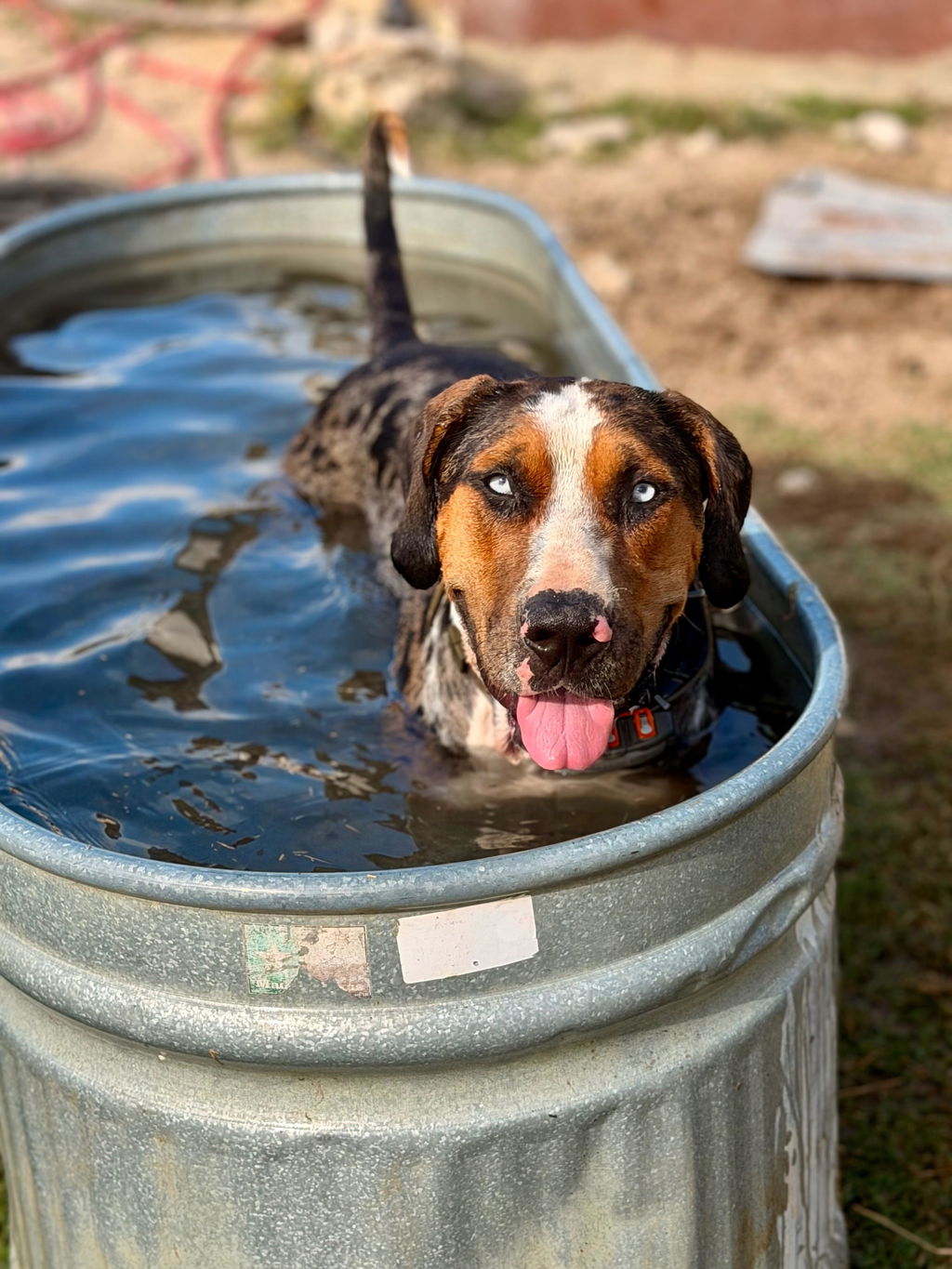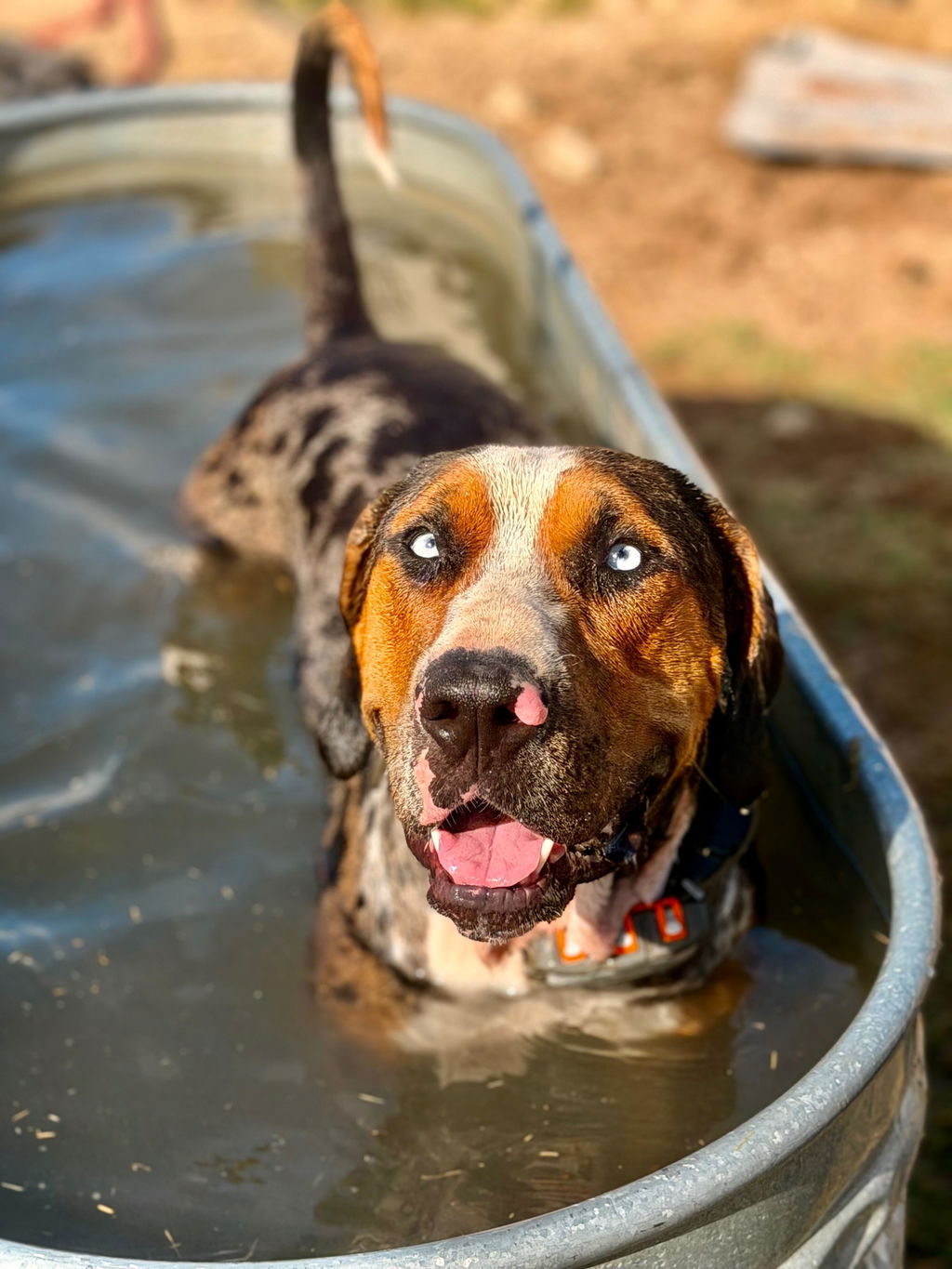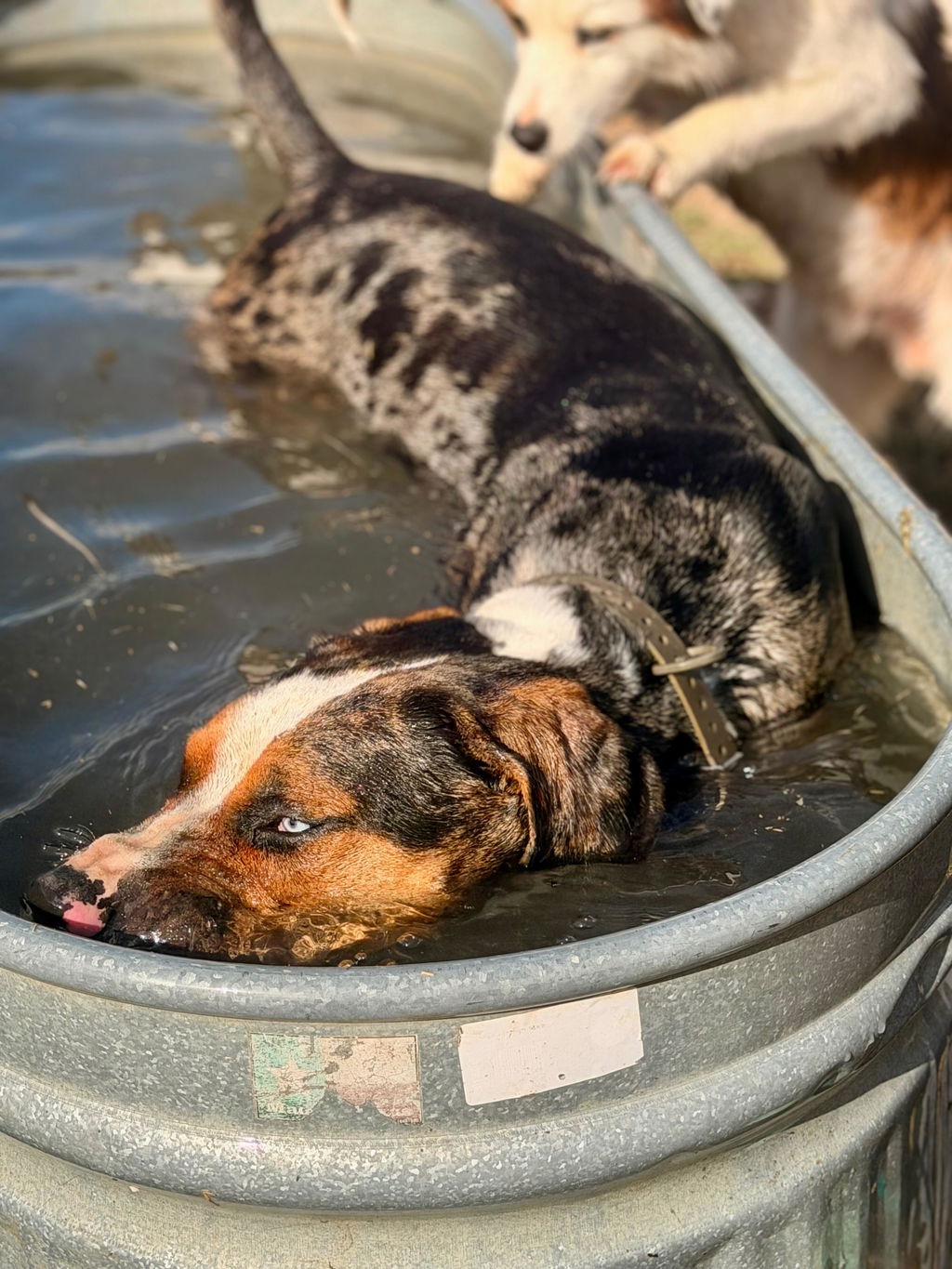



Personalized K9 ID Collars: What to Put on Them, How to Keep Them Readable, and What Holds Up

Check out our training collar setup, K9 dog collars, and dog collars built for comfort.
A personalized K9 ID collar does two jobs at once: it fits your dog, and it carries the info that helps a good person get your dog back to you. That’s why K9 dog collars with clear, durable ID matter for everyday dogs, weekend trail dogs, and hard-charging “working-style” dogs. For owners comparing collars, tags, and other working dog ID gear, this guide breaks down why ID matters, the main ways to add ID, what to write, and how to keep it readable and tough.
Why ID matters for K9 dogs
Dogs slip gates. Leashes break. Doors get left open. When it happens, the fastest path home is usually a phone call from whoever found your dog.
One US survey study estimated that about 15% of dog-and-cat owners had lost a pet in the prior five years, and reported 93% of lost dogs were recovered, with 14% of recovered dogs found through an identification tag (all from the same study). Frequency of Lost Dogs and Cats in the United States (PMC)
Working-style identification, kept simple
You do not need anything fancy. Clear, readable ID can keep interactions smooth in public and can help a finder know the dog belongs to someone.
Visible ID and a backup plan
A collar ID helps a neighbor call you right away. A backup ID helps when a dog is taken to a clinic or shelter.
The ASPCA’s position is plain: microchip identification paired with a collar and personalized ID tag is supported for companion animals. ASPCA Position Statement on Pet Identification
As the American Kennel Club points out, collars can slip off and tags can break, so a backup ID plan matters. AKC: Are ID Tags Enough?
The main ID methods on personalized K9 collars
There is no single best method. Pick the one that matches how your dog lives.
Embroidered ID (stitched into the collar)
This puts your dog’s name and your contact info right on the collar. It stays quiet and stays with the collar.
Good fit for:
-
Daily wear
-
Dogs that dislike dangling tags
-
Owners who want fast, at-a-glance info
Engraved plates (mounted to the collar)
A plate gives you a clean block of text. It is also easy to replace if your phone number changes.
Good fit for:
-
Owners who want a lot of characters in a small space
-
Dogs that rotate through multiple collars (one plate per collar)
ID panels (clear labeling, often changeable)
Panels make the ID easy to spot. They are handy if you want a bold “K9” style label while keeping your contact info on the collar too.
Good fit for:
-
Strong, high-drive dogs in busy places
-
Owners who want high visibility without adding a hanging tag
What information to include on your K9 ID collar
Keep it tight. Make it easy to read in a hurry.
The must-have setup
Use:
-
Dog name
-
Owner phone
-
City and state
-
“Microchipped” (short note)
If you have space, add a second phone number that will get answered.
Address, or no address
Some owners like an address because it tells a finder exactly where the dog belongs. Others skip it for privacy. If you add it, keep it short (street number + street name can be enough). If you do not add it, the phone number and city/state still give a finder a quick way to reach you.
Microchip note, and why it helps
A “Microchipped” line is simple. It signals there is another way to confirm ownership even if the collar gets removed.
AAHA explains that a microchip lookup tool can use a 9-, 10-, or 15-digit microchip number to show which registries to contact for owner information. AAHA Microchip Registry Lookup Tool
Readability that works at arm’s length
If someone can’t read it fast, it won’t help much.
Use these rules:
-
Keep the text short
-
Use big letters
-
Avoid long last names if space is tight
-
Skip cute phrases that take up room
Placement tips
-
Put the most important line (your phone) where it is easiest to see.
-
If your dog has a thick coat, avoid placing key text under hardware where it gets buried.
-
If your collar has a handle, keep the ID text out from under the handle.
Durability: what holds up on real dogs
Durability comes down to the basics:
-
Strong stitching at stress points
-
Solid hardware
-
A material that matches your weather and terrain
Quick “before you buy” check
Look for:
-
Clean, even stitching
-
A leash attachment point that does not twist out of place
-
Smooth edges that will not rub
Simple upkeep
-
Rinse mud and grit off after rough days.
-
Check the buckle and attachment point for wear.
-
If the ID is hard to read, refresh it before it matters.
Privacy and safety tips for ID collars
You want a good person to reach you, not guess about your life.
Use:
-
A phone number that will be answered
-
City/state for general location
If you travel, a temporary tag or plate with a travel number can help.
For emergency readiness, the CDC recommends keeping pets in collars and tags with up-to-date contact information and also microchipping pets, with registration kept current. CDC: Be Prepared - Pet Safety in Emergencies
Personalized K9 ID collars: a quick checklist
Before you order, make sure you can say “yes” to these:
-
The collar fits snug and stays put
-
The ID can be read in two seconds
-
Your phone number is correct
-
The ID method matches how your dog lives (water, brush, daily wear)
Built for the field, ready for everyday
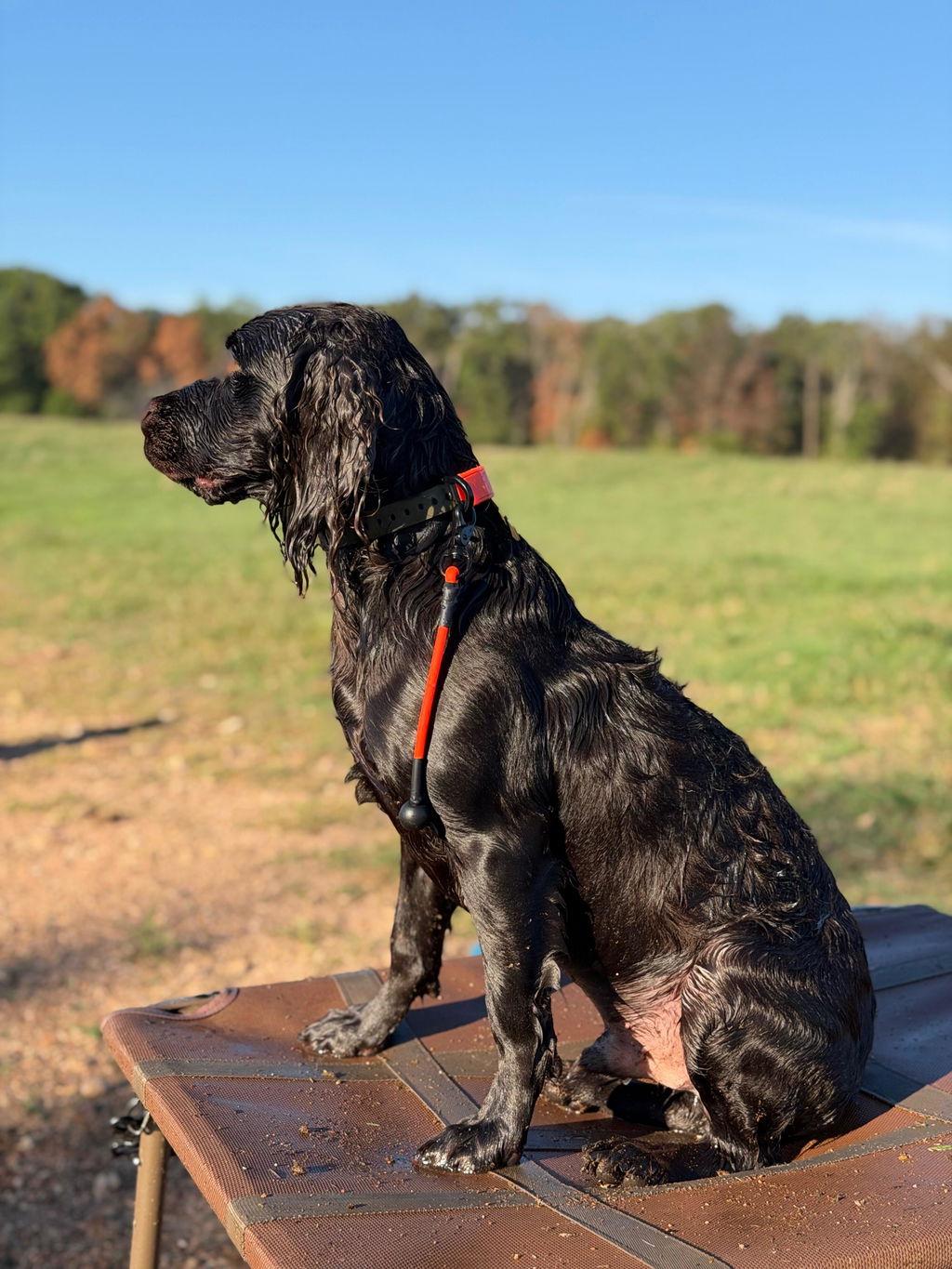
Personalized ID is only useful if it stays on your dog. That starts with a collar that fits right, stays put, and holds up to daily wear.
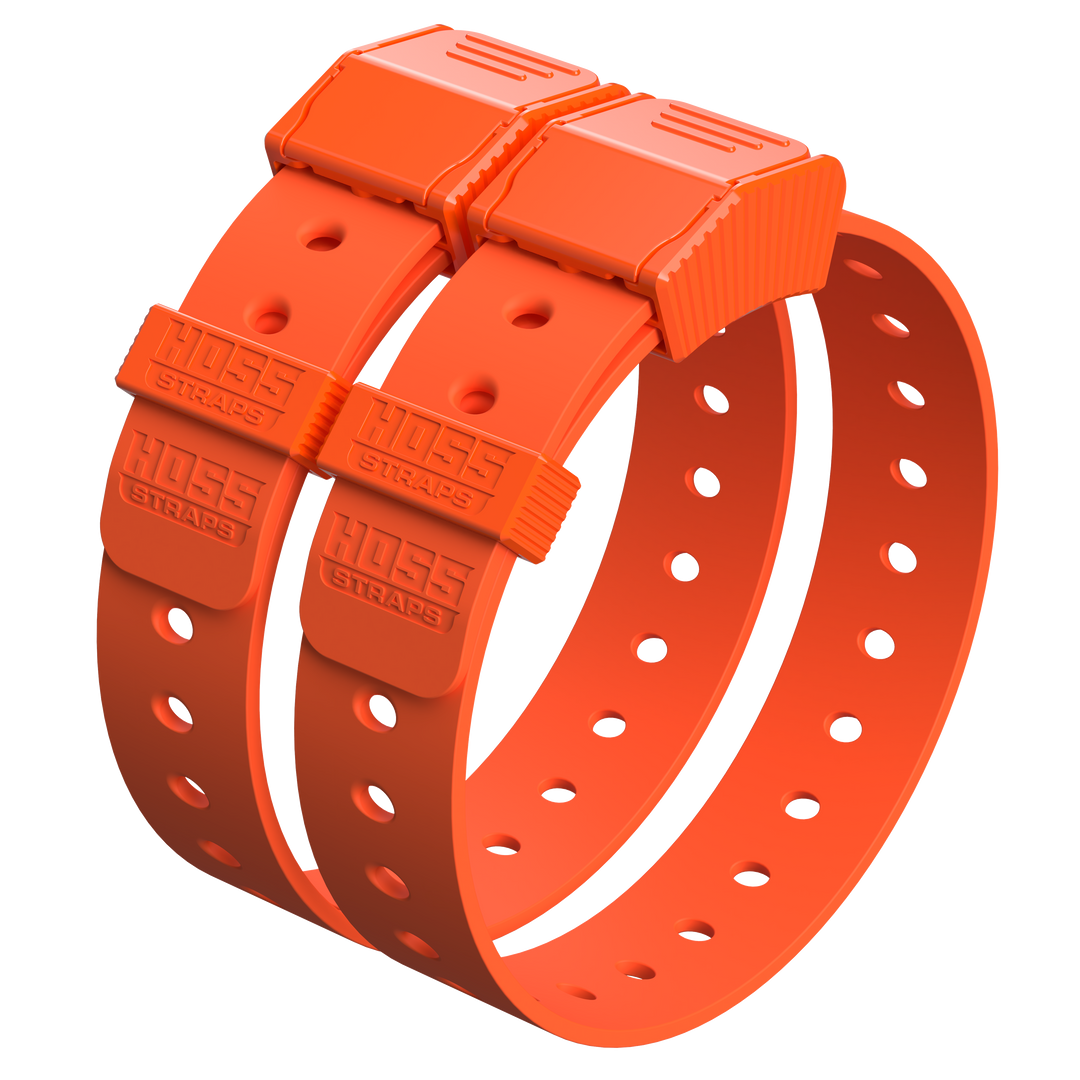
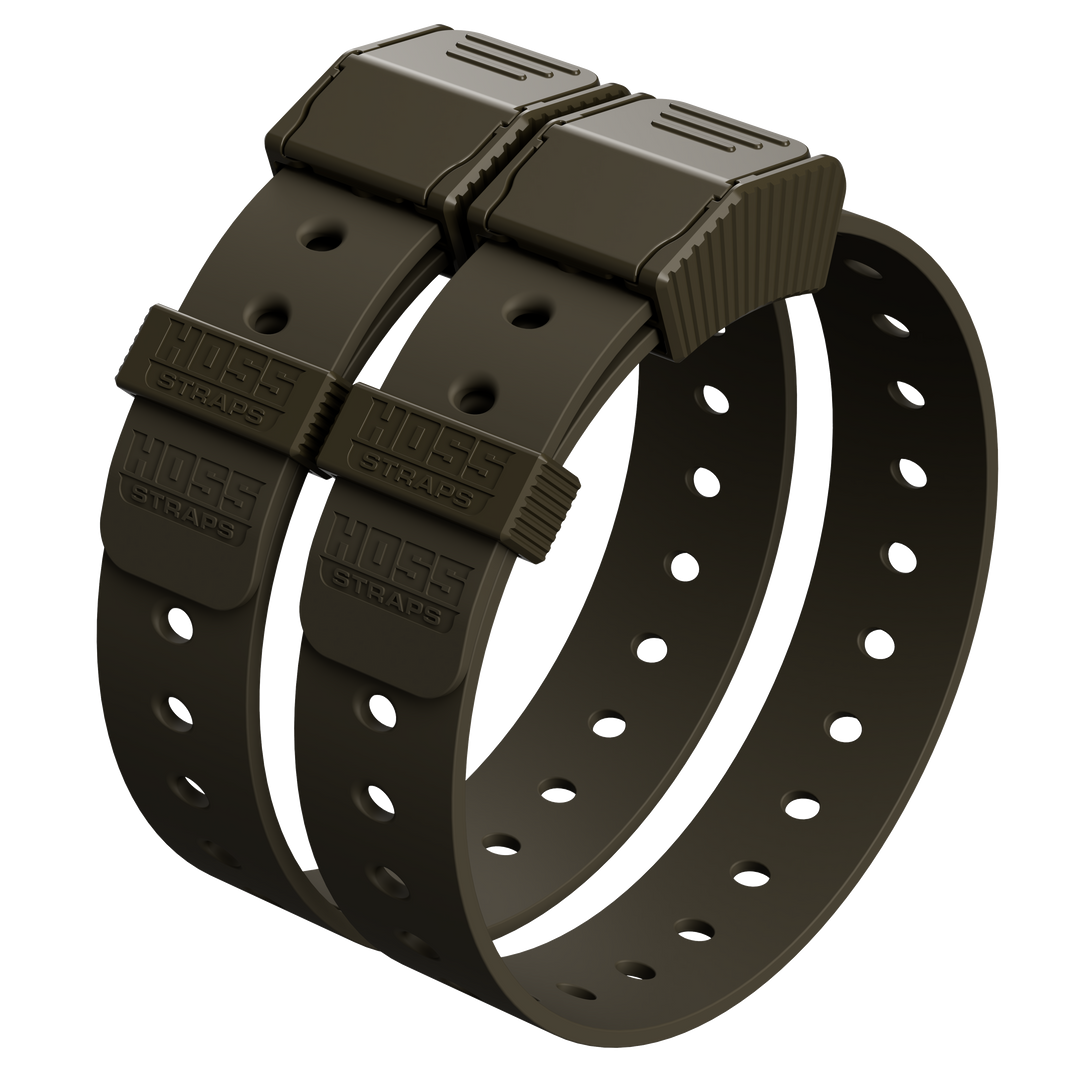
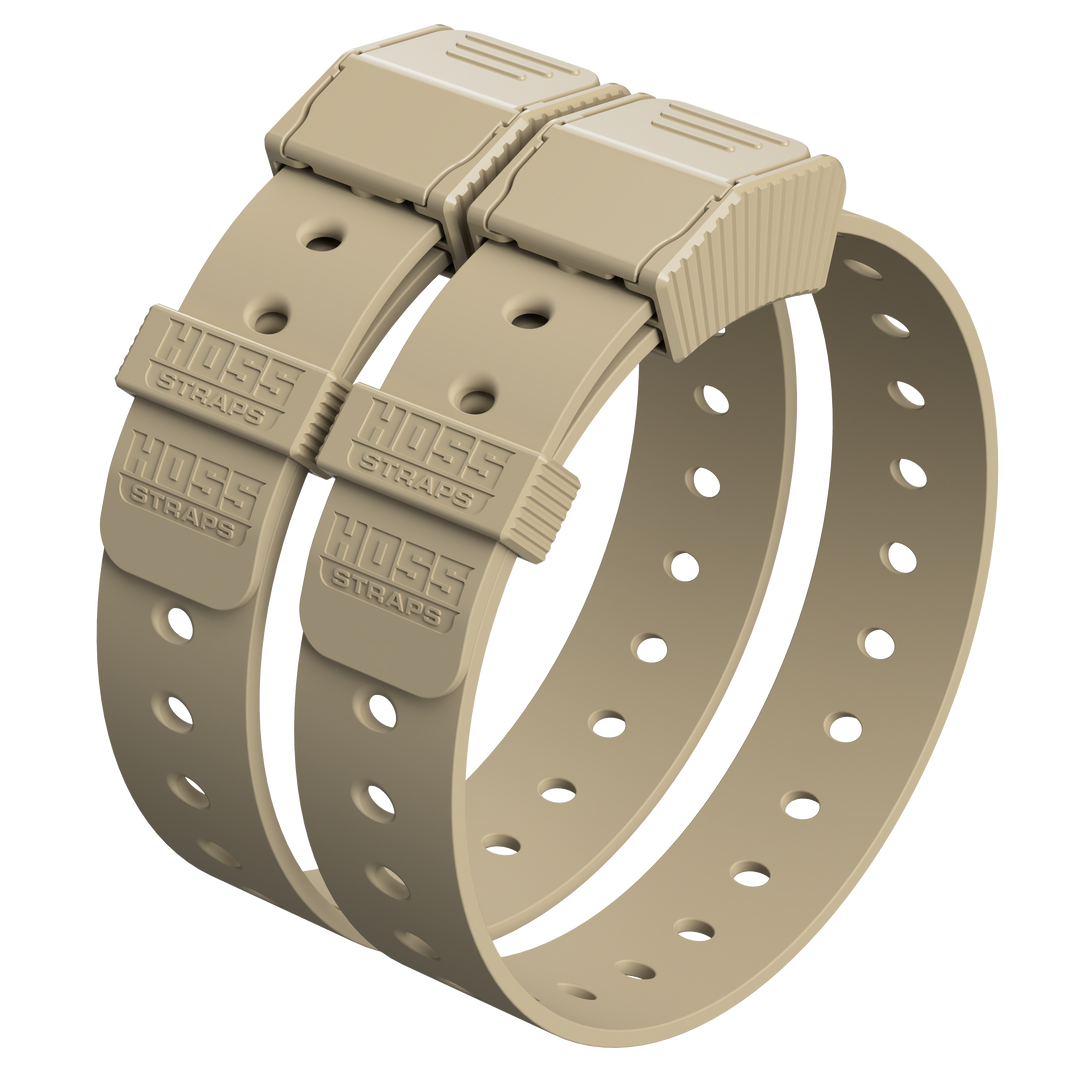
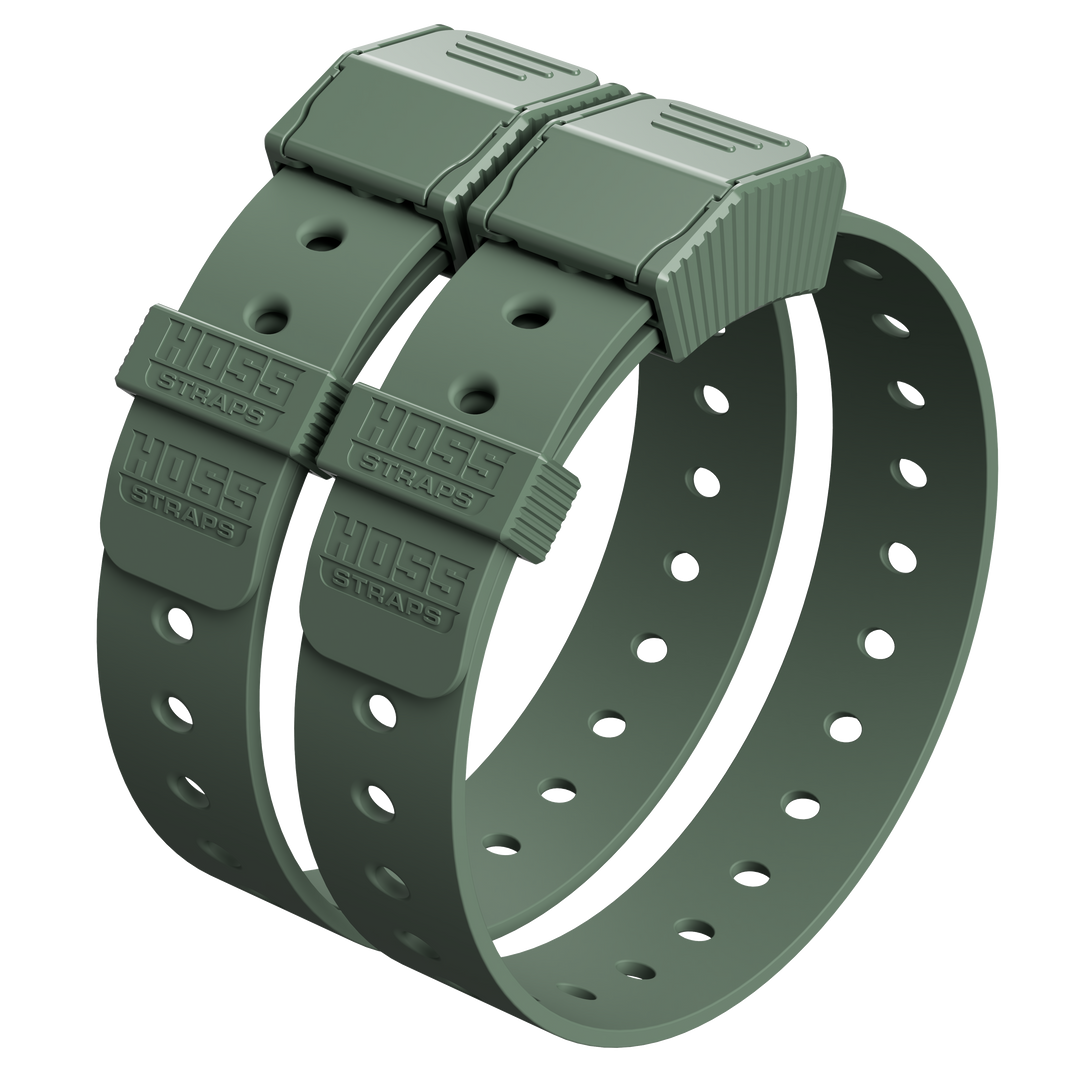
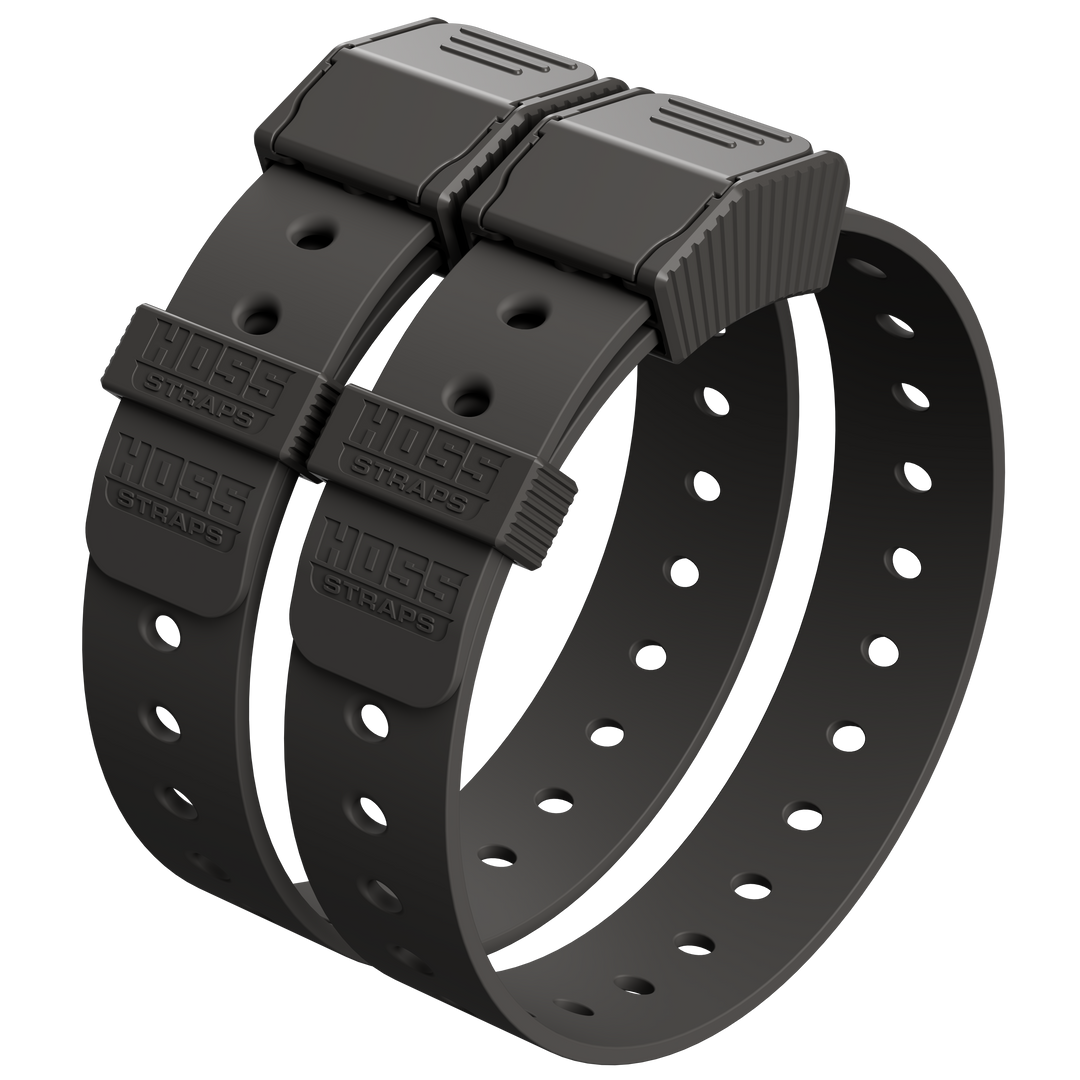
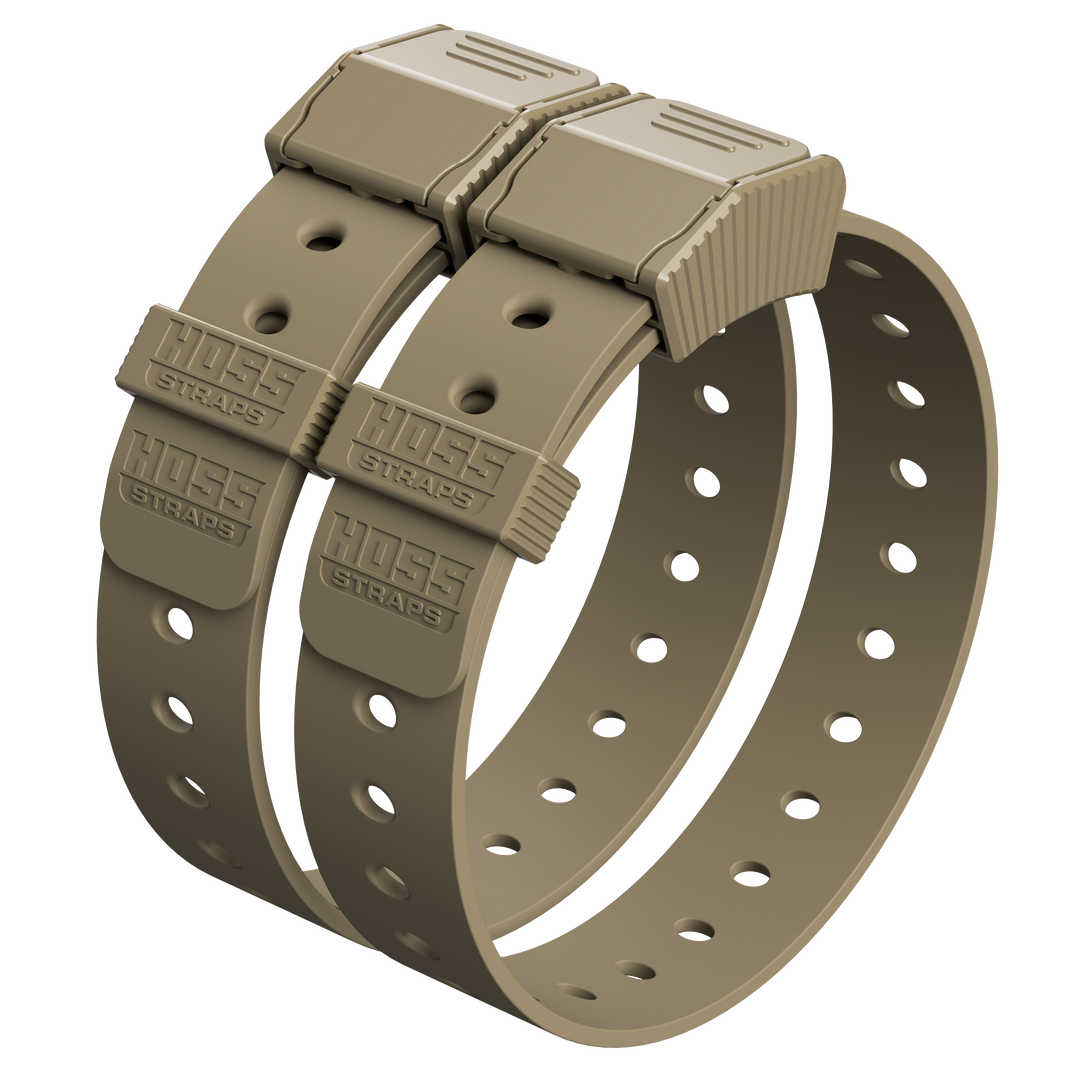
If you want a collar that is built for real use and ready to carry the ID method you prefer, shop Hoss Straps K9 dog collars and gear up with a fit you can trust.
FAQ
1) What should I put on a personalized K9 ID collar?
Start with your dog’s name, your phone number, and your city and state. Add a short “Microchipped” note if you want a backup plan to be obvious. If you have room, a second phone number is a smart add.
2) Should I include my address on my dog’s ID?
If you want the fastest “drop-off” option, an address can help. If you prefer more privacy, skip it and use phone + city/state. Either way, keep the text short so it stays readable.
3) Is “Microchipped” worth adding to the collar?
Yes, if you want a simple backup signal. It tells a finder there may be another way to confirm ownership if the collar is missing or damaged. Keep it short so the contact info stays clear.
4) Which ID method is best for dogs that swim or get muddy?
Pick a method that stays readable after wet days and is easy to clean. Many owners like ID that is part of the collar (embroidered) or mounted tight (plate) so there is less to snag. The best choice is the one you will keep on the dog every day.
5) How often should I replace my dog’s ID?
Replace it when it gets hard to read or when your contact info changes. If you are unsure, do a quick test: stand a few feet away and see if you can read the phone number without squinting. If you can’t, it is time.