


Personalized Nylon Name Collars: Stitching Options, ID Basics, and Weatherproof Alternatives

Check out our training collar setup, d-ring dog collar, and easy dog collars built for comfort.
A good collar does one job every day: it helps you keep your dog close and easy to identify.
When people search “personalized nylon name collars,” they’re usually after a collar that:
-
Holds up to regular walks and weather
-
Puts contact info where it’s easy to read
-
Keeps things simple (no extra fuss)
This guide breaks down the most common personalization methods for webbing collars, what to put on them, and how to build a setup that works for real life.
What “personalized” really means for a dog collar
Three ways owners add ID
Personalization can mean a few different things, and each one has a place.
| Personalization method | What it looks like | Why people choose it |
|---|---|---|
| Stitched name on webbing | Text sewn into the collar strap | No extra tag to jingle or snag |
| Add-on ID tag | A tag on the D-ring | Easy to update when your number changes |
| Nameplate | A small plate fixed to the collar | Clean look with clear text |
What personalization is for
First and foremost, personalization is about getting your dog back home faster if you get separated.
Style is fine. Function comes first.
Why nylon webbing is a popular base for name collars

Nylon in plain English
Nylon is a synthetic plastic made of polyamides and is widely used because it can be formed into fibers and has strong resistance to wear and chemicals (Encyclopaedia Britannica explains nylon here).
When nylon works well, and when it can fall short
Nylon webbing is a common choice for everyday collars because it’s light and flexible.
If your dog is the “find the puddle” type, the real question is less about nylon and more about the full setup—hardware, buckle style, and how easy it is to clean and re-gear.
Stitched personalization on webbing collars: how it works
Embroidered text vs sewn-on name tape
When someone says “stitched personalization,” they usually mean one of two approaches:
-
Embroidered text: letters are stitched right into the collar strap.
-
Sewn-on tape/label: a separate strip with text is stitched onto the webbing.
Both are meant to keep your dog’s ID on the collar itself. This is also why some owners compare embroidered name dog collars when they want visible contact details without adding a separate hanging tag.
Readability basics
If you want text on the collar to actually do its job, keep it clean:
-
High-contrast colors (dark-on-light or light-on-dark)
-
Short lines (name + one phone number is often enough)
-
Letters that are big enough to read at arm’s length
Common limits
Space is limited on a collar—especially smaller sizes—so you may have to choose what matters most.
A simple rule: make it easy for a stranger to contact you fast.
What to put on a personalized collar
The essentials
For most everyday dogs, the basics carry the load:
-
Your dog’s name (or a short call name)
-
A phone number you answer
Helpful extras
If you have space, consider:
-
A second phone number
-
“Needs meds” or another short note (only if it truly helps)
Privacy-friendly choices for the US
A lot of owners prefer to skip a full street address on the tag. That’s a personal call.
One practical middle ground: include a phone number, and share your address after you’ve spoken with the person who found your dog.
Microchip and visible ID work best as a pair
Why a microchip is not “visible ID”
A microchip is a backup plan—not a replacement for a readable tag.
The Humane Society’s disaster-prep guidance says pets should be microchipped and wear collars with up-to-date ID tags (including a cell phone number), and points out that most people who find a pet can read a tag even if they can’t scan a microchip (Humane World for Animals).
What the numbers say about reunion rates
Here’s the hard truth: a collar can come off, but a microchip can’t.
A shelter study summarized by Today’s Veterinary Practice reported that dogs without microchips were returned to owners 21.9% of the time, while microchipped dogs were returned 52.2% of the time (and the same write-up reports 1.8% vs. 38.5% for cats) (Today’s Veterinary Practice).
Keep the registration updated
A microchip only helps if your contact info is current.
AAHA explains that microchips are registered with individual companies (not one central database) and recommends using AAHA’s registry lookup tool to find where your pet’s chip is listed so you can update your details (American Animal Hospital Association).
Fit and comfort checklist for any collar
The two-finger fit rule
Fit matters as much as materials.
The AKC recommends checking fit by sliding two fingers under the collar—if you can’t, it’s too tight, and if you can slide in more fingers, it’s too loose (American Kennel Club).
Skin and fur checks
Use this quick checklist once a week (more often for growing pups):
-
Look for rub spots under the collar line
-
Check for trapped grit after muddy walks
-
Sniff test—if the collar stinks, it’s time to wash or swap it
-
Hardware check—make sure buckles and rings still feel solid
Personalization without stitching: tags, color, and hardware choices
Tag options that don’t rattle
If you want quiet ID, you’ve got options:
-
Flat tags that sit close to the collar
-
Silicone tag silencers
-
Nameplates that sit flush to the strap
Color combos that help with quick ID
Color isn’t just style. It can help you spot your dog fast at the park, the dock, or the trailhead.
One easy move: pick one “always” color for each dog in your house.
Weatherproof collars for everyday dogs: what to look for

Practical features for rain, mud, and daily wear
If your dog lives outside with you—walks, yard time, camping trips—look for:
-
Materials that don’t stay soggy
-
Hardware that feels sturdy in your hand
-
A buckle you can work with gloves on
-
A setup that’s easy to rinse and get back on the dog
A simple “personalized setup” using Hoss Straps collars
How to add ID without stitched nylon
We don’t sell nylon webbing collars with stitched names—but you can still build a setup that covers the same goal: easy, readable ID plus a collar that can take a beating.
Why our weatherproof collars are a strong base
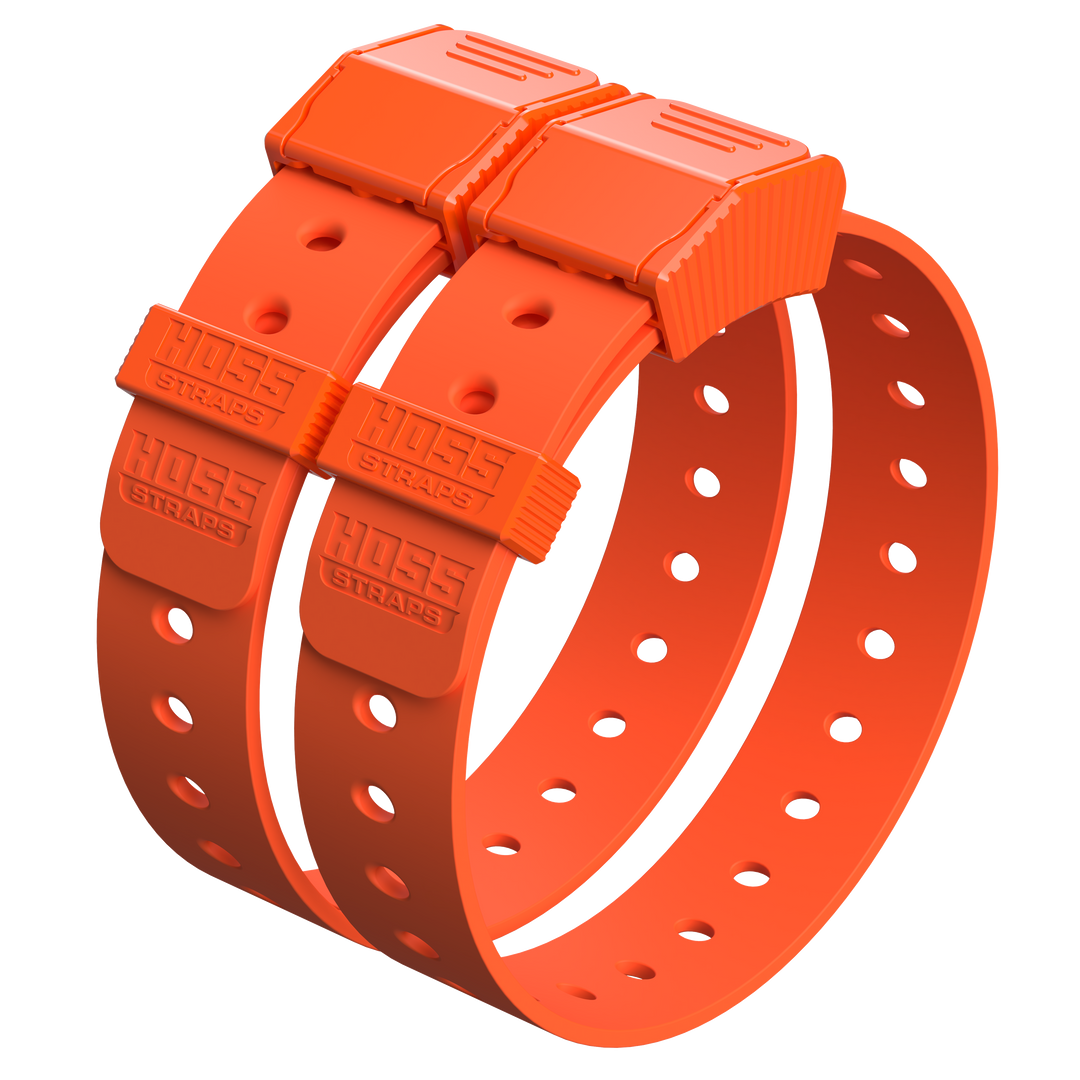
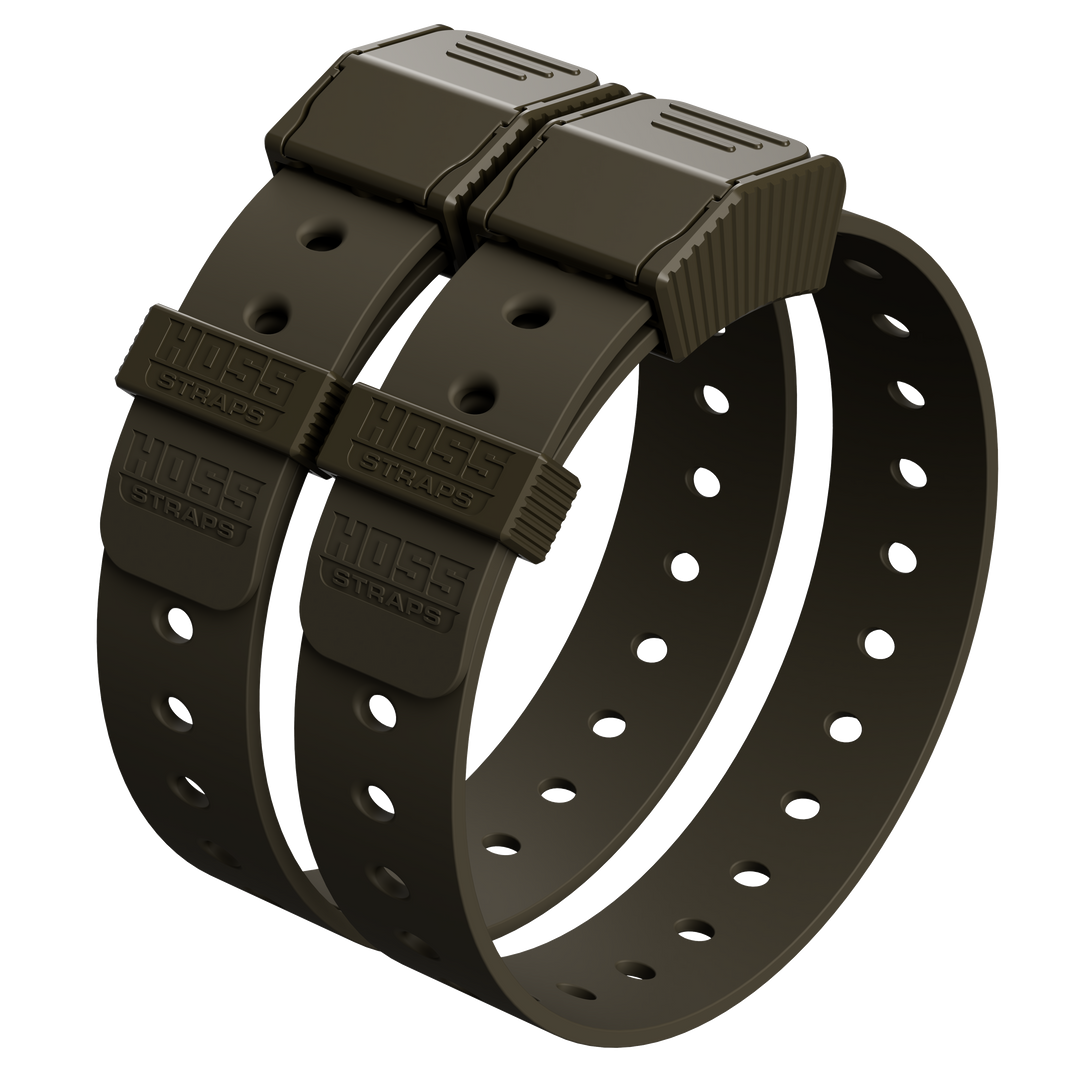
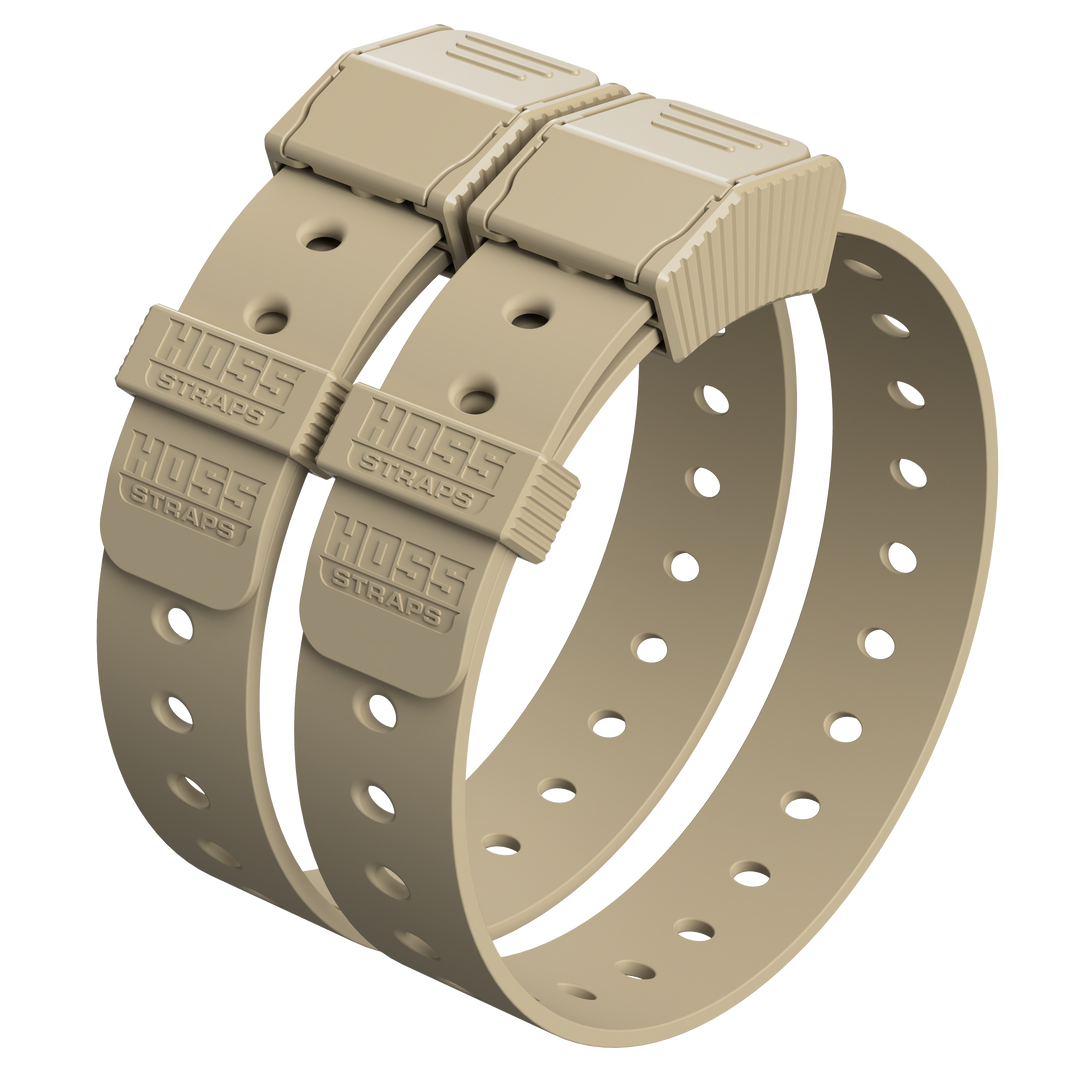
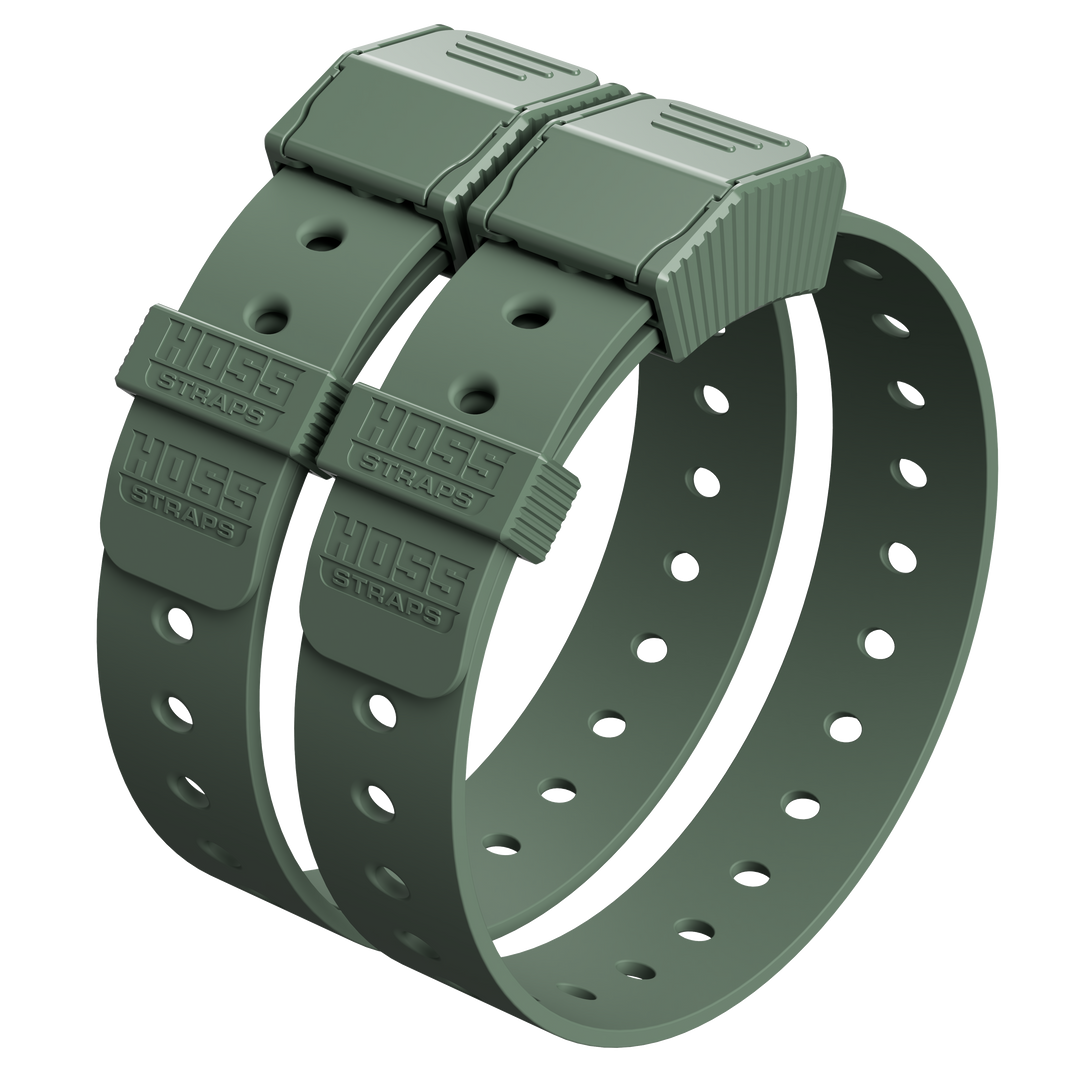
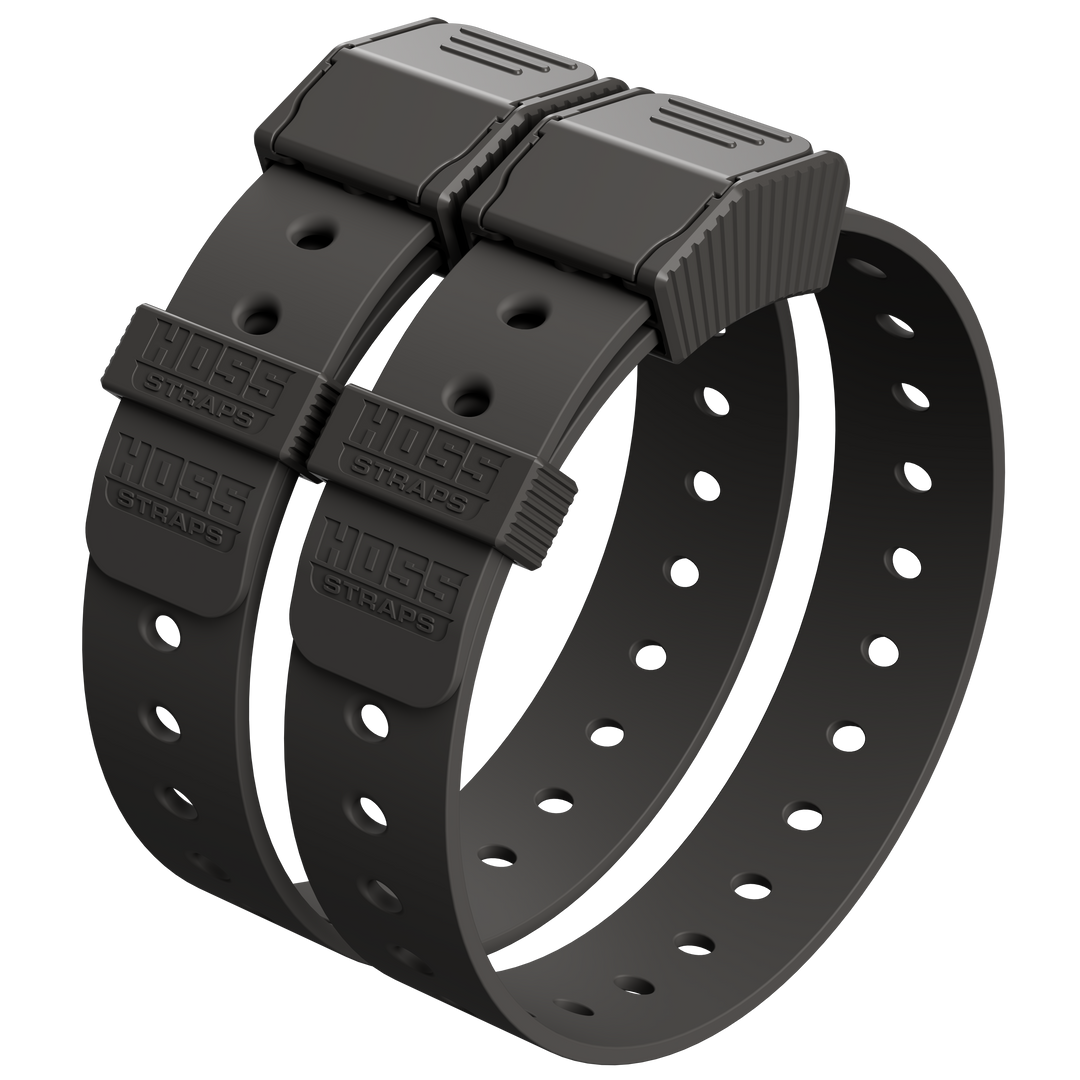
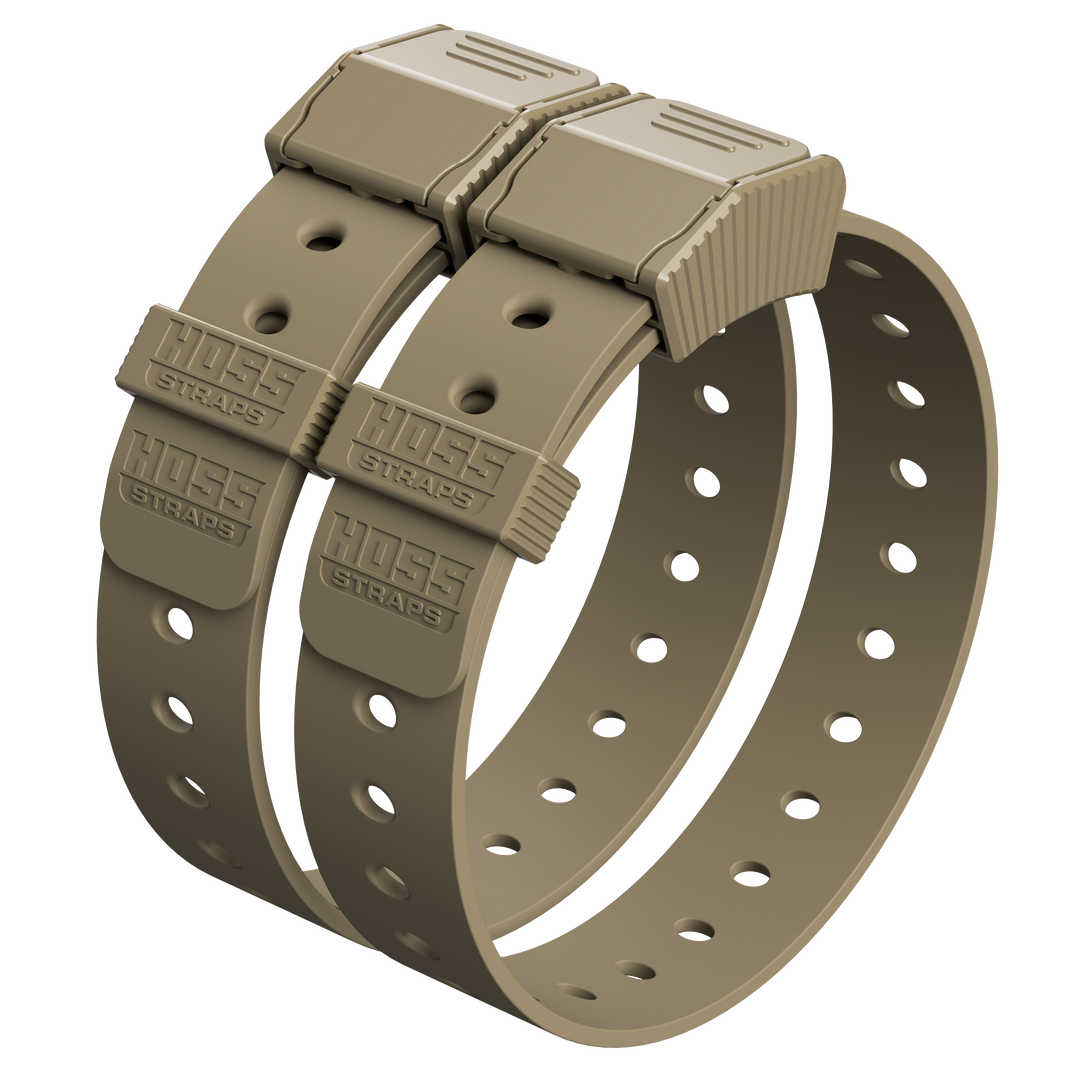
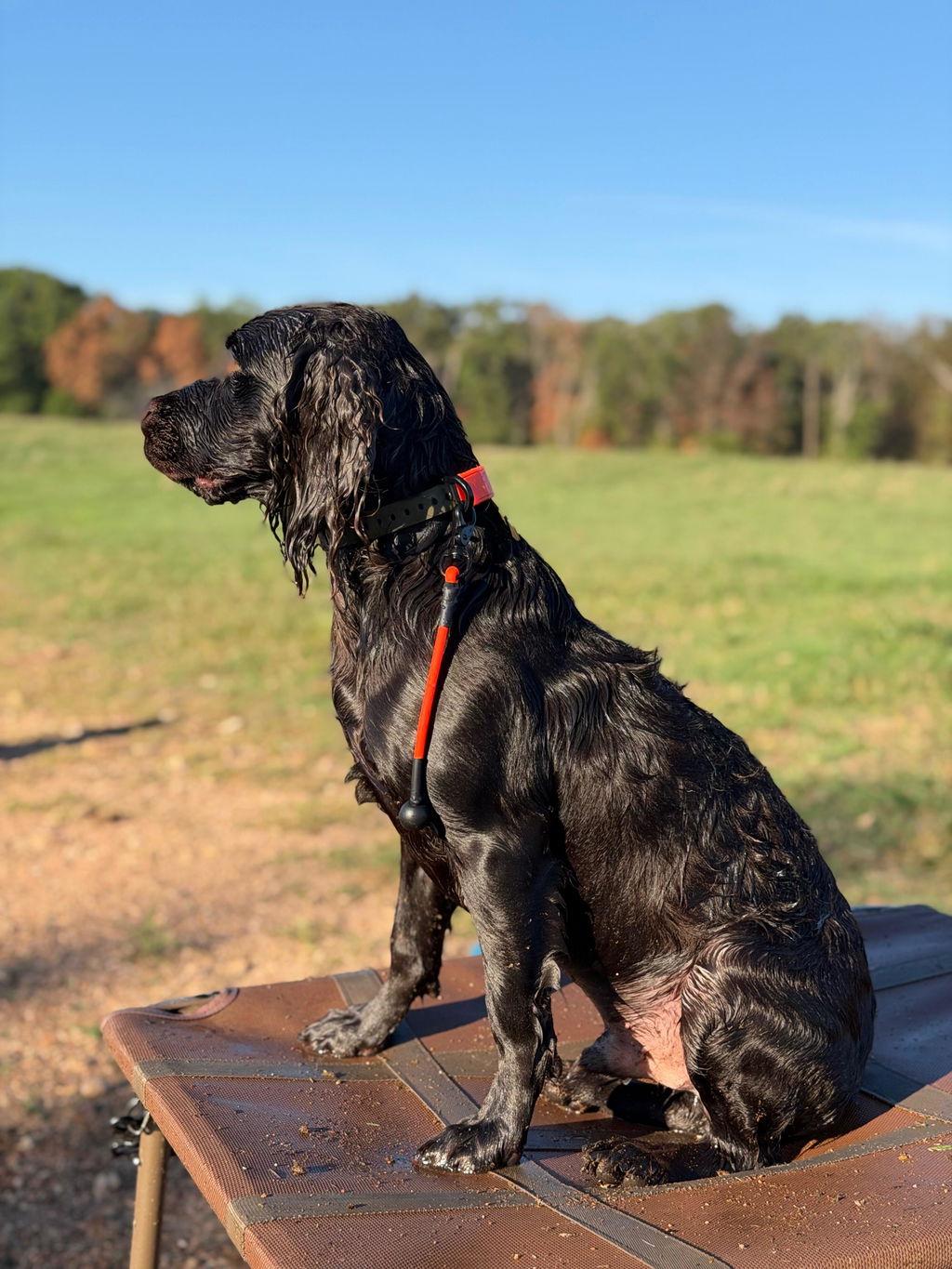
Our Hoss Straps Dog Collars are 100% weatherproof, easy to get on and off, use a quick-release buckle, click into place, and have a removable buckle for custom color combinations—with fit up to a 22-inch neck size.
The “everyday” setup we recommend
Keep it simple and dependable:
-
Weatherproof collar (your daily driver)
-
Readable ID tag (name + phone)
-
Microchip with updated contact info
That’s a clean, no-drama system that works whether you’re walking the neighborhood or running the back forty.
FAQ
1) Are personalized nylon name collars better than tags?
They can be quieter than a hanging tag, but the best choice is the one you’ll keep on your dog every day. If you like stitched text, keep it short so it stays readable. If you prefer tags, choose one that sits close to the collar so it doesn’t swing.
2) What should I put on a stitched name collar?
Aim for the info that helps someone reach you fast. A call name and one phone number usually covers it. If you add more, make sure the lettering is still easy to read.
3) Can I rely on a microchip instead of a collar ID?
A microchip is a strong backup, but it isn’t something most people can read on the spot. A visible tag gives the person who found your dog a quick way to contact you, while the chip backs you up if the collar is missing.
4) How tight should a collar be for daily wear?
Snug, not squeezing. You should be able to slide two fingers underneath without forcing it, and the collar shouldn’t spin around the neck easily. Re-check fit after grooming, weight changes, or a growth spurt.
5) What’s the easiest way to “personalize” a weatherproof collar?
Start with a durable collar you’ll actually use, then add a clean tag that carries your phone number. Pick a color combo you can spot quickly, and keep your ID current. Simple beats fancy when you’re trying to get your dog home.