


What Belongs in a Professional Dog Trainer's Collar Kit?
A useful trainer collar kit contains clearly assigned collars, a compatible receiver setup when required, cleaning supplies, a fit record, spare approved parts, and a quarantine bag for damaged gear. This professional dog trainer collar kit inspection checklist is for trainers assembling a practical field or facility kit. It uses checks you can see and repeat. Follow the maker's directions and get expert help when needed.

Quick guide
- What to check: Assigned Collars, Receiver Compatibility, and Cleaning
- Inspection steps: What Belongs in a Professional Dog Trainer's Collar Kit?
- When to stop using the collar
- Hoss Straps product facts for Professional Dog Trainer Collar Kit
- What to do next
- Questions about professional dog trainer collar kit
- Related collar guides
- Sources and product facts
What to check: Assigned Collars, Receiver Compatibility, and Cleaning
| Part or condition | What to check |
|---|---|
| assigned collars | Check assigned collars before use. Note any change during the job. |
| receiver compatibility | Confirm receiver compatibility matches the correct device and stays secure. |
| cleaning | Check cleaning before use. Note any change during the job. |
| records | Check records before use. Note any change during the job. |
| damaged-gear isolation | Check damaged-gear isolation before use. Note any change during the job. |
Start with assigned collars, receiver compatibility, and cleaning. Then check records and damaged-gear isolation. The steps below show how these points guide the choice.

Inspection steps: What Belongs in a Professional Dog Trainer's Collar Kit?
- Label which dog and purpose each collar serves.
- Keep field collars separate from receiver setups.
- Carry only manufacturer-approved adapter and replacement parts.
- Pack a rinse cloth, soft brush, and drying towel.
- Isolate damaged gear instead of returning it to the main bag.
Use the steps in order. Recheck assigned collars when the coat, weather, task, or gear changes. Record unlabeled shared gear before another handler uses the gear.

When to stop using the collar
Stop when you find unlabeled shared gear, mixed adapter parts, damaged collars in active rotation, and no record of fit settings. Keep the dog under safe control. Check the gear and the dog's skin. Record why you stopped.
If a receiver is used, treat unlabeled shared gear and mixed adapter parts as gear problems. Do not try to fix them with a training change. Remove the gear and check the dog. Follow the device maker's fit and setup steps before reuse.

Hoss Straps product facts for Professional Dog Trainer Collar Kit
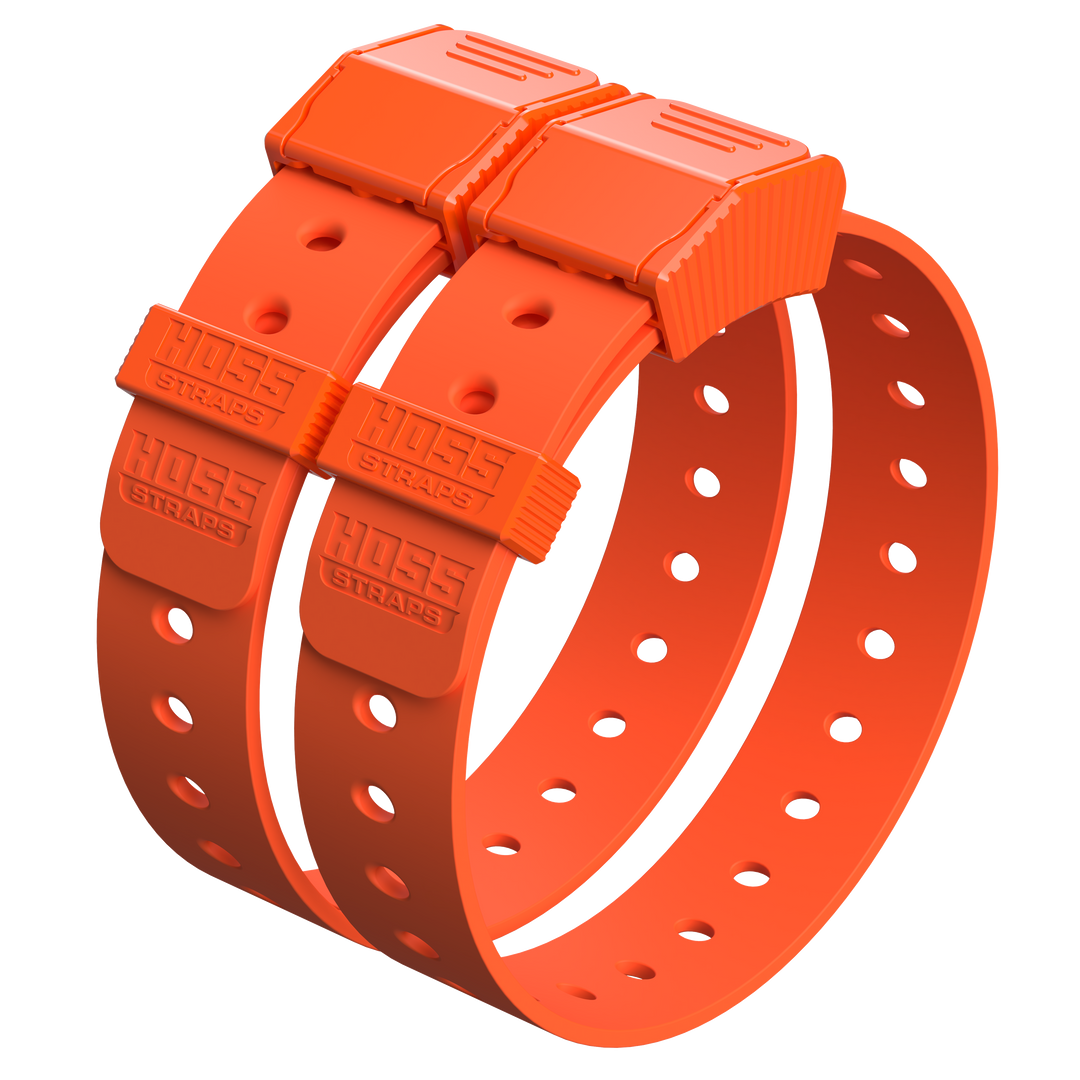
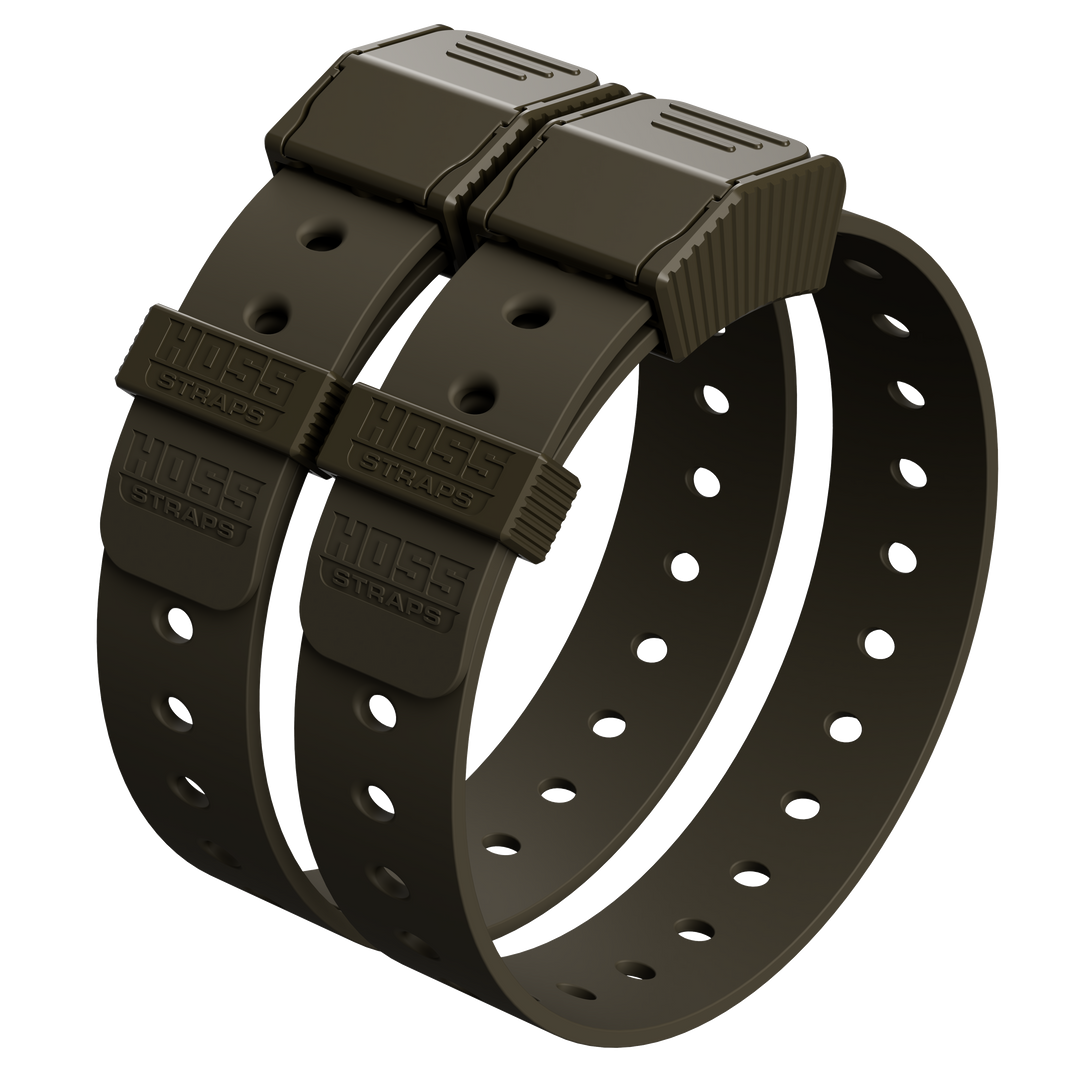
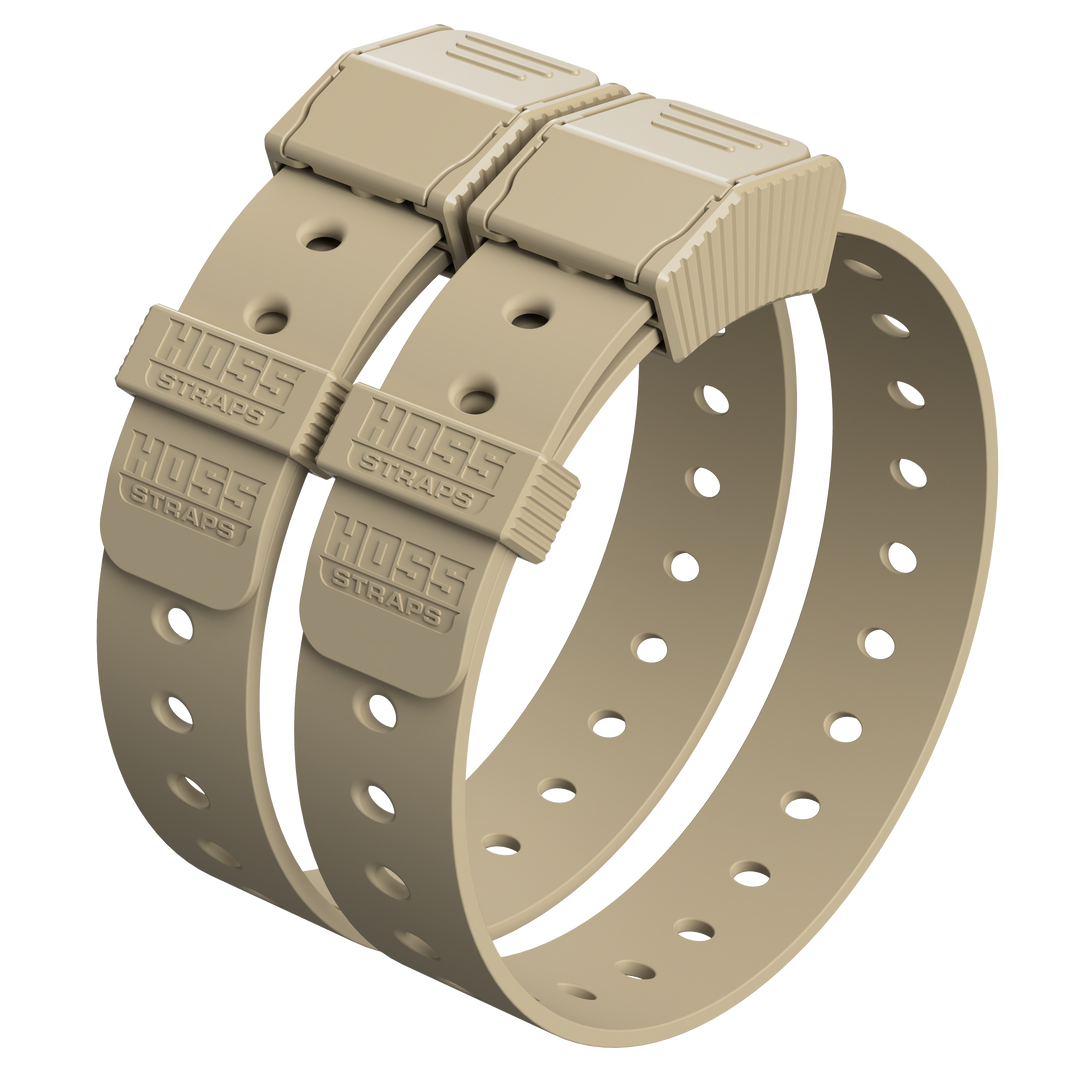
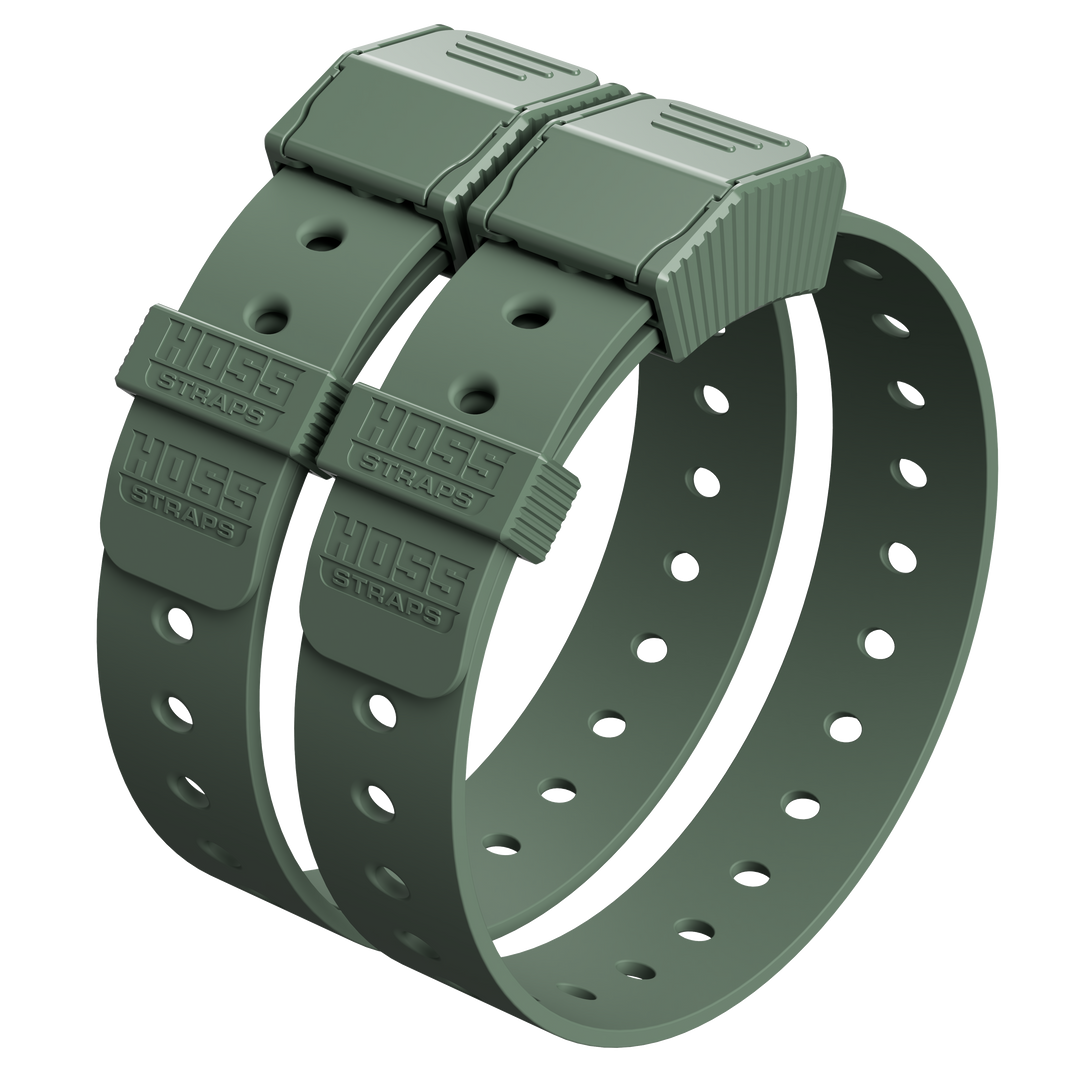
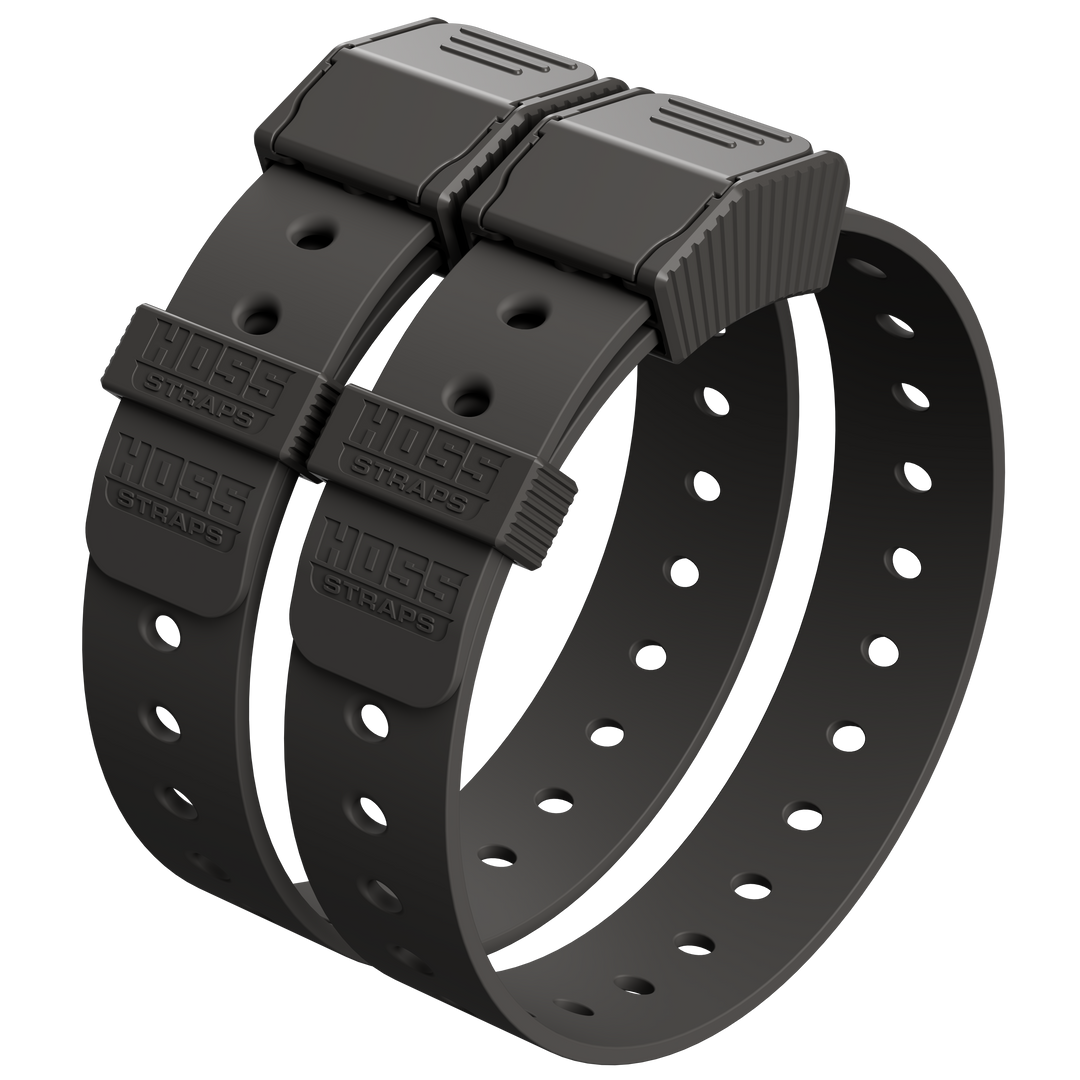
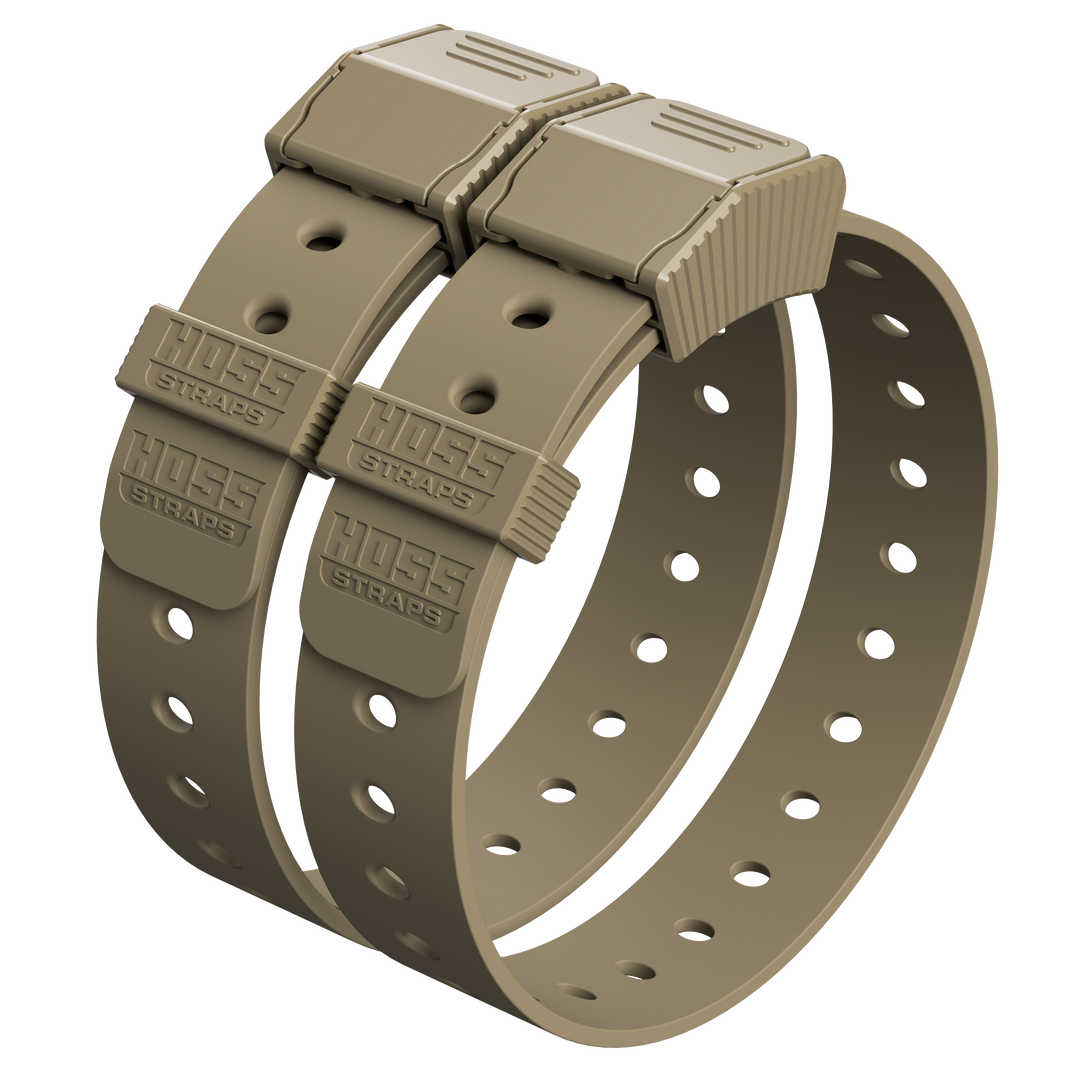
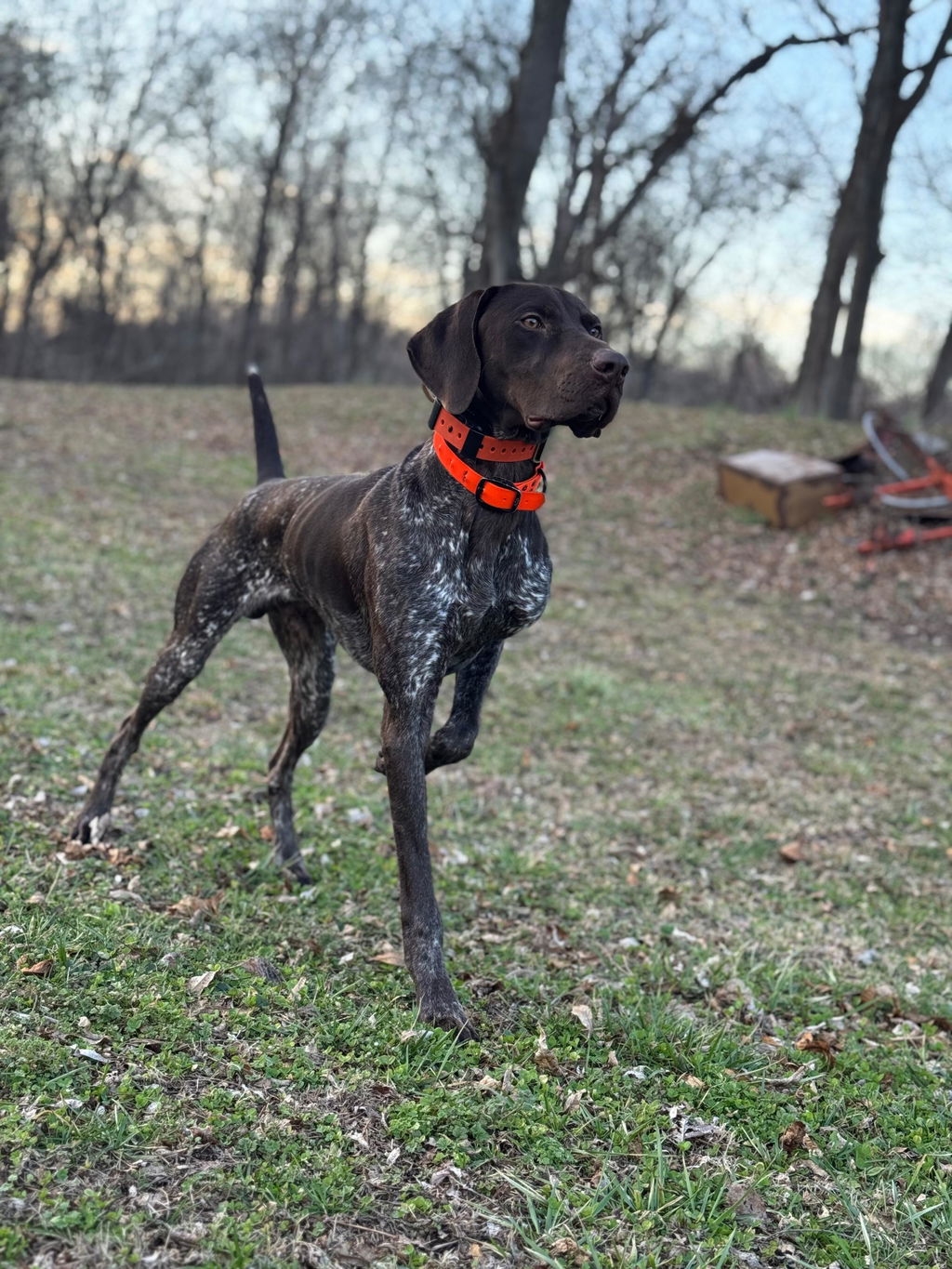
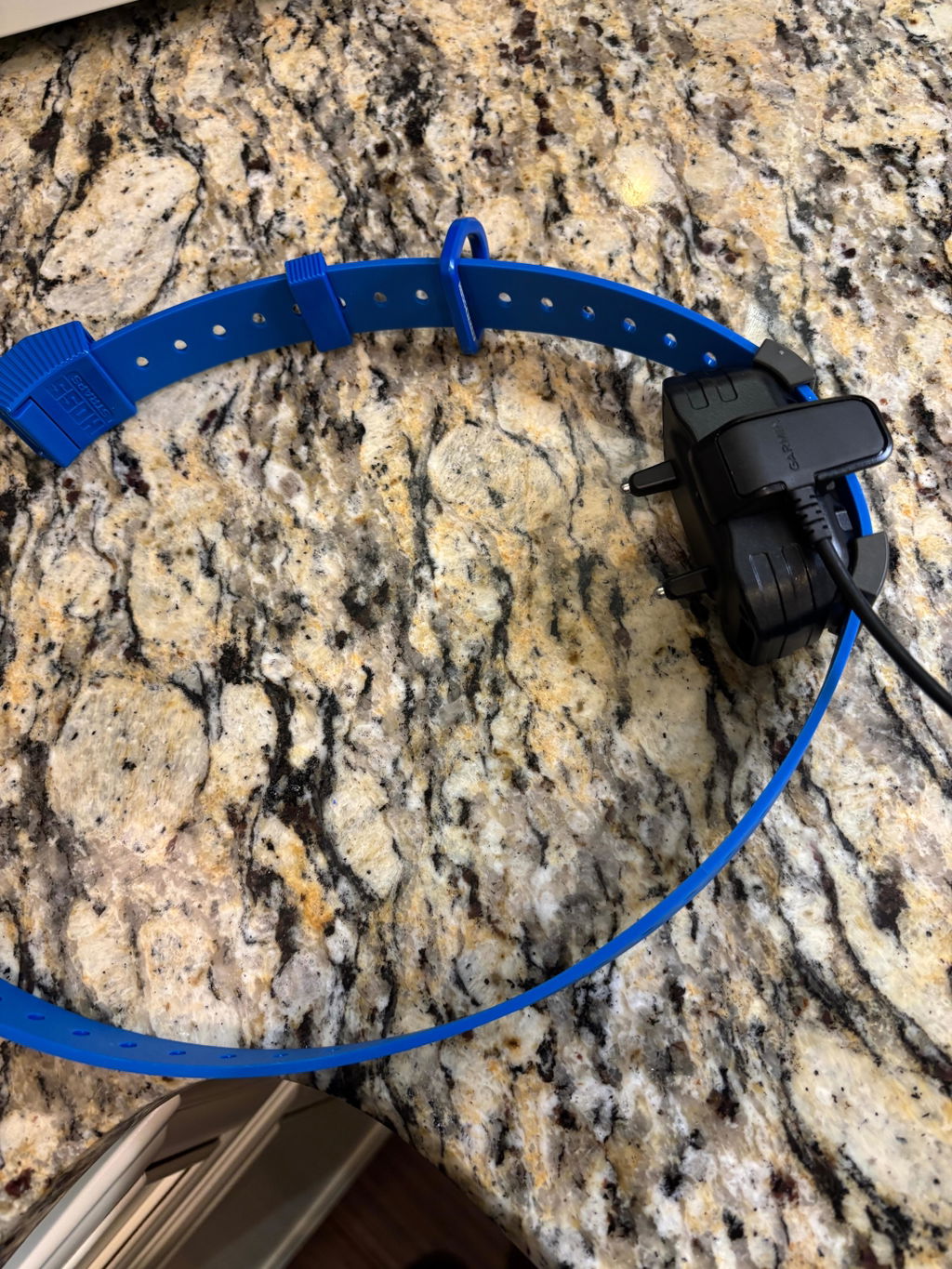
The Pro Series Field Collar product page lists marine-grade aluminum hardware and reinforced buckle housing and the listed strap width and neck-fit limit. These are Hoss Straps product facts. They are not third-party test results or safety certificates. Hoss Straps lists PT10, PT6, Sport Pro, Pro 550, and Pro 70 for its adapter setup. The Garmin device is sold on its own. Check the exact model on the Hoss Straps Adapter Kit page. Also read the right Garmin manual before you order. For this guide, compare those facts with assigned collars and receiver compatibility.
Use the Pro Series Training Collar Setup page to check the parts in the kit. Match assigned collars to the device manual. The Garmin unit is not included. Check current fit, stock, color, and warranty before buying.
For a wider view, read Training Collars for Pros: Fit, Contact, and Field-Ready Control. This page stays focused on assigned collars and receiver compatibility.
What to do next
Check assigned collars, receiver compatibility, and cleaning in that order. Stop if you find unlabeled shared gear. Use only gear that passes the full check.
Questions about professional dog trainer collar kit
Should one collar be shared across many dogs?
Only when the design, hygiene process, fit range, and working purpose make that appropriate.
Why separate damaged gear?
Isolation prevents a questionable collar from being put back into service by mistake.
Does a training kit need a receiver?
No. Include a receiver only when the training plan and compatible equipment require one.
Related collar guides
- Read the broader guide: Training Collars for Pros: Fit, Contact, and Field-Ready Control.
- Compare available options: Field Collars.
- Add this related guide after its URL is live: Standard vs Pro Series Collar Hardware for Trainers.
Sources and product facts
- Hoss Straps Pro Series Field Collar facts and warranty — current facts from Hoss Straps used in this Professional Dog Trainer Collar Kit guide.
- Hoss Straps Pro Series Training Collar Setup parts — current kit contents.
- Hoss Straps Adapter Kit device list — current supported devices. Check again before buying.
- Garmin Pro 550 device-to-strap steps — official setup steps from Garmin.
- Garmin Pro 550 fit and wear guide — official fit and check steps from Garmin.