


Gear Straps vs Bungee Cords
Choose a gear strap when you want a fixed-length, reusable hold with a buckle and adjustment points. Choose a bungee cord when elastic give is part of the job. The right answer depends on access, movement, weather, and the consequences of release. Neither tool is automatically approved for lifting, towing, recovery, climbing, fall protection, human restraint, or moving-vehicle cargo restraint.
Fast answer: a gear strap is usually the clearer starting point for repeated-access organization, such as bundling equipment or holding a bucket or cooler in a controlled setup. A bungee can suit a temporary hold where stretch helps maintain tension. Do not treat a bungee cord's stretch or a gear strap's working-load label as a universal safety rating.


Guide overview
- Mechanism: fixed strap versus elastic cord
- Side-by-side comparison
- Choose by the job
- What a fair comparison test must show
- Inspection before every use
Key takeaways
- Gear straps hold by a buckle and selected adjustment position. Bungees hold by elastic tension and hook or end hardware.
- Elastic stretch can help a temporary hold, but stored tension can also create a recoil path if a cord or hook releases.
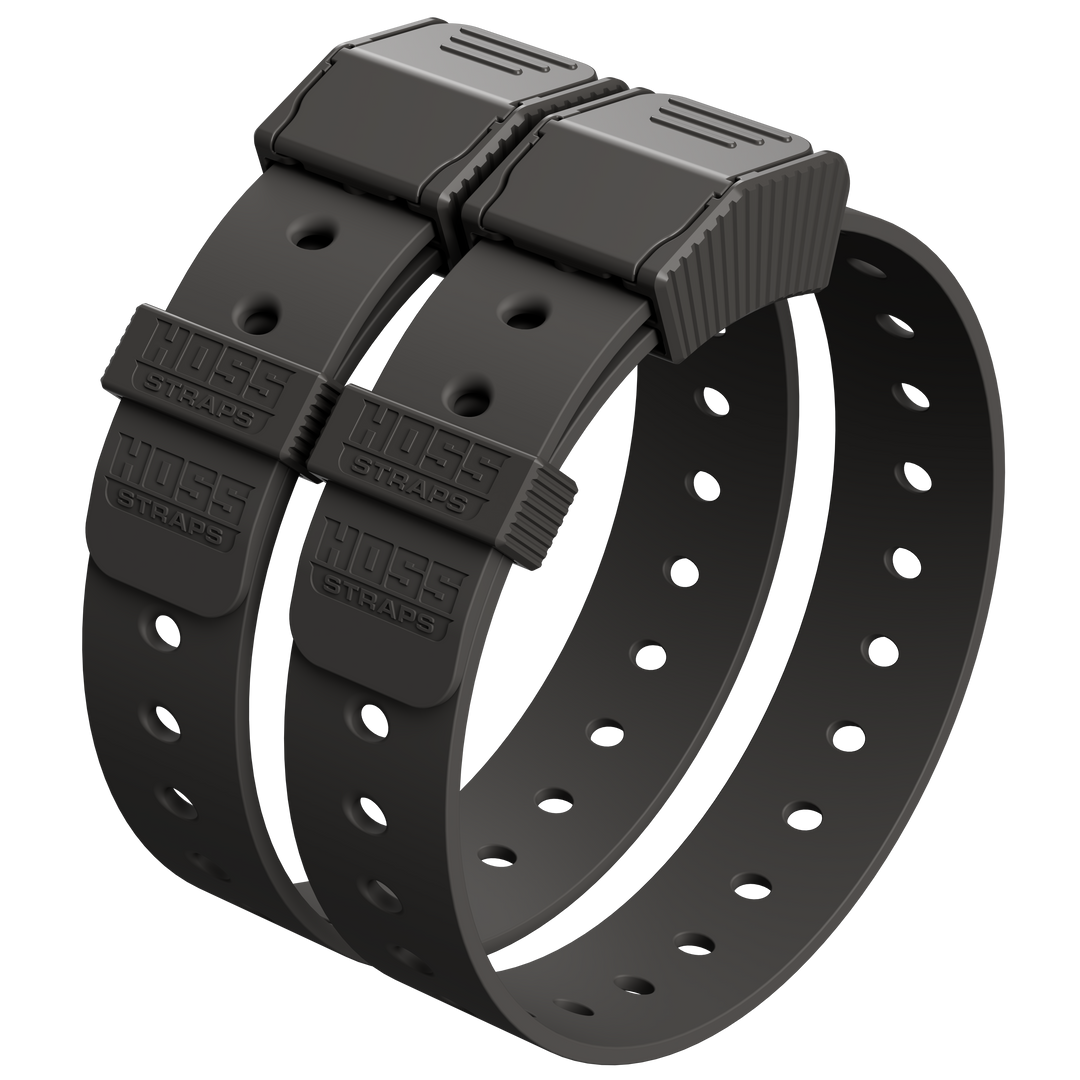
- A Hoss Straps product page currently shows a 75 lb Working Load label. That is not a published bungee comparison result, breaking-strength value, or approval for a high-risk task.
- Use the exact maker instructions, inspect contact points, and select equipment made and rated for the job.
Mechanism: fixed strap versus elastic cord
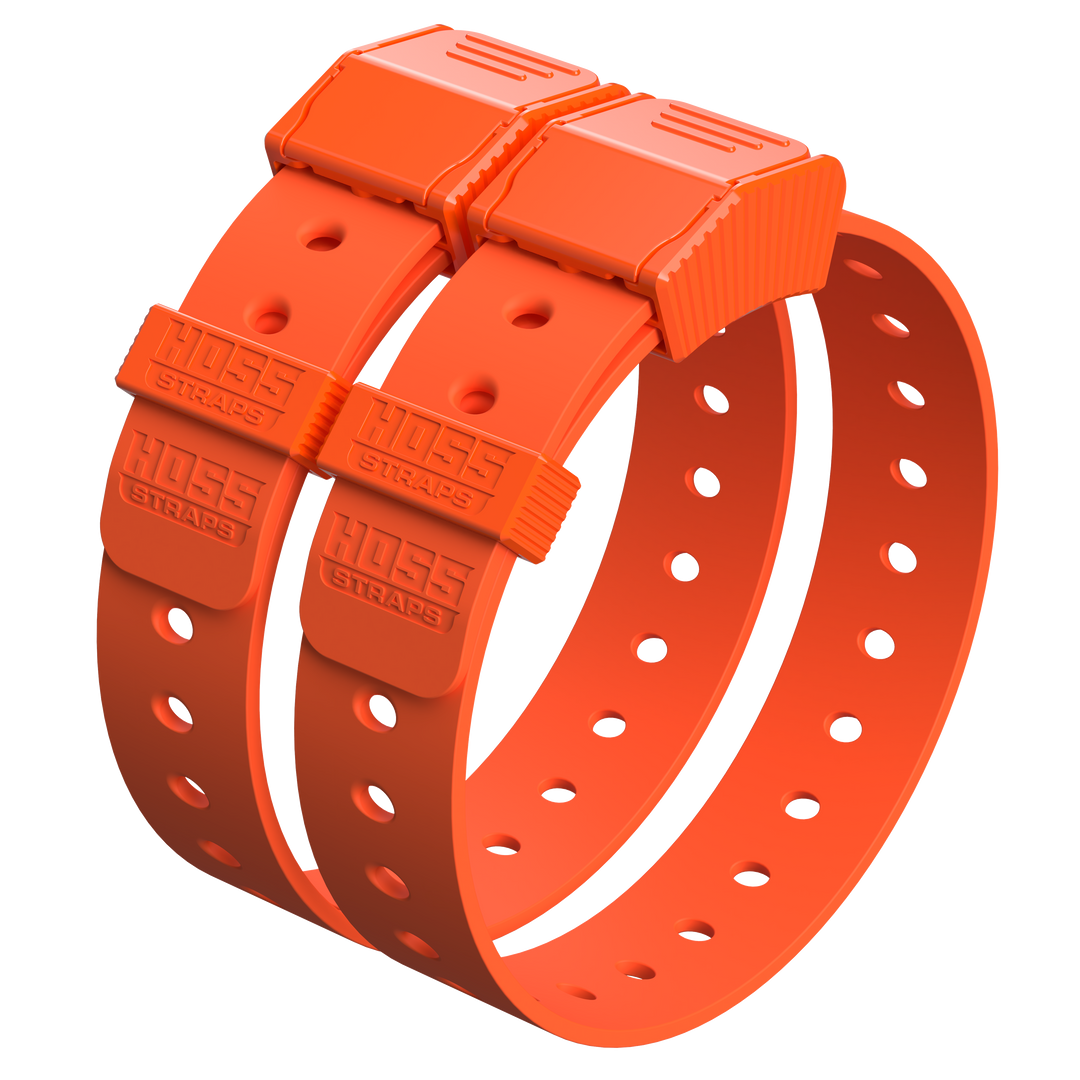
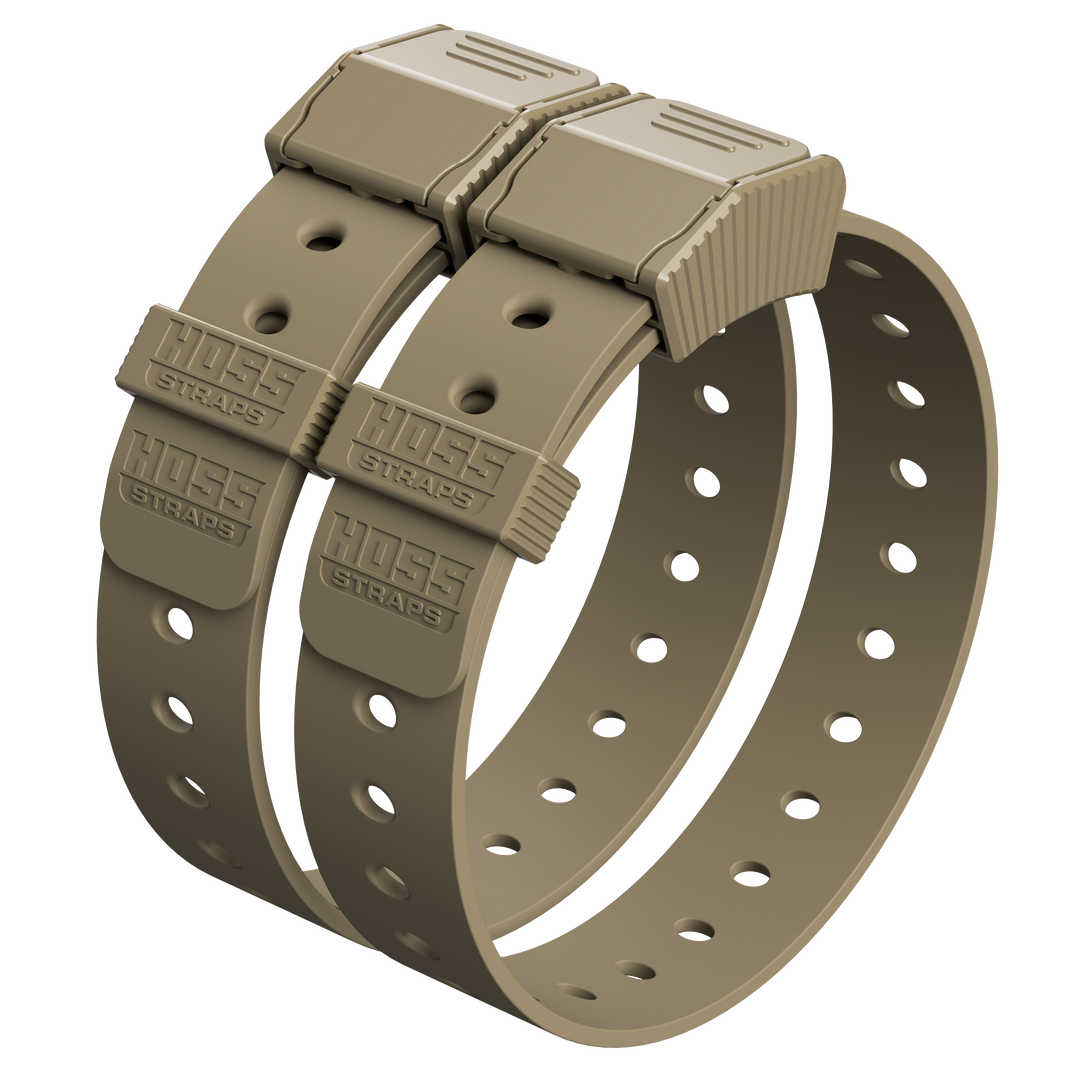
The first difference is how each tool creates holding force. A gear strap is adjusted through holes or another fixed position, then closed with a buckle. A bungee cord is stretched and held under elastic tension, often through hooks or end fittings. That mechanism difference changes how you inspect the setup and what happens if the connection moves.
Gear strap
Fixed webbing path, buckle closure, and adjustment position. The illustration is conceptual, not a load diagram.
Bungee cord
Elastic cord path, stretch, and end hardware. The illustration shows movement, not a rated capacity.
Side-by-side comparison
Use this table to choose the next question to ask. It does not replace the instructions or rating information for the exact product, cord, hook, and setup.
| Question | Gear strap | Bungee cord |
|---|---|---|
| How does it hold? | Selected strap position and buckle closure. | Elastic tension and end hardware or hooks. |
| What happens during access? | Open the buckle, reposition, and close it again. | Release or unhook tension while controlling the cord and ends. |
| Does it intentionally stretch? | No. Do not depend on stretch to make the hold work. | Yes. Stretch is part of the mechanism and varies by cord. |
| What should inspection cover? | Webbing, holes, buckle, edge contact, twist, and full closure. | Cord cover, exposed elastic, hooks, end loops, corrosion, kinks, and fraying. |
| Where can release become a concern? | A loose or open buckle, a moving object, or an edge can change the path. | Stored elastic energy can move the cord or hook toward a person or object. |
| What proves capacity? | The maker's stated working limit and disclosed method for the exact configuration. | The maker's instructions and rating for that cord and hook setup. |
Choose by the job
Repeated-access organization
Start with a gear strap when the same bundle, bucket, cooler, or boat accessory needs to be opened and closed repeatedly. A buckle gives you a visible closure state, and the strap does not need to remain stretched to hold the setup. Confirm the full path and keep the release point reachable.
Temporary tension or changing fit
A bungee may fit a light temporary hold where elastic give is useful and the maker's instructions allow that use. Keep the line away from faces, hands, sharp edges, hot surfaces, moving parts, and fragile gear. Never stand in a likely recoil path while attaching or releasing a stretched cord.
Wet, outdoor, or marine settings
Wet exposure does not create a universal winner. Inspect the actual webbing, cord cover, hooks, buckle, and attachment points after use. Rinse or dry products only as the maker directs. A boat photograph can show context, but it does not prove saltwater durability or a transport rating.
Important boundary: an elastic cord's ability to stretch does not make it a shock absorber for a person, vehicle, suspended load, or recovery job. A gear strap's buckle does not make it lifting or towing equipment. Choose task-specific rated equipment when failure could injure someone or damage a vehicle.
What a fair comparison test must show
A useful comparison needs more than a side-by-side photo. It should name the purchased samples, date, condition, attachment points, object mass or dimensions, cord stretch or strap setting, test sequence, inspection criteria, and failure rule. It should show the full setup and report what the test does not establish.
- Define the job. Compare repeated-access organization with temporary light holding, not a high-risk use that neither product is approved for.
- Use comparable samples. Record brand, model, length, hook or buckle type, visible condition, and any stated working limit.
- Control the setup. Keep the object, anchor path, contact edges, environment, and movement consistent between samples.
- Record access and release. Note how the product opens, whether tension changes, and where the cord or hardware moves when released.
- Publish limitations. State that a small demonstration cannot establish durability, universal capacity, or approval for a different task.
Inspection before every use
- Check the gear strap for cuts, fraying, melted areas, damaged holes, buckle cracks, twist, and incomplete closure.
- Check the bungee for exposed elastic, a damaged cover, bent or corroded hooks, loose end fittings, kinks, and loss of recovery.
- Check the object, anchor, edge contact, and path. Do not route either product over a sharp edge or near a moving or hot part.
- Keep faces and hands out of a possible bungee recoil path. Retire damaged equipment rather than testing it on a live setup.


Frequently asked questions
Are gear straps stronger than bungee cords?
There is no universal answer. Products use different mechanisms, materials, lengths, hooks, buckles, and ratings. Compare the exact maker instructions and test evidence for the exact setup instead of ranking the product category.
Which is better for repeated access?
A reusable gear strap is often the clearer starting point when you need a visible buckle closure and a repeatable strap position. Measure the route and follow Hoss Straps instructions for the exact product.
Can a bungee cord replace a gear strap?
Only when the bungee maker allows the job and its length, hooks, condition, and rating fit the setup. Do not substitute a bungee for equipment made for lifting, towing, recovery, climbing, fall protection, human restraint, or vehicle cargo restraint.
Does a Hoss Straps 75 lb Working Load label beat a bungee rating?
No. Hoss Straps currently displays 75 lb Working Load on its product pages, but that label is not a bungee test result or a universal safety factor. Compare only like-for-like methods and stay within each maker's stated scope.
Can a gear strap recoil like a bungee cord?
A gear strap is not designed to hold by elastic stretch, so it does not have the same intentional stretch mechanism. A moving object, open buckle, or released connection can still create motion. Control every release and keep clear of the path.
Where can I see the completed Hoss Straps comparison test?
Use the Hoss Straps testing page when its route is live and the purchased samples, method, photos or video, results, and limitations are published.
Related Hoss Straps guides
Choose the tool around the job
For repeated-access organization, review the current Hoss Straps gear strap collection and confirm the product instructions. For any task where release or failure could injure someone or damage a vehicle, use equipment rated and approved for that task.