


Saltwater Gear Strap Care Starts With Verified Materials
Saltwater does not affect every part of a gear strap in the same way. Metal can corrode, a strap body can change only if its exact material is vulnerable under the exposure conditions, and salt or grit can interfere with a buckle even when the parts look intact. Those are general material risks, not HOSS test results.
Short answer: identify the strap body, buckle, pin, spring, coating, and any other hardware before making a saltwater claim. After exposure, rinse the full assembly with fresh water, let it air-dry, and inspect every functional area. To say what still holds, test documented samples before and after a defined exposure. A clean-looking strap is not the same as a verified result.
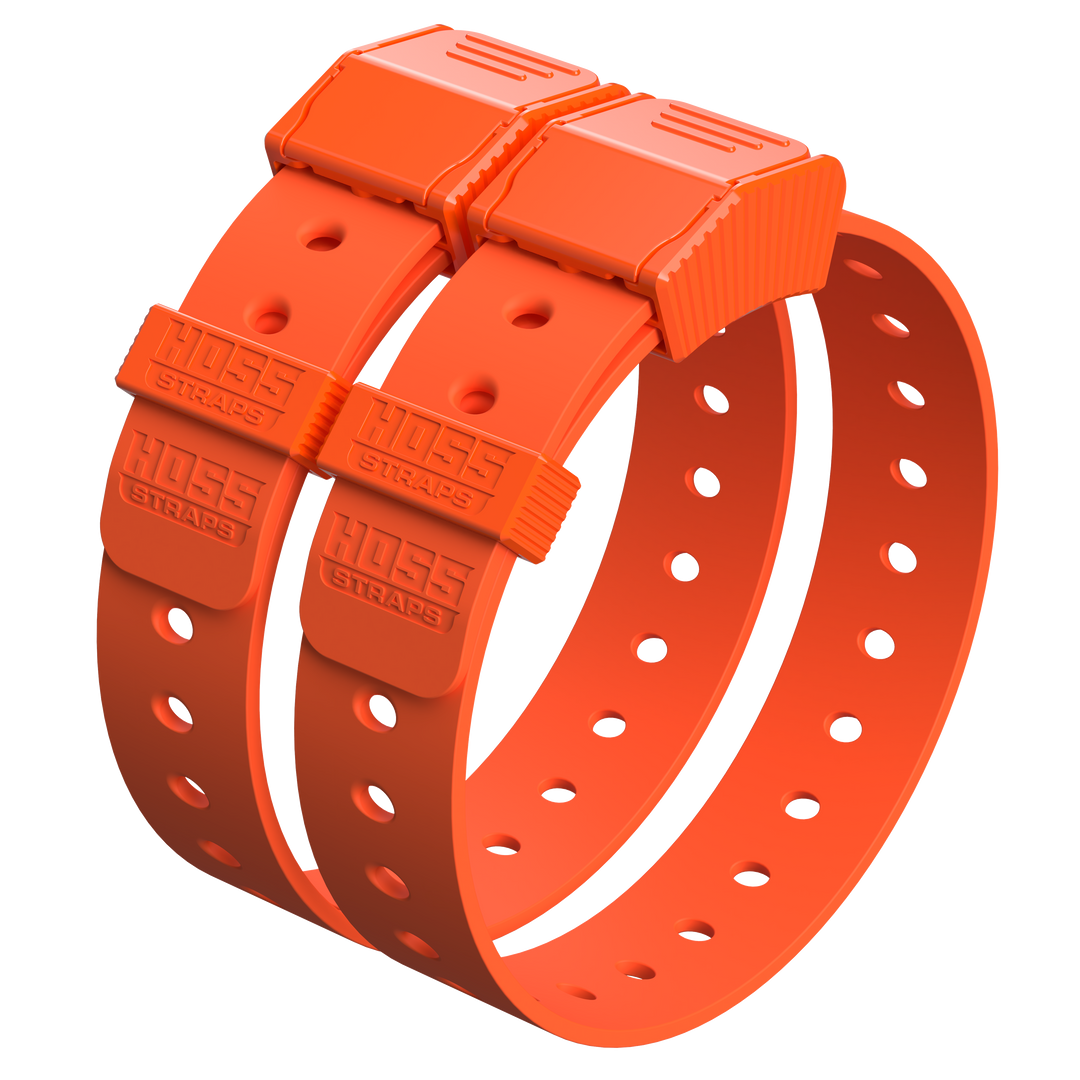
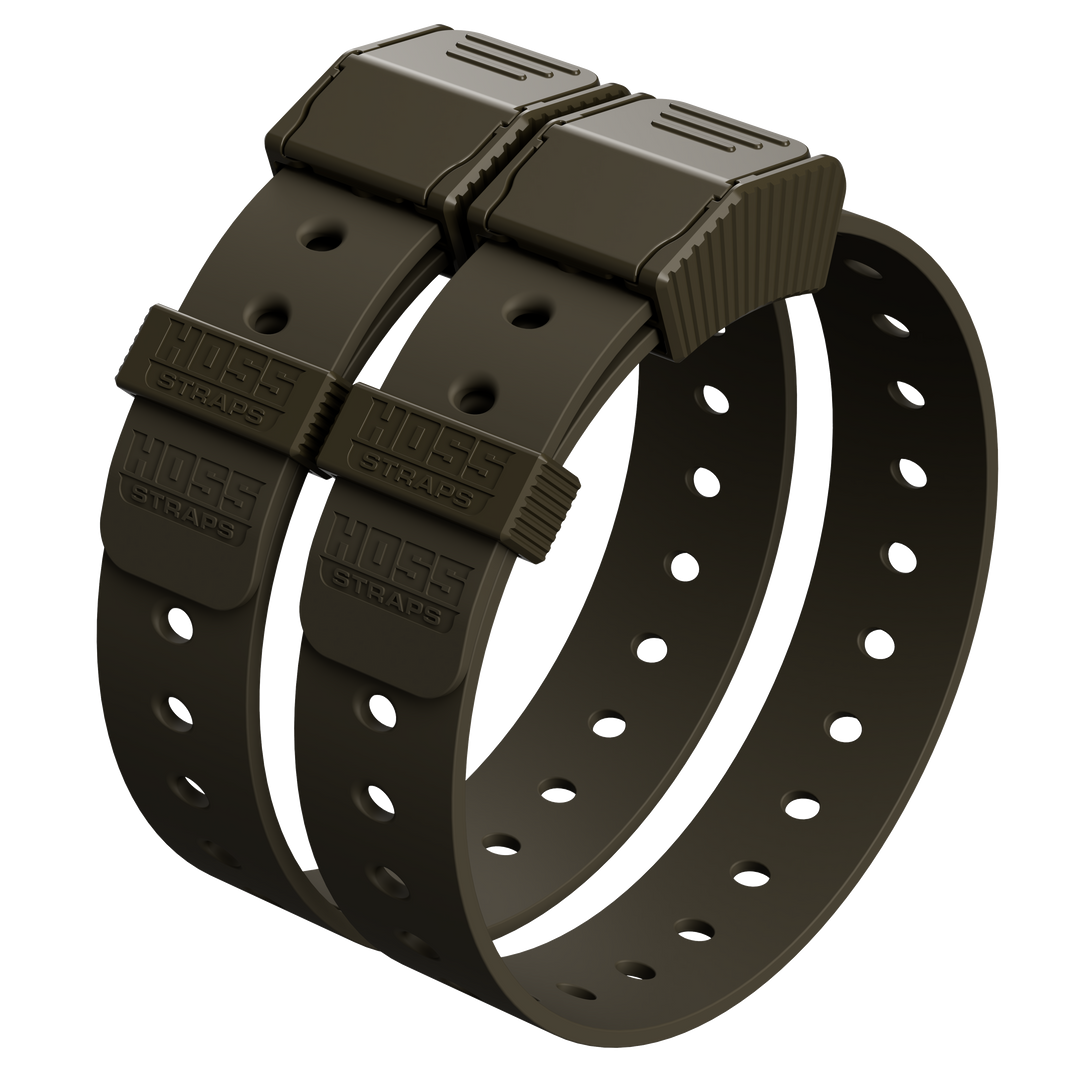
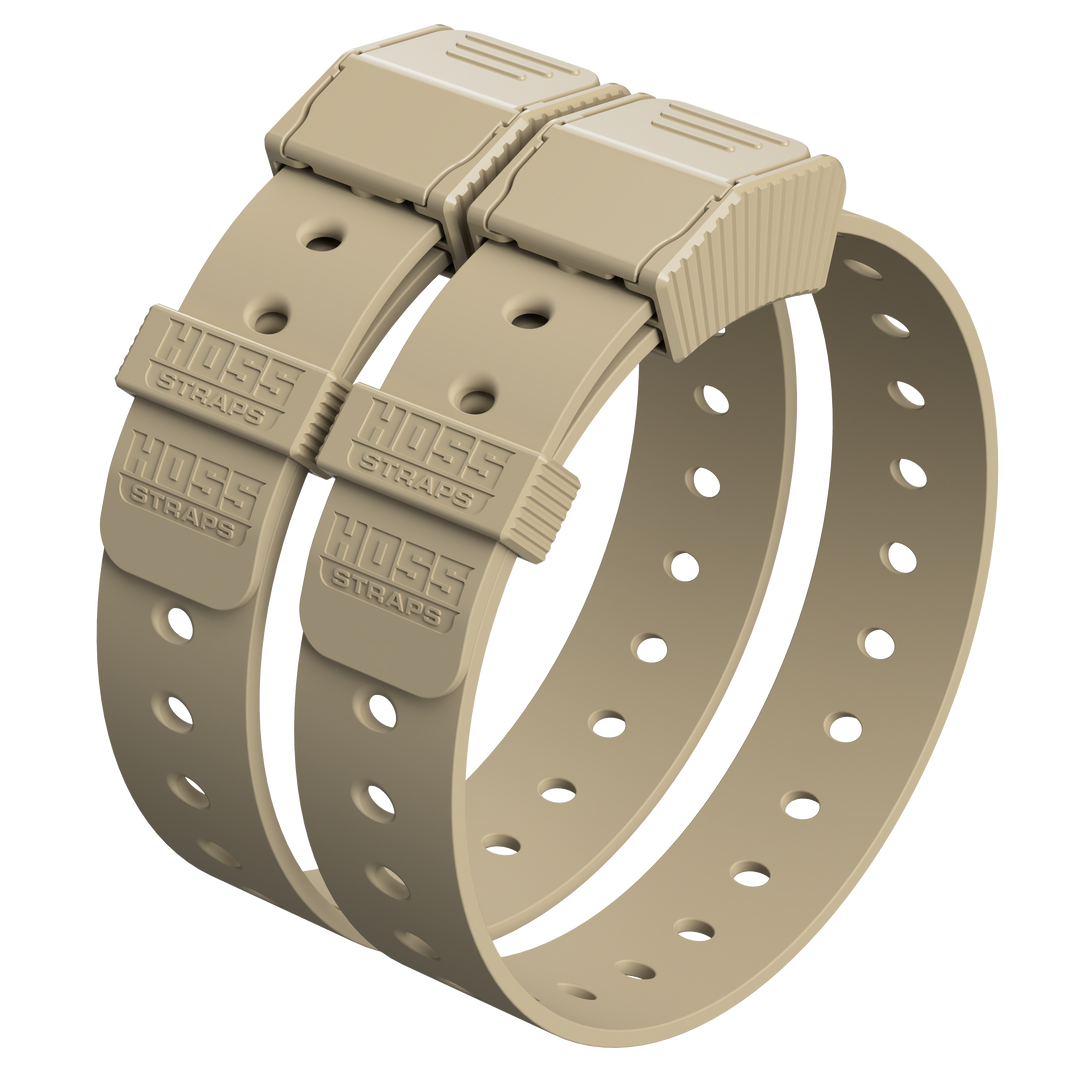
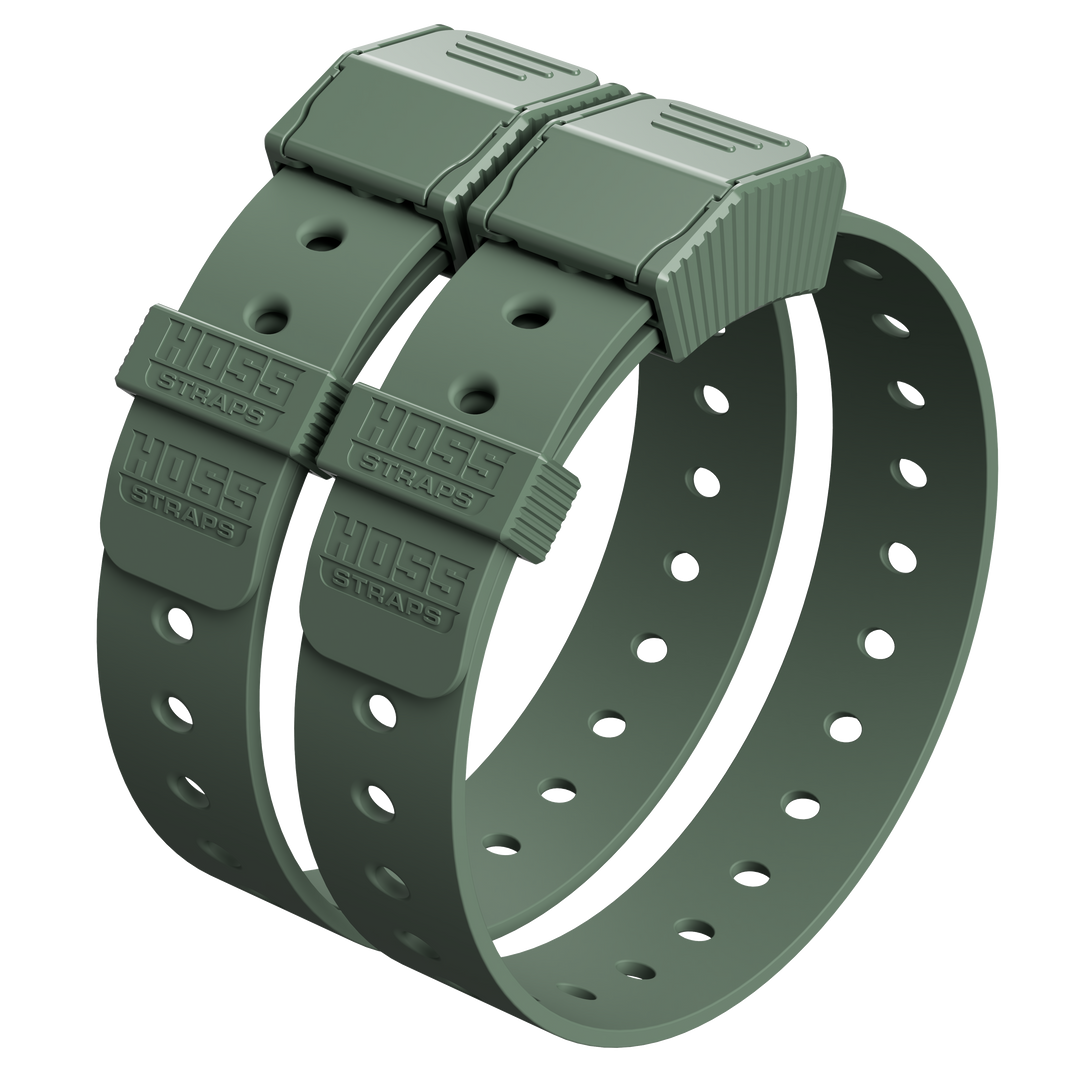
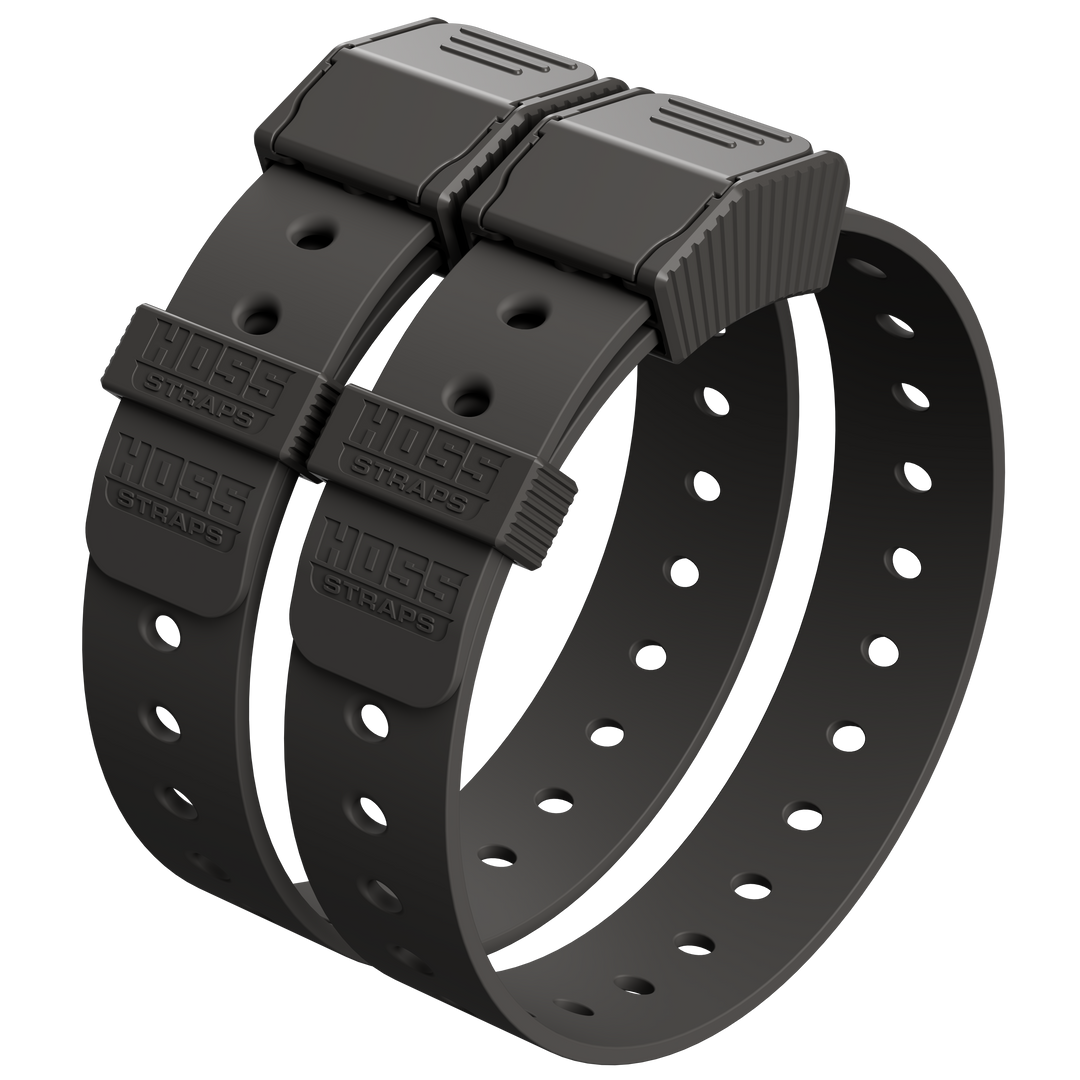
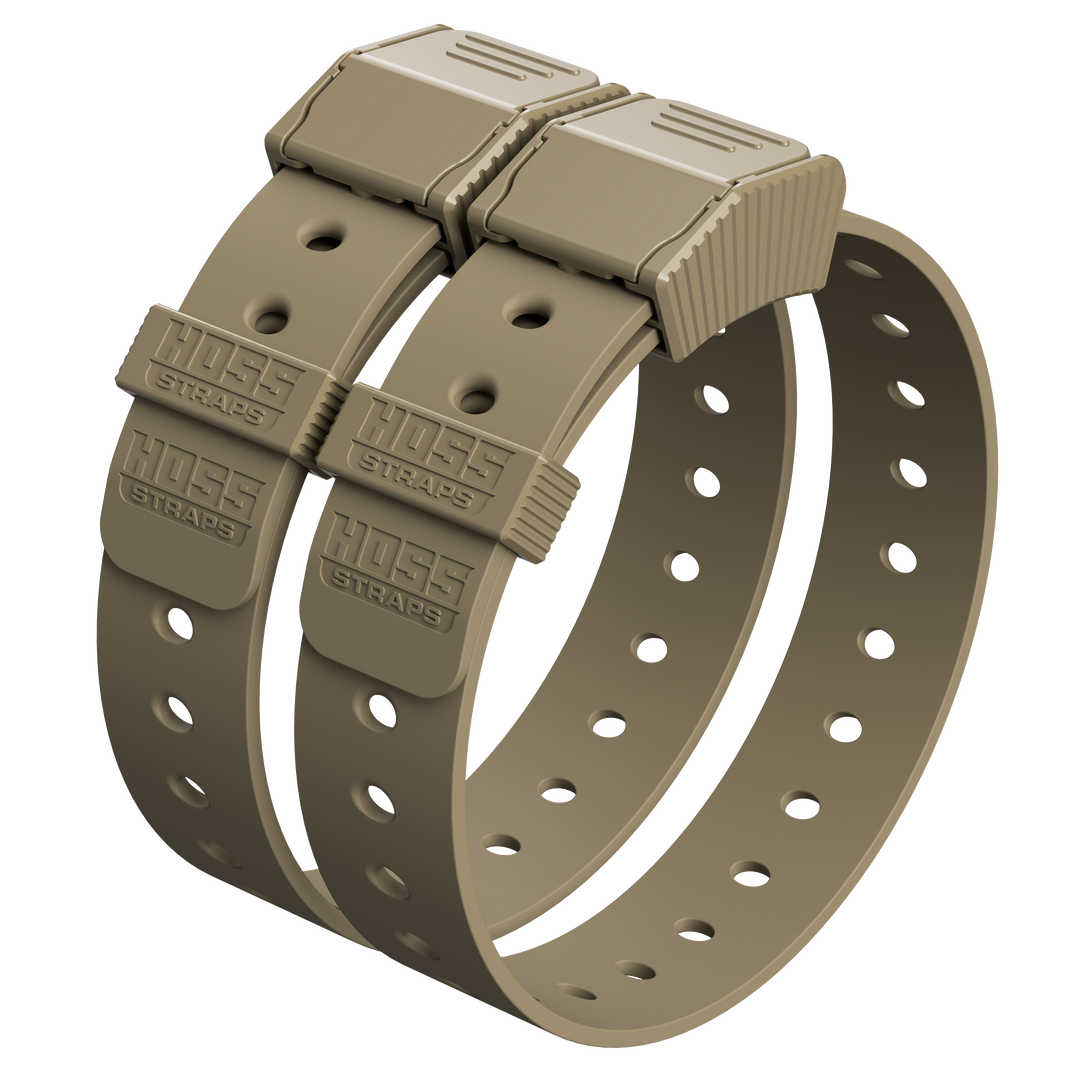
HOSS currently identifies the strap body at the material-family level as a proprietary polyurethane blend and describes its gear straps as waterproof, UV resistant, and saltwater safe or saltwater proof. The reviewed source set does not include a public HOSS saltwater protocol with sample IDs, exposure dates, raw observations, post-exposure functional results, reviewer approval, and limitations. This guide therefore labels the maker claim, general material guidance, and verified test status separately.

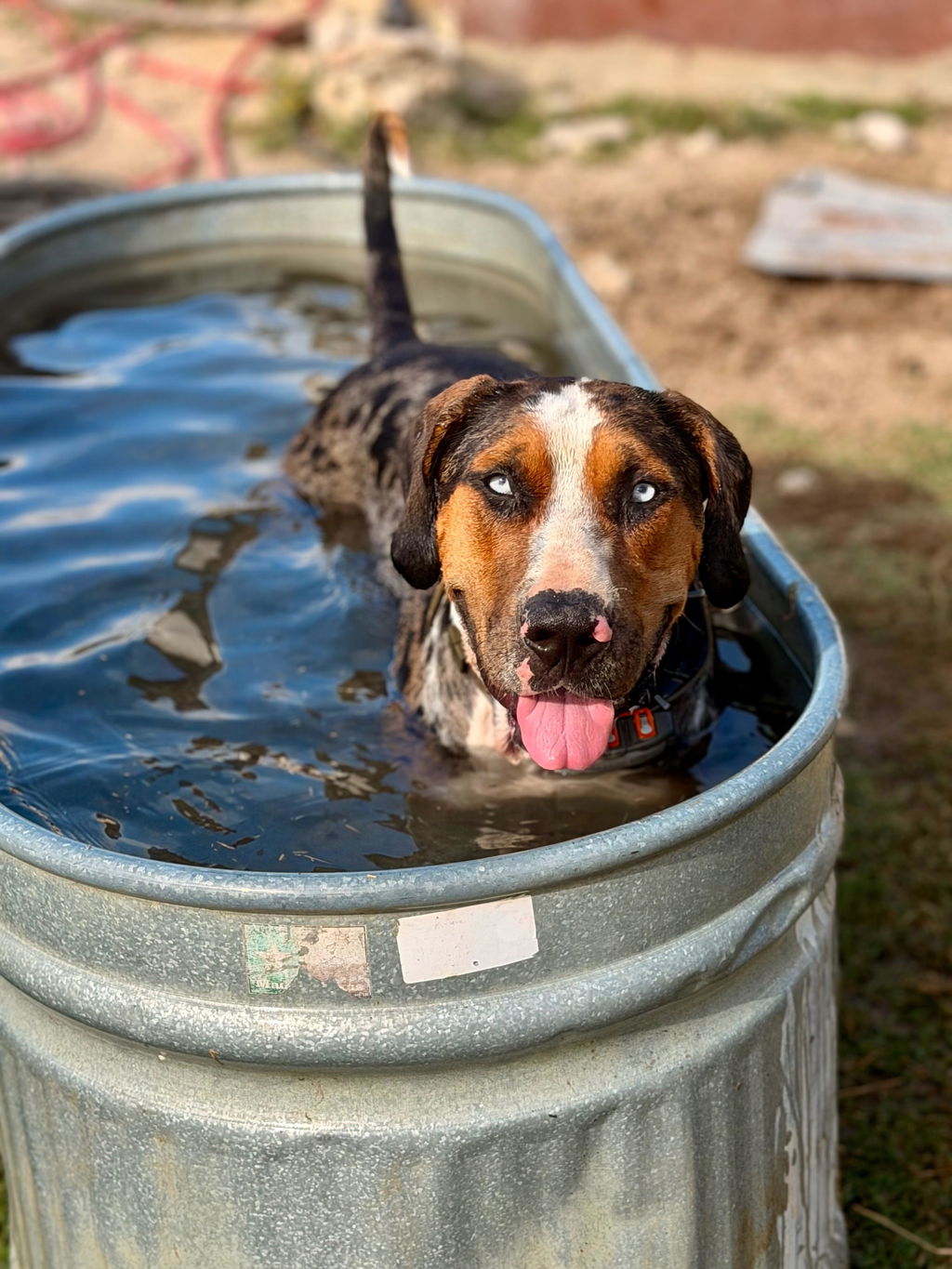
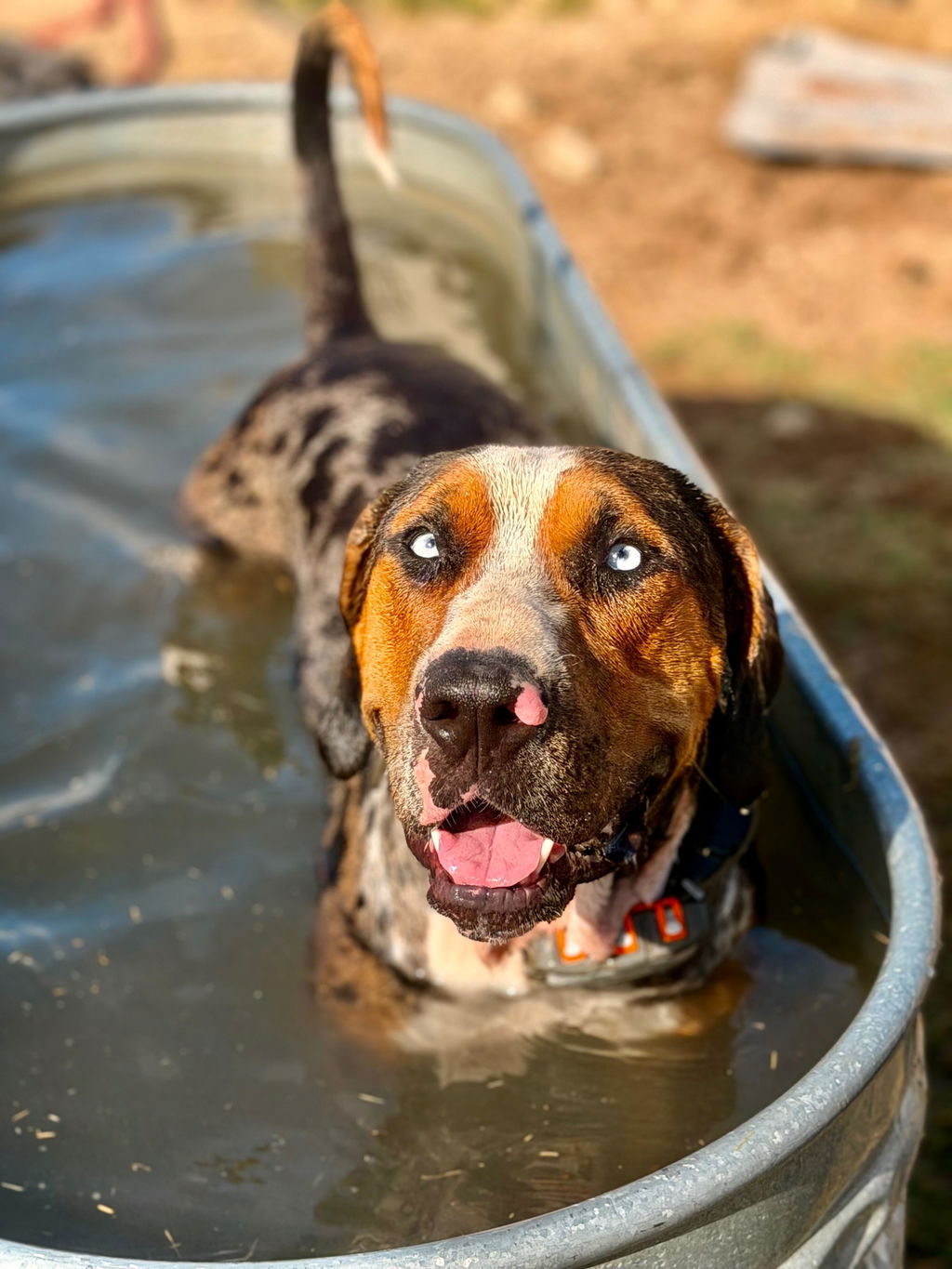
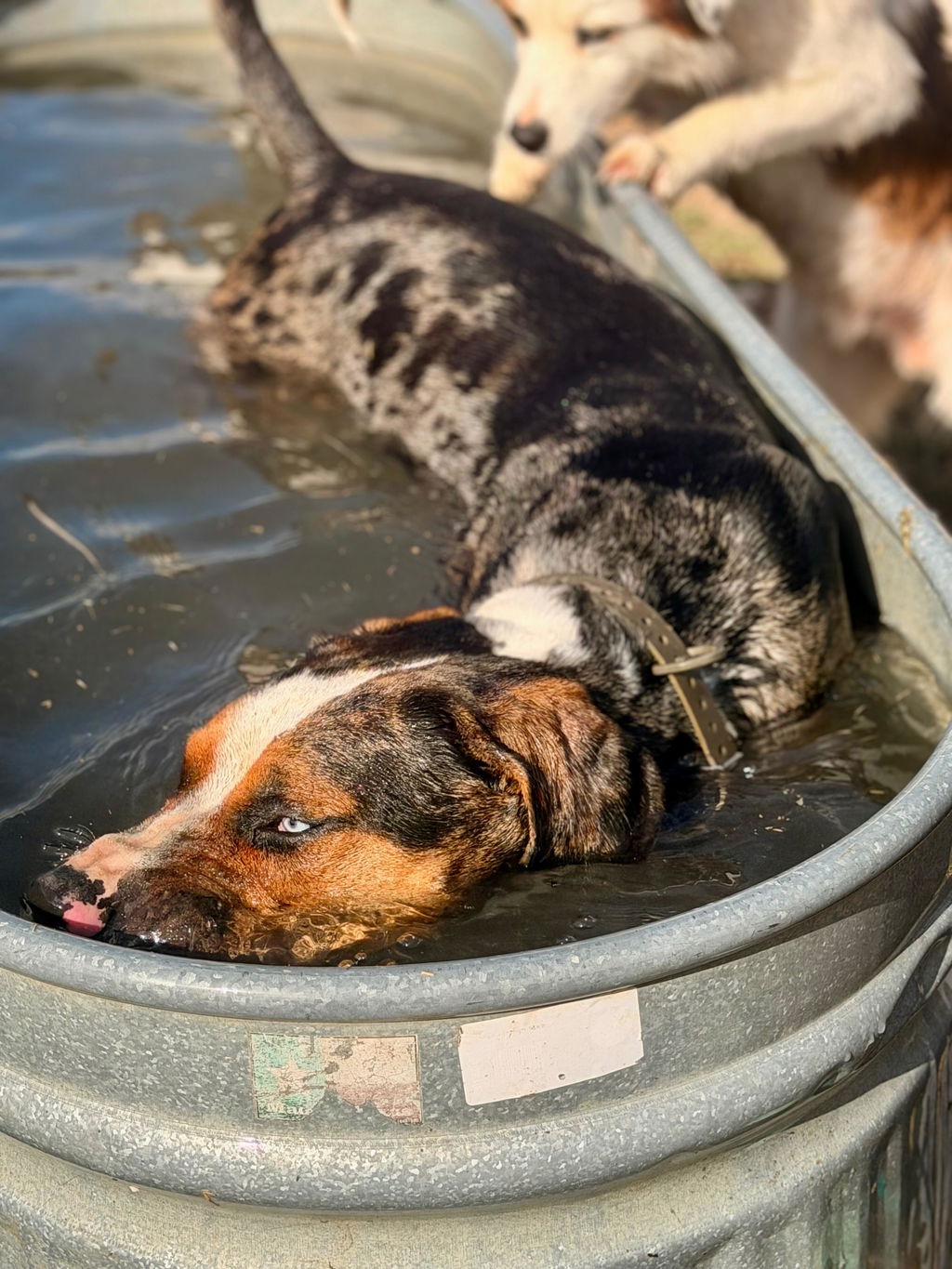
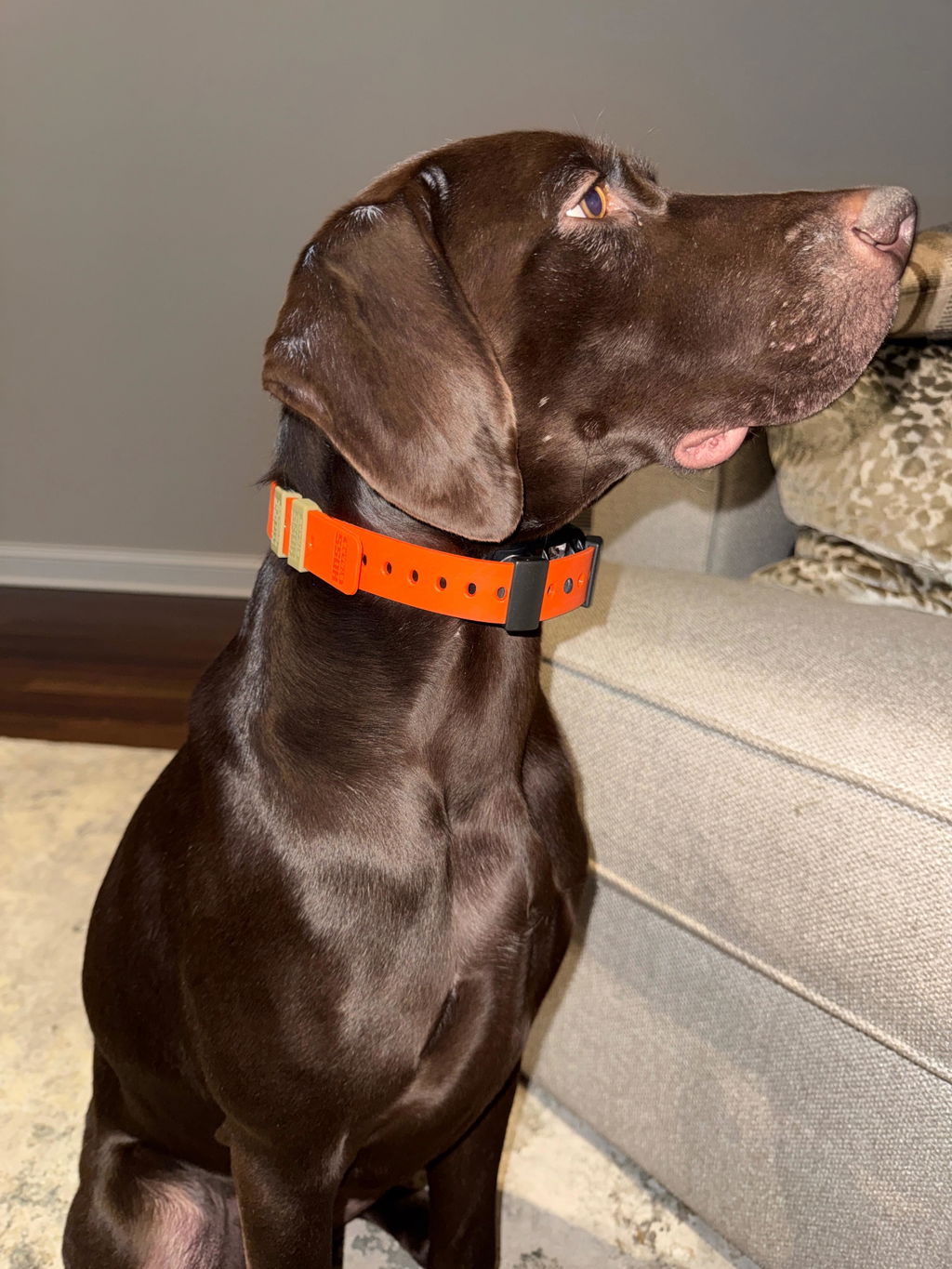
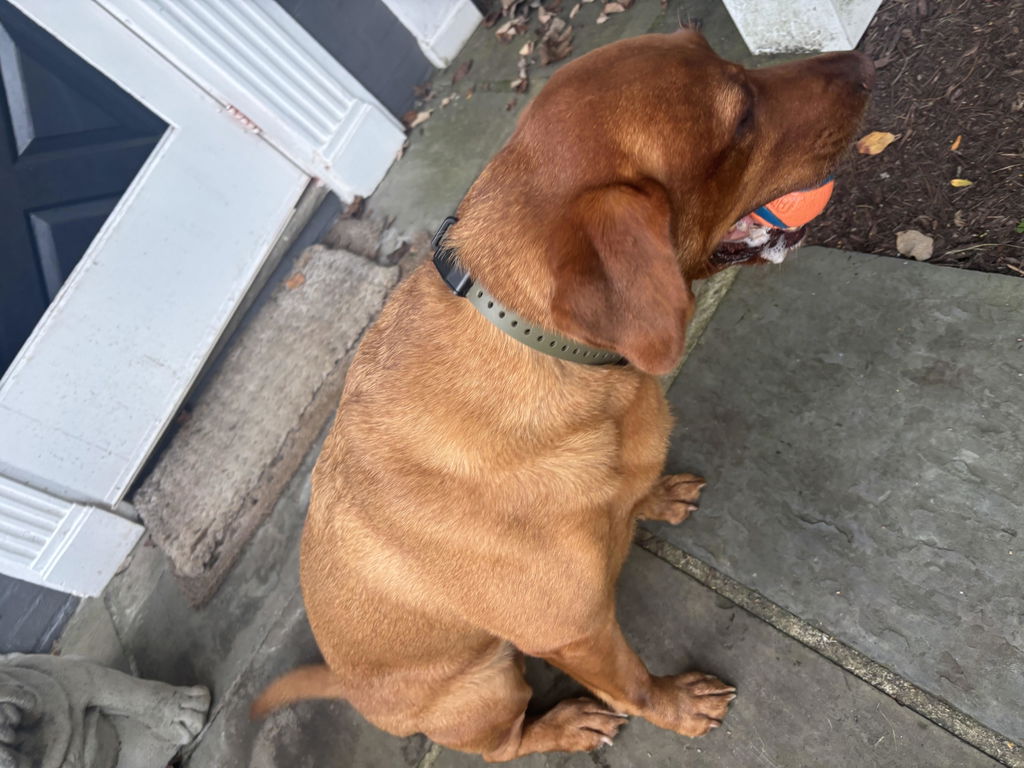
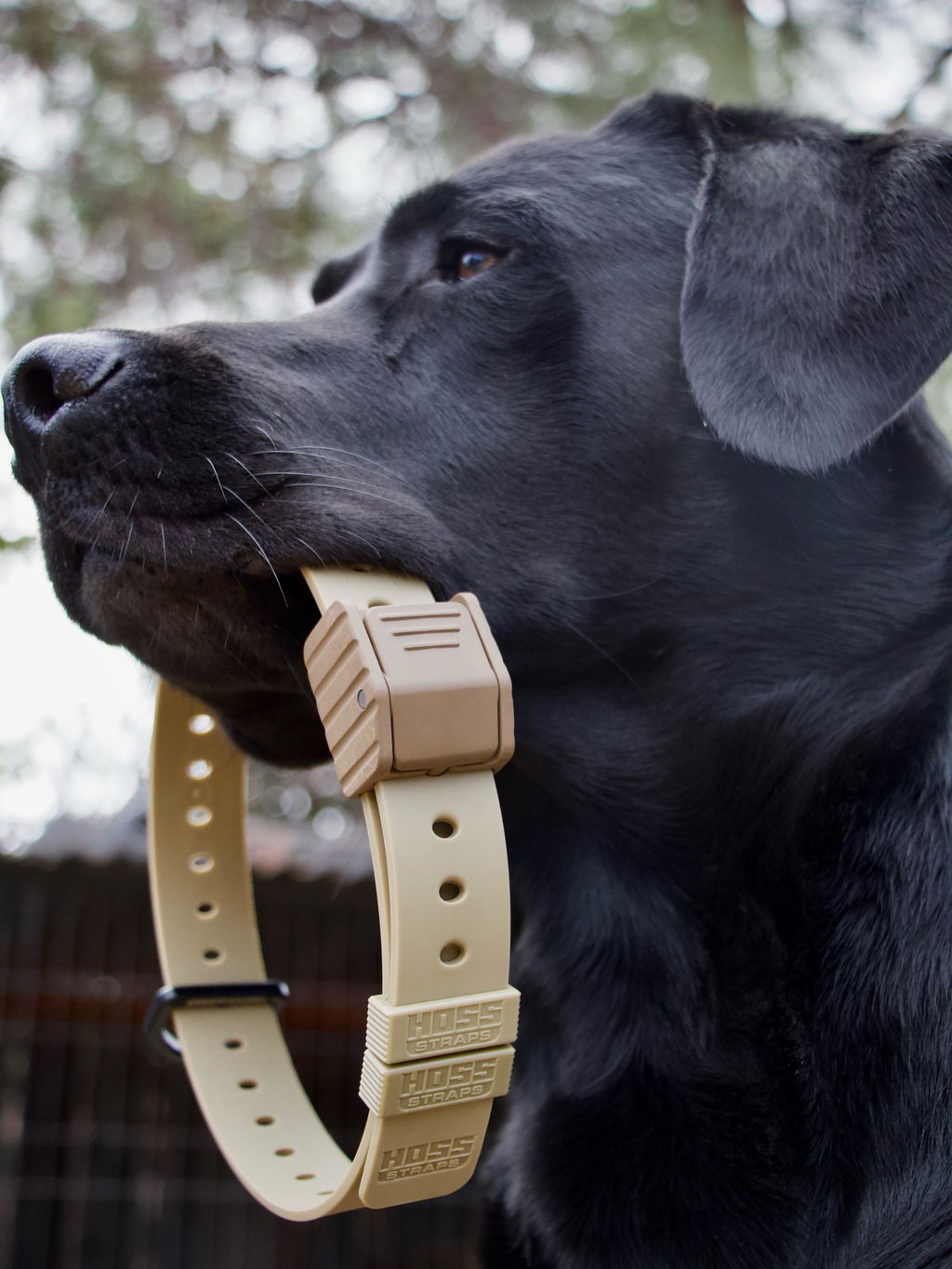
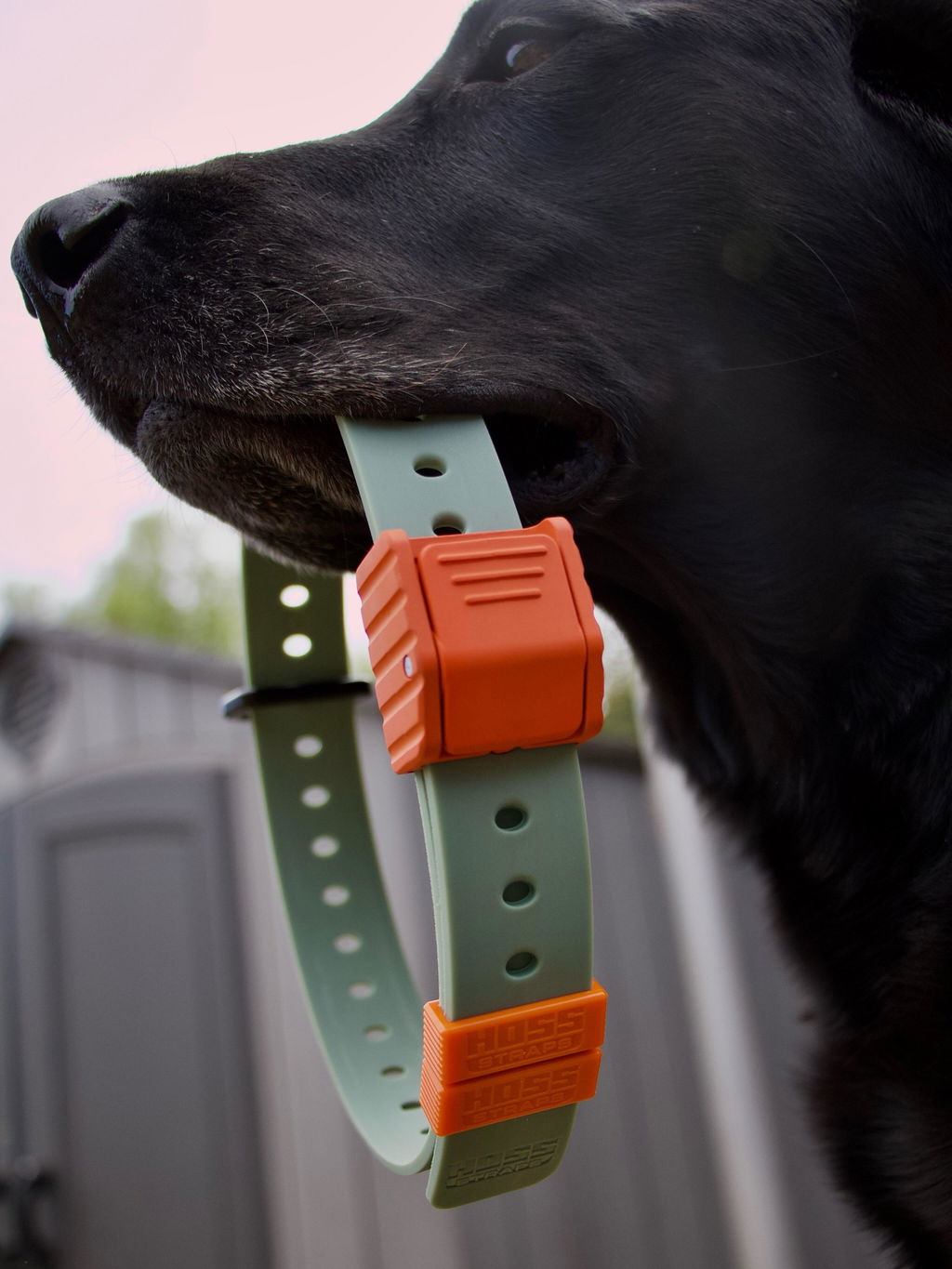
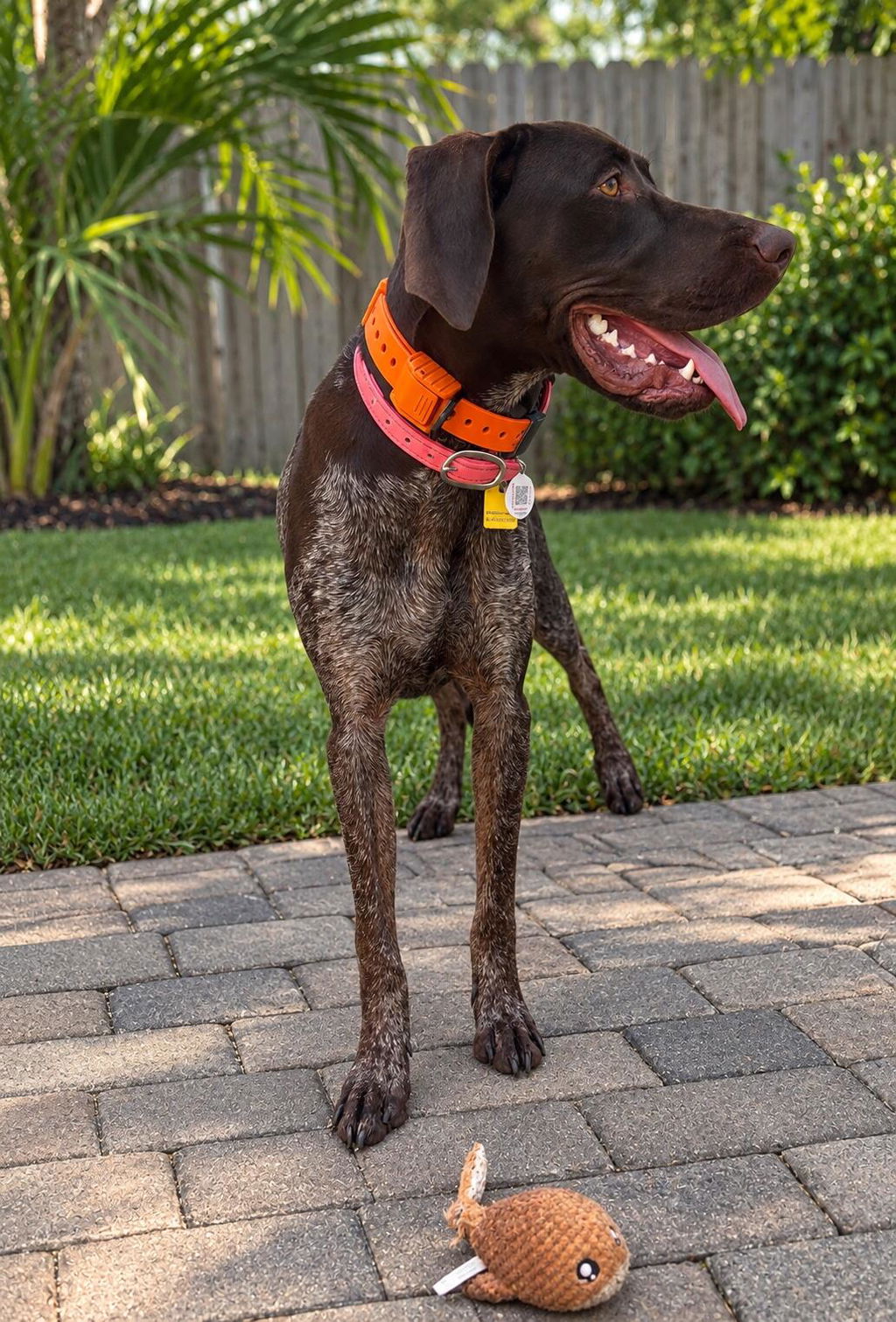
Rinse the strap body, holes, buckle, release area, and contact points. This care image demonstrates a rinse step; it is not a saltwater test result.
Guide overview
- Key takeaways
- What saltwater can change
- What is verified for HOSS
- How to check the buckle
- What to rinse
- What a useful saltwater test records
- How to read results and limitations
Key takeaways
- Corrosion is mainly a question for metal parts, but the exact alloy, coating, design, and exposure decide the outcome.
- Polymer and elastomer behavior cannot be predicted from a broad material family or a product photo.
- Salt crystals and grit can obstruct a buckle even when no corrosion is visible.
- Fresh-water rinsing is care guidance, not proof that exposure caused no change.
- Only a documented before-and-after test can show what a specific sample retained under the stated conditions.
What Does Saltwater Do to a Gear Strap?
Marine exposure combines moisture, oxygen, salts, spray, drying cycles, sunlight, temperature changes, and abrasion. The Association for Materials Protection and Performance notes that this combination can accelerate deterioration of metals and coatings. That does not mean every strap will fail, or fail in the same way. It means every material and interface needs to be identified before the effect can be evaluated.
Metal parts
Look for rust, pitting, coating loss, discoloration, swelling around joints, or movement that has become rough. Alloy and finish matter; “metal” alone is not a useful specification.
Strap body
Look for cracks, whitening, swelling, softening, stiffness, permanent deformation, or changes around the adjustment holes. The exact formulation and exposure conditions decide what a test can show.
Buckle and interfaces
Look for trapped crystals, sand, chipped edges, warping, or a release that no longer moves normally. A mixed-material joint can behave differently from either material tested alone.
A wet strap and a salt-contaminated strap are not the same test condition. Water resistance addresses contact with water. Saltwater resistance also has to account for dissolved salts, residue after drying, repeated wet-dry cycles, temperature, mechanical stress, and the complete assembled design.
What Is Verified for HOSS Gear Straps Today?
| Statement | Available support | How to read it |
|---|---|---|
| The strap body is described as a proprietary polyurethane blend. | Current HOSS material-guide disclosure. | A first-party material-family description. It does not disclose the exact grade, additives, or complete buckle composition. |
| HOSS gear straps are saltwater safe or saltwater proof. | Current HOSS collection and product-page language. | A first-party product claim, not an independently verified finding in this article. |
| Hose the strap off after salt, sun, or spray. | Current HOSS product and care guidance. | A practical maintenance step. It does not prove retained strength or service life. |
| A complete HOSS sample set passed a stated saltwater method. | No signed protocol, sample log, dates, raw outcomes, or approval was present in the reviewed source set. | No verified result is available for this guide. |
| Saltwater exposure does not change holding performance. | No matched pre-exposure and post-exposure functional dataset was supplied. | Do not claim this result from appearance, a boat photo, or a testimonial. |
Why this distinction matters: field experience can reveal useful patterns, but a controlled result needs known samples, conditions, observations, failures, and a defined stop rule. See what a useful saltwater test records before treating any environmental statement as a measured result.
Can a Gear Strap Buckle Corrode or Jam?
A buckle can have metal, coated metal, polymer, or mixed-material parts. HOSS identifies the strap body as a proprietary polyurethane blend, but its current product information does not identify an exact buckle resin, metal alloy, or coating. This article therefore does not assign one. Verify the bill of materials or supplier specification before choosing a corrosion method.
Corrosion is not the only concern. Dried salt and sand can collect around a release surface, hinge, pin, or contact edge. Open and close the unloaded buckle by hand after rinsing and drying. Set the strap aside if it sticks, grinds, chips, cracks, deforms, or fails to engage and release normally.

What Should Be Rinsed After Saltwater Use?
Rinse the complete strap assembly, not only the surface that looks wet. Remove the strap from the setup once the gear is supported, then use fresh water as the default care step.
- Open the buckle. Do not force it if grit is obstructing the release.
- Rinse both sides of the strap body. Flush every adjustment hole, edge, and area that touched the gear or anchor.
- Flush the buckle and release area. Turn the assembly so water reaches recesses, joints, and contact surfaces.
- Air-dry it open. Do not use an open flame or high heat.
- Inspect before reuse. Check the body, holes, buckle, interfaces, and every abrasion point.
Do not add bleach, solvents, oils, lubricants, or a cleaner unless HOSS has approved it for the exact strap. Cleaning can remove contamination; it cannot repair a cut, crack, deformed hole, damaged coating, or unreliable buckle. For the complete routine, use the Gear Strap Care guide.
What Should a Saltwater Gear Strap Test Record?
A useful method matches the expected use. Splash, intermittent immersion, continuous immersion, salt fog, and repeated wet-dry cycles are different exposures. ASTM B117 provides a controlled salt-fog environment for metals and coated metals, but ASTM warns that stand-alone salt-spray results do not reliably predict natural service. ASTM D543 likewise says plastics testing must specify reagent concentration, exposure duration, temperature, stress, and measured properties, with controls and end-use similarity in mind.
| Record | Minimum detail | Question it answers |
|---|---|---|
| Product identity | Size, version, color or material-equivalence rationale, batch or lot, sample ID, and assembly details. | Which exact straps were tested? |
| Material identity | Strap formulation, buckle material, pins or springs, coatings, adhesives, and supplier grade where applicable. | Which part could corrode, swell, stiffen, or crack? |
| Samples and controls | Sample count, unexposed controls, rinsed and unrinsed groups, exclusions, and every failure. | Was the result repeatable, and did rinsing change the observation? |
| Exposure | Water source or solution composition, concentration, temperature, duration, immersion depth or spray cycle, drying interval, and applied stress. | What did “saltwater exposure” mean? |
| Inspection | Before-and-after photos, mass or dimension where relevant, appearance, cracks, stiffness, holes, buckle engagement, and release behavior. | What visibly or functionally changed? |
| Post-exposure function | Defined buckle cycles and a reviewed holding or mechanical test using the same fixtures, units, rate, duration, and stop rule as the control. | What did the exposed samples retain under that test? |
| Dates and approval | Exposure start and end, operator, equipment, calibration status, method revision, reviewer, approval date, and raw-data link. | Can another reviewer trace and assess the result? |
A defensible result is narrow
Report the sample count, exact exposure, rinse condition, observed changes, functional outcome, failures, and uncertainty together. Then state what the test does not prove. Use the included saltwater test record template to collect the missing fields.

What Can Saltwater Test Results Actually Prove?
A result applies to the documented samples, assembly, conditions, procedure, and acceptance rule. It does not automatically prove performance for every color, batch, temperature, vessel, cleaning routine, load path, exposure duration, or full product life.
- A salt-fog result is not an immersion result. Each represents a different exposure.
- A material coupon is not a complete buckle-and-strap assembly. Interfaces and geometry can change the outcome.
- A visual pass is not a holding result. Post-exposure function needs its own measured check.
- One sample is not a product population. Record replicates, variation, exclusions, and failures.
-
A short accelerated test is not a lifespan claim. ASTM cautions against extrapolating accelerated corrosion results without relevant corroboration.
For marine organization, measure the real strap route, keep the buckle reachable, rinse after salt exposure, and inspect before every reuse. The Marine Gear Straps guide covers boat and dockside setup boundaries. This article does not approve gear straps for lifting, towing, recovery, climbing, fall protection, personal restraint, life-safety use, or securing cargo on a moving vehicle or vessel.
Saltwater Gear Strap Questions
What corrodes on a gear strap?
Metal parts are the main corrosion question, including pins, springs, fasteners, hooks, or coated hardware when present. The exact alloy, coating, joint design, salt concentration, wet-dry cycle, temperature, and exposure time affect the outcome. Confirm the bill of materials instead of assuming from appearance.
Can a synthetic gear strap rust?
A polymer strap body does not rust like iron or steel, but that does not prove it is unchanged by saltwater. Chemical resistance, stress, temperature, UV exposure, abrasion, and the complete formulation still need evaluation. Any metal or coated components require separate corrosion review.
Does waterproof mean saltwater proof?
No. Waterproof describes resistance to water under stated conditions. A saltwater claim must also address salts, residue, repeated drying, material identity, and the relevant functional result.
What should I rinse after saltwater exposure?
Rinse both sides of the strap body, every adjustment hole and edge, the buckle, release area, recesses, joints, and all gear-contact or anchor-contact points with fresh water. Air-dry it open and inspect it before reuse.
How do I know whether a strap still holds after saltwater use?
Appearance alone cannot answer that. Follow the approved inspection and retirement guidance for routine use. A product-level claim about retained holding performance requires matched control and exposed samples, a defined mechanical method, raw outcomes, and stated limitations.
What should I do if the buckle feels rough or sticks?
Support the gear, remove the strap, and rinse the open buckle with fresh water. Do not force or pry it. If it still does not engage and release normally after drying, set the strap aside and contact HOSS.
See the Saltwater Method
Review the saltwater test record and interpretation limits in this guide. When a signed HOSS result becomes available, compare its samples, exposure, rinse condition, failures, and post-exposure function before applying it to your setup.
Need straps for a measured marine organization route? Compare the 12-inch gear straps, 24-inch gear straps, or the full Gear Straps collection.
Related HOSS Guides
Sources and Editorial Method
HOSS product language and internal routes were reviewed September 14, 2026. First-party statements are identified as such. General test guidance was checked against current standards-body and materials-protection sources. No HOSS sample outcome was inferred from those general sources.