


Slip Leads & Slip (Choke) Collars: How They Work, Why Timing Matters, and Safer Options for Most Homes

Slip leads and slip collars tighten when the leash goes tight and loosen when slack returns. That simple action can give fast control in skilled hands, but it also means neck pressure can show up quickly if a dog pulls, panics, lunges, or hits the end of the leash.
For most pet households, the safer starting point is a well-fitted flat collar for ID, a harness for pulling or daily walks, or a limited-slip martingale for dogs that back out of regular collars. Slip tools require timing, calm handling, and constant supervision.
Quick Answer
A slip lead is a leash and collar loop in one piece. A slip or choke-style collar is a separate collar that tightens when leash tension is applied. Both rely on the same basic rule: pressure increases when the line is tight and releases only when slack returns.
The American Veterinary Society of Animal Behavior recommends humane, reward-based training and warns that aversive methods can carry welfare and relationship risks. You can review AVSAB's public position statements here: AVSAB position statements.
How Slip Leads and Slip Collars Work

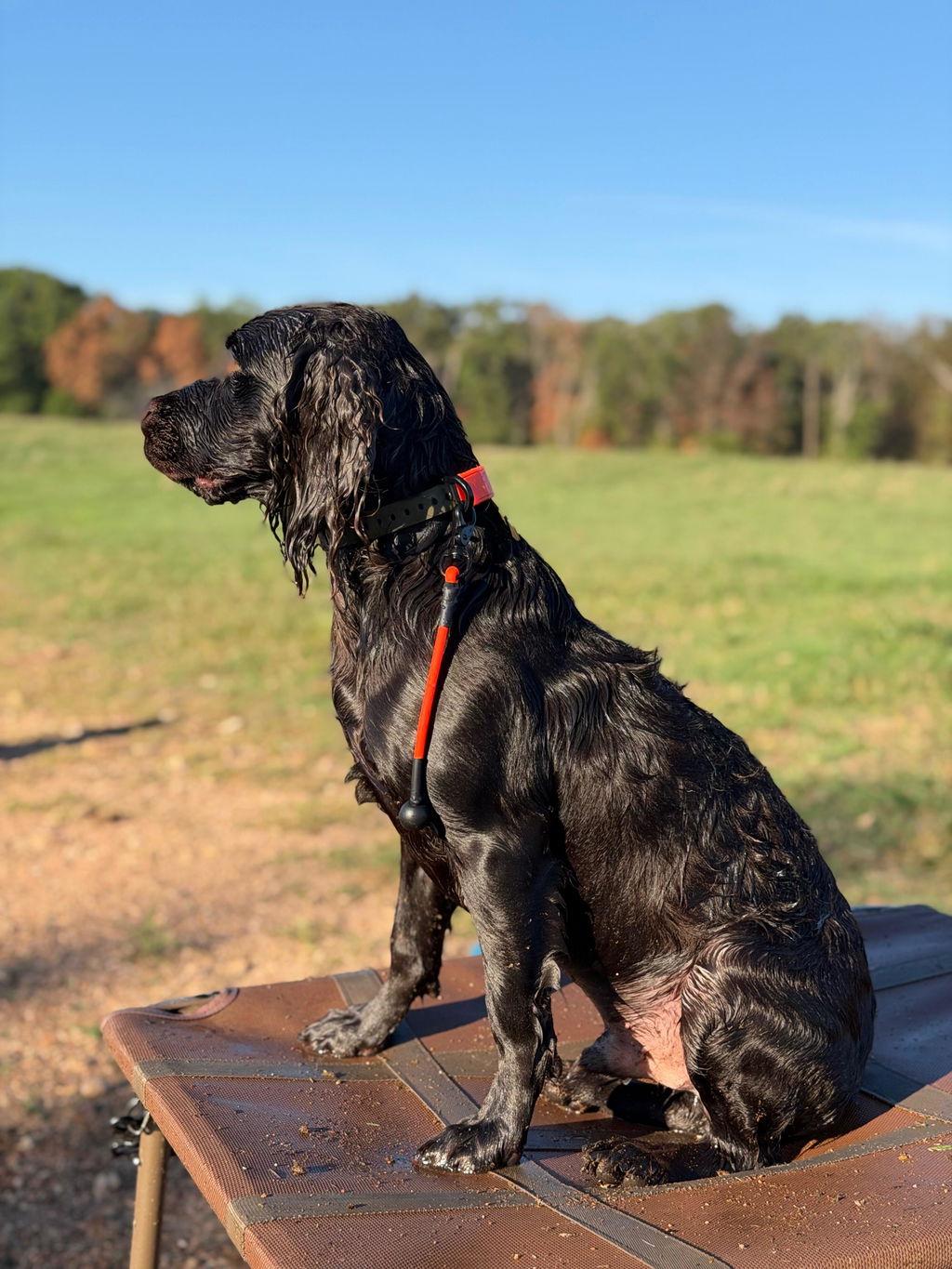
Slip tools tighten through a moving loop. When the leash is loose, the loop can relax. When the dog pulls or the handler applies tension, the loop tightens around the neck. That is why these tools depend so heavily on leash slack, handler timing, and the dog's response under stress.
- Slip lead: one-piece leash and loop, often used for quick temporary handling.
- Slip collar: separate collar that tightens when leash pressure is applied.
- Main risk: if leash tension stays constant, pressure can stay constant too.
- Best avoided for: strong pullers, anxious dogs, dogs that bolt, puppies, dogs with neck sensitivity, and distracted handlers.
Slip Lead vs. Slip Collar vs. Safer Options
The right tool depends on the dog, the handler, and the job. For many homes, safer gear makes normal mistakes less risky.
| Tool | How It Works | Best Use | Watch-Out |
|---|---|---|---|
| Slip lead | Leash and collar loop tighten together under tension. | Short, supervised handling by experienced users. | Can tighten quickly if the dog pulls, bolts, or panics. |
| Slip or choke collar | Separate collar tightens when leash pressure is applied. | Specialized handling where timing is already trained. | Poor timing can create repeated or sustained neck pressure. |
| Flat collar | Fixed-size collar with buckle and D-ring. | ID tags, quick handling, everyday wear. | Not ideal for constant pulling or dogs that back out of collars. |
| Martingale collar | Tightens only to a limited point when correctly fitted. | Dogs that slip out of flat collars. | Must be fitted correctly and removed when unattended. |
| Harness | Moves leash pressure away from the neck. | Pullers, puppies, seniors, and everyday walks. | Fit still matters; rubbing or escape can happen if sized poorly. |
Chain, Nylon, and Coated Options
Material changes the feel of a slip tool, but it does not change the core mechanism. Chain, nylon, and coated versions still tighten under tension and release only when slack returns.
- Chain slip collars: slide quickly and feel immediate, but can be noisy and harsh in unskilled hands.
- Nylon slip leads: lighter and quieter, but still tighten quickly when loaded.
- Coated options: easier to wipe clean, but still require the same careful slack-leash handling.
If a dog pulls through most of the walk, material is not the main issue. The main issue is that the tool is spending too much time under tension.
Why Timing Matters
Slip tools depend on fast pressure release. The handler must create slack as soon as the dog responds. If the leash stays tight, the dog may experience ongoing pressure instead of clear guidance.
Timing gets harder when the dog is excited, fearful, reactive, distracted, or physically strong. It also gets harder when the handler is juggling kids, traffic, a phone, other dogs, or a crowded sidewalk.
- Pressure should never become a constant state.
- Hard yanks and repeated corrections increase risk.
- Dogs that panic or bolt should not be managed with gear that cinches suddenly.
- If you cannot keep slack in the leash most of the time, choose a safer walking setup.
Safe Usage Limits
For most homes, slip tools should be treated as specialized, supervised handling equipment rather than everyday collars.
- Never use slip tools for tie-outs.
- Never leave a dog unattended in a slip collar or slip lead.
- Do not use slip tools for dogs with known neck, throat, breathing, eye, or spinal concerns unless your veterinarian specifically advises otherwise.
- Do not use harsh leash corrections.
- Ask a qualified reward-based trainer or veterinarian for help if pulling, lunging, fear, or escape behavior is the real problem.
Hoss Collar Check

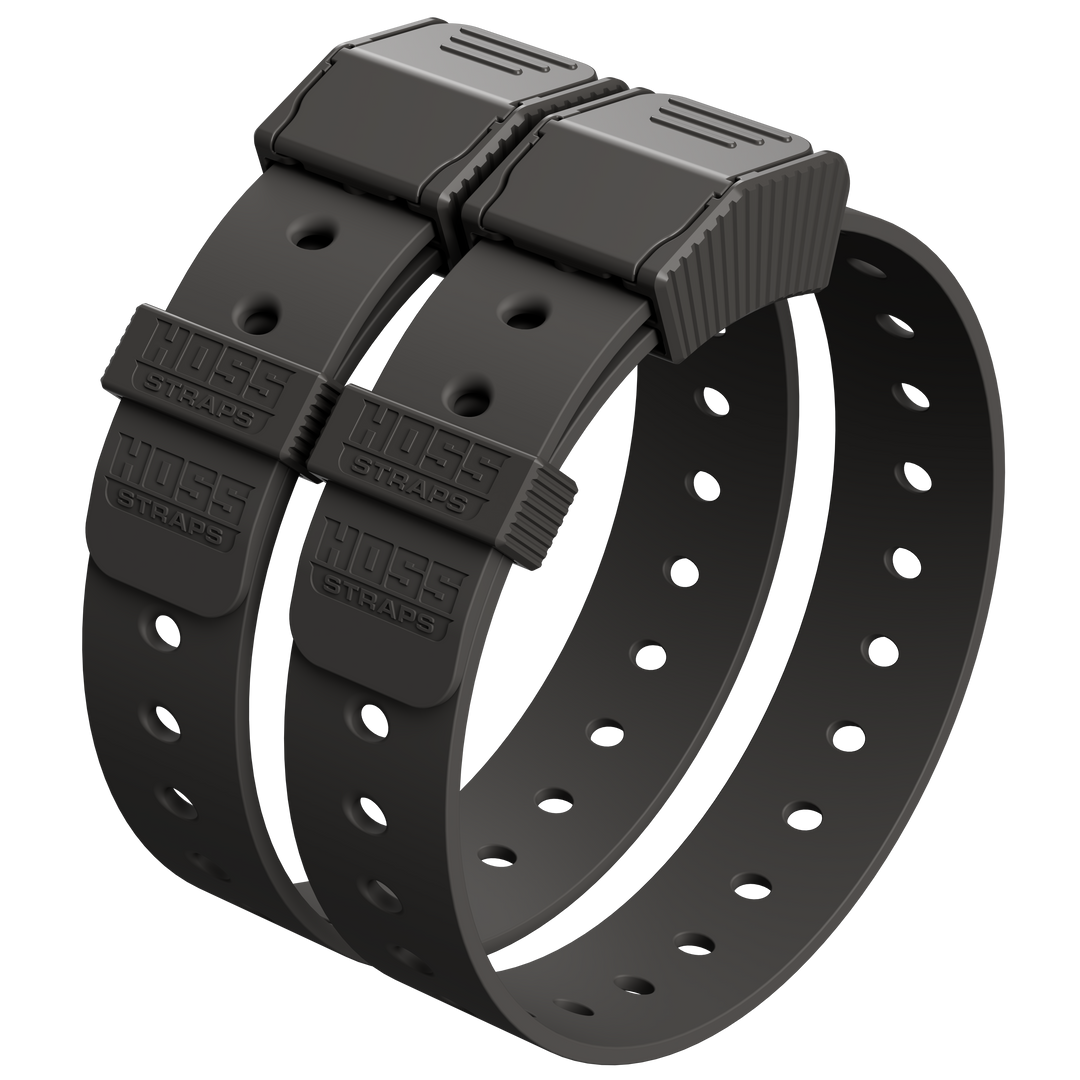
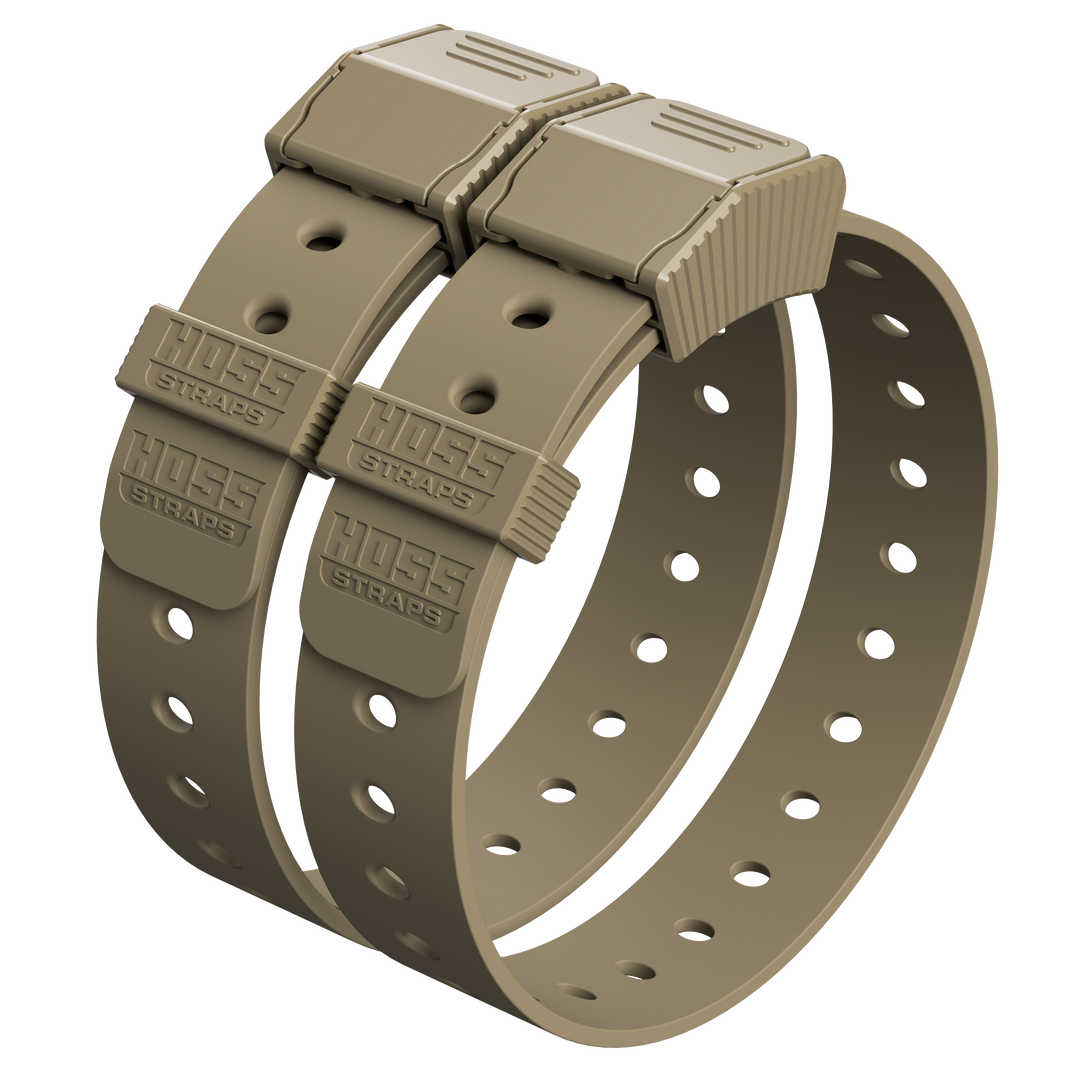
If you are skipping slip tools and want a straightforward collar for everyday ID and quick handling, start with Hoss Dog Collars. For harder outdoor routines, compare K9 Dog Collars and Weatherproof Dog Collars.
For field work or compatible receiver setups, the Training Collar Setup is the better internal path because fit, hardware, and module placement matter more than collar style alone. If your main issue is a dog slipping out of standard collars, read the supporting guide on martingale dog collars before choosing a tightening tool.
- Choose a flat Hoss collar for ID tags, daily wear, and simple quick handling.
- Choose a harness for dogs that pull hard on walks.
- Choose a martingale-style solution only when escape prevention is the real issue and fit can be checked carefully.
- Choose training support when pulling, reactivity, or fear is the behavior you are trying to solve.
Frequently Asked Questions
Are slip leads the same as choke collars?
They work on the same basic tightening principle. A slip lead combines the leash and collar loop in one piece, while a choke-style slip collar is a separate collar that you attach a leash to.
Can a slip collar injure a dog if it pulls?
Yes, sustained pulling can keep pressure on the neck. Dogs that pull hard, startle easily, cough, lunge, or have neck sensitivity should usually use safer walking equipment such as a properly fitted harness.
Why do slip tools require timing?
They require timing because the tool is supposed to release pressure as soon as slack returns. If the handler is late, distracted, or using repeated corrections, the dog may feel ongoing pressure instead of clear guidance.
Can my dog wear a slip collar all day?
No. Slip collars and slip leads should not be used as all-day collars. They should not be left on unattended and should never be used for tethering or tie-outs.
What is a safer option for most pet owners?
For many homes, a properly fitted harness for walks plus a flat collar for ID is the safer starting point. If the dog backs out of flat collars, a correctly fitted martingale may be worth discussing with a qualified trainer or veterinarian.
Looking for a tougher everyday collar without relying on slip pressure? Browse Hoss K9 Dog Collars, compare Dog Collars, or review the Training Collar Setup for field-ready gear.