


K9 Dog Collars: What “Tactical” and “Duty” Really Mean, and How to Choose One That Holds Up

Quick Answer
The best K9 dog collars are not just thicker versions of regular collars. A tactical or duty collar should give you dependable fit, stable leash attachment, weather-ready material, reinforced stress points, and hardware that matches the dog’s strength and job.
If your dog works, trains, hikes, hunts, rides in vehicles, or spends long days outside, choose a collar by use case first. Start with neck size and comfort, then compare width, material, buckle type, D-ring placement, cleaning needs, and whether the setup must support training or tracking gear.
What Tactical and Duty Should Mean
“Tactical” and “duty” get used loosely in dog gear. On a real K9 collar, those words should point to function, not decoration.
A tactical or duty collar should be built for:
- strong dogs that put real force into the leash
- repeated on-off handling during training or transport
- wet, muddy, dusty, or field conditions
- stable control during close handling
- clean leash connection without awkward twisting
- long-term comfort when sized correctly
That does not mean every dog needs the heaviest collar available. It means the collar should match the dog’s routine instead of relying on a tough-looking name.
Materials That Match the Job
Material choice affects comfort, cleanup, odor, water resistance, and how the collar feels after months of use.
| Material Type | Best For | Watch For |
|---|---|---|
| Coated webbing | Water, mud, odor control, fast cleanup, field use | Cheap coated material can feel stiff or crack over time |
| Heavy nylon webbing | Lightweight flexibility, training, general working-dog use | Can hold water, grit, odor, and debris if not cleaned |
| Leather or leather alternatives | Comfortable wear, classic look, lower-water routines | Needs more care and is not ideal for constant soaking |
For wet, muddy, or high-cleanup routines, start with weatherproof dog collars. A collar that rinses clean and dries quickly usually stays more pleasant for both dog and handler.
Hardware, Stitching, and Build Quality
Hardware is where many duty-style collars either prove themselves or fall apart in real use. Inspect the buckle, D-ring, adjustment hardware, keeper, and leash attachment before you trust the collar on a strong dog.
What to look for in stitching
- tight, even stitch lines
- reinforced stress points near the D-ring and buckle
- no loose threads, gaps, or skipped stitches
- edges that will not rub, scratch, or collect grit
What to look for in hardware
- a leash ring that does not flex under hand pressure
- a buckle that opens and closes cleanly
- smooth edges around the dog’s neck
- a keeper that manages the strap tail after adjustment
- clear product specs instead of vague “military grade” claims
If you are comparing metal quick-release options, do not assume every cobra-style buckle is the same. Confirm the exact buckle type, total collar build, and whether that added weight actually helps your dog. For a deeper buying decision, read the Hoss guide to cobra buckle dog collars.
Where K9 Collars Earn Their Keep

Patrol-style control
For strong, fast, reactive, or high-drive dogs, a K9 collar should help you guide the dog without fighting the gear. Look for stable width, secure leash attachment, and a fit that does not rotate excessively when pressure changes direction.
Search, field, and long outdoor days
Dogs working outside need material that handles water, dirt, sweat, and repeated cleaning. This is where weatherproof construction and low-maintenance hardware matter more than decorative bulk.
Hunters, hikers, and weekend grinders
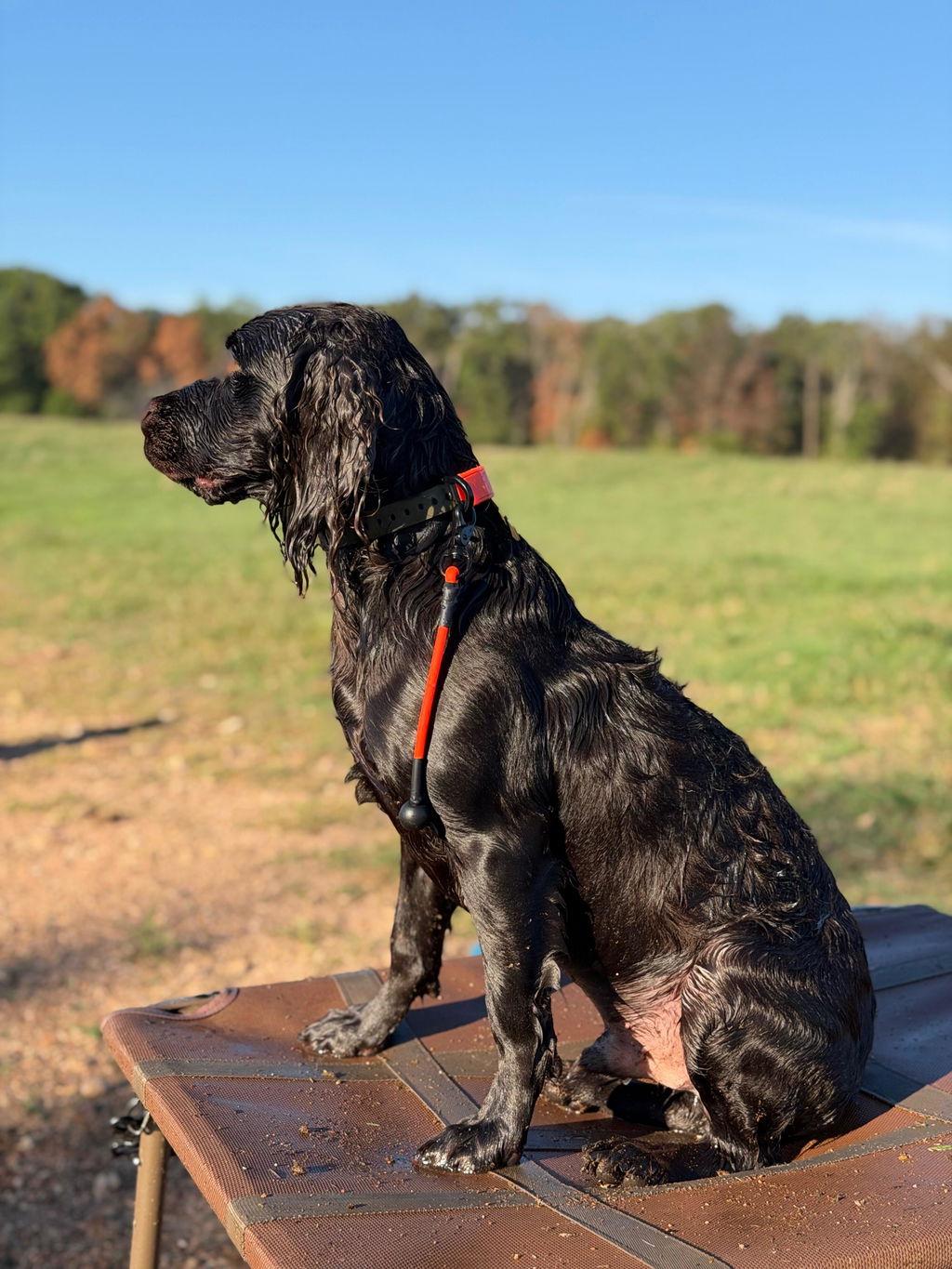
Brush, tall grass, vehicle loading, and campsite routines all expose weak collars quickly. A cleaner profile reduces snag points. If you choose a collar with a handle, keep it low-profile and use it for close control, not constant pulling.
Training and receiver-compatible setups
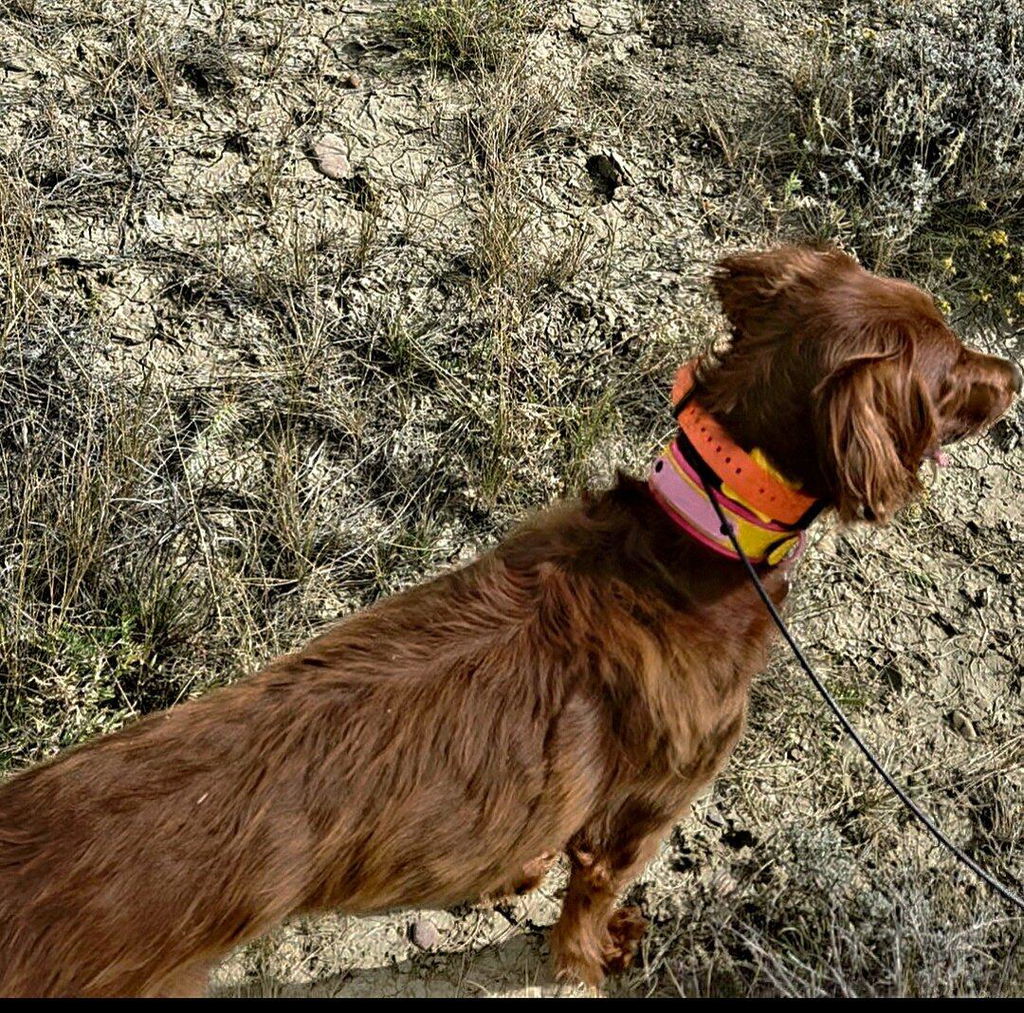
If your dog runs Garmin-style training or tracking gear, collar compatibility becomes part of the decision. The Training Collar Setup includes the Hoss D-Ring Dog Collar and Training Collar Adapter Kit; the Garmin device is sold separately.
Comfort vs Control
A collar can feel strong in your hand and still be wrong for your dog if it creates rubbing, heat, pressure, or constant irritation.
Width
Wider collars can feel steadier on larger dogs and can support hardware better, but too much width can become bulky on shorter necks. The best width gives control without rubbing the jawline, shoulders, or base of the neck.
Padding
Padding can feel comfortable, but it can also trap sand, dust, and moisture. If your dog spends time in water or mud, a simpler easy-clean build may be better than a padded collar that stays dirty.
Handles
A handle can help in tight spaces, vehicle loading, or close control. It can also snag in brush. Choose a handle only when you will actually use it, and keep the profile as clean as possible for field dogs.
Collar vs harness for pullers
If your dog hits the end of the leash hard, do not treat a collar as the only possible answer. Harnesses can move contact away from the neck, but they can also change pulling behavior. A 2021 Frontiers in Veterinary Science study on leash pulling found higher leash tension in a back-connection harness than a neck collar during a food-treat test, which is a useful reminder that gear and training have to work together.
Safety and Fit Checks
A strong collar should also be a safe collar. Before using any K9 dog collar, measure carefully, adjust the fit, and check how the dog moves in it.
Measure the neck
Use a soft tape measure around the part of the neck where the collar will sit. Measure twice. Leave enough adjustment range for coat changes, weight changes, and normal movement.
Use the two-finger check
The collar should be snug enough that it does not slide over the dog’s head or rotate constantly, but loose enough that you can fit two fingers under it without forcing them.
Re-check weekly
Dogs change. Coat thickness, weight, muscle, and training all affect fit. Re-check the collar once a week and after heavy field days.
Know when to ask your vet
If your dog has breathing issues, eye concerns, neck sensitivity, or a short muzzle, ask your veterinarian whether collar pressure is appropriate for your dog’s work and training routine.
K9 Collar Decision Table
Use this table to choose by job instead of buying the toughest-looking collar in the photo.
| Dog or Job | Prioritize | Best Hoss Path |
|---|---|---|
| Everyday strong dog | Comfort, stable leash attachment, easy fit checks | Premium Dog Collars |
| Field, duty, or hard-use routines | Weatherproof material, stronger handling feel, clean hardware | K9 Dog Collars |
| Wet, muddy, high-cleanup use | Rinse-clean construction and odor resistance | Weatherproof Dog Collars |
| D-ring preference | Secure leash connection and simple daily handling | D-Ring Dog Collar or D-Ring Dog Collar Collection |
| Garmin-compatible setup | Receiver fit, adapter compatibility, stable collar platform | Training Collar Setup |
Hoss Field-Use Check
Before you buy, match the collar to the part of the job that fails first in real life.
- If the collar gets dirty fast, prioritize weatherproof construction.
- If leash attachment matters most, compare D-ring placement and hardware feel.
- If the dog is large or high-drive, choose stable width without over-bulking the neck.
- If you need Garmin compatibility, confirm the exact module before buying.
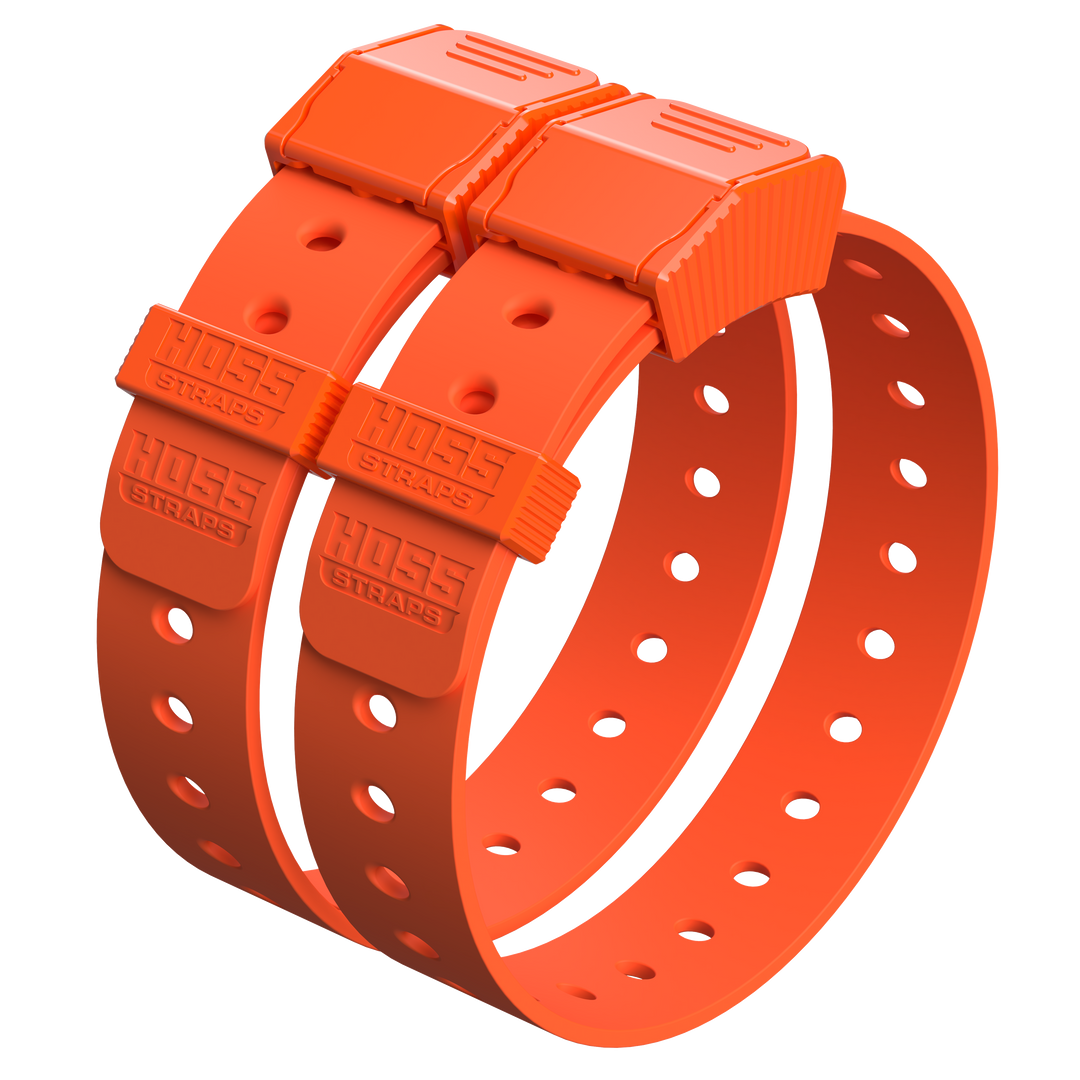
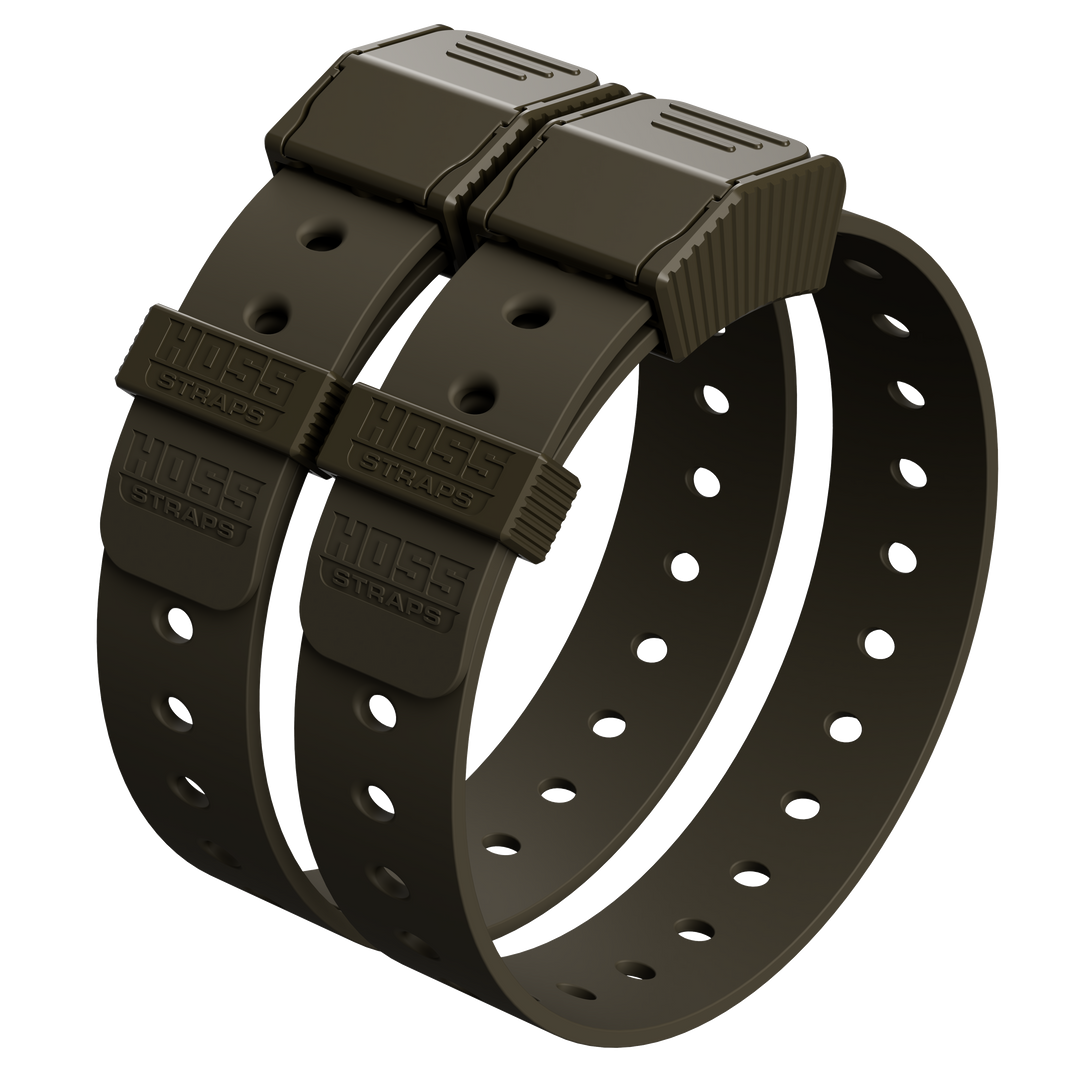
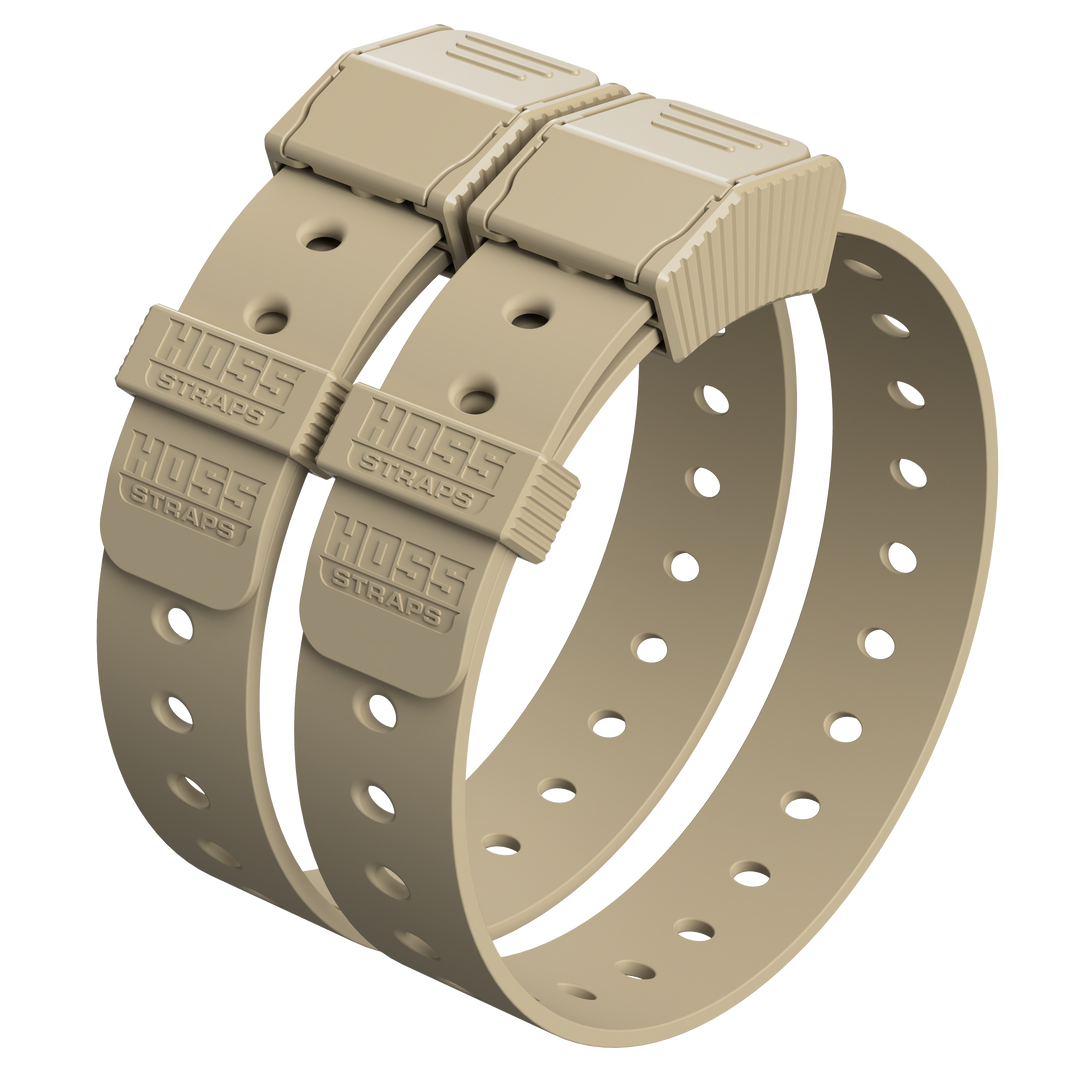
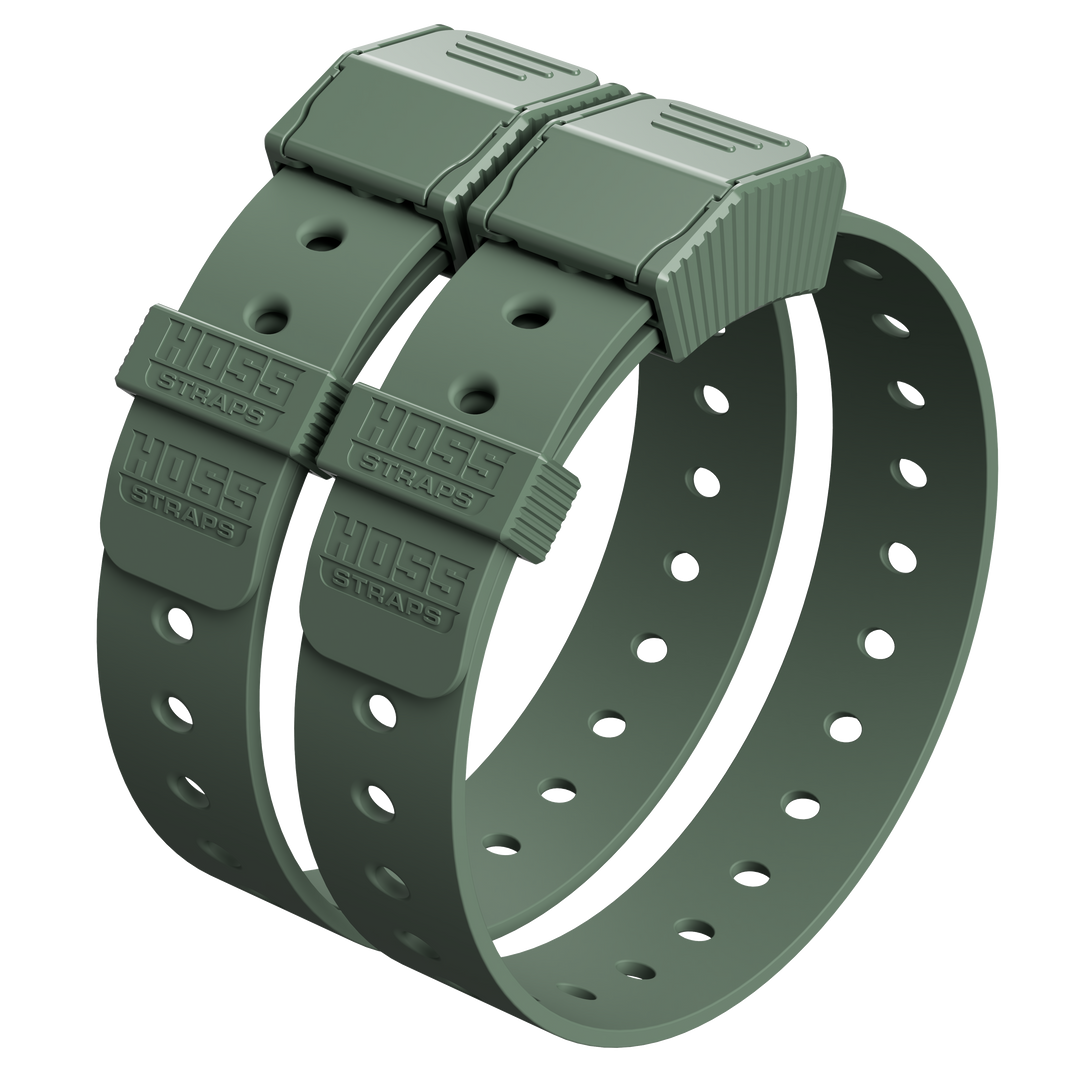
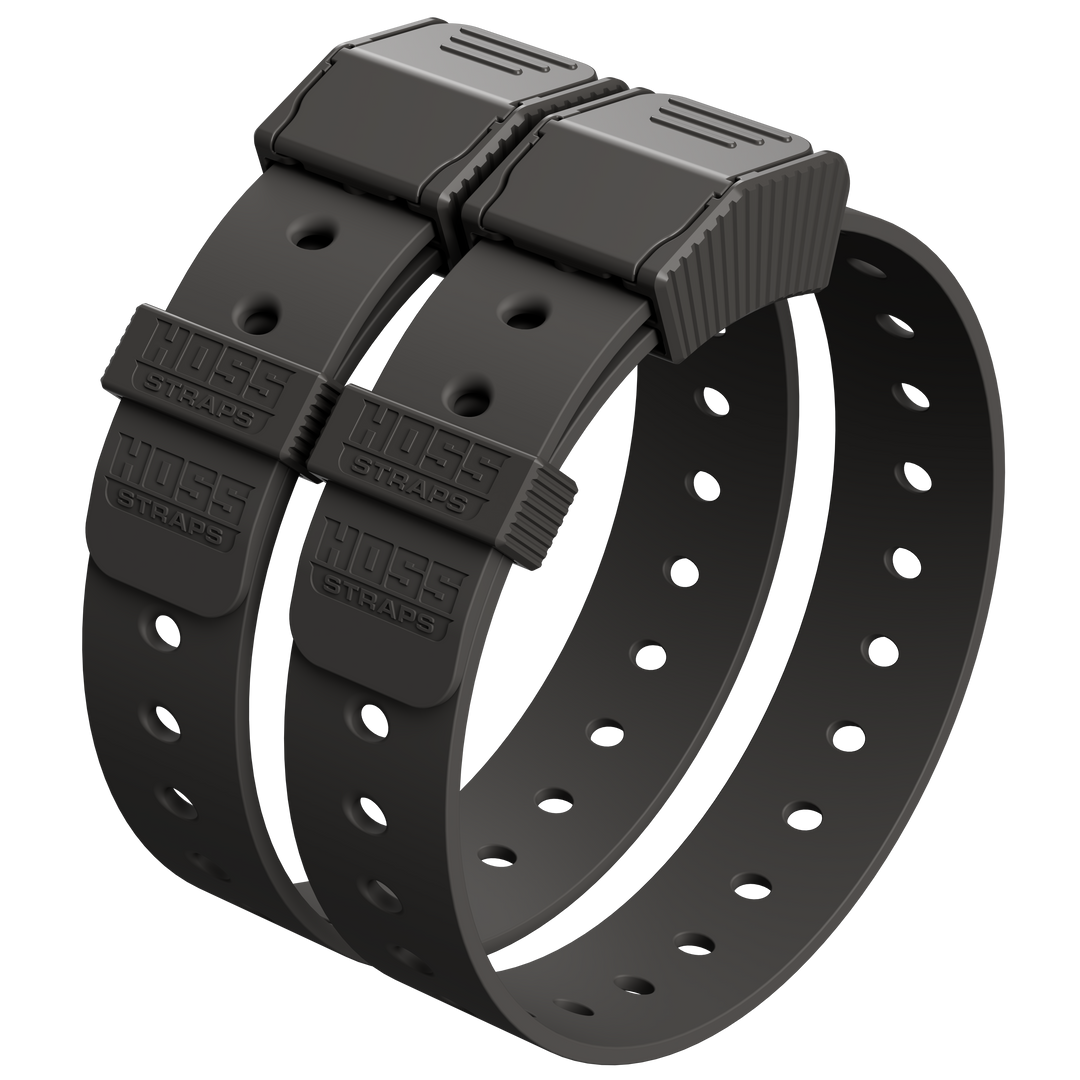
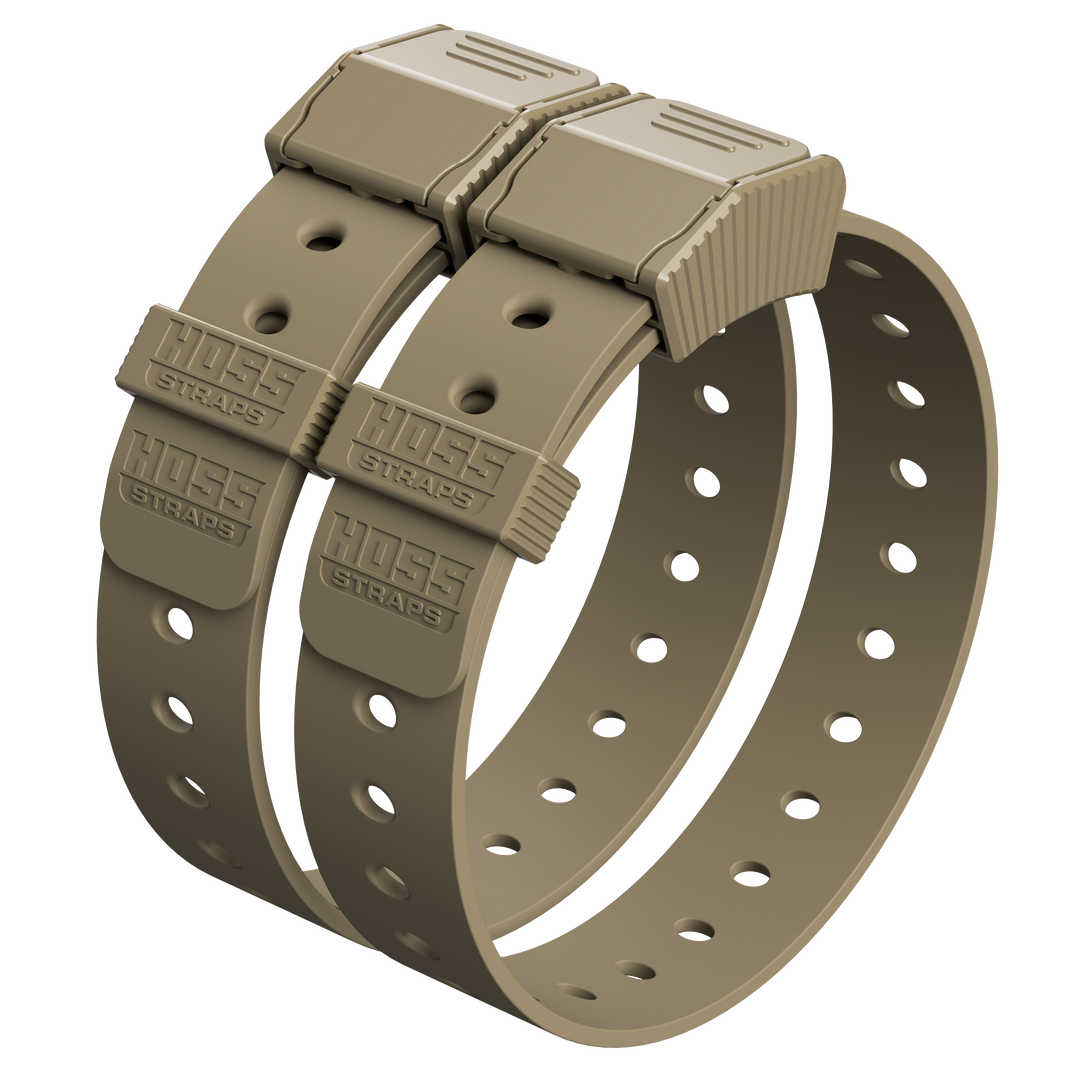
The Hoss D-Ring Dog Collar is 100% weatherproof, uses a 1 1/16-inch strap width, has quick-release handling, fits up to a 22-inch neck size, and works with Tractive GPS Trackers plus select Garmin training modules. The Training Collar Adapter Kit supports Garmin PT10, PT6, Sport Pro, Pro 550, and Pro 70; TT25 may require slight trimming.
Durability Checklist

Use this quick inspection list when comparing K9 dog collars online or in your hands.
- Material: Does it match your weather, terrain, and cleanup routine?
- Stitching: Are the stress points reinforced and clean?
- Hardware: Does the buckle close smoothly and does the D-ring feel solid?
- Edges: Are they smooth enough for repeated wear?
- Adjustment: Can you set a snug fit without slipping?
- Profile: Will the collar avoid brush, crate, or vehicle snag points?
Photo red flags include uneven stitching, thin rings on collars marketed for strong dogs, vague hardware claims, and no sizing guidance beyond small, medium, or large.
Shop the Right Hoss Setup
If you want a K9 dog collar built for real use, start with the job your dog actually does.
- Choose K9 Dog Collars for field, duty, and stronger handling routines.
- Choose Weatherproof Dog Collars for water, mud, odor control, and fast cleanup.
- Choose the D-Ring Dog Collar or D-Ring Dog Collar Collection when D-ring handling is the priority.
- Choose Premium Dog Collars for dependable everyday use.
- Choose the Training Collar Setup when compatible Garmin module mounting is part of the system.
Pick the collar, size it right, check it often, and put it to work.
FAQ
What is the difference between a tactical K9 collar and a regular dog collar?
A tactical or duty K9 collar is usually built around harder-use needs: stronger materials, reinforced stress points, more stable hardware, and better handling during field or training routines. A regular collar can be fine for daily wear, but it may not be built for strong pulling, rough ground, and repeated outdoor use.
Are wide collars better for strong dogs?
Wide collars can feel steadier on larger or stronger dogs, but wider is not automatically better. The collar still has to fit the dog’s neck, avoid rubbing, and stay comfortable during movement.
Should my dog wear a collar or a harness for pulling?
If your dog pulls hard, compare both options with your training plan in mind. A harness moves contact away from the neck, while a collar may give clearer leash communication for some handlers. The right choice depends on your dog’s body type, health, and training stage.
How tight should a K9 dog collar fit?
A K9 collar should be snug, not tight. You should be able to fit two fingers under the collar, but it should not slide over the dog’s head or rotate constantly during normal handling.
What hardware should I look for on a duty collar?
Look for a solid D-ring, a buckle that opens and closes cleanly, smooth hardware edges, and reinforced connection points. Clear product specs are a better sign than vague claims like tactical, heavy duty, or military grade.