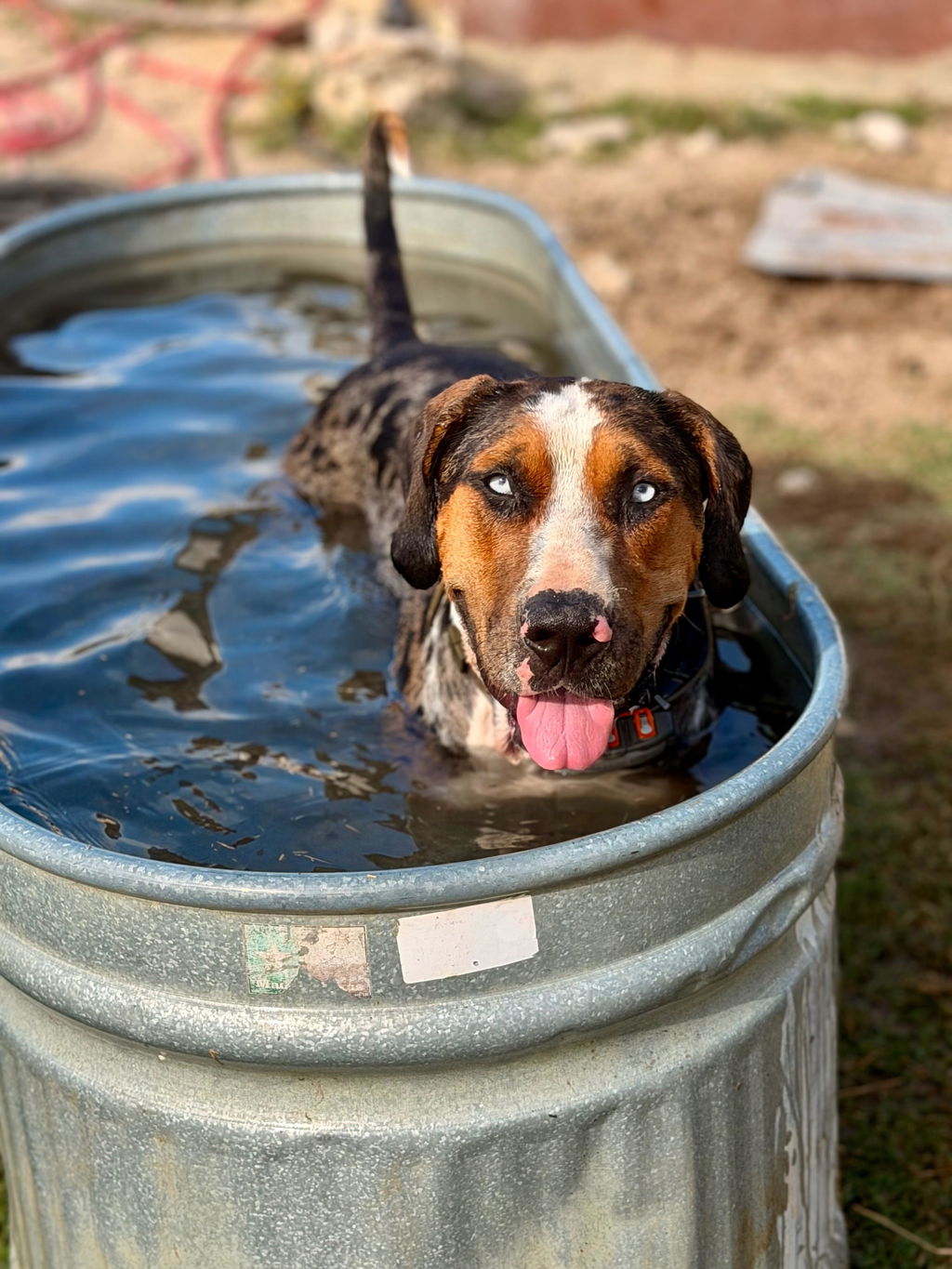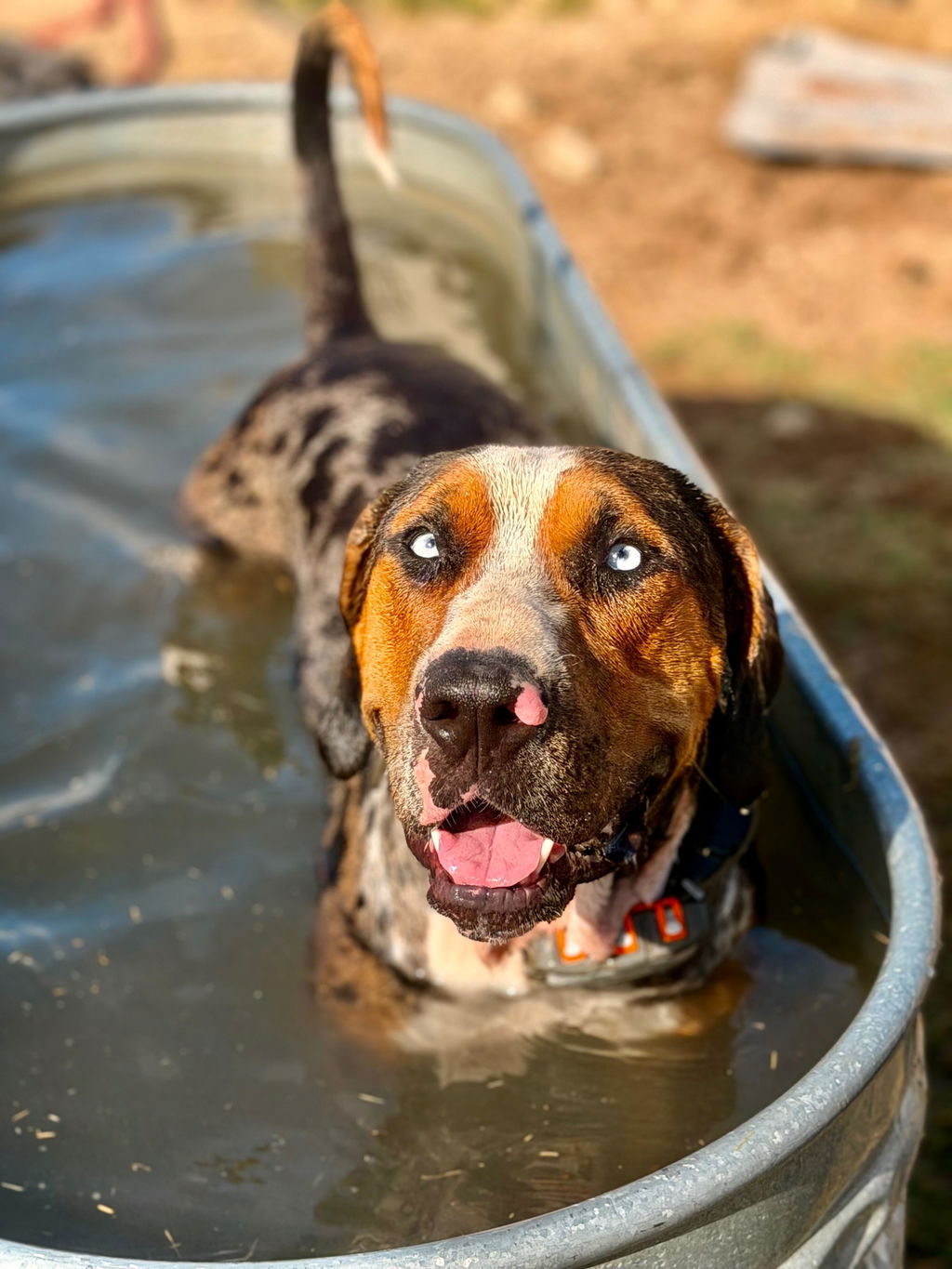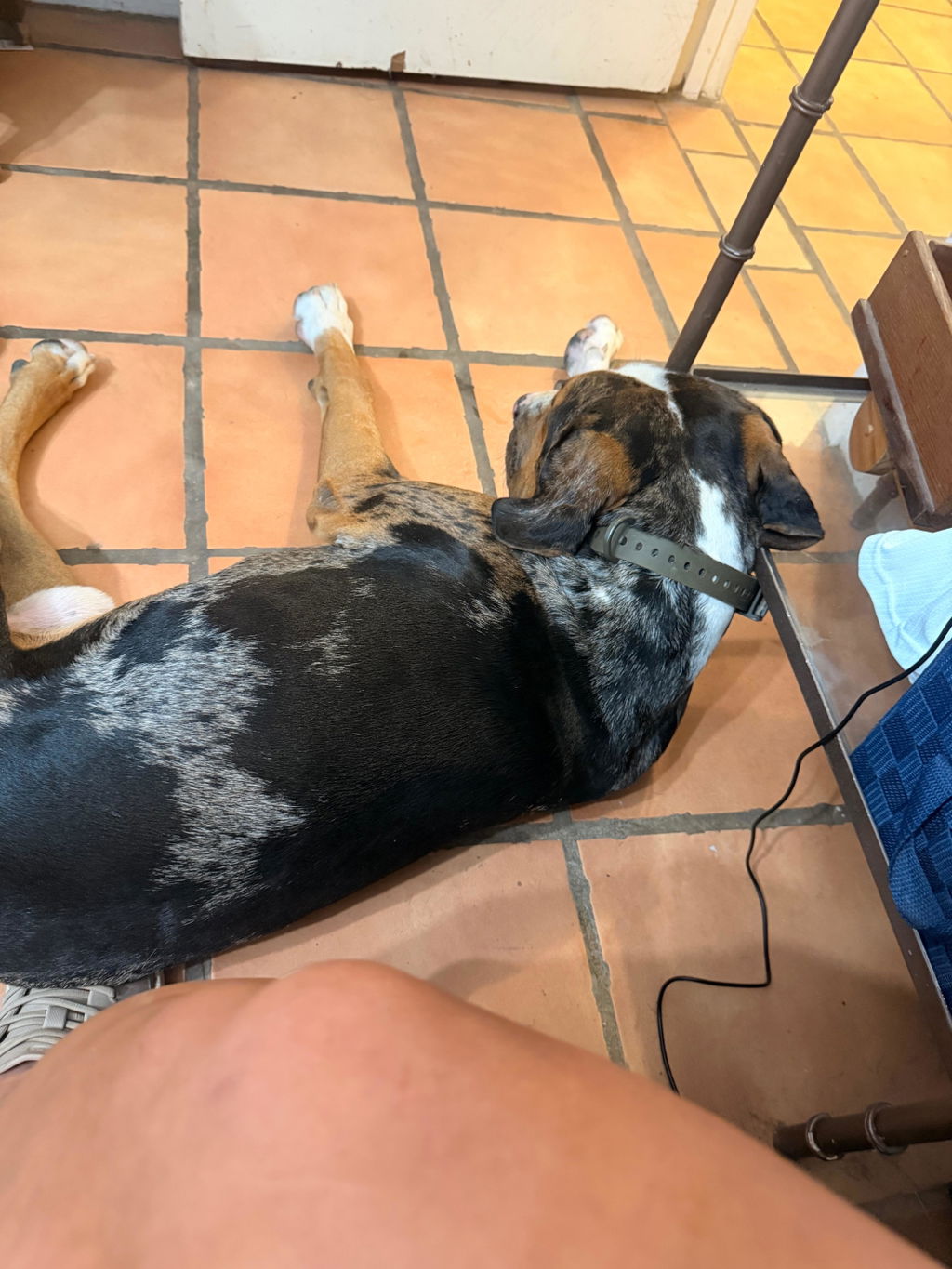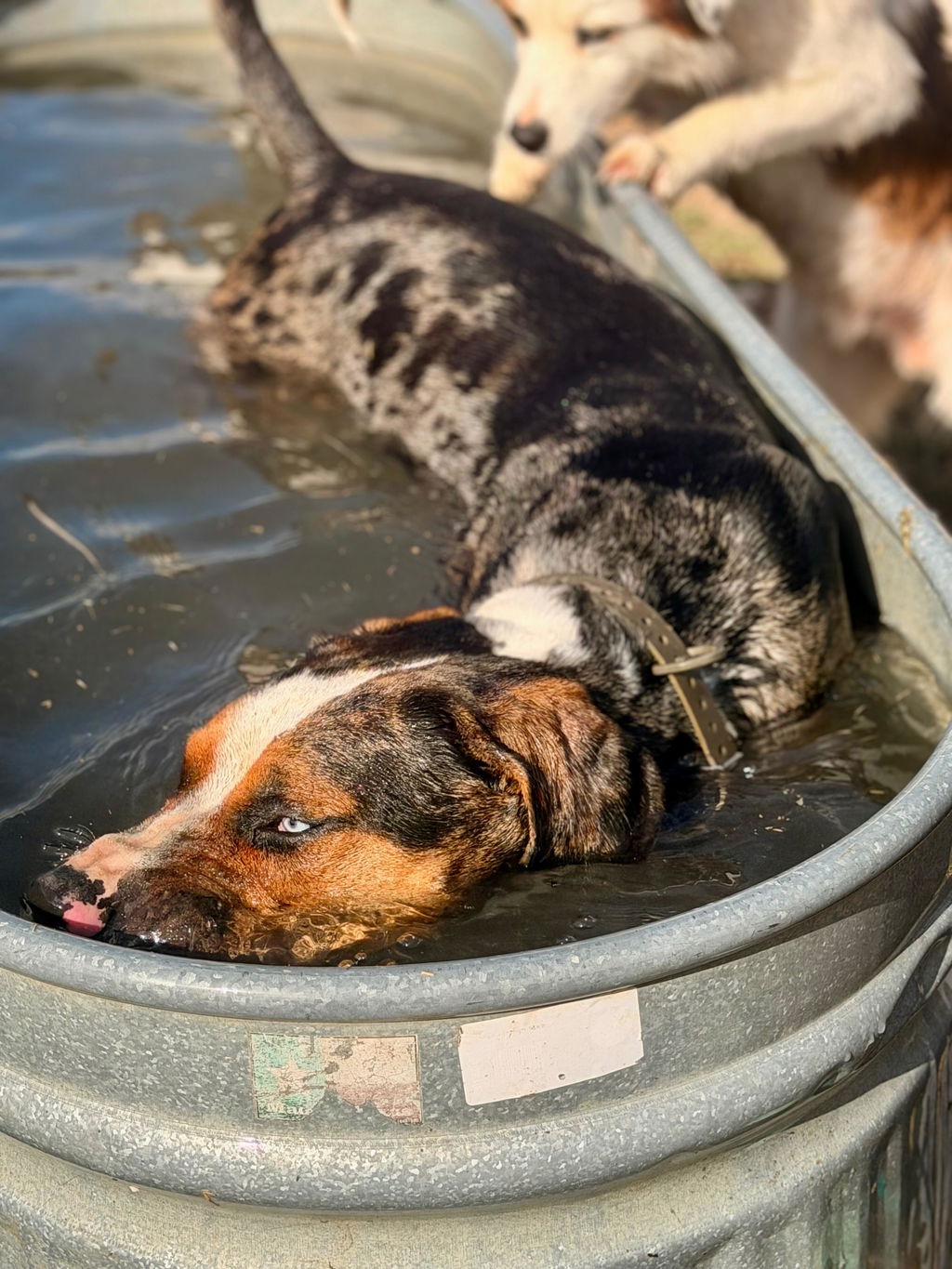



What Is the Best Dog Collar? A Practical Guide to Choosing One That Works

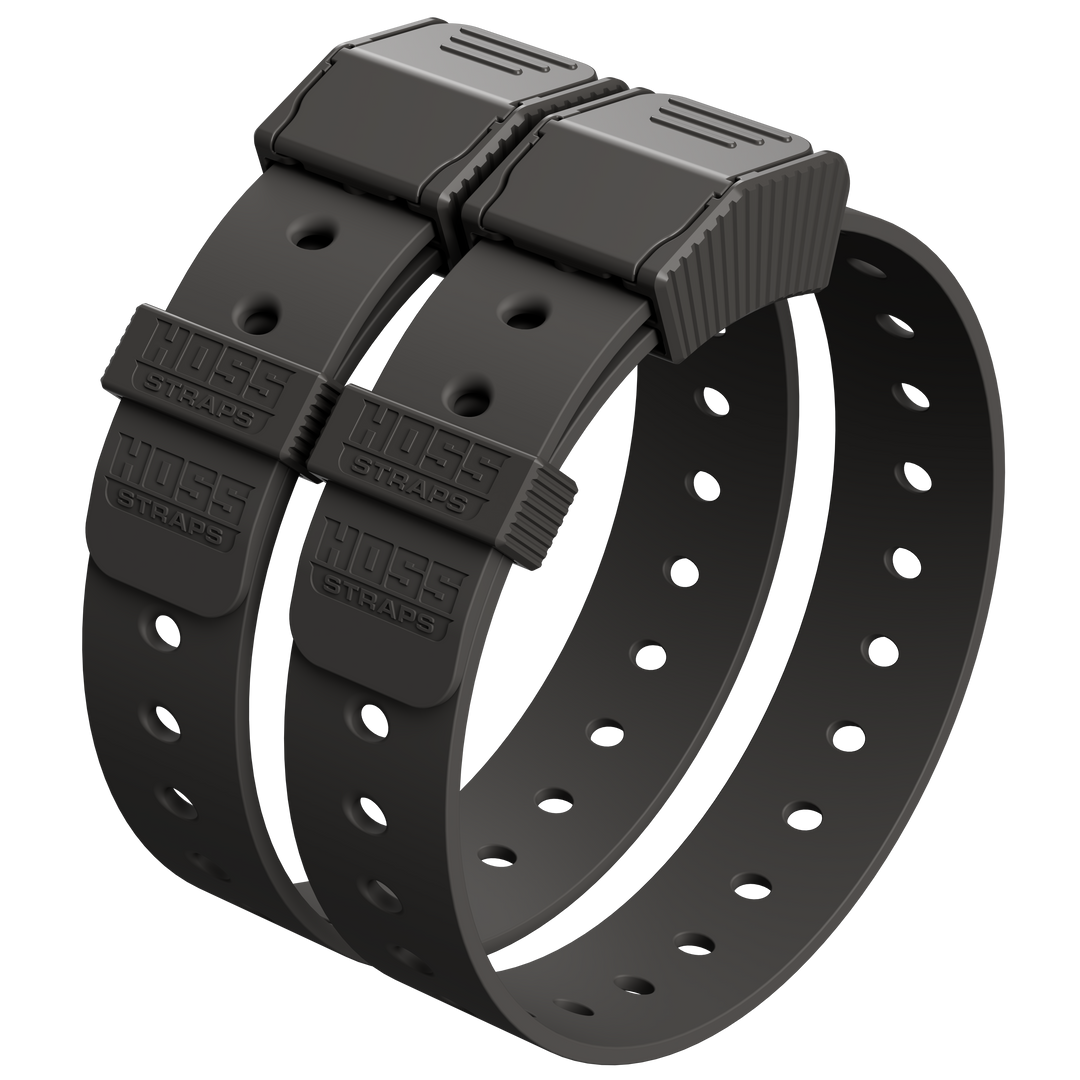
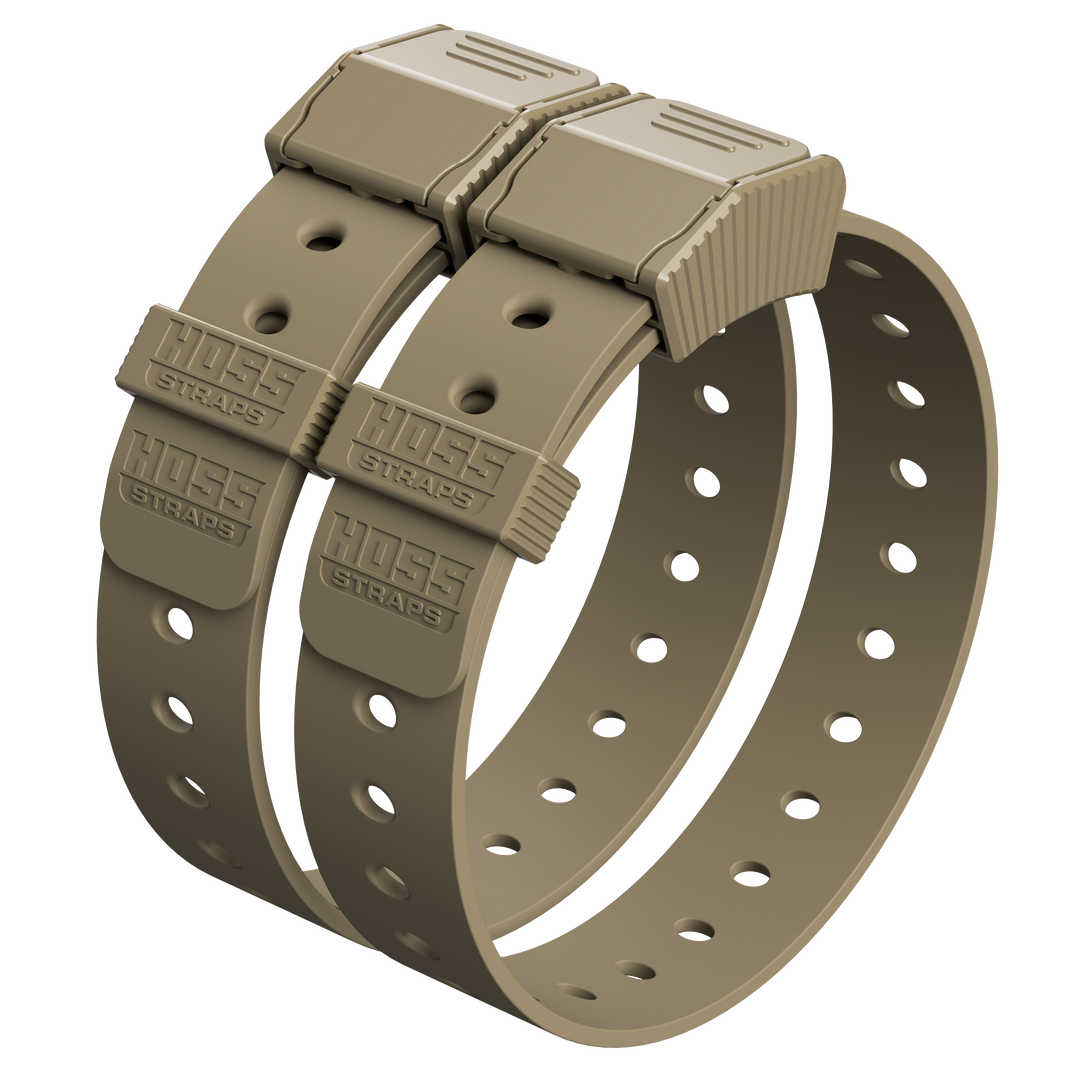
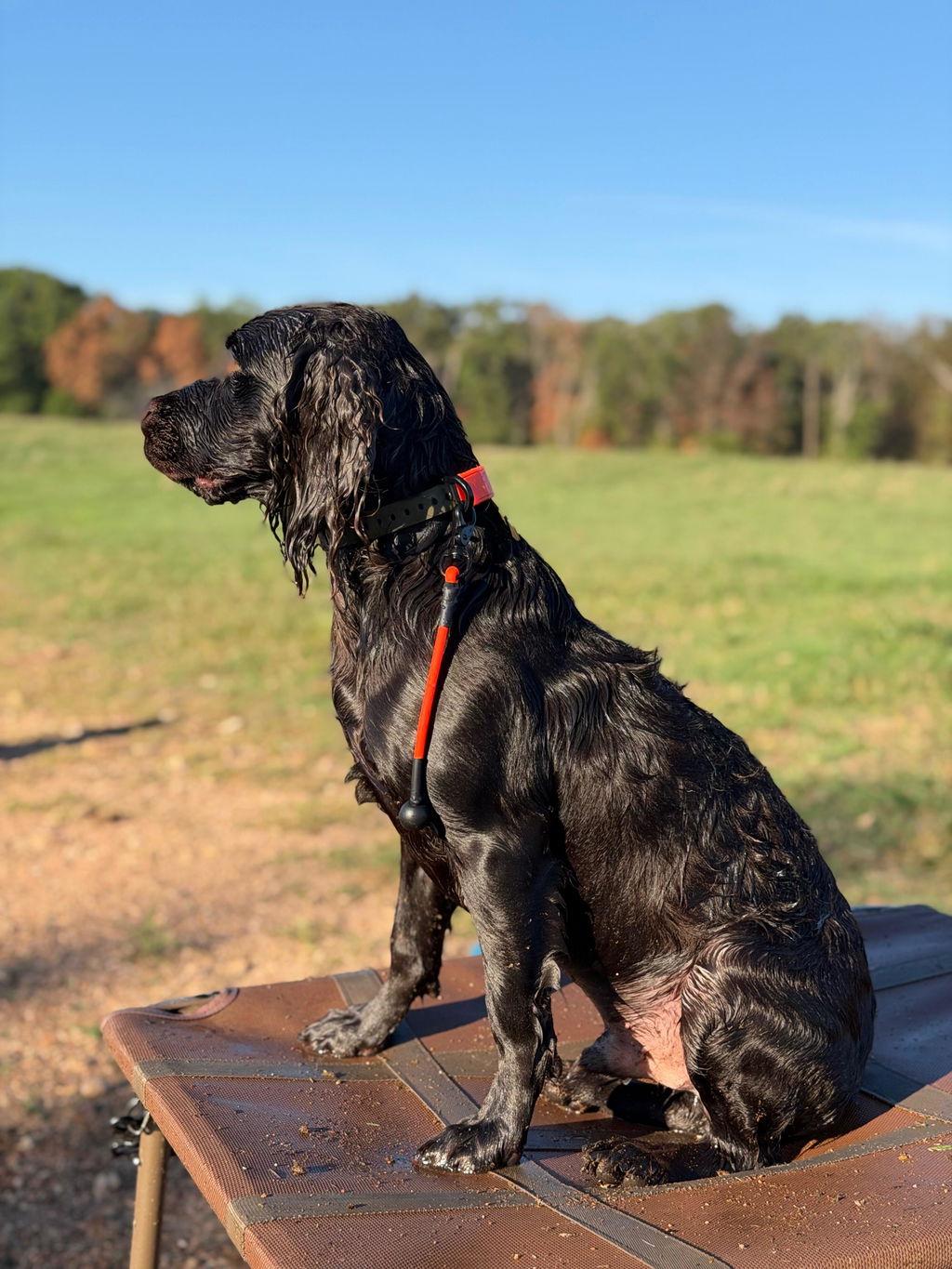
Check out our training collar setup, d-ring dog collar, easy dog collars, and more!
Your dog's collar is more than just an accessory—it's a tool for safety, identification, and control. Whether you're a first-time dog owner or a seasoned pet parent, choosing the right collar matters. The best collar for your dog depends on what you need it to do and how your dog lives day to day. Let's break down what makes a collar truly work for you and your furry friend.
Understanding What Makes a Collar "Best"
There's no single "best" collar that works for every dog and every situation. What's best depends on your dog's lifestyle, size, activity level, and your priorities as an owner. Some collars excel at providing safety during walks. Others shine when you need durability for an active outdoor dog. Still others prioritize comfort for dogs who wear them all day.
When evaluating a collar, think about a few core areas: safety features, durability, how easy it is to use, and whether it fits properly. Each of these factors plays a role in how well the collar will serve you and your dog over time.
Safety Features That Matter Most

Quick-Release Buckles: Emergency Access When You Need It
A quick-release buckle is designed to let you remove the collar fast by pressing the sides of the buckle, making it simple to unfasten during grooming, bath time, or if your dog needs to be freed quickly. What makes this feature valuable is that in an emergency situation, such as if your dog's collar gets snagged on something or if your dog needs to be quickly freed, the quick-release mechanism allows you to rapidly remove the collar, potentially preventing choking or injury.
This is different from a breakaway collar, which releases automatically under pressure. A quick-release collar won't automatically release if your dog's collar gets caught, providing additional security during walks or when it is on a leash. This makes it ideal for everyday wear when you want the collar to stay put but have the ability to remove it manually when needed.
The D-Ring: Secure ID Tag Attachment
A well-designed D-ring gives you a reliable place to attach ID tags—your dog's best chance at being returned if they get lost. Metal construction, ideally stainless steel or aluminum, means the D-ring won't rust or corrode even with regular water exposure. Proper positioning of the D-ring is important too; it should sit adjacent to the buckle so tags stay secure and don't slide around uncomfortably.
Proper Fit and Adjustability: The Two-Finger Rule
A collar should be snug but not constricting, and one simple way to test this is by checking if you can comfortably slide two fingers between the collar and your dog's neck. This is known as the two-finger rule, and it's the standard method trainers and vets recommend.
If you struggle to fit two fingers, the collar might be too tight, which could cause issues like skin irritation or difficulty breathing. On the flip side, if the collar is too loose, it could slip off. According to a 2021 report from the American Kennel Club, around 30% of pet owners have experienced their dogs escaping due to improperly fitting collars. Getting the fit right prevents escapes and keeps your dog comfortable.
Durability and Weather Resistance: Built to Last
Weatherproof Materials: No Smell, No Mold
Waterproof dog collars are specially designed to withstand wet conditions and are made from durable materials that resist water, dirt and odors. This matters more than you might think.
Collars made of absorbent materials will absorb water, dirt and grime easily, creating ideal conditions for yeast or bacterial growth, potentially leading to irritation, odors and skin infection. Waterproof collars solve this problem. Waterproof materials resist bacteria and mold growth, promoting better hygiene for your pet.
Hardware Quality and Long-Term Value
Waterproof collars are resistant to fraying, stretching and fading, ensuring they maintain their quality even after numerous outdoor escapades. Better hardware means fewer replacements over time, which saves you money in the long run.
All you need is a damp cloth to remove dirt and grime or a quick rinse in the sink—no special cleaning products needed. This low-maintenance approach is practical for any dog owner but especially valuable if you have an active dog who spends time outdoors regularly.
Ease of Use for Daily Life

Quick On and Off Design
A collar that clicks into place and releases easily makes daily life simpler. Whether you're getting your dog ready for a walk, removing the collar for a bath, or transitioning between activities, a smooth on-and-off experience matters. The quick-release buckle allows for fast and easy removal and attachment of the collar, saving time and effort compared to traditional buckle collars.
Adjustable Sizing That Grows With Your Dog
Quick release collars often come with adjustable straps, allowing you to easily customize the fit for your dog. This is especially important for growing puppies or if your dog's weight changes. Many pet owners look for adjustable everyday dog collars because the adjustable nature of the collar can accommodate a dog's growth, reducing the need for frequent collar replacements.
Compatibility With Modern Tracking Technology
GPS trackers and training modules are becoming more common for dog owners who want extra peace of mind. GPS dog trackers have become increasingly popular for pet tracking, offering a range of features including geofencing, real-time tracking, activity monitoring, health insights, and even social community rankings.
The right collar design ensures these devices work smoothly. By monitoring a pet's movement patterns, exercise levels, and even sleep quality, GPS dog collars empower owners to make informed decisions regarding their pet's well-being. This compatibility is especially valuable for dogs who spend time off-leash in open areas or for active dogs whose owners want to track their daily activity levels.
How to Choose the Right Collar for Your Dog
Measure First
Accurate sizing prevents most collar problems. Using a soft measuring tape, wrap it around the base of your dog's neck where the collar will sit, ensuring that the tape is snug but not tight, mirroring the fit of the collar. Once you have the measurement, add an inch or two, depending on your dog's size. Different brands may have different sizing, so always measure before ordering.
Consider Your Dog's Lifestyle
An office dog with short walks has different needs than a hiking companion or a dog who spends time in water. Think about where your collar will go and what it needs to endure. Does your dog swim? Spend time in rain or mud? Play roughly with other dogs? Does your dog pull on the leash? These questions help narrow down which features matter most.
Prioritize What Matters Most
Create your own checklist: Does this collar have a quick-release buckle? Is it weatherproof? Can I adjust it as my dog grows? Does it have a secure D-ring? Will it work with the GPS tracker I want to use? Check off the features that align with your priorities and your dog's needs.
Find the Perfect Collar for Your Dog
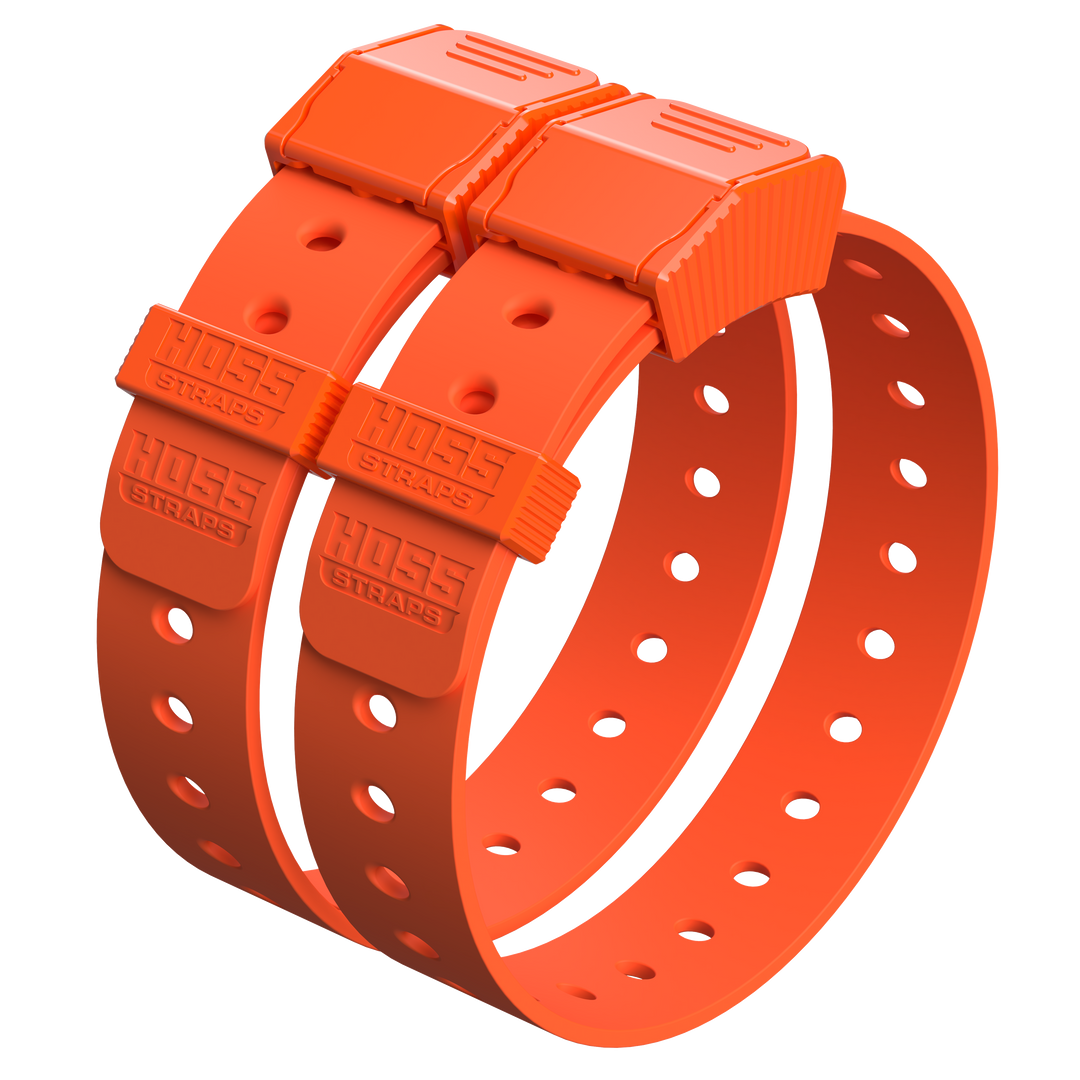
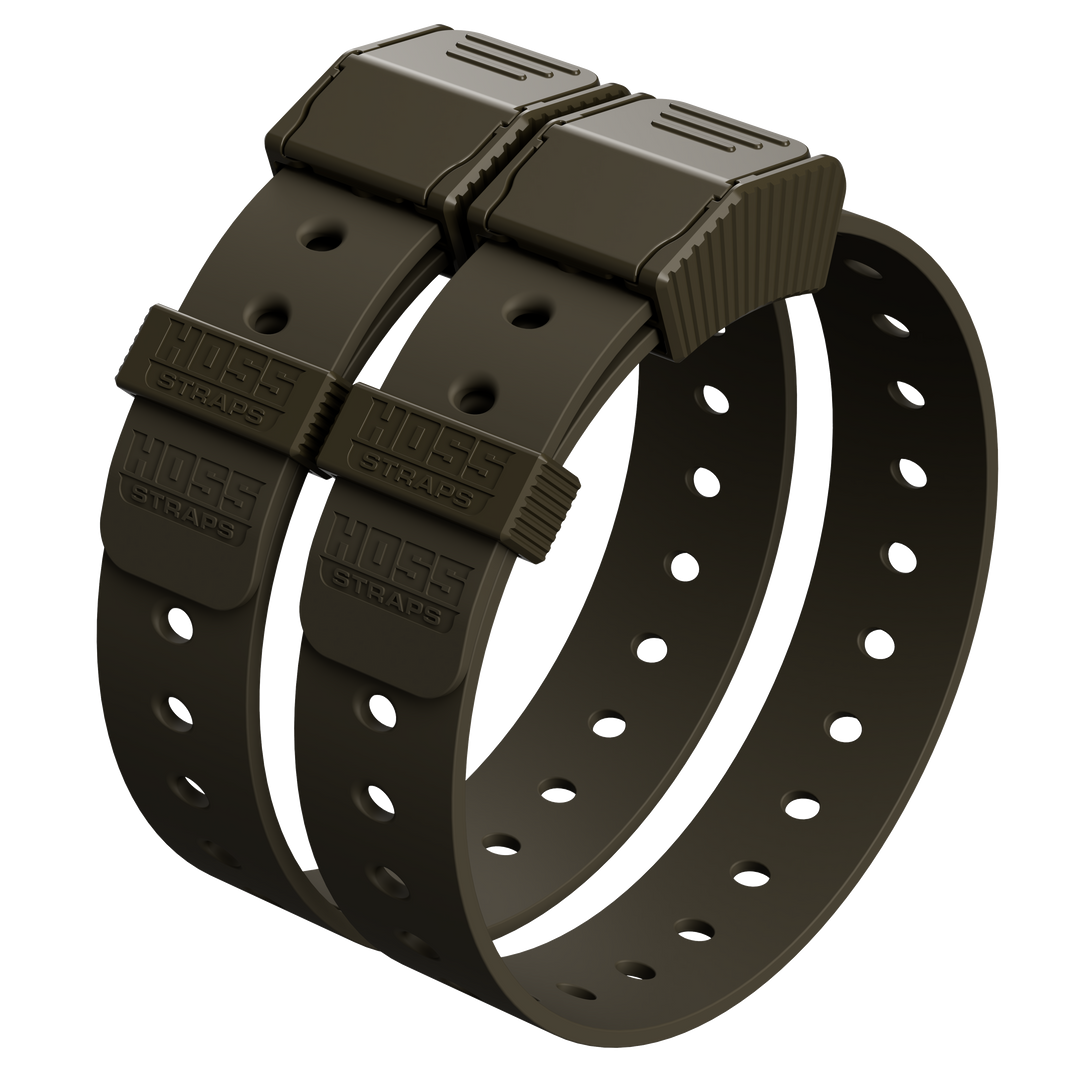
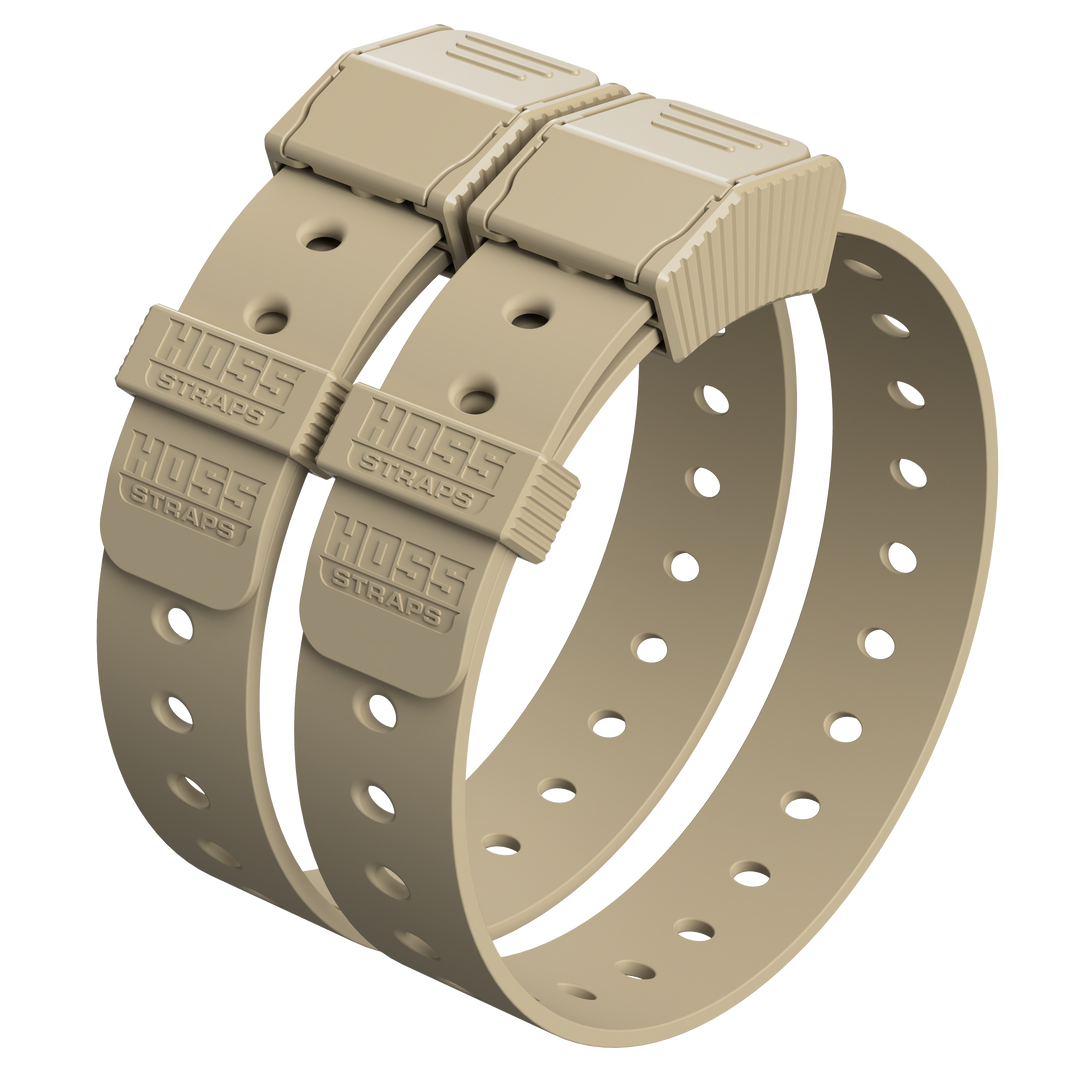
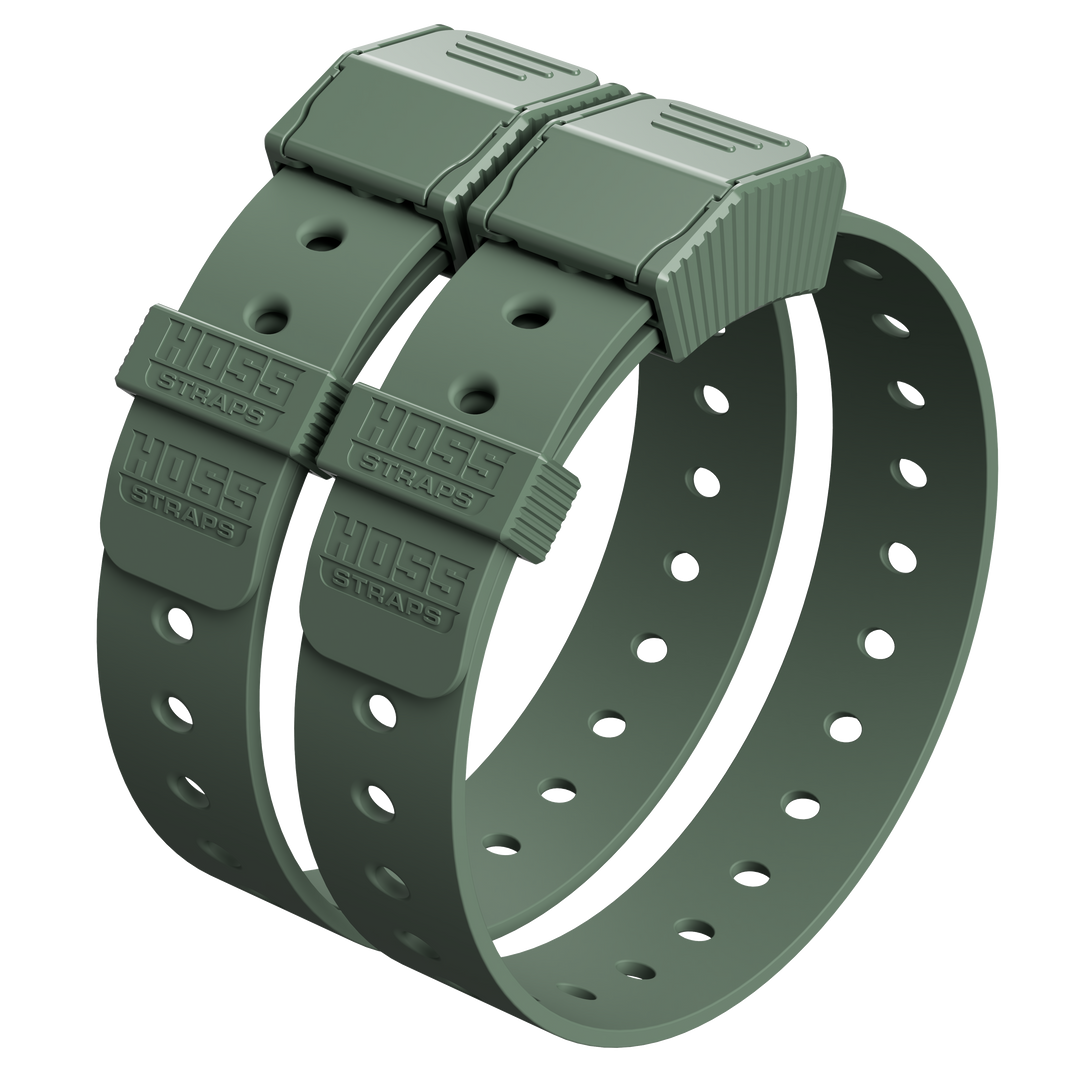
Check out our training collar setup, D-ring dog collar, the field setup 3 pack, and more! Shop now and get the perfect fit for your pup today!
Frequently Asked Questions
1. How tight should a dog collar be?
You should be able to slide two fingers comfortably between the collar and your dog's neck. This ensures it's snug enough to stay in place but loose enough that your dog can move and breathe naturally without discomfort or risk of choking.
2. What's the difference between quick-release and breakaway collars?
A quick-release collar is designed for ease of use and manual removal and won't automatically release if your dog's collar gets caught, providing additional security during walks or when it is on a leash. A breakaway collar is designed to release automatically when pressure is applied, such as when a pet gets caught on something like a fence or branch. Quick-release is better for everyday wear; breakaway is better for unsupervised outdoor time.
3. Are weatherproof dog collars better than traditional materials like leather?
Waterproof collars are resistant to fraying, stretching and fading, ensuring they maintain their quality even after numerous outdoor escapades, and all you need is a damp cloth to remove dirt and grime or a quick rinse in the sink. If your dog spends time outdoors or gets wet regularly, weatherproof materials require less maintenance and last longer than untreated leather or cotton collars.
4. How often should I check my dog's collar for wear?
Regularly checking the collar's fit helps prevent issues like tight collars or collars that are too loose. Inspect the collar at least once a week for fraying, damage, or signs of wear. As your dog grows or if they gain or lose weight, adjust the fit accordingly. Replace the collar if you notice damage that could compromise its safety.
5. Can I use a regular collar with GPS trackers?
Not all collars are compatible with all GPS trackers. Before buying a collar, check whether it has the attachment points or design that your chosen GPS device requires. Some GPS trackers are designed to work with specific collar types, so verify compatibility before making your purchase to ensure the system works as intended.