


Use Hoss Gear Straps Only
for Approved Jobs
Use Hoss Gear Straps Only
for Approved Jobs
for Approved Jobs

Hoss gear straps are made to hold, bundle, and organize everyday gear within the current product instructions. They are not lifting, towing, recovery, climbing, fall-protection, human-restraint, or life-safety equipment.
Choose equipment specifically rated for the job whenever a failure could injure someone, release cargo into traffic, damage a vehicle, or leave a load suspended.

A compact route with the buckle left visible and easy to reach.

The strap body follows the object while the selected hole sets the closed position.
Use Hoss gear straps for ordinary holding, bundling, and organization jobs that match the product instructions: cords, cables, tool kits, first-aid kits, dry bags, fishing gear, camping gear, boat accessories, and similar everyday equipment.
Before fastening, place the gear where it will be used, choose a stable anchor, measure the full route, and keep the strap flat. The buckle should close normally, stay easy to reach, and remain away from sharp edges, heat, moving parts, controls, and pinch points.
A photo or customer example shows one setup; it does not approve every load, anchor, vehicle, speed, or condition. Read how Hoss gear straps work before using a new route.
Do not lift or suspend a load. Hoss gear straps are not slings, hoists, rigging, or overhead-lifting equipment. Never stand or work beneath a load held by a gear strap.
Do not tow or recover a vehicle. Towing and vehicle recovery can create sudden, shock-loaded forces. Use recovery or towing equipment rated for the vehicle, connection points, and method.
Do not climb, arrest a fall, or support a person. A Hoss gear strap is not climbing gear, fall protection, a safety tether, a seat belt, a harness, or human-restraint equipment.
Do not use a gear strap as an animal restraint. Gear straps are not collars, leashes, tie-outs, or life-safety devices. Use the correct Hoss product and follow its specific instructions.
Do not use one as regulated cargo-restraint equipment. A gear strap is not a substitute for a ratchet strap or another restraint rated for the applicable truck, trailer, highway, marine, or commercial load.

The 12-inch size is made for shorter routes and compact gear.

The 24-inch size provides more reach for larger gear and longer anchor paths.
Hoss product pages show gear-organization uses in trucks, boats, and UTVs. That does not turn a gear strap into certified towing, recovery, tie-down, or primary cargo-restraint equipment.
Use the vehicle or equipment maker's required cargo system whenever movement, speed, wind, vibration, collision risk, or applicable rules make rated restraint necessary. Keep every load away from steering, pedals, controls, engines, propellers, wheels, hot surfaces, and emergency equipment.
If you are unsure whether a vehicle setup is within scope, do not rely on the strap until Team HOSS has reviewed the exact gear, anchor, route, and travel conditions.
Current Hoss 12-inch and 24-inch gear strap product pages display a 75 lb Working Load. Treat that number as a use limit within the current Hoss product instructions—not as the weight at which a strap will break and not as approval for a particular high-risk job.
Do not add working-load numbers together because you use two straps. Do not assume connected straps, a different buckle position, a knot, a sharp edge, an angled load, or a shock load has the same limit. More reach is not more rated capacity.
Working load and breaking strength answer different questions. For more detail, read Working Load vs Breaking Strength.
Strap body: Check the full length for cuts, cracks, tears, deep gouges, melted areas, chemical damage, or permanent deformation.
Adjustment holes: Look for holes that are torn, stretched, split, or distorted. Use only an undamaged hole that lets the buckle close normally.
Buckle: Check for cracks, chips, deformation, trapped debris, or a buckle that does not close and release normally. Never force or pry it with a tool.
Anchor and route: Make sure the anchor is stable and the strap cannot slide onto a sharp edge, hot surface, moving part, control, or pinch point.
Complete setup: Support the gear, fasten the buckle fully, and give the route a light hand check. Recheck after the load, anchor, weather, or route changes.
Set the strap aside if it is cut, cracked, torn, deeply gouged, melted, chemically damaged, permanently deformed, or has a damaged adjustment hole or unreliable buckle. Also stop after a known overload, hard impact, unapproved modification, or any event that may have hidden damage.
Cleaning removes dirt; it does not repair damage or restore capacity. If you cannot tell whether a mark is cosmetic or structural, do not guess. Take clear photos and ask Team HOSS before using the strap again. See the Hoss FAQs for current care guidance and the Hoss warranty for coverage and claim instructions.
No. Do not lift, suspend, hoist, or support an overhead load with a Hoss gear strap.
No. Do not use Hoss gear straps for towing, trailer connection, winching, snatch recovery, or vehicle recovery. Use equipment rated for the exact job.
No. Hoss gear straps are not climbing, fall-protection, harness, seat-belt, tether, or human-restraint equipment.
Do not use a Hoss gear strap as a substitute for the primary cargo-restraint equipment required for a truck, trailer, highway, marine, or commercial load. Ask Team HOSS about the exact setup before relying on a gear strap around moving equipment.
No. Working load is a stated use limit within a defined scope; breaking strength is a failure result from a particular test. One should not be substituted for the other.
Remove it from service. Do not repair, modify, or keep using a strap when the strap body, adjustment holes, buckle, or condition is uncertain.
Send Team HOSS a photo of the gear, the anchor point, the full strap route, and a short description of where the setup will be used. Contact HOSS with your use question before relying on an unfamiliar setup.
To compare current sizes and pack options, visit the Hoss Gear Straps collection.
Ordering process is user friendly. Sent an email about the next available time the Hoss Pro field collar would be available. I was responded to within the same business day with the spot on information. I have purchased 10 of the collars now each process has been smooth.
My strap broke out in the field where the dog collar connectors are and I immediately reached out via email to hoss straps about the warranty. I kid you not within 3 minutes of sending the email I received a confirmation email saying that the replacement adapter was ordered and on its way then 3 minutes after that someone from customer service replied to the email saying they would happily warranty it. Best customer service I have experienced to date.
It fits my dogtra 1900X perfectly and is easier to put on my dog than the original one I had.
Love the collars bought 2 for my dogs and one for my breeder to try. The only thing I’m disappointed about is I didn’t wait a week to get collars without the adapter kits I think I would like those much more!
Fast shipping and a great product.
Thank you! Glad we could get it to you quickly and even happier to hear you’re pleased with the product. We appreciate the support!
– Team HOSS
It doesn’t take long if you know what you want. Everything is spelled out for you to easily understand.
Thank you! We’re glad to hear the site was clear and easy to navigate. We really appreciate your support!
– Team HOSS
Amazing!
Thank you! We really appreciate it and are glad you’re loving it!
– Team HOSS
Online order was simple and delivery was quick!
Thank you! Glad to hear the ordering process was quick and easy. We really appreciate your support!
– Team HOSS
Been using the collar and garmin attachment a little less than a year. Love how easy it is to put on and how it looks on my dog. Recently had one of the attachments break. Contacted hoss and instantly got a response saying a replacement is on the way. Cannot beat the product and great customer service! #TeamHoss
Thank you for the great review and for running HOSS for nearly a year! We’re glad you’re loving the collar, and even happier we could get you taken care of quickly when the attachment broke. We stand behind our gear and our customers. We truly appreciate your support! #TeamHOSS
Let me start by saying the Hoss dog collar is a well built, durable and light weight collar that we’ll have for a long time. But more impressive is their customer service. I emailed them today with some feedback about their collar, and they literally responded within thirty minutes providing me with a solution.
Keep up the good work guys, you’ve earned a customer for life.
Thank you for the incredible review! We’re glad you’re loving the quality and lightweight design of your HOSS collar, but hearing this about our customer service means even more. We believe in standing behind our products and taking care of the people who trust us with their gear. We truly appreciate your support and are grateful to have you as part of Team HOSS!
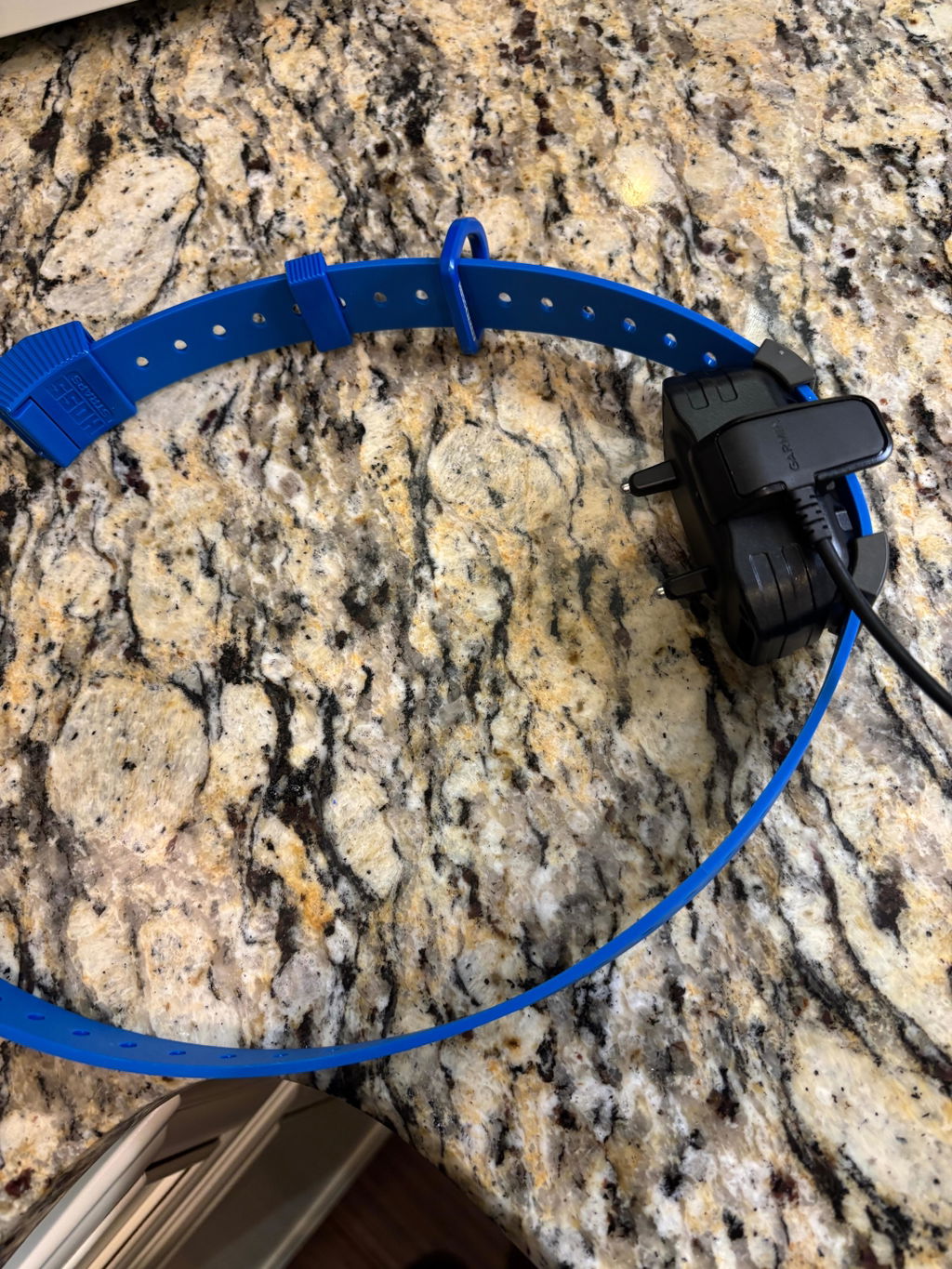
I bought to replace standard strap on my Garmin E-Collar. Works perfectly and much easier to put on and take off of my dog. With the different color choices, one can customize for different looks.
Thank you for the great review! We’re glad your HOSS strap was an easy upgrade for your Garmin E-Collar and is making the daily on/off much easier. And we agree—the color options are a great way to customize your setup or keep multiple dogs organized. We truly appreciate your support!
Hoss Straps makes everything easier regarding my Garmin e-collars. Love all their products!
Thank you for the great review! We’re glad HOSS is making your Garmin e-collar setup quicker and easier to use. We truly appreciate your continued support and are grateful to have you running HOSS!
Shipping was quick
Thank you for the review! We’re glad your order arrived quickly and appreciate you choosing HOSS. Thanks for your support!
Awesome customer service when I had a question! Quick to answer and incredibly helpful
Thank you! We're glad we could help and appreciate you taking the time to share your experience. Thanks for your support and for being part of Team HOSS!
Top notch customer service
Thank you! We really appreciate your support and are glad you had a great experience with our team. Thanks for being part of Team HOSS!
Well ran business! Definitely will order again and outstanding customer service!
Thank you for your support! We're thrilled to hear you had a great experience. We truly appreciate your business and look forward to your next order. Thanks for being part of Team HOSS!
The collar arrived quickly, packaging excellent.
Thanks so much! We're glad your order arrived quickly and that you were happy with the packaging. We appreciate your support and hope you enjoy your new collar. Thanks for being part of Team HOSS!
Great product, better customer support!
Thank you so much! That means a lot to us. We work hard to build products that last, but we also believe standing behind them is just as important. We truly appreciate your support and look forward to serving you again!
I had an issue with a both collars for my crazy Malinois and they fixed it no questions asked. Highly recommend!!!
Thank you so much for the review! We know Malinois can put gear through some serious testing, so we're glad we could get you taken care of quickly. We stand behind our products and believe customer service should be just as dependable as the gear itself. We truly appreciate your recommendation and your support!
Easy and quick
Thank you! That's exactly what we aim for. We're glad your experience was easy and quick, and we appreciate you taking the time to leave a review. Thanks for choosing HOSS!
Some of the best gear out there. We got the seafoam green training collar for our spaniel, and it’s been a total game changer. She’s super wiggly with long ears, which makes traditional buckle systems a struggle—but HOSS Straps makes getting it on quick and hassle-free for everyone.
The material is both durable and comfortable, perfect for all our adventures. Plus, being able to simply rinse it off is a huge bonus. We’re already looking forward to adding more HOSS products to our collection.
Thank you so much for the incredible review! We're thrilled to hear the Seafoam Green training collar has been such a game changer for you and your Spaniel. Making the collar quick and easy to put on—even with excited, wiggly dogs—was exactly what we set out to accomplish.
We're also glad you're enjoying the durability and the easy-clean Biothane. It's built to handle muddy days, water, and everything in between. Thank you again for your support, and we can't wait to help you grow your HOSS collection!
How’s straps are amazing! MyK9 partner has destroyed everyE-collar strap including hoss straps (not their fault my dog should be a Navy Seal not a Sheriff. Their product is amazing but the customer service is even better. Not only did they replace the part my dog broke (not their fault) but they gave me an opportunity to test their new pro series collar.So far my dog has not been able to defeat this buckle. If you are military, law enforcement or jus have a psycho dog but need a reliable collar that is consistently where it needs to be and functions as needed when you need it Hoss Straps in the product for you!
Thank you so much for the incredible review—and thank you for your service.
We got a good laugh out of your 'Navy SEAL, not a Sheriff' comment! Dogs like yours are exactly why we continue to improve and push our products even further.
We really appreciate you helping us test the Pro Series, and it's great to hear it's holding up to one of the toughest real-world tests we could ask for. Feedback from military and law enforcement professionals is invaluable as we continue refining our gear.
Thank you again for your support, your trust, and for taking the time to share your experience. It truly means a lot to our entire team.
Shipping was on time and arrived in great condition
Thank you! We're glad your order arrived on time and in great condition. We appreciate you choosing HOSS and hope your gear serves you well for years to come. Thanks again for your support!
Works great. Easy install for Garmins!
Thank you! We're glad to hear the installation was easy and that it's working great with your Garmin. We designed the system to make setup quick and hassle-free while keeping your receiver securely in place. We truly appreciate your support and thank you for choosing HOSS!