


Working Load Limit vs Breaking Strength for Gear Straps
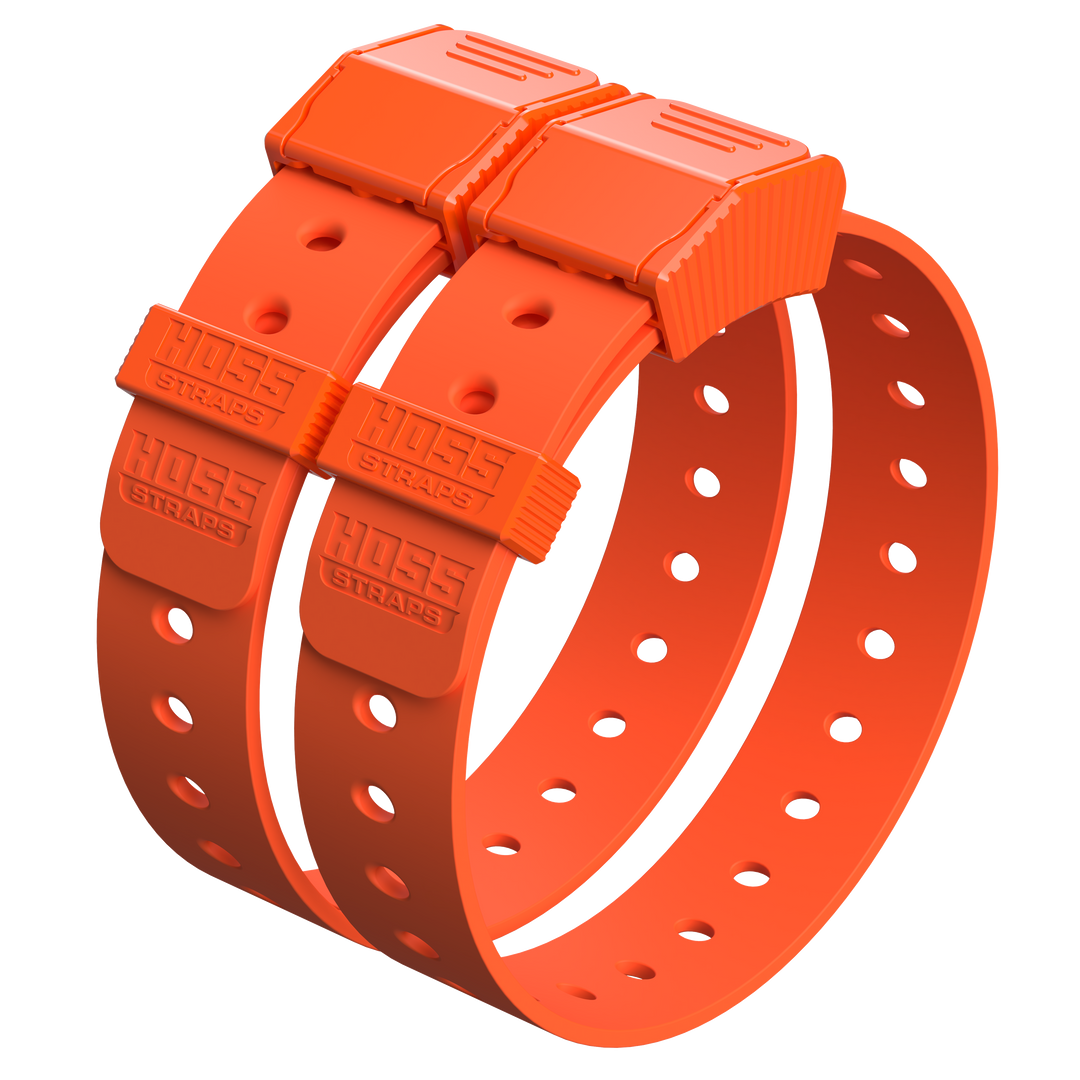
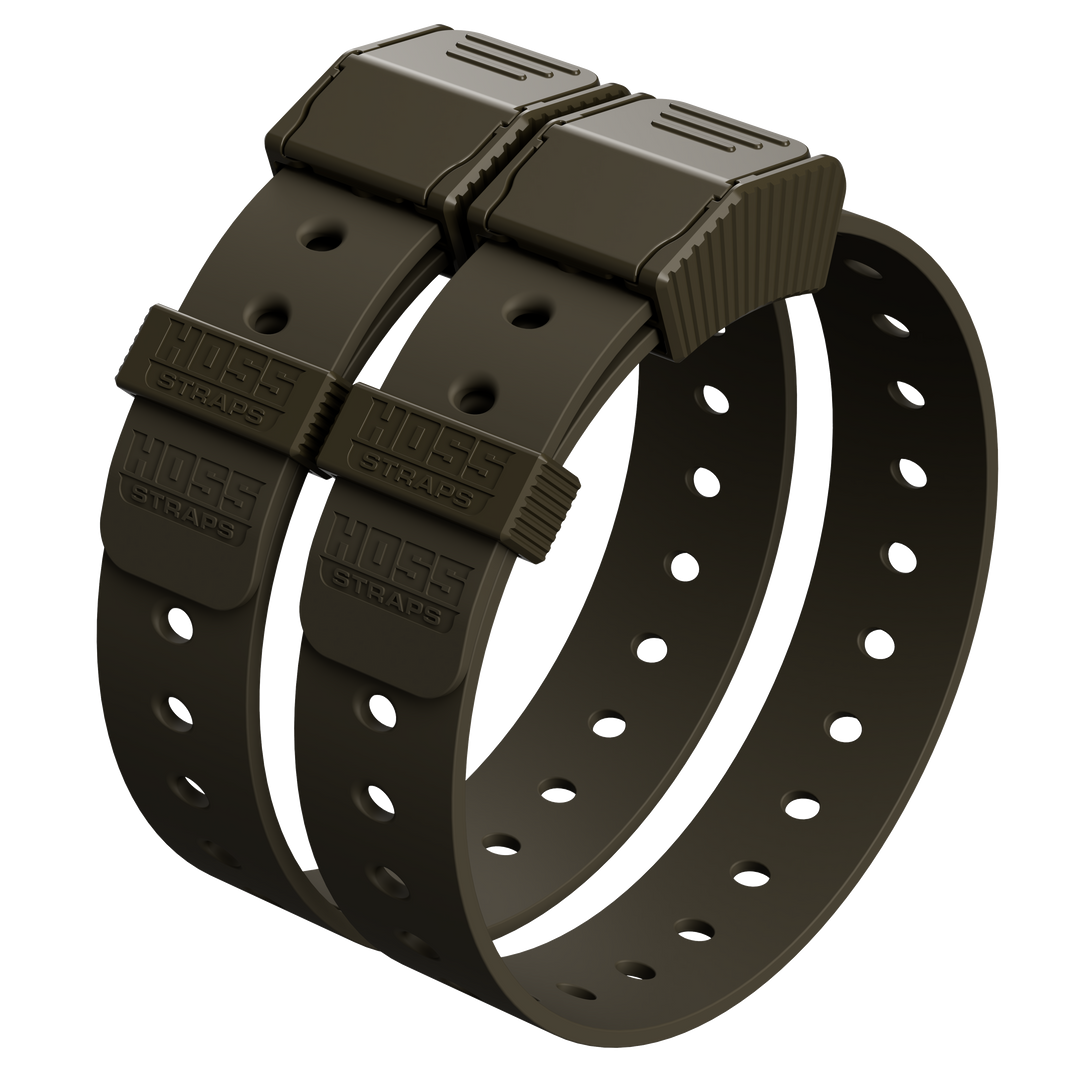
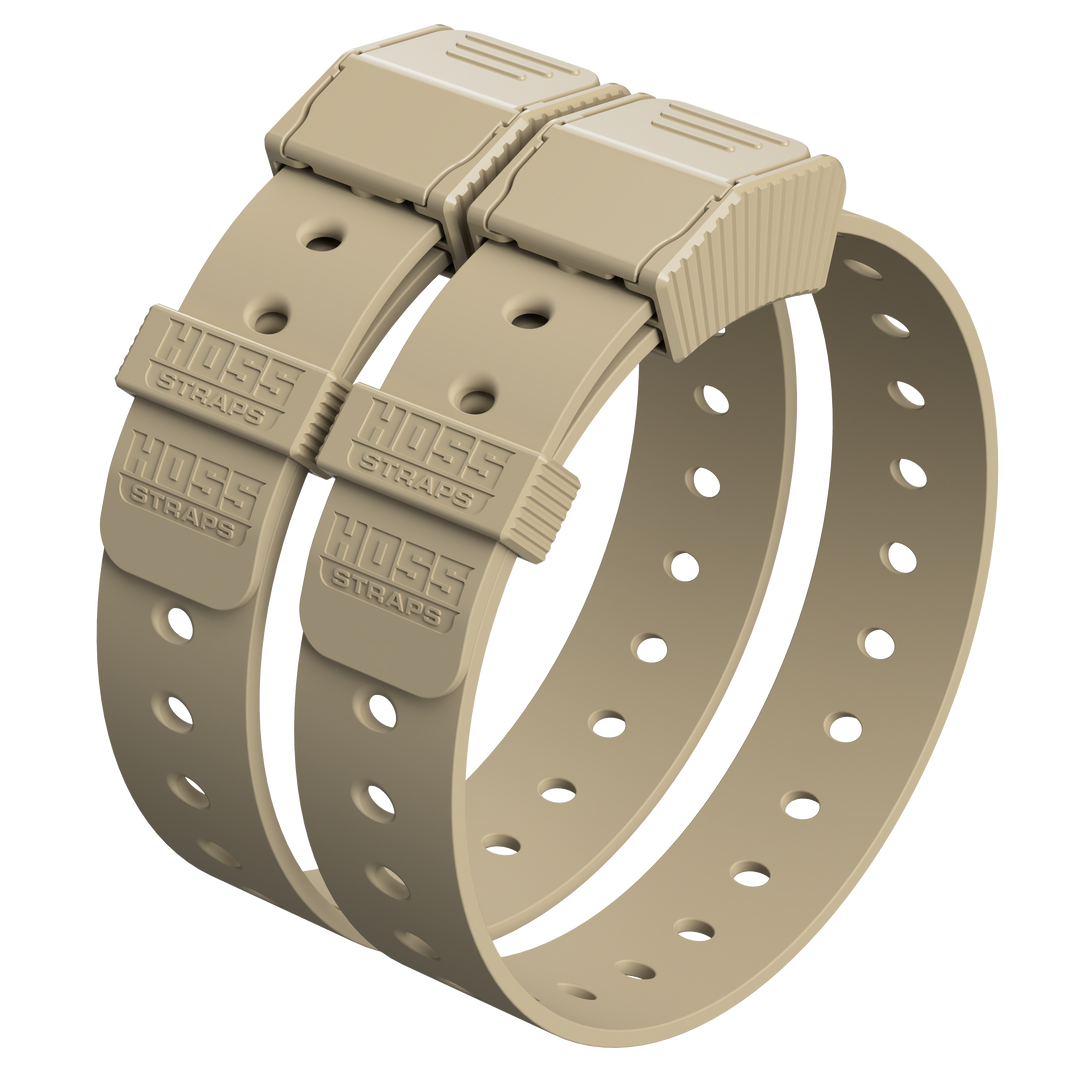
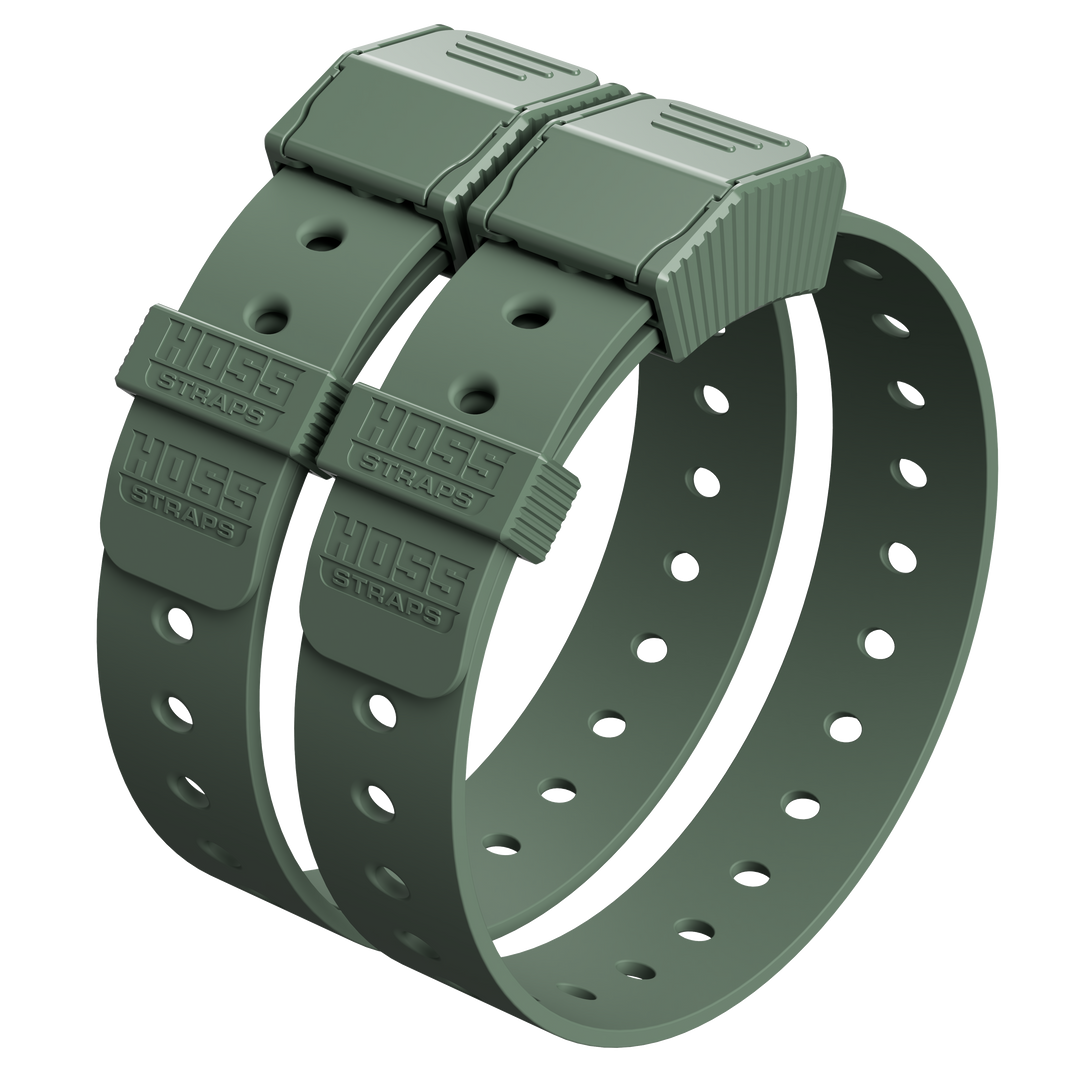
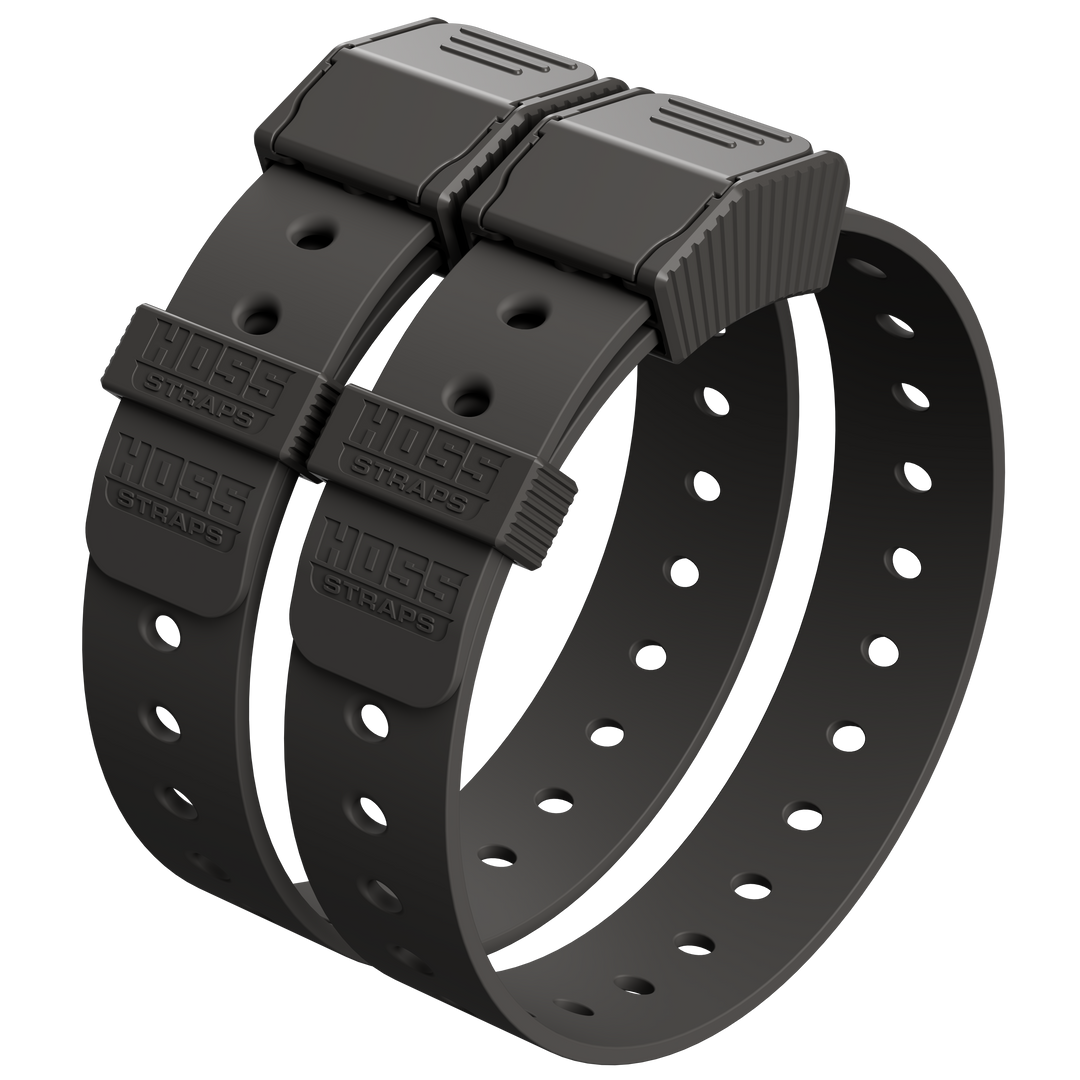
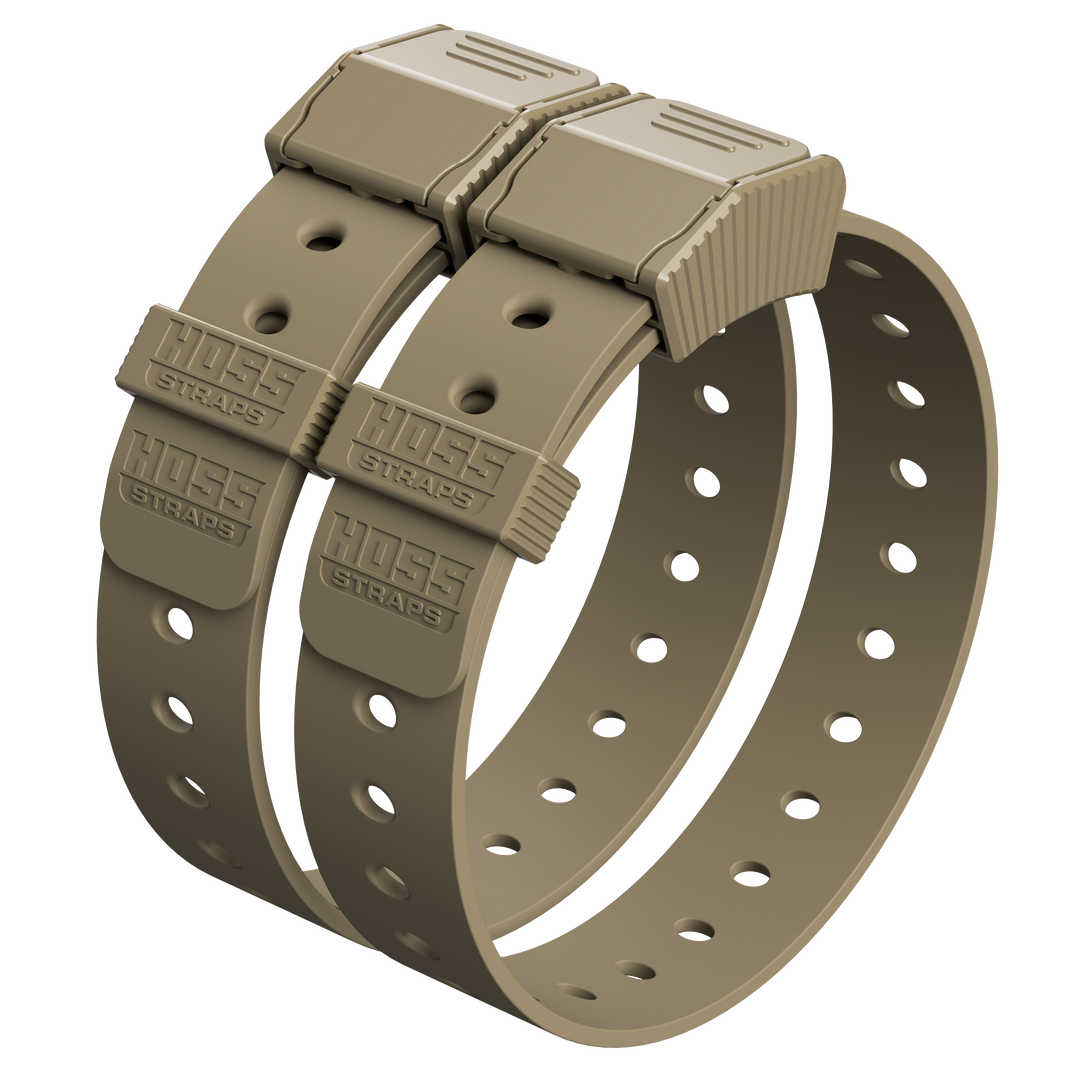
Working load is a stated use limit for a defined product and condition. Breaking strength is the force at which a particular sample fails in a particular test. They are different numbers with different jobs. Hoss Straps product pages currently show a 75 lb Working Load label. That label is not a breaking-strength value, not a universal safety factor, and not approval for lifting, towing, recovery, climbing, or human restraint.
Short answer: never replace a working-load limit with a breaking-strength result. A working-load statement should be used only within the maker's instructions and the stated test scope. A breaking-strength result describes failure in a test setup. It does not tell you what load is acceptable in your job until a qualified method, safety factor, configuration, and use limit are documented.

Guide overview
- Key takeaways
- Working load and breaking strength, defined
- Compare the two numbers
- What does Hoss Straps' 75 lb Working Load mean?
- How to read a load claim
- Uses this article does not approve
Key takeaways

- Working load is the limit for a defined use, product, configuration, and condition.
- Breaking strength is a failure result from a specified sample and test setup.
- A safety factor connects strength evidence to a use limit, but the multiplier must be documented by the responsible maker or standard.
- Hoss Straps' 75 lb Working Load label is not a published breaking strength and does not approve high-risk jobs.
- Wet conditions, sharp edges, shock, wear, buckle position, connection points, and support geometry can change the result.
- When a use could injure someone or damage a vehicle, choose equipment rated for that job and get qualified guidance.
Working load and breaking strength, defined
Working load limit, sometimes written WLL, is the maximum load a manufacturer or applicable rule permits for a defined working condition. It is a use limit, not a prediction that the product will fail at that exact point. The limit normally depends on the product, configuration, environment, inspection state, and a documented safety factor or rating method.
Breaking strength, also called minimum breaking strength or a similar term, is the force at which a tested sample fails under a stated method. It is a property of the sample and setup. Another sample, another direction, a buckle position, a knot, a sharp edge, shock loading, or wear can change the outcome.
OSHA's sling rules use rated capacity or working load as a permitted working limit and separately refer to minimum breaking strength for components. Those rules apply to covered sling work, not automatically to Hoss Straps gear straps. They are useful terminology references, not a Hoss Straps approval. Read OSHA 29 CFR 1910.184 and use a qualified professional for any regulated lifting or rigging question.
Compare the two numbers
| Question | Working load limit | Breaking strength |
|---|---|---|
| What does it answer? | What load is permitted for a defined use and condition? | At what force did a sample fail in a defined test? |
| What must be named? | Product, configuration, conditions, instructions, and rating method. | Sample, fixture, force direction, speed, environment, and failure rule. |
| Can a buyer use it alone? | Only within the current maker instructions and scope. | No. It is not a use limit by itself. |
| What can change it? | Wear, damage, angle, edge contact, shock, temperature, water, and connection. | All test conditions plus sample variation and setup details. |
| What should the page show? | Limit, scope, inspection rules, prohibited uses, and reviewer. | Method, samples, raw results, failures, uncertainty, and limitations. |
What does Hoss Straps' 75 lb Working Load mean?
It means the current Hoss Straps product pages present 75 lb as a working-load statement for the gear strap family. The label is useful only when the exact product, route, buckle closure, support, condition, and job match Hoss Straps' approved instructions. The public page does not, by itself, explain the force direction, sample count, fixture, safety factor, edge condition, shock allowance, or test record behind the label.
Do not read “75 lb Working Load” as “this strap breaks at 75 lb.” Do not read it as “any 75 lb object is safe.” Do not add the 12-inch and 24-inch labels together, multiply the value because two straps are connected, or transfer the value to a different attachment method. A connected arrangement changes the load path and adds another buckle and contact point to inspect.
1. Product label
Start with the exact Hoss Straps product and the stated working-load language.
2. Method
Confirm the test setup, conditions, samples, reviewer, and calculation.
3. Configuration
Match the route, support, buckle, angle, edge contact, and environment.
4. Use decision
Stay inside the approved scope or choose equipment rated for the job.
How to read a load claim
Before relying on any number, ask the same questions a careful test report should answer. If the page or label cannot answer them, stop at the boundary of the claim instead of filling the gap with a guess.
- Which product? Confirm size, pack, material revision, variant, and sample identity.
- Which configuration? Confirm the wrap path, hole, buckle, support, angle, connection, and contact surface.
- Which condition? Check water, salt, heat, UV, dirt, wear, sharp edges, shock, and movement.
- Which method? Look for apparatus, calibration, force direction, rate, hold time, and failure definition.
- Which safety factor? Ask who set it, why it applies, and whether it is part of a recognized method or an approved manufacturer rating.
- Which limits? Read the prohibited uses and inspection rules beside the number.


Uses this article does not approve
Neither a working-load label nor a breaking-strength result should be used to approve lifting, towing, vehicle recovery, climbing, fall protection, human restraint, suspended loads, or moving-vehicle cargo restraint unless a qualified authority and the product maker publish task-specific approval. Do not use this article to design a rigging system. Do not place people under a suspended load. Do not assume that a dry bench result covers wet, dirty, hot, sharp, moving, or shock-loaded conditions.
Stop and ask: if failure could injure a person, release a vehicle, damage property, or create a suspended load, stop using a general gear strap claim. Choose equipment rated for the exact job and consult a qualified engineer, rigger, or safety professional.

Working load and breaking strength FAQs
Is working load the same as breaking strength?
No. Working load is a permitted use limit for a defined scope. Breaking strength is a failure result from a test sample and setup.
What does 75 lb mean on a Hoss Straps gear strap page?
Hoss Straps currently displays 75 lb Working Load on its product pages. The label should be read as a first-party working-load statement, not a breaking-strength value, universal safety factor, or approval for high-risk jobs.
Can I use a breaking-strength number as my working limit?
No. A qualified method must account for configuration, conditions, sample variation, safety factor, inspection, and the job. Do not convert a failure result yourself.
Does connecting two Hoss Straps gear straps double the limit?
No. Connecting changes the load path, contact points, and buckle count. It does not establish a higher limit unless Hoss Straps publishes an approved method for that exact configuration.
Can I use the 75 lb label for towing or recovery?
No. The label does not approve towing, recovery, lifting, climbing, fall protection, human restraint, or moving-vehicle cargo restraint.
Where should I look for the test method?
Use the Hoss Straps testing page when its route is live and its apparatus, samples, dates, methods, raw results, and limitations are published. Until then, treat the working-load label as incomplete proof for a safety decision.