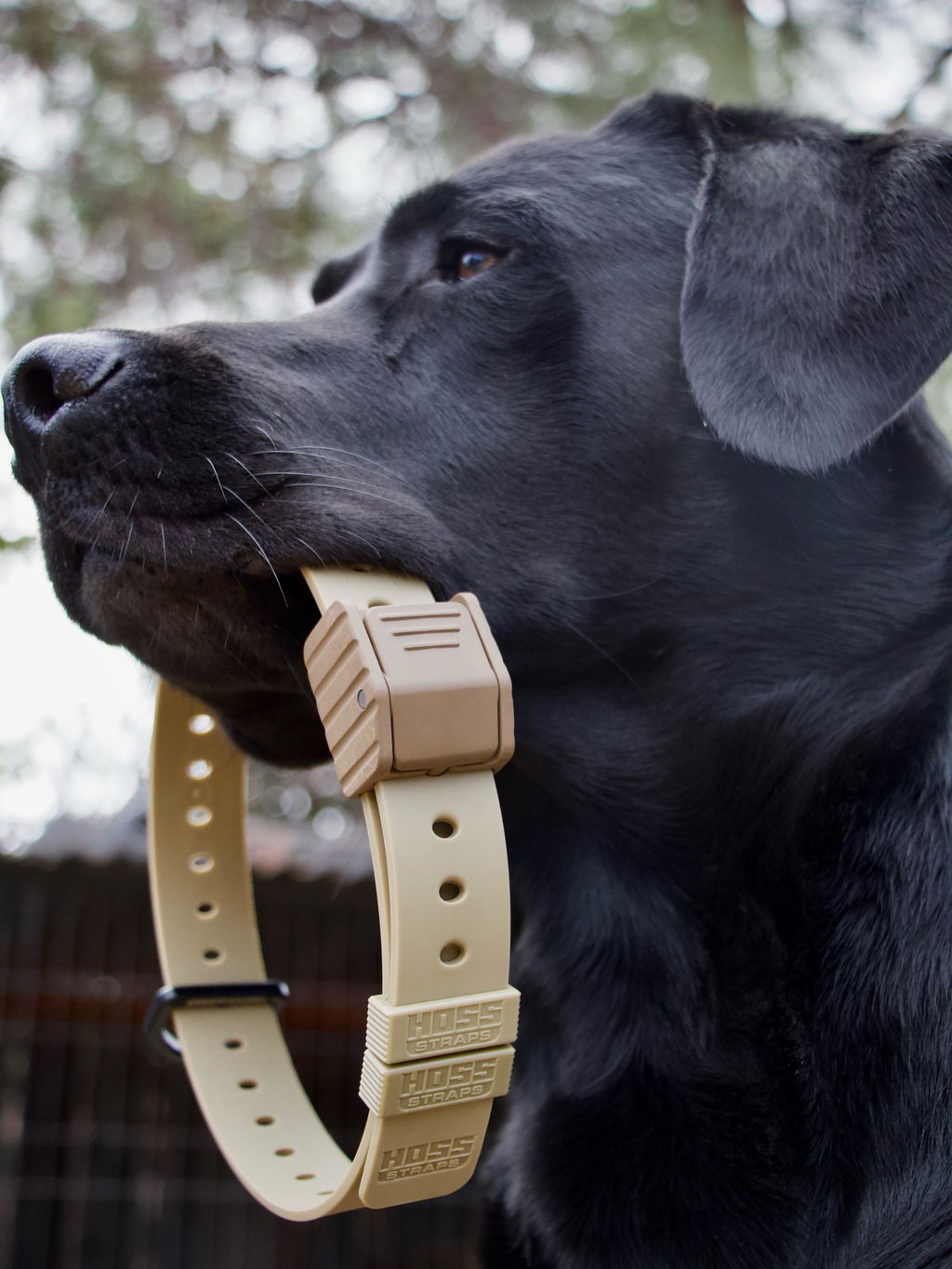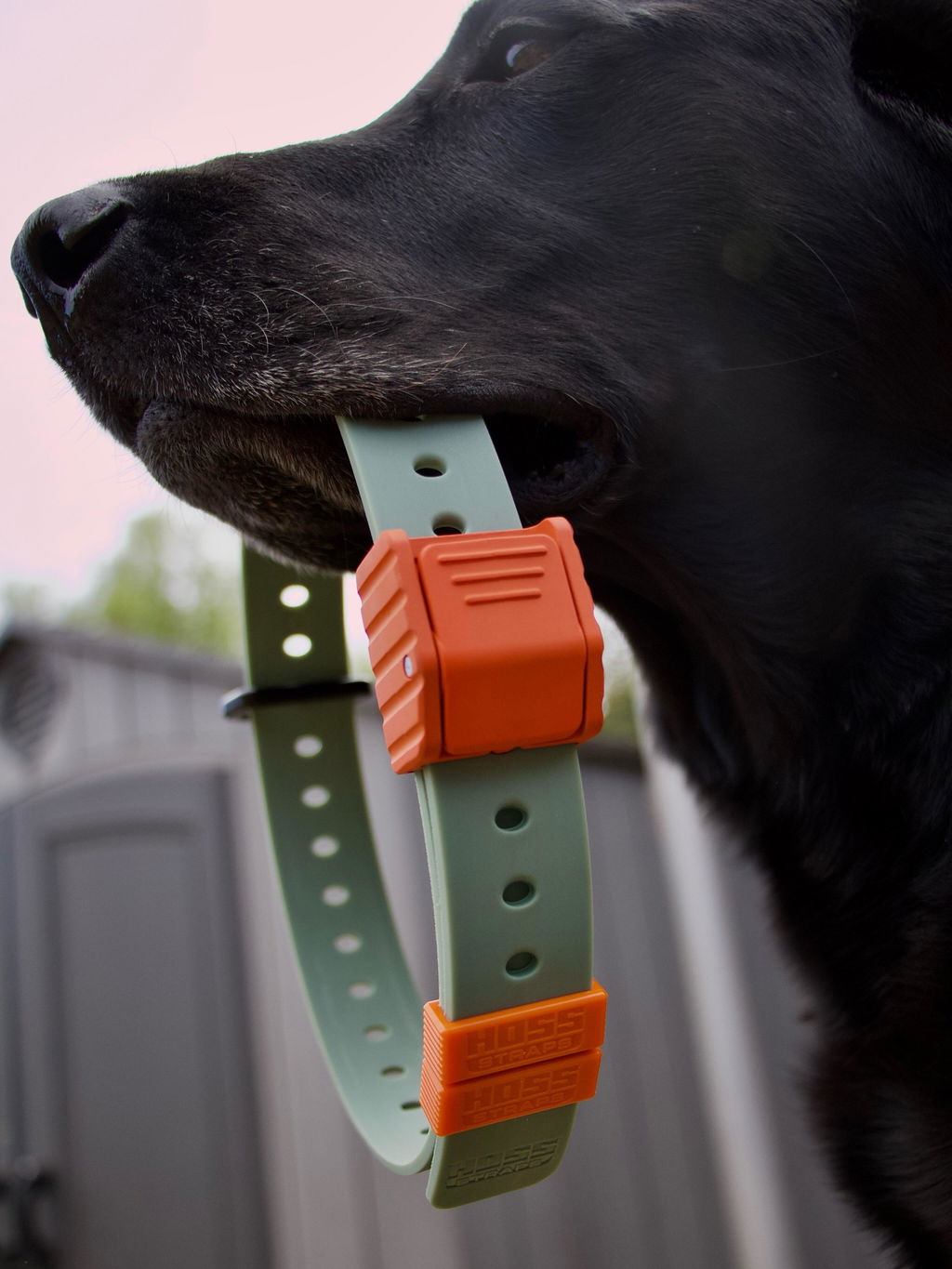



Inspect a Reusable Gear Strap Before the Next Job
A reusable gear strap should earn the next job with a quick condition check. Take it off the gear, remove outside force, and inspect the buckle, adjustment holes, strap surface, and both edges where you can actually see and feel them.
Quick answer: replace the strap now if you find a cracked, chipped, incomplete, or deformed buckle; a deep cut or tear; a split or stretched adjustment hole; melted or permanently distorted material; or a buckle that will not close and release normally after cleaning. Light color change, water spots, and shallow surface rub marks can be cosmetic, but only when the strap keeps its normal shape and every functional area remains intact.

Inspection Checklist
- Complete a 60-second pre-use check
- Choose pass, clean and recheck, or replace now
- Check the buckle first
- Inspect the surface, edges, cuts, and holes
- Look for deformation, heat, and chemical damage
- Clean before making a close call
- Know when to retire the strap
- Keep warranty and inspection decisions separate
The 60-Second Pre-Use Check
- Unload the strap. Support the gear and remove the strap before inspecting it. Do not check a buckle while the setup is pulling against it.
- Clear loose dirt. Brush or rinse away enough contamination to see the material. A dirt line can hide a cut.
- Lay it open. Look at the full strap body, both edges, every hole you use, the buckle, and the keeper.
- Use your fingertips. Feel for a notch, sharp spot, raised edge, crack, hard patch, thinning, or a change in thickness.
- Flex gently. Bend the unloaded strap through its normal range. Stop if a pale line opens into a crack or a damaged edge begins to separate.
- Operate the buckle. Close and release it by hand. It should move normally, align with the selected hole, close fully, and stay closed during a light hand check.
- Make one decision. Pass it, clean and recheck it, or replace it. Do not leave a questionable strap mixed with ready-to-use gear.
Also inspect after an impact, a sharp-edge event, heavy abrasion, heat exposure, saltwater, mud, sand, chemical contact, unexpected loosening, or a job where the gear moved more than planned.
Use Three Decisions: Pass, Clean and Recheck, or Replace Now
| Decision | What you can see | What to do |
|---|---|---|
| Pass | Buckle, holes, edges, thickness, shape, closure, and release are normal. Any marks are shallow and limited to the surface. | Use only within the current product instructions and job limits. Recheck after the gear moves or conditions change. |
| Clean and recheck | Residue hides a surface, grit affects buckle movement, or a storage bend makes the condition hard to judge. | Keep it out of service. Rinse or clean it, air-dry it, let it relax, then repeat the full inspection. |
| Replace now | A structural area is cut, torn, cracked, chipped, stretched, melted, permanently deformed, incomplete, or unreliable. | Remove it from usable gear so it cannot be selected by mistake. Replace it before the next job. |
“Clean and recheck” is a pause, not permission to keep using an uncertain strap. If cleaning does not restore a clear view and normal operation, replace the strap or ask HOSS to review clear photos.

Check the Buckle First
The buckle is a functional connection point, so inspect more than its outside color. Look along the housing, the release surface, the hinge or molded transition, and every place the buckle meets the strap. Compare the left and right sides for a change in shape or alignment.
Close and Release It Once
With the strap unloaded, close the buckle at an intact adjustment hole and give it a light hand check. Then support the strap and use the molded release normally. A buckle that feels gritty should be cleaned before another check. A buckle that needs prying, hammering, twisting, or modification should not be forced back into service.
Replace the Strap for Buckle Damage
Replace it when the buckle is cracked, chipped, crushed, heat-deformed, missing material, misaligned, unable to close completely, unexpectedly opening, or inconsistent after a proper rinse and dry. A buckle can look mostly complete and still be unreliable if the release or contact surfaces no longer move as designed.
Inspect the Strap Surface, Both Edges, Cuts, and Holes
Run your eyes and fingertips along the entire strap. Pay special attention to the section beside the buckle, the hole most often used, and every place that touched a corner, anchor, rack, box, or moving piece of gear.
Surface Marks
A faint rub mark, light discoloration, water spot, or shallow polish line may be cosmetic. The deciding factors are depth, location, and whether the material keeps its normal thickness, flexibility, edges, and shape. Do not call a mark cosmetic when you cannot see its bottom or when flexing makes it open.
Edges
An edge should remain continuous. Replace the strap for a notch, slice, missing piece, or tear that enters from the edge. Edge damage matters because normal wrapping and movement can pull at that point again.
Adjustment Holes
Each hole you use should stay round, smooth, and fully surrounded by material. Replace the strap if a hole is split, elongated, torn toward an edge, joined to another hole, or no longer holds the buckle in its intended position. Do not drill a new hole or trim a damaged one.

Check for Deformation, Heat, and Chemical Damage
A strap stored tightly bent may need time to relax before its condition is clear. A permanent kink, thinned section, stretched area, rippling, flattened buckle, or shape that keeps the parts from aligning is different from a temporary storage bend. Replace permanent deformation that affects fit, thickness, closure, or routing.
Heat damage can appear as melting, glazing, bubbling, hardening, unusual softness, or a shape change. Unknown fuel, solvent, cleaner, adhesive, or other chemical exposure can also make a visual check incomplete. If you cannot identify the exposure and confirm the product remains suitable, keep it out of service and contact HOSS.
Clean Before You Make a Close Call
Salt, sand, mud, and grit can hide damage and interfere with buckle movement. Follow the HOSS Gear Strap Care guide and use a simple sequence:
- Support the gear and remove the strap.
- Rinse the strap body, holes, buckle, and release area with fresh water.
- Turn the open buckle so water can reach visible recesses. Do not pry it with a tool.
- Air-dry it away from open flame and high heat.
- Repeat the inspection under good light.
Cleaning can remove contamination. It cannot repair a crack, cut, tear, stretched hole, melted patch, missing piece, or permanent deformation.
Replace Now: Signs That End the Inspection
- A crack, chip, missing piece, crush mark, or permanent shape change in the buckle.
- A buckle that will not close fully, will not release normally, opens unexpectedly, or stays inconsistent after cleaning.
- A deep cut, tear, notch, puncture, or missing material in the strap body or edge.
- A split, stretched, elongated, or edge-connected adjustment hole.
- Melting, glazing, bubbling, hardening, extreme softness, or another heat-related change.
- A permanent kink, thin spot, rippled area, or deformation that changes the fit or route.
- Damage caused by drilling, cutting, heating, gluing, filing, or another modification.
- Any condition you cannot inspect clearly enough to trust for the planned job.

What Is Cosmetic, and What Is Structural?
| Observation | Usually cosmetic only when… | Replace when… |
|---|---|---|
| Color change | The material remains uniform, flexible, and unchanged in thickness and shape. | It appears with heat damage, hardening, extreme softness, cracking, or permanent deformation. |
| Surface scuff | It is shallow, smooth, and does not open during gentle flexing. | It has measurable depth, a sharp bottom, exposed missing material, or reaches an edge or hole. |
| Storage bend | The strap relaxes back to its normal shape and all parts align. | The kink or ripple remains and changes the fit, thickness, buckle alignment, or route. |
| Dirty buckle | Fresh-water cleaning restores normal movement, closure, and release. | The buckle remains gritty, jammed, incomplete, cracked, misaligned, or inconsistent. |
| Hole wear | The hole remains round, smooth, and fully surrounded by intact material. | The hole is elongated, split, torn, enlarged, or connected to an edge or another hole. |
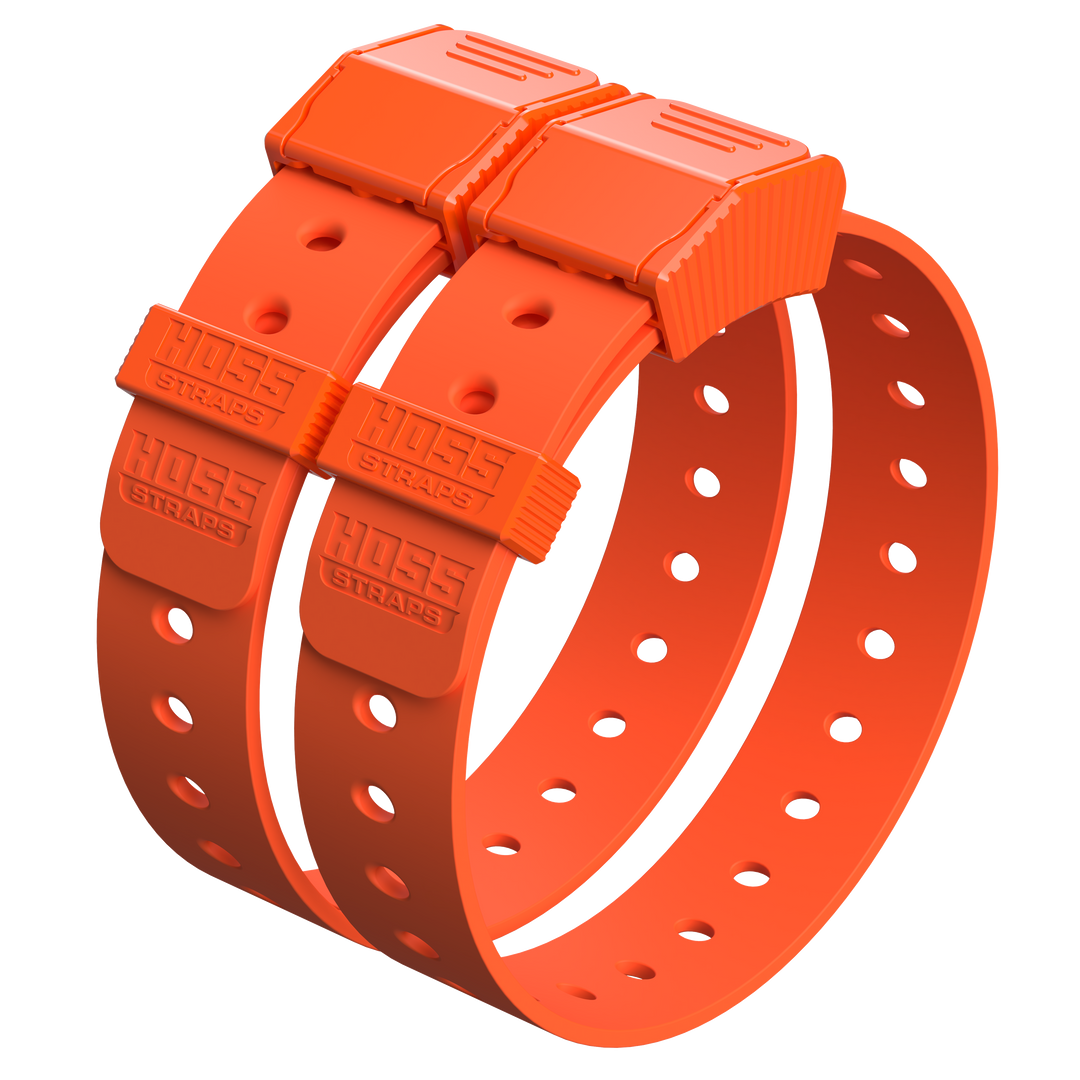
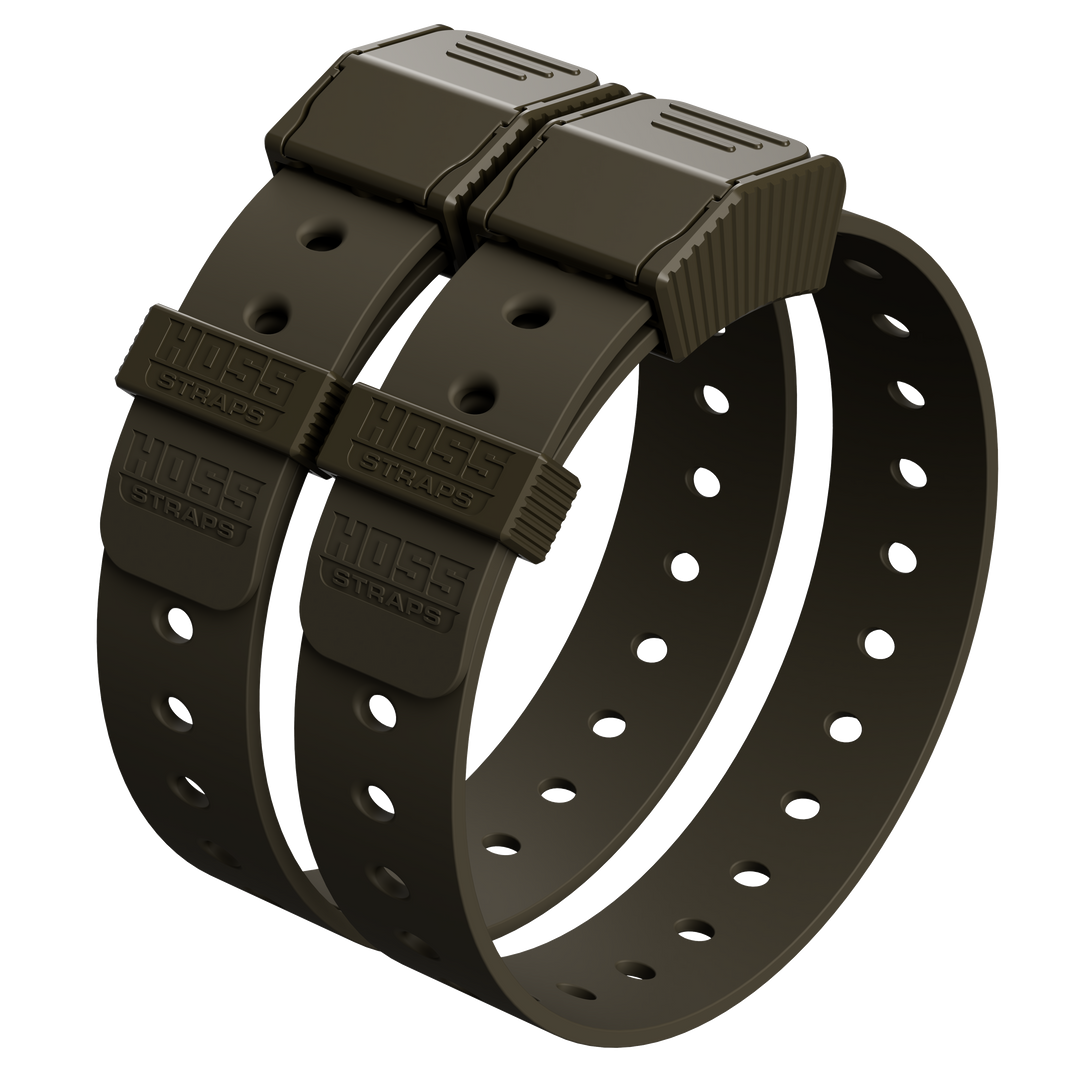
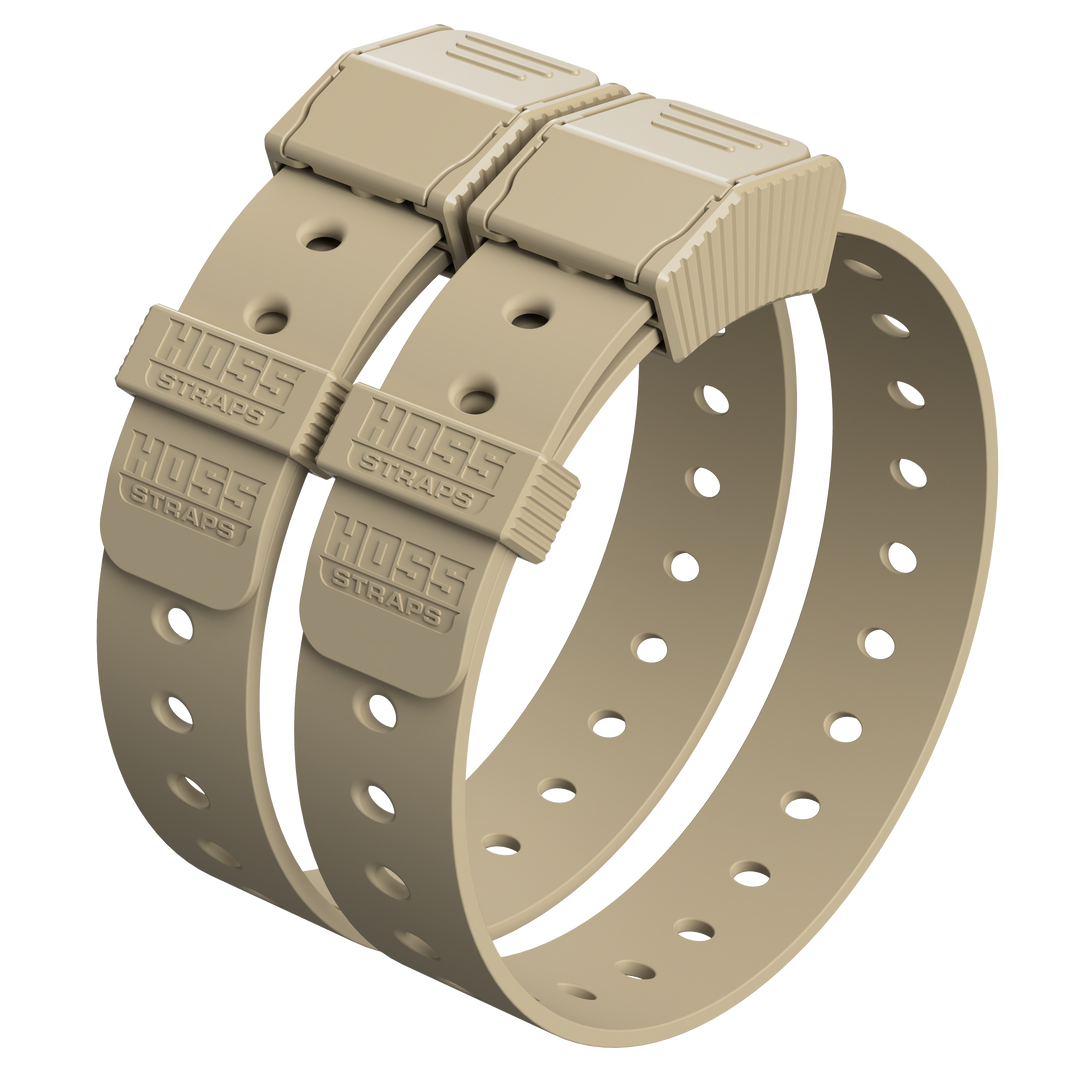
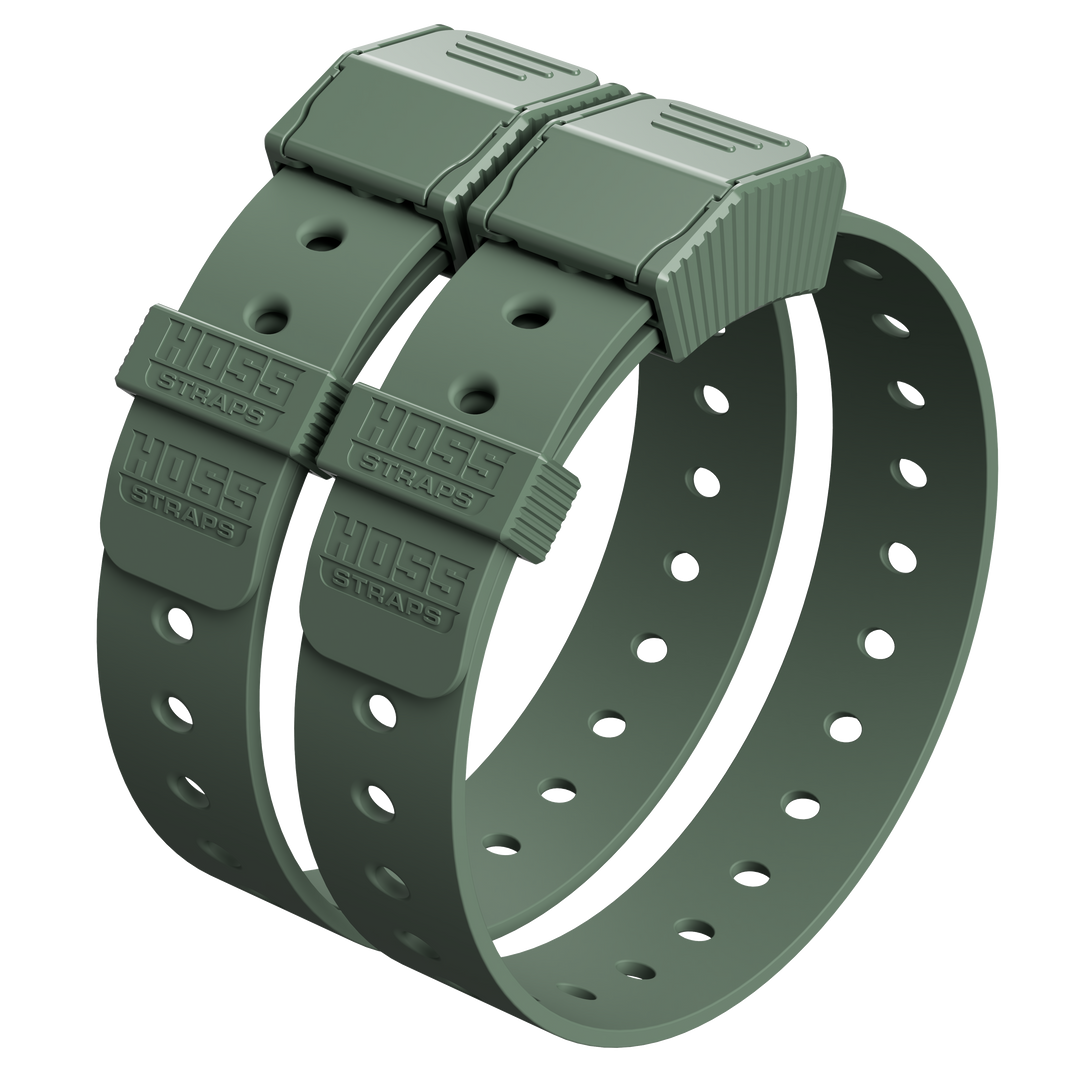
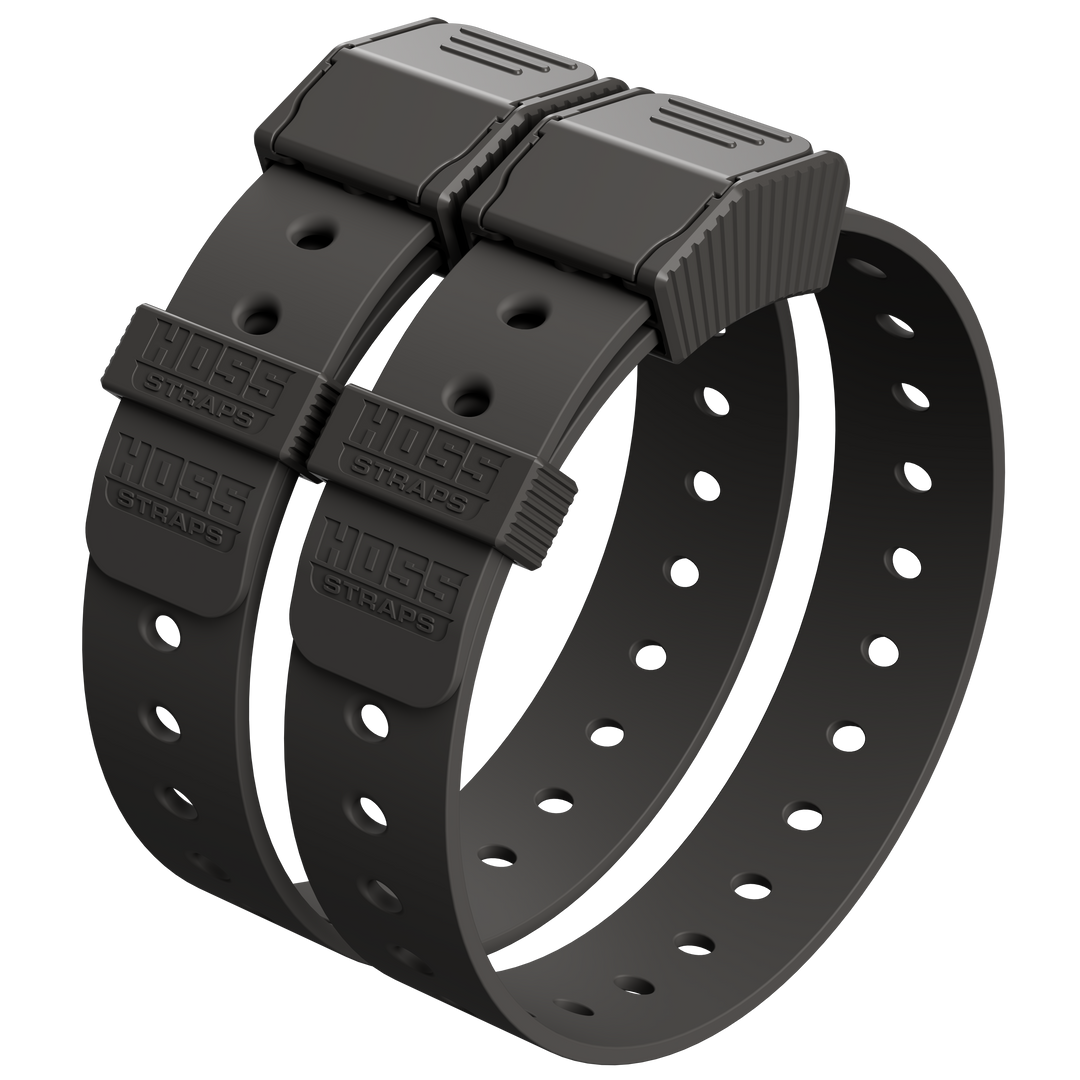
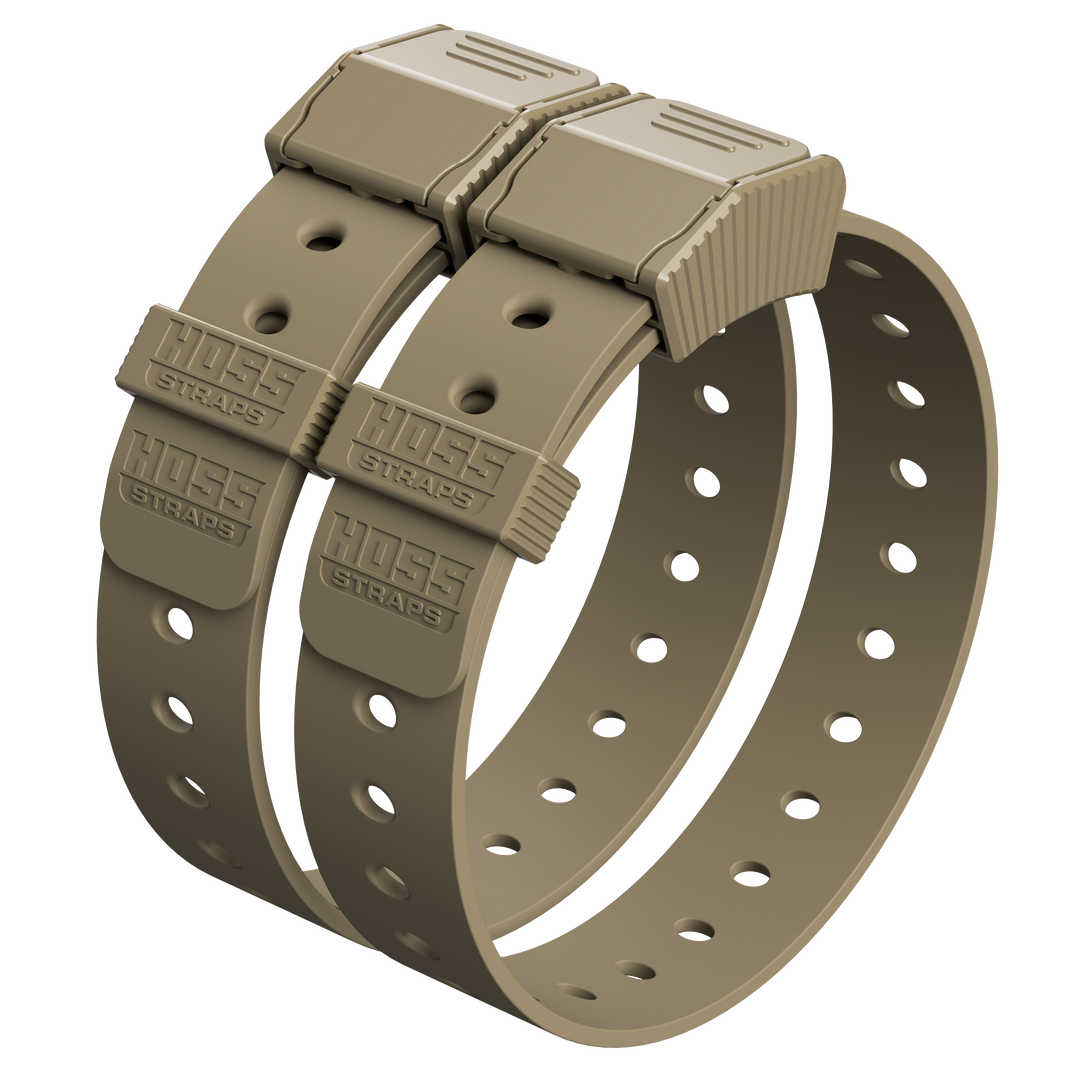
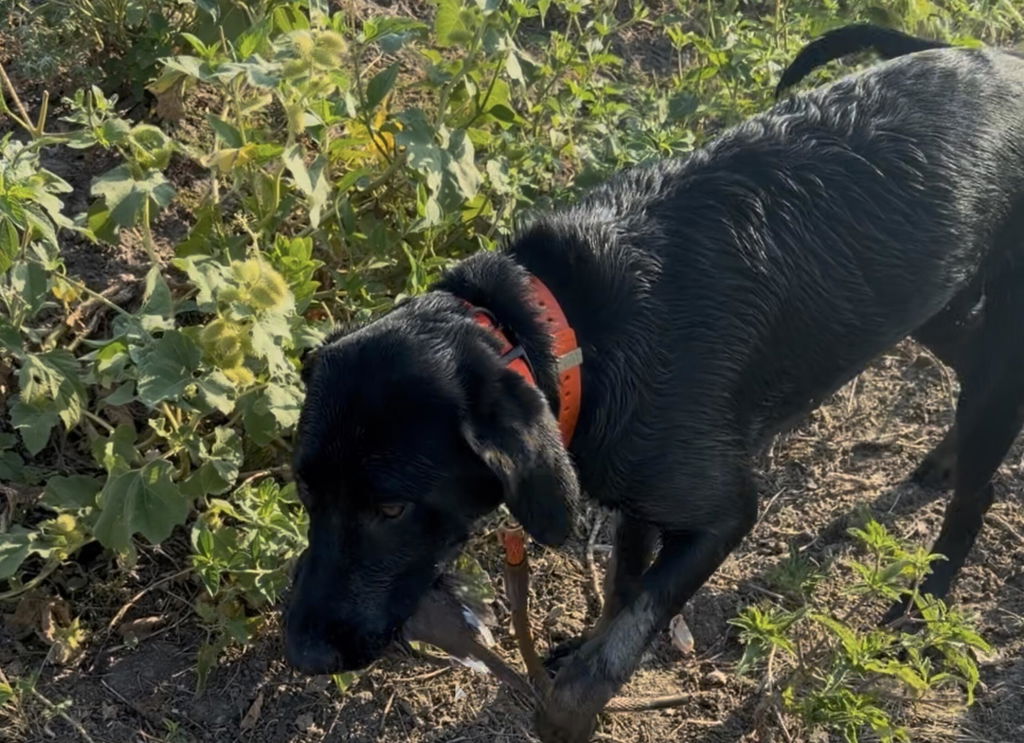
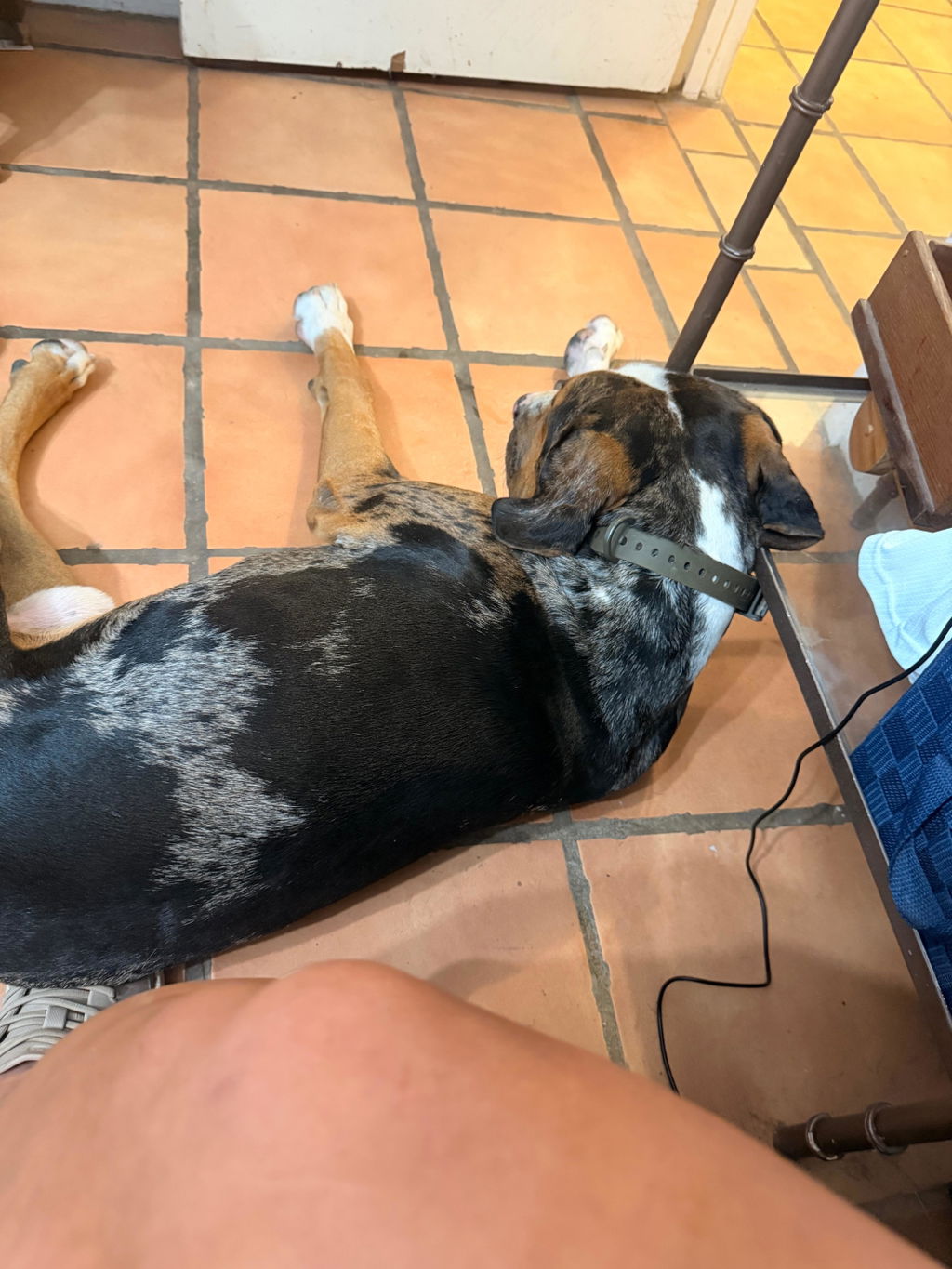
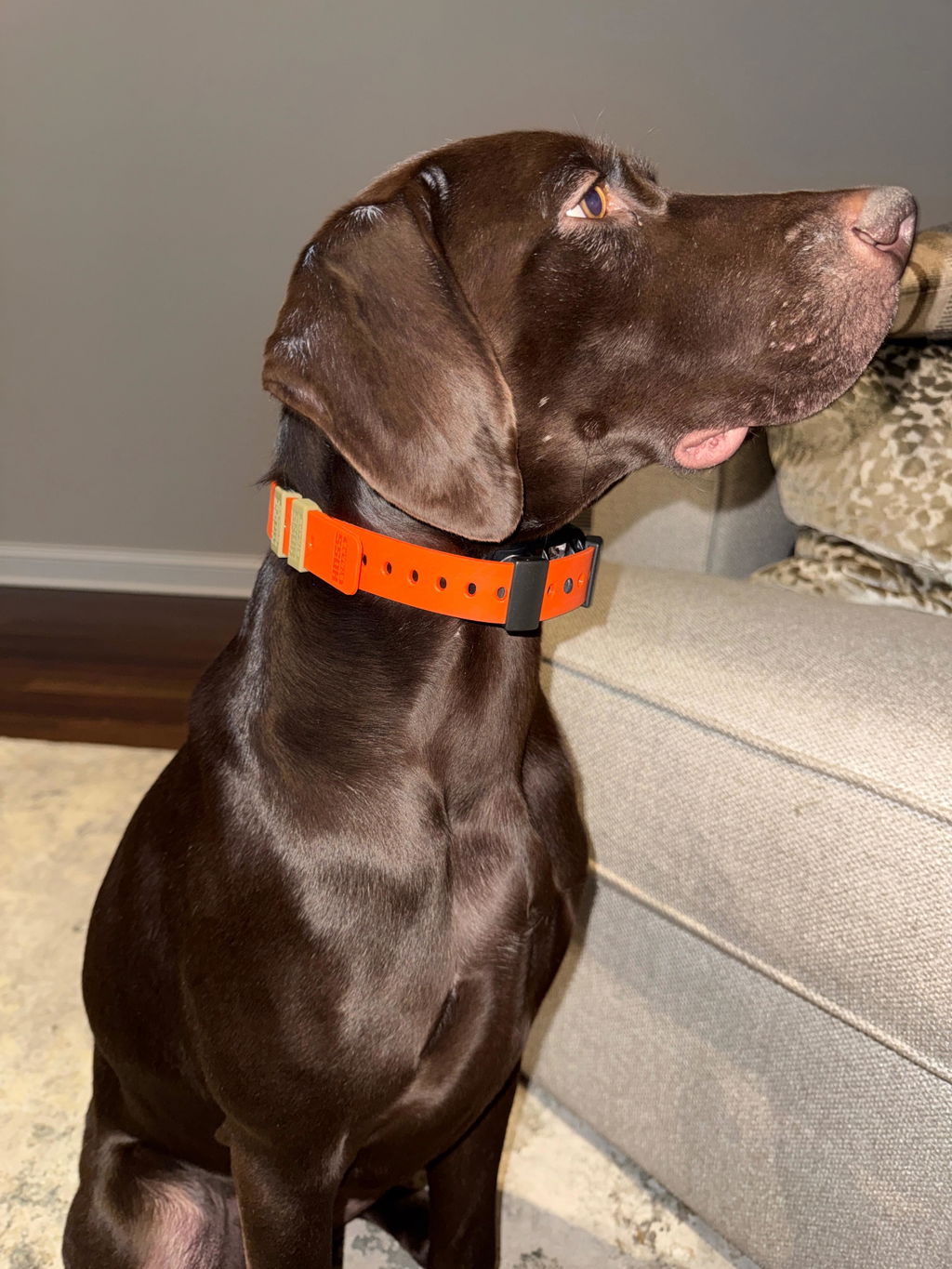
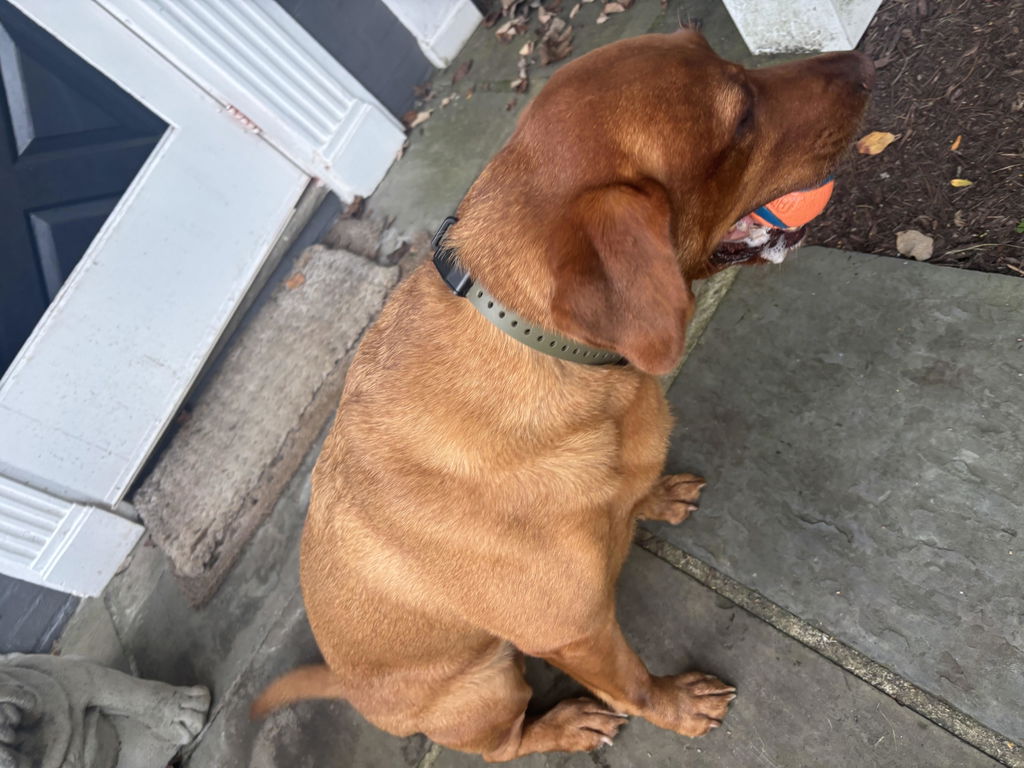
The wear-stage images in this guide are illustrative examples, not photographed test samples or a substitute for inspecting the exact strap in your hand. Use the visible condition and normal operation of your product—not a matching color or number of scuffs—to make the decision.
There Is No Universal Retirement Date
A reusable strap does not have one service-life number that fits every owner and job. Frequency of use, route, abrasion, impact, heat, contamination, storage, and the importance of the secured gear all change what the strap experiences. HOSS does not currently list a calendar replacement interval or guaranteed cycle count for its gear straps.
Retire by condition and function. Inspection does not restore strength, calculate remaining life, or prove that a worn strap keeps the same capacity as a new one. Stay within the maker’s current instructions and read Working Load vs Breaking Strength for the limits of a load label. Do not use a general gear strap for lifting, towing, recovery, climbing, fall protection, human restraint, or suspended loads.
Warranty Does Not Replace Inspection
Serviceability and warranty coverage are separate decisions. A strap that is unsafe for the next job should come out of service even if you are unsure whether the cause is normal wear, accidental damage, or a manufacturing defect.
The current HOSS Limited Warranty describes one-year coverage for the initial retail purchaser against defects in material and workmanship under normal use and proper maintenance. It also says general wear from normal use is expected and does not create a warranty claim. Read the complete terms because timing, exclusions, proof, and HOSS review control coverage. If you believe the condition may be a defect, stop using the product and contact HOSS with your purchase information and clear photos.
Gear Strap Wear Questions
Which signs mean I should replace a gear strap now?
Replace it for a cracked, chipped, incomplete, or deformed buckle; a deep cut or edge tear; a split or elongated hole; melted or permanently distorted material; or closure and release that remain unreliable after cleaning.
What gear strap wear is only cosmetic?
Light color change, water spots, and shallow rub marks may be cosmetic when they do not change thickness, flexibility, edges, holes, buckle shape, closure, or release. If you cannot see the depth or flexing opens the mark, do not treat it as cosmetic.
Can I keep using the strap if the buckle still closes?
Closure alone is not enough. The buckle, strap body, edges, holes, shape, and release must all pass inspection, and the setup must stay within the current product instructions.
Does cleaning fix a sticky or damaged buckle?
Cleaning may remove salt, sand, mud, or grit and restore normal movement. It does not repair a crack, chip, missing piece, misalignment, or deformation. Replace the strap if normal operation does not return after rinsing and drying.
How often should I inspect a reusable gear strap?
Inspect it before each job and again after impact, sharp-edge contact, heavy abrasion, heat, chemicals, saltwater, mud, sand, unexpected loosening, or unusual gear movement.
How many years or cycles should a HOSS gear strap last?
HOSS does not currently list one calendar life or guaranteed cycle count for its gear straps. Use condition, normal operation, current instructions, and the planned job—not age alone—to make a replacement decision.
Replace a Worn Strap Before the Next Job
Remove a failed strap from your ready-to-use gear, then choose the replacement length that fits the complete route. Compare the HOSS Gear Strap collection, including 12-inch gear straps for compact routes and 24-inch gear straps when you need more reach. Review How HOSS Straps Work before setting up the replacement.