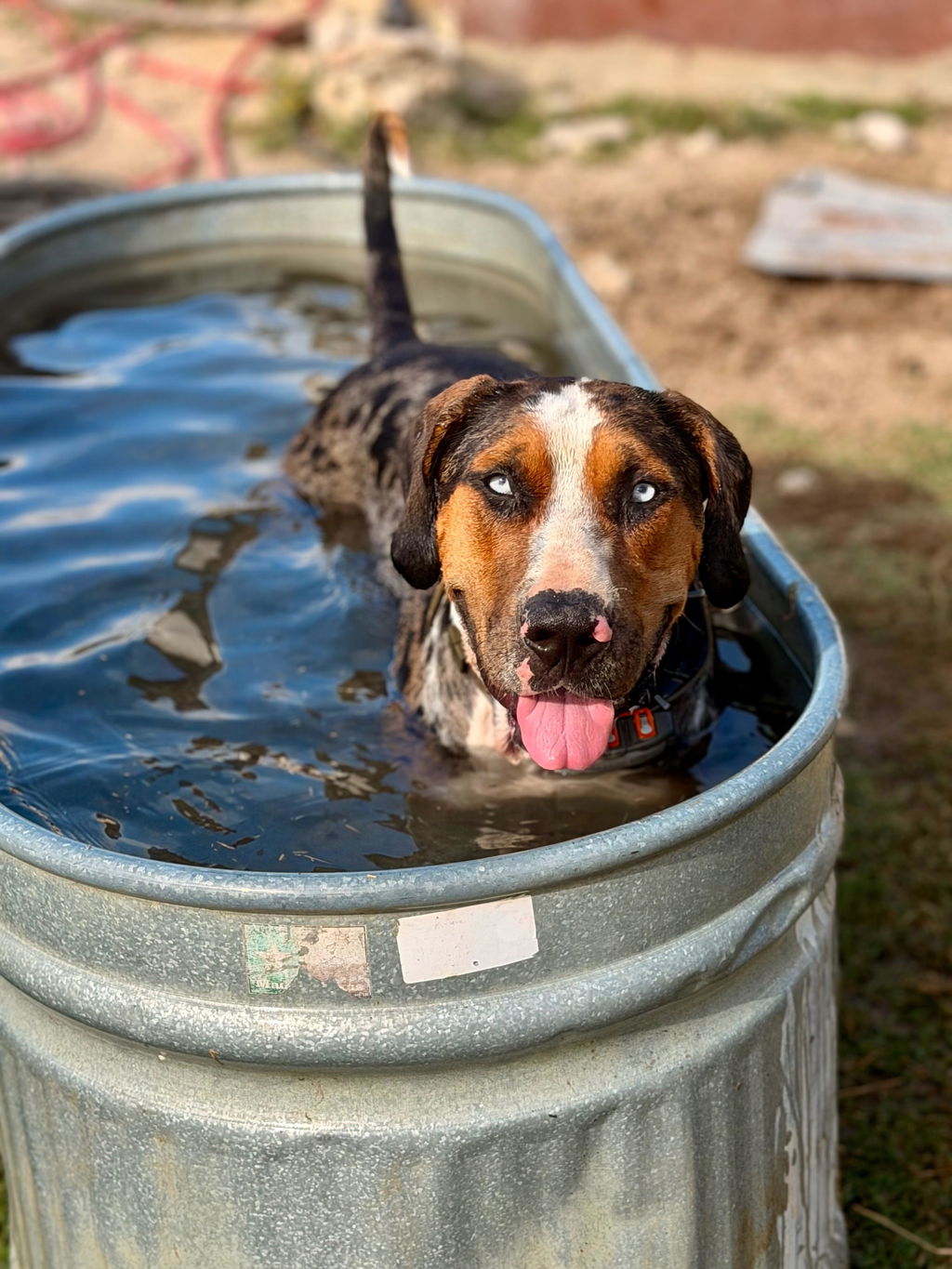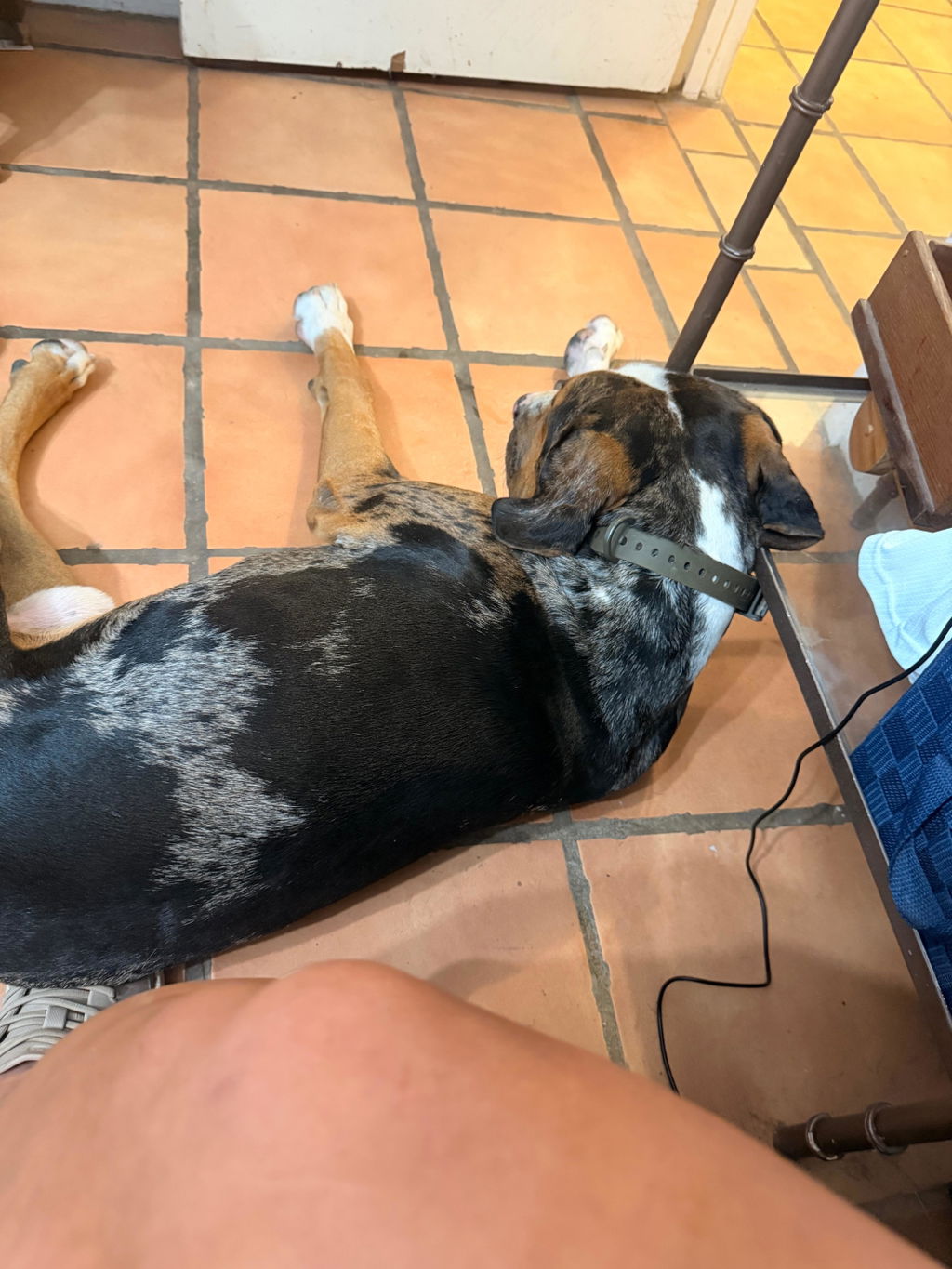



What to Put on a Dog ID Collar: The Only Checklist Most Owners Need

Check out our training collar setup, d-ring dog collar, dog collars, and more!
If your dog slips a gate, backs out of gear, or bolts after a squirrel, the fastest way home is simple: readable ID and a phone number that rings.
Here’s a clear US-only checklist for what to put on a dog ID collar, plus a few add-ons that make sense for real life. Keep it short, easy to read, and easy to update.
The must-have ID info

1) Your dog’s name
A name helps a stranger talk to your dog and keep things calm. Keep it to one word if you can.
2) A phone number you will answer
Use a number that stays with you, usually your cell. Always include the area code.
3) One backup way to reach you (only if there’s room)
Most tags don’t have much space, so you have to choose what earns a line. The American Kennel Club notes that many ID tags only fit about two to four lines of text and suggests key items like your dog’s name and a phone number with area code (American Kennel Club guidance).
Good backup options:
-
A second phone number (spouse, partner, trusted friend)
-
City and state (example: “Austin, TX”)
Should you put your address on a dog tag?
In the US, a full street address is optional. Some owners like it because it points to a home base. Others skip it for privacy and use city and state instead.
A solid middle ground for many dogs:
-
Put city and state on the tag
-
Keep full address details in your microchip registry profile and vet records
Smart add-ons that help in the real world
These are “only if it fits” items. Do not cram the tag until the letters get tiny.
“MICROCHIPPED”
A microchip is backup ID if a collar comes off. The American Animal Hospital Association encourages owners to keep microchip contact details up to date and also says dogs and cats should wear collar ID tags with current owner contact information (AAHA animal ID guidance).
If you add “MICROCHIPPED,” make sure your registry info matches your current phone and address.
Medical note (keep it short)
Only add a medical note if it changes how a finder should handle your dog. Examples:
-
“DIABETIC”
-
“NEEDS MEDS”
-
“DEAF”
-
“ALLERGIC”
Skip long messages. A tag is not a medical chart.
Rabies tag (and local license tag)
If your dog has a rabies tag or local license tag, keep it on the collar where it’s easy to see. The American Veterinary Medical Association notes that “nothing replaces a collar with up-to-date identification tags,” and it also states a pet’s rabies tag should be on the collar so people can quickly see the pet has been vaccinated (AVMA microchipping FAQ).
Local rules can vary by city and county, so follow what your area requires.
If you travel: add a travel tag
When you’re away from home, your normal tag may not point to where you are staying. Best Friends Animal Society suggests adding a special travel tag with the info for where you’re staying while away (Best Friends travel tips).
A travel tag can be a simple second tag you clip on for the trip, then remove when you get home.
Hanging tag vs. nameplate

Both can work. The best choice is the one you will keep updated.
Hanging ID tag
Good for: easy updates, low cost, quick replacement.
Watch for: wear over time and small text that gets hard to read.
Engraved nameplate (on the collar)
Good for: quiet setup and a clean look. Many owners like engraved nameplate dog collars because they keep key contact details attached in a low-profile way. harder to change later if you move or change numbers.
A common setup is a nameplate for the basics plus a hanging tag for a backup number or travel info. For owners who want scannable backup info without crowding the tag, QR code ID dog collars can also be a useful add-on when paired with clear visible contact details.
Copy-ready layouts you can steal
Use these based on how much space you have.
| Tag size | What to engrave |
|---|---|
| Small (2 lines) | Dog Name | Phone |
| Medium (3 to 4 lines) | Dog Name | Phone 1 | Phone 2 or City, ST | “MICROCHIPPED” (if room) |
| Travel add-on | Dog Name | Trip Phone | Hotel or Friend City |
Common mistakes that make ID tags fail
-
Old phone numbers: the tag looks fine, but nobody can reach you.
-
Too much text: tiny engraving is hard to read.
-
Fancy fonts: simple block text wins.
-
Worn-out tags: if the letters are fading, replace it.
One more reminder: tags and microchips work best together. The ASPCA states that implanted microchips, when combined with visible ID tags on a pet’s collar, have proved to be the most reliable system for recovering lost or stray companion animals (ASPCA microchip statement).
CTA: Pair your dog’s ID with a collar built for daily wear
Good ID info is only half the job. The collar has to carry it every day.
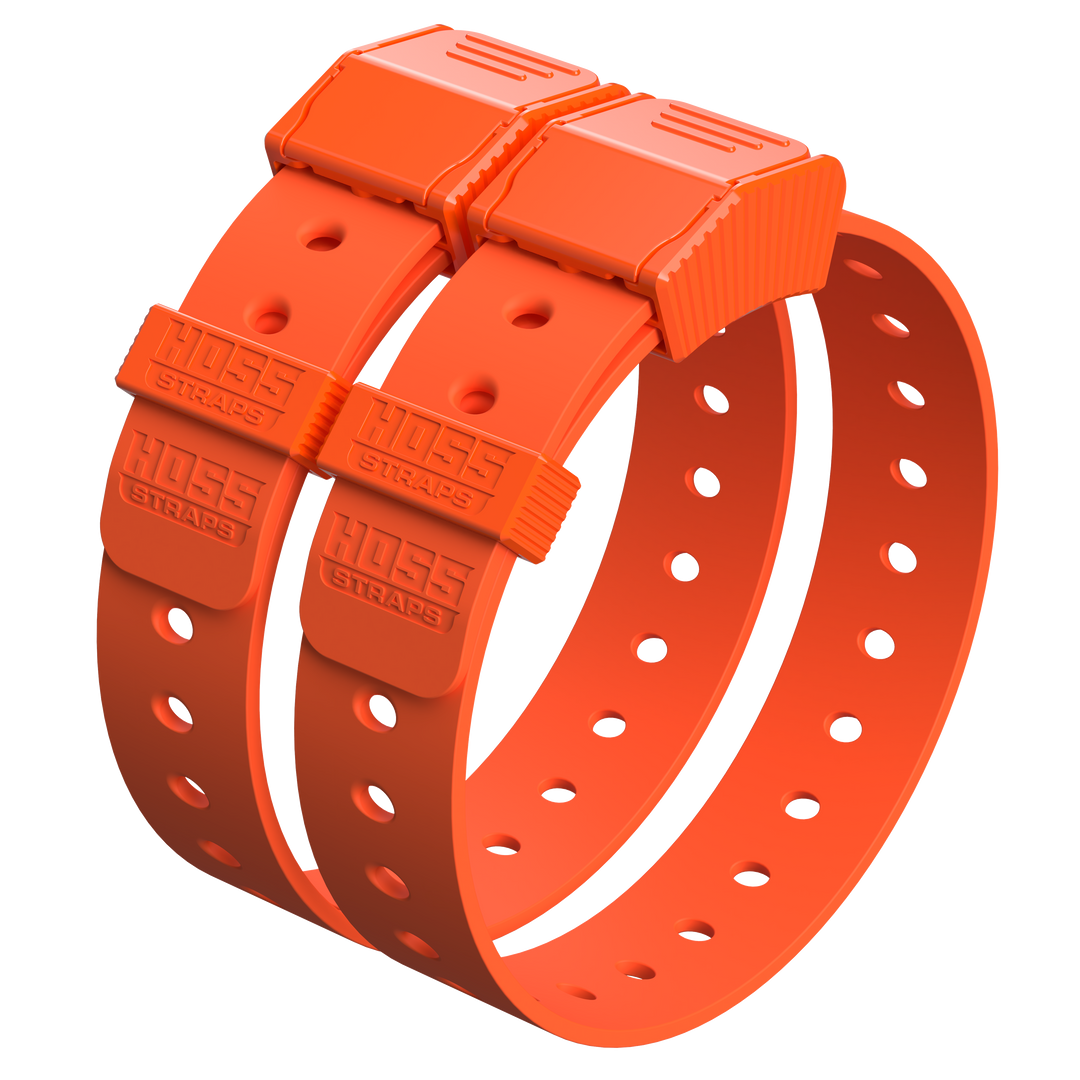
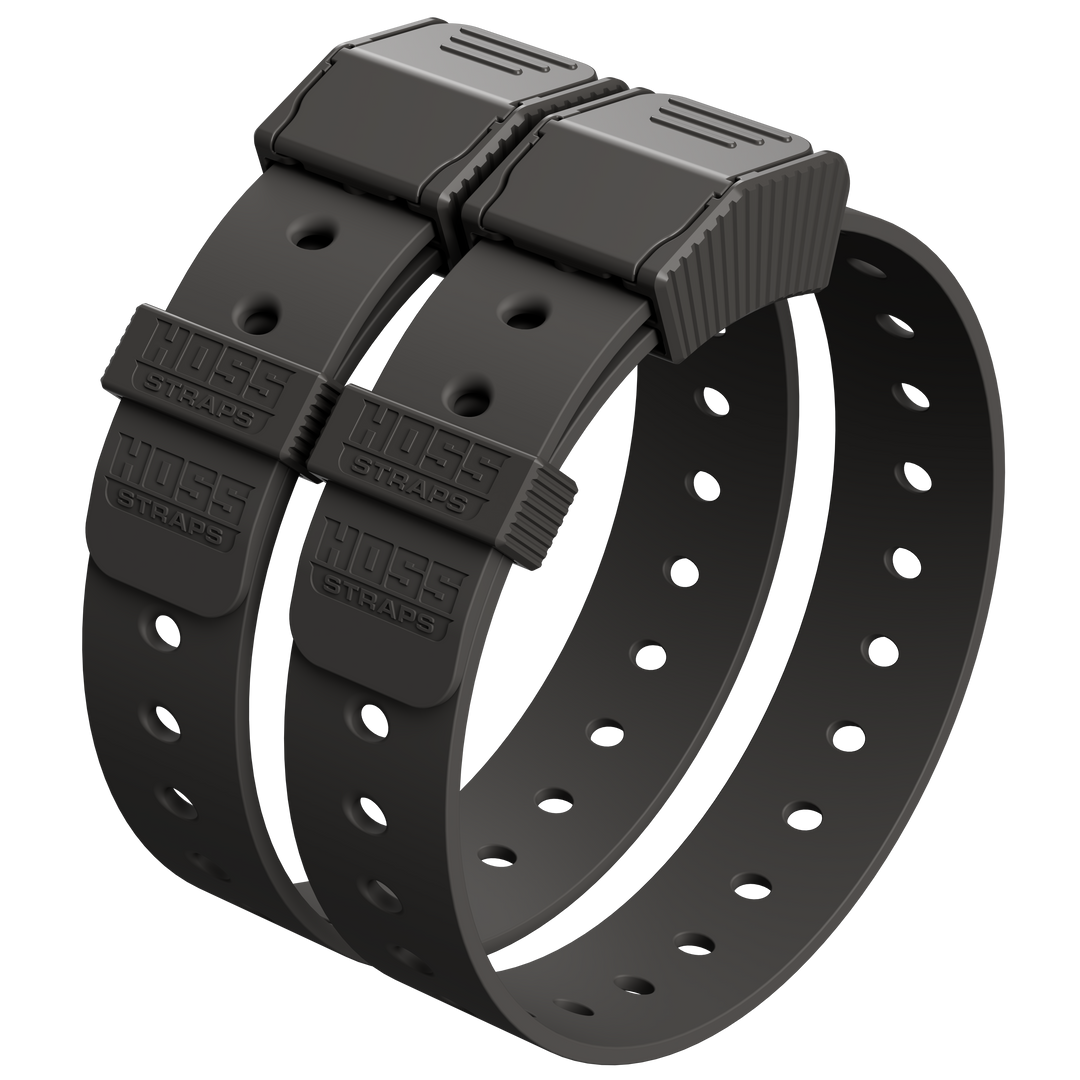
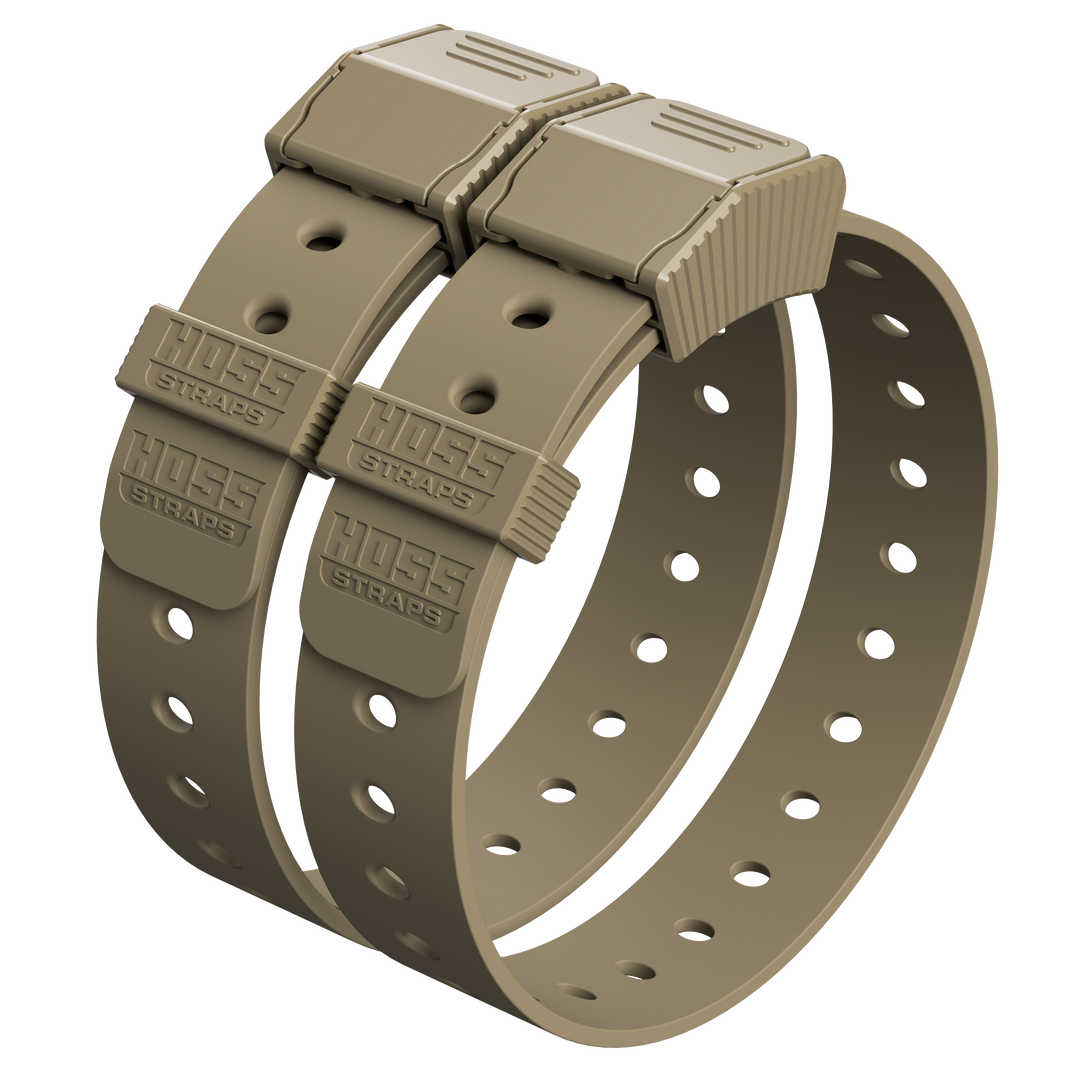
If you’re setting up solid dog ID, Hoss Straps dog collars are a dependable match. They are made to hold tags where they belong and stay comfortable through everyday use, so your dog’s ID is there when it matters.
FAQ
1) What is the most important thing to put on a dog ID tag?
Your phone number is the fastest way for someone to reach you. Add your dog’s name, then one backup contact method if you have space.
2) Should I put my full address on my dog’s ID tag?
In the US, it’s optional. Many owners use city and state on the tag and keep full address details elsewhere, like in microchip and vet records.
3) Should I add “microchipped” to the tag?
If you have space, it can help a finder know there is backup ID if the collar gets separated. Just make sure your microchip registry contact info stays current.
4) How many phone numbers should go on a dog tag?
One reliable number is better than two numbers you won’t answer. If you have space, adding a second trusted contact can help when you are out of reach.
5) What should I do if I’m traveling with my dog?
Add a travel tag with the phone number and location where you are staying. When plans change, update the travel tag so the info stays true.